There are over 60 therapeutic peptides actively being studied right now, and most people can't name more than five. That's not a knock on anyone, the field moves fast, new compounds show up every year, and good information is scattered across dozens of sources. This directory fixes that. If you only want the most popular peptides ranked by how well they work in people, start with our best peptides list.
🔑 Key Takeaways
- What this is: A full reference directory of therapeutic peptides, organized by what they do, not alphabetically
- How it's structured: Eight goal-based categories: healing, weight loss, GH secretagogues, muscle, cognitive, immune, anti-aging, and hormonal
- Each entry includes: What it does, best uses, standard research dose, and a link to the full compound guide
- Educational reference only: All compounds listed here are for educational purposes, nothing here is medical advice
- Coverage: Healing, fat loss, muscle growth, cognitive enhancement, immune modulation, anti-aging, and hormonal peptides
- Go deeper: Every peptide links to its dedicated PeptideDeck page with full dosing, mechanisms, and sourcing info
Think of this as your starting point. You find the category that matches your research interest, scan the peptides in it, then click through to the full guide for anything that catches your eye. We've tried to keep each entry honest, noting where research is strong and where it's still mostly animal data or early trials.
Let's get into it.
Master Peptide Database: Every Peptide at a Glance
The table below lists every major therapeutic peptide with its category, mechanism, typical dose, administration route, and regulatory status. Use it as a quick reference, then scroll down for detailed profiles of each compound.
Healing & Recovery Peptides
This category is where most people start. You've got an injury, something won't heal, or you're trying to recover faster. These peptides target tissue repair at the cellular level, gut lining, tendons, ligaments, muscle tears, even nerve damage in some cases.
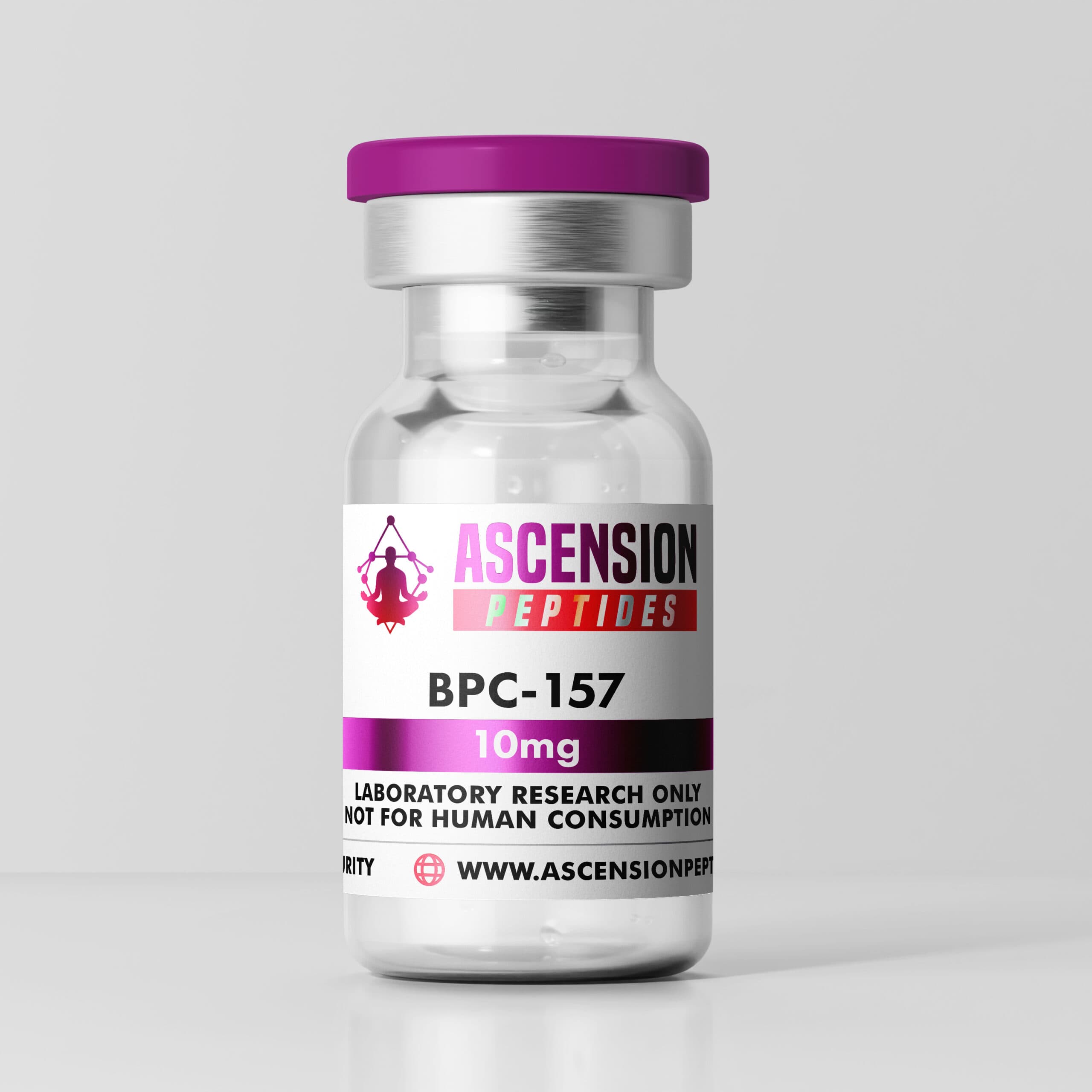
BPC-157
What it does: A 15-amino-acid peptide derived from human gastric juice that accelerates healing of tendons, ligaments, muscle, gut lining, and even nerve tissue. Probably the single most popular research peptide for a reason.
Best for: Tendon repair, gut healing, muscle injuries, post-surgical recovery, joint pain
Standard dose: 250–500mcg/day subcutaneous or oral
TB-500
What it does: A synthetic fragment of thymosin beta-4 that promotes cell migration, blood vessel formation, and reduces inflammation. Works systemically, doesn't need to be injected at the injury site.
Best for: Muscle tears, tendon injuries, cardiac repair, reducing fibrosis, systemic healing
Standard dose: 2–5mg twice weekly (loading), then 2mg weekly (maintenance)
Thymosin Beta-4
What it does: The full-length parent protein of TB-500. Regulates actin, promotes wound healing, and has anti-inflammatory properties throughout the body. Some researchers prefer it over the TB-500 fragment.
Best for: Wound healing, cardiac tissue repair, corneal healing, broad anti-inflammatory effects
Standard dose: 750mcg–2mg daily or every other day
KPV
What it does: A tripeptide (Lys-Pro-Val) from alpha-MSH that acts as a potent anti-inflammatory agent, particularly in the gut. Shows up in a lot of gut-healing protocols alongside BPC-157.
Best for: IBD, gut inflammation, colitis, skin inflammation, oral or subcutaneous use
Standard dose: 200–500mcg/day subcutaneous or oral
ARA-290
What it does: An erythropoietin-derived peptide that activates the innate repair receptor without stimulating red blood cell production. Primarily researched for neuropathic pain and small fiber neuropathy.
Best for: Neuropathic pain, small fiber neuropathy, sarcoidosis, tissue repair
Standard dose: 1–4mg daily subcutaneous
Weight Loss & Metabolic Peptides
This is the category that's been in the spotlight thanks to the GLP-1 revolution. Semaglutide and tirzepatide changed the game, but there are older and newer compounds here worth knowing about too. Some work through appetite suppression, others target fat metabolism directly.
Semaglutide
What it does: GLP-1 receptor agonist that suppresses appetite, slows gastric emptying, and improves insulin sensitivity. The compound behind Ozempic and Wegovy, FDA-approved and the most clinically validated weight loss peptide available.
Best for: Weight loss, appetite control, type 2 diabetes, metabolic health
Standard dose: 0.25mg–2.4mg weekly subcutaneous (escalating)
Tirzepatide
What it does: Dual GIP/GLP-1 receptor agonist that hits two incretin pathways at once. Clinical trials showed up to 22.5% body weight loss, outperforming semaglutide in head-to-head data.
Best for: Weight loss, insulin resistance, type 2 diabetes, metabolic syndrome
Standard dose: 2.5mg–15mg weekly subcutaneous (escalating)
Retatrutide
What it does: Triple agonist hitting GLP-1, GIP, and glucagon receptors simultaneously. Phase 2 trial data showed up to 24.2% body weight loss in 48 weeks. Still in clinical development but generating enormous interest.
Best for: Significant weight loss, metabolic optimization, body recomposition
Standard dose: 1mg–12mg weekly subcutaneous (escalating per protocol)
AOD-9604
What it does: A modified fragment of human growth hormone (amino acids 177-191) that stimulates lipolysis without the growth-promoting or diabetogenic effects of full HGH. Has TGA approval in Australia as a food supplement.
Best for: Fat loss, body recomposition, metabolic support
Standard dose: 300mcg/day subcutaneous
HGH Fragment 176-191
What it does: The fat-burning tail end of the growth hormone molecule. Stimulates lipolysis and inhibits lipogenesis without affecting blood sugar or growth. Very similar in concept to AOD-9604.
Best for: Targeted fat loss, body recomposition without GH side effects
Standard dose: 250–500mcg/day, split into 2 doses
5-Amino-1MQ
What it does: An NNMT inhibitor that blocks an enzyme involved in fat cell metabolism. Oral compound, no injection needed. Works by increasing NAD+ levels in fat cells and shifting them toward energy expenditure.
Best for: Fat loss, metabolic rate support, oral administration
Standard dose: 50–100mg/day oral
Adipotide
What it does: A peptidomimetic that targets blood vessels feeding white adipose tissue and triggers apoptosis in fat cells. Aggressive mechanism, showed dramatic fat loss in primate studies but comes with real kidney toxicity concerns.
Best for: Experimental fat loss research (high risk profile)
Standard dose: 0.5mg/kg every other day (primate dosing, human protocols not established)
Cagrilintide
What it does: A long-acting amylin analog that reduces appetite and food intake through brainstem signaling. Being developed in combination with semaglutide (CagriSema) for enhanced weight loss.
Best for: Appetite reduction, weight loss, combination therapy research
Standard dose: 1.2–4.5mg weekly subcutaneous
Pemvidutide
What it does: Dual GLP-1/glucagon receptor agonist with a particular focus on liver fat reduction. Phase 2 data showed significant weight loss alongside marked improvements in liver fat content, interesting for NASH/MAFLD researchers.
Best for: Weight loss, liver fat reduction, MAFLD/NASH research
Standard dose: 1.2–1.8mg weekly subcutaneous (clinical trial doses)
Setmelanotide
What it does: MC4R agonist FDA-approved for rare genetic obesity conditions (POMC, PCSK1, LEPR deficiency). Targets a very specific pathway, not a general weight loss compound but groundbreaking for the right patient population.
Best for: Genetic obesity disorders, MC4R pathway research
Standard dose: 1–3mg daily subcutaneous (per FDA labeling)
Growth Hormone Secretagogues
Here's the key distinction: none of these compounds introduce synthetic growth hormone into your body. Instead, they stimulate your pituitary gland to release more of its own GH. That's a meaningful difference, you get pulsatile release that mimics natural patterns rather than a flat exogenous dose. Side effect profiles tend to be milder too.
Ipamorelin
What it does: A selective GHRP that stimulates GH release without significantly raising cortisol or prolactin. Considered the "cleanest" GH secretagogue with the fewest side effects. The go-to starter compound in this category.
Best for: GH optimization, anti-aging, fat loss, sleep quality, recovery
Standard dose: 200–300mcg 2-3x daily subcutaneous
CJC-1295
What it does: A GHRH analog with a Drug Affinity Complex (DAC) that extends its half-life to 6-8 days. Provides sustained GH elevation rather than sharp pulses. Almost always paired with ipamorelin.
Best for: Sustained GH elevation, anti-aging, body composition, stacking with GHRPs
Standard dose: 1–2mg once or twice weekly subcutaneous
Sermorelin
What it does: The oldest GHRH analog in clinical use, a 29-amino-acid fragment of natural GHRH. Was actually FDA-approved for pediatric GH deficiency before being discontinued for commercial reasons. Still widely used off-label.
Best for: GH optimization, anti-aging, sleep improvement, general wellness
Standard dose: 200–500mcg daily subcutaneous, typically before bed
GHRP-2
What it does: A potent growth hormone releasing peptide that stimulates GH through the ghrelin receptor. Stronger GH release than ipamorelin, but also increases cortisol and prolactin somewhat. The tradeoff for more power.
Best for: Strong GH stimulation, appetite increase, recovery, muscle growth
Standard dose: 100–300mcg 2-3x daily subcutaneous
GHRP-6
What it does: An older GHRP known for its potent appetite-stimulating effects. Triggers significant ghrelin-pathway activation, great if you need to eat more, not ideal if you're trying to cut.
Best for: GH release, appetite stimulation, muscle gain, recovery
Standard dose: 100–300mcg 2-3x daily subcutaneous
Hexarelin
What it does: The most potent GHRP available. Produces the strongest GH pulse of any secretagogue, but also the fastest desensitization, effectiveness drops after about 4-8 weeks of continuous use.
Best for: Maximum acute GH release, short-term protocols, cardiac protective research
Standard dose: 100–200mcg 2-3x daily subcutaneous (cycle 4-8 weeks)
MK-677
What it does: Technically not a peptide, it's a non-peptide ghrelin mimetic (oral GH secretagogue). Raises IGF-1 and GH levels with a single daily oral dose. Convenient, but can cause water retention and increase appetite significantly.
Best for: GH/IGF-1 elevation, sleep quality, oral convenience, muscle gain
Standard dose: 10–25mg/day oral
Modified GRF 1-29
What it does: Also called CJC-1295 without DAC or just "Mod GRF." A GHRH analog with four amino acid substitutions for stability. Produces sharp GH pulses that mimic natural release patterns, the more "physiological" option.
Best for: Pulsatile GH release, stacking with GHRPs, anti-aging protocols
Standard dose: 100–200mcg 2-3x daily subcutaneous
Tesamorelin
What it does: FDA-approved GHRH analog for HIV-associated lipodystrophy (branded as Egrifta). Reduces visceral fat, increases GH, and has the most clinical data of any GH secretagogue. The gold standard if you can access it.
Best for: Visceral fat reduction, GH optimization, body recomposition
Standard dose: 2mg daily subcutaneous
Ghrelin
What it does: The "hunger hormone" itself, a 28-amino-acid peptide that stimulates appetite, GH release, and gastric motility. Most research focuses on understanding its signaling rather than using it directly, but some protocols exist.
Best for: Appetite stimulation, GH research, cachexia research, gastric motility
Standard dose: 1–5mcg/kg IV or subcutaneous (research settings)
Muscle Growth & Performance Peptides
These are the heavy hitters. Where GH secretagogues nudge your body's natural systems, these compounds work more directly on muscle tissue through IGF-1 pathways and myostatin inhibition. The effects can be dramatic, and so can the risks if you don't know what you're doing.
IGF-1 LR3
What it does: A modified version of insulin-like growth factor 1 with an extended half-life (~20-30 hours vs minutes for native IGF-1). Promotes hyperplasia (new muscle cell formation), not just hypertrophy. That's the big deal with this one.
Best for: Muscle growth (hyperplasia), recovery, anabolic enhancement
Standard dose: 20–50mcg/day subcutaneous or intramuscular
IGF-1 DES
What it does: A truncated form of IGF-1 missing the first 3 amino acids. Much more potent than native IGF-1 at the receptor but has a very short half-life (~20-30 minutes). Used for localized, targeted muscle growth when injected site-specifically.
Best for: Localized muscle growth, site-specific injection protocols
Standard dose: 20–50mcg pre-workout, injected into target muscle
MGF
What it does: Mechano Growth Factor, a splice variant of IGF-1 produced naturally after muscle damage. Activates satellite cells to begin muscle repair and growth. Short half-life makes timing critical.
Best for: Post-workout recovery, satellite cell activation, muscle repair
Standard dose: 100–200mcg immediately post-workout, injected into trained muscle
PEG-MGF
What it does: PEGylated version of MGF with a dramatically longer half-life (days vs minutes). Allows systemic administration rather than site-specific injection. Trades localized precision for convenience.
Best for: Systemic muscle recovery, satellite cell activation, convenience over standard MGF
Standard dose: 200mcg 2-3x weekly subcutaneous
Follistatin 344
What it does: Binds and neutralizes myostatin, the protein that limits muscle growth. By blocking myostatin, follistatin removes the body's natural "brake" on muscle development. Gene therapy versions of this concept have produced dramatically muscular animals.
Best for: Myostatin inhibition, muscle growth beyond natural limits, performance research
Standard dose: 100mcg/day for 10-30 days subcutaneous
Cognitive & Nootropic Peptides
The brain peptides. Some of these have decades of clinical use in Russia (Semax, Selank, Cerebrolysin), others are newer therapeutic compounds with impressive but early data. The range here goes from mild anxiolytics to compounds that may genuinely support neuroplasticity and memory formation.
Semax
What it does: A synthetic analog of ACTH(4-10) developed in Russia and used clinically for stroke recovery and cognitive enhancement. Increases BDNF, enhances attention and memory, and has neuroprotective properties. Administered intranasally.
Best for: Cognitive enhancement, focus, neuroprotection, BDNF upregulation, stroke recovery
Standard dose: 200–600mcg/day intranasal
Selank
What it does: A synthetic analog of the immunomodulatory peptide tuftsin with anxiolytic effects. Reduces anxiety without sedation or cognitive impairment, works differently from benzodiazepines. Also boosts immune function.
Best for: Anxiety reduction, mood stabilization, cognitive clarity, immune support
Standard dose: 250–500mcg/day intranasal
N-Acetyl Selank
What it does: An acetylated version of Selank with improved stability and bioavailability. Same anxiolytic and nootropic profile but potentially more effective per dose due to better absorption and resistance to enzymatic breakdown.
Best for: Enhanced anxiety relief, mood support, improved bioavailability over standard Selank
Standard dose: 200–400mcg/day intranasal
NA-Semax Amidate
What it does: The most potent Semax variant, N-acetylated with a C-terminal amide group. Dramatically improved stability and potency compared to standard Semax. Users report stronger and longer-lasting cognitive effects.
Best for: Maximum cognitive enhancement, BDNF elevation, neuroprotection
Standard dose: 100–300mcg/day intranasal
Dihexa
What it does: A hexapeptide analog of angiotensin IV that's roughly 10 million times more potent than BDNF at promoting synapse formation. Yes, you read that right. Extremely potent cognitive enhancer in non-human studies, human data is basically nonexistent.
Best for: Synaptogenesis research, memory enhancement, cognitive decline research
Standard dose: 10–20mg/day oral or 5–10mg subcutaneous (limited human dosing data)
P21
What it does: A synthetic CNTF (ciliary neurotrophic factor) peptide that promotes neurogenesis in the hippocampus. Lab models show increased memory and learning. Sometimes called a "neurogenesis peptide."
Best for: Neurogenesis, memory formation, hippocampal function, cognitive research
Standard dose: 500–1000mcg/day subcutaneous or intranasal
Cerebrolysin
What it does: A mixture of neuropeptides and amino acids derived from pig brain tissue. Used clinically in over 50 countries for stroke, TBI, and dementia. Has more clinical trial data than most nootropic peptides combined, thousands of patients studied.
Best for: Stroke recovery, traumatic brain injury, dementia, neuroprotection
Standard dose: 5–30mL IV or IM daily (clinical protocols vary widely)
DSIP
What it does: Delta Sleep Inducing Peptide, promotes deep, restorative delta-wave sleep without the grogginess of sleeping pills. Also shows stress-reducing and pain-modulating effects in research.
Best for: Sleep quality, stress reduction, circadian rhythm support, pain modulation
Standard dose: 100–300mcg before bed subcutaneous or intranasal
Orexin-A
What it does: A neuropeptide that regulates wakefulness, arousal, and appetite. Deficiency causes narcolepsy. Research focuses on using it to promote alertness and combat excessive daytime sleepiness.
Best for: Wakefulness, alertness, narcolepsy research, cognitive arousal
Standard dose: Research protocols vary, typically intranasal at microgram-level doses
PACAP-38
What it does: Pituitary Adenylate Cyclase-Activating Polypeptide, a 38-amino-acid neuropeptide with neuroprotective, anti-inflammatory, and vasodilatory effects. Research focuses on neurodegenerative diseases and brain injury recovery.
Best for: Neuroprotection, brain injury recovery, neurodegenerative disease research
Standard dose: Research stage, dosing not well-established for human use
Cortistatin
What it does: Structurally similar to somatostatin but with distinct functions in the brain. Promotes slow-wave sleep, reduces locomotor activity, and has anti-inflammatory properties. Named because it was originally found in the cortex.
Best for: Sleep regulation, anti-inflammatory research, cortical function studies
Standard dose: Research stage, limited human dosing protocols
Pinealon
What it does: A tripeptide (Glu-Asp-Arg) bioregulator developed by the Khavinson group in Russia. Targets pineal gland function and melatonin regulation. Part of a larger family of short peptide bioregulators used in Russian clinical practice.
Best for: Circadian rhythm regulation, pineal gland support, sleep optimization
Standard dose: 10–20mg/day oral or sublingual
Immune System & Thymic Peptides
Your thymus gland shrinks as you age, a process called thymic involution. By your 40s, it's mostly fatty tissue. These peptides either replace what the thymus used to make or directly modulate immune function. Some have serious clinical credentials.
Thymosin Alpha 1
What it does: A 28-amino-acid thymic peptide approved in over 35 countries for hepatitis B/C, immunodeficiency, and as a vaccine adjuvant. Enhances T-cell function and dendritic cell maturation. One of the most clinically validated peptides period.
Best for: Immune modulation, chronic infections, hepatitis, vaccine enhancement, cancer adjunct therapy
Standard dose: 1.6mg twice weekly subcutaneous
Thymalin
What it does: A thymic extract peptide from the Khavinson bioregulator family. Restores thymic function and T-cell immunity. Used in Russian clinical settings for immunodeficiency and aging-related immune decline.
Best for: Thymic restoration, immune aging, T-cell support
Standard dose: 10mg daily IM for 5-10 days
Thymopentin
What it does: A synthetic pentapeptide (TP-5) representing the active portion of thymopoietin. Induces T-cell differentiation and has been used in clinical trials for immunodeficiency, autoimmune conditions, and as a vaccine adjuvant.
Best for: T-cell differentiation, immunodeficiency, autoimmune research
Standard dose: 50mg 3x weekly IV or subcutaneous
Thymulin
What it does: A zinc-dependent nonapeptide secreted by thymic epithelial cells. Unique among thymic peptides because it requires zinc to be biologically active. Promotes T-cell maturation and modulates inflammatory responses.
Best for: T-cell maturation, zinc-dependent immune research, anti-inflammatory effects
Standard dose: 1–5mcg/day subcutaneous (research dosing)
LL-37
What it does: A human cathelicidin antimicrobial peptide, your body's natural antibiotic. Kills bacteria, fungi, and some viruses on contact. Also modulates immune responses and promotes wound healing. It's part of your innate defense system.
Best for: Antimicrobial defense, wound healing, biofilm disruption, immune modulation
Standard dose: 50–100mcg/day subcutaneous
Epithalon
What it does: A tetrapeptide (Ala-Glu-Asp-Gly) that activates telomerase, the enzyme that rebuilds telomere caps on chromosomes. The Khavinson group's flagship longevity peptide, with some of the most provocative anti-aging data in the peptide world, including a human study showing reduced mortality.
Best for: Telomere extension, anti-aging, immune rejuvenation, longevity research
Standard dose: 5–10mg daily for 10-20 day cycles, 2-3x per year
Skin, Anti-Aging & Longevity Peptides
This category spans everything from cosmetic peptides you'll find in high-end serums to mitochondrial-targeted compounds that might actually slow cellular aging. Some are mainstream. Others are cutting-edge research tools. The common thread: they all aim to reverse or slow age-related decline.
GHK-Cu
What it does: A copper-binding tripeptide naturally present in human plasma that declines with age. Stimulates collagen, elastin, and glycosaminoglycan synthesis. Also promotes wound healing, reduces inflammation, and has over 4,000 gene-regulating effects identified by microarray studies. The most researched skin peptide available.
Best for: Skin rejuvenation, wound healing, hair growth, anti-aging, collagen stimulation
Standard dose: 1–2mg/day subcutaneous; topical serums at 1-3% concentration
Argireline
What it does: Acetyl hexapeptide-3, a topical peptide that inhibits SNARE complex formation at neuromuscular junctions. Essentially a mild, topical alternative to Botox that reduces facial muscle contraction and smooths expression lines.
Best for: Wrinkle reduction, expression lines, topical anti-aging
Standard dose: 5-10% concentration topical, twice daily
Matrixyl
What it does: Palmitoyl pentapeptide-4, a signal peptide that mimics collagen fragments and tells fibroblasts to produce more collagen and fibronectin. One of the most validated cosmetic peptides with multiple clinical studies showing wrinkle depth reduction.
Best for: Collagen stimulation, wrinkle reduction, skin firmness, topical anti-aging
Standard dose: 2-8% concentration topical, twice daily
SNAP-8
What it does: Acetyl octapeptide-3, an extended version of Argireline with an extra two amino acids for potentially greater efficacy. Same SNARE-complex inhibition mechanism but reported to be more effective at lower concentrations.
Best for: Expression wrinkles, forehead lines, crow's feet, topical muscle relaxation
Standard dose: 3-10% concentration topical, twice daily
Glutathione
What it does: The body's master antioxidant, a tripeptide (Glu-Cys-Gly) that neutralizes free radicals, supports detoxification, and influences melanin synthesis. Oral bioavailability is debated; liposomal and IV forms are more reliably absorbed.
Best for: Antioxidant support, skin brightening, detoxification, liver health
Standard dose: 500–1000mg/day oral (liposomal preferred) or 600–1200mg IV
L-Carnosine
What it does: A dipeptide (beta-alanine + histidine) concentrated in muscle and brain tissue. Acts as an intracellular buffer, anti-glycation agent, and antioxidant. Research suggests it may slow cellular aging by preventing protein cross-linking.
Best for: Anti-glycation, cellular aging, muscle buffering, cognitive support
Standard dose: 500–1500mg/day oral
Humanin
What it does: A mitochondria-derived peptide (MDP) encoded in mitochondrial DNA. Protects cells from apoptosis, reduces oxidative stress, and shows neuroprotective effects. One of the first MDPs discovered, opened up an entire new field of research.
Best for: Neuroprotection, anti-apoptosis, Alzheimer's research, mitochondrial health
Standard dose: Research stage, limited human dosing data
MOTS-c
What it does: Another mitochondria-derived peptide that acts as an exercise mimetic. Activates AMPK, improves insulin sensitivity, and enhances fatty acid oxidation. Essentially tells your cells to behave as if you just exercised.
Best for: Metabolic optimization, exercise mimetic, insulin sensitivity, aging research
Standard dose: 5–10mg 3-5x weekly subcutaneous
SS-31
What it does: A mitochondria-targeted tetrapeptide (also called Elamipretide or Bendavia) that binds cardiolipin on the inner mitochondrial membrane. Stabilizes the electron transport chain and reduces oxidative damage at the source. In clinical trials for heart failure and mitochondrial diseases.
Best for: Mitochondrial function, heart failure research, cellular energy, aging
Standard dose: 5–50mg daily subcutaneous (clinical trial dosing varies)
Hormonal & Specialized Peptides
The catch-all category, sexual health, bone metabolism, GLP-1 drugs that lean more toward diabetes management, and compounds that don't fit neatly elsewhere. Some of these are FDA-approved pharmaceuticals. Others are therapeutic compounds with niche but interesting applications.
PT-141
What it does: A melanocortin receptor agonist (MC3R/MC4R) that works centrally in the brain to increase sexual desire. FDA-approved as Vyleesi for hypoactive sexual desire disorder in premenopausal women. Works differently from PDE5 inhibitors, it affects desire, not just mechanics.
Best for: Sexual desire enhancement, hypoactive sexual desire disorder, libido research
Standard dose: 1.75mg subcutaneous as needed (FDA dosing)
Gonadorelin
What it does: Synthetic GnRH (gonadotropin-releasing hormone) that stimulates LH and FSH release from the pituitary. Used clinically to test pituitary function and increasingly used in TRT protocols to maintain fertility and testicular function.
Best for: Fertility preservation during TRT, pituitary function testing, LH/FSH stimulation
Standard dose: 100–200mcg 2x weekly subcutaneous
Kisspeptin
What it does: The master upstream regulator of the reproductive hormone axis, kisspeptin neurons in the hypothalamus trigger GnRH release, which then cascades to LH, FSH, and sex hormones. Research is exploring it for fertility, puberty disorders, and hormonal regulation.
Best for: Reproductive research, fertility, hormonal axis regulation
Standard dose: 1–10nmol/kg IV (research settings)
Oxytocin
What it does: The "bonding hormone", a nonapeptide involved in social bonding, trust, stress reduction, and uterine contractions. Used clinically for labor induction and increasingly researched for autism, PTSD, and social anxiety. Available as intranasal spray.
Best for: Social bonding research, anxiety reduction, labor induction, autism research
Standard dose: 20–40 IU intranasal; clinical IV dosing varies
Melanotan II
What it does: A non-selective melanocortin receptor agonist that darkens skin, reduces appetite, and increases sexual arousal. The tanning peptide. Works by stimulating melanocyte activity, produces a tan without UV exposure. Side effects can include nausea and facial flushing.
Best for: Skin tanning, libido enhancement, appetite suppression
Standard dose: 250–500mcg/day subcutaneous (loading), then maintenance dosing
Abaloparatide
What it does: A PTHrP analog FDA-approved for osteoporosis in postmenopausal women (branded as Tymlos). Stimulates osteoblasts to build new bone. Offers advantages over teriparatide including potentially lower hypercalcemia risk.
Best for: Osteoporosis, bone density, fracture prevention
Standard dose: 80mcg daily subcutaneous (FDA dosing)
Teriparatide
What it does: Recombinant PTH(1-34), the first FDA-approved anabolic bone agent (branded as Forteo). Stimulates bone formation by activating osteoblasts. Used for severe osteoporosis when other treatments fail.
Best for: Severe osteoporosis, fracture healing, bone formation
Standard dose: 20mcg daily subcutaneous (FDA dosing, max 2 years)
VIP
What it does: Vasoactive Intestinal Peptide, a 28-amino-acid neuropeptide involved in vasodilation, gut motility, immune regulation, and circadian rhythm. Increasingly researched for CIRS (Chronic Inflammatory Response Syndrome) and mast cell disorders.
Best for: CIRS treatment, mast cell stabilization, gut motility, immune modulation
Standard dose: 50mcg intranasal 4x daily (Shoemaker protocol)
Liraglutide
What it does: GLP-1 receptor agonist approved for both type 2 diabetes (Victoza) and weight management (Saxenda). Predates semaglutide, less potent but well-studied with extensive safety data spanning over a decade.
Best for: Weight management, type 2 diabetes, appetite control
Standard dose: 0.6–3.0mg daily subcutaneous (escalating)
Dulaglutide
What it does: A GLP-1 receptor agonist approved for type 2 diabetes (branded as Trulicity). Uses an Fc-fusion design for a weekly dosing schedule. Less weight loss than semaglutide but still effective for glycemic control.
Best for: Type 2 diabetes management, glycemic control, cardiovascular risk reduction
Standard dose: 0.75–4.5mg weekly subcutaneous
Pramlintide
What it does: A synthetic analog of amylin, a hormone co-secreted with insulin from pancreatic beta cells. Slows gastric emptying, suppresses glucagon, and reduces appetite. FDA-approved as Symlin for type 1 and type 2 diabetes.
Best for: Diabetes management, post-meal glucose control, appetite suppression
Standard dose: 15–120mcg before meals subcutaneous (per FDA labeling)
Octreotide
What it does: A somatostatin analog that inhibits GH, glucagon, and insulin secretion. FDA-approved for acromegaly and carcinoid tumors (branded as Sandostatin). Also used off-label for various GI bleeding conditions and dumping syndrome.
Best for: Acromegaly, carcinoid syndrome, GI bleeding, hormonal tumor management
Standard dose: 50–500mcg 2-3x daily subcutaneous; or 10–30mg monthly IM (long-acting depot)
How to Use This Directory
You've got the map. Now use it. Each peptide entry above links directly to its full compound page on PeptideDeck, where you'll find detailed mechanisms, dosing protocols, side effects, and sourcing information. If you're just getting started, check out our best peptides for beginners guide before going deep on any single compound.
For stacking multiple peptides together, our peptide stacking guide covers which compounds pair well and which ones you should keep separate. And if you've never injected a peptide before, the how to inject peptides walkthrough covers everything from reconstitution to injection technique.
The full PeptideDeck compound database is searchable and filterable, use it to compare compounds side by side or explore categories we haven't covered yet.