Thymopentin
Thymopentin (TP-5, Timunox)
Get Thymopentin
Sourced from Ascension Peptides. Verified ≥≥99% purity, third-party tested. COA included.
Off with code
PEPTIDEDECK
Table of Contents
What is Thymopentin?
Thymopentin, also known as TP-5 or by its former brand name Timunox, is a synthetic pentapeptide that represents one of the most extensively studied thymic hormone derivatives in immunology research. Comprising just five amino acids—Arginine-Lysine-Aspartic acid-Valine-Tyrosine—this small peptide packs remarkable immunomodulatory potential in a minimal molecular package.
The peptide was developed in the 1970s following the discovery of thymopoietin, a 49-amino-acid hormone produced by thymic epithelial cells. Researchers found that positions 32-36 of this larger protein contained the essential biological activity—leading to the synthesis of thymopentin as a more practical therapeutic candidate.
The Thymus Connection
To understand thymopentin's significance, one must appreciate the thymus gland's role in immune function. This small organ, located behind the breastbone, serves as the "school" where T-lymphocytes (T-cells) learn to recognize foreign invaders while tolerating the body's own tissues. The thymus produces several hormones that guide T-cell maturation, with thymopoietin being among the most important.
As we age, the thymus gradually shrinks—a process called thymic involution—contributing to the decline in immune function seen in elderly populations. The thymic hormones that once flooded the system during youth become scarce. Thymopentin research emerged from the idea that supplementing these hormonal signals might restore aspects of youthful immune function.
Unlike many research peptides that emerged from pharmaceutical company pipelines, thymopentin has a clinical history spanning several decades, with regulatory approval in some European and Asian countries for immunodeficiency conditions. While not approved by the FDA in the United States, this international clinical experience provides valuable safety and efficacy data that most research peptides lack.
Research Benefits
Enhancement of T-cell maturation and differentiation
Restoration of immune function in immunocompromised states
Modulation of CD4+/CD8+ T-cell ratios
Stimulation of natural killer (NK) cell activity
Increased interleukin-2 (IL-2) production
Adjunctive support in chronic infection management
Potential improvement of vaccine responses
Regulation of autoimmune responses
How Thymopentin Works
Thymopentin's mechanism of action centers on its ability to promote T-lymphocyte differentiation and function—essentially mimicking the role of its parent hormone thymopoietin in guiding immune cell development.
T-Cell Differentiation
The peptide primarily acts on pre-T cells and immature thymocytes, the precursor cells that will eventually become functional T-lymphocytes. When thymopentin binds to these cells, it triggers a differentiation program that pushes them toward maturity. This is particularly significant because mature T-cells are essential for adaptive immunity—the body's ability to recognize and remember specific pathogens.
T-Cell Maturation
Promotes differentiation of pre-T cells into functional CD4+ and CD8+ lymphocytes.
IL-2 Production
Enhances interleukin-2 synthesis, critical for T-cell proliferation and activation.
NK Cell Activation
Stimulates natural killer cell activity for enhanced innate immunity.
Interleukin-2 and Receptor Expression
One of thymopentin's most documented effects involves the interleukin-2 (IL-2) pathway. IL-2 is often called the "T-cell growth factor" because of its essential role in T-cell proliferation and survival. Studies consistently show that TP-5 treatment increases:
- IL-2 production by activated T-cells
- IL-2 receptor (CD25) expression on T-cell surfaces
- T-cell proliferative responses to antigens
This enhancement of the IL-2 axis helps explain thymopentin's ability to restore immune function in immunocompromised individuals, as IL-2 deficiency is a common feature of many immunodeficiency states.
CD4+/CD8+ Ratio Modulation
The ratio of helper T-cells (CD4+) to cytotoxic T-cells (CD8+) serves as an important marker of immune system health. In conditions ranging from HIV infection to aging, this ratio often becomes inverted or abnormal. Research demonstrates thymopentin's ability to help normalize CD4+/CD8+ ratios, suggesting it promotes balanced immune reconstitution rather than simply stimulating one cell type.
Molecular Interactions
Research into thymopentin's binding partners has revealed interactions with HLA-DR molecules (part of the major histocompatibility complex) on antigen-presenting cells. A 2007 study in Biochemistry provided molecular modeling evidence for specific binding sites, suggesting thymopentin may influence how immune cells present antigens to T-lymphocytes—a critical step in adaptive immune responses.
🔑 Key Takeaways
- Thymopentin promotes T-cell differentiation from immature precursors to functional lymphocytes
- Enhances IL-2 production and receptor expression for improved T-cell proliferation
- Works as an immunomodulator, helping normalize rather than simply boost immune function
- Interacts with HLA-DR molecules, potentially affecting antigen presentation
Research Applications
Primary immunodeficiency disorders
Active research area with published studies
HIV/AIDS immune reconstitution
Active research area with published studies
Cancer immunotherapy support
Active research area with published studies
Chronic hepatitis B and C
Active research area with published studies
Autoimmune disease modulation
Active research area with published studies
Post-surgical immune recovery
Active research area with published studies
Vaccine adjuvant research
Active research area with published studies
Aging and immunosenescence
Active research area with published studies
Research Findings
Thymopentin has accumulated over four decades of research, spanning from basic immunology studies to clinical trials in various patient populations. While definitive efficacy conclusions require additional modern trials, the breadth of existing evidence provides substantial insight into this peptide's potential.
HIV/AIDS Studies
The 1980s-90s saw significant research into thymopentin as an immune reconstitution strategy for HIV-infected individuals. Several trials examined whether TP-5 could slow immune decline or restore T-cell function:
- A 1989 study in AIDS Research and Human Retroviruses examined 50mg TP-5 administered three times weekly in HIV patients
- Treated patients showed improvements in T-cell counts and delayed-type hypersensitivity responses
- The peptide was generally well-tolerated over extended treatment periods
- Results suggested benefit in early-stage infection but limited efficacy in advanced AIDS
Cancer Adjunct Therapy
Research has explored thymopentin as supportive therapy during cancer treatment, aiming to mitigate chemotherapy-induced immunosuppression:
- Studies in patients receiving chemotherapy showed TP-5 could help maintain white blood cell counts
- Some trials reported reduced infection rates during treatment
- Research in head and neck cancer patients suggested improved survival when thymopentin was added to standard therapy
- The peptide appeared to help preserve immune surveillance during the immunosuppressive period of chemotherapy
Chronic Hepatitis Research
Both hepatitis B and hepatitis C have been studied with thymopentin, often in combination with antiviral medications:
- Chinese studies have shown improved viral clearance rates when TP-5 is added to standard hepatitis B treatment
- Hepatitis C research suggests potential synergy with interferon-based regimens
- The immune-enhancing effects may help patients mount more effective antiviral responses
Immunosenescence and Aging
Given the thymus's declining function with age, researchers have investigated thymopentin's potential to address age-related immune decline:
- Animal studies show TP-5 can partially restore thymic function in aged mice
- Human studies in elderly populations demonstrate improved T-cell responses
- Vaccine response enhancement has been suggested, though not definitively proven
Autoimmune Applications
Paradoxically, an immunomodulator might benefit autoimmune conditions—and limited research supports this possibility:
- Studies in Sézary syndrome (a cutaneous T-cell lymphoma) showed clinical responses
- Rheumatoid arthritis research demonstrated some symptomatic improvement
- Alopecia areata trials had mixed results
Novel Delivery Research (2018-2024)
Recent research has focused on improving thymopentin's pharmacokinetic limitations:
- A 2018 study developed dissolving microneedle arrays for improved delivery
- 2024 research explored molecular hybridization to extend half-life while preserving activity
- These advancements may address the peptide's short duration of action—a significant limitation of current formulations
🔑 Key Takeaways
- HIV research showed T-cell improvements but was superseded by antiretroviral therapy
- Cancer adjunct studies suggest potential to mitigate chemotherapy immunosuppression
- Hepatitis research indicates possible synergy with antiviral medications
- Modern research focuses on improved delivery methods to overcome short half-life
Dosage & Administration
Thymopentin dosing protocols derive from decades of clinical research, primarily conducted in Europe and Asia. While these represent established patterns from published studies rather than universal guidelines, they provide a framework for understanding the peptide's use in research settings.
| Protocol | Dosage | Frequency | Duration |
|---|---|---|---|
| Standard Clinical | 50mg | 3x weekly | 3-6 months |
| Loading Phase | 50mg | Daily | 1-2 weeks |
| Weight-Based | 1mg/kg | 3x weekly | Variable |
| Maintenance | 50mg | 1-2x weekly | Ongoing |
Administration Routes
Subcutaneous Injection: The most common administration method in clinical studies. Injections are typically given in the abdomen, thigh, or upper arm, rotating sites to prevent local irritation.
Intramuscular Injection: Used in some protocols, particularly hospital-based administration. Generally considered equivalent to subcutaneous in terms of efficacy.
Reconstitution Protocol
Gather Materials
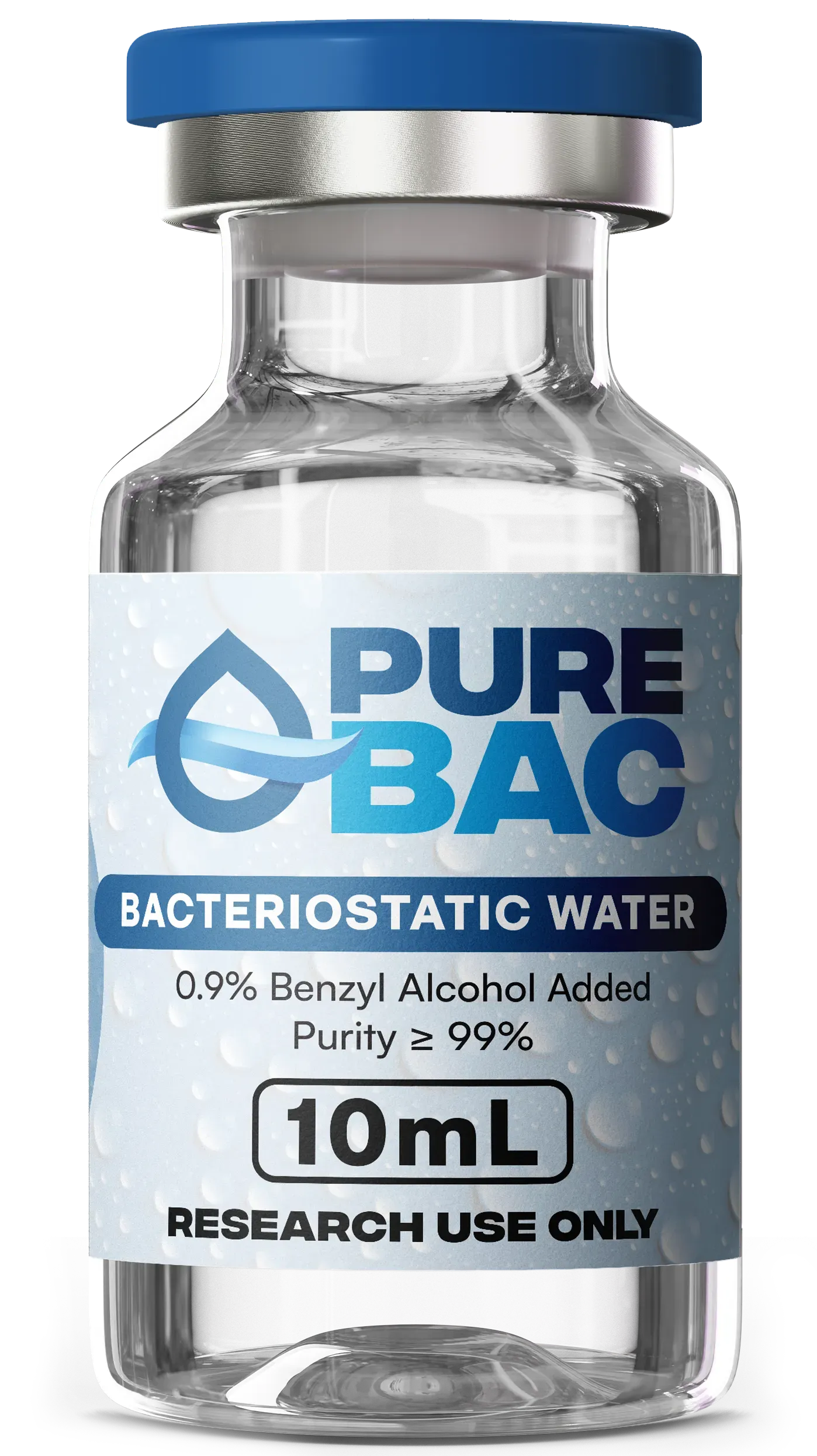
Thymopentin lyophilized powder, bacteriostatic water, alcohol swabs, insulin syringes.
Reconstitute Carefully
Add bacteriostatic water slowly along the vial wall. Do not shake—gently swirl until dissolved.
Calculate Concentration
Note the total peptide content and water volume added to determine mg/mL concentration.
Store Properly
Refrigerate reconstituted solution at 2-8°C. Use within 7-14 days.
Half-Life Considerations
Thymopentin's plasma half-life of 30-60 minutes is notably short, which has implications for dosing strategy:
- Peptide levels peak shortly after injection and decline rapidly
- Some researchers theorize that repeated brief exposures may be sufficient to trigger lasting immune effects
- Others have explored continuous infusion or modified-release formulations
- Recent molecular modification research aims to extend half-life while preserving activity
Pro Tip
The immune system's response to thymopentin may persist beyond the peptide's presence in circulation. Studies suggest that T-cell differentiation, once triggered, continues without ongoing peptide exposure. This may explain why intermittent dosing (3x weekly) appears effective despite the short half-life.
Work out your Thymopentin draw in units
Enter the vial size, the bacteriostatic water you add and the dose you want, and the calculator gives the syringe units, how long the vial lasts and when to discard it.
Open the peptide calculatorSafety & Side Effects
Thymopentin's extensive clinical history provides more safety data than most research peptides possess. Across decades of use in multiple countries, the peptide has demonstrated a generally favorable safety profile with primarily mild, transient adverse effects.
Common Side Effects
| Side Effect | Frequency | Severity | Management |
|---|---|---|---|
| Injection Site Reactions | 10-15% | Mild | Rotate injection sites |
| Flu-like Symptoms | 5-10% | Mild-Moderate | Usually resolve in 24-48h |
| Mild Fever | 5-8% | Mild | Typically transient |
| Fatigue | 3-5% | Mild | Self-limiting |
| Nausea | 1-3% | Mild | Often resolves with use |
Injection Site Reactions: The most frequently reported adverse effect includes localized pain, redness, or swelling at the injection site. These reactions are typically mild and can be minimized by proper injection technique and site rotation.
Flu-like Symptoms: Some individuals experience flu-like symptoms including mild fever, muscle aches, and fatigue, particularly during initial treatment. These effects are believed to reflect immune activation and typically diminish with continued use.
Rare or Serious Adverse Effects
Serious adverse events have been rare in published clinical literature:
- Allergic Reactions: Rare hypersensitivity reactions are possible with any peptide compound. Symptoms could include rash, itching, or in severe cases, difficulty breathing.
- Autoimmune Flares: Theoretical concern in patients with pre-existing autoimmune conditions, as immune modulation could potentially affect disease activity.
- Paradoxical Immunosuppression: Not observed in clinical studies—thymopentin does not appear to cause immune suppression even with extended use.
Long-Term Safety
Studies involving treatment periods extending to 12 months or longer have not revealed cumulative toxicity or delayed adverse effects. This is particularly reassuring given that immune-modulating compounds can potentially cause delayed reactions. Key long-term findings include:
- No evidence of promoting autoimmunity in previously healthy individuals
- No documented cases of malignancy attributed to thymopentin use
- No significant organ toxicity (liver, kidney, etc.) with chronic use
- No development of tolerance requiring dose escalation
Contraindications and Precautions
- Autoimmune diseases: Immune modulation could potentially affect disease activity unpredictably
- Organ transplant recipients: May interfere with immunosuppressive therapy
- Pregnancy/nursing: Insufficient safety data; avoid unless clearly necessary
- Active malignancy: Effects on tumor immunity unclear; requires careful consideration
Drug Interactions
Formal drug interaction studies are limited, but theoretical considerations include:
- Immunosuppressants: Thymopentin's immune-enhancing effects may counteract drugs like cyclosporine or tacrolimus
- Vaccines: May enhance vaccine responses (potentially beneficial) or alter timing considerations
- Other immune modulators: Combining with other immunotherapy requires careful consideration of additive or conflicting effects
🔑 Key Takeaways
- Most side effects are mild and transient, with injection site reactions being most common
- Flu-like symptoms may indicate immune activation and typically resolve
- Long-term studies show no cumulative toxicity over extended use
- Caution warranted in autoimmune conditions, transplant recipients, and pregnancy