KPV
Lysine-Proline-Valine (Alpha-MSH C-Terminal Tripeptide)
Get KPV
Sourced from Ascension Peptides. Verified ≥≥99% purity, third-party tested. COA included.
Off with code
PEPTIDEDECK
Table of Contents
What is KPV?
KPV is a naturally occurring tripeptide—one of the smallest biologically active peptides studied—consisting of just three amino acids: lysine, proline, and valine. This simple sequence represents the C-terminal portion (positions 11-13) of alpha-melanocyte-stimulating hormone (α-MSH), a hormone best known for its role in skin pigmentation and tanning response.
What makes KPV remarkable is that despite being just a tiny fragment of its parent molecule, it retains powerful anti-inflammatory properties that have nothing to do with skin color. While full-length α-MSH causes tanning by activating melanocortin receptors in the skin, KPV works through entirely different mechanisms—primarily by inhibiting NF-κB, a master controller of inflammatory gene expression. This means KPV can reduce inflammation without the pigmentation side effects of related compounds like Melanotan.
- Just 3 amino acids (Lys-Pro-Val) with molecular weight of 356 Da
- Derived from C-terminal of alpha-MSH (positions 11-13)
- Anti-inflammatory without melanocortin receptor activation
- Small enough for potential oral bioavailability
The peptide was first characterized in the 1990s when researchers investigating α-MSH's anti-inflammatory effects discovered that different portions of the molecule had distinct activities. The N-terminal region was responsible for melanocortin receptor binding and pigmentation, while the C-terminal KPV sequence mediated anti-inflammatory effects through receptor-independent mechanisms.
This discovery opened new research avenues because it suggested a way to harness the therapeutic anti-inflammatory benefits of α-MSH without the cosmetic changes to skin color. KPV has since been studied extensively in models of inflammatory bowel disease, contact dermatitis, wound healing, and systemic inflammation—consistently demonstrating the ability to reduce inflammatory markers and protect tissue from damage.
Unlike most therapeutic peptides, KPV's small size gives it advantages for delivery. Larger peptides are typically destroyed by digestive enzymes when taken orally and must be injected. KPV's tripeptide structure makes it more resistant to degradation and opens possibilities for oral formulations, particularly relevant for treating gut conditions where direct intestinal exposure is desirable.
Research Benefits
Potent anti-inflammatory activity without melanocortin receptor activation
Reduction of pro-inflammatory cytokines (TNF-α, IL-6, IL-1β)
Intestinal epithelial barrier protection and healing
NF-κB signaling pathway inhibition
Wound healing acceleration in skin models
Antimicrobial properties against certain pathogens
Colitis symptom reduction in animal models
Minimal side effect profile due to targeted mechanism
How KPV Works
KPV exerts its anti-inflammatory effects through mechanisms distinct from its parent molecule α-MSH. While α-MSH works primarily through melanocortin receptors (particularly MC1R), KPV operates independently of these receptors, which explains why it reduces inflammation without causing skin pigmentation changes.
NF-κB Pathway Inhibition
The primary mechanism underlying KPV's anti-inflammatory activity is inhibition of nuclear factor-kappa B (NF-κB), often called the "master switch" of inflammation. Under normal conditions, NF-κB resides in the cytoplasm bound to inhibitory proteins (IκB). When cells receive inflammatory signals—from bacterial toxins, cytokines, or tissue damage—IκB is degraded, freeing NF-κB to enter the nucleus and activate hundreds of pro-inflammatory genes.
NF-κB Blockade
Prevents nuclear translocation of this master inflammatory transcription factor.
Cytokine Reduction
Decreases TNF-α, IL-6, IL-1β and other pro-inflammatory mediators.
Cell Penetration
Small size allows direct entry into cells for intracellular action.
KPV appears to interfere with this process by preventing IκB degradation or blocking NF-κB translocation to the nucleus. Research has shown that KPV-treated cells exhibit reduced nuclear NF-κB even when exposed to potent inflammatory stimuli like lipopolysaccharide (LPS). The downstream result is decreased production of pro-inflammatory cytokines including tumor necrosis factor-alpha (TNF-α), interleukin-6 (IL-6), and interleukin-1 beta (IL-1β).
Direct Cellular Entry
Unlike larger peptides that must bind surface receptors to exert effects, KPV's small molecular weight (356 Da) allows it to enter cells directly. Studies using fluorescently-labeled KPV have tracked its passage through cell membranes and observed accumulation in the cytoplasm where it can interact with inflammatory signaling machinery. This cell-penetrating property may explain why KPV works even in cells lacking melanocortin receptors.
Additional Signaling Effects
Beyond NF-κB, research has identified other pathways affected by KPV:
- MAPK Pathways: Some studies show KPV modulates mitogen-activated protein kinase (MAPK) signaling, including p38 and ERK pathways involved in inflammatory responses.
- Autophagy Activation: Recent research in retinal microglia demonstrated KPV activates autophagy through AMPK/mTOR signaling, providing another mechanism for resolving inflammation.
- PI3K/Akt Pathway: Studies suggest KPV may activate cytoprotective PI3K/Akt signaling, which could contribute to its tissue-protective effects.
Research Applications
Inflammatory bowel disease (IBD)
Active research area with published studies
Ulcerative colitis and Crohn's disease
Active research area with published studies
Contact dermatitis and skin inflammation
Active research area with published studies
Wound healing
Active research area with published studies
Antimicrobial applications
Active research area with published studies
Sepsis and systemic inflammation
Active research area with published studies
Autoimmune conditions
Active research area with published studies
Oral drug delivery systems
Active research area with published studies
Research Findings
The research literature on KPV spans over two decades, with particular acceleration in IBD-related studies over the past several years. While human clinical trials remain limited, the preclinical evidence provides a consistent picture of KPV's anti-inflammatory capabilities.
Inflammatory Bowel Disease Models
IBD research represents the most developed area of KPV investigation, driven by the appeal of an orally-deliverable anti-inflammatory peptide for gut conditions.
🔑 Key IBD Research Findings
- Significant reduction in colitis disease activity index (DAI) scores
- Decreased mucosal damage and ulceration on histology
- Reduced intestinal permeability ("leaky gut")
- Lower levels of inflammatory cytokines in colonic tissue
- Both therapeutic and preventive efficacy demonstrated
A pivotal 2021 study published in the Journal of Cellular Physiology examined KPV in the DSS (dextran sodium sulfate) colitis model—the standard preclinical model for ulcerative colitis. Mice receiving KPV showed significantly improved disease activity scores, reduced body weight loss, and decreased colon shortening compared to untreated controls. Molecular analysis revealed suppressed NF-κB activation and lower tissue levels of TNF-α, IL-6, and IL-1β.
Research on targeted delivery systems has been particularly exciting. A 2020 study in the Journal of Controlled Release developed nanoparticle-encapsulated KPV designed for colon-specific release. The formulation protected KPV through the stomach and released it in the colon, where it accumulated in inflamed tissue. This targeted approach showed superior efficacy to free KPV, suggesting optimized delivery could enhance therapeutic potential.
Skin Inflammation and Wound Healing
KPV's effects on skin have been studied in models of contact dermatitis and wound healing. Early research demonstrated that topical KPV reduced inflammation in contact hypersensitivity models, decreasing ear swelling and inflammatory cell infiltration. The peptide also showed wound healing promotion in skin models, potentially through both anti-inflammatory effects and direct stimulation of keratinocyte migration.
A notable finding is KPV's ability to reduce mast cell activation, which plays a key role in allergic skin reactions. By inhibiting mast cell degranulation and histamine release, KPV may have applications beyond traditional inflammatory conditions.
Antimicrobial Activity
Research has confirmed KPV possesses antimicrobial properties, though these are generally considered secondary to its anti-inflammatory effects. Studies have demonstrated activity against Staphylococcus aureus, including some methicillin-resistant strains (MRSA), as well as Candida albicans. The mechanism appears to involve membrane disruption similar to other antimicrobial peptides.
This dual anti-inflammatory/antimicrobial profile is particularly relevant for wounds and gut conditions where both infection and excessive inflammation contribute to pathology. However, KPV's antimicrobial potency is modest compared to dedicated antimicrobial peptides, and this activity is best viewed as a supplementary benefit rather than primary application.
Systemic Inflammation and Sepsis
Some research has explored KPV in models of systemic inflammation and sepsis, where uncontrolled inflammatory responses cause life-threatening organ damage. In LPS-induced inflammation models, KPV reduced circulating inflammatory cytokines and improved survival rates. These findings suggest potential applications beyond localized inflammation, though this area requires considerably more investigation.
Dosage & Administration
Establishing definitive human dosing guidelines for KPV is not possible given the absence of completed clinical trials. Available dosing information derives from animal studies and anecdotal reports from the research community—neither of which should be considered validated recommendations.
Research Doses in Animal Models
| Model | Route | Dose Range | Study Context |
|---|---|---|---|
| Rodent Colitis | Oral (nanoparticle) | 50-200 mcg/animal | Colon-targeted delivery |
| Rodent Inflammation | Subcutaneous/IP | 100-1000 mcg/kg | Systemic delivery |
| Skin Models | Topical | Variable concentrations | Direct application |
In rodent IBD studies, doses have typically ranged from 100 mcg/kg to 1 mg/kg body weight for injectable administration. Oral nanoparticle formulations have used lower absolute doses (50-200 mcg per animal) due to improved delivery efficiency. The wide dose range reflects different experimental objectives and delivery methods rather than optimized therapeutic protocols.
Administration Routes
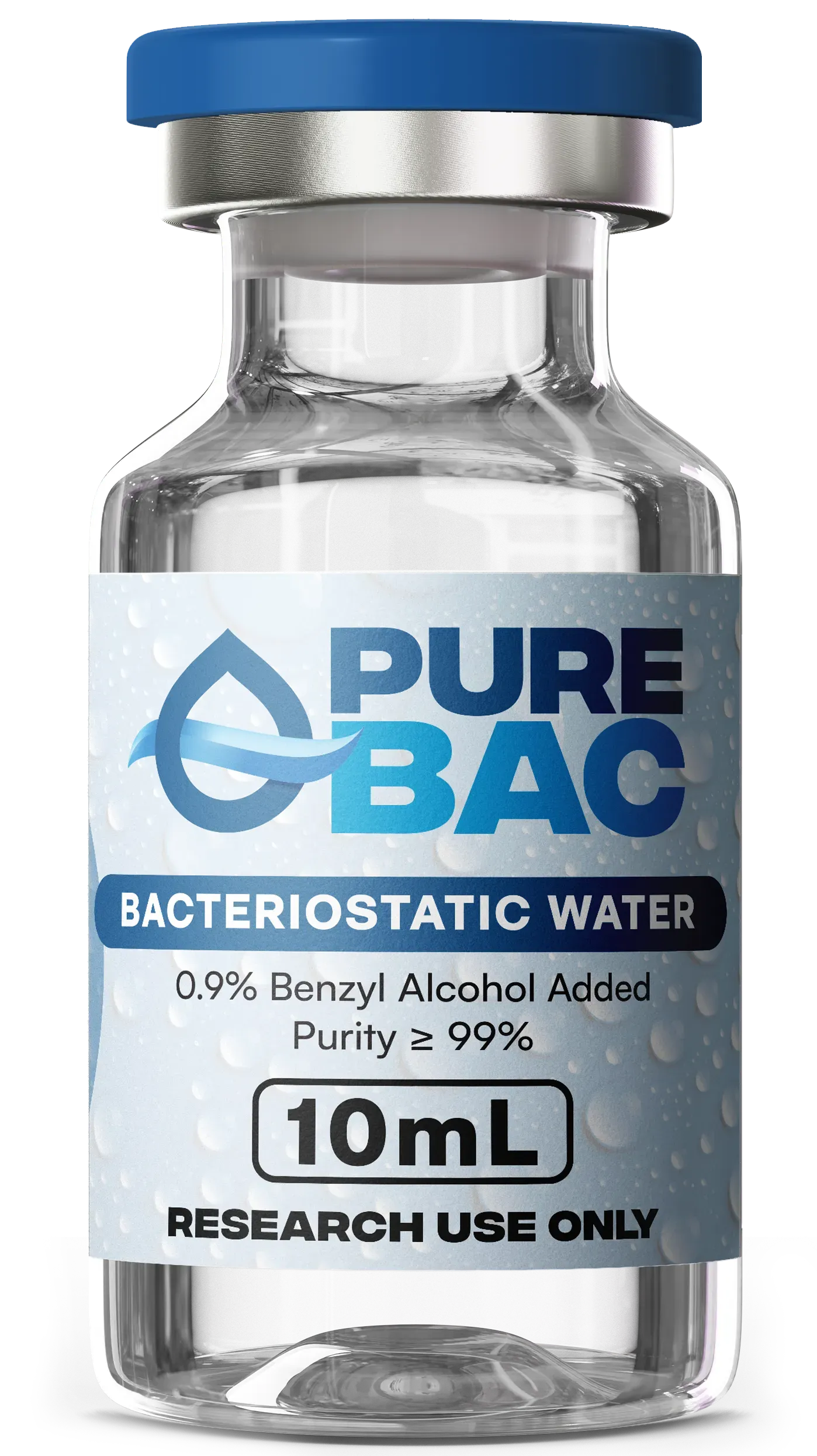
Subcutaneous Injection: The most common research route, providing systemic distribution. Standard peptide reconstitution practices apply—use bacteriostatic water, inject slowly along the vial wall to avoid foaming, and store reconstituted solution refrigerated.
Oral Administration: KPV's small size makes oral delivery feasible, though various formulation strategies (nanoparticles, hydrogels, enteric coatings) have been developed to optimize intestinal delivery. Simple oral administration of dissolved KPV may have limited bioavailability compared to optimized formulations.
Topical Application: For skin conditions, KPV can be incorporated into creams or gels. Research formulations have varied widely in concentration, and optimal topical dosing has not been established.
Anecdotal Research Community Dosing
Reports from individuals using KPV for research or self-experimentation suggest subcutaneous doses typically ranging from 200 mcg to 500 mcg, administered once or twice daily. For gut-targeted applications, some have explored oral administration at higher doses to account for reduced absorption. These anecdotal reports lack controlled conditions and should not be considered validated protocols.
Start Low
Begin with the lower end of any dose range to assess individual response.
Monitor Response
Track inflammatory symptoms, any adverse effects, and overall tolerance.
Adjust Gradually
If needed, increase dose incrementally while monitoring for effects.
Safety & Side Effects
KPV has demonstrated a favorable safety profile in preclinical studies, though the absence of comprehensive human clinical trial data means its safety in human use remains formally unestablished.
Observed Safety in Research
No Melanocortin Effects: Unlike parent molecule α-MSH or related peptides like Melanotan I/II and PT-141, KPV does not activate melanocortin receptors. This means it doesn't cause skin darkening, nausea, facial flushing, or the other effects associated with melanocortin receptor agonism. This receptor-independence is a significant safety advantage.
Animal Toxicology: In published animal studies, KPV has not shown evidence of organ toxicity, behavioral changes, or mortality even at doses considerably above those showing therapeutic effects. Both acute and repeated-dose studies have failed to identify obvious toxic effects.
Selective Immunomodulation: KPV's mechanism—targeting NF-κB rather than broadly suppressing immune function—theoretically provides more selective immunomodulation than corticosteroids or broad-spectrum immunosuppressants. However, this theoretical advantage requires validation in clinical settings.
Potential Concerns
While serious adverse effects have not been documented, several theoretical concerns merit consideration:
- Immunosuppression Risk: Any compound that reduces inflammatory responses could potentially impair immune defenses if used excessively or long-term. While KPV appears more selective than broad immunosuppressants, chronic use warrants caution.
- Drug Interactions: Individuals taking other anti-inflammatory medications, immunosuppressants, or biologics should exercise particular caution, as additive immunomodulatory effects could occur.
- Unknown Long-term Effects: Chronic use studies in humans do not exist. Long-term effects on immune function, tissue health, and other parameters remain unknown.
- Purity and Source Concerns: Research peptides from various suppliers may vary in purity and could contain contaminants. Source quality significantly impacts both efficacy and safety.