BPC-157
Body Protection Compound-157 (Pentadecapeptide)
Get BPC-157
Sourced from Ascension Peptides. Verified ≥≥99% purity, third-party tested. COA included.
Off with code
PEPTIDEDECK
Table of Contents
What is BPC-157?
BPC-157 is a synthetic 15-amino acid peptide fragment derived from Body Protection Compound, a protein isolated from human gastric juice. The sequence—Gly-Glu-Pro-Pro-Pro-Gly-Lys-Pro-Ala-Asp-Asp-Ala-Gly-Leu-Val—represents a partial sequence of this larger protective protein, yet retains remarkable biological activity across multiple tissue types.
Unlike many research peptides that emerged from pharmaceutical company pipelines, BPC-157's origins trace back to Croatian researchers in the early 1990s who were investigating the protective mechanisms of gastric juice. They identified this specific pentadecapeptide sequence as being responsible for much of the cytoprotective activity observed in gastric secretions. What made this discovery particularly interesting was that the peptide's protective effects extended far beyond the stomach lining.
Over three decades of subsequent research, primarily conducted at the University of Zagreb, has produced an extensive body of preclinical literature examining BPC-157's effects on tendons, ligaments, muscles, bones, blood vessels, the gut, and even the nervous system. The peptide has demonstrated healing effects in animal models of almost every tissue type tested, earning it significant attention in the regenerative research community.
What sets BPC-157 apart from most peptides is its stability. Peptides are typically fragile molecules, easily degraded by enzymes in the digestive system and bloodstream. BPC-157, however, remains stable in gastric juice even at extremely low pH levels, and appears to maintain its biological activity when administered orally—a property almost unheard of among peptide compounds. This stability likely reflects its native origin in the harsh gastric environment.
It's worth noting that despite the extensive preclinical research, BPC-157 has not completed human clinical trials and is not approved for therapeutic use. All available evidence comes from animal studies and cell culture experiments. The compound currently remains a research tool, though its consistent effects across numerous animal models have generated considerable interest in its potential applications.
Research Benefits
Accelerated tendon and ligament healing in animal studies
Gastric mucosal protection and ulcer healing
Muscle tissue repair following injury
Bone healing and osteogenic activity
Neuroprotective effects in CNS injury models
Blood vessel formation (angiogenesis) in wound sites
Counteraction of NSAID-induced gut damage
Liver protective properties in toxicity models
How BPC-157 Works
Unlike peptides that bind to specific cell surface receptors, BPC-157 appears to exert its effects through multiple interconnected mechanisms. This multi-pathway activity may explain why it demonstrates effects across such diverse tissue types, from gut mucosa to Achilles tendons to brain tissue.
Growth Factor Modulation
One of BPC-157's most documented mechanisms involves the upregulation of growth factors essential for tissue repair. Research shows the peptide significantly increases expression of vascular endothelial growth factor (VEGF), which promotes angiogenesis—the formation of new blood vessels. This is critical for healing, as injured tissues require increased blood supply to deliver oxygen, nutrients, and immune cells.
Studies have also demonstrated BPC-157 increases expression of epidermal growth factor (EGF) receptors and affects fibroblast growth factor (FGF) signaling. In tendon healing research specifically, BPC-157 was shown to enhance growth hormone receptor expression in tendon fibroblasts, potentially explaining its marked effects on connective tissue repair.
Nitric Oxide System Interaction
Perhaps the most intriguing aspect of BPC-157's mechanism is its complex relationship with the nitric oxide (NO) system. Nitric oxide is a signaling molecule involved in vasodilation, neurotransmission, inflammation, and cellular repair processes. Research has shown BPC-157 can counteract both the effects of NO-synthase inhibitors and the effects of excessive NO release—suggesting it acts as a modulator that helps restore NO system homeostasis rather than simply pushing levels in one direction.
This bidirectional effect on NO may be a unifying mechanism behind BPC-157's diverse activities. The NO system touches almost every physiological process in the body, and a compound capable of stabilizing this system could theoretically influence healing and protection across multiple organ systems.
FAK-Paxillin Pathway
Research has demonstrated BPC-157's involvement in the focal adhesion kinase (FAK)-paxillin pathway, which regulates cell adhesion, migration, and survival. This pathway is fundamental to wound healing, as cells must migrate to injury sites and establish new connections with surrounding tissue. By enhancing this signaling, BPC-157 may accelerate the cellular processes underlying tissue repair.
Anti-Inflammatory and Cytoprotective Effects
BPC-157 consistently demonstrates anti-inflammatory properties in animal models, reducing levels of pro-inflammatory cytokines while maintaining the inflammatory response necessary for proper healing. The peptide also shows cytoprotective effects—protecting cells from damage induced by various stressors including alcohol, NSAIDs, and ischemia. This protective capacity likely relates to its multiple mechanisms, combining enhanced blood flow, modulated inflammation, and direct cellular protection.
Research Applications
Tendon and ligament regeneration
Active research area with published studies
Gastrointestinal healing and IBD
Active research area with published studies
Muscle injury recovery
Active research area with published studies
Nerve damage repair
Active research area with published studies
Bone fracture healing
Active research area with published studies
Wound healing and angiogenesis
Active research area with published studies
Drug-induced organ damage protection
Active research area with published studies
Periodontal tissue regeneration
Active research area with published studies
Research Findings
The research literature on BPC-157 spans over 100 published studies, predominantly from the laboratory of Predrag Sikiric at the University of Zagreb. While this concentration of research in one laboratory has drawn some criticism, the studies employ rigorous methodology and have been published in peer-reviewed journals. Here's what the evidence shows across major research areas:
Tendon and Ligament Healing
Some of the most compelling BPC-157 research involves connective tissue repair. In a 2010 study published in the Journal of Orthopaedic Research, researchers examined BPC-157's effects on medial collateral ligament (MCL) healing in rats. Animals receiving BPC-157 showed significantly improved ligament biomechanics, with higher ultimate load, stiffness, and energy at break compared to controls. Histological analysis revealed better collagen organization in treated tissues.
A separate 2011 study examined transected Achilles tendons in rats. BPC-157 treatment—whether applied locally or given systemically—accelerated tendon healing. The researchers also demonstrated that BPC-157 stimulated cultured tendon explant outgrowth and promoted tendocyte proliferation in vitro, providing mechanistic support for the in vivo findings.
Muscle Injury
Research published in 2018 examined BPC-157's effects on skeletal muscle healing following crush injuries in rats. The peptide accelerated muscle fiber regeneration and reduced fibrosis (scar tissue formation). Biomechanical testing showed treated muscles recovered function faster than controls. The researchers attributed these effects to BPC-157's promotion of angiogenesis and satellite cell activation.
Gastrointestinal Protection
Given BPC-157's gastric origins, its effects on the gut have been extensively studied. The peptide demonstrates potent anti-ulcer activity in multiple animal models—including stress-induced, NSAID-induced, and alcohol-induced ulcers. A 2011 review in Current Pharmaceutical Design summarized this evidence, noting BPC-157's unique position as a stable peptide that protects and heals gut mucosa while also benefiting distant organs.
Particularly relevant for potential clinical applications, BPC-157 counteracts NSAID-induced gut damage. NSAIDs are widely used but frequently cause gastrointestinal side effects. Animal studies show co-administration of BPC-157 prevents much of this damage while allowing the analgesic effects of NSAIDs to proceed.
Bone Healing
Studies on bone regeneration show BPC-157 accelerates fracture healing and increases bone mineral density in animal models. Research demonstrates increased osteogenic activity and improved biomechanical properties of healing bone. One study on segmental bone defects in rabbits showed BPC-157 significantly improved bone regeneration compared to controls.
Nerve Regeneration
BPC-157 has shown neuroprotective and neuroregenerative properties in various animal models. Studies demonstrate improved functional recovery after sciatic nerve transection and protection against both traumatic brain injury and neurotoxic agents. Research on peripheral nerve injuries shows accelerated axonal regeneration and improved nerve conduction velocities in treated animals.
Cardiovascular Effects
Research demonstrates BPC-157 promotes angiogenesis and has protective effects on cardiac tissue. Studies in rats show it counteracts arrhythmias, helps maintain blood pressure during experimentally induced disturbances, and may protect against cardiac damage from various insults. These effects likely relate to its NO-modulatory activity and promotion of blood vessel formation.
Dosage & Administration
Establishing definitive dosing guidelines for BPC-157 is complicated by the lack of human clinical trials. All dosing information derives from animal studies, primarily in rats, and extrapolation to humans involves significant uncertainty. The following represents what has been used in preclinical research—not recommendations for human use.
Doses Used in Animal Research
Most rat studies employ doses in the range of 10 μg/kg to 50 μg/kg body weight, with 10 μg/kg being the most commonly studied dose. Some studies use doses as low as 2 μg/kg, while others examine higher doses up to 100 μg/kg or more. Importantly, BPC-157 has shown activity across this entire dose range without apparent dose-limiting toxicity in animals.
Interestingly, research suggests BPC-157's effects may not follow a simple dose-response curve. Some studies report similar efficacy at 10 μg/kg and 100 μg/kg, suggesting there may be a threshold effect rather than linear dose-dependency. This is consistent with many peptide compounds that saturate their biological targets at relatively low concentrations.
Administration Routes
Subcutaneous Injection: The most common route in musculoskeletal research. Injection near the injury site has been studied, but systemic administration (injection distant from the injury) also shows efficacy, suggesting the peptide distributes throughout the body.
Intramuscular Injection: Used in some muscle injury studies with comparable results to subcutaneous administration.
Oral Administration: Uniquely among peptides, BPC-157 retains activity when given orally. Studies typically use higher oral doses (approximately 10x the injected dose) to account for reduced absorption. Oral administration has shown particular efficacy for gastrointestinal conditions but also demonstrates systemic effects.
Topical Application: Limited research has examined topical BPC-157 for wound healing, with some positive results, though penetration and bioavailability via this route are not well characterized.
Frequency and Duration
Animal studies typically employ once-daily or twice-daily dosing, continuing throughout the healing period being studied. The peptide's estimated half-life of approximately 4 hours suggests twice-daily administration may maintain more consistent tissue levels, though direct pharmacokinetic studies are limited.
Study durations range from days to weeks depending on the injury model. Some studies demonstrate effects within the first few days of treatment, while full healing in tendon or ligament models often requires 2-4 weeks.
Reconstitution and Stability
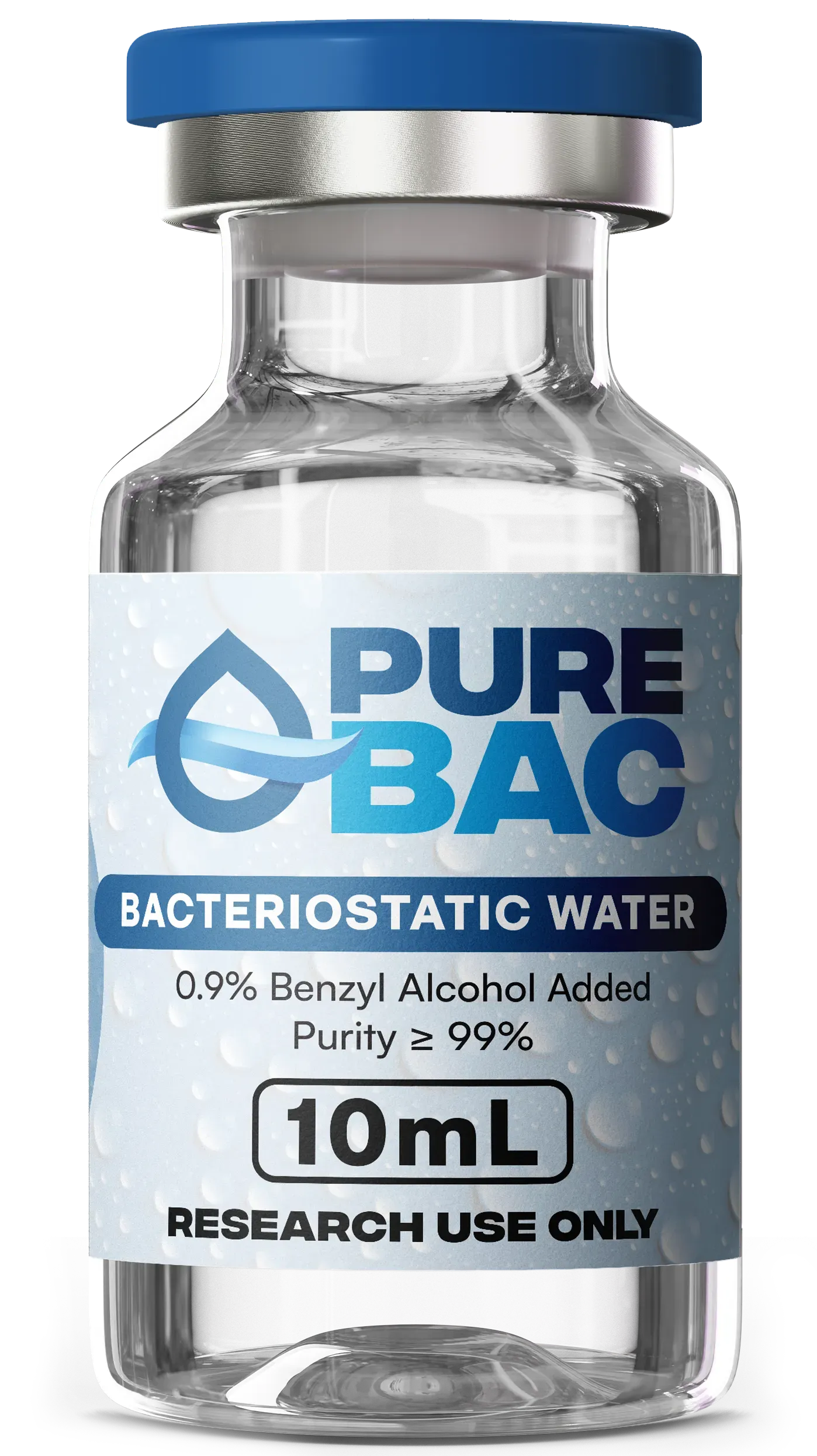
BPC-157 is supplied as a lyophilized powder requiring reconstitution before use. Bacteriostatic water is commonly used for reconstitution. The peptide demonstrates good stability in solution compared to many peptides, but standard practices apply: store reconstituted solution refrigerated at 2-8°C, avoid repeated freeze-thaw cycles, and use within 2-4 weeks of reconstitution. The lyophilized powder is stable for extended periods when stored at -20°C.
Safety & Side Effects
One of BPC-157's notable characteristics in preclinical research is its apparent safety profile. Across hundreds of animal studies spanning three decades, no significant toxic effects have been reported. However, the absence of human clinical trials means the compound's safety in humans remains formally unestablished.
Animal Safety Data
Acute toxicity studies in rodents have been unable to establish an LD50 (lethal dose for 50% of animals), as even very high doses—multiple orders of magnitude above effective doses—have not produced mortality or obvious toxic effects. Chronic administration studies extending weeks to months have similarly not revealed cumulative toxicity.
Unlike some growth-promoting peptides, BPC-157 has not demonstrated tumor-promoting effects in the studies conducted to date. Some researchers have specifically examined this question given the peptide's effects on cell proliferation and angiogenesis—processes that could theoretically support tumor growth. Available evidence suggests BPC-157 promotes organized tissue repair rather than disorganized proliferation.
Known Effects and Considerations
Blood Pressure Effects: BPC-157's interaction with the NO system and effects on blood vessel function mean it could theoretically affect blood pressure. Animal studies show it helps stabilize blood pressure during experimentally induced disturbances, but effects in humans with pre-existing cardiovascular conditions are unknown.
Wound Healing Modifications: The same properties that promote healing could potentially be problematic in certain situations. For example, enhanced angiogenesis might be undesirable in individuals with conditions where new blood vessel growth is pathological. Similarly, accelerated tissue repair could theoretically affect how other injuries heal if multiple sites are involved.
Drug Interactions: BPC-157's modulation of dopaminergic systems and NO pathways suggests potential interactions with medications affecting these systems. No systematic drug interaction studies have been performed. Particular caution would theoretically apply to drugs affecting blood pressure, dopamine systems, or wound healing processes.
Absence of Human Clinical Trial Data
The critical limitation in assessing BPC-157 safety is the lack of controlled human studies. Animal models can miss species-specific toxicities, rare adverse events, and long-term effects that only emerge in larger populations or with extended use. Additionally, the peptides available from research chemical suppliers may vary in purity and may contain contaminants that introduce their own risks.
Individuals considering any use of BPC-157 should be aware they would be using an unproven compound outside the bounds of established medical practice. Consultation with a healthcare provider is essential, and realistic expectations about both potential benefits and unknown risks are warranted.