TB-500
Thymosin Beta-4 Fragment (Ac-SDKP)
Get TB-500
Sourced from Ascension Peptides. Verified ≥≥99% purity, third-party tested. COA included.
Off with code
PEPTIDEDECK
Table of Contents
What is TB-500?
TB-500 is a synthetic peptide based on Thymosin Beta-4, a protein that your body naturally produces in response to injury. Found in nearly every cell type, Thymosin Beta-4 plays a crucial role in tissue repair, cell migration, and wound healing. TB-500 is essentially a lab-made version designed to amplify these natural recovery processes.
The peptide first gained widespread attention in the horse racing industry, where trainers used it to help valuable racehorses recover from leg injuries faster. Its effectiveness in equine medicine sparked interest in potential human applications, leading to decades of research into its healing properties.
What makes TB-500 unique among healing peptides is its systemic action. Unlike treatments that only work where you apply them, TB-500 travels throughout your entire body via the bloodstream. Inject it in your arm, and it can still help heal your knee. This whole-body distribution is possible because TB-500 binds to actin—a structural protein found in virtually every cell—and promotes healing wherever it's needed.
The peptide has been studied for everything from muscle tears and tendon injuries to cardiac tissue repair after heart attacks. While it's not approved for human use, research continues to reveal promising applications across a wide range of injury types.
Who's Looking Into TB-500?
If you're reading this, you probably fall into one of these categories: an athlete dealing with a nagging injury that won't heal, someone recovering from surgery, a person with chronic tendinopathy or muscle issues, or simply someone curious about regenerative medicine. TB-500 has attracted attention from all these groups due to its reputation for speeding recovery.
It's important to understand that TB-500 remains a research compound. No doctor can legally prescribe it, and it's sold only for laboratory research purposes. Everything we know about its effects comes from animal studies and self-reported human experiences—not FDA-approved clinical trials.
Research Benefits
Accelerated healing of muscle strains and tears
Faster tendon and ligament repair
Reduced inflammation and scar tissue formation
Improved flexibility in injured tissues
Enhanced hair growth in some studies
Cardiac tissue repair properties
Promotes new blood vessel formation
May speed recovery from surgery
How TB-500 Works
TB-500 promotes healing through several interconnected mechanisms, with its primary action centered on a protein called actin. Understanding these pathways helps explain why the peptide affects so many different tissue types.
Actin Upregulation: The Foundation of Healing
Actin is one of the most abundant proteins in your cells, forming the internal 'skeleton' that gives cells their shape and enables them to move. When you're injured, cells need to migrate to the wound site to begin repair—and they travel on actin filaments, almost like trains on tracks.
TB-500 upregulates actin production, essentially building more tracks for your repair cells to travel on. It also interacts with actin to promote the formation of new blood vessels and cell migration. More actin means faster cell movement to injury sites, which translates to faster healing.
Promoting Cell Migration
After an injury, your body needs to move various cell types—fibroblasts, stem cells, immune cells—to the damaged area. TB-500 significantly enhances this migration. In research settings, cells exposed to TB-500 show dramatically increased motility, covering more distance in less time.
This is particularly valuable for injuries in areas with poor blood supply, like tendons and ligaments. These structures heal slowly partly because it's difficult for repair cells to reach them. By boosting cell migration, TB-500 may help overcome this limitation.
Reducing Inflammation Without Blocking Healing
Inflammation is a double-edged sword in healing. You need some inflammation to trigger the repair response, but too much causes pain, swelling, and can actually impair recovery. TB-500 appears to modulate inflammation—keeping it in the productive zone while preventing the excessive response that causes problems.
Research shows TB-500 reduces inflammatory cytokines while still allowing normal healing cascades to proceed. This is different from NSAIDs (like ibuprofen), which block inflammation so completely they may actually slow tissue repair.
Angiogenesis: Building New Blood Vessels
Healing requires nutrients and oxygen delivered via blood. TB-500 promotes angiogenesis—the growth of new blood vessels—ensuring injured tissues get the supplies they need to rebuild. This is especially important for injuries that have become chronic due to inadequate blood flow.
Reducing Scar Tissue Formation
When injuries heal poorly, the result is often scar tissue—functional but inferior to the original. Scar tissue is stiffer, weaker, and more prone to re-injury. TB-500 appears to promote more organized collagen deposition, potentially reducing scar tissue formation and producing stronger healed tissue.
Research Applications
Muscle injury recovery
Active research area with published studies
Tendon and ligament repair
Active research area with published studies
Cardiac tissue regeneration
Active research area with published studies
Wound healing
Active research area with published studies
Corneal repair
Active research area with published studies
Neurological protection
Active research area with published studies
Hair regrowth
Active research area with published studies
Post-surgical recovery
Active research area with published studies
Research Findings
TB-500 research spans multiple decades and tissue types. While human clinical trials are limited, animal studies and preliminary human research paint a compelling picture of its healing potential.
Muscle Injury Research
Muscle healing is perhaps TB-500's most well-documented application. A 2016 study in Vitamins and Hormones examined Thymosin Beta-4's role in muscle regeneration, finding it enhanced satellite cell activation—the stem cells responsible for muscle repair. Treated muscles showed faster recovery of strength and reduced fibrosis (scarring) compared to controls.
Earlier research demonstrated that TB-500 promotes the formation of new muscle fibers and blood vessels within damaged muscle tissue. Animals treated with the peptide returned to normal muscle function significantly faster than untreated groups.
Cardiac Repair Studies
Some of the most exciting TB-500 research involves cardiac tissue. A landmark 2004 study published in Nature found that Thymosin Beta-4 could promote survival of cardiac cells and stimulate repair after heart attacks in mice. The treated animals showed improved heart function and reduced scar tissue in the damaged area.
Subsequent research in 2012 and 2017 confirmed these cardioprotective effects, with studies showing TB-500 could activate cardiac progenitor cells—stem cells within the heart that can generate new cardiac tissue. While human cardiac applications remain theoretical, this research suggests potential for treating heart disease in the future.
Tendon and Ligament Studies
Research on connective tissue repair shows TB-500 accelerates tendon healing and improves the quality of repaired tissue. Studies in rats with Achilles tendon injuries demonstrated faster recovery of tensile strength and better collagen organization in treated groups.
Importantly, the healed tendons weren't just faster to repair—they were biomechanically stronger than naturally healed tissue, suggesting TB-500 improves healing quality, not just speed.
Corneal Healing
The eye has become a particularly active area of TB-500 research due to the cornea's slow healing and the clear need for better treatments. A 2011 study in Experimental Eye Research found Thymosin Beta-4 significantly accelerated corneal wound healing while also reducing inflammation and preventing scarring that could impair vision.
These findings led to development of a TB-500-based eye drop (RGN-259) that has undergone human clinical trials for dry eye syndrome and neurotrophic keratopathy, representing one of the few formal human studies of the peptide.
What the Research Doesn't Tell Us
Despite promising results, significant gaps exist. Most studies used animal models—mice, rats, horses—and animal results don't always translate to humans. Long-term safety studies are largely absent. Optimal dosing for humans hasn't been established through controlled trials. And while many people report positive experiences with TB-500, systematic human efficacy data is minimal.
Dosage & Administration
No FDA-approved dosing exists for TB-500, as it remains a research compound. The following information comes from published research protocols and is provided for educational purposes only—not as medical advice or recommendations.
Research Protocol Patterns
Most research protocols follow a two-phase approach: an initial loading phase to build up tissue concentrations, followed by a maintenance phase.
Loading Phase (First 4-6 weeks):
Studies typically use 4-8mg per week, divided into two doses (e.g., 2-4mg twice weekly). Some protocols for severe injuries go higher, up to 10-20mg per week, though more aggressive dosing hasn't been proven more effective.
Maintenance Phase (Weeks 6+):
After loading, doses often reduce to 2-4mg per week to maintain elevated levels during continued healing. Some protocols extend to 2-4mg every two weeks for long-term maintenance.
Why Twice-Weekly Dosing?
TB-500 has a remarkably long half-life—estimated around 2 weeks—due to how it binds to tissues throughout the body. Unlike peptides that clear quickly, TB-500 accumulates in tissues and releases slowly. This means you don't need daily injections. Most protocols use Monday/Thursday or similar twice-weekly schedules.
Administration Route
TB-500 is typically administered via subcutaneous (under the skin) or intramuscular injection. Subcutaneous is more common due to ease of administration. Common injection sites include the abdomen, thigh, or deltoid area. Because TB-500 works systemically, injection site doesn't need to be near the injury.
Reconstitution
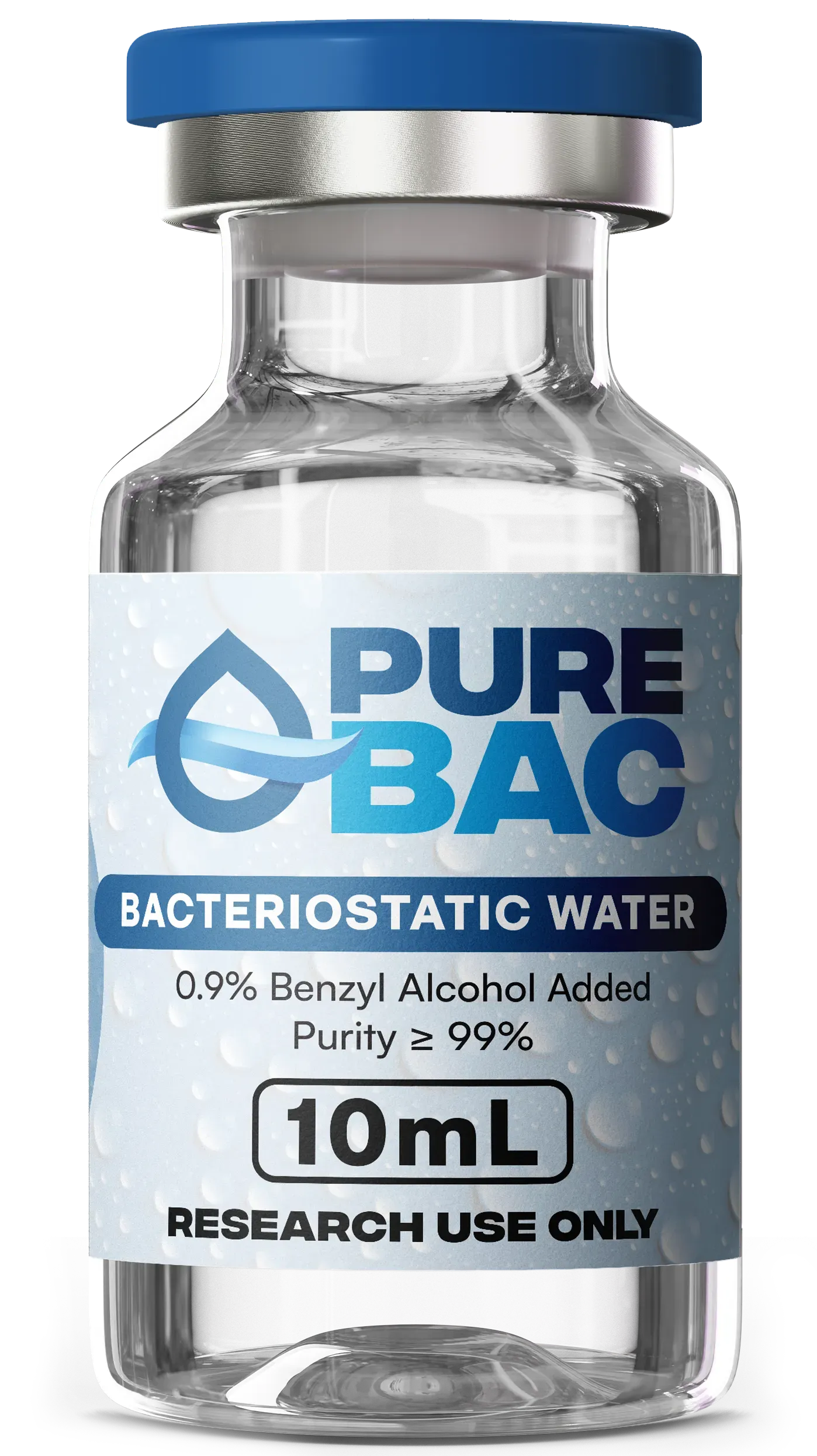
TB-500 comes as a lyophilized (freeze-dried) powder requiring reconstitution with bacteriostatic water before injection. Standard practice involves adding water slowly down the side of the vial, then gently swirling (not shaking) until dissolved. The reconstituted solution should be clear. Store refrigerated and use within 8-10 days.
Duration of Use
Research protocols typically run 8-12 weeks for injury healing, though some extend longer for severe or chronic injuries. The timeline depends heavily on injury type and severity—acute muscle strains might respond within weeks, while chronic tendon issues could require months.
Safety & Side Effects
TB-500 has demonstrated a favorable safety profile in research settings, with no serious adverse effects reported in animal studies. However, the lack of extensive human clinical trials means our understanding of risks is incomplete.
Commonly Reported Effects
Based on animal research and human anecdotal reports, the following effects have been noted:
Headache: Mild to moderate headaches are the most commonly reported side effect, typically occurring in the first week of use and diminishing with continued administration.
Temporary lethargy: Some users report feeling tired or sluggish during the initial loading phase. This usually resolves as the body adjusts.
Flu-like symptoms: Occasionally, initial use triggers mild flu-like feelings—low-grade achiness, minor fatigue. These are typically transient.
Injection site reactions: Redness, minor swelling, or itching at injection sites can occur, as with any injection.
Theoretical Concerns
Cancer and tumor growth: TB-500's ability to promote angiogenesis and cell migration raises theoretical concerns about supporting tumor growth. If cancer cells are present, enhanced blood vessel formation could help them access nutrients and spread. While no studies have demonstrated TB-500 causing cancer, the theoretical risk means anyone with active malignancy or cancer history should avoid the peptide.
Cardiovascular effects: The same properties that might help heal heart tissue could theoretically affect cardiac function in unpredictable ways. Those with heart conditions should exercise caution.
Who Should Avoid TB-500
- Anyone with active cancer or a history of cancer
- Pregnant or nursing women (no safety data exists)
- People with cardiovascular disease (without physician guidance)
- Anyone taking blood thinners (TB-500 may affect clotting)
- Professional athletes subject to drug testing (TB-500 is banned by WADA)
The Unknown Unknowns
Perhaps the biggest safety consideration is what we don't know. Long-term studies in humans don't exist. Effects of repeated cycles over years are unstudied. Drug interactions haven't been systematically evaluated. When using any research compound, you're accepting these uncertainties.