ARA-290
ARA-290 (Cibinetide)
Get ARA-290
Sourced from Ascension Peptides. Verified ≥≥99% purity, third-party tested. COA included.
Off with code
PEPTIDEDECK
Table of Contents
What is ARA-290?
ARA-290, also known by its investigational name Cibinetide, represents a new approach to tissue protection and repair—harnessing the regenerative potential of erythropoietin (EPO) signaling without the dangerous blood-thickening effects that limit EPO's therapeutic use. This 11-amino acid synthetic peptide was engineered from the three-dimensional structure of EPO to selectively activate what researchers call the innate repair receptor (IRR).
The story of ARA-290 begins with an observation that puzzled researchers for years: erythropoietin, best known for stimulating red blood cell production, also demonstrated remarkable tissue-protective effects in models of nerve damage, heart attack, and stroke. However, these protective benefits came with a significant catch—chronic EPO administration increases red blood cell mass, thickens the blood, and elevates risks of blood clots and cardiovascular events. Athletes who abused EPO for performance enhancement sometimes paid with their lives.
Scientists at Warren Pharmaceuticals (later Araim Pharmaceuticals) set out to separate EPO's tissue-protective effects from its blood-boosting properties. They identified that EPO exerts its protective effects through a different receptor than the one controlling red blood cell production—a heterodimeric complex of the EPO receptor (EPOR) and the beta common receptor (CD131), which they named the innate repair receptor. By designing a peptide that selectively activates this repair pathway, they created ARA-290.
Clinical trials have primarily focused on diabetic neuropathy and sarcoidosis-related small fiber neuropathy—conditions characterized by damage to the small nerve fibers responsible for pain sensation and autonomic function. These trials have demonstrated that ARA-290 can actually regenerate damaged nerves, as measured by increases in corneal nerve fiber density (a validated biomarker easily visualized through non-invasive confocal microscopy).
What makes ARA-290 particularly interesting is its mechanism: rather than simply protecting existing tissue from damage, the peptide appears to activate genuine repair and regeneration programs. This has implications beyond neuropathy, with preclinical research suggesting potential applications in cardiac ischemia, critical limb ischemia, and chronic inflammatory conditions.
Research Benefits
Neuroprotection without hematopoietic effects
Small fiber nerve regeneration in clinical trials
Anti-inflammatory and cytoprotective properties
Reduction of neuropathic pain symptoms
Metabolic improvements in diabetic models
Tissue repair and wound healing support
Corneal nerve regeneration potential
Cardiac protection in ischemia models
How ARA-290 Works
Understanding ARA-290's mechanism requires first appreciating the dual nature of erythropoietin signaling. EPO binds to two distinct receptor configurations that trigger very different cellular responses:
The Classical EPO Receptor (Erythropoiesis)
The classical pathway involves EPO binding to a homodimer—two identical EPO receptor subunits. This high-affinity interaction primarily occurs in bone marrow precursor cells and drives red blood cell production. It's why EPO injections increase hemoglobin and hematocrit levels, and why EPO abuse among athletes proved so dangerous.
The Innate Repair Receptor (Tissue Protection)
The second pathway involves a heterodimer—the EPO receptor paired with CD131 (also called the beta common receptor). This complex, termed the innate repair receptor (IRR), has lower affinity for EPO and is expressed widely across tissues including nerves, heart, kidney, and immune cells. Activation of the IRR triggers tissue-protective and anti-inflammatory signaling without affecting red blood cell production.
Downstream Signaling Cascades
When ARA-290 activates the IRR, it initiates several intracellular signaling pathways:
JAK2/STAT5 Pathway
Promotes cell survival and reduces apoptosis (programmed cell death) in stressed tissues.
PI3K/Akt Pathway
Enhances mitochondrial function, reduces oxidative stress, and supports cellular metabolism.
NF-κB Modulation
Suppresses inflammatory gene expression and reduces production of pro-inflammatory cytokines.
Nerve-Specific Effects
In the context of neuropathy, ARA-290's actions converge on several key targets:
- Schwann Cell Support: Schwann cells maintain peripheral nerve myelin and are essential for nerve regeneration. ARA-290 promotes Schwann cell survival and function, creating a permissive environment for axonal regrowth.
- Neuronal Protection: The peptide protects neurons from metabolic stress (particularly relevant in diabetic neuropathy where glucose toxicity damages nerves) and ischemic injury.
- Inflammation Reduction: Chronic neuroinflammation contributes to nerve damage. ARA-290 shifts the immune response from pro-inflammatory to pro-resolving phenotypes.
- Vasa Nervorum Function: The small blood vessels supplying nerves (vasa nervorum) are often compromised in neuropathy. IRR activation may improve microvascular function.
Importantly, despite its short plasma half-life of approximately 2 minutes, ARA-290's effects persist much longer. The signaling cascades it triggers lead to changes in gene expression and cellular function that outlast the peptide's presence in circulation—explaining why once-daily dosing proved effective in clinical trials.
🔑 Key Takeaways
- ARA-290 selectively activates the innate repair receptor (EPOR/CD131 heterodimer)
- Completely bypasses the classical EPO receptor—no effect on red blood cells
- Triggers JAK2/STAT5, PI3K/Akt, and anti-inflammatory signaling
- Short plasma half-life but prolonged tissue-level effects via gene expression changes
Research Applications
Diabetic peripheral neuropathy
Active research area with published studies
Sarcoidosis-associated small fiber neuropathy
Active research area with published studies
Corneal nerve damage and dry eye
Active research area with published studies
Critical limb ischemia
Active research area with published studies
Chronic inflammatory conditions
Active research area with published studies
Cardiac ischemia-reperfusion injury
Active research area with published studies
Metabolic syndrome
Active research area with published studies
Autoimmune disorders
Active research area with published studies
Research Findings
ARA-290 has progressed further through clinical development than most research peptides, providing robust human data on safety and efficacy. Here's what the research shows across major application areas:
Corneal Nerve Regeneration Trial (2014)
In a landmark randomized, double-blind, placebo-controlled study published in Molecular Medicine, researchers administered ARA-290 (4 mg subcutaneously daily for 28 days) to patients with type 2 diabetes and neuropathic symptoms. The primary endpoint was change in corneal nerve fiber density—measured using in vivo confocal microscopy, which allows visualization of the small nerve fibers in the cornea.
Results demonstrated significant increases in corneal nerve fiber density in the ARA-290 group compared to placebo. Patients also showed improvements in neuropathic pain scores, reduced HbA1c levels (indicating better glucose control), and improved corneal sensitivity. Critically, there were no changes in hemoglobin or hematocrit, confirming the absence of erythropoietic effects.
Extended Follow-up Studies
Follow-up research demonstrated that the nerve regeneration effects persisted after treatment cessation. Some patients showed continued improvement in nerve fiber density at 8 weeks post-treatment, suggesting that ARA-290 activates durable regenerative programs rather than simply protecting existing fibers.
Phase 2 Clinical Trials
Sarcoidosis is an inflammatory disease that often causes painful small fiber neuropathy affecting up to 40% of patients. ARA-290 received FDA Orphan Drug Designation for this indication, reflecting both the unmet medical need and the promise shown in early trials.
In published case studies and Phase 2 trials, sarcoidosis patients receiving ARA-290 demonstrated:
- Improved small fiber neuropathy symptoms assessed by validated questionnaires
- Increased corneal nerve fiber density on confocal microscopy
- Reduced fatigue—a major quality-of-life issue in sarcoidosis
- Decreased inflammatory markers
- Improved autonomic function testing
A particularly interesting finding: the anti-inflammatory effects of ARA-290 appeared to extend beyond the nerves themselves, with some patients showing broader improvements in sarcoidosis activity. This aligns with the known expression of the innate repair receptor on immune cells.
Cardiac Protection
Animal studies have demonstrated that ARA-290 reduces infarct size when administered after experimentally induced myocardial ischemia-reperfusion injury. The peptide preserved cardiac function and reduced inflammatory cell infiltration into damaged heart tissue. These findings suggest potential applications in acute coronary syndromes, though human cardiac trials have not been published.
Metabolic Effects
Research in diet-induced obesity models showed that ARA-290 reduced adipose tissue inflammation, improved insulin sensitivity, and decreased circulating inflammatory markers. The peptide appeared to shift adipose tissue macrophages from an inflammatory to anti-inflammatory phenotype. These metabolic benefits may contribute to its effects in diabetic neuropathy, where metabolic dysfunction plays a central pathogenic role.
Chronic Inflammatory Conditions
The expression of the innate repair receptor on immune cells has led researchers to explore ARA-290 in various inflammatory conditions. Preclinical data suggests potential in inflammatory bowel disease, rheumatoid arthritis, and other autoimmune conditions, though clinical trials in these areas have been limited.
🔑 Key Takeaways
- Human trials demonstrate actual nerve fiber regeneration in diabetic patients
- FDA Orphan Drug Designation for sarcoidosis-related small fiber neuropathy
- Excellent safety profile confirmed across multiple clinical studies
- Preclinical evidence supports cardiac, metabolic, and anti-inflammatory applications
Dosage & Administration
ARA-290 dosing protocols have been established through multiple clinical trials, providing relatively clear guidance compared to many research peptides. However, as with all investigational compounds, these represent research protocols rather than approved therapeutic recommendations.
Clinical Trial Dosing
| Indication | Dose | Route | Frequency | Duration |
|---|---|---|---|---|
| Diabetic Neuropathy | 4 mg | Subcutaneous | Once daily | 28 days |
| Sarcoidosis SFN | 4 mg | Subcutaneous | Once daily | 28 days |
| Extended Protocols | 4 mg | Subcutaneous | Once daily | Up to 12 weeks |
The 4 mg dose has been the most extensively studied in clinical trials. Some earlier Phase 1 studies explored doses from 2-8 mg, with 4 mg emerging as the optimal balance of efficacy and practicality. Lower doses showed less robust effects, while higher doses did not provide additional benefit.
Administration Protocol
Reconstitution
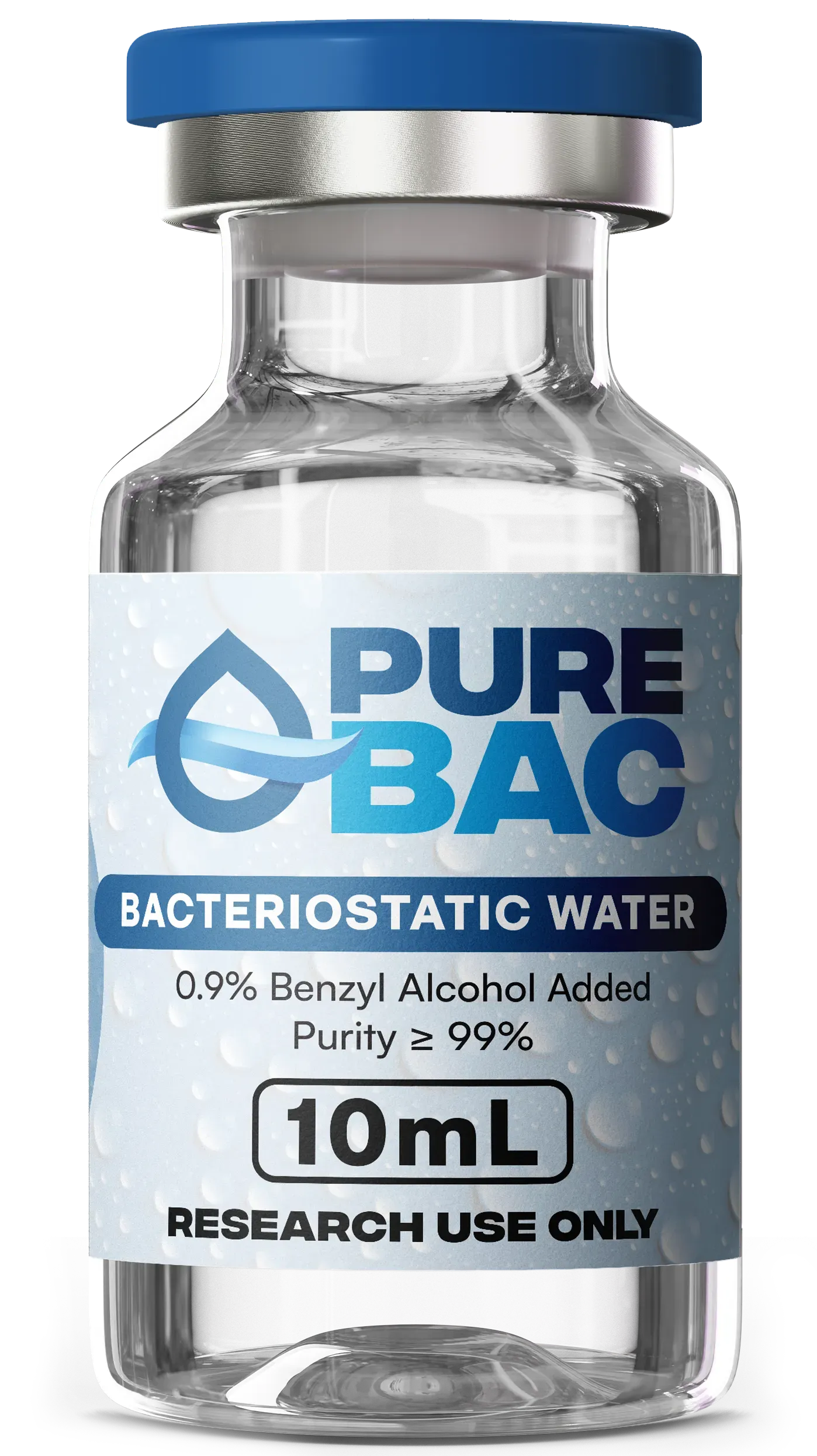
Reconstitute lyophilized ARA-290 with sterile or bacteriostatic water for injection. Add diluent slowly along the vial wall and gently swirl—do not shake.
Dose Calculation
Calculate the volume needed for a 4 mg dose based on your reconstitution concentration. Clinical trials typically used concentrations allowing a convenient injection volume.
Injection
Administer subcutaneously in the abdomen, thigh, or upper arm. Rotate injection sites to minimize local reactions.
Timing
Once-daily dosing was used in clinical trials. No specific timing relative to meals or time of day was mandated in protocols.
Why Once-Daily Dosing Works
ARA-290's plasma half-life is remarkably short—approximately 2 minutes. This might suggest that more frequent dosing would be necessary, but clinical efficacy was demonstrated with once-daily administration. The explanation lies in the downstream effects:
Treatment Duration
Most clinical trials used 28-day treatment courses, with assessments of nerve fiber density and symptoms at the end of treatment and during follow-up. Some protocols extended treatment to 8-12 weeks for patients with sarcoidosis. The optimal treatment duration for various conditions remains an area of active research.
Pro Tip
Corneal confocal microscopy provides an objective, non-invasive biomarker for monitoring small fiber regeneration during ARA-290 treatment. This technique can be performed in ophthalmology clinics and provides quantifiable nerve fiber density measurements.
Storage and Stability
- Lyophilized powder: Store at -20°C for extended periods; stable for 2+ years when properly stored
- Reconstituted solution: Refrigerate at 2-8°C; use within 7 days
- Avoid: Repeated freeze-thaw cycles, excessive agitation, exposure to light
Work out your ARA-290 draw in units
Enter the vial size, the bacteriostatic water you add and the dose you want, and the calculator gives the syringe units, how long the vial lasts and when to discard it.
Open the peptide calculatorSafety & Side Effects
One of ARA-290's most compelling features is its safety profile—a critical consideration given the serious cardiovascular risks associated with its parent compound erythropoietin. Clinical trials have consistently demonstrated excellent tolerability across multiple patient populations.
Confirmed Absence of Erythropoietic Effects
The most important safety finding is that ARA-290 does not stimulate red blood cell production. This has been confirmed across all clinical trials through monitoring of:
- Hemoglobin levels—no increases observed
- Hematocrit—remained stable throughout treatment
- Red blood cell counts—unchanged from baseline
- Reticulocyte counts—no stimulation of red cell precursors
This eliminates the primary safety concern that limits EPO therapy: increased blood viscosity leading to blood clots, stroke, and cardiovascular events. Patients on ARA-290 do not require hematological monitoring or phlebotomy interventions.
Adverse Events in Clinical Trials
Across published clinical studies, adverse events have been minimal and primarily limited to:
- Injection site reactions: Mild, transient redness or irritation at the injection site—the most commonly reported side effect
- Headache: Occasionally reported at rates similar to placebo groups
- Fatigue: Rare and typically mild
No serious adverse events attributable to ARA-290 have been reported in published clinical trials. There have been no dose-limiting toxicities identified, and no significant changes in laboratory parameters, vital signs, or ECG findings.
Immunogenicity
ARA-290 does not appear to be immunogenic. Clinical trials have tested for the development of anti-drug antibodies and found no evidence of neutralizing antibody formation. This is an important finding for a peptide intended for repeated or chronic use.
Drug Interactions
Formal drug interaction studies have not been extensively published. However, the selective mechanism of action (IRR activation only) suggests a relatively targeted effect profile. No significant interactions have been reported in clinical trials, though patients were typically on multiple concurrent medications for diabetes or sarcoidosis.
Contraindications and Precautions
Based on the mechanism of action and available data, theoretical precautions might include:
- Pregnancy/breastfeeding: Insufficient data—avoided in clinical trials
- Active malignancy: Tissue-repair signaling could theoretically affect tumor biology (not studied)
- Hypersensitivity: As with any peptide, allergic reactions are possible though not reported