Semax
Semax (ACTH 4-10 Analog / Methionyl-Glutamyl-Histidyl-Phenylalanyl-Prolyl-Glycyl-Proline)
Get Semax
Sourced from Ascension Peptides. Verified ≥≥99% purity, third-party tested. COA included.
Off with code
PEPTIDEDECK
Table of Contents
What is Semax?
Semax is a synthetic heptapeptide that represents one of the most extensively studied nootropic compounds to emerge from Soviet-era pharmaceutical research. Developed in the 1980s at the Institute of Molecular Genetics of the Russian Academy of Sciences, Semax has been approved for medical use in Russia since 1994, where it's prescribed for stroke recovery, cognitive disorders, peptic ulcers, and optic nerve diseases.
The peptide is derived from adrenocorticotropic hormone (ACTH), specifically representing an analog of the 4-10 fragment with the sequence Met-Glu-His-Phe-Pro-Gly-Pro. What makes Semax particularly interesting is that while it originates from a hormone, it lacks the hormonal activity of ACTH—it doesn't stimulate the adrenal glands or affect cortisol levels. Instead, the researchers who developed it discovered that this specific fragment retained and even enhanced the nootropic and neuroprotective properties while eliminating unwanted endocrine effects.
The mechanism underlying Semax's cognitive effects centers on its ability to increase brain-derived neurotrophic factor (BDNF), a protein essential for neuron survival, growth, differentiation, and synaptic plasticity. Studies show Semax can increase hippocampal BDNF expression by 1.5 to 4-fold—a significant elevation that promotes neuroplasticity and underlies many of the peptide's benefits for learning, memory, and neuroprotection.
Beyond BDNF modulation, Semax affects multiple neurotransmitter systems including dopamine, serotonin, and acetylcholine pathways. This broad neurochemical profile may explain why users report not just improved memory and focus, but also enhanced motivation, mood stabilization, and mental endurance without the jitteriness associated with stimulants.
Research Benefits
Enhanced cognitive function and memory consolidation
Increased BDNF expression in the brain
Neuroprotection against ischemic and oxidative damage
Improved attention span and mental clarity
Accelerated stroke recovery in clinical studies
Reduced anxiety without sedation
Optic nerve protection and visual function support
Enhanced learning capacity and information processing
How Semax Works
Semax operates through several interconnected mechanisms that together produce its nootropic, neuroprotective, and neurorestorative effects. Understanding these pathways helps explain why this peptide has shown benefits across such diverse conditions—from acute stroke to chronic cognitive decline to optic nerve degeneration.
BDNF Upregulation
The most well-documented mechanism of Semax involves increasing brain-derived neurotrophic factor (BDNF) expression. Research published in Brain Research demonstrated that a single intranasal dose of Semax significantly increased hippocampal BDNF mRNA levels in rats. BDNF is often called "fertilizer for the brain"—it supports the survival of existing neurons, encourages the growth of new neurons and synapses, and strengthens neural connections formed during learning.
Neuroplasticity
BDNF elevation promotes synaptic plasticity—the brain's ability to form and strengthen neural connections.
Neuroprotection
Protects neurons from ischemic damage, oxidative stress, and excitotoxicity.
Neurotransmission
Modulates dopamine, serotonin, and acetylcholine systems for enhanced cognition.
Low BDNF levels are associated with depression, cognitive decline, and neurodegenerative diseases. By elevating BDNF, Semax may help address underlying neurobiological deficits rather than just masking symptoms.
Dopaminergic and Serotonergic Modulation
Research published in Neurochemical Research showed Semax activates both dopaminergic and serotonergic brain systems. The peptide increases dopamine and serotonin levels in specific brain regions while modulating receptor sensitivity. Dopamine is crucial for motivation, reward, attention, and working memory. Serotonin influences mood, anxiety, and cognitive flexibility.
Importantly, Semax's effect on these systems differs from that of stimulants or antidepressants. Rather than flooding synapses with neurotransmitters or blocking reuptake, Semax appears to modulate these systems toward optimal function—enhancing transmission where needed while avoiding overstimulation.
Anti-inflammatory and Gene Expression Effects
Genomic studies reveal that Semax affects the expression of hundreds of genes, particularly those involved in immune response, vascular function, and cellular stress responses. A 2014 study published in BMC Genomics examined gene expression changes in rat brain tissue following ischemic injury, finding that Semax treatment modified the expression of genes related to inflammation, apoptosis, and neuroprotection.
The anti-inflammatory mechanism appears particularly important for neuroprotection. By reducing neuroinflammation following injury or in chronic conditions, Semax helps create conditions favorable for neural recovery and maintenance.
Intranasal Delivery Advantages
Semax's standard intranasal administration route is more than just convenient—it's pharmacologically strategic. The nasal mucosa provides direct access to the brain via olfactory and trigeminal nerve pathways, bypassing the blood-brain barrier that would otherwise limit peptide entry. This nose-to-brain delivery explains why Semax can produce effects despite its extremely short plasma half-life of only 2-3 minutes.
Research Applications
Stroke recovery and cerebrovascular disease
Active research area with published studies
Cognitive enhancement and nootropic effects
Active research area with published studies
Neurodegenerative disease prevention
Active research area with published studies
Optic nerve atrophy and glaucoma
Active research area with published studies
ADHD and attention disorders
Active research area with published studies
Depression and mood regulation
Active research area with published studies
Traumatic brain injury recovery
Active research area with published studies
Age-related cognitive decline
Active research area with published studies
Research Findings
Semax benefits from an unusually extensive research base for a nootropic peptide, including numerous clinical trials conducted in Russia and preclinical studies published in international journals. Here we examine the key findings across major research areas.
Stroke and Cerebral Ischemia
The most robust clinical evidence for Semax comes from stroke research. Multiple controlled trials in Russia have demonstrated improved neurological outcomes when Semax is added to standard stroke care. A landmark study examined patients with acute ischemic stroke who received either standard treatment alone or standard treatment plus Semax (intranasal, 6 mg/day for 5 days). The Semax group showed significantly better neurological recovery at 30 days, with improvements in motor function, speech, and cognitive measures.
🔑 Key Research Findings
- Semax accelerates recovery from ischemic stroke when added to standard care
- BDNF elevation up to 4-fold observed in animal studies
- Genomic studies show modulation of 100+ genes involved in neuroprotection
- Clinical trials demonstrate improved attention, memory, and learning
- Anti-inflammatory effects contribute to neuroprotective mechanisms
Preclinical research helps explain these clinical findings. Studies in animal models of cerebral ischemia show Semax reduces infarct volume, decreases neuronal death in the penumbra (the at-risk zone around the core injury), and improves behavioral outcomes. The 2017 study in Bulletin of Experimental Biology and Medicine confirmed that Semax's neuroprotective effects relate significantly to its anti-inflammatory properties.
Cognitive Enhancement in Healthy Individuals
Beyond therapeutic applications, Semax has been studied for cognitive enhancement in healthy subjects. Russian clinical studies report improvements in attention, memory consolidation, and information processing speed. Subjects performed better on complex attention tasks and showed enhanced learning capacity during the treatment period.
Interestingly, some cognitive benefits persist after discontinuation, suggesting that Semax induces lasting neuroplastic changes rather than just acute enhancement. This aligns with the BDNF mechanism—increased neurotrophic support leads to structural improvements in neural networks that remain even when the compound is withdrawn.
Optic Nerve and Visual Function
Semax is approved in Russia for optic nerve diseases, supported by research showing neuroprotective effects on retinal ganglion cells and the optic nerve. Studies in models of optic nerve damage demonstrate preserved visual function and reduced neurodegeneration with Semax treatment. Clinical trials in patients with optic nerve atrophy and glaucoma have shown stabilization or improvement in visual function metrics.
ADHD and Attention Disorders
Research has explored Semax for attention-deficit disorders, finding improvements in sustained attention, impulsivity measures, and cognitive performance. While not a first-line ADHD treatment, the data suggest Semax could benefit attention networks through its dopaminergic modulation and BDNF effects.
Depression and Anxiety
Though not the primary indication, Semax shows antidepressant-like and anxiolytic effects in preclinical models. The mechanisms include BDNF elevation (low BDNF is a consistent finding in depression), serotonergic modulation, and stress-response normalization. Subjective reports from users frequently mention improved mood and reduced anxiety as notable benefits, though controlled trials specifically for mood disorders are limited.
Dosage & Administration
Semax dosing has been established through decades of clinical use in Russia, though optimal doses may vary based on the specific condition being addressed and individual response. The following represents guidance derived from clinical protocols and research literature.
Standard Clinical Dosing
| Indication | Dose | Frequency | Duration |
|---|---|---|---|
| General nootropic use | 200-600 mcg | 1-2x daily | 10-14 days on, equal off |
| Cognitive impairment | 600-900 mcg | 2-3x daily | As directed clinically |
| Stroke recovery | 1200-1800 mcg | 3x daily | 5-14 days acute phase |
| Optic nerve disease | 600-900 mcg | 2-3x daily | Per clinical protocol |
Administration Method
Semax is administered intranasally using a nasal spray formulation. This route provides several advantages:
- Rapid absorption directly to the brain via olfactory pathways
- Bypasses first-pass hepatic metabolism
- Achieves brain concentrations despite short plasma half-life
- Convenient, non-invasive administration
Prepare the Spray
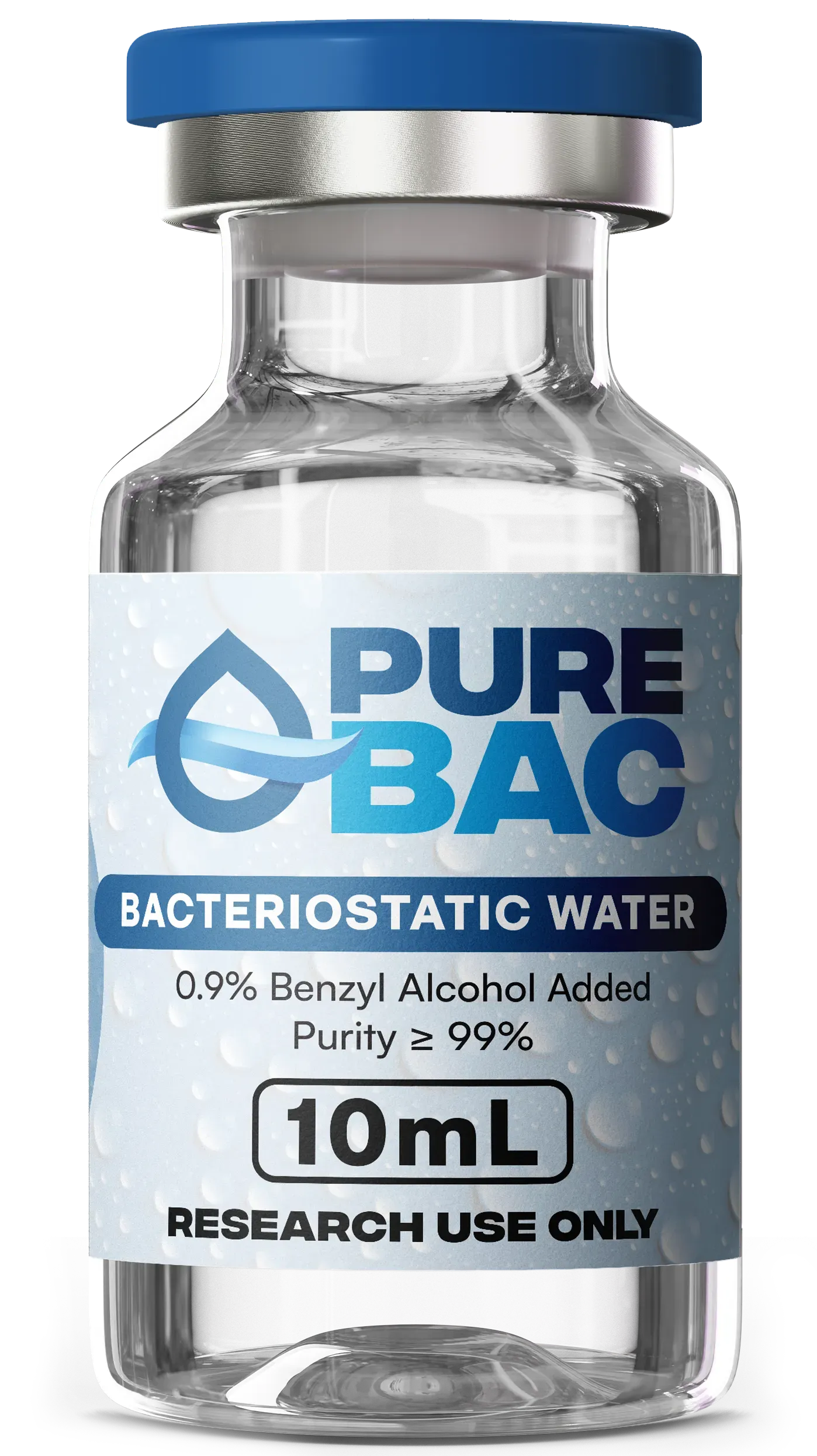
If using lyophilized powder, reconstitute with the provided bacteriostatic water or sterile saline to achieve the target concentration. Pre-made nasal sprays come ready to use.
Clear Nasal Passages
Gently blow your nose before administration to ensure clear passages for optimal absorption.
Administer Intranasally
Insert the spray tip into one nostril, aim slightly toward the outer wall, and spray while inhaling gently. Repeat for the second nostril if the protocol calls for bilateral dosing.
Wait Before Next Dose
Allow at least 3-4 hours between doses if dosing multiple times daily.
Cycling Considerations
While Semax doesn't produce tolerance in the traditional sense, many protocols recommend cycling to maintain optimal response and allow neurobiological normalization. A common approach is 10-14 days on, followed by an equal period off. For therapeutic applications under medical supervision, longer continuous courses may be appropriate.
Pro Tip
Administer your first dose in the morning for cognitive tasks requiring peak performance. The peptide's effects on attention and alertness are generally compatible with daytime use. Avoid late evening dosing as enhanced mental activity may interfere with sleep in some individuals.
Storage and Stability
Lyophilized Semax powder should be stored at -20°C and is stable for extended periods. Once reconstituted, store the nasal solution at 2-8°C (refrigerated) and use within 2 weeks. Pre-made commercial nasal sprays follow manufacturer stability data. Avoid freezing the reconstituted solution and protect from light.
Safety & Side Effects
Semax has been used clinically in Russia for over three decades, providing extensive real-world safety data. The peptide is consistently described in medical literature as having an excellent safety profile with minimal adverse effects. However, Western clinical trial data remains limited, and individual responses may vary.
Documented Side Effects
Side effects from Semax are uncommon and typically mild:
- Nasal irritation: Mild burning or discomfort, especially during initial use (most common)
- Headache: Occasional, usually mild and transient
- Dizziness: Rare, typically resolves quickly
- Hair changes: Rare reports of temporary hair thinning in predisposed individuals
Importantly, Semax does not share the side effect profiles of traditional stimulants or psychoactive drugs. It does not cause:
- Cardiovascular effects (no changes in blood pressure or heart rate)
- Hormonal disruption (no effect on cortisol despite ACTH origin)
- Tolerance or physical dependence
- Withdrawal symptoms upon discontinuation
- Sedation or motor impairment
- Appetite suppression or insomnia (though late dosing may affect some)
Contraindications and Precautions
While formal contraindications from Western regulatory bodies don't exist (as the drug isn't approved in most Western countries), prudent precautions based on mechanism and clinical experience include:
- Pregnancy and breastfeeding: Safety not established; avoid use
- Seizure disorders: Theoretical concern due to neural activation; use cautiously
- Acute psychosis or mania: Dopaminergic effects may be problematic
- Severe nasal conditions: May limit intranasal absorption
- Concomitant immunosuppression: Some evidence of immune-modulating effects
Drug Interactions
Comprehensive drug interaction studies are lacking, but based on mechanism, potential interactions may occur with:
- MAO inhibitors: Semax affects monoamine systems; combination could potentiate effects
- Dopaminergic drugs: Additive effects possible
- Anticoagulants: One case report suggested potential interaction
- Immunomodulating therapies: Unknown interactions with immune-active drugs
Long-Term Safety
Long-term safety data from decades of Russian clinical use is reassuring, with no emerging signals of delayed toxicity or cumulative adverse effects. However, most clinical trials examined relatively short treatment courses (weeks to a few months), and very long-term continuous use hasn't been systematically studied.