P21
P21 (CNTF-derived Nootropic Peptide)
Get P21
Sourced from Ascension Peptides. Verified ≥≥99% purity, third-party tested. COA included.
Off with code
PEPTIDEDECK
Table of Contents
What is P21?
P21 is a synthetic nootropic peptide consisting of 21 amino acids, engineered as a compact, bioavailable fragment of Ciliary Neurotrophic Factor (CNTF). This peptide represents a targeted approach to capturing CNTF's neurogenic properties in a molecule small enough to more readily access the central nervous system.
CNTF is a naturally occurring neurotrophic factor—a protein that supports neuron survival, growth, and differentiation. While full-length CNTF demonstrates remarkable neuroprotective and neurogenic effects, its large size (~23 kDa) severely limits its ability to cross the blood-brain barrier when administered systemically. P21 emerged from research efforts to isolate the active neurogenic region of CNTF, creating a peptide that retains the parent protein's ability to stimulate new neuron formation while offering improved pharmacological properties.
The hippocampus—the brain's center for learning and memory formation—is P21's primary site of action. This region retains the capacity for neurogenesis throughout life, though the rate of new neuron formation declines substantially with age. Research suggests this decline correlates with age-related cognitive changes, positioning compounds that support hippocampal neurogenesis as targets for cognitive aging research.
P21 remains a research compound with no approved therapeutic applications. All available evidence derives from animal studies and cell culture experiments. The compound's popularity in the nootropic research community stems from its targeted mechanism and the growing scientific interest in neurogenesis as a modifiable process underlying cognition.
Research Benefits
Promotes hippocampal neurogenesis in animal studies
Increases BDNF expression in the brain
Enhances spatial learning and memory in rodent models
Supports neural stem cell proliferation and differentiation
Smaller molecule allows better blood-brain barrier penetration
May support cognitive function during aging
Research suggests neuroprotective properties
Potential synergy with other nootropic compounds
How P21 Works
P21's mechanism of action centers on promoting neurogenesis—the creation of new neurons—primarily in the hippocampus. This occurs through a cascade of interconnected molecular events that ultimately result in increased neural stem cell proliferation and differentiation.
BDNF Upregulation
The most consistently documented mechanism involves P21's ability to increase expression of brain-derived neurotrophic factor (BDNF). BDNF is arguably the brain's most critical growth factor for supporting neuron survival, promoting synaptic plasticity, and enabling the integration of newly formed neurons into existing circuits. Studies show P21 administration elevates BDNF levels in the hippocampus, creating an environment conducive to neurogenesis and synaptic strengthening.
Neural Stem Cell Activation
Beyond BDNF elevation, P21 appears to directly influence neural stem cell behavior in the hippocampal dentate gyrus. These stem cells typically exist in a quiescent state, occasionally dividing to produce new neurons or glial cells. P21 promotes their transition from quiescence to active proliferation and guides their differentiation toward neuronal rather than glial fates. This specificity matters—random cell proliferation wouldn't enhance cognition, but directed neuronal differentiation can potentially contribute to cognitive circuits.
CNTF Receptor Signaling
As a CNTF fragment, P21 likely interacts with CNTF receptor components (CNTFRα, LIFRβ, gp130), though with reduced binding affinity compared to full-length CNTF. This receptor complex activates JAK/STAT signaling pathways involved in cell survival and differentiation. The downstream effects include transcription of neuroprotective genes and promotion of neuronal phenotype expression in differentiating cells.
Neurogenesis
Stimulates creation of new neurons in the hippocampus through BDNF and stem cell activation.
Synaptic Plasticity
BDNF elevation enhances the ability of synapses to strengthen with use—fundamental to learning.
Neuroprotection
CNTF-family signaling supports neuron survival against various stressors.
Blood-Brain Barrier Considerations
P21's development specifically aimed to overcome full-length CNTF's BBB penetration limitations. While detailed pharmacokinetic data remains limited, the peptide's smaller size (~2.4 kDa vs CNTF's ~23 kDa) theoretically improves CNS access. Intranasal administration may further enhance brain delivery by exploiting direct nose-to-brain pathways.
Research Applications
Neurogenesis and neural stem cell differentiation
Active research area with published studies
Age-related cognitive decline
Active research area with published studies
Memory and learning enhancement
Active research area with published studies
BDNF expression and signaling
Active research area with published studies
Hippocampal plasticity
Active research area with published studies
Neurodegenerative disease models
Active research area with published studies
Blood-brain barrier penetration studies
Active research area with published studies
Cognitive rehabilitation research
Active research area with published studies
Research Findings
Research on P21 remains in early stages, with available studies primarily conducted in rodent models. While the evidence base is smaller than for more established peptides, several consistent findings have emerged regarding neurogenesis and cognitive performance.
Neurogenesis Studies
Multiple animal studies demonstrate P21's ability to increase markers of hippocampal neurogenesis. Researchers typically assess this using BrdU labeling, which marks newly divided cells, combined with neuronal markers like NeuN or doublecortin. Studies report significant increases in BrdU-positive cells in the dentate gyrus following P21 administration, with many of these new cells expressing neuronal markers indicating successful differentiation toward a neuronal fate.
Spatial Memory Performance
The Morris water maze—a standard test of hippocampal-dependent spatial learning—has been the primary behavioral assay for evaluating P21's cognitive effects. In these studies, rodents must learn to locate a hidden platform in a pool of opaque water using spatial cues. P21-treated animals typically demonstrate faster acquisition (learning where the platform is) and better retention (remembering its location after delays) compared to vehicle-treated controls. These improvements correlate temporally with the neurogenesis timeline, appearing as newly formed neurons mature and integrate into circuits.
BDNF Expression
Elevated BDNF in the hippocampus and other brain regions has been consistently documented following P21 treatment. This increase appears within days of treatment initiation and persists throughout the administration period. BDNF elevation is particularly relevant because reduced BDNF levels are associated with cognitive aging and various neurological conditions. The magnitude of BDNF increase correlates with behavioral improvements in memory tasks, supporting a mechanistic relationship.
🔑 Key Research Findings
- P21 increases hippocampal neurogenesis markers in rodent models
- Spatial memory performance improves in Morris water maze testing
- BDNF expression elevates significantly during treatment
- Effects correlate with neuronal maturation timeline (2-4 weeks)
- Appetite suppression noted as consistent side effect in animal models
Comparison with Other Nootropics
While direct comparison studies are limited, P21's mechanism differs substantially from other researched nootropics. Unlike racetams that modulate existing neurotransmitter systems, or Dihexa that enhances synaptic connectivity through HGF signaling, P21 targets neurogenesis directly. This positions it uniquely for research on cognitive aging, where declining neurogenesis may contribute to memory impairment. The distinct mechanism also suggests potential for combination approaches, though such research remains sparse.
Limitations of Current Evidence
Important caveats apply to interpreting P21 research. Published studies come from a limited number of research groups, reducing independent replication. The translation from rodent maze performance to human cognitive enhancement involves substantial uncertainty. Additionally, no controlled human studies exist—all cognitive claims extrapolate from animal behavior that may not parallel human cognition. The compound's effects on complex cognitive functions like executive function, language, or creative thinking remain entirely unstudied.
Dosage & Administration
Dosing information for P21 derives entirely from animal research, as no human clinical trials have established safety or efficacy parameters. The following represents what has been used in preclinical studies—not recommendations for human use.
Animal Research Doses
Rodent studies typically employ P21 in the range of 50-100 μg per administration, given once daily or every other day. Some protocols use weight-based dosing around 50-100 μg/kg. These doses produce measurable increases in neurogenesis markers and BDNF levels without apparent toxicity. Higher doses have been explored in some studies without clear dose-response improvements, suggesting a possible ceiling effect consistent with receptor saturation kinetics.
| Model | Dose Range | Frequency | Duration Studied |
|---|---|---|---|
| Mouse | 50-100 μg | Once daily | 2-4 weeks |
| Rat | 50-100 μg/kg | Once daily or EOD | 2-6 weeks |
Administration Routes
Intranasal: This route has received significant research attention due to its potential for direct nose-to-brain delivery, bypassing the blood-brain barrier via olfactory and trigeminal nerve pathways. Intranasal administration may achieve higher brain concentrations relative to systemic exposure compared to injection routes.
Subcutaneous Injection: Standard injection protocols have been used in many studies. While effective, this route requires P21 to reach the brain through systemic circulation, potentially reducing CNS bioavailability compared to intranasal delivery.
Reconstitution
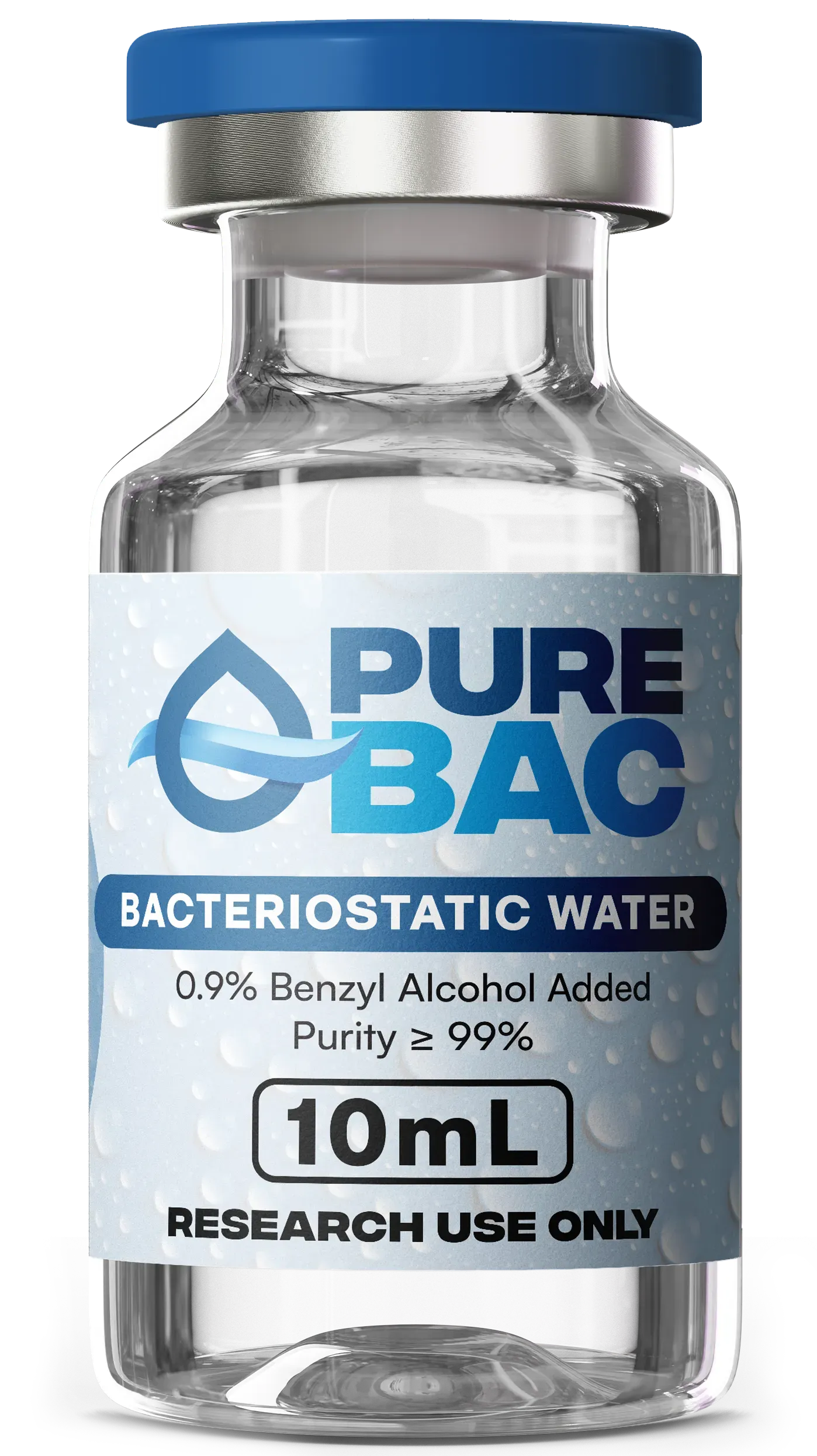
P21 is supplied as a lyophilized powder requiring reconstitution. Bacteriostatic water is commonly used for this purpose. Given the peptide's shorter shelf-life compared to some other peptides, researchers typically prepare small volumes and use them promptly. Standard reconstitution involves:
Prepare Materials
Gather P21 vial, bacteriostatic water, alcohol swabs, and appropriate syringe.
Add Solvent
Inject bacteriostatic water slowly against the vial wall. Do not shake—gently swirl if needed.
Calculate Concentration
Determine mcg/unit based on total peptide amount and water volume added.
Storage
Lyophilized P21 should be stored at -20°C and protected from light for long-term stability. Reconstituted solution should be refrigerated at 2-8°C and used within 7-10 days. The peptide appears less stable than some other research peptides, making proper cold chain handling essential. Avoid repeated freeze-thaw cycles of reconstituted solution.
Work out your P21 draw in units
Enter the vial size, the bacteriostatic water you add and the dose you want, and the calculator gives the syringe units, how long the vial lasts and when to discard it.
Open the peptide calculatorSafety & Side Effects
Safety data on P21 comes exclusively from animal research, with no controlled human trials establishing its safety profile. While preclinical studies suggest reasonable tolerability, the absence of human data represents a significant limitation in assessing risks.
Observed Effects in Animal Studies
Appetite Suppression: The most consistently documented side effect is reduced food intake and potential weight loss during P21 administration. This effect relates directly to CNTF's known role in energy metabolism—full-length CNTF was actually investigated as an obesity treatment before its peripheral effects proved problematic. P21 appears to retain some of this anorectic activity, affecting hypothalamic pathways that regulate satiety. For some research applications this might be considered a feature, but it represents a metabolic effect requiring consideration.
Fatigue: Some animal studies note mild fatigue or reduced activity during initial treatment periods. Whether this represents a direct CNS effect or secondary consequence of reduced caloric intake remains unclear.
No Significant Toxicity: Published animal studies have not reported significant organ toxicity or severe adverse events at researched doses. However, the number of studies and range of doses tested remain limited compared to more established peptides.
Theoretical Concerns
Several theoretical concerns warrant consideration despite absence of documented problems:
- Cell Proliferation Effects: Any compound that promotes cell division raises theoretical questions about tumor promotion. While P21 appears to direct stem cells specifically toward neuronal differentiation, long-term effects on cell proliferation in other tissues remain unstudied.
- Metabolic Effects: Beyond appetite suppression, CNTF-related compounds can affect glucose metabolism and other metabolic parameters. The extent of P21's metabolic effects requires further characterization.
- Interaction with Neurological Conditions: Effects on brain chemistry could theoretically interact with various neurological or psychiatric conditions. No data exists on P21 use in models of epilepsy, depression, anxiety, or other brain disorders.
Absence of Human Clinical Data
The critical limitation in P21 safety assessment is the complete lack of controlled human studies. Animal models cannot detect species-specific toxicities, rare adverse events, or subtle effects on human cognition and behavior. The compound's effects on complex human brain function—including mood, personality, and executive function—remain entirely unknown. Researchers considering any use should understand they would be using an unproven compound with unknown human safety parameters.