Selank
Selank (TP-7 / Selanc)
Get Selank
Sourced from Ascension Peptides. Verified ≥≥99% purity, third-party tested. COA included.
Off with code
PEPTIDEDECK
Table of Contents
What is Selank?
Selank is a synthetic heptapeptide developed at the Institute of Molecular Genetics of the Russian Academy of Sciences during the 1990s. It represents a significant advancement in peptide pharmacology—a carefully engineered compound designed to harness the benefits of a natural immunomodulatory peptide while overcoming its pharmacokinetic limitations.
The peptide's development began with tuftsin, a naturally occurring tetrapeptide (Thr-Lys-Pro-Arg) first discovered in the 1970s. Tuftsin is cleaved from the Fc region of immunoglobulin G and plays important roles in immune function, particularly enhancing the ability of phagocytes to engulf pathogens. However, tuftsin alone proved impractical as a therapeutic agent due to rapid enzymatic degradation in the body.
Russian researchers discovered that this modified tuftsin not only retained immunomodulatory properties but also exhibited potent anxiolytic and nootropic effects. In 2009, Selank received approval from the Russian Ministry of Health for treatment of generalized anxiety disorder (GAD) and as an adjunct therapy for neurasthenic conditions. It is marketed under the brand name Selanc® as an intranasal spray.
What distinguishes Selank from conventional anxiolytics is its mechanism: rather than globally depressing the central nervous system like benzodiazepines, Selank modulates specific neurotransmitter systems and influences gene expression related to stress adaptation. This produces anti-anxiety effects without sedation, cognitive impairment, or addiction potential—limitations that plague traditional anxiety medications.
Research Benefits
Anxiolytic effects without sedation or cognitive impairment
Enhanced cognitive function and memory consolidation
Immunomodulatory properties inherited from tuftsin
Increased BDNF expression supporting neuroplasticity
Neuroprotective effects against oxidative stress
Stabilization of enkephalin and endorphin levels
Improved stress adaptation and emotional resilience
Enhanced learning and information processing
How Selank Works
Selank's mechanism of action involves multiple interconnected pathways, which explains its diverse effects spanning anxiety reduction, cognitive enhancement, and immune modulation. Unlike single-target drugs, Selank influences several neurotransmitter systems simultaneously while affecting gene expression patterns related to stress response and neuroplasticity.
GABAergic System Modulation
The gamma-aminobutyric acid (GABA) system is the brain's primary inhibitory network, and its dysfunction underlies many anxiety disorders. However, Selank's approach to this system differs fundamentally from benzodiazepines. Rather than directly activating GABA receptors, research shows Selank modulates the expression of genes encoding GABA-A receptor subunits. Studies demonstrate increased expression of α2, α6, β2, δ, and γ2 subunits in the hippocampus following Selank administration.
This transcriptional regulation allows Selank to rebalance GABAergic signaling without the blunt enhancement that causes benzodiazepine-associated sedation and cognitive impairment. The effect is normalization rather than global inhibition—anxious individuals experience calming while baseline function remains unimpaired.
Serotonergic Influence
Selank also interacts with serotonin (5-HT) pathways, particularly affecting 5-HT metabolism and receptor sensitivity. Research indicates increased serotonin levels in certain brain regions following Selank administration, along with alterations in 5-HT1A receptor function. This serotonergic component contributes to both anxiolytic effects and mood stabilization, sharing mechanistic overlap with some antidepressant medications but without their delayed onset or common side effects.
BDNF Enhancement
Increases brain-derived neurotrophic factor expression, supporting neuroplasticity and memory.
Enkephalin Stabilization
Normalizes endogenous opioid peptide levels, contributing to stress resilience.
Immunomodulation
Retains tuftsin's immune-enhancing properties, supporting NK cell and phagocyte activity.
BDNF and Neuroplasticity
One of Selank's most significant mechanisms involves brain-derived neurotrophic factor (BDNF). Multiple studies confirm that Selank increases BDNF mRNA expression in the hippocampus and frontal cortex—regions critical for memory, learning, and executive function. BDNF supports neuronal survival, encourages growth of new neurons, and facilitates the synaptic changes underlying learning and memory formation.
This BDNF elevation may explain Selank's nootropic effects and potential long-term benefits beyond immediate anxiolysis. Chronic stress typically suppresses BDNF expression, contributing to the cognitive dysfunction often accompanying anxiety disorders. By restoring BDNF levels, Selank may help reverse stress-induced neural changes.
Enkephalin System Modulation
Research has demonstrated that Selank stabilizes blood levels of enkephalins—endogenous opioid peptides involved in pain modulation, stress response, and emotional regulation. Unlike exogenous opioids, enkephalins act at physiological levels to promote well-being without dependency risk. Selank's ability to prevent enkephalin degradation contributes to its stress-buffering properties and may partially explain its analgesic potential in some contexts.
Research Applications
Generalized anxiety disorder
Active research area with published studies
Cognitive enhancement and memory
Active research area with published studies
Immune system modulation
Active research area with published studies
Stress-related disorders
Active research area with published studies
Neurodegeneration and neuroprotection
Active research area with published studies
Depression adjunct therapy
Active research area with published studies
PTSD and trauma recovery
Active research area with published studies
Attention and focus optimization
Active research area with published studies
Research Findings
Selank's research foundation includes clinical trials in Russia, extensive preclinical studies, and ongoing investigation into its mechanisms and applications. While Western clinical trials remain limited, the existing literature provides substantial evidence for its effects.
Anxiolytic Efficacy
Russian clinical trials leading to Selank's approval evaluated its effects in patients with generalized anxiety disorder. In a comparative study published in the Bulletin of Experimental Biology and Medicine (2014), researchers compared Selank to medazepam (a benzodiazepine) in patients with anxiety. Both compounds produced significant anxiolytic effects, but Selank demonstrated advantages: it did not impair cognitive function, showed no sedative effects, and produced no signs of dependence after treatment cessation.
Animal studies using the elevated plus-maze—a standard anxiety assessment model—consistently show that Selank increases time spent in open arms, indicating reduced anxiety-like behavior. Importantly, unlike benzodiazepines which impair motor function at anxiolytic doses, Selank maintained normal locomotor activity while producing anti-anxiety effects.
🔑 Key Research Findings
- Produces anxiolytic effects comparable to benzodiazepines without sedation or cognitive impairment
- Increases BDNF expression in hippocampus and frontal cortex
- Modulates GABA-A receptor subunit gene expression
- Shows immunomodulatory effects including enhanced NK cell activity
- Does not produce tolerance or dependence in studied timeframes
Cognitive Enhancement Studies
Research has examined Selank's effects on learning and memory across multiple paradigms. Studies in rodents demonstrate improved memory consolidation, particularly when administered after training sessions. In models of impaired GABAergic function—which mimics aspects of anxiety-related cognitive dysfunction—Selank restored cognitive performance.
A study on the effects of stress on cognitive processes found that Selank-treated animals maintained normal learning ability despite stress exposure, while untreated stressed animals showed significant impairment. This suggests Selank may be particularly valuable for maintaining cognitive function during challenging or anxiety-provoking situations.
Gene Expression Studies
Transcriptome analyses have revealed Selank's broad effects on gene expression. A 2016 study found that Selank significantly altered expression of 36 genes in an inflammatory environment, with notable effects on cytokine-related genes including IL-6. This genomic-level activity suggests Selank's effects extend beyond acute receptor modulation to influence underlying cellular programming.
Studies specifically examining GABA-A receptor subunit expression found that Selank administration increased expression of multiple subunits in hippocampus and frontal cortex. This transcriptional regulation may underlie the peptide's sustained effects—changes in receptor expression persist longer than acute receptor activation.
Immune Function Research
Reflecting its tuftsin heritage, Selank demonstrates significant immunomodulatory activity. Research shows enhanced phagocytic activity of neutrophils and macrophages, increased natural killer cell cytotoxicity, and modulation of cytokine profiles. Interestingly, Selank appears to normalize rather than simply stimulate immune function—it can reduce excessive inflammatory responses while enhancing deficient immune activity.
Dosage & Administration
Selank is most commonly administered intranasally, which is the approved route in Russia and offers advantages for brain penetration. Intranasal delivery allows peptides to access the central nervous system via the olfactory pathway, bypassing the blood-brain barrier limitations that affect many compounds.
Standard Dosing Protocols
| Purpose | Dosage | Frequency | Duration |
|---|---|---|---|
| Acute Anxiety | 250-500 mcg | 1-2x daily | As needed |
| General Anxiolytic | 250-750 mcg | 2-3x daily | 2-4 weeks |
| Cognitive Enhancement | 300-600 mcg | 1-2x daily | 4-12 weeks |
| Immune Support | 250-500 mcg | 2x daily | As directed |
Russian clinical formulations typically provide Selank in concentrations of 0.15% (1.5 mg/mL), with each spray delivering approximately 50-75 mcg. Treatment protocols in clinical studies often span 2-4 weeks, though some users employ longer-term administration for sustained cognitive support.
Intranasal Administration
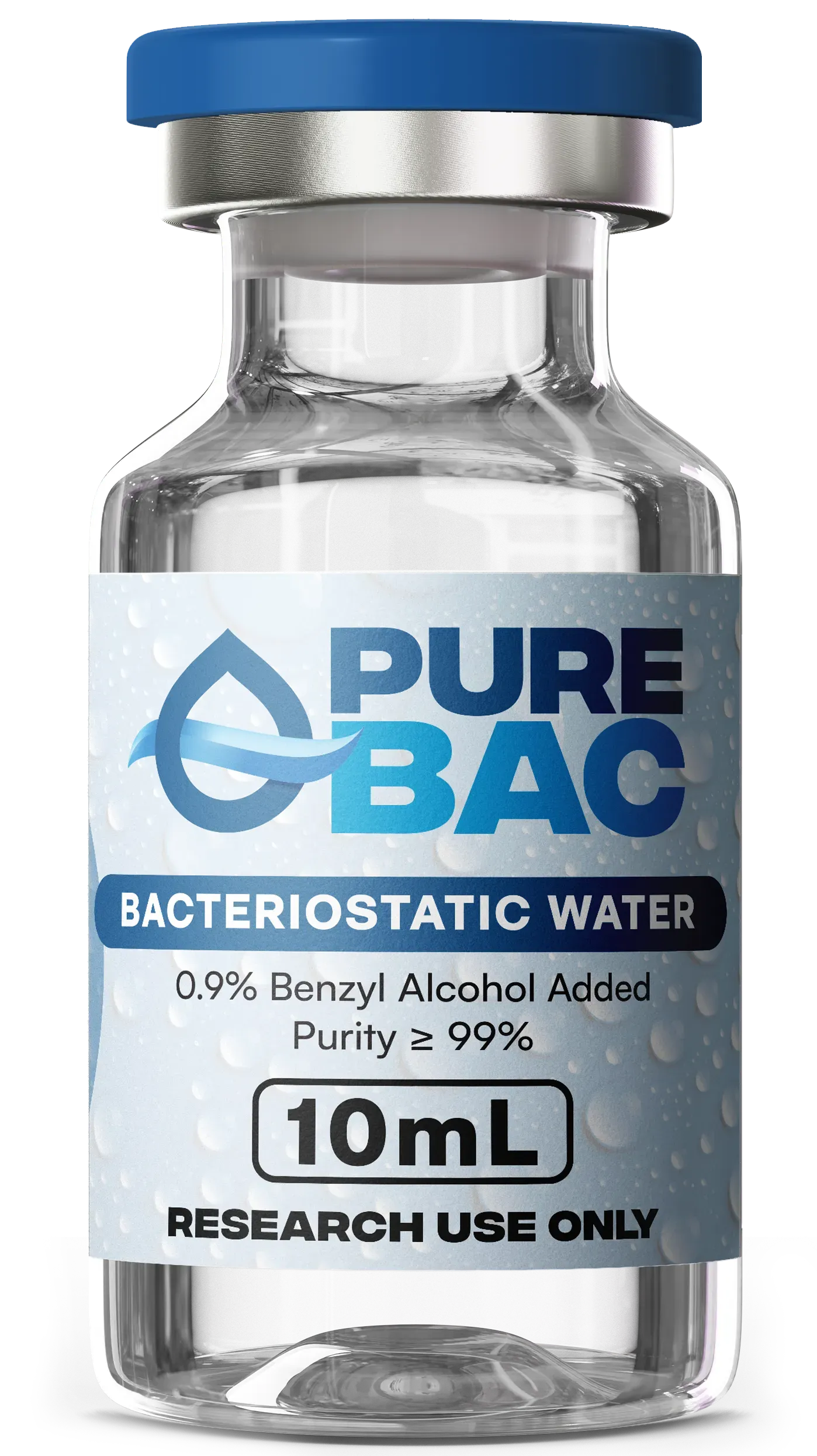
For intranasal delivery, the peptide is typically reconstituted in bacteriostatic water or a saline-based vehicle. Administration involves spraying the solution into each nostril while inhaling gently. The nasal mucosa's rich blood supply and proximity to the olfactory bulb facilitate rapid absorption and CNS access.
Timing considerations: Some users prefer morning administration for cognitive enhancement, as Selank does not cause sedation and may promote alertness through stress reduction. For anxiety management, dosing can be timed to anticipated stressful situations or spread throughout the day for sustained effect.
Subcutaneous Administration
While less common than intranasal use, subcutaneous injection has been studied and provides more predictable systemic absorption. Injection doses are typically similar to intranasal doses, though bioavailability differences may exist. Some researchers prefer subcutaneous administration for more standardized dosing in experimental contexts.
Work out your Selank draw in units
Enter the vial size, the bacteriostatic water you add and the dose you want, and the calculator gives the syringe units, how long the vial lasts and when to discard it.
Open the peptide calculatorSafety & Side Effects
Selank has demonstrated a favorable safety profile across clinical studies and extensive preclinical research. Its mechanism—modulating rather than globally suppressing neural activity—avoids many problems associated with traditional anxiolytics.
Absence of Benzodiazepine-Type Risks
Unlike benzodiazepines, Selank does not produce:
- Sedation: No drowsiness or impaired alertness at therapeutic doses
- Cognitive impairment: Memory and concentration remain intact or may improve
- Tolerance: Effects persist without requiring dose escalation in studied timeframes
- Physical dependence: No withdrawal symptoms upon discontinuation
- Addiction potential: Does not produce reinforcing effects associated with abuse liability
These advantages stem from Selank's distinct mechanism—working through gene expression modulation and system rebalancing rather than direct receptor agonism at GABA-A benzodiazepine sites.
Reported Side Effects
The most commonly reported side effects are mild and typically transient:
- Nasal irritation or mild burning sensation (intranasal route)
- Occasional headache
- Fatigue—though this may reflect unmasking of pre-existing exhaustion as anxiety diminishes
- Mild dizziness in some users
Serious adverse events have not been attributed to Selank in published research. Russian post-marketing surveillance has not revealed safety signals beyond the mild effects noted in clinical trials.
Immunological Considerations
Given Selank's immunomodulatory properties, individuals with autoimmune conditions or those taking immunosuppressive medications should exercise caution. While Selank appears to normalize rather than simply stimulate immune function, its effects in individuals with immune dysregulation have not been thoroughly characterized. Consultation with a healthcare provider is advisable for anyone with known immune disorders.
Drug Interactions
Formal drug interaction studies are limited, but Selank's multi-system effects suggest potential interactions with:
- GABAergic drugs (benzodiazepines, barbiturates): May have additive effects
- Serotonergic medications (SSRIs, SNRIs): Theoretical interaction potential
- Immunomodulatory agents: Combined immune effects unknown
Users taking prescription medications should consult healthcare providers before adding Selank or any peptide compound to their regimen.