Sermorelin
Sermorelin Acetate (GHRH 1-29)
Get Sermorelin
Sourced from Ascension Peptides. Verified ≥≥99% purity, third-party tested. COA included.
Off with code
PEPTIDEDECK
Table of Contents
What is Sermorelin?
Sermorelin is a synthetic peptide consisting of the first 29 amino acids of human growth hormone-releasing hormone (GHRH), the endogenous hypothalamic hormone responsible for stimulating growth hormone synthesis and secretion from the pituitary gland. While natural GHRH is a 44-amino acid peptide, researchers discovered that the biological activity resides entirely within the first 29 amino acids—this truncated version, known as GHRH(1-29)NH2 or sermorelin, retains full receptor binding affinity and functional potency.
Sermorelin's development represents a significant chapter in endocrine pharmacology. Approved by the FDA in 1997 under the brand name Geref (manufactured by Serono Laboratories), it was initially marketed as a diagnostic agent for assessing pituitary growth hormone secretory capacity. Subsequently, it gained approval for therapeutic use in children with growth hormone deficiency. While Serono discontinued commercial production in 2008 for economic rather than safety reasons, sermorelin remains available through compounding pharmacies and continues to be studied for various applications.
The mechanism of sermorelin is elegantly simple: it binds to GHRH receptors on somatotroph cells in the anterior pituitary, triggering intracellular signaling cascades that result in GH gene transcription, synthesis, and vesicular release. This pathway is the same one used by endogenous GHRH, meaning sermorelin effectively amplifies a natural physiological process rather than introducing an external hormone.
This distinction between GH-releasing agents and direct GH replacement has important clinical implications. When exogenous HGH is administered, it provides growth hormone regardless of the body's actual needs, bypassing all regulatory feedback. With sermorelin, the pituitary remains in the loop—if GH levels rise sufficiently, somatostatin (the GH-inhibiting hormone) provides negative feedback, preventing excessive accumulation. This self-limiting mechanism is why sermorelin is often described as a more "physiological" approach to growth hormone optimization.
Research Benefits
Stimulates natural growth hormone release from the pituitary
Maintains physiological GH pulsatility and feedback mechanisms
Supports improved body composition and lean muscle mass
May enhance sleep quality by increasing deep sleep phases
Promotes cellular regeneration and tissue repair
Supports bone mineral density maintenance
May improve skin elasticity and reduce wrinkles
Lower risk of GH excess compared to direct HGH administration
How Sermorelin Works
Sermorelin's mechanism of action begins at the molecular level with its interaction with the growth hormone-releasing hormone receptor (GHRHR), a G protein-coupled receptor expressed predominantly on somatotroph cells in the anterior pituitary gland. Understanding this pathway illuminates why sermorelin produces effects distinct from direct GH administration.
The GHRH-GH Axis
Under normal physiology, the hypothalamus secretes GHRH in pulsatile fashion, with major bursts occurring during sleep and in response to various stimuli including exercise, stress, and hypoglycemia. When GHRH reaches the pituitary via the hypophyseal portal system, it binds to GHRHR on somatotrophs. This binding activates adenylyl cyclase through Gαs protein coupling, increasing intracellular cyclic AMP (cAMP) levels. The resulting protein kinase A (PKA) activation triggers multiple downstream effects:
Gene Transcription
PKA activates CREB (cAMP response element-binding protein), which enhances GH gene transcription, increasing the cellular capacity to produce growth hormone.
Calcium Influx
GHRHR activation opens voltage-gated calcium channels, triggering vesicular fusion and GH release from preformed storage granules.
Somatotroph Proliferation
Chronic GHRH stimulation promotes somatotroph cell growth and maintains pituitary GH-secreting capacity.
Feedback Regulation
A critical feature of the GHRH-GH axis is its integration with negative feedback mechanisms. Elevated GH levels stimulate hepatic production of insulin-like growth factor 1 (IGF-1), which feeds back to both the hypothalamus and pituitary to inhibit further GH release. Additionally, GH itself exerts short-loop negative feedback on the pituitary. The hypothalamus also releases somatostatin, which directly opposes GHRH action on somatotrophs.
Pulsatility and Timing
Growth hormone secretion naturally occurs in pulses, with the largest pulse typically occurring within the first hour of sleep onset. This pulsatile pattern appears to be important for optimal GH effects on tissues. Continuous GH elevation, as sometimes seen with HGH overdosing, can lead to receptor desensitization and paradoxically reduced biological effects. Sermorelin's short half-life (10-20 minutes) means it produces discrete GH pulses that mirror natural physiology rather than sustained elevation.
IGF-1 and Downstream Effects
Many of GH's biological effects are mediated through IGF-1, produced primarily in the liver but also locally in target tissues. IGF-1 drives protein synthesis, cellular proliferation, and metabolic effects including lipolysis and glucose regulation. By increasing endogenous GH, sermorelin indirectly elevates IGF-1 levels, though typically within physiological ranges rather than the supraphysiological levels sometimes achieved with high-dose HGH.
Research Applications
Pediatric growth hormone deficiency treatment
Active research area with published studies
Adult-onset growth hormone deficiency
Active research area with published studies
Age-related growth hormone decline
Active research area with published studies
Sleep quality and architecture improvement
Active research area with published studies
Body composition optimization
Active research area with published studies
Wound healing and tissue repair
Active research area with published studies
Cardiovascular function research
Active research area with published studies
Cognitive function and neuroprotection
Active research area with published studies
Research Findings
Sermorelin has been investigated across multiple domains since its development, with published research spanning pediatric growth disorders, adult GH deficiency, aging, sleep architecture, and body composition. Here we examine the key findings from clinical and preclinical studies.
Pediatric Growth Hormone Deficiency
The most robust clinical data for sermorelin comes from its approved indication in pediatric patients with idiopathic growth hormone deficiency. Studies demonstrated that long-term sermorelin treatment (30 mcg/kg/day subcutaneously) produced growth velocity increases comparable to recombinant HGH therapy. A pivotal multicenter trial showed sustained growth acceleration over 12 months, with treated children achieving growth velocities averaging 8-10 cm/year compared to pretreatment rates of 4-5 cm/year.
Importantly, sermorelin treatment maintained its efficacy over multi-year follow-up periods, suggesting it does not cause pituitary exhaustion or receptor desensitization at therapeutic doses. Antibody formation was observed in some patients but did not correlate with reduced efficacy, likely because the antibodies were non-neutralizing.
Adult Growth Hormone Deficiency and Aging
Research has explored sermorelin's potential in adult-onset GH deficiency and age-related GH decline (somatopause). A notable study published in Clinical Interventions in Aging examined sermorelin in healthy older adults, finding significant increases in GH secretion with good tolerability. Peak GH response to sermorelin has been proposed as a diagnostic tool for identifying adults who might benefit from GH optimization.
🔑 Key Research Findings
- Sermorelin effectively increases GH secretion in both GH-deficient and normal aging populations
- Long-term treatment maintains pituitary responsiveness without apparent desensitization
- Sleep-related GH pulses are amplified with bedtime administration
- Body composition improvements (decreased fat mass, increased lean mass) observed in multiple studies
- IGF-1 levels increase in dose-dependent fashion but typically remain within normal range
Sleep Quality Research
Several studies have examined GHRH's effects on sleep architecture, with findings relevant to sermorelin's use. Research published in The Lancet demonstrated that GHRH administration increases slow-wave (deep) sleep in young adults. This effect appears bidirectional—GH is preferentially released during slow-wave sleep, and GHRH/sermorelin may enhance this sleep phase. For individuals with age-related decline in both GH and sleep quality, this represents a potentially beneficial interaction.
Body Composition Studies
Clinical research has examined sermorelin's effects on body composition in various populations. Studies consistently show trends toward decreased fat mass and increased lean body mass, though effect sizes vary considerably based on patient selection, dosing, duration, and concurrent lifestyle factors. A 16-week study in adults found significant improvements in waist circumference and abdominal fat without major changes in total body weight, suggesting favorable recomposition effects.
| Study Population | Duration | Key Findings |
|---|---|---|
| Pediatric GHD | 12-36 months | Growth velocity increase from ~4 to 8-10 cm/year |
| Healthy elderly | 4-16 weeks | Increased GH peaks, improved IGF-1, enhanced sleep |
| Adult GHD | 6-12 months | Improved body composition, energy, quality of life |
Combination Therapy Research
Emerging research has explored combining GHRH analogs with growth hormone secretagogues (GHS) like ipamorelin or GHRP-6. The rationale is that these agents work through different receptor systems—GHRH receptors and ghrelin receptors respectively—and their effects may be synergistic. Studies examining GHRH plus GHRP-6 combinations have shown GH release exceeding the sum of either agent alone, supporting the synergy hypothesis. While most combination data involves older GHRH analogs, the principle applies to sermorelin as well.
Dosage & Administration
Clinical experience with sermorelin spans both its period of commercial availability and subsequent use through compounding pharmacies. While dosing protocols have evolved based on indication and clinical goals, certain principles remain consistent.
FDA-Approved Dosing (Historical)
When Geref was commercially available, the approved dosing for pediatric growth hormone deficiency was 30 mcg/kg body weight administered subcutaneously once daily at bedtime. For diagnostic testing of GH secretory capacity, a single 1 mcg/kg intravenous dose was used, with blood samples collected at timed intervals to measure GH response.
| Application | Dose Range | Frequency | Timing |
|---|---|---|---|
| Pediatric GHD (approved) | 30 mcg/kg | Once daily | Bedtime |
| Adult protocols | 100-300 mcg | Once daily | Bedtime or morning |
| Combination protocols | 100-200 mcg | Once or twice daily | Before bed ± morning |
Contemporary Clinical Practice
In current clinical practice through compounding pharmacy prescriptions, adult sermorelin dosing typically ranges from 100-300 mcg daily. Most protocols favor once-daily bedtime administration to augment the natural nocturnal GH surge. Some practitioners employ twice-daily dosing (morning and evening) for potentially greater cumulative GH stimulation, though direct comparisons are lacking.
- Administration should occur on an empty stomach (2-3 hours after eating) for optimal absorption
- Avoid carbohydrate/sugar intake around dosing time, as elevated insulin blunts GH response
- Consistency in timing is important for maintaining physiological rhythms
Reconstitution and Storage
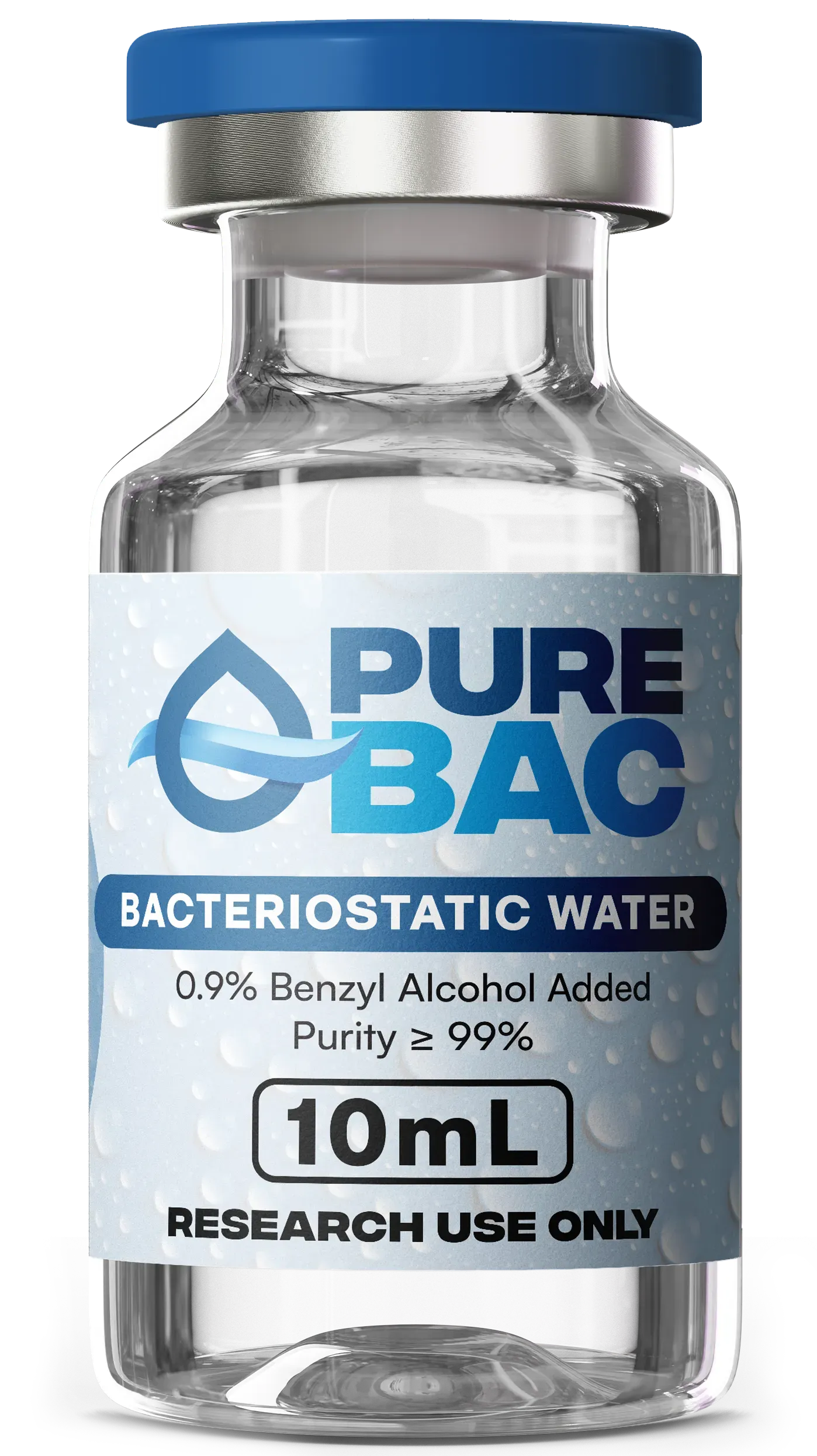
Sermorelin is supplied as a lyophilized (freeze-dried) powder requiring reconstitution before use. Standard reconstitution uses bacteriostatic water containing 0.9% benzyl alcohol as a preservative. The reconstitution process should be gentle—direct the water stream along the vial wall and allow the powder to dissolve without shaking, which can damage the peptide.
Prepare Materials
Gather sermorelin vial, bacteriostatic water, alcohol swabs, and insulin syringe. Allow vials to reach room temperature.
Reconstitute
Add appropriate volume of bacteriostatic water (typically 2-3mL per vial). Direct stream along vial wall, not directly onto powder.
Mix Gently
Swirl gently until fully dissolved. Solution should be clear and colorless. Do not shake vigorously.
Store Properly
Refrigerate reconstituted solution at 2-8°C. Use within 14-21 days. Avoid freezing reconstituted solution.
Administration Technique
Subcutaneous injection is the standard administration route for sermorelin. Common injection sites include the abdomen (avoiding the 2-inch radius around the navel), outer thigh, and back of upper arm. Site rotation helps prevent localized reactions. Use of insulin syringes (29-31 gauge) minimizes discomfort. The short half-life of sermorelin means precise timing matters more than with longer-acting peptides.
Work out your Sermorelin draw in units
Enter the vial size, the bacteriostatic water you add and the dose you want, and the calculator gives the syringe units, how long the vial lasts and when to discard it.
Open the peptide calculatorSafety & Side Effects
Sermorelin's safety profile has been characterized through clinical trials, post-marketing surveillance during its commercial availability, and ongoing clinical experience through compounding pharmacy use. Overall, it is considered well-tolerated with a favorable safety margin.
Common Side Effects
Injection Site Reactions
Pain, redness, swelling at injection site. Usually mild and diminishes with continued use. Site rotation helps minimize.
Facial Flushing
Transient warmth or redness in face, typically lasting minutes. Related to vasodilation from GH release.
Headache
Mild headaches reported in some users, usually transient. May be more common at initiation of therapy.
Less common side effects reported in clinical trials include dizziness, hyperactivity, somnolence, and transient changes in taste sensation. These effects are generally mild and self-limiting.
GH-Related Effects
Because sermorelin increases growth hormone levels, some individuals may experience effects associated with elevated GH:
- Water retention: Mild fluid retention, typically less pronounced than with direct HGH use
- Joint stiffness: Occasional joint discomfort, usually temporary
- Carpal tunnel symptoms: Rare, and less common than with HGH therapy
- Blood glucose effects: GH has counter-regulatory effects on insulin; monitoring may be appropriate in predisposed individuals
Antibody Formation
Clinical studies noted antibody formation against sermorelin in approximately 50% of long-term users. However, these antibodies were generally non-neutralizing and did not appear to reduce clinical efficacy. No significant immunogenic adverse events were attributed to antibody development.
Contraindications and Precautions
Sermorelin should not be used in individuals with:
- Active malignancy (theoretical concern about GH/IGF-1 effects on tumor growth)
- Known hypersensitivity to GHRH or sermorelin
- Closed epiphyses seeking linear growth (it won't work for height increase after fusion)
Precautions apply in patients with diabetes (monitor glucose), those with history of pituitary tumors, and patients on medications affecting the GH axis. As with any peptide therapy, consultation with a knowledgeable healthcare provider is essential.
Long-Term Safety Considerations
Unlike HGH, which can suppress endogenous GH production through negative feedback at the pituitary level, sermorelin may actually help maintain pituitary function. The rationale is that regular stimulation of somatotrophs prevents the "use it or lose it" decline that can accompany aging. However, long-term studies specifically designed to assess this question are lacking.