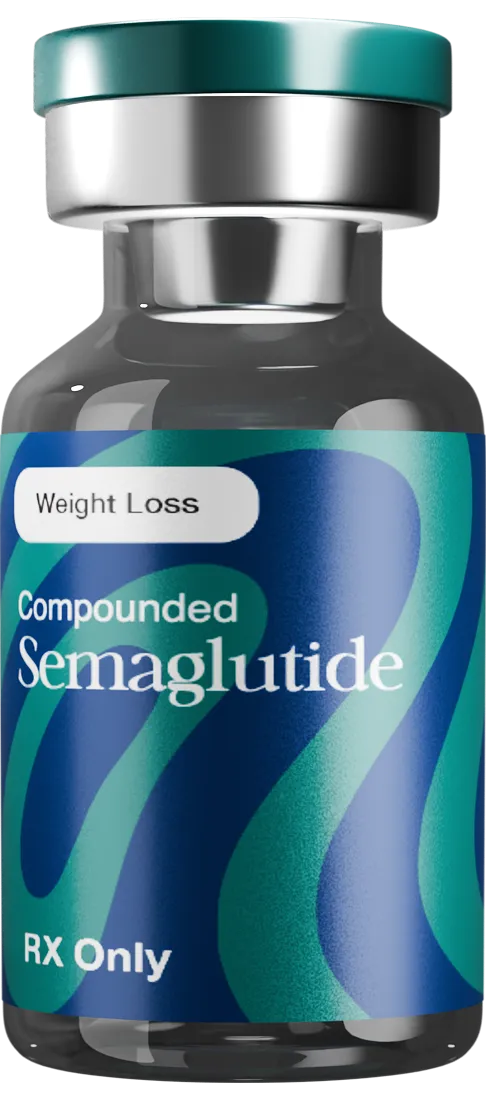
Semaglutide
Semaglutide (GLP-1 Receptor Agonist)
Get Semaglutide
Sourced from Ascension Peptides. Verified ≥≥99% purity, third-party tested. COA included.
Off with code
PEPTIDEDECK
Table of Contents
What is Semaglutide?
Semaglutide belongs to a class of medications called GLP-1 receptor agonists. Your body naturally produces GLP-1 (glucagon-like peptide-1) in the intestines after you eat. This hormone tells your pancreas to release insulin, signals your brain that you're full, and slows down digestion. Semaglutide mimics these effects but lasts much longer than the natural hormone, which breaks down within minutes.
Novo Nordisk developed semaglutide and brought it to market under different brand names for different purposes. Ozempic, approved in 2017, targets type 2 diabetes. Wegovy, approved in 2021, focuses specifically on chronic weight management. Rybelsus offers an oral tablet form for diabetes. The active ingredient remains identical across these products; only the dosing and indicated uses differ.
What makes semaglutide particularly interesting is the magnitude of weight loss it produces. Previous medications helped people lose maybe 5-7% of body weight on average. Semaglutide pushes that to 15% or more in clinical trials, with some participants losing over 20%. This level of weight reduction begins approaching what bariatric surgery achieves, without the surgical risks.
The Science Behind the Compound
Structurally, semaglutide is a modified version of human GLP-1. Scientists made strategic changes to the amino acid sequence and attached a fatty acid chain. These modifications prevent the rapid breakdown that limits natural GLP-1 and allow once-weekly dosing. The compound binds to the same receptors as your body's own hormone but sticks around roughly 100 times longer.
The extended duration creates sustained appetite suppression rather than the peaks and valleys you'd get with shorter-acting compounds. This consistency appears important for the robust weight loss results. Users report stable hunger levels throughout the week rather than effectiveness wearing off before the next dose.
Why Interest Has Exploded
Several factors drive the unprecedented attention semaglutide receives. Celebrity usage brought mainstream awareness, but the clinical data backs up the hype. The SELECT cardiovascular outcomes trial showed a 20% reduction in major cardiac events among people with obesity and established heart disease. This moved semaglutide beyond cosmetic weight loss into genuine disease prevention territory.
The obesity epidemic affects over 40% of American adults, with associated conditions like diabetes, heart disease, and joint problems creating enormous personal and healthcare costs. Previous pharmaceutical approaches disappointed consistently. Semaglutide represents the first medication that produces weight loss substantial enough to meaningfully impact these obesity-related conditions for many users.
Research Benefits
Supports significant reduction in body weight through appetite suppression and reduced caloric intake
Helps regulate blood glucose levels by enhancing insulin secretion when blood sugar rises
May reduce cardiovascular risk factors including blood pressure and inflammatory markers
Promotes feelings of fullness and satiety that persist between meals
Supports metabolic health improvements including reduced visceral fat accumulation
How Semaglutide Works
Understanding how semaglutide produces its effects requires looking at three interconnected systems: the brain's appetite centers, the digestive tract, and metabolic hormone signaling. The compound influences all three simultaneously, creating its powerful impact on weight and blood sugar.
Brain and Appetite Regulation
GLP-1 receptors exist throughout the hypothalamus, the brain region controlling hunger and satiety. When semaglutide activates these receptors, it reduces activity in areas that drive food-seeking behavior while enhancing signals that create feelings of fullness. Brain imaging studies show decreased activation in reward centers when people on semaglutide view food images.
This central nervous system effect distinguishes GLP-1 agonists from purely peripheral approaches. Many people describe the experience as food simply becoming less interesting. Cravings diminish. The mental preoccupation with eating that characterizes many people's relationship with food fades. Some users report forgetting to eat meals entirely, which never happened before.
The reward pathway modulation extends beyond food for some individuals. Emerging research and anecdotal reports suggest reduced desire for alcohol and potentially other addictive substances. Studies specifically investigating these effects are underway, though the mechanisms likely involve the same dopamine-related circuits.
Digestive System Effects
Semaglutide significantly slows gastric emptying, meaning food stays in your stomach longer after eating. A meal that might normally leave the stomach in 2-3 hours could take 4-5 hours or more. This extended gastric transit prolongs physical fullness sensations and spreads nutrient absorption over a longer period.
The slowed digestion explains some common side effects. Nausea occurs because the stomach retains food longer than the brain expects. Constipation results from slower movement throughout the entire digestive tract. These effects tend to diminish as the body adapts, which is why gradual dose titration matters so much.
Interestingly, the delayed gastric emptying also smooths out blood sugar spikes after meals. Instead of glucose flooding in rapidly, it trickles more gradually. This reduces the insulin surge that can lead to subsequent crashes and renewed hunger. The flatter glucose curve supports more stable energy levels throughout the day.
Metabolic Hormone Effects
Beyond its direct GLP-1 effects, semaglutide influences multiple metabolic hormones. Insulin secretion increases but only when blood glucose rises, reducing hypoglycemia risk compared to older diabetes medications that stimulate insulin regardless of glucose levels. Glucagon secretion decreases, further helping control blood sugar.
The medication affects fat tissue directly as well. Studies show preferential loss of visceral fat, the metabolically active fat surrounding internal organs that drives inflammation and insulin resistance. Preserving lean muscle mass while losing fat improves body composition beyond what simple calorie restriction typically achieves.
Leptin sensitivity may also improve with semaglutide use. Leptin resistance, where the brain ignores fullness signals from fat cells, contributes to obesity's difficulty. By potentially restoring this sensitivity, semaglutide might address one of the fundamental dysregulations underlying weight gain.
The Cumulative Effect
None of these mechanisms alone fully explains semaglutide's effectiveness. The combination creates synergy where reduced appetite meets prolonged physical fullness meets improved metabolic hormones. People eat less because they want less, feel full faster, stay satisfied longer, and their bodies process the reduced intake more efficiently.
This multi-pathway approach may explain why semaglutide outperforms single-mechanism interventions. Addressing only appetite or only metabolism leaves other drivers of weight gain intact. Semaglutide tackles the problem from multiple angles simultaneously, overwhelming the body's usual resistance to weight loss.
Research Applications
Weight Management
Active research area with published studies
Type 2 Diabetes
Active research area with published studies
Cardiovascular Health
Active research area with published studies
Metabolic Syndrome
Active research area with published studies
Appetite Regulation
Active research area with published studies
Research Findings
The clinical evidence supporting semaglutide spans dozens of large, well-designed trials. The STEP (Semaglutide Treatment Effect in People with Obesity) program alone enrolled thousands of participants across multiple studies. Results consistently show substantial, sustained weight loss with acceptable safety profiles.
Weight Loss Outcomes
The landmark STEP 1 trial, published in the New England Journal of Medicine in 2021, demonstrated average weight loss of 14.9% of body weight over 68 weeks with semaglutide 2.4mg weekly versus 2.4% with placebo. Nearly one-third of participants lost 20% or more of their starting weight. These results exceeded any previous weight loss medication by a significant margin.
STEP 2 focused specifically on people with both obesity and type 2 diabetes, a population traditionally more resistant to weight loss. Even here, semaglutide produced average losses of 9.6% of body weight compared to 3.4% with placebo. Improvements in blood sugar control accompanied the weight reduction.
STEP 3 combined semaglutide with intensive behavioral therapy including low-calorie diet periods. This maximized weight loss to 16% on average, demonstrating that medication and lifestyle modification work synergistically rather than competitively.
More recent STEP UP trials tested higher doses up to 7.2mg weekly. Results showed nearly half of participants achieving 20% or greater weight loss, with average reductions around 21% of body weight. The higher doses produced more weight loss without proportionally more serious adverse events, though gastrointestinal side effects increased.
Cardiovascular Benefits
The SELECT trial represented a landmark moment for obesity treatment. This massive study enrolled over 17,000 people with established cardiovascular disease and overweight or obesity but without diabetes. After following participants for over four years, semaglutide reduced major adverse cardiovascular events by 20% compared to placebo.
This finding fundamentally changed how obesity medication is viewed. Previous drugs showed weight loss but never proved they prevented actual disease outcomes. SELECT demonstrated that the weight loss from semaglutide translates into fewer heart attacks, strokes, and cardiovascular deaths. This moved the conversation from cosmetic to genuinely medical.
Blood pressure reductions averaging 4-5 mmHg accompany semaglutide treatment. Triglycerides drop significantly. Inflammatory markers like C-reactive protein decrease. LDL cholesterol shows modest improvements while HDL tends to increase. The overall cardiovascular risk profile improves across multiple parameters beyond just weight.
Importantly, cardiovascular benefits in SELECT occurred even among participants who lost relatively little weight. This suggests semaglutide may have direct cardiac effects beyond those mediated through weight loss, though the mechanisms remain under investigation.
Metabolic and Blood Sugar Effects
For people with type 2 diabetes, semaglutide produces substantial improvements in glucose control. HbA1c reductions of 1.5% or more occur commonly, often allowing reduced doses of other diabetes medications. Some patients achieve remission, meaning blood sugar normalizes without requiring diabetes medication.
The SUSTAIN trial series focused specifically on diabetes outcomes. SUSTAIN 6 showed cardiovascular benefit in diabetic patients before SELECT confirmed similar effects in non-diabetics. SUSTAIN 7 demonstrated superiority over other GLP-1 agonists for both weight loss and glucose control.
Insulin sensitivity improves with semaglutide treatment, partly from weight loss and partly from direct effects on fat tissue and inflammation. Fasting glucose and post-meal glucose spikes both decrease. For many users, the reduced glucose variability translates to more stable energy and fewer afternoon crashes.
Body Composition Studies
Critics of GLP-1 agonists raised concerns about muscle loss accompanying the rapid weight reduction. While some lean mass loss does occur, as it does with any weight loss method, studies using detailed body composition analysis paint a nuanced picture. The STEP trials showed participants losing primarily fat mass while retaining a relatively higher proportion of muscle compared to typical dieting.
Visceral fat, the metabolically harmful fat surrounding organs, decreases preferentially. Waist circumference reductions average 7-10 cm in clinical trials, indicating substantial loss of this dangerous central adiposity. Liver fat content drops dramatically, with improvements in fatty liver disease markers.
Combining semaglutide with resistance exercise appears to preserve muscle mass more effectively than medication alone. Studies examining this combination show similar total weight loss but better body composition outcomes. This supports recommendations for strength training alongside GLP-1 agonist therapy.
Long-Term Maintenance
The critical question with any weight loss intervention is durability. The STEP 4 trial specifically addressed this by taking people who had lost weight on semaglutide and either continuing treatment or switching to placebo. Those continuing semaglutide maintained their losses and lost additional weight. Those switched to placebo regained substantially, averaging two-thirds of lost weight returning within one year.
This finding highlights both a strength and limitation. Semaglutide works exceptionally well for sustained weight management. However, stopping the medication typically leads to weight regain. The obesity community now views this similarly to blood pressure medication: effective while taken, but obesity recurs when treatment stops.
Four-year data from SELECT shows weight loss maintained throughout the study duration with continued treatment. Participants kept off an average of 10% of body weight for over four years, demonstrating the medication's ability to produce lasting effects when used consistently.
Emerging Research Areas
Investigators are exploring semaglutide for conditions beyond obesity and diabetes. Fatty liver disease trials show promising reductions in liver inflammation and fibrosis. Heart failure studies examine whether the cardiovascular benefits extend to this population. Sleep apnea often improves dramatically with weight loss, and several trials specifically track this outcome.
The addiction research mentioned earlier represents particularly intriguing territory. Early studies and case reports suggest reduced alcohol consumption among semaglutide users. If confirmed in rigorous trials, this could open an entirely new application for GLP-1 agonists in addiction medicine.
Cognitive effects are also under investigation. Some researchers hypothesize that reducing inflammation and improving metabolic health might benefit brain function. Studies in Alzheimer's disease and cognitive decline are underway, though results remain preliminary.
Dosage & Administration
Proper dosing of semaglutide follows a carefully designed titration schedule. Starting too high causes unnecessary side effects and may lead to discontinuation before the medication has a chance to work. The gradual approach lets your digestive system adapt to slowed gastric emptying while building toward therapeutic levels.
Standard Titration Protocol
The typical escalation schedule used in clinical trials and reflected in prescribing information looks like this:
- Weeks 1-4: 0.25mg once weekly (primarily for tolerability)
- Weeks 5-8: 0.5mg once weekly
- Weeks 9-12: 1.0mg once weekly
- Weeks 13-16: 1.7mg once weekly
- Week 17 onwards: 2.4mg once weekly (maintenance dose)
Some people stabilize at lower doses and find adequate appetite suppression without reaching 2.4mg. Others tolerate escalation faster and can move through the steps more quickly. Slowing down when side effects become bothersome is perfectly acceptable; there's no prize for reaching the top dose fastest.
Injection Technique
Semaglutide is administered as a subcutaneous injection, meaning it goes into the fat layer just under the skin rather than into muscle. The injection itself takes only seconds and uses a thin needle that most people find minimally uncomfortable.
- Choose an injection site: abdomen (at least 2 inches from navel), front of thigh, or upper arm
- Rotate sites weekly to prevent lipohypertrophy (tissue buildup)
- Clean the area with alcohol and let it dry
- Pinch the skin and insert the needle at 90 degrees
- Inject slowly and hold for 10 seconds before withdrawing
- Apply gentle pressure if any bleeding occurs
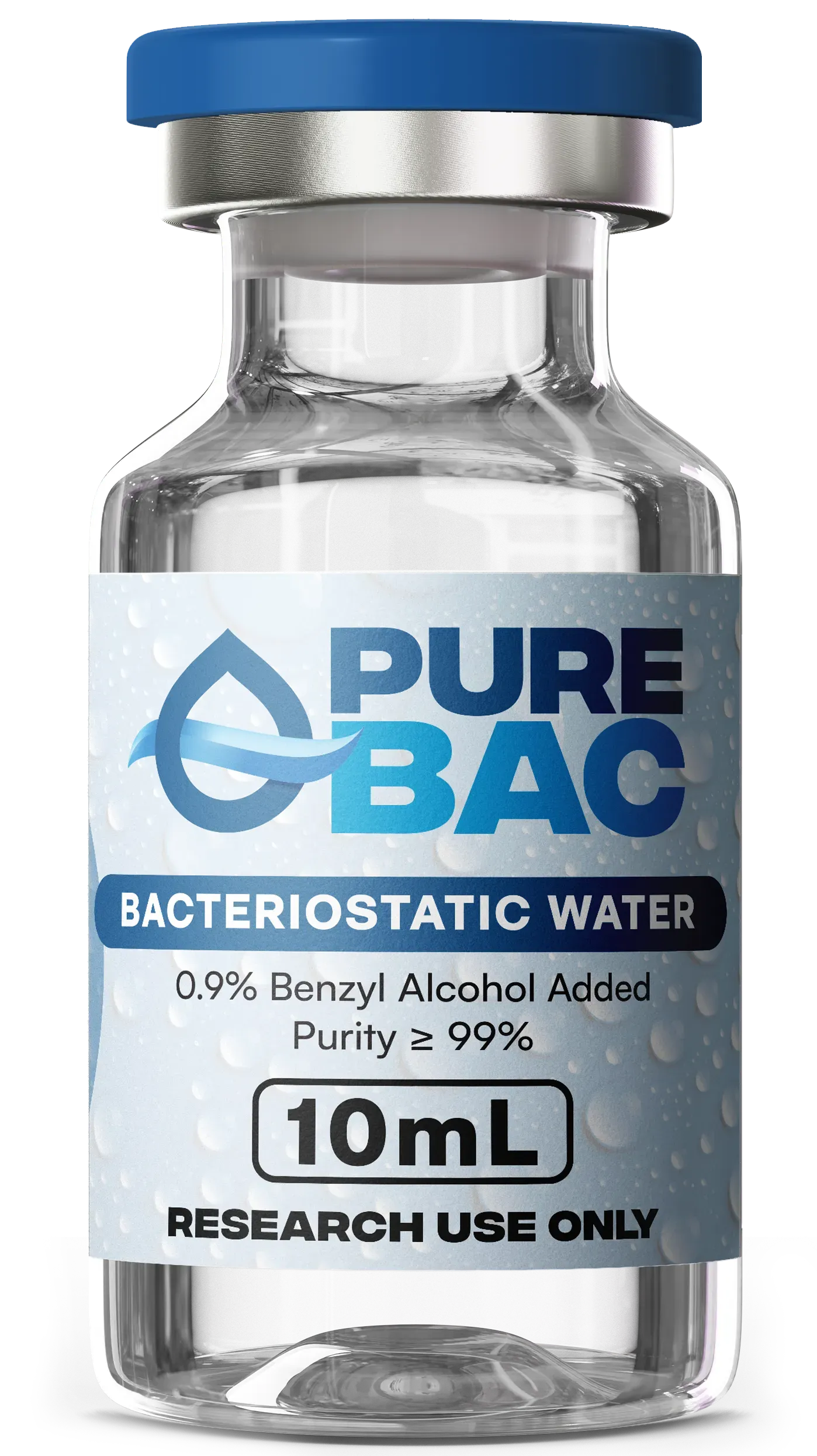
Pre-filled pens used for brand-name products automate much of this process. Compounded versions typically require drawing from a vial, adding steps but following the same basic injection principles.
Timing and Consistency
Pick a consistent day of the week for injections. The exact time of day matters less than maintaining roughly 7-day intervals. Most people find a recurring reminder on their phone helpful since weekly dosing is easier to forget than daily medications.
If you miss a dose and remember within 5 days, take it immediately and resume your regular schedule. If more than 5 days have passed, skip the missed dose and take the next one on your usual day. Never double up to make up for missed doses.
Food timing around injection doesn't significantly affect absorption since semaglutide goes under the skin rather than through the digestive tract. However, some users find taking it in the evening allows any nausea to occur during sleep.
Storage Requirements
Unused pens or vials require refrigeration between 36-46°F (2-8°C). Once in use, room temperature storage is acceptable for up to 56 days, after which the medication should be discarded regardless of remaining contents. Never freeze semaglutide and avoid exposure to direct sunlight or excessive heat.
Reconstituted compounded versions have shorter stability and typically need refrigeration throughout use. Follow specific storage instructions from your compounding pharmacy since formulations vary.
Managing Side Effects Through Dosing
Gastrointestinal side effects often respond to dosing adjustments. If nausea becomes intolerable after an increase, dropping back to the previous dose for an additional 2-4 weeks before reattempting escalation helps many people. Some providers prescribe anti-nausea medication for the first few weeks at each dose level.
Eating smaller, more frequent meals reduces the burden on slowed digestion. Avoiding high-fat foods, which empty from the stomach most slowly, prevents compounding the delayed gastric emptying. Staying well-hydrated counteracts the dehydration risk from any vomiting or diarrhea.
Work out your Semaglutide draw in units
Enter the vial size, the bacteriostatic water you add and the dose you want, and the calculator gives the syringe units, how long the vial lasts and when to discard it.
Open the peptide calculatorSafety & Side Effects
Like all effective medications, semaglutide carries both common nuisance side effects and rarer serious risks. Understanding what to expect and what requires medical attention helps users navigate treatment safely.
Common Side Effects
Gastrointestinal symptoms dominate the side effect profile. Clinical trials report these frequencies:
- Nausea: Affects 40-45% of users, usually worst during dose escalation
- Diarrhea: Occurs in approximately 30% of users
- Vomiting: Reported by 25% of users, primarily during titration
- Constipation: Affects roughly 25% of users
- Abdominal pain: Reported by 20% of users
- Headache: Occurs in about 15% of users
- Fatigue: Reported by approximately 10% of users
These effects typically peak during the first few weeks at each dose level and diminish as the body adapts. Many people experience minimal symptoms after stabilizing on a maintenance dose. The gradual titration schedule specifically aims to minimize these issues.
Serious Risks Requiring Attention
Certain side effects require immediate medical evaluation:
Pancreatitis: Severe, persistent abdominal pain radiating to the back accompanied by vomiting may indicate pancreatic inflammation. This rare but serious condition requires immediate medical care. Anyone with history of pancreatitis should discuss risks carefully before starting semaglutide.
Gallbladder disease: Rapid weight loss increases gallstone risk regardless of method. Semaglutide may accelerate this. Symptoms include right upper abdominal pain, especially after fatty meals, sometimes with nausea and fever.
Thyroid concerns: Animal studies showed increased thyroid tumors with GLP-1 agonists. Human relevance remains uncertain, but semaglutide carries a boxed warning. Anyone with personal or family history of medullary thyroid carcinoma or Multiple Endocrine Neoplasia syndrome type 2 should not use this medication. New neck lumps, difficulty swallowing, or persistent hoarseness warrant evaluation.
Hypoglycemia: Semaglutide alone rarely causes low blood sugar, but combined with insulin or sulfonylureas, hypoglycemia risk increases substantially. Symptoms include shakiness, sweating, confusion, and rapid heartbeat.
Populations Requiring Special Consideration
Pregnancy and breastfeeding represent absolute contraindications. Semaglutide should be stopped at least two months before attempting conception due to its extended half-life. Weight loss during pregnancy can harm fetal development regardless of method.
People with diabetic retinopathy may experience worsening eye disease with rapid blood sugar improvements. Ophthalmologic monitoring is recommended for those with existing retinal disease. The mechanism likely relates to the glucose reduction rather than semaglutide specifically.
Those with kidney disease require careful monitoring since dehydration from GI side effects can worsen kidney function. Starting doses may need adjustment, and fluid intake becomes especially important.
Compounded vs. Brand-Name Safety
The FDA has issued warnings about compounded semaglutide products. Because compounded medications don't undergo FDA approval processes, their quality, purity, and potency can vary. Some compounding pharmacies use semaglutide salt forms rather than the base form used in approved products, which may affect dosing.
Dosing errors have occurred with compounded products due to confusion between concentration formulations. Anyone using compounded semaglutide should verify their pharmacy's credentials, understand their specific product's concentration, and discuss proper dosing with their provider.
That said, compounded medications serve an important role when approved products face shortages or cost barriers. Working with reputable compounding pharmacies operating under proper oversight mitigates many concerns.
Long-Term Safety Considerations
Semaglutide has been used for diabetes since 2017 and weight management since 2021, providing several years of real-world safety data. No unexpected long-term signals have emerged, though surveillance continues. The cardiovascular benefits from SELECT provide reassurance about long-term use for the populations studied.
Muscle loss with significant weight reduction remains a consideration for extended use. Incorporating resistance training and adequate protein intake (many experts suggest 1.0-1.2g per kg body weight) helps preserve lean mass. Some providers monitor body composition over time.
Mental health effects require attention. While many users report improved mood and energy with weight loss, others experience new or worsening depression or anxiety. Any concerning psychological changes should prompt discussion with a healthcare provider.