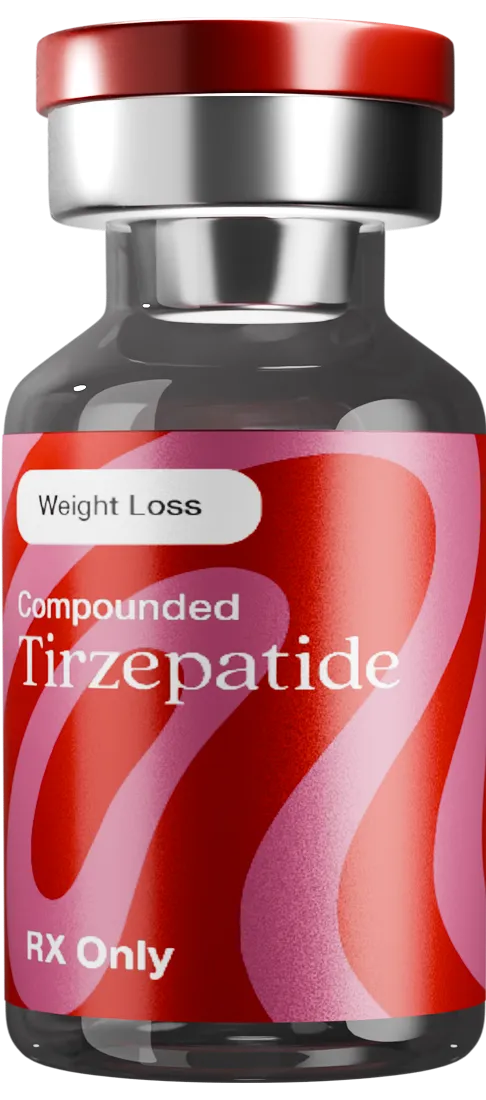
Tirzepatide
Tirzepatide (GIP/GLP-1 Dual Receptor Agonist)
Get Tirzepatide
Sourced from Ascension Peptides. Verified ≥Pharmaceutical grade purity, third-party tested. COA included.
Off with code
PEPTIDEDECK
Table of Contents
What is Tirzepatide?
Tirzepatide is a synthetic peptide medication that has changed the landscape of obesity and diabetes treatment. Approved by the FDA as Mounjaro (for type 2 diabetes) and Zepbound (for weight loss), it's produced unprecedented results in clinical trials—average weight loss of 22.5% in some studies, approaching what was previously achievable only through bariatric surgery.
What makes tirzepatide special is its dual mechanism. Earlier medications like semaglutide (Ozempic/Wegovy) target a single hormone pathway called GLP-1. Tirzepatide activates both GLP-1 and GIP receptors simultaneously. Both are 'incretin' hormones—natural signals your gut releases after eating that help regulate appetite, blood sugar, and metabolism. By hitting both pathways, tirzepatide produces stronger effects than single-receptor drugs.
The Demand Problem
Tirzepatide has become one of the most in-demand medications in history, with supply consistently failing to meet demand. Eli Lilly, the manufacturer, has struggled to produce enough, leading to persistent shortages. This has created a secondary market of compounded versions, telehealth clinics, and research peptide suppliers—each with different quality assurances and legal statuses.
Who It's For
Officially, Mounjaro is approved for adults with type 2 diabetes. Zepbound is approved for adults with obesity (BMI ≥30) or overweight (BMI ≥27) with at least one weight-related health condition. In practice, doctors sometimes prescribe off-label, and many people access it through telehealth services or compounding pharmacies. If cost is the barrier, our cheapest tirzepatide guide compares the lowest verified prices for 2026.
The people finding the most success are those who: have significant weight to lose (50+ pounds), have struggled with other methods, are committed to lifestyle changes alongside medication, and have realistic expectations about both benefits and side effects.
Research Benefits
Substantial weight loss (15-22% in clinical trials)
Significant reduction in appetite and food cravings
Improved blood sugar control
Reduced HbA1c in diabetic patients
Once-weekly dosing convenience
Potential cardiovascular benefits
May reduce fatty liver disease
Improved metabolic health markers
How Tirzepatide Works
To understand tirzepatide, you need to understand incretins—hormones your gut releases in response to food that help regulate metabolism, appetite, and blood sugar.
The Two Pathways
GLP-1 (Glucagon-Like Peptide-1): Released after eating, GLP-1 signals your brain that you're full, slows stomach emptying (so food stays in your stomach longer), and triggers insulin release while suppressing glucagon (which raises blood sugar). Drugs like semaglutide (Ozempic) work by mimicking GLP-1.
GIP (Glucose-Dependent Insulinotropic Polypeptide): Also released after eating, GIP enhances insulin secretion and appears to have effects on fat tissue and the brain that complement GLP-1. Until tirzepatide, GIP wasn't targeted by weight loss drugs.
Tirzepatide activates both receptors with a single molecule—the first approved drug to do so. The combination appears synergistic; the weight loss exceeds what either pathway produces alone.
How It Reduces Appetite
The appetite reduction is perhaps tirzepatide's most striking effect. Users consistently describe profound changes in their relationship with food: meals feel satisfying after a few bites, food cravings diminish or disappear, and the 'food noise'—constant thoughts about eating—quiets.
This happens because GLP-1 and GIP receptors exist not just in the gut but in the brain's appetite centers. Tirzepatide essentially amplifies fullness signals while dampening hunger signals at the neurological level. You don't just feel 'less hungry'—many users describe feeling naturally satisfied in a way they haven't experienced before.
Slowing Gastric Emptying
Tirzepatide significantly slows how quickly food leaves your stomach. This is why you feel full faster and longer—food is physically present in your stomach for extended periods. It's also the source of many side effects; if you eat too much or too fast, the food has nowhere to go, causing nausea and discomfort.
Blood Sugar Effects
For diabetics, tirzepatide improves blood sugar through multiple mechanisms: enhancing insulin secretion (but only when blood sugar is elevated, reducing hypoglycemia risk), suppressing glucagon release, slowing glucose absorption from food, and improving insulin sensitivity. The A1C reductions in trials have been substantial—often bringing diabetic patients into normal ranges.
The Long Half-Life Advantage
Tirzepatide's fatty acid modification gives it a half-life of about 5 days, allowing once-weekly dosing. You inject once a week, and the medication maintains steady levels throughout. This convenience factor contributes significantly to adherence compared to daily medications.
Research Applications
Obesity treatment
Active research area with published studies
Type 2 diabetes management
Active research area with published studies
Metabolic syndrome
Active research area with published studies
Non-alcoholic fatty liver disease
Active research area with published studies
Cardiovascular risk reduction
Active research area with published studies
Sleep apnea related to obesity
Active research area with published studies
Polycystic ovary syndrome
Active research area with published studies
Appetite regulation neuroscience
Active research area with published studies
Research Findings
Tirzepatide has the most robust clinical trial data of any obesity medication, with multiple large, well-designed studies published in top medical journals.
SURMOUNT-1: The Landmark Weight Loss Trial
Published in the New England Journal of Medicine in 2022, SURMOUNT-1 enrolled over 2,500 adults with obesity (but not diabetes). Results at 72 weeks:
- 15mg dose: 22.5% average weight loss (52 pounds from a 230-pound starting weight)
- 10mg dose: 21.4% average weight loss
- 5mg dose: 16.0% average weight loss
- Placebo: 2.4% average weight loss
Over one-third of participants on 10mg or 15mg lost more than 25% of their body weight. Over 90% of participants lost at least 5%. These results exceeded any previously approved obesity medication.
SURPASS-2: Head-to-Head vs. Semaglutide
This trial directly compared tirzepatide to semaglutide (1mg) in type 2 diabetics. All three tirzepatide doses (5mg, 10mg, 15mg) produced superior HbA1c reduction and weight loss compared to semaglutide. At 40 weeks, the 15mg group lost an average of 12.4kg versus 6.2kg for semaglutide—roughly double.
SURMOUNT-4: What Happens When You Stop
This study examined what happens when people stop tirzepatide—a crucial question for long-term planning. Participants who had lost weight on tirzepatide were randomized to continue or switch to placebo. The placebo group regained approximately half their lost weight over the following year, while those continuing tirzepatide maintained their weight loss. This suggests tirzepatide may need to be a long-term treatment for sustained results.
Safety Findings
Across trials, the most common adverse events were gastrointestinal: nausea (up to 33%), diarrhea, vomiting, and constipation. These were mostly mild-to-moderate, occurred during dose escalation, and decreased over time. Serious adverse events were uncommon. Importantly, trials found no increased cardiovascular risk—in fact, cardiovascular outcomes improved.
Real-World Observations
Since approval, real-world use has largely confirmed trial findings. Some users achieve even greater weight loss than trial averages; others respond less dramatically. Side effect experiences vary widely—some people tolerate tirzepatide easily while others struggle with GI symptoms. The patterns generally match what trials predicted.
Dosage & Administration
Tirzepatide has a specific dose escalation schedule designed to minimize side effects while gradually achieving therapeutic levels. This isn't optional—ramping too fast causes unnecessary suffering.
Standard Escalation Schedule
| Weeks | Dose | Notes |
|---|---|---|
| 1-4 | 2.5mg | Starting dose—primarily for tolerability |
| 5-8 | 5mg | First therapeutic dose |
| 9-12 | 7.5mg | Optional intermediate dose |
| 13-16 | 10mg | Where many people stay long-term |
| 17+ | 15mg | Maximum dose if needed |
You can stay at any dose longer if side effects are significant. Many people achieve excellent results at 10mg without needing 15mg. There's no prize for reaching the highest dose—the goal is the lowest effective dose for your needs.
Administration
Tirzepatide is injected subcutaneously (under the skin) once weekly. The pre-filled pens (Mounjaro/Zepbound) make this straightforward—just select the dose, press against skin (abdomen, thigh, or upper arm), and click. Injection sites should be rotated. Pick a consistent day of the week and time; missing doses reduces effectiveness.
Managing the Experience
Practical tips that help:
- Eat slowly and stop when satisfied, not full
- Smaller portions prevent the 'stuck' feeling
- Avoid greasy, heavy, or fried foods—they're hardest to tolerate
- Stay hydrated—dehydration worsens constipation and nausea
- Ginger tea or candies can help with nausea
- Fiber supplements can help with constipation
- Prioritize protein—you need it for satiety and muscle preservation
What to Expect Timeline
Week 1-4: Appetite reduction begins, possibly mild nausea. Weight loss typically minimal—this is just getting started.
Week 5-8: More noticeable appetite changes. Weight loss accelerates. GI side effects often peak during dose increases.
Week 9-16: Many people report dramatic reduction in 'food noise.' Consistent weight loss of 1-2+ pounds per week.
Week 17+: Side effects typically stabilize. Weight loss continues but may slow as you approach your body's new equilibrium.
Safety & Side Effects
Tirzepatide has a well-characterized safety profile from extensive clinical trials. Most side effects are manageable, but some risks require awareness.
Common Side Effects (Expect These)
Nausea (30-35%): The most common complaint. Usually described as background queasiness rather than acute sickness. Worst during dose escalation, typically improves significantly after 8-12 weeks.
Diarrhea (18-22%): Often alternates with constipation. Typically resolves over time.
Constipation (14-17%): Related to slowed gastric emptying. Managing fiber and water intake helps.
Vomiting (7-10%): Often triggered by eating too much or too quickly. Learning to eat smaller portions reduces this.
Injection site reactions (5-8%): Redness or itching at injection sites. Usually mild.
Less Common but Important Side Effects
Gallbladder problems: Rapid weight loss increases gallstone risk with any method—tirzepatide included. Symptoms include right-sided abdominal pain after eating, especially fatty foods. Report this to your doctor.
Pancreatitis: Rare but serious inflammation of the pancreas. Symptoms include severe abdominal pain radiating to the back, nausea, vomiting. Stop medication and seek immediate care if suspected.
Hypoglycemia: If combined with insulin or sulfonylureas (diabetes medications), blood sugar can drop too low. Diabetics may need dose adjustments of other medications.
Boxed Warning: Thyroid Tumors
The FDA requires a warning about thyroid C-cell tumors based on rodent studies. GLP-1 agonists caused thyroid tumors in rats and mice. Whether this applies to humans is unknown—no increased thyroid cancer has been observed in human studies, but long-term data is limited. People with personal or family history of medullary thyroid carcinoma or MEN2 syndrome should not use tirzepatide.
Who Should Avoid Tirzepatide
- Personal/family history of medullary thyroid cancer
- Multiple Endocrine Neoplasia syndrome type 2
- History of pancreatitis
- Severe gastrointestinal disease including gastroparesis
- Pregnancy or planned pregnancy within 2 months
- Known hypersensitivity to tirzepatide
Long-Term Safety
The longest trials ran about 2 years—strong data, but not decades. We don't yet know effects of 10+ years of use. This is why ongoing monitoring (including thyroid checks) is recommended. The risk-benefit calculation for most people with obesity strongly favors treatment given the well-established dangers of obesity, but this should be an informed decision with your healthcare provider.