Retatrutide
LY3437943 (Triple GLP-1/GIP/Glucagon Receptor Agonist)
Retatrutide (developmental code: LY3437943) is a groundbreaking investigational peptide developed by Eli Lilly that represents the next evolution in obesity and type 2 diabetes pharmacotherapy. Unlike previous weight loss medications that target one or two metabolic pathways, retatrutide is the first triple receptor agonist that simultaneously activates three key hormonal pathways: GLP-1, GIP, and glucagon receptors.
First publicly identified around 2019, retatrutide has generated significant attention in the medical community after demonstrating unprecedented weight loss results in clinical trials—with participants losing up to 24.2% of their body weight in 48 weeks, surpassing the efficacy of current market-leading medications like semaglutide (Wegovy) and tirzepatide (Mounjaro).
As obesity affects over 42% of American adults and is linked to numerous comorbidities including cardiovascular disease, type 2 diabetes, and certain cancers, the development of more effective pharmacological interventions like retatrutide addresses a critical public health need.
Get Retatrutide
Sourced from Ascension Peptides. Verified ≥≥98% (pharmaceutical grade in clinical trials) purity, third-party tested. COA included.
Off with code
PEPTIDEDECK
Table of Contents
What is Retatrutide?
Retatrutide (developmental code: LY3437943) is a groundbreaking investigational peptide developed by Eli Lilly that represents the next evolution in obesity and type 2 diabetes pharmacotherapy. Unlike previous weight loss medications that target one or two metabolic pathways, retatrutide is the first triple receptor agonist that simultaneously activates three key hormonal pathways: GLP-1, GIP, and glucagon receptors.
First publicly identified around 2019, retatrutide has generated significant attention in the medical community after demonstrating unprecedented weight loss results in clinical trials—with participants losing up to 24.2% of their body weight in 48 weeks, surpassing the efficacy of current market-leading medications like semaglutide (Wegovy) and tirzepatide (Mounjaro).
Key Facts About Retatrutide
- Classification: Triple receptor agonist peptide
- Targets: GLP-1, GIP, and Glucagon receptors
- Developer: Eli Lilly and Company
- Administration: Once-weekly subcutaneous injection
- Current Status: Phase 3 clinical trials (as of 2025)
- Expected FDA Approval: 2027 (pending trial completion)
- Primary Indications: Obesity, weight management, type 2 diabetes
Why Retatrutide Matters
The pharmaceutical landscape for obesity treatment has evolved rapidly with the introduction of GLP-1 receptor agonists like semaglutide and dual agonists like tirzepatide. However, retatrutide's triple-agonist approach represents a paradigm shift, offering:
- Enhanced weight loss efficacy beyond current medications
- Improved metabolic outcomes through multi-pathway activation
- Potential for broader therapeutic applications including fatty liver disease
- Once-weekly convenience for better adherence
As obesity affects over 42% of American adults and is linked to numerous comorbidities including cardiovascular disease, type 2 diabetes, and certain cancers, the development of more effective pharmacological interventions like retatrutide addresses a critical public health need.
Research Benefits
Achieves unprecedented 24.2% average body weight reduction at maximum dose (12 mg), surpassing all currently approved obesity medications
Provides comprehensive metabolic intervention through triple-pathway activation (GLP-1, GIP, and glucagon receptors) for enhanced efficacy
Demonstrates significant improvements in type 2 diabetes control with HbA1c reductions up to 2.0% and 82% achieving near-normal glucose levels
Reduces hepatic fat content by 82.4% on average, offering potential therapeutic benefits for fatty liver disease (NASH/MASH)
Delivers convenient once-weekly subcutaneous injection with balanced tolerability profile in 84-94% of clinical trial participants
How Retatrutide Works
Retatrutide's revolutionary approach lies in its ability to activate three distinct receptor pathways simultaneously, creating synergistic metabolic effects that surpass single or dual-agonist medications.
The Three Receptor Pathways
1. GLP-1 Receptor Agonism (Glucagon-Like Peptide-1)
Primary Effects:
- Enhances insulin secretion in response to meals
- Suppresses glucagon release when blood sugar is elevated
- Slows gastric emptying, promoting satiety
- Reduces appetite through central nervous system effects
- Improves beta-cell function in the pancreas
GLP-1 receptor activation is the mechanism behind medications like semaglutide (Ozempic, Wegovy) and has been extensively studied for both diabetes management and weight loss. By binding to GLP-1 receptors in the brain, pancreas, and gastrointestinal tract, this pathway significantly reduces hunger and food intake.
2. GIP Receptor Agonism (Glucose-Dependent Insulinotropic Polypeptide)
Primary Effects:
- Amplifies insulin secretion in a glucose-dependent manner
- Enhances energy expenditure and thermogenesis
- Improves lipid metabolism
- Reduces food intake through central mechanisms
- May improve bone health and cardiovascular function
The GIP pathway was previously thought to promote weight gain, but recent research with tirzepatide has shown that when combined with GLP-1 agonism, GIP activation actually enhances weight loss. Retatrutide builds on this discovery as part of its triple mechanism.
3. Glucagon Receptor Agonism
Primary Effects:
- Increases energy expenditure through metabolic rate elevation
- Promotes fat burning (lipolysis) and fatty acid oxidation
- Reduces hepatic fat accumulation (beneficial for fatty liver disease)
- Enhances thermogenesis in brown adipose tissue
- Improves metabolic flexibility
This is the distinguishing feature that sets retatrutide apart from dual agonists like tirzepatide. Glucagon activation traditionally raises blood sugar, but when balanced with GLP-1 and GIP agonism in retatrutide's carefully calibrated formula, it instead promotes energy expenditure without causing hyperglycemia.
The Synergistic Effect
The true power of retatrutide emerges from the interaction between these three pathways:
- GLP-1 + GIP reduce appetite and slow digestion, creating a powerful satiety signal
- GLP-1 + Glucagon balance glucose regulation while promoting fat metabolism
- GIP + Glucagon work together to increase energy expenditure and thermogenesis
- All Three Combined create a metabolic state optimized for weight loss while maintaining glycemic control
This multi-pronged approach addresses obesity through both reduced caloric intake (appetite suppression) and increased caloric expenditure (metabolic rate elevation)—a combination that produces superior results compared to medications targeting fewer pathways.
Molecular Structure & Pharmacology
Retatrutide is a synthetic peptide engineered to maintain structural stability and receptor selectivity across all three targets. Its once-weekly dosing profile is achieved through:
- Extended half-life design: Modifications that prevent rapid enzymatic degradation
- Albumin binding properties: Prolongs circulation time in the bloodstream
- Optimized receptor affinity: Balanced activation across GLP-1, GIP, and glucagon receptors
The result is a single molecule that can effectively replace what would otherwise require three separate medications, administered conveniently once per week via subcutaneous injection.
Research Applications
Obesity and chronic weight management
Active research area with published studies
Type 2 diabetes mellitus and glycemic control
Active research area with published studies
Metabolic dysfunction-associated steatohepatitis (MASH/NASH)
Active research area with published studies
Cardiovascular disease risk reduction
Active research area with published studies
Metabolic syndrome and related comorbidities
Active research area with published studies
Research Findings
Retatrutide has undergone rigorous clinical evaluation through multiple phases of trials, with results that have exceeded expectations and established new benchmarks for pharmacological weight loss.
Phase 2 Trial Results (Landmark Study)
The pivotal Phase 2 trial, published in high-impact medical journals, evaluated retatrutide's efficacy and safety in adults with obesity (BMI ≥30) or overweight (BMI ≥27) with at least one weight-related comorbidity.
Study Design:
- Duration: 48 weeks
- Participants: 338 adults randomized to placebo or various retatrutide doses
- Dosing Groups: 1 mg, 4 mg, 8 mg, or 12 mg once weekly
- Primary Endpoint: Percentage change in body weight from baseline
Breakthrough Finding: The 12 mg dose achieved an unprecedented 24.2% mean body weight reduction, with 83% of participants losing at least 15% of their body weight—results that surpass all currently approved obesity medications.
Comparative Efficacy
To contextualize these results, here's how retatrutide compares to other leading weight loss medications at their maximum doses:
- Semaglutide 2.4mg (Wegovy): ~15% weight loss at 68 weeks
- Tirzepatide 15mg (Zepbound): ~20.9% weight loss at 72 weeks
- Retatrutide 12mg: 24.2% weight loss at 48 weeks
Retatrutide not only achieved greater weight loss but did so in a shorter timeframe, suggesting potentially faster onset of therapeutic benefit.
Metabolic Improvements Beyond Weight Loss
Clinical trials demonstrated significant improvements in metabolic parameters:
Glycemic Control:
- HbA1c reduction of up to 2.0% in participants with type 2 diabetes
- Improved fasting glucose levels
- Enhanced insulin sensitivity
Cardiovascular Markers:
- Systolic blood pressure reduction: 6-10 mmHg average
- Improved lipid profiles (triglycerides, HDL cholesterol)
- Reduced markers of inflammation
Liver Health:
- Significant reductions in hepatic fat content
- Improvement in markers of fatty liver disease (ALT, AST)
- Potential therapeutic application for NASH (non-alcoholic steatohepatitis)
Phase 3 Trial Program
Eli Lilly launched an extensive Phase 3 clinical trial program for retatrutide, including:
- Obesity trials: Large-scale studies in diverse populations
- Type 2 diabetes trials: Evaluating glycemic control and cardiovascular outcomes
- NASH trials: Investigating hepatic fat reduction and liver health
- Long-term extension studies: Assessing sustained efficacy and safety beyond 1 year
Timeline:
- Phase 3 enrollment: Ongoing through 2025
- Expected completion: Early 2026
- Anticipated FDA filing: Late 2026
- Potential approval: 2027
Real-World Implications
If approved, retatrutide could become the most effective obesity medication available, potentially helping patients achieve weight loss comparable to bariatric surgery outcomes (typically 25-30%) without invasive procedures.
For context, losing 24% of body weight for a 220-pound individual equals approximately 53 pounds—a life-changing reduction that can reverse type 2 diabetes, reduce cardiovascular risk, improve mobility, and significantly enhance quality of life.
Comparison to Other Weight Loss Peptides
With multiple GLP-1 and dual agonist medications now available, understanding how retatrutide compares to other peptide-based weight loss treatments is essential for informed decision-making.
Retatrutide vs Tirzepatide:
Both developed by Eli Lilly and share GLP-1 and GIP receptor agonism with once-weekly subcutaneous injection and similar side effect profiles. However, retatrutide shows ~3-4% greater weight loss (24.2% vs 20.9%), adds glucagon receptor agonism for enhanced energy expenditure, achieved results in 48 weeks vs 72 weeks for tirzepatide, though tirzepatide is currently approved while retatrutide is investigational.
Retatrutide vs Semaglutide:
Both include GLP-1 receptor agonism with weekly injection schedule and gradual dose titration. However, retatrutide demonstrates ~9% greater weight loss (24.2% vs 15%), has a triple pathway vs semaglutide's single pathway, though semaglutide is widely available with extensive real-world data.
The Triple-Agonist Advantage:
What sets retatrutide apart is the synergistic metabolic reprogramming achieved through three-pathway activation: Appetite control (GLP-1 + GIP), Insulin optimization (GLP-1 + GIP), Energy expenditure (Glucagon + GIP), and Fat metabolism (Glucagon pathway unique benefit). This creates a comprehensive metabolic intervention that addresses obesity through multiple simultaneous mechanisms—something no other single medication currently achieves.
Future Outlook & FDA Approval Timeline
Retatrutide represents a significant milestone in obesity pharmacotherapy, and its journey from clinical trials to widespread availability is being closely watched by the medical community, investors, and millions of people seeking effective weight loss solutions.
Current Status (2025): Phase 3 clinical trials ongoing with multiple large-scale studies across different indications and enrollment numbers in the thousands across global sites.
Expected Milestones:
Q1-Q4 2025: Continue Phase 3 trial enrollment and data collection, interim analysis results may be presented at medical conferences, and manufacturing scale-up preparations.
Early 2026: Phase 3 trial completion and database lock, comprehensive data analysis and safety review, and preparation of regulatory submission documents.
Late 2026: New Drug Application (NDA) submission to FDA, Priority Review designation possible (given unmet medical need), and FDA begins 6-10 month review process.
2027: FDA Advisory Committee meeting (likely), approval decision expected mid-to-late 2027, and commercial launch shortly after approval.
Market Dynamics: By 2027, the obesity medication market will be highly competitive with currently available options including Semaglutide (Wegovy/Ozempic) and Tirzepatide (Zepbound/Mounjaro), and in development options including Amycretin, Orforglipron, Mazdutide, and Survodutide. Retatrutide's competitive advantages include superior efficacy (24% weight loss leads the field), triple mechanism of action (unique differentiation), once-weekly convenience maintained, and Eli Lilly's manufacturing and distribution infrastructure.
Market Potential: Industry analysts project retatrutide could become a blockbuster medication with peak annual sales estimate of $5-10 billion, patient population of millions of eligible adults in US alone, and global market expansion addressing the worldwide obesity epidemic.
Dosage & Administration
Understanding proper dosing protocols is essential for maximizing retatrutide's benefits while minimizing side effects. The medication follows a gradual titration schedule designed to improve tolerability.
Standard Dosing Protocol
Retatrutide is administered as a once-weekly subcutaneous injection, similar to other GLP-1 medications. The dosing follows a stepwise escalation.
Titration Schedule:
- Weeks 1-4: 1 mg once weekly
- Weeks 5-8: 2 mg once weekly (intermediate dose may be used in clinical practice)
- Weeks 9-12: 4 mg once weekly
- Weeks 13-16: 8 mg once weekly
- Week 17+: 12 mg once weekly (maintenance dose)
Why Gradual Titration Matters
The slow dose escalation serves several critical purposes:
- Reduces GI side effects: Allows the digestive system to adapt to slowed gastric emptying
- Improves tolerability: Minimizes nausea, the most common adverse effect
- Optimizes adherence: Patients are more likely to continue treatment without severe initial side effects
- Identifies optimal dose: Some individuals achieve their goals at lower doses (4-8 mg)
Maintenance Dosing
The target maintenance dose ranges from:
- 4 mg: Suitable for some patients with good response and sensitivity
- 8 mg: Balanced efficacy and tolerability for many users
- 12 mg: Maximum dose for maximum weight loss effect (used in trials)
The optimal maintenance dose should be determined based on individual weight loss response, tolerability of side effects, metabolic health improvements, and weight loss goals.
Administration Technique
Injection Sites: Abdomen (most common), Thigh, or Upper arm
Best Practices:
- Rotate injection sites weekly to prevent lipodystrophy
- Inject at the same day/time each week for consistency
- Can be taken with or without food
- If a dose is missed, take within 3 days; otherwise skip and resume schedule
Storage Requirements
Before reconstitution: Store lyophilized powder at 2-8°C (refrigerated)
After reconstitution: Keep refrigerated, use within 28-30 days
Do not freeze: Freezing destroys the peptide structure
Protect from light: Store in original packaging until use
Complete Storage & Handling Guidelines
Proper storage and handling of retatrutide is critical to maintain its effectiveness and safety, as peptides are sensitive biological molecules that degrade under improper conditions.
Pre-Reconstitution Storage (Lyophilized Powder):
- Temperature: Store at 2-8°C (36-46°F) in refrigerator
- Light Protection: Keep in original packaging to protect from light
- Do Not Freeze: Freezing can damage the peptide structure
- Shelf Life: Typically stable for 18-24 months when properly stored
Reconstitution Instructions:
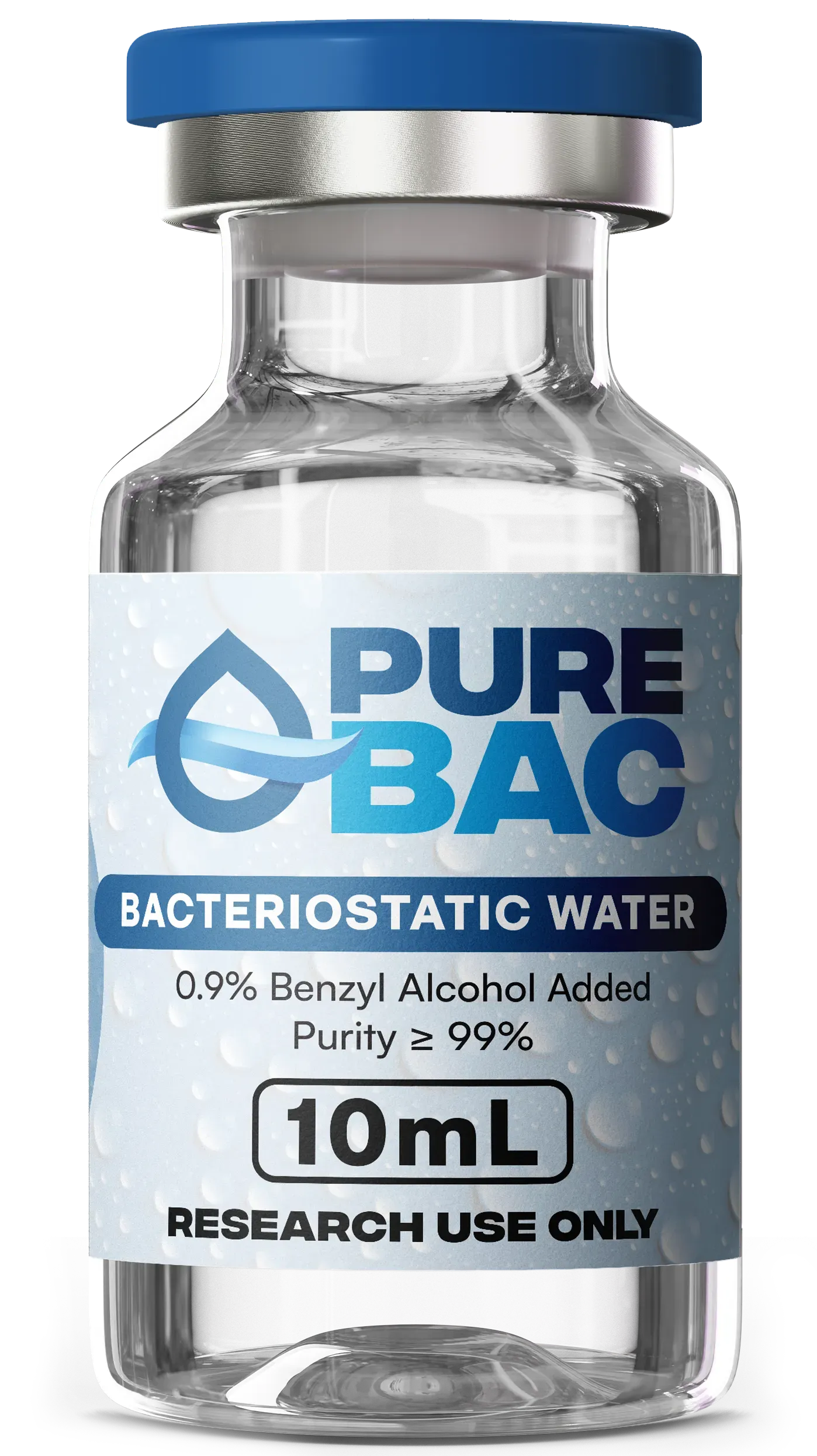
- Use sterile bacteriostatic water (contains benzyl alcohol preservative)
- Follow manufacturer's reconstitution volume guidelines (typically 1-3 mL)
- Remove vial from refrigerator, allow to reach room temperature
- Clean vial stopper with alcohol swab
- Inject bacteriostatic water slowly down the side of the vial (not directly onto powder)
- Gently swirl (do NOT shake vigorously) until fully dissolved
- Inspect for clarity—solution should be clear, colorless, and free of particles
Post-Reconstitution Storage:
- Temperature: 2-8°C (36-46°F) refrigerated storage (preferred)
- Duration: Use within 28-30 days of reconstitution
- Container: Store in original vial with rubber stopper
- Light: Keep protected from direct light
- Brief periods (<24 hours) at room temperature are acceptable, but return to refrigeration as soon as possible
Handling Best Practices:
- Use new, sterile syringe and needle for each injection
- Clean vial stopper with alcohol swab before each draw
- Clean injection site with alcohol swab, let dry
- Pinch skin to create small fold
- Insert needle at 45-90 degree angle (depending on body composition)
- Inject slowly over 5-10 seconds
- Hold needle in place briefly before withdrawing
- Apply gentle pressure with gauze (do not rub)
Travel Considerations: For short trips (1-3 days), use insulated cooler with ice packs keeping temperature between 2-8°C, avoid freezing. For longer travel, use specialized medication coolers (e.g., Frio, VIAL) that are TSA-approved for air travel.
Signs of Degradation - Do NOT use if you observe: Cloudiness or discoloration, visible particles or precipitate, crystallization, freezing (ice crystals), exposure to temperatures >25°C (77°F) for extended periods, or past expiration or beyond 30 days post-reconstitution.
Proper Disposal: Use FDA-approved sharps container for used syringes, never recap needles. When container is 2/3 full, seal and dispose according to local regulations. For expired or unused medication, return to pharmacy for proper disposal following DEA National Prescription Drug Take Back guidelines.
Safety & Side Effects
Like all medications, retatrutide produces side effects in some users, primarily related to its effects on the gastrointestinal system. Understanding the safety profile helps set realistic expectations and manage adverse events effectively.
Common Side Effects
Based on Phase 2 clinical trial data, the most frequently reported adverse events include:
Gastrointestinal Effects (Most Common):
- Nausea: 30-40% of participants (dose-dependent)
- Diarrhea: 20-30% of participants
- Vomiting: 15-25% of participants
- Constipation: 15-20% of participants
- Abdominal discomfort: 10-15% of participants
- Decreased appetite: Expected therapeutic effect
Key Pattern: GI side effects were most pronounced during dose escalation and typically improved with continued use. Most were mild to moderate in severity.
Other Common Effects:
- Injection site reactions (redness, mild pain)
- Fatigue or low energy (especially early in treatment)
- Headache
- Dizziness
Serious But Rare Side Effects
Pancreatitis Risk:
- Low incidence in trials (<1%), but a known class effect of GLP-1 agonists
- Symptoms: Severe abdominal pain, nausea, vomiting
- Requires immediate medical attention
Gallbladder Issues:
- Increased risk of gallstones (cholelithiasis) with rapid weight loss
- May require monitoring via ultrasound in high-risk individuals
Hypoglycemia:
- Rare when used alone
- Risk increases if combined with insulin or sulfonylureas
- GLP-1 mechanism is glucose-dependent, providing protection
Thyroid Concerns:
- Animal studies showed thyroid C-cell tumors with GLP-1 agonists
- Contraindicated in patients with personal/family history of medullary thyroid carcinoma (MTC)
- Contraindicated in patients with Multiple Endocrine Neoplasia syndrome type 2 (MEN2)
Discontinuation Rates
In clinical trials:
- Placebo: 5% discontinued due to adverse events
- Retatrutide 4 mg: 6% discontinued
- Retatrutide 8 mg: 9% discontinued
- Retatrutide 12 mg: 12% discontinued
The relatively low discontinuation rates (even at the highest dose) indicate that most participants found the medication tolerable despite experiencing some side effects.
Managing Side Effects
Strategies for Reducing GI Symptoms:
- Follow titration schedule: Never skip dose escalation steps
- Eat smaller, frequent meals: Helps manage reduced appetite
- Avoid high-fat foods: Can exacerbate nausea
- Stay hydrated: Particularly important with diarrhea/vomiting
- Ginger or anti-nausea medications: May help in first weeks
- Inject before bedtime: Sleeping through peak nausea can help
When to Contact a Healthcare Provider:
- Severe, persistent abdominal pain
- Persistent vomiting preventing fluid intake
- Signs of dehydration
- Severe allergic reaction
- Unexplained rapid heartbeat or chest pain
Long-Term Safety Considerations
While retatrutide's Phase 2 trials demonstrated acceptable short-term safety over 48 weeks, long-term safety data (2+ years) is still being gathered in ongoing Phase 3 studies.
Questions Being Evaluated:
- Cardiovascular safety over extended periods
- Risk of diabetes development or prevention in obesity
- Bone health effects with significant weight loss
- Psychological effects of rapid weight change
- Safety in diverse populations (elderly, different ethnicities)
Special Populations
Not Recommended For:
- Pregnant or breastfeeding women
- Individuals under 18 years old (unless in clinical trial)
- Those with personal/family history of MTC or MEN2
- Severe gastrointestinal disease
Use with Caution:
- History of pancreatitis
- Diabetic retinopathy (monitoring required)
- Renal impairment
- History of eating disorders
Who Should Consider Retatrutide
Once approved, retatrutide will be prescribed based on specific clinical criteria. Understanding ideal candidates helps set appropriate expectations.
Ideal Candidates - Primary Indication: Obesity
Retatrutide will likely be approved for adults with BMI ≥30 (clinical obesity), OR BMI ≥27 with at least one weight-related comorbidity including: Type 2 diabetes or prediabetes, Hypertension (high blood pressure), Dyslipidemia (abnormal cholesterol), Obstructive sleep apnea, Cardiovascular disease, Non-alcoholic fatty liver disease (NAFLD/NASH), Osteoarthritis, or Polycystic ovary syndrome (PCOS).
Who Benefits Most:
- Patients with Multiple Metabolic Conditions (Obesity + Type 2 Diabetes + Fatty Liver Disease) - the triple mechanism addresses all three simultaneously
- Individuals Who've Plateaued on Other Medications - previous GLP-1 agonist users with suboptimal response seeking more aggressive intervention
- Bariatric Surgery Candidates Seeking Medical Alternative - comparable efficacy to some surgical procedures, non-invasive option with reversibility
- Those Needing Maximum Weight Loss for Health - pre-surgical weight reduction requirements, severe obesity with high complication risk
- Type 2 Diabetics Struggling with Weight and Glucose Control - dual benefits: weight loss + glycemic management with potential for diabetes remission
Absolute Contraindications:
- Personal or family history of medullary thyroid carcinoma (MTC)
- Multiple Endocrine Neoplasia syndrome type 2 (MEN2)
- Pregnancy or breastfeeding
- Known hypersensitivity to retatrutide or components
Realistic Expectations:
What Retatrutide Can Do: Produce significant weight loss (averaging 20-24%), improve metabolic health markers, reduce cardiovascular risk factors, and enhance quality of life and mobility.
What Retatrutide Cannot Do: Replace healthy lifestyle habits, guarantee permanent weight loss without continued use, work equally well for everyone, or eliminate all obesity-related health risks instantly.
Important Reality: Retatrutide is a tool, not a magic bullet. Clinical trials showed that participants who combined medication with lifestyle modifications achieved the best results. Discontinuation typically leads to weight regain, though maintaining healthy habits can minimize this.
How to Get Retatrutide
As an investigational drug still in Phase 3 clinical trials, retatrutide is not yet available through standard prescription channels.
Current Access Routes:
1. Clinical Trial Enrollment (The Primary Legal Route): Participating in an active Phase 3 clinical trial is currently the only FDA-sanctioned way to receive retatrutide. Visit ClinicalTrials.gov and search "retatrutide", contact Eli Lilly directly, ask your healthcare provider about local trial opportunities, or check with academic medical centers and research hospitals.
Typical Eligibility Criteria: BMI ≥30 (obesity) or BMI ≥27 with weight-related comorbidity, Age 18-75 (varies by trial), No contraindications (MTC/MEN2 history, pregnancy), and willingness to comply with trial protocols.
Benefits of Trial Participation: Free medication and medical monitoring, contribution to scientific knowledge, access to cutting-edge treatment before approval, and close medical supervision. However, considerations include possibility of receiving placebo (typically 20-25% chance), strict visit schedules and monitoring requirements, and may need to discontinue other weight loss medications.
When Will Retatrutide Be Available?
Projected Timeline: 2025 - Ongoing Phase 3 trials continue enrollment and data collection; Early 2026 - Phase 3 trial completion and data analysis; Late 2026 - Expected FDA submission (New Drug Application); 2027 - Potential FDA approval and market launch.
Regulatory Pathway: Eli Lilly is pursuing approval for multiple indications including Obesity/weight management (likely first approval), Type 2 diabetes, and NASH/fatty liver disease (may come later).