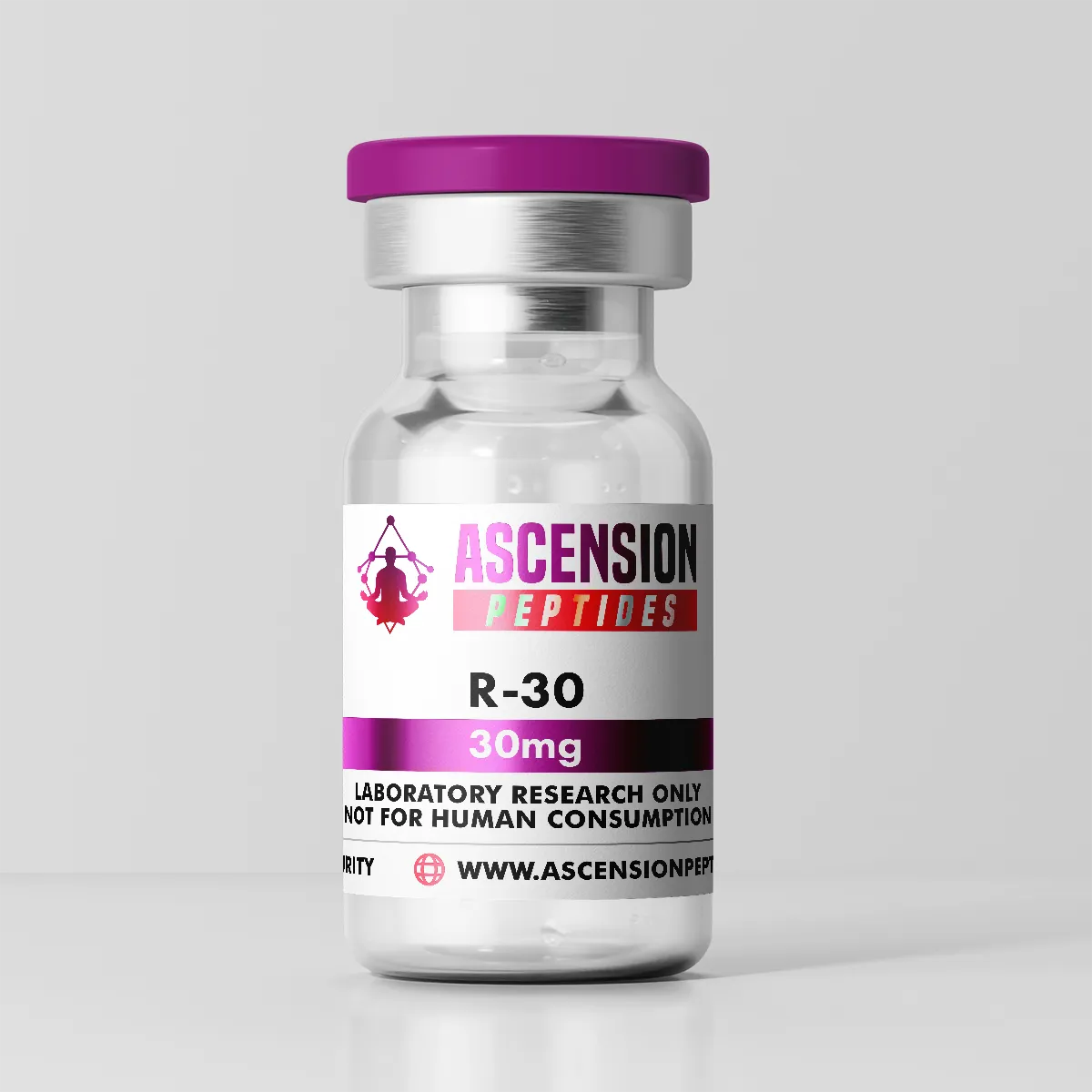
Retatrutide's side effects are more manageable than most people expect, but a few are unique to this triple agonist and worth knowing upfront.
🔑 At a Glance
- Most common: Nausea, vomiting, diarrhea (~40% at therapeutic doses)
- Unique to retatrutide: Heart rate increase (glucagon agonism effect)
- Also unique: Dysesthesia (tingling/altered skin sensation) , up to 20.9% at 12mg
- Dose-dependent: Side effects increase significantly above 4mg
- When they peak: Weeks 1-4, usually resolve as body adapts
- Serious but rare: Pancreatitis, thyroid C-cell risk (class effect)
- vs semaglutide: More GI effects, but faster fat loss
Retatrutide works through a triple mechanism , GLP-1, GIP, and glucagon receptor agonism , that makes it the most potent weight loss compound in clinical trials, producing up to 24.2% body weight reduction in Phase 2 and 28.7% in Phase 3 TRIUMPH-4 data. That same mechanism introduces a side effect profile that's mostly familiar (GI symptoms like other GLP-1 drugs) but with a few effects that are genuinely unique to this compound. Here's exactly what Phase 2 and Phase 3 data shows.
Side Effects of Retatrutide: Quick Summary
If you want the short version before the full clinical breakdown, the side effects of retatrutide cluster into four buckets:
- GI symptoms (most common, dose-dependent): Nausea, vomiting, diarrhea, and constipation. Nausea hits 14 to 60% of users depending on dose. Worst in the first 2 weeks after a titration step, then settles.
- Heart rate elevation (unique to retatrutide): Average resting heart rate rises 6 to 11 bpm at higher doses. This is the side effect that most distinguishes it from semaglutide and tirzepatide.
- Dysesthesia (Phase 3 surprise): Tingling, burning, or pins-and-needles skin sensations reported in a small percentage of Phase 3 participants. Reversible after stopping.
- Standard GLP-1 risks: Pancreatitis (rare), gallbladder problems, fatigue, dizziness, injection site reactions, and the FDA-class thyroid C-cell warning shared by all GLP-1 drugs.
Most retatrutide side effects are manageable with slow titration and dose reduction. Specific incidence rates by dose, the dysesthesia data, and the contraindication list are covered in the sections below.
Most Common Side Effects (Phase 2 TRIUMPH Data)
The most complete picture of retatrutide side effects comes from the TRIUMPH Phase 2 trial published in the New England Journal of Medicine (Jastreboff et al., 2023) , 338 adults across multiple dose cohorts, 48 weeks of follow-up. The table below uses the exact dose-stratified rates from that trial, plus Phase 3 TRIUMPH-4 data where it adds new information.
| Side Effect | Placebo | 1mg | 4mg | 8mg | 12mg |
|---|---|---|---|---|---|
| Nausea | 11% | 14% | 36% | 44% | 60% |
| Diarrhea | 11% | 9% | 20% | 20% | 15% |
| Vomiting | 1% | 3% | 12% | 12% | 26% |
| Constipation | 3% | 7% | 15% | 11% | 16% |
| Decreased appetite | 3% | 5% | 9% | 11% | 14% |
| Fatigue / asthenia | ~5% | ~7% | ~12% | ~16% | ~20% |
| Headache | ~6% | ~8% | ~12% | ~15% | ~18% |
| Injection site reactions | 0% | 1% | 5% | 7% | 8% |
| Heart rate increase | , | +5-10 BPM average across all doses; peaks at week 24, then declines | |||
| Dysesthesia* | 0.7% | , | , | 8.8% | 20.9% |
*Dysesthesia rates from Phase 3 TRIUMPH-4 trial (9mg and 12mg arms) , this side effect wasn't prominent in Phase 2 data and was identified as a new signal in the Phase 3 analysis.
The overall adverse event incidence during the treatment period: 70% in the placebo group vs. 73-94% in retatrutide groups (highest at 8mg and 12mg). But serious adverse events were 4% in both placebo and retatrutide arms , meaning higher frequency of side effects, but predominantly mild to moderate in nature. See our retatrutide dosage chart for the full dose-weight loss relationship.
The Heart Rate Issue , What Makes Retatrutide Different
Retatrutide's heart rate elevation is the single most clinically distinctive side effect of this compound , and the most misunderstood. Here's the full picture.
Glucagon is naturally chronotropic: it speeds up the heart. Retatrutide's glucagon receptor agonism produces a consistent increase in resting heart rate of approximately 5-10 BPM across all dose groups. This effect peaks at week 24 of the protocol, then declines , it's not a fully static elevation throughout. That's important context the old Phase 2-only summaries often miss, as the Phase 3 TRIUMPH-4 trial showed this temporal pattern more clearly.
For most healthy people, a 5-10 BPM resting heart rate increase is not clinically significant. It's roughly equivalent to standing up from sitting, or mild background stress. But it's worth logging baseline resting heart rate before starting and tracking it every few weeks , especially at higher doses where both the magnitude and clinical relevance increase. The effect reverses fully upon discontinuation.
GI Side Effects: Nausea, Vomiting, Diarrhea
Gastrointestinal effects are the dominant side effect category for retatrutide , present in 73-94% of participants at some point during the trial. All three are driven by GLP-1 receptor activation slowing gastric emptying and altering gut motility, plus glucagon's additional GI effects.
Nausea (14-60% depending on dose)
The most common side effect by far. Caused by GLP-1 activation in both the gut wall and brainstem, which signals satiety and slows gastric emptying simultaneously. The result is persistent low-grade queasiness that peaks 4-8 hours after injection and is worst in the first 1-2 weeks after each dose increase.
Management: Inject at night to sleep through peak nausea. Eat smaller, lower-fat meals , high-fat foods compound GLP-1-induced gastric slowing. Keep ondansetron on hand during escalation weeks. Ginger (tea, capsules, chews) provides modest but real relief for mild cases. Most importantly: slow your escalation , nausea that feels persistent is almost always a "too fast" problem, not a "this compound doesn't suit me" problem.
Vomiting (3-26% depending on dose)
Follows the same escalation-dependent pattern as nausea but is more disruptive and harder to push through. Vomiting at 12mg (26%) vs. 4mg (12%) shows the strong dose relationship. The right call for significant vomiting is slowing escalation , not antiemetics alone , because antiemetics treat the symptom while the dose remains at a level the GI tract hasn't adapted to.
Management: Ondansetron (Zofran) is highly effective for acute vomiting episodes. Inject slightly with food rather than fully fasted. If vomiting persists beyond 3 weeks at an unchanged dose, the dose is likely too high for your current tolerance , step back, not forward.
Diarrhea (9-20%) and Constipation (7-16%)
Both appear on the same side effects list because GLP-1-mediated motility changes affect people differently. The GI tract speeds up in some (diarrhea) and slows in others (constipation). Diarrhea typically self-resolves within 2-3 weeks at a stable dose. Constipation can persist if dietary fiber and hydration don't compensate for reduced food volume from appetite suppression.
Management for diarrhea: Aggressive hydration, BRAT diet during flares, loperamide for acute episodes. Management for constipation: Target 25-35g fiber daily, magnesium glycinate/citrate 300-400mg at night, consistent movement.
Side Effects by Dose Level
The dose-tolerability relationship is one of the most actionable insights from the TRIUMPH data. Understanding it helps set realistic expectations at each stage of a protocol. For detailed escalation schedules, see our retatrutide dosing guide.
The practical takeaway: 8mg is where many protocols find the best balance , ~17% weight loss with a side effect profile that most people can manage with proper escalation. The jump to 12mg adds efficacy but meaningfully increases GI burden and introduces dysesthesia as a prominent new symptom. It's worth asking whether the extra 5-7% weight loss is worth the significantly higher side effect rate for your specific protocol goals.
Week-by-Week Timeline: What to Expect
Side effects don't hit all at once. They cluster around each dose escalation, then taper. Here's the realistic 24-week timeline at the standard titration schedule.
The pattern: each dose step buys ~5–10 days of GI symptoms, then the body adapts. Skipping or compressing escalation roughly doubles symptom intensity, per Phase 3 data. If a step gives you more than 10 days of meaningful GI symptoms, hold instead of escalating — there's no clinical benefit to climbing faster.
Which Side Effects Go Away — and Which Don't
Not all side effects fade. Some resolve within weeks of stable dosing; others persist as long as you're on the drug and only reverse after discontinuation.
Resolve on stable dose (within 2–4 weeks):
- Nausea, vomiting, diarrhea — peak in week 1–2 of a dose step, mostly gone by week 4
- Early fatigue and dizziness — usually settles as caloric intake stabilizes
- Injection-site redness or itching — fades after the first few injections
Persist while on the drug (reverse only after stopping):
- Heart rate elevation — averages +5–10 BPM and stays elevated. Peaks around week 24, slowly declines, but doesn't return to baseline until discontinuation.
- Appetite suppression — by design, not a side effect to "wait out"
- Constipation — for a meaningful subset, this stays mild but chronic; managed with hydration and fiber
- Dysesthesia at 9–12 mg — for those who develop it, often persists at the higher dose; usually resolves within 4–8 weeks of dose reduction
The practical takeaway: if a symptom is still bothering you 4 weeks into a stable dose, it's probably not going to fade. Either drop a dose level or accept it as part of the drug's profile.
Discontinuation Rates: How Many People Stop
In Phase 2 TRIUMPH data, treatment discontinuation due to adverse events was 6–16% across dose groups, compared to ~3% on placebo. Phase 3 TRIUMPH-4 showed similar patterns, with the 12 mg arm hitting the upper end of that range. For context:
- Semaglutide (STEP trials): ~7% discontinuation due to AEs
- Tirzepatide (SURMOUNT-1): ~5–7% discontinuation
- Retatrutide (TRIUMPH): ~6–16%, dose-dependent
The single most common reason for stopping retatrutide is severe or persistent GI side effects during escalation. Dysesthesia is the second. The escalation phase accounts for the vast majority of discontinuations — people who reach maintenance dose almost always continue.
Serious Side Effects & Contraindications
Dysesthesia , The Phase 3 Surprise
Dysesthesia (abnormal skin sensations , tingling, burning, altered touch sensitivity) was identified as a meaningful new signal in Phase 3 TRIUMPH-4 data, affecting 8.8% at 9mg and 20.9% at 12mg , rates that were not prominently documented in the earlier Phase 2 trial. This effect appears linked to glucagon receptor activity and is dose-dependent. For most people it's uncomfortable but not dangerous. However, it's a symptom many users don't expect and often don't recognize as a drug effect , worth knowing upfront, especially at 12mg.
Acute Pancreatitis , Occurred in 1 case out of 338 participants in Phase 2 (rare but a class-wide concern for GLP-1 agonists). Symptoms: severe abdominal pain radiating to the back, nausea, vomiting, fever. Stop medication immediately and seek emergency care. Do not use retatrutide with a history of pancreatitis.
Gallbladder Disease (Cholelithiasis) , Rapid, significant weight loss increases gallstone risk regardless of method. This is a class effect amplified by retatrutide's degree of weight loss. Symptoms: right upper abdominal pain, nausea after fatty meals, possible jaundice. Monitoring recommended in extended protocols, especially at 8mg+.
Thyroid C-Cell Risk , GLP-1 agonists carry an FDA class warning based on rodent C-cell tumor data. This has NOT been confirmed in primates or human trials, and current consensus is that it may be rodent-specific. But it's an absolute contraindication for anyone with personal or family history of medullary thyroid carcinoma (MTC) or MEN2 syndrome. Watch for: lump/swelling in the neck, hoarseness, difficulty swallowing.
Kidney Function , GLP-1 agonists have complex renal hemodynamic effects. Some competitor coverage notes early Phase 3 signals around kidney function worth monitoring. Periodic creatinine/eGFR checks are recommended in extended protocols, particularly above 8mg. Severe CKD (eGFR <30) is a caution/contraindication depending on clinical picture.
Severe Allergic Reactions , Rare. Signs: facial/throat swelling, difficulty breathing, severe rash. Call emergency services immediately.
Absolute Contraindications
Do not use retatrutide if you have:
- Personal or family history of medullary thyroid carcinoma (MTC)
- Multiple Endocrine Neoplasia type 2 (MEN2)
- History of active pancreatitis
- Severe allergic reaction to retatrutide or any ingredients
- Pregnancy or breastfeeding
- Pre-existing significant tachycardia or arrhythmias (requires thorough cardiac evaluation)
Retatrutide vs Semaglutide vs Tirzepatide: Side Effect Comparison
The pattern is clear: retatrutide carries the highest GI burden at maximum doses, introduces unique effects (heart rate, dysesthesia) that the other two don't, but also delivers substantially greater weight loss. The choice between these compounds is a risk-benefit decision, not a blanket "which is safer" question. For a deeper look at results, see our retatrutide before and after data.
Long-Term Safety: What We Know and What We Don't
Retatrutide's longest published exposure data runs to 48 weeks in Phase 2 and 68 weeks in the TRIUMPH-4 Phase 3 cohort. That's enough to characterize short-to-medium-term safety, but not enough to fully predict multi-year risks.
What we know from current trials:
- No increase in pancreatic cancer signal vs placebo at 48–68 weeks (rare event, longer follow-up still needed)
- Heart rate elevation is sustained, not progressive — it plateaus around week 24 and does not keep rising
- Gallbladder events scale with rate of weight loss, not dose specifically (same pattern as semaglutide and tirzepatide)
- Bone mineral density was not significantly reduced at 48 weeks in Phase 2
- Lean-mass loss tracks with total weight loss; resistance training and 1.2–1.6 g/kg protein meaningfully blunt it
What we still don't know:
- 5+ year cancer risk, especially thyroid C-cell (class effect warning shared with all GLP-1s)
- Whether sustained heart-rate elevation has clinical consequences over many years of use
- Long-term effects of dysesthesia for users who stay at 9–12 mg indefinitely
- Weight-regain trajectory after multi-year use and discontinuation (semaglutide STEP-4 data suggests rapid regain; retatrutide-specific data still pending)
- Pregnancy outcomes — retatrutide is not studied in pregnancy and should be discontinued before conception
For most people the practical risk picture is: the short-to-medium-term profile is well-characterized and manageable. The unknowns are long-tail and shared with the broader GLP-1 class, not unique to retatrutide.
How to Minimize Side Effects
The most effective side effect reduction strategy isn't a supplement or a trick , it's the escalation schedule. But here's the full toolkit:
- Escalate slowly , the non-negotiable. Minimum 4 weeks between dose increases. Phase 3 data confirmed that people who skipped titration had nearly double the GI symptom rate. If you're struggling at a dose, hold for 6-8 weeks before considering going up. The GI tract adapts , but it needs time.
- Inject at night. Peak nausea hits 4-8 hours post-injection. Evening dosing means the worst window passes during sleep. Most people wake up with mild appetite suppression and minimal nausea by morning.
- Eat smaller, lower-fat meals. Switch to 4-5 small meals instead of 2-3 large ones during escalation weeks. High-fat foods compound gastric slowing and amplify nausea significantly.
- Hydrate aggressively. 2.5-3L of water daily. Dehydration worsens every GI side effect. Add electrolytes (sodium, potassium, magnesium) if food intake has dropped significantly from appetite suppression.
- Prioritize protein. Minimum 1.6-2g/kg body weight. This prevents fatigue, reduces hair loss risk, and preserves muscle mass during rapid weight loss. At high doses where appetite suppression is severe, tracking protein specifically is worth doing.
- Keep rescue antiemetics on hand. Ondansetron (Zofran) is highly effective during rough escalation periods. Ginger products help for mild nausea. Loperamide for diarrhea flares. Have these ready before you need them.
- Rotate injection sites every time. Abdomen, thigh, upper arm , never the same spot within 2 weeks. Reduces injection site reaction risk significantly.
When Side Effects Warrant Stopping
Most retatrutide side effects don't require stopping , they require slowing down. But a few signals mean the compound should be discontinued and medical attention sought:
- Severe abdominal pain, especially radiating to the back (possible pancreatitis)
- Persistent vomiting that prevents adequate fluid intake for more than 24 hours (dehydration risk)
- Yellowing of skin or eyes, or right upper abdominal pain (gallbladder/liver issues)
- Swelling of the face, throat, or tongue, or difficulty breathing (allergic reaction)
- A lump or persistent hoarseness in the neck (thyroid-related symptoms)
- Resting heart rate consistently above 100 BPM in someone with no prior history (sustained tachycardia)
Side effects that mean "slow down, not stop":
- Nausea that makes eating difficult but doesn't prevent all food intake , hold the dose, don't escalate for 6+ weeks
- Persistent GI symptoms beyond 4 weeks at a stable dose , step back one dose level
- Fatigue beyond 8 weeks , review protein and micronutrient intake before concluding it's drug-related
- Dysesthesia at 12mg that's uncomfortable but not disabling , usually dose-dependent; try stepping to 9mg
Before starting, see our guide on how to get retatrutide for sourcing and protocol context.
FAQ
📚 References
- Jastreboff AM et al. "Triple-hormone-receptor agonist retatrutide for obesity , a phase 2 trial." N Engl J Med. 2023;389(6):514-526. PubMed
- Rosenstock J et al. "Retatrutide, a GIP, GLP-1 and glucagon receptor agonist, for people with type 2 diabetes: a randomised, double-blind, placebo and active-comparator-controlled, parallel-group, phase 2 trial." Lancet. 2023;402(10401):529-544. PubMed
- Coskun T et al. "LY3437943, a novel triple glucagon, GIP, and GLP-1 receptor agonist for glycemic control and weight loss." Cell Metab. 2022;34(9):1234-1247. PubMed
- TRIUMPH-4 Phase 3 trial data (retatrutide 9mg/12mg, osteoarthritis cohort), presented December 2025. Available via Eli Lilly press release and conference proceedings.
- Müller TD et al. "Glucagon-like peptide 1 (GLP-1)." Mol Metab. 2019;30:72-130. PubMed