PeptideDeck
  • Blog
  • About
Get Started
Home/Peptides/AOD 9604
MetabolicHalf-life: ~4-6 minutes (serum)

AOD 9604

Anti-Obesity Drug 9604 (Tyr-hGH Fragment 177-191)

Collaborative work between Monash University and Metabolic Pharmaceuticals in Australia during the late 1990s produced AOD 9604. A tyrosine substitution at the N-terminal position distinguishes this synthetic peptide from the natural growth hormone fragment it mimics—specifically amino acids 177-191. The modification was deliberate; isolating growth hormone's fat-reducing properties while sidestepping IGF-1 and glucose metabolism effects was the goal.

Specificity sets AOD 9604 apart. Research indicates this fragment influences lipid metabolism without triggering the broader hormonal cascade that complete hGH produces—a critical distinction. Between cysteine residues at positions 7 and 14 sits an internal disulfide bridge. This structural element stabilizes the peptide's three-dimensional shape, essential for biological activity.

Multiple research areas have explored AOD 9604: adipose tissue metabolism, energy expenditure, plus recent work in cartilage regeneration. Pharmaceutical development for obesity treatment ended in 2007; the compound remains actively studied in metabolic research and has gained renewed attention for tissue repair applications.

Recommended Supplier

Purchase Research-Grade AOD 9604

Sourced from Apollo Peptides. Verified ≥≥98% purity, third-party tested.

Buy Now
Compare Peptides
Quick Reference
Molecular Weight1,815.10 Da
Half-Life~4-6 minutes (serum)
Purity≥98%
FormLyophilized powder
Sequence
YLRIVQCRSVEGSCGF (cyclic 7→14 disulfide)
Storage
Lyophilized: -20°C | Reconstituted: 2-8°C
Table of Contents
What is AOD 9604?Research BenefitsHow AOD 9604 WorksResearch ApplicationsResearch FindingsDosage & AdministrationSafety & Side EffectsFAQReferences

What is AOD 9604?

Anti-Obesity Drug 9604—AOD 9604—came from research at Monash University in Melbourne during the late 1990s. Metabolic Pharmaceuticals Limited developed it with an ambitious goal: harness growth hormone's fat-reducing properties while avoiding the side effects.

The compound comprises a modified 16-amino acid sequence from growth hormone's C-terminal portion, specifically residues 177 through 191. A tyrosine residue replaces the naturally occurring phenylalanine at the N-terminal position—a seemingly minor modification designed to boost metabolic stability while preserving biological activity. Between cysteine residues at positions 7 and 14 sits a disulfide bridge. This maintains the peptide's three-dimensional shape, essential for receptor interaction.

Professor Frank Ng and colleagues identified this specific growth hormone region as the functional domain responsible for fat-reducing activity. The C-terminal fragment could reduce body fat in obese animal models without stimulating tissue growth or elevating IGF-1 levels—their earlier work demonstrated this. Considerable interest sparked around developing a compound that could target fat metabolism with precision.

From Lab Discovery to Clinical Trials

More than two decades span AOD 9604's journey from laboratory to clinical development. Late 1990s preclinical work established proof-of-concept in rodents, showing significant reductions in body weight and fat mass. These results propelled it into human trials.

Six randomized, double-blind, placebo-controlled trials ran between 2001 and 2006, enrolling 893 participants across studies examining safety, pharmacokinetics, efficacy. Subjects receiving oral AOD 9604 lost an average of 2.6 kg more than placebo controls over 12 weeks—early trials showed encouraging results.

The pivotal Phase 2B OPTIONS Study failed to achieve its primary endpoints: 536 obese adults over 24 weeks. Metabolic Pharmaceuticals discontinued obesity-focused development in 2007. The compound's excellent safety profile plus unique mechanism have sustained research interest in other applications.

Distinguishing Features from Related Peptides

Among growth hormone-related peptides, AOD 9604 occupies a unique position. Growth hormone-releasing peptides (GHRPs) like GHRP-6 or GHRP-2 stimulate pituitary GH release—AOD 9604 doesn't interact with growth hormone-releasing hormone receptors. Growth hormone secretagogues such as ipamorelin and CJC-1295 work through the hypothalamic-pituitary axis; that's not AOD 9604's mechanism either.

The peptide's mechanism appears independent of the canonical growth hormone receptor, setting it apart from both full-length hGH and the closely related HGH Fragment 176-191. Sequence similarities with HGH Frag 176-191 exist, yet the tyrosine substitution confers distinct properties researchers continue characterizing. This specificity proves valuable for isolating fat metabolism pathways from growth hormone's complex signaling effects.

Key Research Benefits of AOD 9604

Stimulates lipolysis through beta-3 adrenergic receptor upregulation in adipose tissue—confirmed in obese mouse models
Inhibits lipogenesis, cutting glucose-to-lipid conversion and limiting new fat cell formation based on preclinical work
Leaves IGF-1 levels unchanged and doesn't impair glucose metabolism—data from 893 clinical trial participants back this up
Demonstrates cartilage-protective properties when paired with hyaluronic acid in rabbit osteoarthritis models
Showed excellent safety across six human trials; no serious adverse events were linked to treatment

How AOD 9604 Works: Mechanism of Action

Lipolytic Action Mechanism

Multiple signaling pathways drive AOD 9604's effects on fat metabolism, though complete characterization remains ongoing. Heffernan and colleagues at Monash University established that AOD 9604 stimulates lipolysis—the enzymatic breakdown of stored triglycerides into glycerol and free fatty acids—through pathways distinct from full-length growth hormone.

Central to this action sits interaction with the beta-3 adrenergic receptor (β3-AR) system. Chronic AOD 9604 administration significantly increases β3-AR messenger RNA expression in fat tissue—studies in normal mice plus genetically obese ob/ob mice demonstrated this. Since β3-AR is the predominant lipolytic receptor in fat cells, its activation triggers cascades mobilizing stored lipids. AOD 9604 could restore the depressed β3-AR expression seen in obese animals to levels comparable with lean controls.

Experiments using β3-AR knockout mice confirmed the receptor's critical role. Long-term treatment failed to produce the weight reduction and lipolytic enhancement seen in wild-type animals lacking functional β3-AR. Acute experiments revealed something interesting though—AOD 9604 could still increase energy expenditure and fat oxidation even without β3-AR, albeit less effectively. While β3-AR upregulation drives chronic effects, additional receptor-independent mechanisms also contribute.

Inside the Cell: Signaling Cascades

Downstream of receptor engagement, AOD 9604 activates several intracellular signaling molecules. The peptide induces biphasic diacylglycerol (DAG) release in adipocytes—similar to full-length growth hormone. DAG acts as a second messenger, activating protein kinase C (PKC), which phosphorylates multiple target proteins involved in metabolism.

Hormone-sensitive lipase (HSL) is one key target—the rate-limiting enzyme in lipolysis. PKC phosphorylation enhances HSL activity, accelerating stored triglyceride hydrolysis. AOD 9604 may also influence acetyl-CoA carboxylase, an enzyme pivotal in fatty acid synthesis. Modulating this enzyme simultaneously promotes fat breakdown while suppressing new fat formation.

Fat oxidation rates increased 216% in obese mice following AOD 9604 administration—quantitative research revealed striking effects. This suggests that beyond liberating fatty acids from storage, the peptide enhances cellular machinery burning these fats for energy. Increased lipolysis combined with enhanced oxidation produces net lipid reduction without requiring caloric intake changes.

Blocking New Fat Formation

Anti-lipogenic activity complements the lipolytic actions—the capacity to suppress new fat formation and storage. Isolated adipose tissue studies showed the peptide reduces glucose incorporation into lipids, effectively decreasing de novo lipogenesis rates. This dual action on both fat breakdown and synthesis creates a metabolic environment favoring net fat loss.

Adipocyte populations after AOD 9604 treatment revealed characteristic shifts. Treated animals showed fewer large, lipid-laden adipocytes alongside proportionally more smaller fat cells. This pattern aligns with lipid depletion from mature adipocytes rather than cell death or reduced new fat cell formation—the changes reflected decreased lipid storage rates combined with increased mobilization.

Key enzymatic pathways get modulated, including those regulated by fatty acid synthase and stearoyl-CoA desaturase. Reducing these lipogenic enzymes' activity limits the body's capacity for converting excess dietary calories into stored fat. This potentially explains preferential effects on abdominal fat, which exhibits particularly high lipogenic activity in obesity.

Bypassing Growth Hormone Receptors

Apparent independence from classical growth hormone receptor (GHR) signaling defines a key characteristic. Full-length hGH binds GHR, activating the JAK2-STAT5 pathway leading to IGF-1 production—AOD 9604 doesn't engage this receptor system. Clinical data confirmed the peptide produces no measurable changes in circulating IGF-1 levels across various doses and durations.

This mechanistic distinction carries significant implications. Growth hormone's metabolic effects prove difficult to separate from its growth-promoting actions when the intact molecule gets administered—both stem from GHR activation. Bypassing this receptor avoids triggering the cascade leading to tissue growth, potential insulin resistance, other concerns with exogenous growth hormone. The peptide essentially provides a tool for studying lipid metabolism in isolation minus confounding variables from broader GH signaling.

Research Applications and Study Areas

AOD 9604 has been studied across multiple research areas. Below are the primary fields where this peptide has demonstrated research interest.

Adipose Tissue Metabolism

Active research area with published studies

Lipid Oxidation Pathways

Active research area with published studies

Cartilage Regeneration

Active research area with published studies

Beta-Adrenergic Receptor Signaling

Active research area with published studies

Metabolic Syndrome Research

Active research area with published studies

AOD 9604 Research Findings and Clinical Studies

Early Studies in Obesity Models

Preclinical work at Monash University in collaboration with Metabolic Pharmaceuticals established AOD 9604's metabolic effects—foundational research. Ng and colleagues showed that daily administration of the synthetic hGH fragment to obese Zucker rats produced significant reductions in body weight and fat mass. Food intake stayed unchanged. Lean body mass stayed unchanged.

Subsequent investigations expanded these findings across multiple obesity models. Endocrinology (2001) published research by Heffernan et al. documenting that both full-length human growth hormone and AOD 9604 reduced body weight and body fat in genetically obese ob/ob mice following 14 days of chronic intraperitoneal administration. These effects correlated with measurable increases in β3-AR mRNA expression—providing mechanistic insight into the peptide's lipolytic action. AOD 9604 could restore suppressed lipolytic receptor levels in obese mice to concentrations approaching lean controls.

Examining specificity proved particularly illuminating. One investigation reported AOD 9604 increased fat oxidation by 216% in obese mice while producing minimal effects on lean tissue metabolism—this selectivity suggests preferential activity in lipid-laden adipocytes. Abdominal fat deposits appear especially responsive, characterized by high metabolic activity and large cell size. Some experiments documented adipose tissue mass reductions exceeding 50%, though effects were consistently more pronounced in established obesity models than lean animals.

Human Clinical Trials: Promise and Challenges

Metabolic Pharmaceuticals advanced AOD 9604 through six randomized, double-blind, placebo-controlled trials between 2001 and 2006—a comprehensive program encompassing 893 participants, predominantly clinically obese adults. Single-dose pharmacokinetic studies through chronic administration lasting up to 24 weeks—treatment durations ranged widely.

Initial studies (METAOD001 and METAOD002) used intravenous administration to establish pharmacokinetic parameters and acute tolerability. These dose-escalation studies in healthy males demonstrated rapid absorption and distribution. The intact peptide has a very short plasma half-life—approximately four minutes.

Oral administration proved feasible; subsequent trials confirmed that oral AOD 9604 achieves measurable plasma concentrations despite inherent peptide bioavailability challenges. A seven-day multiple-dose study (METAOD004) showed preliminary efficacy signals. Treated subjects trended toward reduced body weight versus placebo. Oral bioavailability was lower than intravenous delivery, yet sustained therapeutic effects were achievable through appropriate dosing.

The Phase 2 efficacy trials generated mixed results ultimately influencing development decisions. A 12-week trial demonstrated subjects receiving 1 mg AOD 9604 daily lost an average of 2.6 kg compared to 0.8 kg in placebo—a statistically significant difference generating considerable optimism. Effects appeared particularly pronounced on abdominal fat, consistent with preclinical observations.

The pivotal 24-week OPTIONS Study (METAOD006) involving 536 obese adults failed to achieve its primary endpoints. Intensive diet and exercise for all participants may have obscured modest drug effects; the statistical power to detect incremental benefits proved insufficient.

Unexpected Discovery: Cartilage Regeneration

Cartilage regeneration and joint health emerged as an unexpected but increasingly substantiated research direction. This came from observations that growth hormone and its fragments possess tissue-repair properties beyond metabolic regulation.

A landmark 2015 study in Annals of Clinical & Laboratory Science by Kwon and Park systematically evaluated intra-articular AOD 9604 injections in a collagenase-induced rabbit knee osteoarthritis model. Four groups: saline control, hyaluronic acid (HA) alone, AOD 9604 alone, and combined AOD 9604 with HA—the experimental design compared them. Weekly ultrasound-guided injections were administered for 4-7 weeks following osteoarthritis induction.

Gross morphological examination, histopathological scoring using a modified Mankin system, and functional evaluation through lameness observation—outcomes assessed these. Clear hierarchical effects emerged: all active treatments outperformed saline, AOD 9604 proved comparable to HA alone, combination therapy produced superior outcomes to either agent individually.

Combination-treated animals exhibited the least cartilage degeneration—histopathological analysis revealed this. Preserved articular surfaces, organized chondrocyte architecture, minimal cleft formation characterized their joints. The lameness period (a functional measure of joint recovery) was significantly shorter in animals receiving combined therapy.

Complementary mechanisms may explain the synergistic effect: HA provides a chondroprotective viscoelastic environment; AOD 9604 may stimulate regenerative cascades within the cartilage matrix—researchers hypothesized this. These findings have prompted ongoing investigation into potential osteoarthritis research applications.

Comprehensive Safety Characterization

Extensive safety characterization across multiple species and extended durations—a distinctive strength of the AOD 9604 research portfolio. Non-clinical toxicology studies included 6-month oral gavage in rats, 9-month chronic exposure in cynomolgus monkeys, with doses escalating to 20 mg/kg/day and 50 mg/kg/day respectively. No treatment-related mortality occurred. No significant clinical pathology. No histological abnormalities in either species.

Genotoxicity assessments utilizing the Ames bacterial reverse mutation assay, chromosomal aberration assay in CHO cells, bone marrow micronucleus test—uniformly returned negative results. No mutagenic or clastogenic potential indicated. These comprehensive evaluations satisfied regulatory requirements, supported progression into human trials.

Human clinical trial data reinforced the favorable safety profile observed preclinically. No serious adverse events were attributed to AOD 9604 treatment—across 893 participants in six studies. Parameters associated with growth hormone toxicity got particular attention: IGF-1 levels remained unchanged throughout treatment; oral glucose tolerance testing demonstrated no carbohydrate metabolism impairment. Anti-AOD 9604 antibody screening detected no immune responses, alleviating concerns about immunogenicity with chronic peptide administration.

Dosage and Administration Guidelines

Warning: Laboratory research purposes exclusively—AOD 9604 is designated for this. The FDA has not approved this compound for human therapeutic use; it should not be administered to humans outside properly authorized clinical investigations. Documented research protocols only—the following information pertains solely to these and is provided for scientific reference.

Research Protocol Dosing Parameters

Various dosing strategies have been employed in published AOD 9604 research, depending on experimental model, administration route, specific research objectives. Oral doses ranging from 0.25 mg to 1 mg daily were utilized in human clinical trials conducted by Metabolic Pharmaceuticals; some pharmacokinetic studies examined doses up to 9 mg to characterize absorption and metabolism. The 1 mg daily dose emerged as most frequently studied in efficacy trials based on preliminary dose-response data.

Weight-based dosing was typical in preclinical rodent research, with studies reporting doses of 250-500 μg/kg administered daily via intraperitoneal or subcutaneous injection. Larger animal studies utilized doses of 1.5-2 mg/kg to characterize systemic distribution and metabolism—pharmacokinetic investigations in pigs included. These weight-based approaches ensure consistent exposure across animals of varying sizes, facilitate translation between species.

Localized intra-articular administration at 0.25 mg per injection was employed in research examining cartilage effects, delivered weekly for 4-7 weeks. This route allows direct delivery to target tissue while minimizing systemic exposure—specialized injection techniques and imaging guidance are required for accurate placement.

Reconstitution Guidelines for Research Use

Lyophilized (freeze-dried) powder typically—that's how AOD 9604 gets supplied, requiring reconstitution prior to laboratory use. Maintaining peptide integrity and ensuring reproducible experimental results demands proper reconstitution technique. Standard laboratory practice follows this protocol:

  • Room temperature equilibration before opening prevents condensation on the peptide powder—allow the lyophilized vial to reach this first.
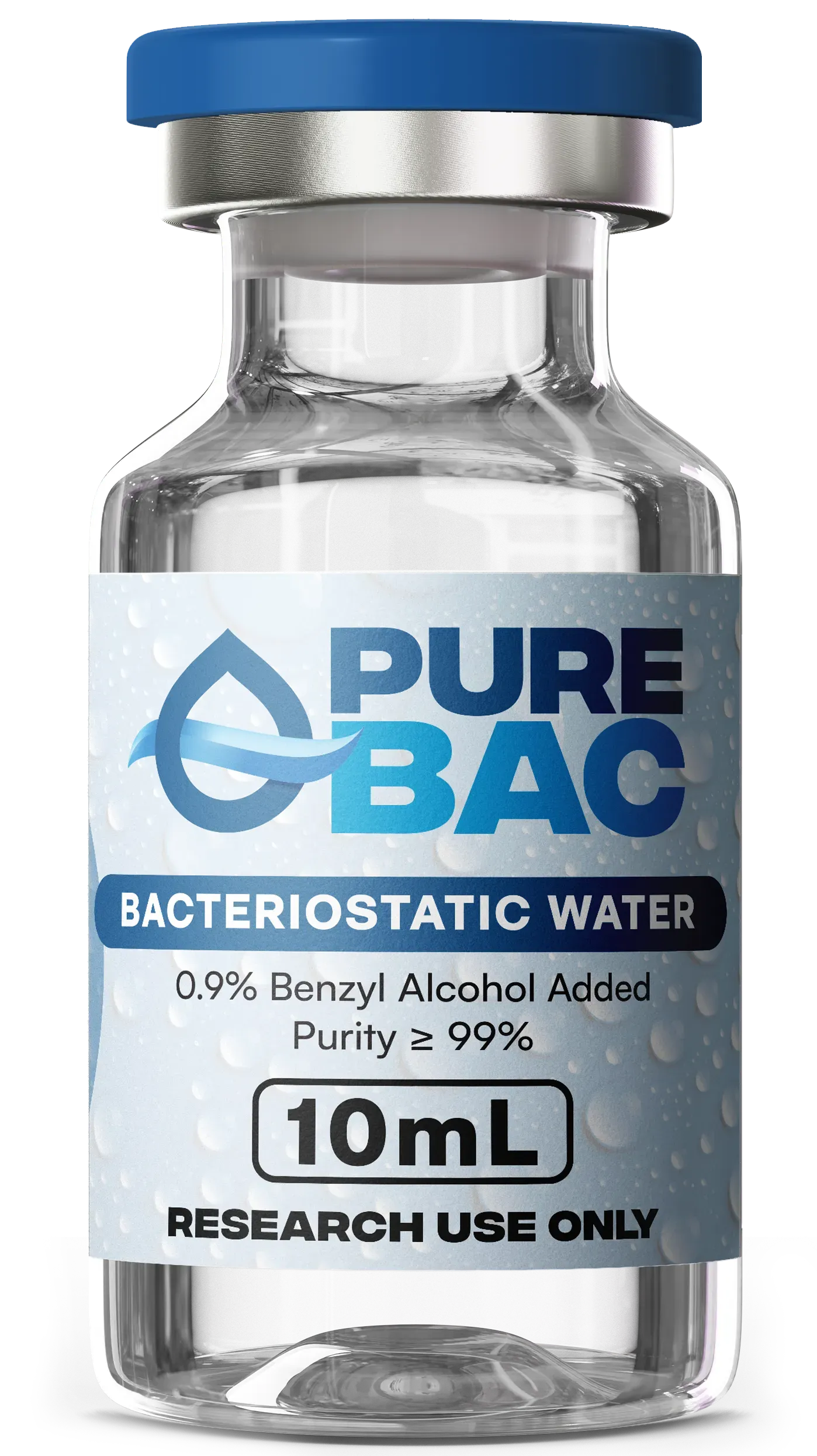
  • Sterile bacteriostatic water or 0.9% sodium chloride solution as the reconstitution vehicle—prepare these. Buffers or solvents that may destabilize the peptide structure should be avoided.
  • Slowly inject diluent along the inside wall using a sterile syringe to prevent foaming and physical damage.
  • Gently swirl the vial to dissolve the powder completely—vigorous shaking can cause protein denaturation and aggregation, so avoid it.
  • Allow the solution to stand for several minutes if any particulates are visible; inspect for complete dissolution before use.
  • Calculate the final concentration based on peptide mass and diluent volume—this ensures accurate experimental dosing.

Storage and Stability Considerations

Careful attention to storage conditions throughout the research workflow—this maintains peptide stability. Excellent stability when stored at -20°C in its original sealed container—lyophilized AOD 9604 demonstrates this, with shelf life typically extending to 24 months or longer under these conditions. The freeze-dried form is inherently more stable than reconstituted solutions due to reduced hydrolysis and oxidation rates.

Following reconstitution, the peptide solution should be stored at 2-8°C (refrigerated); use within a limited timeframe, typically 14-30 days depending on specific formulation and handling conditions. Reconstituted solutions should be protected from light exposure and repeated freeze-thaw cycles—both accelerate degradation. Aliquoting into single-use portions and freezing at -20°C may extend usability for longer-term storage of reconstituted material, though some activity loss should be anticipated.

Pharmacokinetic research has characterized AOD 9604's metabolic fate following administration. Approximately 4-6 minutes—the intact peptide exhibits a very short serum half-life, undergoing rapid N-terminal amino acid truncation through sequential cleavage. The -2 and -3 amino acid fragments are the primary metabolites observed, retaining reduced but measurable activity. This rapid degradation profile has implications for experimental design, particularly regarding timing of sample collection and assessment of biological endpoints.

Administration Route Considerations

AOD 9604's pharmacokinetic profile and biological effects get significantly influenced by administration route choice. Subcutaneous injection represents the most common route in current research protocols, providing relatively consistent absorption while avoiding hepatic first-pass metabolism. The abdominal region typically serves as the injection site, where peptide can be delivered directly to adipose tissue.

Human clinical trials extensively evaluated oral administration, demonstrating that the peptide achieves measurable systemic levels despite inherent peptide bioavailability challenges. Practical advantages for chronic dosing studies come with the oral route, though it introduces greater variability in absorption, requires higher doses to achieve comparable plasma concentrations. Specific formulation approaches to boost oral bioavailability were developed by Metabolic Pharmaceuticals—detailed formulation information remains proprietary.

Intravenous administration provides the most rapid and complete systemic exposure, making it valuable for pharmacokinetic characterization studies. The route is impractical for chronic research protocols, doesn't reflect typical usage patterns. Intra-articular injection bypasses systemic distribution entirely to deliver peptide directly to the site of interest—employed in cartilage research, this represents a specialized approach for tissue-specific investigations.

Safety Considerations and Potential Side Effects

Important Notice: An investigational research compound—that's what AOD 9604 is; it has not received regulatory approval for human therapeutic use. Published research studies and clinical trials provide the safety information presented here; it should not be interpreted as medical guidance. Any research involving this compound must comply with applicable institutional and governmental regulations.

Clinical Trial Safety Profile

Six randomized, double-blind, placebo-controlled clinical trials conducted between 2001 and 2006 provide the most comprehensive human safety data for AOD 9604. Combined enrollment of 893 participants, predominantly clinically obese adults—these studies offer a substantial database for safety assessment. Single-dose pharmacokinetic studies through chronic administration lasting up to 24 weeks—treatment durations ranged this widely, with doses spanning from micrograms to milligrams daily.

A safety profile statistically indistinguishable from placebo across measured parameters—the collective findings established this for AOD 9604. Peptide administration was attributed with no serious adverse events; no participants withdrew from trials due to treatment-related effects. Mild gastrointestinal symptoms and injection site reactions were the most commonly reported observations in active treatment groups—yet these occurred at similar rates in placebo-treated controls, suggesting background noise rather than drug effects.

Safety parameters historically associated with growth hormone administration got particular attention from investigators. No changes in serum IGF-1 levels were produced by AOD 9604—comprehensive metabolic monitoring revealed this, confirming the peptide's independence from growth hormone receptor signaling. Preserved carbohydrate metabolism throughout treatment periods was demonstrated by oral glucose tolerance testing, addressing concerns about potential diabetogenic effects. Uniformly negative results came from screening for anti-peptide antibodies—no immunogenic response to chronic administration indicated.

Preclinical Toxicology Findings

Extensive non-clinical safety evaluation preceded human studies—AOD 9604 underwent this, including chronic toxicology studies in both rodent and primate species. Six-month oral gavage administration in rats at doses up to 20 mg/kg/day revealed no unscheduled deaths, no clinical signs of toxicological significance, no treatment-related pathology. A trend toward reduced body weight gain in treated females was observed—consistent with the compound's intended metabolic activity rather than toxic effect.

Doses up to 50 mg/kg/day—nine-month chronic toxicology studies in cynomolgus monkeys employed these, representing substantial multiples of anticipated therapeutic exposure. No significant differences between treated and control groups were observed in body mass, ophthalmic findings, electrocardiographic parameters, hematology, clinical chemistry, or urinary composition. Necropsy and histological examination revealed no treatment-related abnormalities; bone densitometry measurements remained unchanged, addressing potential concerns about growth hormone fragment effects on skeletal tissue.

Standard regulatory-accepted assays returned uniformly negative results in genotoxicity assessment. The Ames bacterial reverse mutation test detected no mutagenic activity at concentrations up to 2,000 μg/plate. No clastogenic effects were found by chromosomal aberration testing in CHO cells, though some dose-related growth inhibition and increased polyploidy at very high concentrations suggested potential cell cycle interference. No genotoxic concerns at physiologically relevant exposures—the in vivo bone marrow micronucleus assay confirmed this. Collectively, these findings indicate AOD 9604 presents no genotoxic risk under normal conditions of use.

Theoretical Safety Considerations

Several theoretical considerations warrant mention for completeness, though the available safety database is reassuring. The peptide's mechanism involving β3-adrenergic receptor modulation raises questions about potential cardiovascular effects—no cardiac abnormalities were observed in clinical trials or preclinical studies. The short plasma half-life of intact AOD 9604 limits systemic exposure, may inherently reduce risk of off-target effects.

Controlled trials provide no long-term safety data extending beyond 24 weeks of treatment—this represents a knowledge gap for understanding effects of more extended exposure. Localized administration over limited durations was employed in the cartilage regeneration research; the safety profile of chronic intra-articular use remains to be fully characterized. These considerations don't indicate identified risks but rather define the boundaries of current knowledge.

Peptide quality and purity represent critical safety factors extending beyond the compound's inherent toxicological profile. Rigorous analytical characterization gets performed on research-grade material from reputable suppliers, including HPLC and mass spectrometry verification, to confirm identity and detect potential contaminants. Impurities from incomplete synthesis, degradation products, or microbial contamination could introduce risks unrelated to AOD 9604 itself—researchers should verify supplier credentials, request certificates of analysis before incorporating the peptide into experimental protocols.

Regulatory Status and Compliance

A complex regulatory position—researchers must understand this before initiating AOD 9604 studies. The FDA has not approved the compound as a drug, dietary supplement, or food ingredient for any indication. Current regulations permit its sale and purchase for research purposes, though this status may vary by jurisdiction. Local laws and institutional policies should be verified by researchers for compliance before acquiring or using the compound.

Explicitly included on its Prohibited List—the World Anti-Doping Agency (WADA) has done this with AOD 9604, classifying it among growth hormone-related substances banned both in and out of competition. Testing methods capable of detecting the peptide and its metabolites in urine have been developed, validated for sports anti-doping applications. This prohibition reflects regulatory caution regarding performance-enhancing potential rather than identified safety concerns.

In Australia—where the compound was originally developed—AOD 9604 has achieved regulatory recognition in certain contexts. Listing on the Australian Register of Therapeutic Goods for particular applications has been received by specific preparations, representing a notable distinction from its status in other jurisdictions. Current regulatory guidance specific to their location should be consulted by researchers when designing studies involving this compound.

Research Use Only: This peptide is intended for research purposes only and is not approved for human consumption. Always follow proper laboratory protocols and consult relevant regulations.

Frequently Asked Questions About AOD 9604

Conclusion

Targeted peptide engineering—AOD 9604 represents a compelling example of this, designed to isolate specific biological activities from a parent hormone while eliminating unwanted effects. Commercial development through ongoing research use—the compound's journey from academic discovery illustrates both promise and challenges inherent in peptide therapeutics. Though its path as a pharmaceutical anti-obesity drug was discontinued, AOD 9604 continues contributing meaningfully to scientific understanding of lipid metabolism, growth hormone biology, tissue regeneration.

More than two decades of accumulated research portfolio provides robust evidence for the peptide's mechanism of action, operating primarily through β3-adrenergic receptor upregulation to boost lipolysis while inhibiting new fat formation. Independence from growth hormone receptor signaling—confirmed through consistently unchanged IGF-1 levels across multiple human trials—distinguishes AOD 9604 from its parent molecule, confers unique research utility for studying fat metabolism in isolation. Nearly 900 human subjects plus comprehensive preclinical toxicology—the extensive safety characterization encompasses this, establishing a favorable risk profile supporting ongoing laboratory investigation.

Documented cartilage-protective and regenerative properties—emerging research directions, particularly these, suggest the compound's scientific relevance extends well beyond its original obesity-focused application. Synergistic effects observed when combining AOD 9604 with hyaluronic acid in osteoarthritis models open intriguing possibilities for joint health research. As understanding of the peptide's mechanisms continues evolving, new applications may emerge that weren't anticipated during initial development.

A well-characterized tool with documented activity, established safety parameters, distinct mechanistic properties—for the research community, AOD 9604 offers this. The compound's specificity makes it valuable for dissecting metabolic pathways without confounding effects of broader hormonal stimulation. As peptide science advances, new analytical methods enable more detailed investigation; AOD 9604 is likely to remain a productive research subject contributing insights into fundamental aspects of metabolism and tissue biology.

Scientific References

1

The Effects of Human GH and Its Lipolytic Fragment (AOD9604) on Lipid Metabolism Following Chronic Treatment in Obese Mice and β3-AR Knock-Out Mice

Endocrinology (2001)

2

Safety and Tolerability of the Hexadecapeptide AOD9604 in Humans

Journal of Endocrinology and Metabolism (2013)

3

Effect of Intra-articular Injection of AOD9604 with or without Hyaluronic Acid in Rabbit Osteoarthritis Model

Annals of Clinical & Laboratory Science (2015)

4

Safety and Metabolism of AOD9604, a Novel Nutraceutical Ingredient for Improved Metabolic Health

Journal of Endocrinology and Metabolism (2014)

5

Detection and In Vitro Metabolism of AOD9604

Drug Testing and Analysis (2015)

Get AOD 9604
Purity:≥98%
Form:Lyophilized powder
Supplier:Apollo Peptides
Purchase Now

Fast shipping • Lab tested • Quality guaranteed

Related Peptides
CJC-1295
Growth Hormone
Research Tags
Adipose Tissue MetabolismLipid Oxidation PathwaysCartilage RegenerationBeta-Adrenergic Receptor SignalingMetabolic Syndrome ResearchMetabolic
Back to All Peptides
PeptideDeck

Your trusted source for comprehensive peptide research information and reviews.

Peptides

  • All Peptides

Company

  • About Us
  • Blog
  • Affiliate Disclosure

Legal

  • Privacy Policy
  • Terms of Service
  • Medical Disclaimer

Disclaimer: The information provided on this website is for educational and research purposes only. These products are not intended for human or animal consumption. Always consult with qualified professionals before conducting any research. We may earn commissions from qualifying purchases through affiliate links.

© 2025 PeptideDeck. All rights reserved.

For research purposes only. Not for human consumption.