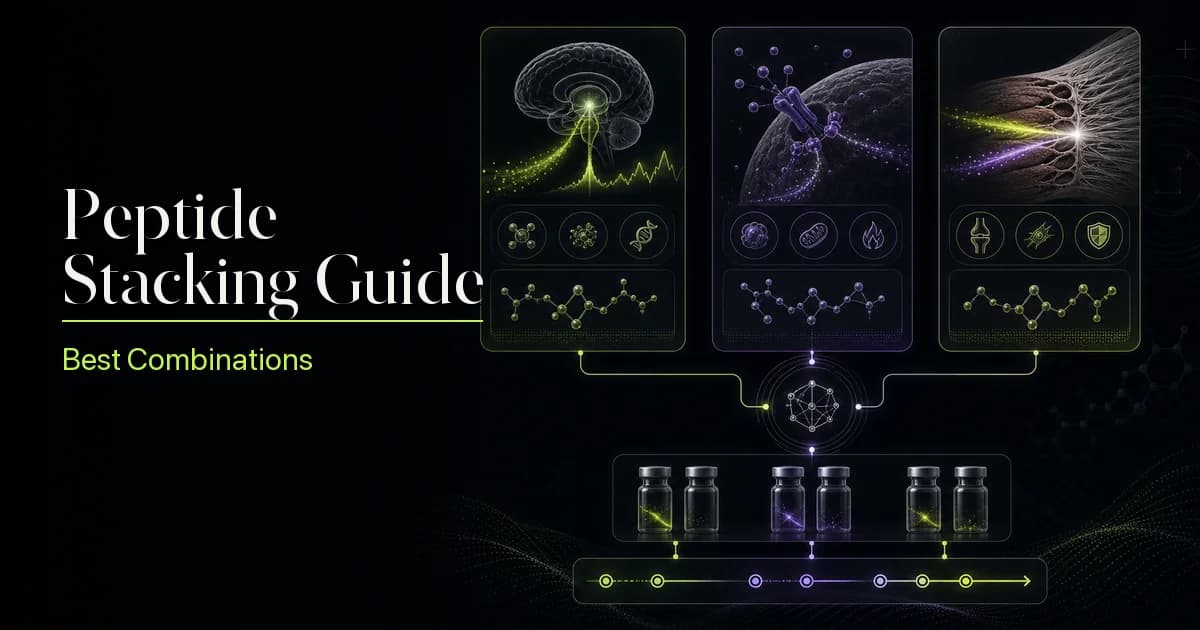
Peptide stacking—the practice of using multiple peptides simultaneously—has become increasingly popular among researchers and biohackers seeking to maximize results. When done correctly, combining peptides with complementary mechanisms can produce synergistic effects that exceed what any single peptide therapy might achieve alone. However, stacking requires careful planning, understanding of peptide interactions, and attention to safety protocols.
This guide covers everything you need to know about peptide stacking, from the science behind synergistic combinations to practical protocols for specific goals.
🔑 Key Takeaways
- Peptide stacking combines compounds with complementary mechanisms for enhanced effects
- Popular stacks target specific goals: muscle growth, fat loss, healing, or anti-aging
- Start with one peptide before adding others to identify individual responses
- Timing, dosing, and cycling are critical for safe and effective stacking
What Is Peptide Stacking?
Peptide stacking refers to the simultaneous use of two or more peptides to achieve complementary or synergistic effects. Unlike simply using multiple supplements, effective stacking requires understanding how different peptides work at the molecular level and selecting combinations where the mechanisms enhance rather than interfere with each other.
The concept parallels approaches used in pharmaceutical research, where combination therapies often outperform single-agent treatments. By targeting multiple pathways simultaneously, stacks can potentially achieve results that would be impossible with individual compounds.
Why Stack Peptides?
Researchers and practitioners stack peptides for several reasons:
- Enhanced efficacy: Targeting multiple pathways can amplify desired outcomes
- Broader coverage: Different peptides address different aspects of a goal (e.g., both GH release and IGF-1 signaling for growth)
- Reduced individual dosing: Synergistic combinations may allow lower doses of each component
- Complementary timing: Peptides with different half-lives can provide more sustained effects
- Addressing multiple goals: A single stack might support both muscle growth and fat loss simultaneously
Principles of Effective Stacking
Not all peptide combinations make sense. Effective stacking follows several key principles:
Complementary Mechanisms
Choose peptides that work through different pathways targeting the same outcome.
Balanced Timing
Align administration schedules with each peptide's half-life and peak activity.
Evidence-Based Combinations
Prioritize combinations with research support over theoretical pairings.
Growth Hormone Secretagogue Stacks
The most well-established stacking protocols involve growth hormone releasing peptides (GHRPs) combined with growth hormone releasing hormone (GHRH) analogs. This combination is considered foundational because the two peptide classes work through different mechanisms that amplify each other.
CJC-1295 + Ipamorelin (The "Classic Stack")
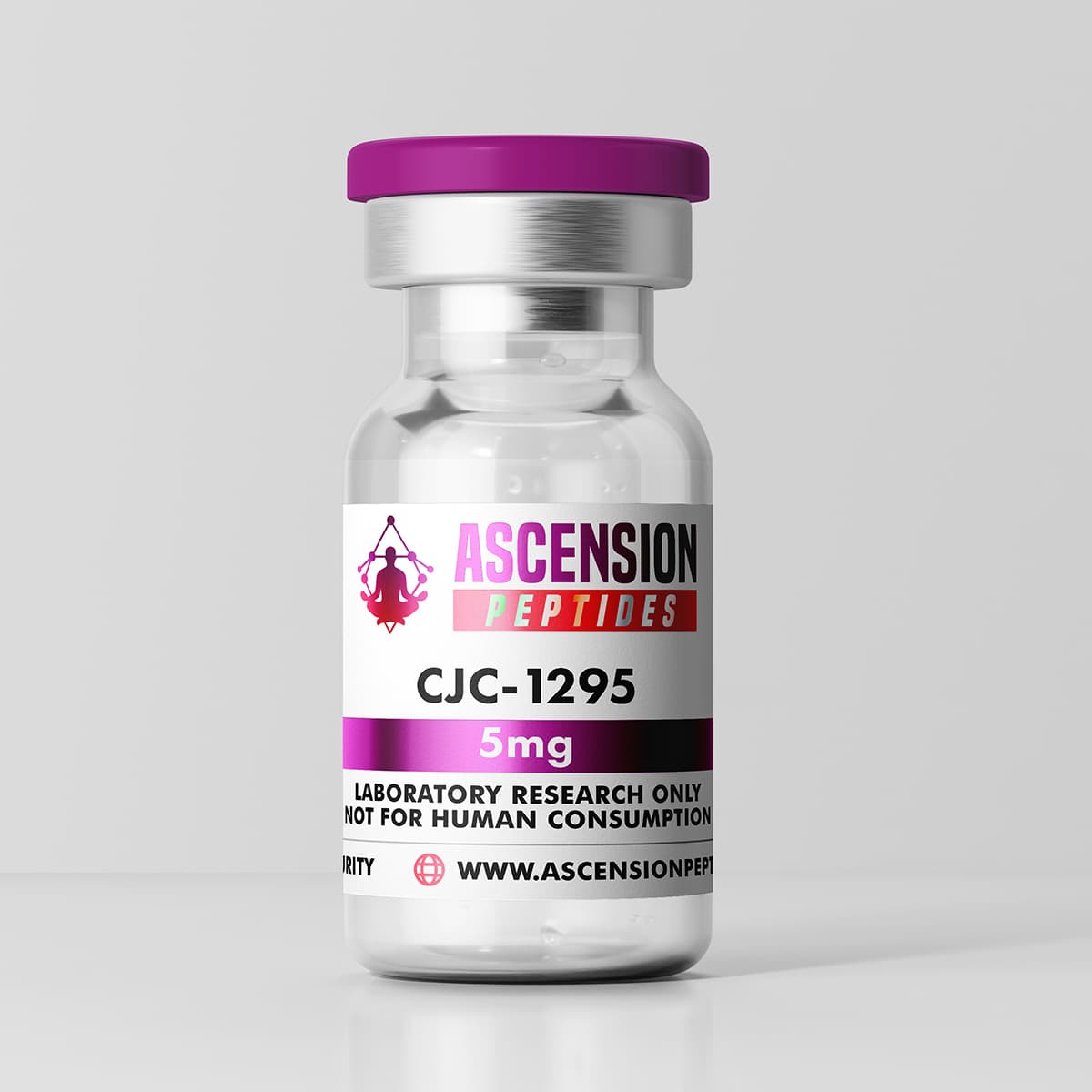
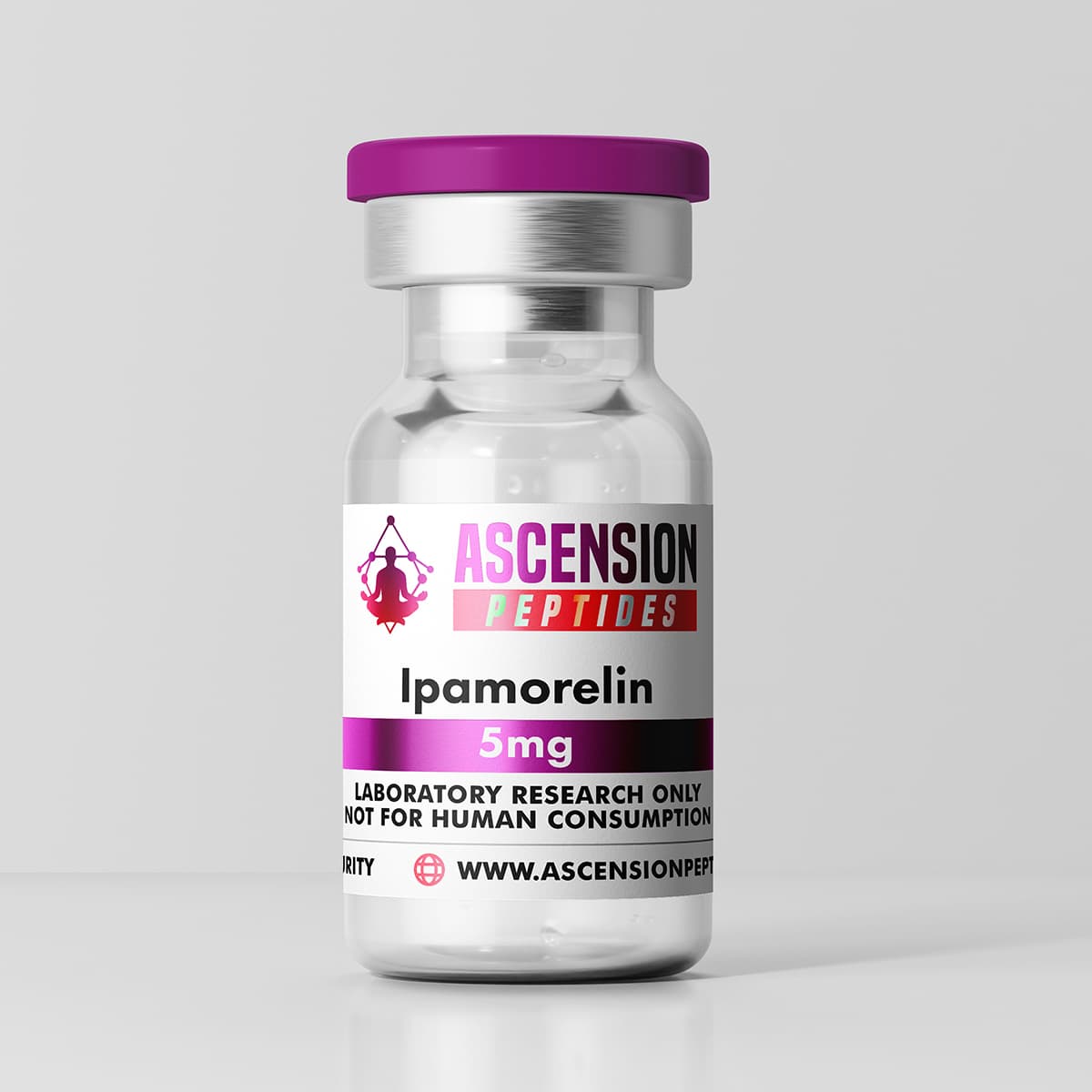
This pairing has become the most popular GH-boosting stack for good reason. CJC-1295 (a GHRH analog) stimulates the pituitary to release growth hormone, while Ipamorelin (a GHRP) amplifies this release through ghrelin receptor activation. Research shows this combination produces GH pulses significantly larger than either peptide alone. For an in-depth comparison, see our CJC-1295 vs Ipamorelin guide.
Pro Tip
Administer this stack on an empty stomach (2+ hours after eating) and avoid eating for 30-60 minutes afterward. Food—especially carbohydrates—can blunt GH release by raising insulin.
GHRP-2 + Modified GRF (1-29)
A more potent alternative to the CJC/Ipamorelin stack. GHRP-2 produces stronger GH release than Ipamorelin but may increase hunger and cortisol. Modified GRF (1-29), also called Mod GRF or CJC-1295 without DAC, provides the GHRH component with a shorter half-life requiring more frequent dosing.
Oral Alternative: MK-677
For those who prefer to avoid injections, MK-677 (Ibutamoren) is an oral growth hormone secretagogue that can be combined with injectable GHRH analogs like Sermorelin for a hybrid approach. Note that MK-677 is taken orally and has a 24-hour half-life, making timing simpler but side effects like hunger and water retention more persistent.
Healing and Recovery Stacks
For tissue repair, combining peptides that promote healing through different mechanisms can accelerate recovery from injuries. See our guide to healing peptides for more context.
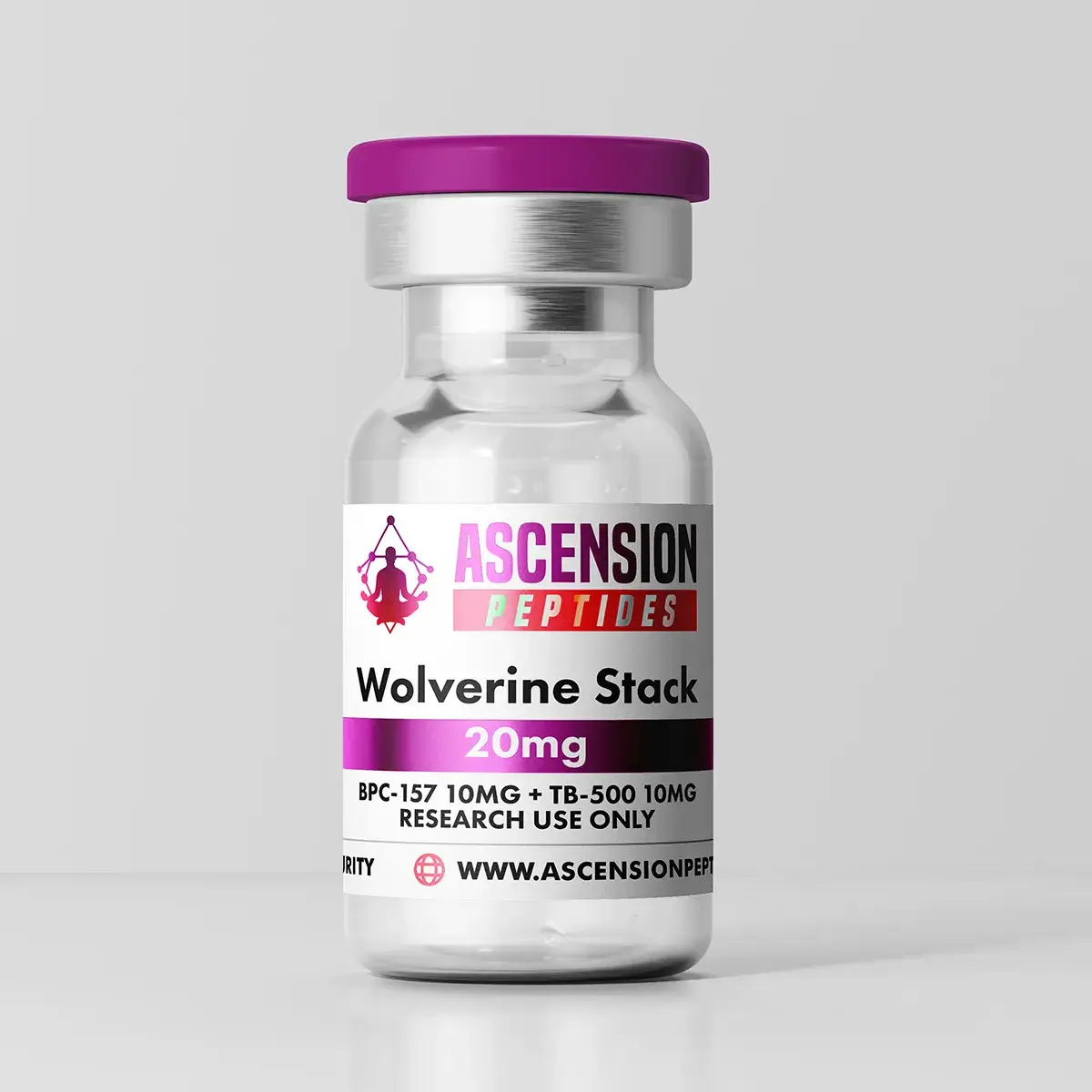
BPC-157 + TB-500
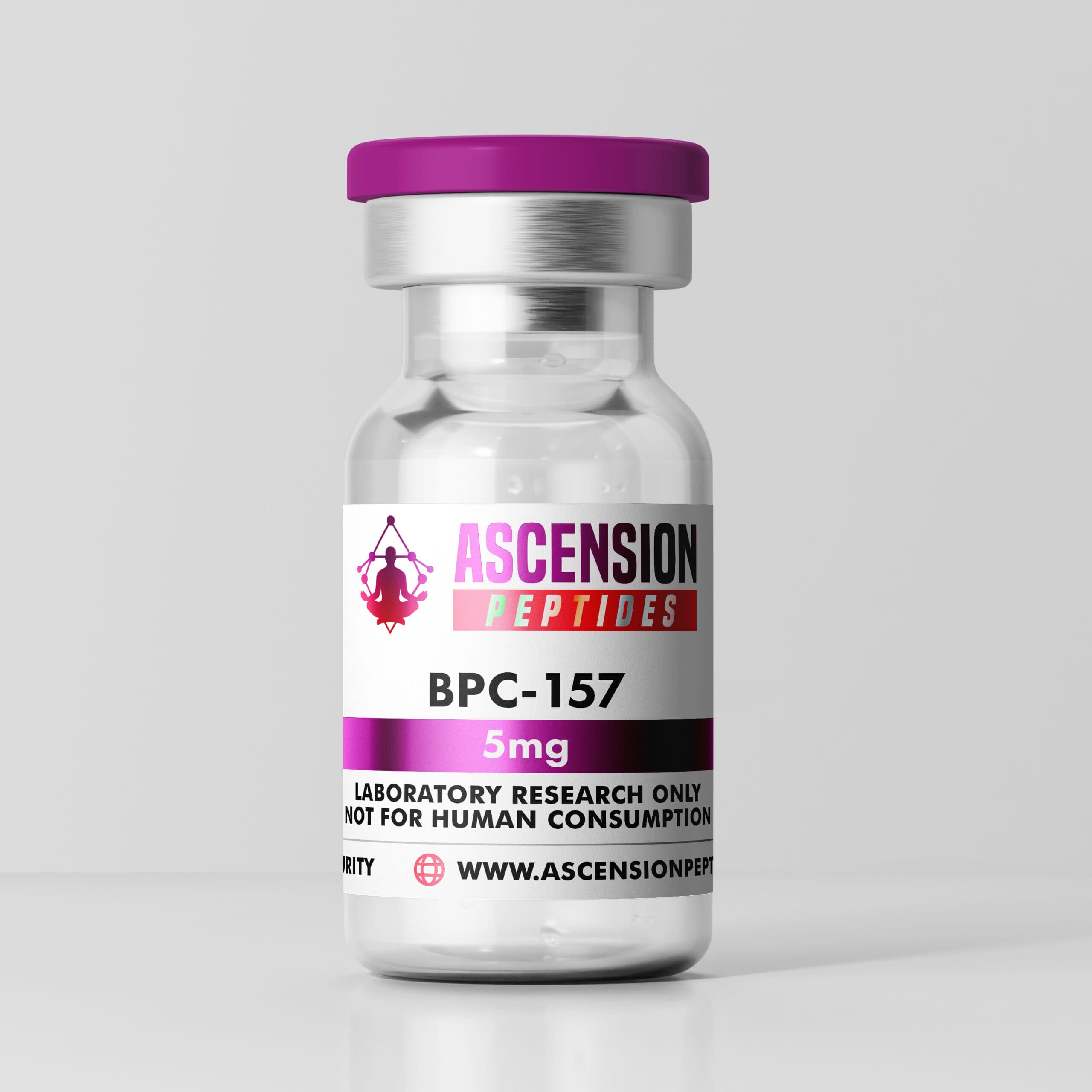
Perhaps the most popular healing stack, this combination targets tissue repair from multiple angles. BPC-157 works primarily through growth factor modulation and the nitric oxide system, while TB-500 (Thymosin Beta-4) promotes cell migration and actin regulation. Together, they address both the signaling and structural aspects of tissue repair. For a detailed comparison, read our BPC-157 vs TB-500 comparison.
Many practitioners administer BPC-157 locally near the injury site while using TB-500 systemically, though both peptides demonstrate systemic effects regardless of injection location.
BPC-157 + GHK-Cu
For wound healing and skin repair, this stack combines BPC-157's systemic healing properties with GHK-Cu's proven effects on collagen synthesis and skin regeneration. GHK-Cu (copper peptide) can be applied topically or injected, making this stack versatile for both internal and external healing applications.
Fat Loss Stacks
Effective fat loss stacks typically combine peptides that increase growth hormone (which promotes lipolysis) with those that have direct metabolic effects.
CJC-1295/Ipamorelin + Tesamorelin
Tesamorelin is FDA-approved for reducing visceral abdominal fat in HIV patients, making it one of the few peptides with human clinical trial data for fat loss. Combining it with a standard GH secretagogue stack amplifies the metabolic effects while targeting stubborn visceral fat specifically.
Fragment 176-191 + AOD-9604
Both of these peptides are fragments of the growth hormone molecule isolated for their fat-burning properties without the growth-promoting effects. Fragment 176-191 represents amino acids 176-191 of HGH, while AOD-9604 is a modified version with improved stability. This stack focuses purely on lipolysis without significantly affecting blood sugar or promoting tissue growth.
GLP-1 Agonist Combinations
For aggressive fat loss, some researchers combine GH secretagogue stacks with GLP-1 agonists like semaglutide. This addresses both metabolic rate (via GH) and appetite suppression (via GLP-1), though this combination requires careful monitoring due to the potent effects of both compound classes.
Anti-Aging and Longevity Stacks

Anti-aging protocols often combine peptides targeting different aspects of aging: hormone optimization, cellular repair, and inflammation reduction.
Epithalon + GH Secretagogue Stack
Epithalon (Epitalon) is a tetrapeptide that may activate telomerase, the enzyme that maintains telomere length. Combining it with a GH secretagogue stack addresses both cellular aging (telomeres) and hormonal decline associated with aging. Typical protocols use Epithalon in cycles (10-20 days on, extended periods off) alongside continuous GH peptide use.
BPC-157 + Thymosin Alpha-1
This stack combines systemic healing and cytoprotection (BPC-157) with immune system optimization (Thymosin Alpha-1). For aging individuals, maintaining both tissue integrity and immune function is crucial. Thymosin Alpha-1 has been studied extensively for immune modulation and shows particular promise for maintaining immune competence during aging.
How to Build a Stack
Whether you're new to peptides or experienced, following a systematic approach to building stacks reduces risk and improves outcomes. If you're just starting out, see our best peptides for beginners guide first.
Define Your Primary Goal
Identify your main objective: muscle growth, fat loss, healing, anti-aging, cognitive enhancement, etc. This determines which peptide categories to consider.
Start With One Peptide
Before stacking, use a single peptide for 2-4 weeks to understand your individual response, identify any side effects, and establish a baseline.
Add Complementary Compounds
Introduce additional peptides one at a time, waiting 1-2 weeks between additions. This allows you to identify the source of any new effects or side effects.
Optimize Timing and Dosing
Adjust administration schedules based on each peptide's half-life and your response. Some stacks work best administered together; others require separation.
Plan Your Cycle
Determine cycle length and whether you'll include breaks. Many peptides require cycling to maintain effectiveness and minimize potential receptor desensitization.
Timing Considerations
When to administer peptides—both time of day and in relation to each other—significantly impacts effectiveness.
GH Secretagogue Timing
- Before bed: The most common timing, aligning with natural GH release patterns during sleep
- Fasted state: Essential for maximum GH release; avoid food 2+ hours before and 30-60 minutes after
- Multiple daily doses: Some protocols use 2-3 daily administrations (morning, post-workout, before bed)
- Post-workout: Secondary dosing time that takes advantage of exercise-induced GH elevation
Healing Peptide Timing
- BPC-157: Can be dosed 1-2x daily; some prefer dosing near injury site
- TB-500: Longer half-life allows less frequent dosing (2x weekly during loading, 1x weekly maintenance)
- Together or separate: These can be administered together or at different times without issue
Cycling Strategies
Most peptide protocols benefit from cycling—periods of use followed by breaks. This prevents receptor desensitization and maintains long-term effectiveness.
Important Safety Guidelines
Stacking increases complexity and potential risks compared to single-peptide use. Follow these guidelines to minimize problems. Always use proper reconstitution technique to ensure peptide quality.
- Never stack more than 3-4 peptides simultaneously when starting out
- Introduce new compounds one at a time with 1-2 week intervals
- Keep detailed logs of dosing, timing, and any effects observed
- Source peptides from reputable suppliers with third-party testing
- Consult a healthcare provider, especially if you have pre-existing conditions
Potential Interactions to Avoid
While most peptide combinations are considered safe based on their mechanisms, some caution is warranted:
- Multiple GHRPs: Combining different GH releasing peptides (e.g., GHRP-2 + GHRP-6 + Ipamorelin) offers diminishing returns and may amplify side effects like hunger and cortisol elevation
- Insulin interaction: GH-elevating stacks affect blood glucose; use caution if diabetic or using insulin
- Blood pressure effects: Peptides affecting the NO system (like BPC-157) could theoretically interact with blood pressure medications
- Anticoagulants: Healing peptides that promote angiogenesis warrant caution in those on blood thinners
Signs to Reduce or Stop
Monitor for these warning signs that indicate you should reduce doses or discontinue use:
- Persistent water retention or unusual swelling
- Numbness or tingling in extremities (possible carpal tunnel)
- Significant blood sugar changes
- Unusual fatigue or lethargy
- Joint pain (can indicate excessive GH)
- Any severe or unexpected reaction