Interest in BPC 157 and TB 500 has exploded among lifters, athletes and biohackers who want faster recovery, better joint comfort and even easier fat loss. These peptides sound advanced and promising, but the science and regulations around them are often misunderstood. This guide explains what BPC 157 and TB 500 are, how they compare, where the research currently stands and the key safety and legal issues to consider before you go any further.
What are BPC 157 and TB 500
BPC 157 and TB 500 are laboratory made peptides being studied for their potential roles in tissue repair and recovery. Online they are widely promoted for muscle building, injury healing and performance, yet both remain research compounds rather than approved medications for everyday use.
BPC 157 in simple terms
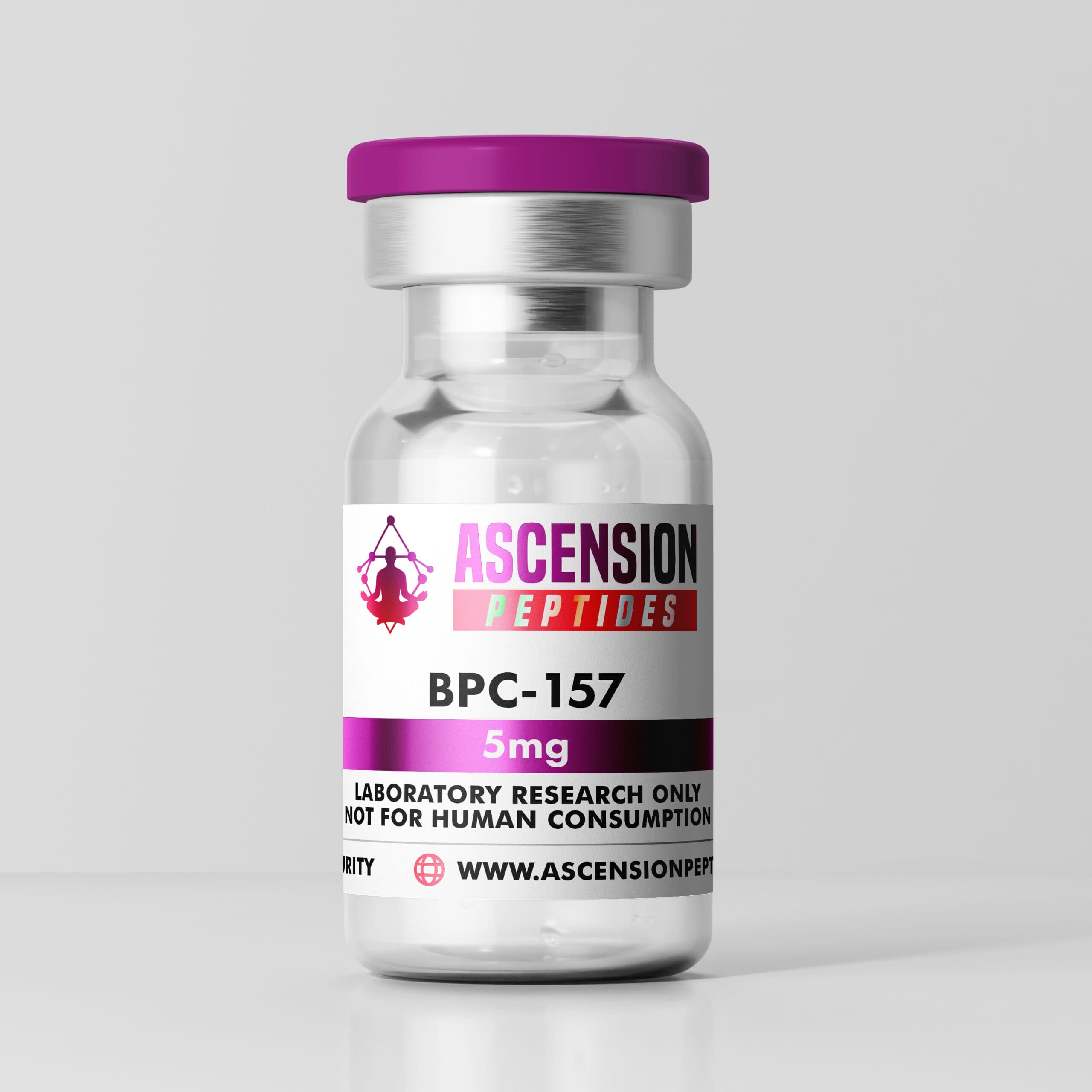
BPC 157, short for Body Protection Compound 157, is a chain of 15 amino acids originally isolated from a protective protein in gastric juice. In animal studies it has been explored for tendon and ligament healing, gut protection, nerve repair and cardiovascular support.
Many of the bold claims you see online come from rodent research where BPC 157 appeared to speed healing of damaged tendons, ligaments and gut tissue and to support blood vessel formation in injured areas. Human data are still very limited and there are no large clinical trials in athletes or active people showing consistent benefits.
TB 500 in simple terms
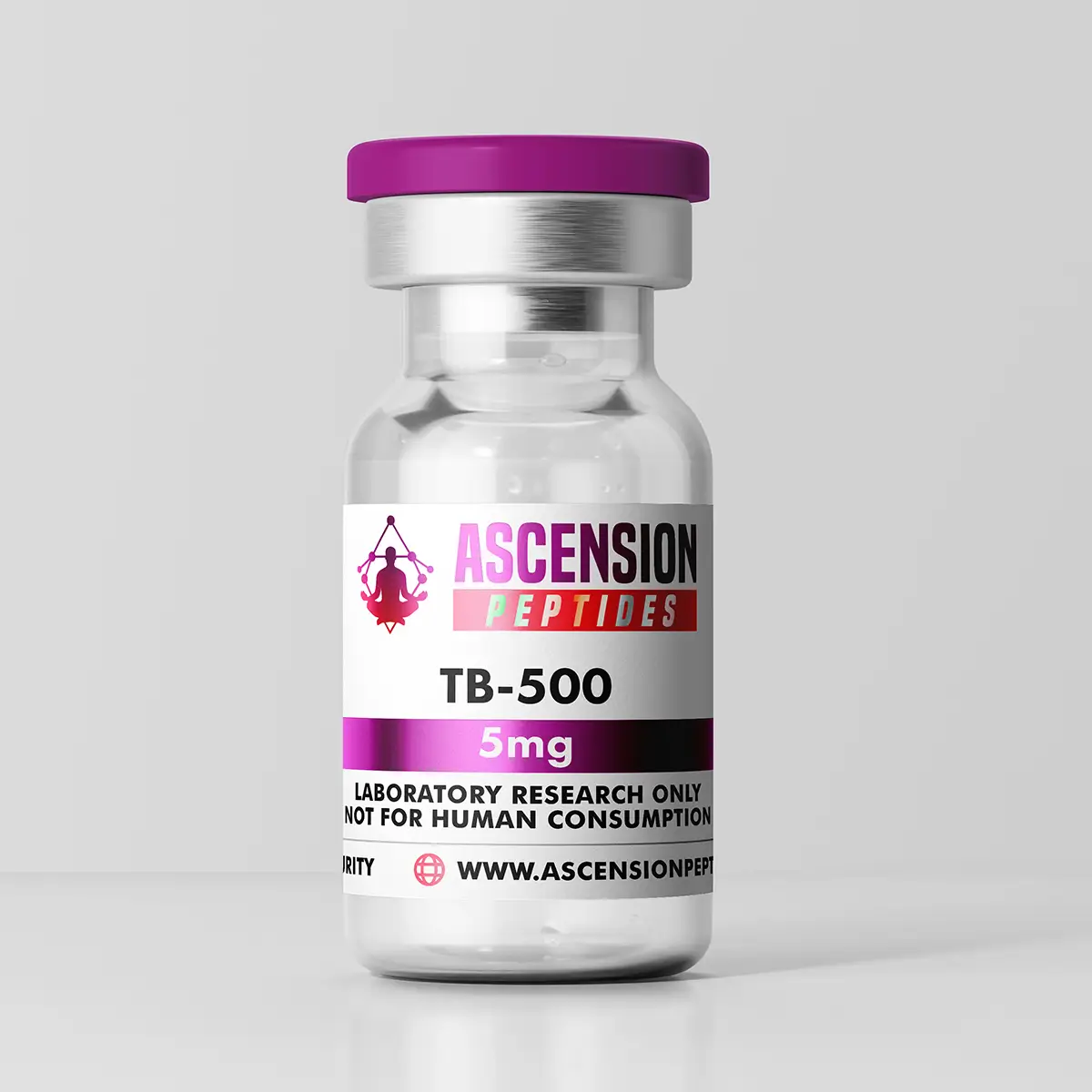
TB 500 is a synthetic fragment of a naturally occurring protein called thymosin beta 4, found throughout the body in blood, wound fluid, tears and many tissues. In research settings it has been investigated for enhancing cell migration, influencing the actin skeleton inside cells and supporting new blood vessel growth in damaged areas.
Because thymosin beta 4 is widespread in the body, TB 500 is often described as having more systemic effects than BPC 157. Animal studies have explored its role in muscle repair and wound healing in skin and organs, with limited but growing human data.
Regulatory status and why that matters
Both BPC 157 and TB 500 are unapproved for routine medical use in many countries. In the United States, for example, they are not approved by the Food and Drug Administration as prescription drugs and are commonly sold online as research chemicals with labels that state they are not for human use.
Major sports organizations, including the World Anti Doping Agency, list BPC 157 and thymosin beta 4 related products among prohibited substances, so tested athletes risk sanctions if they use them.
Recently, mainstream media and public health experts have raised concerns about the boom in injectable peptides driven by influencers and celebrities. Reports highlight that products like BPC 157 and TB 500 often lack standardization, may be contaminated and are being promoted without strong human evidence for safety or effectiveness.
How BPC 157 and TB 500 appear to work
Most of what we know about how BPC 157 and TB 500 work comes from cell and animal experiments rather than large human studies. The mechanisms below are best viewed as scientific possibilities, not guarantees of how these peptides behave in a real world user.
Shared themes in the science
Across many papers, both peptides are associated with three big themes
- Enhanced tissue repair and remodeling, especially in soft tissues such as tendon, ligament, muscle and skin
- Stimulation of new blood vessel growth in injured areas, a process called angiogenesis
- Modulation of inflammatory pathways that may tilt the balance toward controlled healing rather than chronic irritation
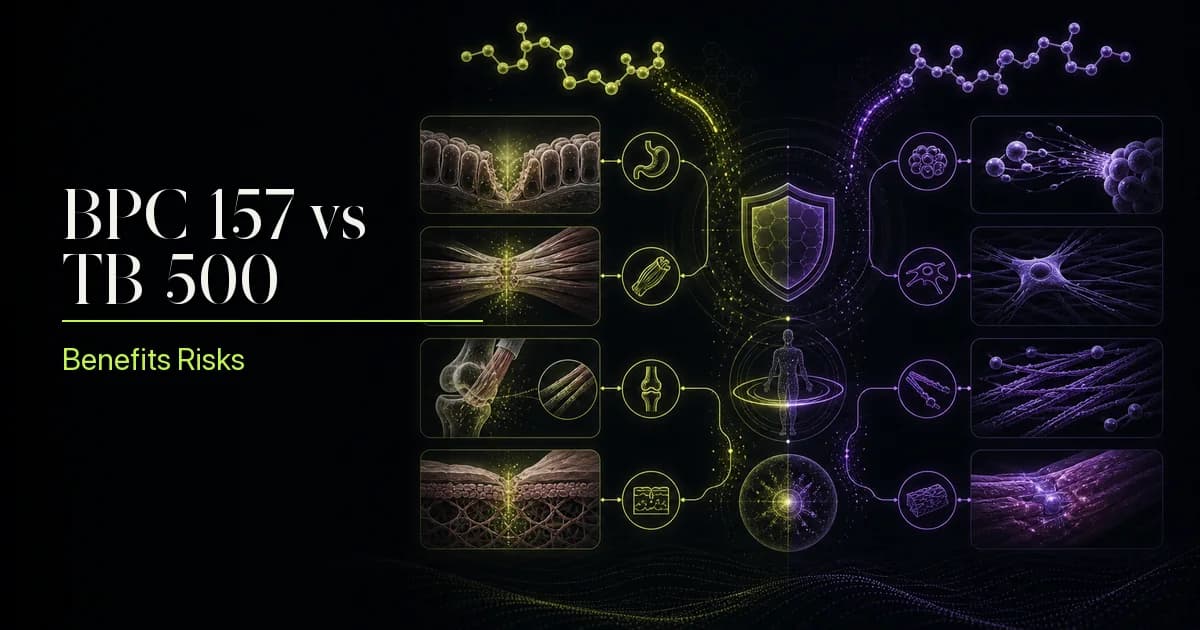
These shared themes explain why many brands group BPC 157 and TB 500 together or even offer blended products for recovery research.
BPC 157 mechanisms explored in research
Preclinical studies suggest that BPC 157 may influence several pathways involved in repair
- Supporting tendon and ligament healing by promoting fibroblast growth and improving the organization of collagen fibers
- Activating signaling routes such as the FAK paxillin pathway, which can help cells stick, move and survive under stress
- Upregulating receptors for growth hormone in some models, which might enhance how local tissues respond to the body’s own growth factors
- Providing protection to the gut lining and countering some damage from non steroidal anti inflammatory drugs in animal experiments
These findings are promising, but they mainly come from rodent and in vitro research. There is not yet robust evidence that the same detailed effects occur when people use BPC 157 outside controlled trials.
TB 500 mechanisms explored in research
For TB 500 and its parent molecule thymosin beta 4, research tends to focus on slightly different but overlapping pathways
- Enhancing cell migration by interacting with actin, the structural protein that helps cells move to sites of injury
- Influencing ATP synthase and related signaling in blood vessel cells, which can play a role in angiogenesis and response to tissue damage
- Supporting the formation of new blood vessels and tissue remodeling in skin, heart and eye models
This profile has led many commentators to describe TB 500 as more systemic in its action, potentially affecting multiple tissues at once rather than staying focused on a small local area. Again, this picture is based mainly on animal data and early trial work.
Side by side comparison
While there is overlap, BPC 157 and TB 500 are not identical. The table below summarizes key differences frequently discussed in the scientific and peptide industry literature.
Potential benefits being studied for BPC 157 and TB 500
Marketing for these peptides often promises dramatic injury recovery, muscle gain and fat loss. The actual research picture is more limited. Below is a realistic look at where the evidence is stronger versus where it is mostly theory and anecdote.
Soft tissue and joint recovery
The strongest body of animal work for BPC 157 and TB 500 sits in the domain of tissue repair. Rodent studies show faster or more complete healing of transected tendons, ligaments and muscle injuries when these peptides are used compared with control groups. Repair tissue sometimes appears mechanically stronger or better organized under the microscope.
For active people, this is what drives interest in BPC 157 around a damaged tendon or ligament and TB 500 for more general muscle or soft tissue recovery. However, there are not yet large controlled human trials proving that the same impressive effects translate to real world rehab timelines or long term joint health.
Gut protection and systemic health
BPC 157 stands out for its gut focused research. In several rodent models it protected the stomach and intestines from chemical injury, helped heal ulcers and appeared to counter some negative effects of certain pain killers on the digestive tract.
TB 500, in contrast, shows up more often in discussions of heart, lung and eye models, where it may influence tissue remodeling and blood vessel growth. Some commentators therefore position BPC 157 as the go to research peptide for gastrointestinal protection and TB 500 as broader support for systemic repair.
Muscle building and training performance
Many gym goers hear about BPC 157 and TB 500 through the lens of muscle gain and performance. It is important to be clear that there is little direct evidence that either peptide causes large increases in muscle mass or strength in otherwise healthy, uninjured humans.
Where they may have indirect effects is by shortening time away from training after an injury, supporting joint comfort so that heavy lifts feel more manageable and helping athletes tolerate higher volumes of work. Even these benefits are not firmly proven in trials, so claims of dramatic physique transformation should be treated as anecdotal rather than guaranteed outcomes.
Fat loss and body composition
Despite being mentioned in the same conversations as fat loss peptides, BPC 157 and TB 500 are not classic metabolic drugs. They are not in the same category as GLP 1 medications that directly alter appetite and blood sugar. Any impact on body composition is likely secondary to better movement, higher training output and potentially lower pain, which might make it easier to stick with a calorie appropriate nutrition plan and exercise program.
BPC 157 vs TB 500 for different goals
When you look at how supplement companies and clinics talk about these peptides, a few patterns emerge. Below is a goal based way to think through the comparison, always keeping in mind that the evidence is still preliminary.
Local tendon or ligament trouble
If most of your issues are concentrated in a specific tendon, ligament or joint, BPC 157 is often positioned as the more targeted option because many of the animal studies used local delivery near the injured structure. Reports from peptide focused sites and clinics tend to emphasize its role in connective tissue recovery.
Widespread soreness and general wear and tear
TB 500, by contrast, is often described as a systemic recovery aid, designed to circulate more broadly and influence cell migration and repair in multiple sites at once. This is why online communities sometimes frame it as better suited for athletes with many small nagging issues across the body rather than one localized problem.
Gut issues alongside joint problems
For people who struggle with both digestive discomfort and chronic joint or tendon problems, marketing material sometimes highlights BPC 157 as a two for one research tool because of its gut focused data. TB 500 does not have the same level of published work in gastrointestinal models.
Using BPC 157 and TB 500 together
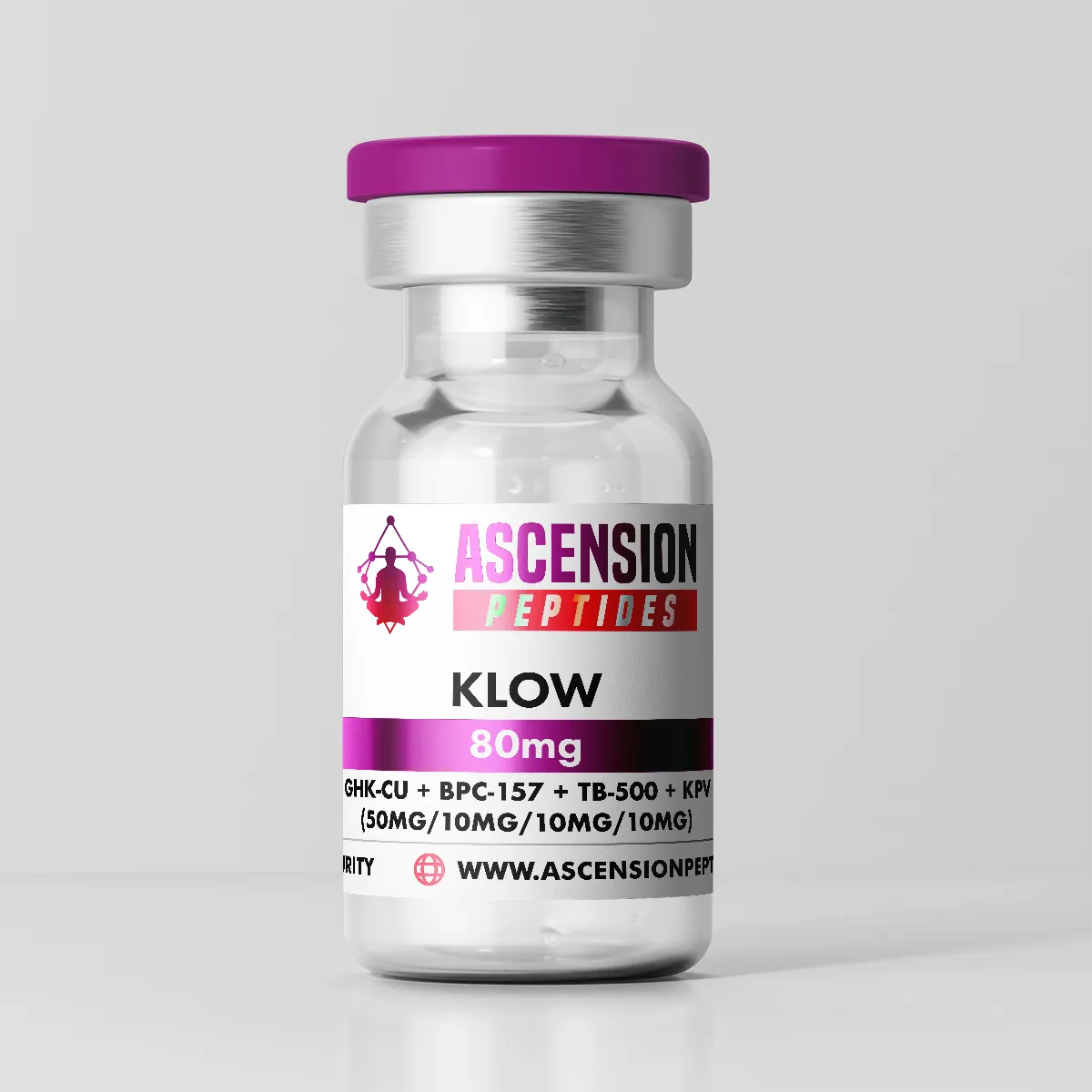
Some clinics and blogs promote combining BPC 157 and TB 500, sometimes under names like Wolverine stack, with the idea that BPC 157 handles targeted repair while TB 500 supports broader cell migration and systemic healing.
In theory, pairing a more local peptide with a more systemic one could offer complementary support. In practice, however, there are no large trials proving that the combination is superior to either peptide alone, nor do we have robust safety data for long term stacked use. Media coverage has also raised questions about the safety of peptide stacking in general, especially when people use multiple unregulated compounds at once without medical supervision.
Safety, side effects and quality concerns
Because BPC 157 and TB 500 are not approved pharmaceuticals for general use, there is no standardized patient information leaflet listing clear side effect rates. What we know comes from small studies, case reports and user reports from clinics or online forums.
Possible side effects mentioned in the literature
- Injection site reactions such as redness, itching, swelling or pain
- Headache, fatigue or flu like feelings in some users
- Digestive changes, particularly with oral formats of BPC 157
- Changes in blood markers related to inflammation, clotting or organ function in some experimental settings
There is also a theoretical concern that strongly pro healing, pro angiogenic compounds could, in some contexts, influence the growth of unwanted tissues such as latent tumors, although this has not been clearly demonstrated in humans for BPC 157 or TB 500.
Unregulated products and contamination risk
When peptides are sold as research chemicals rather than regulated medicines, quality can vary a lot between suppliers. Independent testing has occasionally found vials with incorrect dosing, impurities or even completely different substances from what the label claimed.
This matters because even if the underlying molecule has a reasonable safety profile in early research, contamination or mislabeling can introduce new risks. It is one reason many physicians urge caution with online peptides and prefer that any experimental use happen within formal clinical trials or under the care of an experienced specialist.
Legal and sporting implications
For recreational users, the legal status of peptides can be confusing. In many places, selling BPC 157 or TB 500 as a drug for human use is not allowed, which is why companies label them as research only. Possessing them for personal use can fall into a gray area that depends on local law.
For tested athletes, the picture is clearer. Anti doping rules treat BPC 157, thymosin beta 4 derived products and many related peptides as banned. A positive test can lead to suspension, loss of results and damage to a sporting career, even if the athlete believed they were using a benign supplement.
How to think about BPC 157 and TB 500 if your goals are muscle and fat loss
If you are drawn to BPC 157 and TB 500 because of promises of faster muscle gain and easier cutting phases, it helps to zoom out and look at the big picture.
Start with proven foundations
The core drivers of muscle growth and fat loss remain consistent and well supported by research
- Progressive resistance training that challenges muscles over time
- A diet that provides enough protein and appropriate total calories for your goal
- Regular movement and cardiovascular exercise
- Adequate sleep and stress management
Peptides cannot replace these foundations. At best, if future human research confirms benefits, compounds such as BPC 157 and TB 500 might play a supporting role in keeping joints and tissues healthy enough to train hard.
Key takeaways on BPC 157 and TB 500
BPC 157 and TB 500 sit in a fascinating but uncertain space between cutting edge regenerative science and real world performance hype. Both show interesting effects in animal and cell research, particularly around soft tissue healing, angiogenesis and modulation of inflammation. BPC 157 seems more focused on tendon, ligament and gut models, while TB 500 appears more systemic, tied closely to thymosin beta 4 and cell migration.
At the same time, they are unapproved, unregulated for general human use and banned in tested sport. The quality of products on the market can vary widely, and long term safety data in healthy, active people are lacking.
If you are curious about these peptides because you want to train harder, recover better and improve body composition, think of BPC 157 and TB 500 as topics for cautious research and informed discussion with a knowledgeable professional, not as magic injections that replace smart training, nutrition and recovery habits. Staying grounded in evidence while keeping an eye on emerging science will help you navigate the peptide world with more confidence and less risk.