sciencePeptideDeck
PeptidesBlogAbout
search
Database Access
Home/Blog/Guides/Peptides vs SARMs: Key Differences, Safety, and Which to Choose
Guides

Peptides vs SARMs: Key Differences, Safety, and Which to Choose

Understand the fundamental differences between peptides and SARMs, including mechanisms of action, safety profiles, legal status, and which might be appropriate for your research goals.

February 12, 2026
12 min read
Peptides vs SARMs: Key Differences, Safety, and Which to Choose

If you're researching performance-enhancing compounds, you've likely encountered both peptides and SARMs (Selective Androgen Receptor Modulators). While both categories attract interest from researchers studying muscle growth, fat loss, and recovery, they work through completely different mechanisms and carry distinct risk profiles.

This guide breaks down the key differences between peptides and SARMs, examining their mechanisms of action, safety considerations, legal status, and appropriate applications in research contexts.

🔑 Key Takeaways

  • Peptides are short chains of amino acids that work through diverse mechanisms including hormone signaling and tissue repair
  • SARMs selectively target androgen receptors, mimicking testosterone's effects on muscle and bone
  • Peptides generally show better safety profiles in research, while SARMs carry hormonal suppression risks
  • Both remain largely unregulated for human use, with different legal classifications
Understanding the Basics

What Are Peptides?

Peptides are short chains of amino acids—typically between 2 and 50 amino acids in length—linked by peptide bonds. They're essentially small proteins that serve as signaling molecules in the body, instructing cells to perform specific functions.

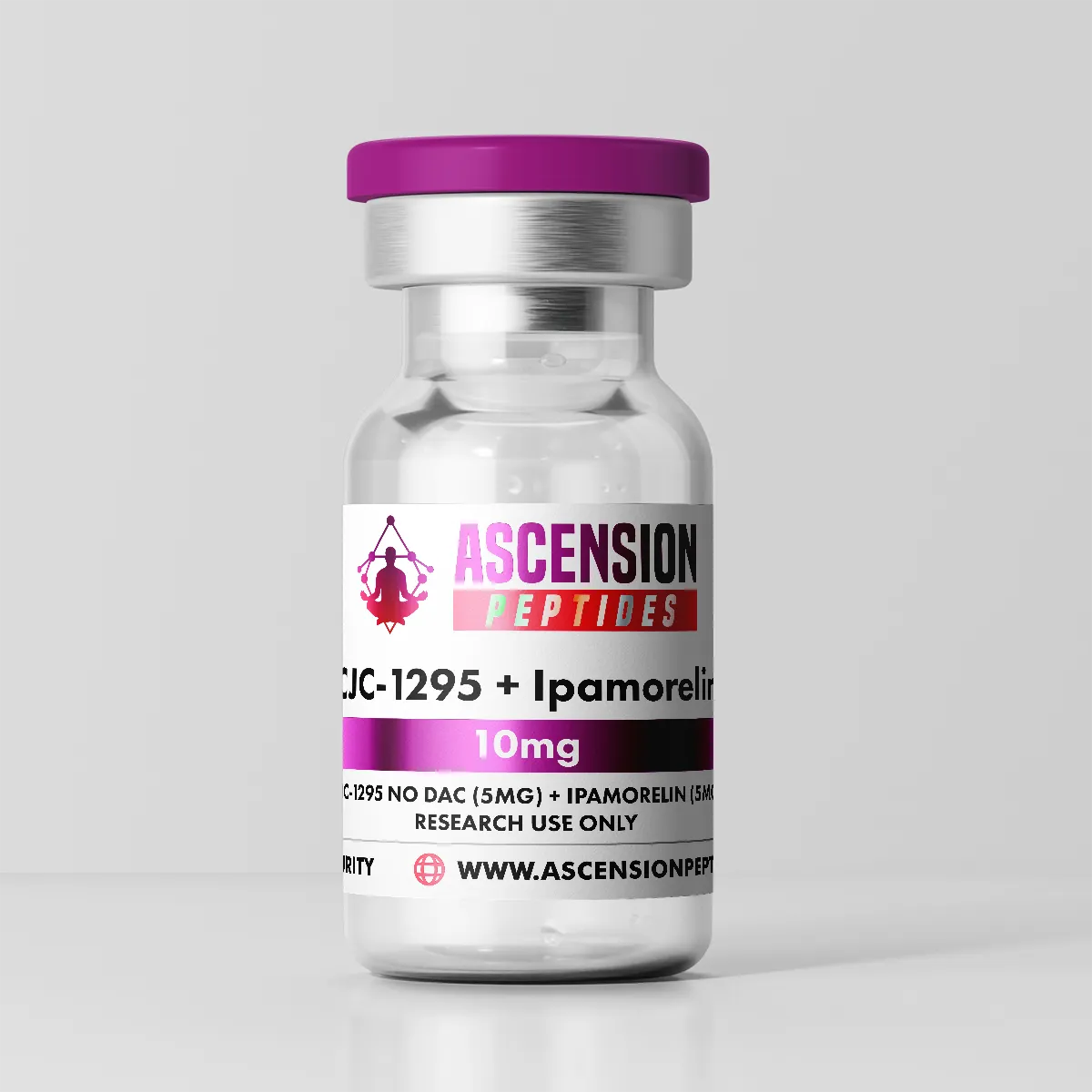
The peptide category is remarkably diverse. Some peptides stimulate growth hormone release (Ipamorelin, CJC-1295), others promote tissue healing (BPC-157, TB-500), and still others target fat metabolism (AOD-9604) or cognitive function (Semax, Selank).

ℹ️ Info: Your body naturally produces thousands of peptides that regulate everything from appetite to sleep to immune function. Research peptides are synthetic versions designed to enhance specific biological processes.

Explore Premium Research Peptides

Discover high-quality peptides from our trusted research partner.

Apollo Peptides

What Are SARMs?

SARMs (Selective Androgen Receptor Modulators) are synthetic compounds designed to selectively bind to androgen receptors in muscle and bone tissue. Unlike anabolic steroids that affect androgen receptors throughout the body, SARMs were developed to provide tissue-selective anabolic effects.

Common SARMs include Ostarine (MK-2866), Ligandrol (LGD-4033), RAD-140, and Andarine (S4). They were originally developed as potential treatments for conditions like muscle wasting, osteoporosis, and hypogonadism.

⚠️ Warning: No SARMs have received FDA approval for human use. Many SARM products sold online contain contaminants, incorrect dosages, or entirely different compounds than labeled.
How They Work

Mechanism of Action: Peptides

Peptides work through remarkably diverse mechanisms depending on their structure:

🧬

Receptor Activation

Many peptides bind to specific cell surface receptors, triggering intracellular signaling cascades. Growth hormone secretagogues like Ipamorelin bind to ghrelin receptors in the pituitary.

🔄

Hormone Modulation

Peptides can stimulate or regulate hormone release without replacing hormones directly. CJC-1295 amplifies natural GH pulses rather than providing exogenous hormone.

🩹

Tissue Repair

Healing peptides like BPC-157 work through growth factor modulation, nitric oxide pathways, and cell migration—not hormone manipulation.

Critically, most research peptides don't suppress the body's natural hormone production. They work with existing biological systems rather than overriding them.

Mechanism of Action: SARMs

SARMs work through a single primary mechanism: binding to androgen receptors. When a SARM binds to these receptors in muscle tissue, it triggers protein synthesis pathways similar to testosterone—promoting muscle growth and strength gains.

The "selective" aspect refers to SARMs' preferential binding in muscle and bone versus prostate, skin, or other androgen-sensitive tissues. However, this selectivity is relative, not absolute. Research shows SARMs still affect the hypothalamic-pituitary-gonadal (HPG) axis, suppressing natural testosterone production.

📝 Note: Even "selective" SARMs suppress testosterone. Studies show Ostarine at just 3mg daily reduced testosterone levels by 43% over 12 weeks. Higher doses and longer durations cause more significant suppression.
Safety Comparison

Peptide Safety Profile

Research peptides generally demonstrate favorable safety profiles in preclinical studies:

  • No hormonal suppression: Most peptides don't suppress testosterone or other endogenous hormones
  • Targeted action: Each peptide has a specific biological target, reducing off-target effects
  • Short half-lives: Many peptides clear quickly, limiting accumulation
  • Natural analogues: Many research peptides are based on compounds the body already produces

That said, peptides aren't without risks. Growth hormone secretagogues can affect insulin sensitivity and cause water retention. Some peptides affect blood pressure or have other systemic effects. Quality control from research chemical suppliers varies significantly.

SARM Safety Concerns

SARMs carry more documented safety concerns:

  • Testosterone suppression: All SARMs suppress natural testosterone production to varying degrees
  • Liver toxicity: Some SARMs show hepatotoxic effects in studies
  • Lipid disruption: Research shows SARMs can lower HDL cholesterol significantly
  • Unknown long-term effects: No long-term safety data exists in humans
  • Product contamination: Studies find many SARM products contain unlisted compounds
⚠️ Warning: A 2017 JAMA study analyzed 44 SARM products sold online. Only 52% actually contained SARMs. 25% contained substances not listed on the label. 9% contained no active compound at all.

Side-by-Side Safety Comparison

Safety FactorPeptidesSARMs
Testosterone SuppressionGenerally noneYes (dose-dependent)
PCT RequiredTypically noOften yes
Liver StressMinimalPossible (compound-dependent)
Lipid ImpactMinimalCan lower HDL significantly
Product Quality IssuesVariableHighly variable/contamination common
Long-term DataLimited but some approved peptide drugs existNone for SARMs specifically
Legal Status

Peptide Legal Status

Peptide legal status varies by compound and jurisdiction:

  • Research peptides: Legal to purchase for research purposes in most countries
  • Prescription peptides: Some peptides (semaglutide, tesamorelin) are FDA-approved medications
  • Sports: Many peptides are banned by WADA and athletic organizations
  • FDA stance: Unapproved peptides cannot be marketed for human consumption

SARM Legal Status

Explore Premium Research Peptides

Discover high-quality peptides from our trusted research partner.

Apollo Peptides

SARMs occupy a legally ambiguous position:

  • Not FDA approved: No SARM is approved for human use in the United States
  • Not scheduled (yet): SARMs aren't currently scheduled substances in most countries
  • The SARMs Control Act: Proposed U.S. legislation would classify SARMs similarly to anabolic steroids
  • Sports: All SARMs are banned by WADA, NCAA, and most athletic organizations
ℹ️ Info: The FDA has issued multiple warning letters to companies marketing SARMs for bodybuilding. Selling SARMs for human consumption violates federal law, though enforcement primarily targets sellers rather than buyers.
Use Cases Comparison

When Researchers Choose Peptides

Peptides are typically chosen for research into:

đź’¤

Sleep & Recovery

Growth hormone secretagogues like Ipamorelin and CJC-1295 enhance deep sleep and recovery without hormonal suppression.

🩹

Injury Healing

BPC-157 and TB-500 research focuses on tendon, ligament, muscle, and gut tissue repair mechanisms.

đź§ 

Cognitive Function

Nootropic peptides like Semax and Selank target BDNF, stress response, and neuroprotection.

⚖️

Body Composition

GLP-1 agonists (semaglutide, tirzepatide) and fat-loss peptides offer non-androgenic approaches.

When Researchers Choose SARMs

SARMs research typically focuses on:

  • Muscle wasting conditions: SARMs were developed for cachexia and sarcopenia research
  • Osteoporosis: Bone-selective anabolic effects without prostate stimulation
  • Androgen replacement alternatives: For those seeking testosterone-like effects with (theoretically) fewer side effects

However, for most research goals, peptides offer comparable or superior outcomes with better safety profiles. The main advantage of SARMs—direct androgen receptor activation—comes with the corresponding disadvantage of HPG axis suppression.

Practical Considerations

Administration Differences

FactorPeptidesSARMs
RouteUsually subcutaneous injectionOral (liquid or capsule)
ReconstitutionRequired (lyophilized powder)Not required
StorageRefrigeration requiredRoom temperature stable
Half-lifeMinutes to hoursHours to days
Dosing Frequency1-3x daily typicallyOnce daily typically

SARMs' oral administration is often cited as an advantage. However, this also contributes to their hepatic stress, as oral compounds must pass through the liver. Peptide injection, while requiring more preparation, avoids first-pass metabolism and associated liver burden.

Cost Comparison

Cost varies significantly by compound, but generally:

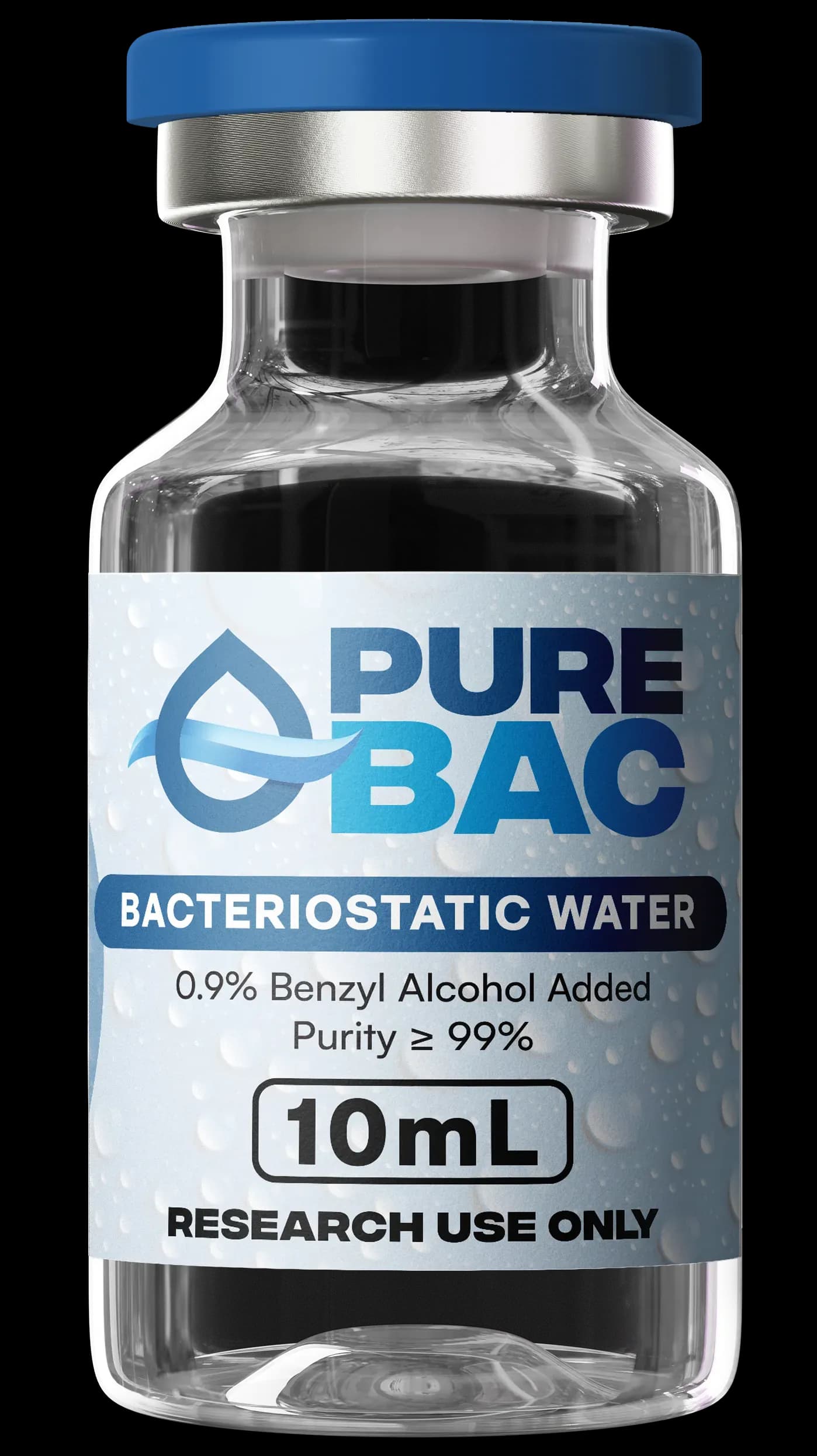
  • Peptides: Higher upfront cost for quality peptides, plus supplies (bacteriostatic water, syringes)
  • SARMs: Lower apparent cost, but quality concerns mean effective doses may require more product

The real cost consideration is risk-adjusted. Given the contamination issues documented in SARM products, the apparent cost savings may not reflect actual value or safety.

Making the Choice

Peptides vs SARMs: Summary Table

CategoryPeptidesSARMs
MechanismDiverse (receptor activation, hormone modulation, tissue repair)Androgen receptor binding
Hormonal ImpactGenerally noneSuppresses testosterone
Primary ApplicationsHealing, GH enhancement, cognition, fat lossMuscle/bone anabolism
Safety ProfileGenerally favorableConcerning (suppression, liver, lipids)
Product QualityVariable but better regulatedPoor (frequent contamination)
AdministrationInjection (usually)Oral
Legal StatusResearch legal, some approved drugsGray area, no approvals

Pro Tip

For most research goals—whether recovery, body composition, or performance—peptides offer effective mechanisms without the hormonal disruption of SARMs. Reserve SARM research for contexts where direct androgen receptor activation is specifically required.

Frequently Asked Questions

Can you stack peptides and SARMs together?
While some researchers combine peptides and SARMs, this introduces additional complexity and risk. If the goal is maximizing anabolic effects, stacking growth hormone secretagogues with SARMs is sometimes explored. However, this still carries the hormonal suppression risks of SARMs. A peptide-only approach using GH secretagogues, healing peptides, and fat-loss peptides can address most goals without SARM-related risks.
Do peptides require PCT (post-cycle therapy)?
Most research peptides don't require PCT because they don't suppress testosterone production. Growth hormone secretagogues like Ipamorelin and CJC-1295 enhance GH without affecting the HPG axis. Healing peptides like BPC-157 work through entirely non-hormonal mechanisms. However, some peptides that directly affect hormone levels (like certain gonadotropin analogs) may require consideration. SARMs, by contrast, typically do require PCT to help restore natural testosterone production.
Are SARMs safer than steroids?
SARMs were designed to be safer than traditional anabolic steroids by providing tissue-selective effects. In theory, they should affect muscle and bone while sparing prostate, skin, and other tissues. In practice, selectivity is partial, not absolute. SARMs still suppress testosterone, affect lipids, and may stress the liver. They're arguably less harsh than strong androgens, but "safer than steroids" doesn't mean safe. Peptides offer genuinely different mechanisms that avoid these concerns entirely.
Which is better for muscle growth: peptides or SARMs?
For pure muscle hypertrophy, SARMs provide more direct anabolic stimulation through androgen receptor activation. However, this comes with testosterone suppression and other risks. Peptides approach muscle growth differently—GH secretagogues enhance recovery and protein synthesis indirectly, while healing peptides support the muscle repair process. The "better" choice depends on whether you prioritize maximum anabolic effect (SARMs, with risks) or sustainable enhancement with better safety (peptides). Many find peptide approaches produce meaningful gains without compromising hormonal health.
How do I know if a peptide or SARM product is legitimate?
For peptides, look for suppliers that provide third-party testing certificates showing purity (typically 98%+ by HPLC) and mass spectrometry confirmation. Reputable peptide suppliers often serve research institutions and maintain quality standards. For SARMs, the verification challenge is more severe—studies show widespread contamination and mislabeling. If using SARMs, independent testing of specific product batches through a laboratory is the only way to verify contents, though this is expensive and impractical for most researchers.
Are peptides legal to buy?
Research peptides are legal to purchase in most countries for research purposes. They cannot legally be sold for human consumption or marketed with medical claims. Some peptides (like semaglutide, tesamorelin) are FDA-approved prescription medications, legal with a prescription. For athletic competition, many peptides are banned by WADA and sports organizations regardless of legal status. Always verify current regulations in your jurisdiction, as laws evolve.
Can women use peptides and SARMs?
Peptides are generally suitable for female researchers since most don't affect androgen pathways. Women frequently research GH secretagogues, healing peptides, and fat-loss peptides without masculinizing effects. SARMs, however, bind to androgen receptors and can cause virilizing effects in women—voice deepening, hair growth, and other androgenic changes. Even "mild" SARMs like Ostarine carry this risk at effective doses. For female researchers, peptides offer a safer research category with comparable benefits for most goals.
How long can you use peptides vs SARMs?
Many peptides can be used long-term or continuously, as they don't create the same suppression and recovery concerns as SARMs. GH secretagogues are often run for extended periods with appropriate cycling. Healing peptides are typically used until research goals are achieved. SARMs generally require cycling—typically 8-12 weeks—followed by PCT and time off to allow hormonal recovery. Extended SARM use compounds suppression and increases other risks.
Medical Disclaimer: This content is for informational purposes only and does not constitute medical advice. Peptides and SARMs discussed here are research compounds not approved for human use unless specifically noted. Always consult a qualified healthcare provider before considering any new compounds. Neither peptides nor SARMs should be used without appropriate medical supervision.

Explore Premium Research Peptides

Discover high-quality peptides from our trusted research partner.

Apollo Peptides

Related Topics

peptides vs sarmssarms comparisonpeptide safetybeginner guideresearch compounds

Table of Contents15 sections

What Are Peptides?What Are SARMs?Mechanism of Action: PeptidesMechanism of Action: SARMsPeptide Safety ProfileSARM Safety ConcernsSide-by-Side Safety ComparisonPeptide Legal StatusSARM Legal StatusWhen Researchers Choose PeptidesWhen Researchers Choose SARMsAdministration DifferencesCost ComparisonPeptides vs SARMs: Summary TableFrequently Asked Questions

Related Articles

Peptides for Tendon and Ligament Repair: What the Research Shows
14 min read
Understanding Peptide Purity: HPLC, Mass Spec & Quality Testing Explained
12 min read
Peptide Side Effects: What to Expect (Complete Guide)
12 min read

More Articles

View All
Peptides for Tendon and Ligament Repair: What the Research Shows

Peptides for Tendon and Ligament Repair: What the Research Shows

Feb 1214 min read
Understanding Peptide Purity: HPLC, Mass Spec & Quality Testing Explained

Understanding Peptide Purity: HPLC, Mass Spec & Quality Testing Explained

Feb 1212 min read
Peptide Side Effects: What to Expect (Complete Guide)

Peptide Side Effects: What to Expect (Complete Guide)

Feb 1212 min read
Back to Blog
sciencePeptideDeck

© 2026 PeptideDeck. Research Purposes Only. Not for human consumption.