Whether you're exploring growth hormone secretagogues, healing peptides, or weight loss compounds, understanding potential peptide side effects is crucial for informed decision-making. This guide covers side effects by compound — including BPC-157, semaglutide, ipamorelin, sermorelin, TB-500, and more — explaining what to expect and how to minimize adverse reactions.
🔑 Key Takeaways
- Most peptide side effects are mild, dose-dependent, and temporary
- Injection site reactions are the most common across all peptide categories
- Side effects vary significantly between peptide classes (GH secretagogues vs. healing vs. melanotropic)
- Proper reconstitution, storage, and administration techniques minimize adverse reactions
- Starting with low doses and titrating slowly reduces side effect frequency
Why Peptides Cause Side Effects
Peptides are chains of amino acids that act as signaling molecules in the body. Unlike small-molecule drugs that often affect multiple systems indiscriminately, peptides typically bind to specific receptors—which should theoretically reduce off-target effects. However, side effects still occur for several reasons:
- Supraphysiological dosing: Research doses often exceed what the body produces naturally
- Timing disruption: Exogenous peptides may not match the body's natural rhythms
- Receptor cross-reactivity: Some peptides bind to related receptor subtypes
- Individual variation: Genetics, age, and health status affect response
- Product quality: Impurities or degradation products can cause additional reactions
Universal Side Effects (All Peptide Categories)
Certain side effects occur regardless of which peptide you're researching. These are typically related to the administration method rather than the specific compound.
Injection Site Reactions
The most common side effect across all injectable peptides. Symptoms include:
- Redness at the injection site
- Mild swelling or raised area
- Temporary itching or burning sensation
- Small bruises (especially if hitting blood vessels)
- Temporary numbness
Pro Tip: Minimizing Injection Site Reactions
Rotate injection sites systematically, allow alcohol to dry completely before injecting, bring peptides to room temperature before administration, and inject slowly (10-15 seconds for each injection). Using proper subcutaneous injection technique dramatically reduces local reactions.
Flu-Like Symptoms
Particularly common during the first 1-2 weeks of use or when increasing doses. May include:
- Mild fatigue or lethargy
- Low-grade headache
- Body aches
- Mild nausea
These typically resolve as the body adapts and rarely require discontinuation.
Growth Hormone Secretagogues (GHS)
This category includes Ipamorelin, CJC-1295, GHRP-2, GHRP-6, and MK-677. These peptides stimulate growth hormone release, which explains their characteristic side effect profile.
Common GHS Side Effects
GHRP-Specific Side Effects
GHRP-2 and especially GHRP-6 are known for pronounced hunger stimulation due to ghrelin receptor activation. They may also cause:
- Intense hunger within 15-30 minutes of injection
- Mild cortisol elevation (more pronounced with GHRP-6)
- Possible prolactin increase at higher doses
Ipamorelin is often considered the "cleanest" GH secretagogue because it doesn't significantly affect cortisol or prolactin levels and causes minimal hunger stimulation.
MK-677 (Ibutamoren) Specific Concerns
As an oral compound with a 24-hour half-life, MK-677 produces more sustained effects than injectable peptides:
- More pronounced water retention
- Persistent increased appetite
- Potential for prolonged blood glucose elevation
- Lethargy, especially in the first few weeks
tb-500">Healing Peptides (BPC-157, TB-500)
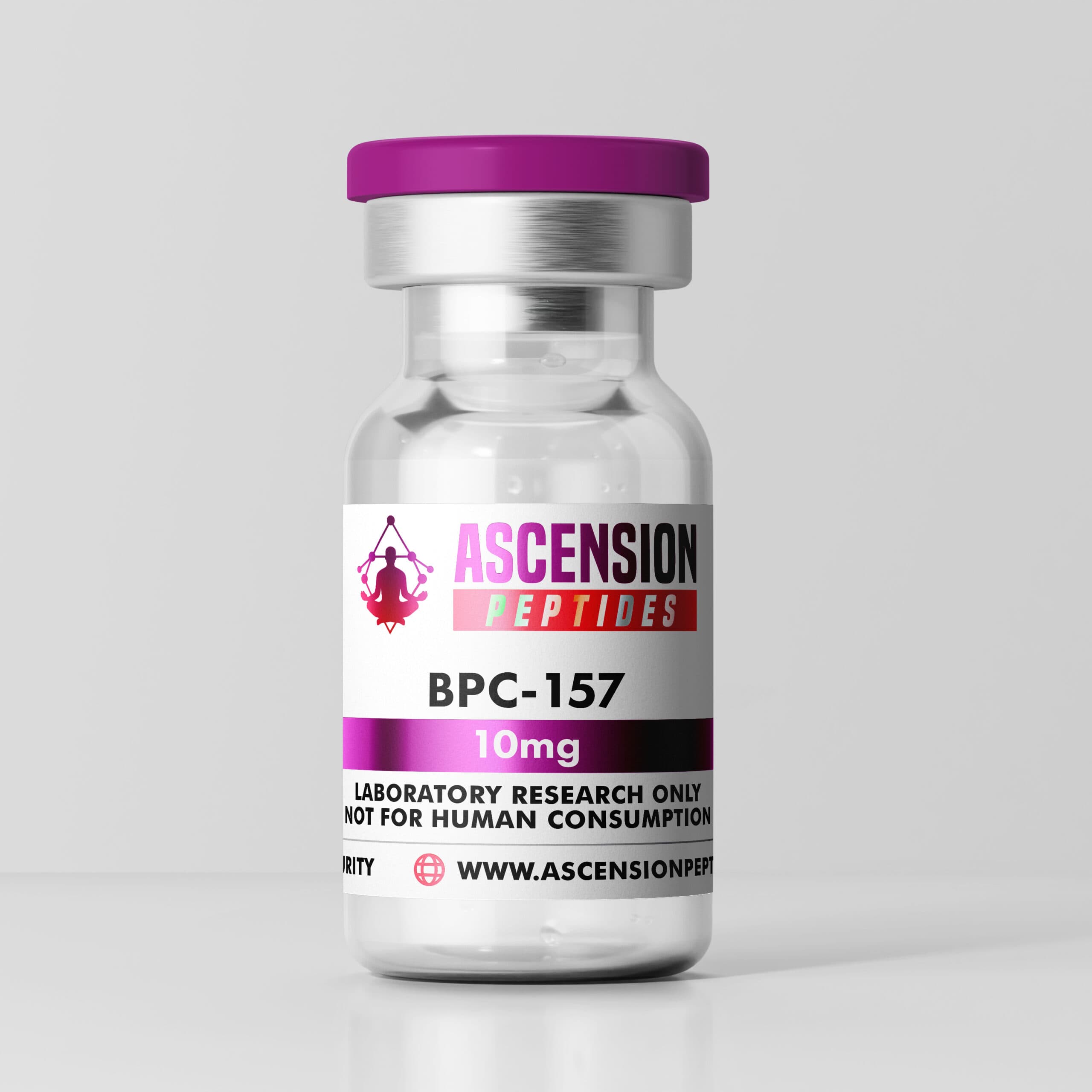
BPC-157 and TB-500 (Thymosin Beta-4) are primarily researched for tissue repair. These peptides are generally considered to have favorable side effect profiles in animal studies.
BPC-157 Side Effects
Remarkably, BPC-157 research has shown minimal adverse effects across hundreds of animal studies:
- Most commonly reported: Mild nausea (especially with oral administration)
- Occasional: Headache, dizziness, fatigue
- Rare: Changes in blood pressure (theorized due to NO system modulation)
TB-500 Side Effects
TB-500 (Thymosin Beta-4) appears similarly well-tolerated in research:
- Temporary lethargy after injection
- Head rush or lightheadedness
- Mild flu-like symptoms during initial use
tirzepatide">GLP-1 Agonists (Semaglutide, Tirzepatide)
These peptides have the most established side effect profiles thanks to extensive clinical trials and FDA approval. Semaglutide and tirzepatide share characteristic gastrointestinal effects.
Common GLP-1 Side Effects
Nausea
Most common (30-50%), typically during dose escalation. Usually improves over 4-8 weeks.
Diarrhea/Constipation
GI changes affect ~20-30% of users. Often alternating between both. Fiber and hydration help.
Fatigue
Reduced caloric intake can cause initial fatigue. Usually resolves as body adapts.
Less Common but Important
- Gastroparesis (delayed gastric emptying): Can cause persistent nausea, bloating, reflux
- Gallbladder issues: Increased risk of gallstones with rapid weight loss
- Pancreatitis: Rare but serious—seek immediate care for severe abdominal pain
- Muscle loss: Can occur without adequate protein intake and resistance training
sermorelin-side-effects">Sermorelin Side Effects
Sermorelin is a synthetic analog of growth hormone-releasing hormone (GHRH) used clinically for growth hormone deficiency and, increasingly, in anti-aging and peptide therapy protocols. Understanding sermorelin peptide side effects is important because sermorelin is one of the most commonly prescribed GHRH peptides in clinical settings.
Common Sermorelin Side Effects
Sermorelin peptide side effects are generally considered mild and well-tolerated compared to direct recombinant human growth hormone (HGH) administration. The pulsatile, physiological pattern of GH release that sermorelin induces tends to produce fewer side effects than supraphysiological exogenous GH — particularly reduced risk of insulin resistance, fluid retention, and acromegaly-type effects.
Sermorelin Administered Before Bed
Sermorelin is typically injected before sleep to align with the body's natural nocturnal GH pulse. Most users who report sermorelin side effects notice them in the hours immediately after injection (which occur during sleep), and find they have minimal impact. Vivid dreams are occasionally reported — this is considered benign and related to the timing of GH release during sleep stages.
pt-141">Tanning & Libido Peptides (Melanotan II, PT-141)
These melanocortin receptor agonists have distinct side effect profiles due to their activation of multiple MC receptor subtypes.
Melanotan II Side Effects
- Facial flushing: Very common immediately after injection
- Nausea: Common, especially at higher doses or without food
- Spontaneous erections: Can occur in males during loading phase
- Mole darkening: Existing moles may darken—requires monitoring
- Appetite suppression: Often significant during initial use
- Fatigue/yawning: Common within an hour of injection
bremelanotide-side-effects">PT-141 (Bremelanotide) Side Effects
PT-141 is FDA-approved (as Vyleesi) for hypoactive sexual desire disorder in women, providing good safety data:
- Nausea (40% in trials, usually mild)
- Flushing (20%)
- Headache
- Transient blood pressure elevation (typically 6-10 mmHg, lasting 2-6 hours)
- Injection site reactions
semax-selank">Cognitive Peptides (Semax, Selank)
Semax and Selank are typically administered intranasally and have favorable safety profiles based on clinical use in Russia and Ukraine.
Semax Side Effects
- Nasal irritation or dryness
- Headache (uncommon)
- Mild hair loss at very high doses (rare, reversible)
- Increased anxiety in susceptible individuals (paradoxical)
Selank Side Effects
Selank is generally well-tolerated with minimal side effects:
- Mild fatigue or sedation (especially at higher doses)
- Nasal irritation
- Rare allergic reactions in sensitive individuals
Practical Strategies for Minimizing Adverse Effects
Start Low, Go Slow
Begin with the lowest research dose and increase gradually over weeks, not days. This allows receptor adaptation and reduces intensity of initial side effects.
Optimize Administration Technique
Follow proper reconstitution procedures and injection protocols. Poor technique causes unnecessary injection site reactions and can affect peptide efficacy.
Ensure Product Quality
Source peptides from reputable suppliers with third-party testing. Impurities, degradation, and bacterial contamination cause side effects unrelated to the peptide itself.
Time Administration Appropriately
Taking GH peptides before bed aligns with natural GH release patterns. GLP-1 agonists with food reduce nausea. Melanotan with food minimizes nausea.
Stay Hydrated and Nourished
Many side effects (headaches, fatigue, nausea) worsen with dehydration or caloric restriction. Maintain adequate hydration and nutrition during peptide research.
When to Seek Medical Attention
While most peptide side effects are mild and self-limiting, certain symptoms require immediate medical evaluation:
- Severe abdominal pain (potential pancreatitis)
- Signs of allergic reaction (difficulty breathing, swelling, severe rash)
- Chest pain or irregular heartbeat
- Signs of infection at injection site (spreading redness, warmth, pus, fever)
- Severe or persistent vomiting
- Vision changes
- Rapid or significant mood changes
Frequently Asked Questions
Conclusion
Understanding potential side effects is essential for anyone researching peptides. The good news: most peptide side effects are mild, dose-dependent, and temporary. The challenging reality: long-term safety data is limited for most research compounds, and individual responses vary significantly.
Key principles for minimizing adverse effects include starting with low doses, using proper administration techniques, sourcing quality products, and being patient during the adaptation period. Most importantly, maintain realistic expectations—no compound is without potential drawbacks, and the risk-benefit calculation is highly individual.
For those new to peptides, beginning with compounds that have extensive research backing and favorable safety profiles—like Ipamorelin among GH secretagogues or BPC-157 among healing peptides—allows for a gentler introduction while learning how your body responds to these compounds.