
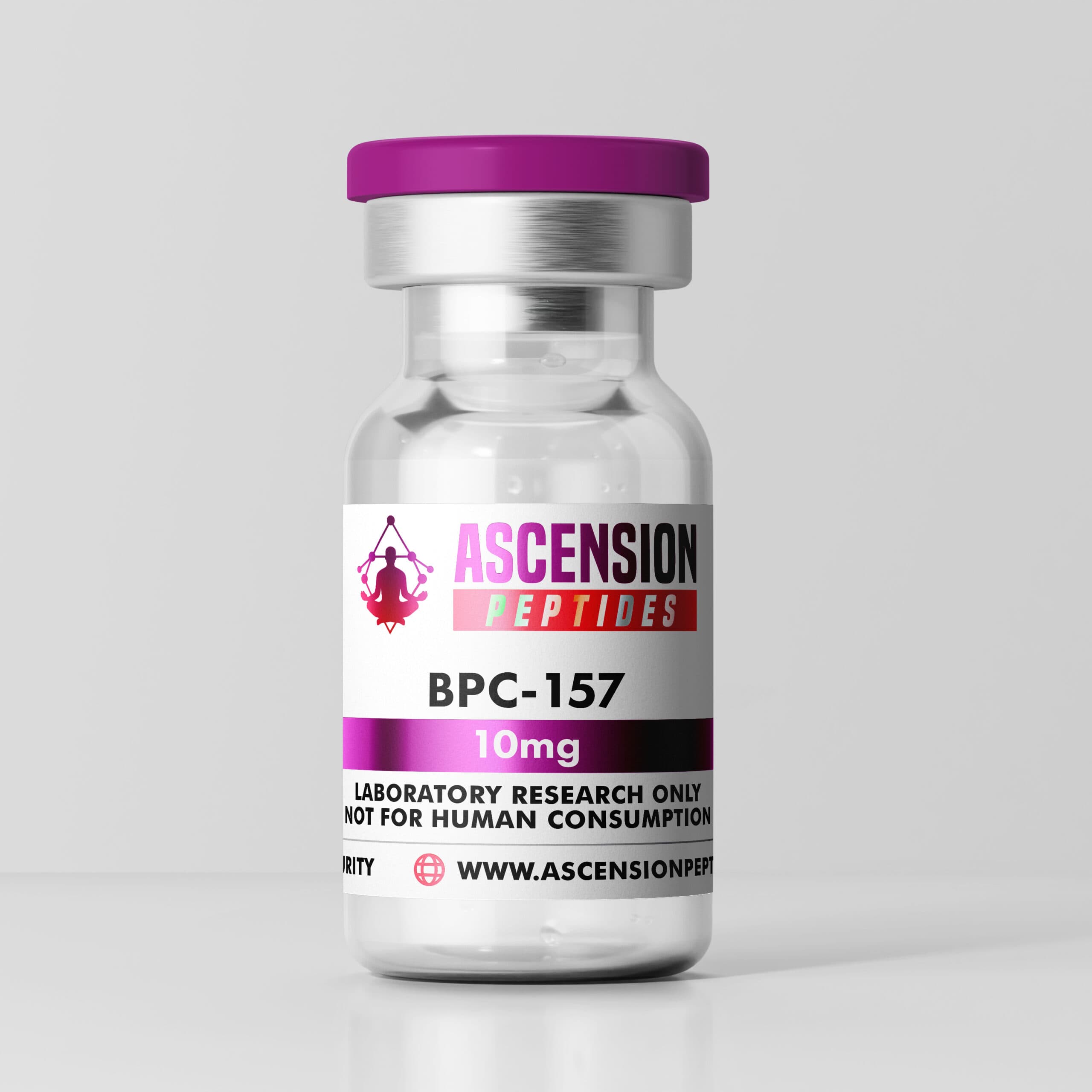
Your peptide arrives as a white powder in a sealed vial. You can't inject powder. Reconstitution is the step that turns it into something usable, and doing it wrong wastes the peptide before you ever get started.
🔑 Key Takeaways
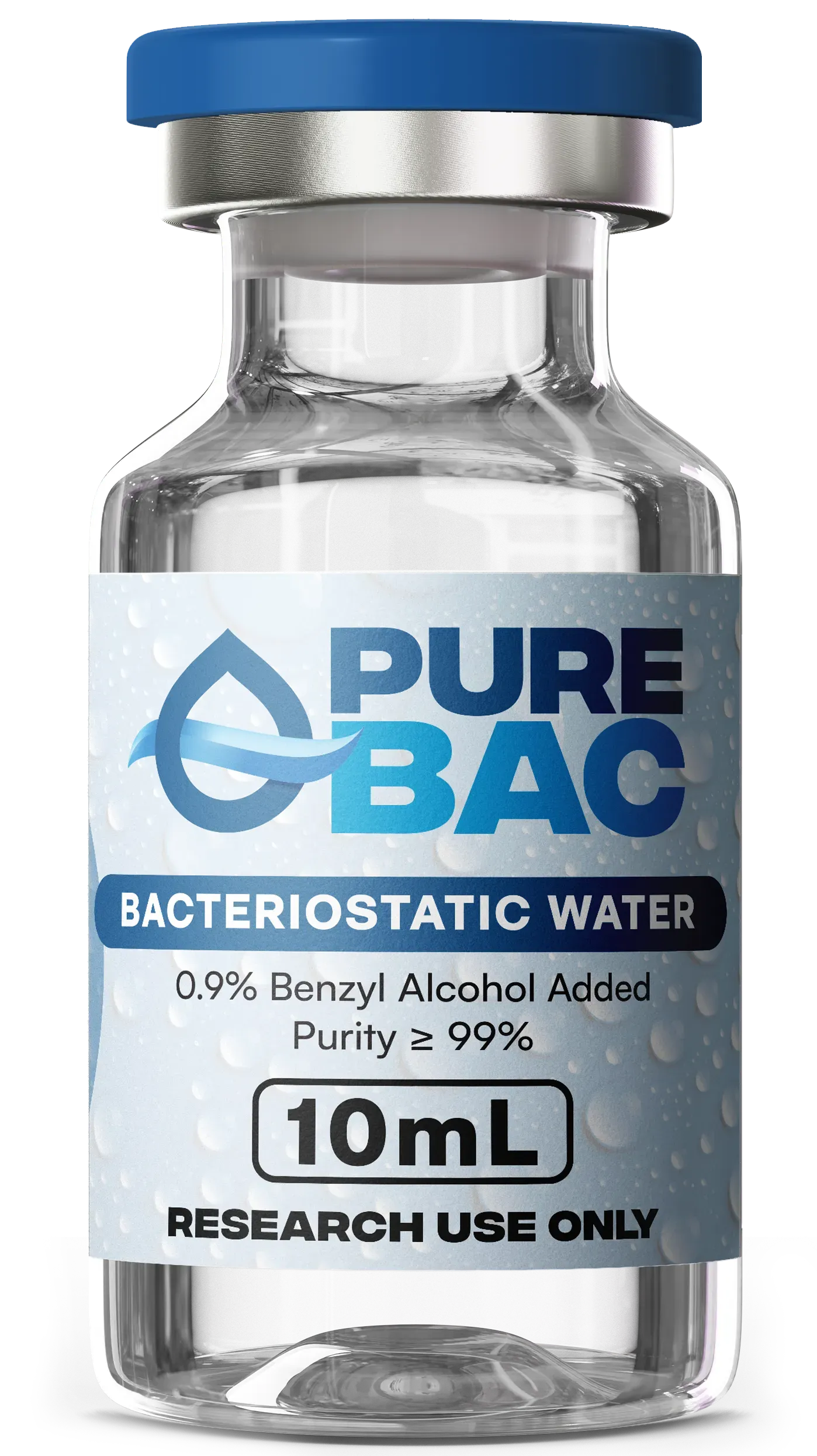
- Use bacteriostatic water (BAC water), not sterile water or tap water, BAC water contains 0.9% benzyl alcohol, which prevents microbial growth and extends shelf life
- Add water slowly down the side of the vial, never directly onto the powder, high-pressure contact can break the peptide chain
- Never shake the vial, swirl gently until the powder dissolves completely
- The most common reconstitution ratio is 1mL of BAC water per 1-10mg of peptide, depending on your target dose per injection
- Reconstituted peptide stored in the refrigerator (2-8°C) stays stable for up to 28 days; freeze-dried powder lasts 12-24 months refrigerated
- Use the reconstitution calculator to dial in your exact water volume and dose per tick on the syringe
This guide walks through every step, including the dosing math that trips up most beginners.
What You Need Before You Start
Gather everything before opening anything.
- Peptide vial (lyophilized powder, sealed)
- Bacteriostatic water (BAC water): 30mL vial is standard
- Insulin syringes: 1mL, 100-unit syringes work for most doses
- Reconstitution syringe: a separate larger syringe (3mL) for drawing BAC water into the peptide vial
- Alcohol swabs: at least 3 (one per vial stopper, one for your injection site)
- Clean flat surface
You do not need a sterile lab environment. You do need clean hands, clean surfaces, and the right materials. Cutting corners on BAC water or syringes is where contamination issues start.
BAC Water vs Sterile Water: Which to Use
Almost always, the answer is bac water for peptides. Here's why.
Bacteriostatic water contains 0.9% benzyl alcohol, which inhibits microbial growth. Once you puncture a vial of sterile water, it's no longer sterile, bacteria can enter and multiply in the solution. BAC water's antimicrobial agent keeps your reconstituted peptide safe to use over the 28-day window after mixing.
Sterile water is appropriate only for single-use preparations where you plan to inject the entire vial immediately. Since most peptide protocols involve multiple injections from the same vial over weeks, BAC water is correct in nearly every case.
When to use each solvent
Step-by-Step Reconstitution
Follow this order exactly.
Step 1: Wash Your Hands
Wash with soap and water for at least 20 seconds. Dry with a clean towel. Do not skip this.
Step 2: Swab Both Vial Stoppers
Use a fresh alcohol swab on the rubber stopper of the peptide vial. Use a second swab on the BAC water vial. Let both air-dry for 10-15 seconds before proceeding. Inserting a needle through a wet stopper carries residual alcohol into the solution.
Step 3: Draw Your BAC Water
Using the reconstitution syringe, draw the volume of BAC water you calculated (see the dosing math section below). For most peptides a good starting point is 1mL to 2mL of BAC water per vial. The exact amount determines how many units per dose you'll draw on your insulin syringe.
Step 4: Inject BAC Water Slowly Along the Side of the Vial
This is the step most people get wrong. Insert the needle at an angle so the tip points toward the glass wall, not toward the powder. Depress the plunger slowly so the water runs down the inside of the glass and slides gently onto the powder. Do not squirt water directly at the powder cake. High-velocity contact can disrupt the peptide structure.
Step 5: Swirl Gently, Do Not Shake
Hold the vial between your fingers and swirl it in slow circles. The powder will dissolve within 30 to 90 seconds for most peptides. Some require a few minutes. If the powder is not dissolving after several minutes, place the vial in the refrigerator for 10 minutes and try swirling again. Never shake, which causes mechanical shearing that degrades peptide chains.
Step 6: Inspect the Solution
The reconstituted solution should be clear and colorless, or very slightly yellow for some peptides. If you see cloudiness, floating particles, or unusual color, do not use it. This indicates contamination or improper dissolution.
Step 7: Store Immediately
Cap the vial and place it in the refrigerator at 2-8°C. Do not freeze reconstituted solution. Label the vial with the date so you can track the 28-day window.
Dosing Math: How Much BAC Water to Add
This part matters more than most guides acknowledge.
The volume of BAC water you add determines the concentration of your solution, which determines how many units on the syringe equal your target dose. Getting this wrong means every injection is under or overdosed.
Use the reconstitution calculator to do this automatically. If you want to understand the math:
Reconstitution math formula
Formula: Units on syringe = (Desired dose in mcg ÷ Total peptide in vial in mcg) × Total BAC water added in mL × 100
Example: You have a 5mg (5,000mcg) BPC-157 vial. You add 2mL of BAC water. Your target dose is 250mcg.
- Concentration: 5,000mcg ÷ 2mL = 2,500mcg per mL
- Units needed: 250mcg ÷ 2,500mcg per mL × 100 = 10 units on a 100-unit syringe
So you draw to the 10-unit mark on your insulin syringe for each 250mcg dose.
The most common ratios for standard peptide vials:
Most people prefer adding enough BAC water so that a target dose lands on a whole or half unit on the syringe, easier to measure accurately. Use the reconstitution calculator to find the exact water volume for your vial size and dose. For a deeper dive on the math behind all peptide dosing, see our peptide dosage calculation guide.

Storage: How Long Does Reconstituted Peptide Last?
Write the reconstitution date on the vial. After 28 days, discard unused solution and reconstitute a fresh vial if you still have lyophilized powder remaining. The BAC water's antimicrobial protection weakens over time.
Common Mistakes and How to Avoid Them
Most problems come from one of these.
Peptide-Specific Notes
Most peptides follow the same reconstitution protocol. A few have quirks worth knowing.
BPC-157: Reconstitutes easily and quickly. Standard ratio: 2mL BAC water per 5mg vial. See the full BPC-157 dosage guide for dose-specific protocols.
GHK-Cu: May take slightly longer to dissolve due to the copper complex. Swirl patiently. The solution may have a very faint blue tint, which is normal.
GLP-1 peptides (semaglutide, tirzepatide, retatrutide): These are often sourced as lyophilized powder from compounding pharmacies. Same reconstitution process applies, but dosing is typically in mg not mcg; double-check your units before calculating.
CJC-1295 with DAC: May appear as a slightly viscous solution after reconstitution. This is normal given the drug affinity complex in the formulation.
Melanotan: Especially light-sensitive; keep the vial shielded from light during reconstitution and storage.
After Reconstitution: Next Steps
Once your vial is reconstituted and stored, the next step is drawing your dose and injecting correctly. For the full injection walkthrough, see our guide on how to inject peptides. For peptide-specific dosing protocols, the peptides hub has individual guides for each compound.
Frequently Asked Questions
Can I use regular water to reconstitute peptides?
No. Tap water is not sterile and contains minerals and microorganisms that will contaminate your peptide. Always use bacteriostatic water (BAC water) for multi-dose vials or pharmaceutical-grade sterile water for immediate single-use preparations.
How much BAC water should I add?
It depends on your vial size and target dose. The goal is to land on a clean number of units on your insulin syringe per dose. Use the reconstitution calculator to find the exact volume for your setup. A common starting point is 2mL per 5mg vial.
What if the powder doesn't dissolve?
Swirl gently for another 60 to 90 seconds. If it still won't dissolve, refrigerate for 10 minutes and try again. Do not shake. Some peptides take longer, particularly at colder temperatures. If the powder still won't dissolve after several attempts, the vial may have been damaged during shipping or manufacturing.
Can I reconstitute peptides with saline?
Yes, for single-dose use. Sodium chloride 0.9% (normal saline) is sterile but does not contain an antimicrobial agent, so it's only appropriate for immediate use. For multi-dose vials, BAC water is correct.
How do I know if my reconstituted peptide has gone bad?
Discard if the solution is cloudy, has floating particles, smells unusual, or has been stored longer than 28 days. A clear, colorless to very slightly yellow solution that was prepared correctly and stored refrigerated within 28 days is fine to use.
Can I freeze reconstituted peptide?
Only as single-dose aliquots. If you freeze the entire vial and repeatedly thaw and refreeze it, ice crystal formation damages the peptide. If you need to store reconstituted peptide beyond 28 days, draw individual doses into separate syringes or vials and freeze those. Thaw each one in the refrigerator before use, never at room temperature or in hot water.
What is a reconstitution ratio?
The reconstitution ratio is how many mL of BAC water you add per mg of peptide. A 1:1 ratio means 1mL per 1mg. The ratio you choose determines the concentration of your solution and therefore how many syringe units equal one dose. There is no universally correct ratio; choose based on your target dose and what lands cleanly on your syringe.
Medical Disclaimer: This guide is for informational purposes only. Peptide use should be supervised by a licensed healthcare provider. Reconstitution technique does not replace medical guidance on appropriate peptides, doses, or protocols for your individual situation.