The search for compounds that can slow or reverse aging has led researchers to peptides—short chains of amino acids that serve as signaling molecules in the body. Unlike broad interventions, peptides can target specific aging pathways with remarkable precision. From telomere protection to senescent cell clearance, the most promising anti-aging peptides work through well-defined mechanisms that address the root causes of cellular aging.
This comprehensive guide examines the peptides with the strongest research support for anti-aging applications, their mechanisms of action, and what the current evidence tells us about their potential.
🔑 Key Takeaways
- Anti-aging peptides target specific mechanisms: telomere maintenance, mitochondrial function, senescent cell clearance, and stem cell activation
- Epithalon shows the most robust evidence for telomere protection through telomerase activation
- GHK-Cu influences over 4,000 genes related to tissue repair and regeneration
- FOXO4-DRI represents a new approach—selectively eliminating senescent "zombie cells"
- Most evidence comes from animal studies; human clinical trials remain limited
Understanding How Peptides Combat Aging
Aging isn't a single process but rather a collection of interconnected mechanisms that gradually degrade cellular function. The "hallmarks of aging" framework identifies key processes including genomic instability, telomere attrition, epigenetic alterations, loss of proteostasis, mitochondrial dysfunction, cellular senescence, stem cell exhaustion, and altered intercellular communication.
The most effective anti-aging peptides target one or more of these hallmarks. Rather than applying a general antioxidant approach, modern peptide research focuses on precise interventions at the molecular level—restoring telomere function, clearing damaged cells, or reprogramming gene expression toward more youthful patterns.
The Top Anti-Aging Peptides by Research Evidence
1. Epithalon (Epitalon) — Telomere Protection
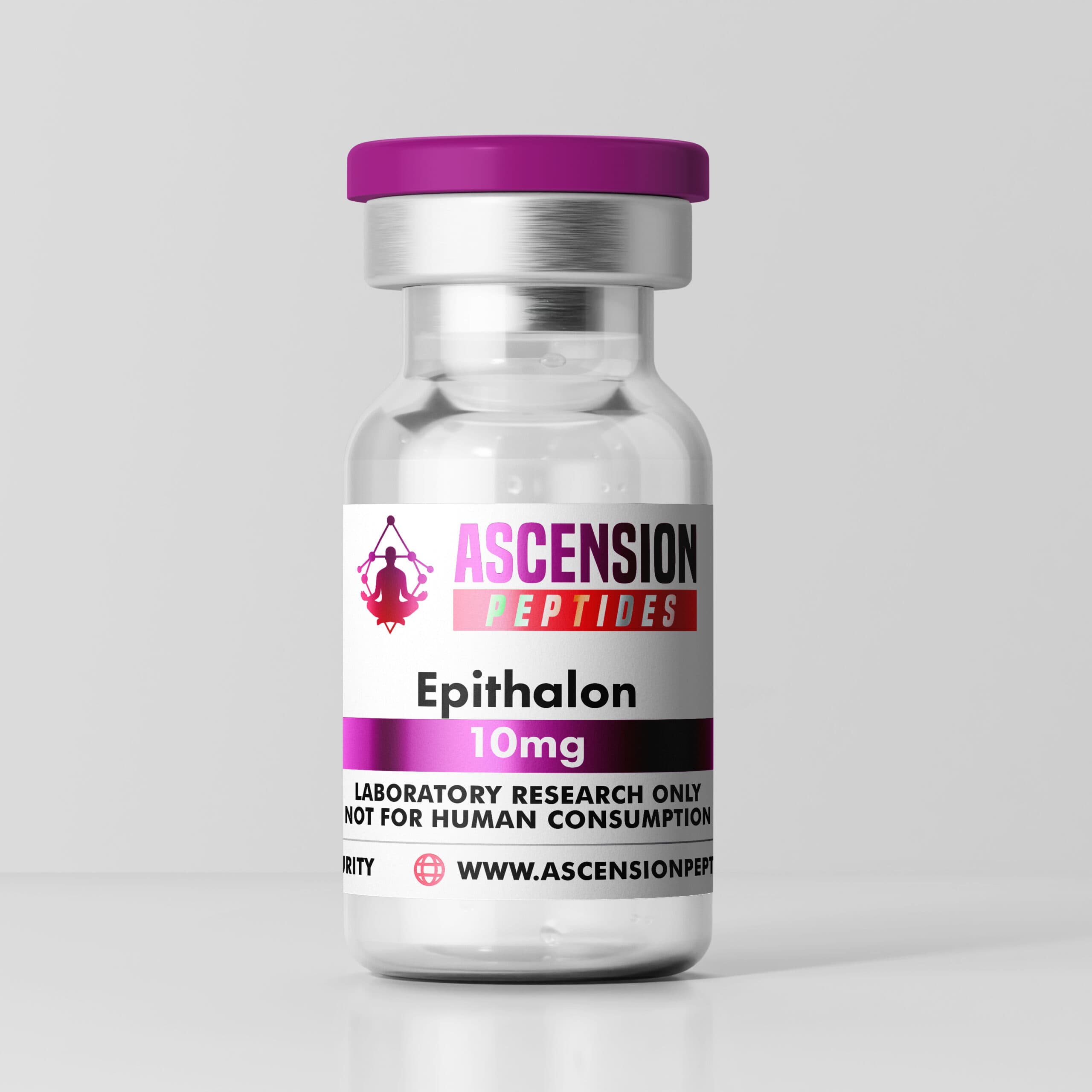
Epithalon stands as perhaps the most researched anti-aging peptide, with studies spanning over three decades. This tetrapeptide (Ala-Glu-Asp-Gly) was developed by Russian scientist Vladimir Khavinson based on work with the pineal gland's epithalamin extract.
Telomerase Activation
Directly stimulates telomerase enzyme activity to maintain telomere length.
Melatonin Regulation
Supports pineal gland function and circadian rhythm regulation.
Gene Expression
Modulates expression of genes associated with aging and cellular function.
The Research: Studies in human cell cultures have demonstrated that Epithalon can increase telomerase activity, the enzyme responsible for maintaining telomere length. Research by Khavinson and colleagues showed that treatment with Epithalon elongated telomeres in human fetal fibroblasts and activated telomerase in cell cultures from elderly individuals.
Animal studies have been particularly compelling. In one landmark study, Epithalon treatment in aging rats was associated with a 42% extension in lifespan compared to controls. While this hasn't been replicated in humans, it suggests powerful effects on fundamental aging processes.
2. GHK-Cu (Copper Peptide) — Regeneration and Gene Expression
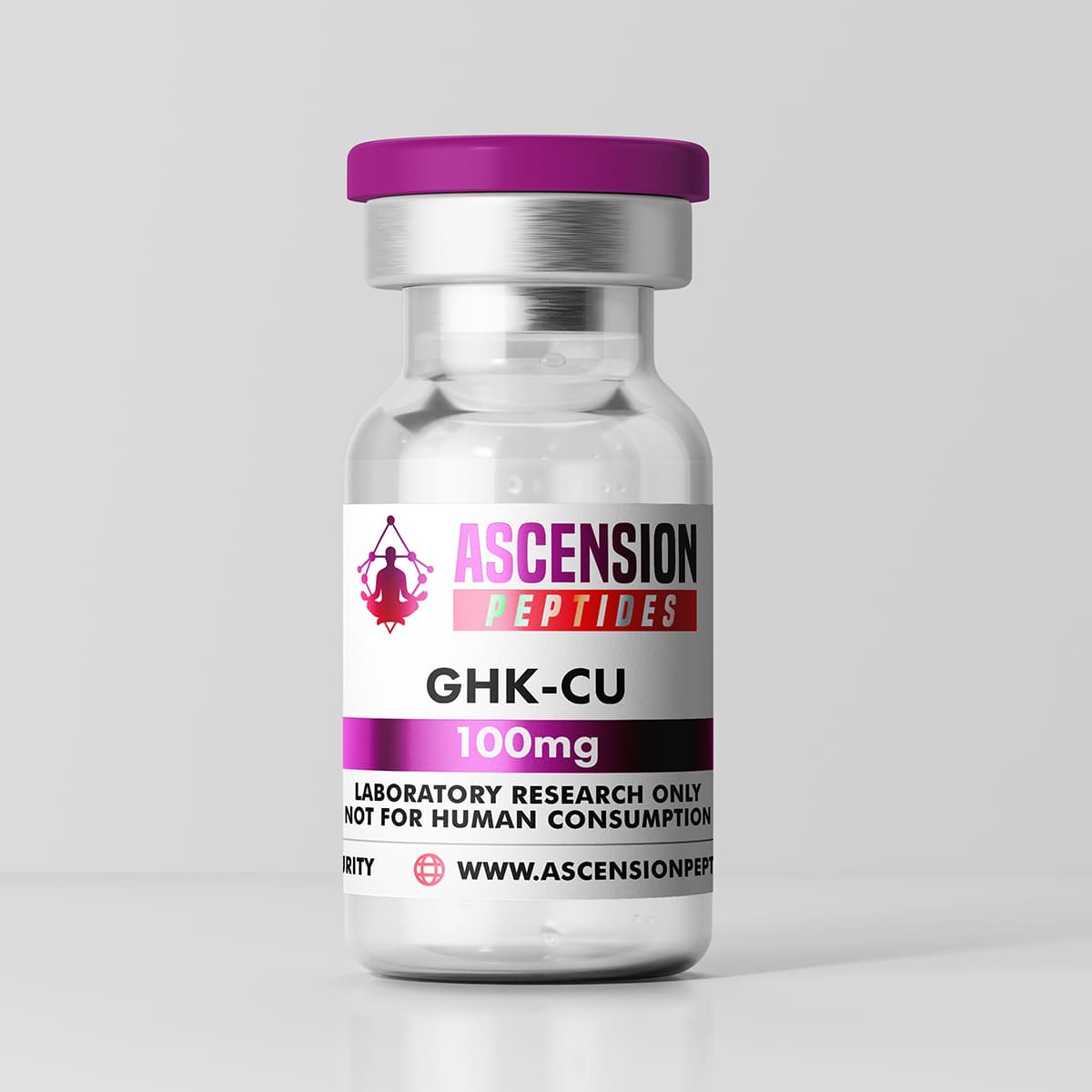
GHK-Cu is a naturally occurring tripeptide (glycyl-L-histidyl-L-lysine) that binds copper ions. Discovered in human plasma in the 1970s, GHK-Cu levels decline significantly with age—from about 200 ng/mL at age 20 to approximately 80 ng/mL by age 60.
What makes GHK-Cu remarkable is its broad influence on gene expression. Research using the Broad Institute's Connectivity Map found that GHK-Cu modulates the expression of over 4,000 genes—roughly 6% of the human genome—often resetting gene expression patterns to a more youthful state.
Key Effects on Aging:
- Skin regeneration: Stimulates collagen, elastin, and glycosaminoglycan synthesis
- Wound healing: Accelerates tissue repair and reduces scarring
- Anti-inflammatory: Reduces chronic low-grade inflammation associated with aging
- DNA repair: Upregulates genes involved in DNA damage response
- Stem cell support: Promotes dermal stem cell health and function
GHK-Cu has the advantage of being used in topical skincare products for decades, providing a safety record that most peptides lack. Research shows it increases collagen synthesis by up to 70% in aged human fibroblasts.
3. MOTS-c — Mitochondrial Optimization
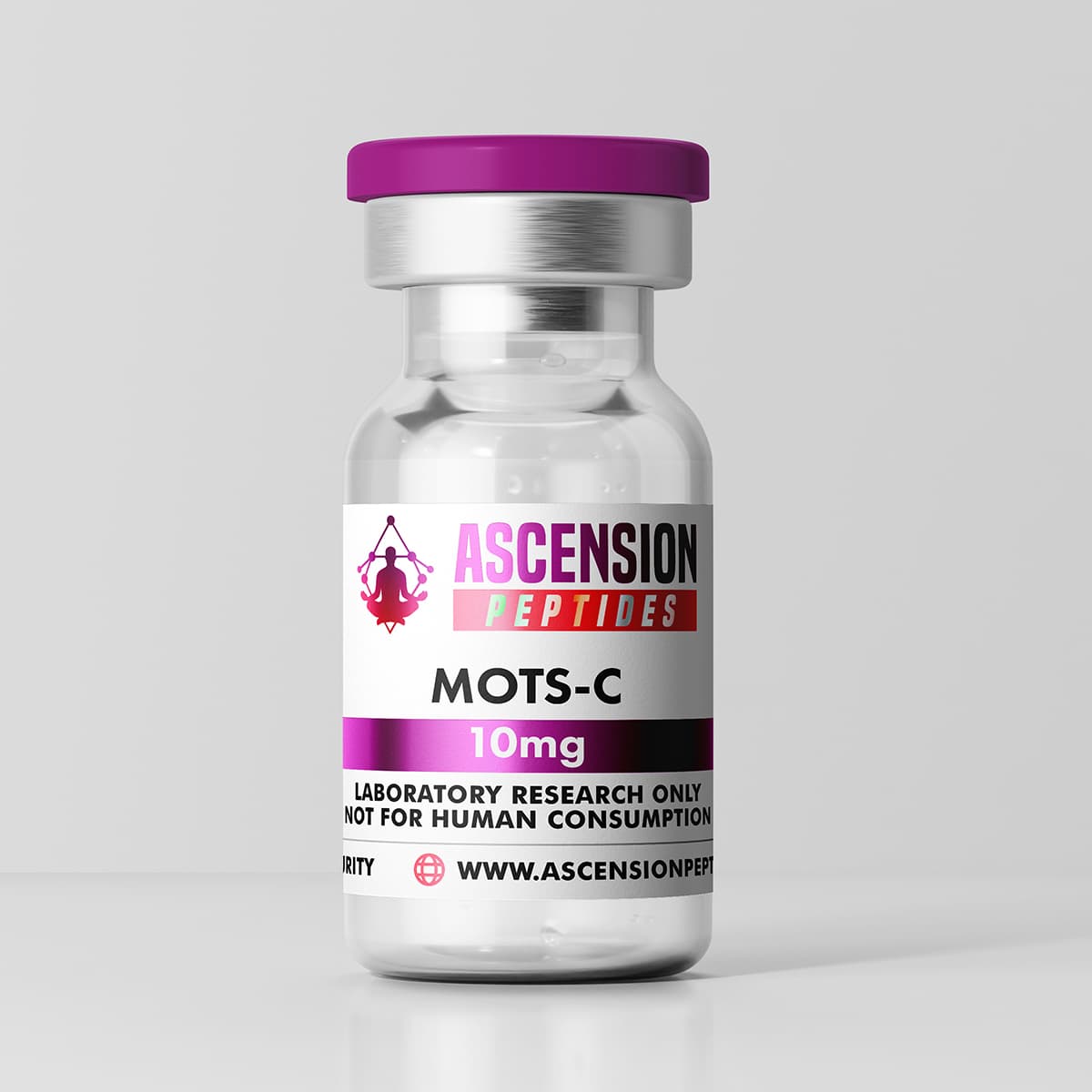
MOTS-c (Mitochondrial Open Reading Frame of the 12S rRNA-c) represents a newer class of peptides called mitochondrial-derived peptides (MDPs). Unlike most peptides encoded in nuclear DNA, MOTS-c is encoded within the mitochondrial genome.
This 16-amino acid peptide acts as a metabolic regulator, improving insulin sensitivity, promoting fat oxidation, and enhancing cellular energy production. Its levels decline with age, paralleling the decline in mitochondrial function that characterizes aging.
Anti-Aging Mechanisms:
- Activates AMPK, the body's master metabolic regulator
- Improves mitochondrial function and biogenesis
- Enhances insulin sensitivity and glucose metabolism
- Protects against age-related metabolic dysfunction
- Shows neuroprotective effects in animal models
Research in aged mice showed that MOTS-c treatment improved physical capacity and metabolic function, essentially reversing some aspects of metabolic aging. Human studies are now underway examining its effects on metabolism and aging markers.
4. FOXO4-DRI — Senolytic Peptide
FOXO4-DRI represents a paradigm shift in anti-aging research—rather than protecting healthy cells, it selectively eliminates senescent cells (often called "zombie cells") that accumulate with age and secrete inflammatory factors.
Senescent cells enter a state of permanent cell cycle arrest but resist normal cell death pathways. They accumulate with age and secrete a cocktail of inflammatory cytokines, growth factors, and proteases known as the senescence-associated secretory phenotype (SASP). This SASP drives chronic inflammation and accelerates aging in surrounding tissues.
FOXO4-DRI works by disrupting the interaction between FOXO4 and p53 proteins that keeps senescent cells alive. By blocking this interaction, the peptide allows p53 to trigger apoptosis (programmed cell death) specifically in senescent cells while leaving healthy cells unaffected.
Selective Targeting
Specifically targets senescent cells while sparing healthy cells.
SASP Reduction
Reduces inflammatory secretions from senescent cells.
Tissue Rejuvenation
Improves tissue function by clearing damaged cells.
Landmark Research: In a 2017 study published in Cell, researchers treated aged mice with FOXO4-DRI. The results were striking: mice showed restored fitness, fur density, and kidney function. The peptide achieved these effects by eliminating senescent cells that had accumulated with age.
5. Thymosin Beta-4 (TB-500) — Tissue Repair and Regeneration
While often associated with injury healing, TB-500 has significant implications for anti-aging due to its effects on stem cells and tissue regeneration. This 43-amino acid peptide is naturally present throughout the body and plays crucial roles in tissue development and repair.
Anti-Aging Relevance:
- Promotes stem cell migration and differentiation
- Supports cardiac tissue repair and angiogenesis
- Demonstrates neuroprotective effects
- Modulates inflammation
- Enhances wound healing capacity that declines with age
TB-500's ability to promote stem cell function is particularly relevant to aging, as stem cell exhaustion is a recognized hallmark of the aging process. By supporting stem cell activity, TB-500 may help maintain the body's regenerative capacity.
Additional Peptides with Anti-Aging Potential
BPC-157 — Systemic Healing
BPC-157 (Body Protection Compound-157) is a pentadecapeptide derived from human gastric juice. While primarily known for tissue healing, its systemic protective effects have implications for healthy aging. The peptide demonstrates cytoprotective properties across multiple organ systems and may support the body's repair mechanisms that decline with age.
SS-31 (Elamipretide) — Mitochondrial Protection
SS-31 is a tetrapeptide that specifically targets and protects the inner mitochondrial membrane. By preserving mitochondrial function, it addresses one of the fundamental mechanisms of cellular aging. Clinical trials are examining its effects on age-related conditions including heart failure and mitochondrial myopathies.
Humanin — Cytoprotection
Another mitochondrial-derived peptide, Humanin protects cells from stress-induced death. Research has shown protective effects against oxidative stress, amyloid beta toxicity (relevant to Alzheimer's), and general cellular stress that accumulates with aging.
Research Protocols and Considerations
Combining Anti-Aging Approaches
Researchers increasingly recognize that targeting multiple aging pathways may be more effective than single interventions. A theoretical approach might combine:
Telomere Protection
Epithalon to maintain telomere length and chromosome stability.
Mitochondrial Support
MOTS-c or SS-31 to optimize cellular energy production.
Senescent Cell Clearance
Periodic FOXO4-DRI to eliminate accumulated zombie cells.
Tissue Regeneration
GHK-Cu to support regenerative gene expression patterns.
However, such protocols remain theoretical and would require careful monitoring under medical supervision. The interactions between different anti-aging peptides are not well characterized.
The Evidence Landscape
It's important to understand the current state of evidence for anti-aging peptides:
- Epithalon: Human cell studies, animal lifespan studies, limited human studies
- GHK-Cu: Extensive in vitro research, human topical use data, gene expression studies
- MOTS-c: Strong animal data, emerging human clinical trials
- FOXO4-DRI: Landmark mouse studies, human trials pending
- TB-500: Animal studies, extensive anecdotal human data
The strongest evidence comes from controlled animal studies and cell culture research. Human clinical trials specifically examining lifespan or aging biomarkers are limited. This doesn't mean the peptides are ineffective—rather, longevity research requires long timeframes that make traditional clinical trials challenging.
Practical Considerations
Starting an Anti-Aging Protocol
For those interested in anti-aging peptides, several practical factors deserve consideration:
- Baseline testing: Measure aging biomarkers before starting (telomere length, inflammation markers, metabolic panels)
- Quality sourcing: Peptide purity varies dramatically between sources; third-party testing is essential
- Professional guidance: Work with healthcare providers familiar with peptide protocols
- Lifestyle foundation: Peptides work best alongside optimized diet, exercise, and sleep
- Patience: Anti-aging effects develop gradually and may require months to assess
Pro Tip
Consider starting with GHK-Cu topically to assess tolerance before progressing to injectable peptides. GHK-Cu has the longest safety record and can provide visible results in skin quality that help gauge your response to peptide therapy.
Best Peptides for Longevity
Anti-aging and longevity aren't quite the same thing. Anti-aging is mostly cosmetic — skin, hair, appearance. Longevity is about cellular health, lifespan extension, and slowing the biological clock at a deeper level. The peptides that work best here are different.
Epithalon is the standout. It's a synthetic tetrapeptide derived from the pineal gland extract epitalon, and it's the only peptide with direct clinical evidence of telomere elongation in humans — the Khavinson trials (Soviet-era, later replicated) showed measurable increases in telomere length after treatment cycles. Given that telomere shortening is one of the most consistent markers of biological aging, that's significant. Users also report improved sleep quality and melatonin normalization as early effects.
MOTS-c is a mitochondria-derived peptide that activates AMPK and enhances metabolic flexibility — essentially the same pathway activated by caloric restriction and exercise. Animal studies show lifespan extension; human data is limited but early signals are promising. It stacks well with Epithalon for a longevity-focused protocol.
GHK-Cu rounds out the core longevity stack. Beyond its skin effects, GHK-Cu modulates over 4,000 human genes, many of which are involved in inflammation pathways, antioxidant response, and tissue repair — all major contributors to the aging process.
Frequently Asked Questions
The Future of Anti-Aging Peptides
The field of anti-aging peptides is advancing rapidly. Several developments are worth watching:
- New senolytic peptides: Beyond FOXO4-DRI, researchers are developing peptides targeting different senescent cell vulnerabilities
- Combination formulations: Pre-mixed peptide blends designed to target multiple aging pathways simultaneously
- Improved delivery: Oral peptide formulations that could eliminate the need for injections
- Personalized protocols: Biomarker-guided approaches that customize peptide selection to individual aging patterns
- Clinical validation: Larger human trials examining longevity outcomes and aging biomarkers
The transition from animal research to validated human protocols will define the next chapter of anti-aging peptide science.
Conclusion
Anti-aging peptides represent some of the most targeted interventions available for addressing the fundamental mechanisms of aging. From Epithalon's telomere protection to FOXO4-DRI's senescent cell clearance, these compounds work through well-defined pathways that directly address the hallmarks of aging.
However, the field remains in relatively early stages when it comes to human validation. The most prudent approach combines interest in these emerging therapies with realistic expectations about current evidence limitations. Working with knowledgeable healthcare providers, prioritizing quality sourcing, and maintaining foundational health practices will optimize whatever benefits these fascinating compounds may offer.
As research progresses and human data accumulates, anti-aging peptides may become standard tools in the longevity toolkit—but for now, they remain promising research compounds worthy of attention while deserving appropriate caution.