sciencePeptideDeck
PeptidesBlogAbout
search
Database Access
Home/Blog/Guides/Best Peptides for Beginners: A Complete Starter Guide (2026)
Guides

Best Peptides for Beginners: A Complete Starter Guide (2026)

New to peptide research? This comprehensive guide covers the safest, most effective beginner-friendly peptides, proper protocols, and essential tips to start your journey with confidence.

February 2, 2026
12 min read

Stepping into the world of peptide research can feel overwhelming. With hundreds of compounds available and conflicting information online, knowing where to start is half the battle. This guide cuts through the noise to help you understand which peptides are best suited for beginners and how to approach them safely and effectively.

ℹ️ Info: This guide is for educational and research purposes only. Peptides discussed here are research compounds, not approved medications. Always consult a healthcare professional before considering any peptide protocol.

🔑 Key Takeaways

  • Start with well-researched peptides that have established safety profiles
  • Master reconstitution and storage before your first protocol
  • Begin with lower doses and single compounds—avoid stacking initially
  • Keep detailed logs of dosing, timing, and any effects observed

What Makes a Peptide "Beginner-Friendly"?

Not all peptides are created equal when it comes to ease of use and safety margins. The best beginner peptides share several important characteristics:

📚

Well-Researched

Extensive published studies provide clear understanding of mechanisms and effects.

✅

Established Safety

Known side effect profiles with wide safety margins in research settings.

📏

Forgiving Dosing

Wider therapeutic windows mean small variations don't cause major issues.

⏱️

Simple Protocols

Once-daily dosing without complex timing requirements.

Conversely, beginners should avoid peptides with narrow therapeutic windows, complex administration protocols, significant hormonal effects, or limited safety data. Building foundational knowledge with simpler compounds creates a safer learning experience.

Top Beginner Peptides

Explore Premium Research Peptides

Discover high-quality peptides from our trusted research partner.

Apollo Peptides

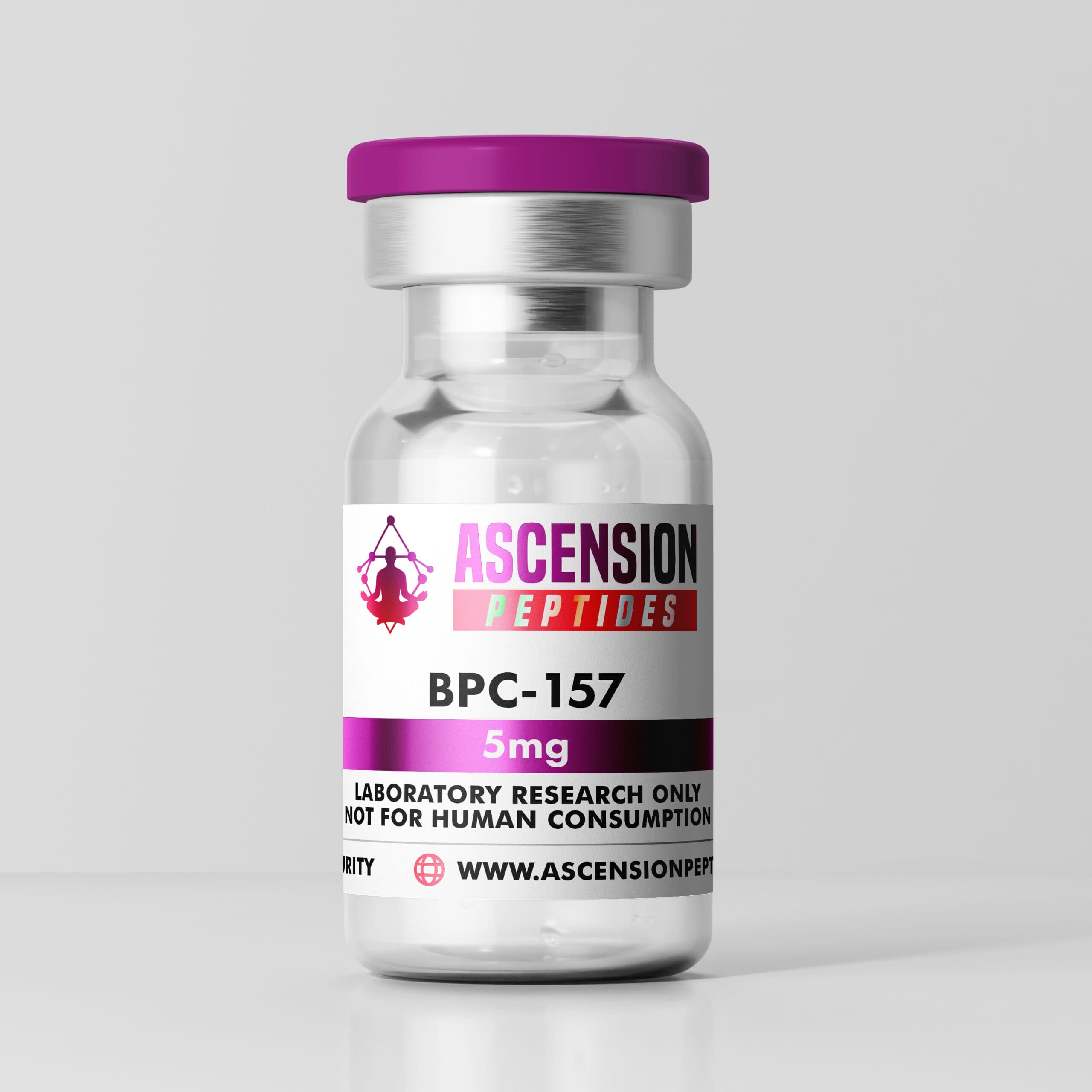
1. BPC-157 — The Healing Staple

BPC-157 (Body Protection Compound-157) is often the first peptide researchers explore, and for good reason. This 15-amino acid peptide derived from human gastric juice has an extensive research base spanning over 30 years and an excellent safety profile in animal studies.

30+ Years Studied
~4 hrs Half-Life
Oral OK Unique Stability

Why It's Great for Beginners

  • Forgiving dosing: Wide effective range (100-500mcg) with no reported toxicity even at very high doses in animals
  • Multiple administration routes: Works subcutaneously, intramuscularly, and even orally
  • Minimal side effects: Most users report no adverse effects
  • Versatile applications: Studied for tendon, ligament, muscle, gut, and general tissue healing

Typical Research Protocol

Parameter Beginner Protocol Notes
Dose 250-500mcg/day Can split into 2 doses
Frequency Once or twice daily Consistent timing preferred
Duration 4-8 weeks Based on research goals
Administration Subcutaneous Near area of interest if localized

Pro Tip

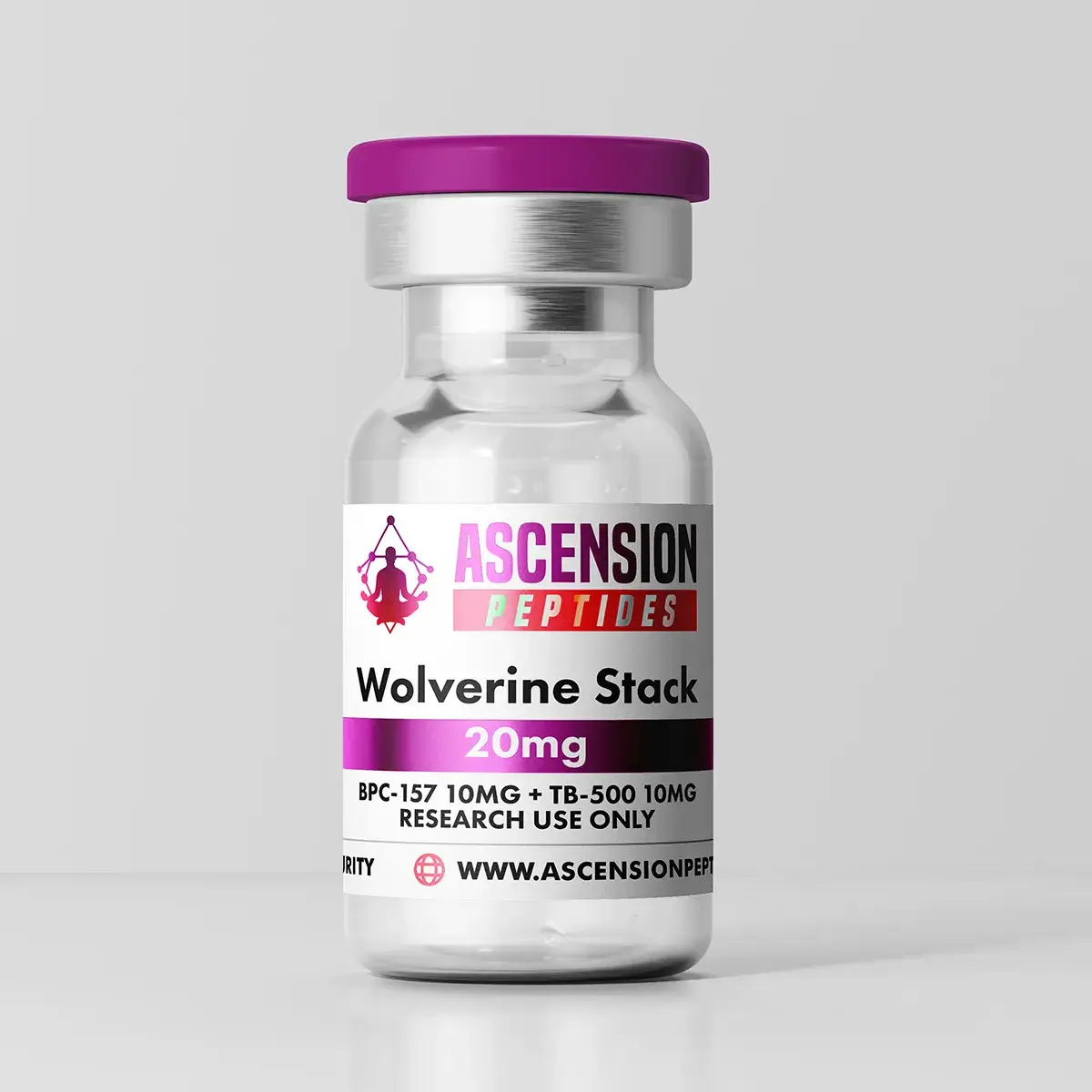
BPC-157 pairs exceptionally well with TB-500 for synergistic healing effects—but save stacking for after you've gained experience with single compounds. Read our BPC-157 vs TB-500 comparison for more details.

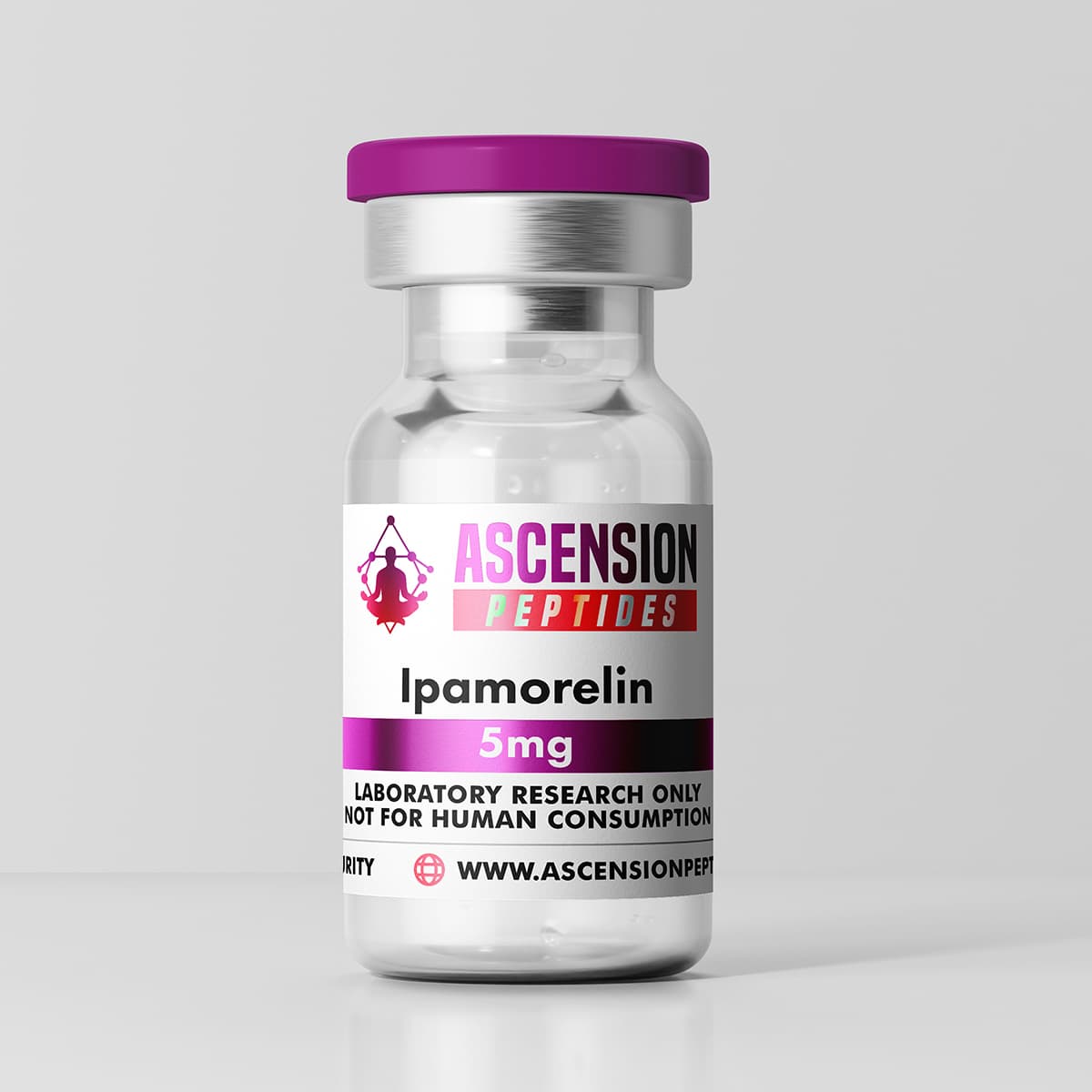
2. Ipamorelin — The Gentle Growth Hormone Secretagogue

Ipamorelin is widely considered the most beginner-friendly growth hormone releasing peptide (GHRP). Unlike older secretagogues like GHRP-6 or GHRP-2, Ipamorelin produces a clean GH release without significantly affecting cortisol, prolactin, or appetite.

Why It's Great for Beginners

  • Selective action: Stimulates GH release without unwanted hormonal side effects
  • No hunger spikes: Unlike GHRP-6, doesn't cause intense appetite increases
  • Predictable response: Consistent, dose-dependent GH release
  • Mild side effects: Occasional transient headache or flushing, typically only at higher doses
📝 Note: For enhanced effects, Ipamorelin is often combined with CJC-1295 (without DAC) or Mod GRF 1-29. However, beginners should start with Ipamorelin alone to assess individual response before adding compounds.

Typical Research Protocol

Parameter Beginner Protocol Notes
Dose 100-200mcg Per injection
Frequency 1-3x daily Pre-bed dose most common
Duration 8-12 weeks Results build over time
Timing On empty stomach Avoid food 30 min before/after

3. TB-500 — Systemic Healing Support

TB-500 (Thymosin Beta-4 fragment) complements BPC-157 with its systemic approach to healing. While BPC-157 tends to work locally, TB-500 circulates throughout the body, promoting healing wherever it's needed through actin regulation and cell migration.

Why It's Great for Beginners

  • Simple dosing schedule: Typically 2-3 times per week rather than daily
  • Systemic action: Works throughout the body, no need for localized injections
  • Good safety profile: Well-tolerated in research with minimal reported side effects
  • Complementary mechanism: Different pathway than BPC-157, making future stacking logical

Typical Research Protocol

Phase Dose Frequency Duration
Loading 2-2.5mg 2x weekly 4-6 weeks
Maintenance 2-2.5mg 1x weekly As needed

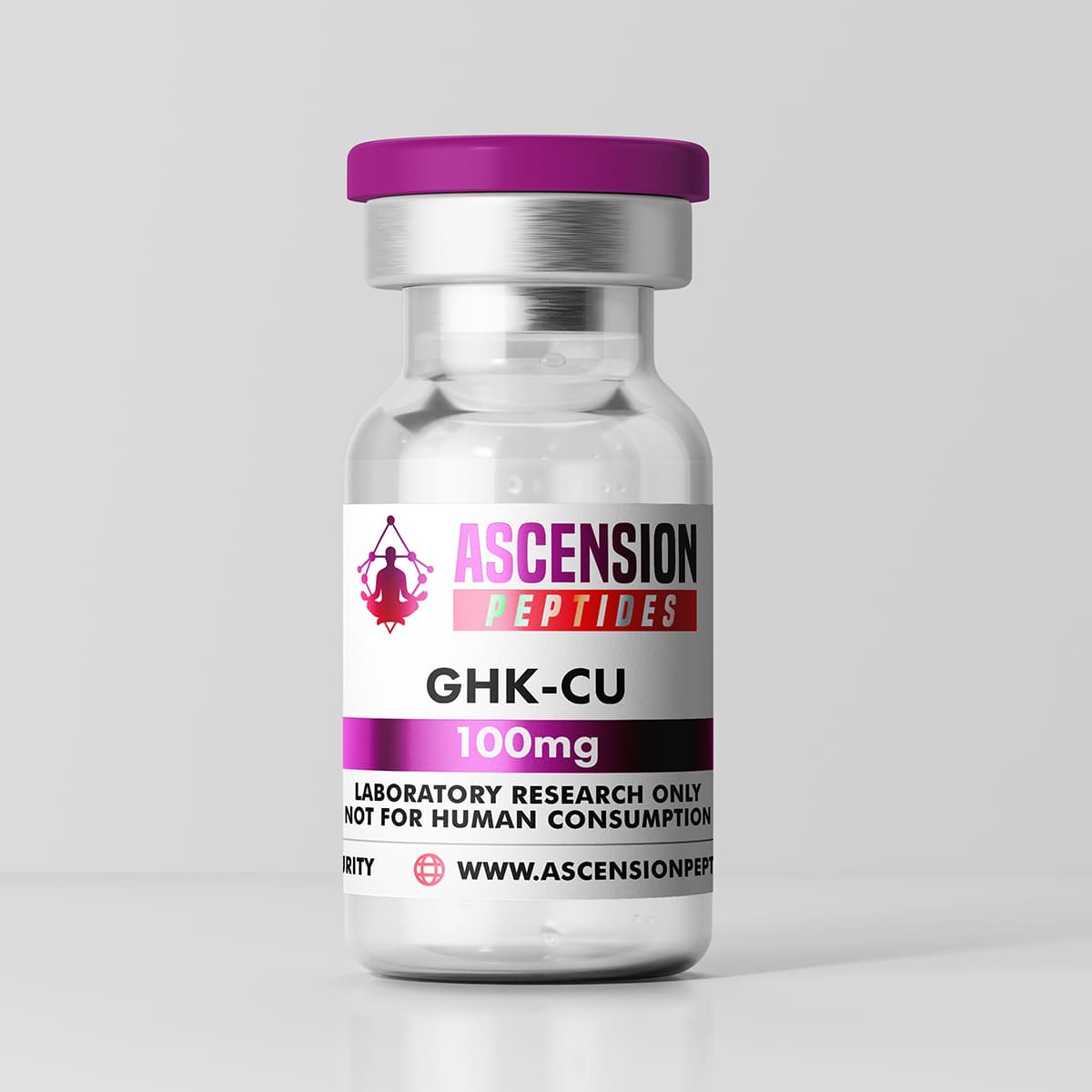
4. GHK-Cu — The Skin & Tissue Rejuvenator

GHK-Cu (Copper peptide) stands out as particularly beginner-friendly because it's available in multiple forms, including topical applications that don't require injection. This tripeptide naturally occurs in human plasma and has extensive research supporting its regenerative properties.

Why It's Great for Beginners

  • Multiple delivery options: Available as injectable, topical serum, or cream
  • Natural compound: Found naturally in human body, excellent safety profile
  • Visible results: Skin improvements provide tangible feedback
  • Non-hormonal: No endocrine system involvement
✓ Good to Know: If you're hesitant about injections, starting with topical GHK-Cu products can provide an introduction to peptide research without the learning curve of reconstitution and injection.

5. CJC-1295 (no DAC) / Mod GRF 1-29 — The GHRH Partner

CJC-1295 without DAC (also called Mod GRF 1-29) is the growth hormone releasing hormone (GHRH) analog most commonly paired with Ipamorelin. While slightly more advanced due to the combination protocol, it's included here because of its excellent safety profile and popularity.

Why It's Great for Beginners

  • Synergistic with Ipamorelin: The combination produces better results than either alone
  • Mimics natural GH release: Pulsatile release pattern similar to natural physiology
  • No DAC = shorter action: The non-DAC version clears quickly, reducing risk of issues
  • Well-characterized: Extensive research and community experience
⚠️ Warning: Avoid CJC-1295 with DAC as a beginner. The Drug Affinity Complex extends activity to days rather than hours, making any issues harder to manage. Stick with the non-DAC version (Mod GRF 1-29) until you're experienced.
Essential Skills

Master These Before Your First Protocol

Before using any peptide, ensure you're comfortable with these fundamental skills:

1

Proper Reconstitution

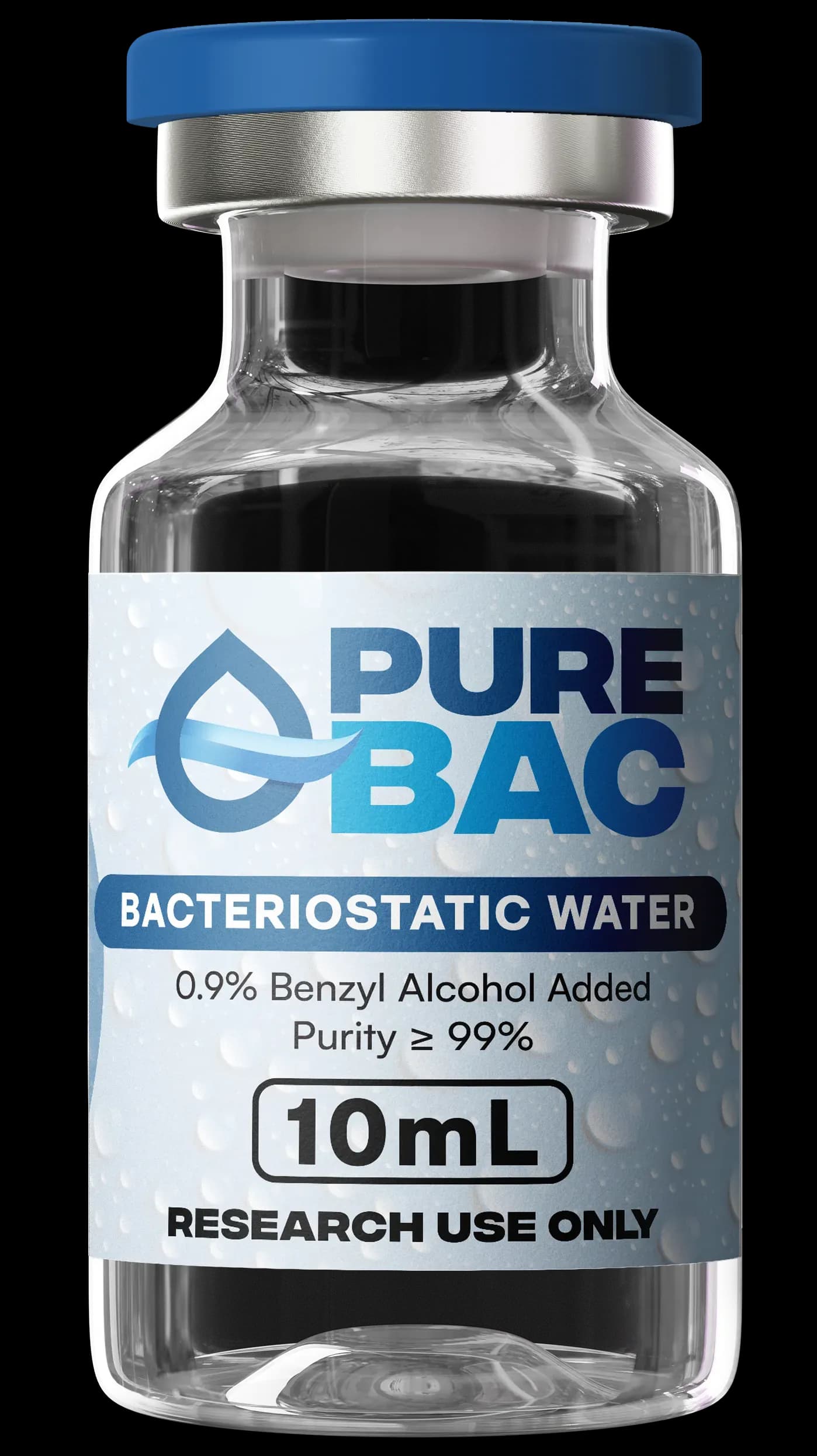
Learn to reconstitute lyophilized peptides with bacteriostatic water correctly. This is non-negotiable—improper reconstitution can destroy the peptide or introduce contamination. Read our complete peptide reconstitution guide.

2

Dose Calculation

Understand how to calculate your dose based on the peptide amount, reconstitution volume, and desired mcg per injection. A simple formula: (Peptide mg × 1000) ÷ Water ml = mcg per 0.1ml

3

Sterile Technique

Always use alcohol swabs on vial tops and injection sites. Use a new needle for each injection. Never touch needle tips or let them contact non-sterile surfaces.

4

Proper Storage

Store lyophilized peptides at -20°C for long-term, reconstituted peptides at 2-8°C. Never freeze reconstituted peptides. Use within 2-4 weeks of reconstitution.

Explore Premium Research Peptides

Discover high-quality peptides from our trusted research partner.

Apollo Peptides

Peptides Beginners Should Avoid

While the peptides above offer manageable entry points, several categories should be avoided until you have more experience:

⚠️ Warning: The following peptides are NOT recommended for beginners due to complex protocols, significant side effects, or limited safety data.
  • Melanotan II: Potent melanocortin receptor agonist with multiple effects including tanning, appetite suppression, and sexual function changes. Side effects like nausea are common.
  • PT-141 (Bremelanotide): While FDA-approved for specific uses, beginners should avoid due to cardiovascular effects and nausea potential.
  • GHRP-6: Causes intense hunger spikes and affects cortisol/prolactin—better alternatives exist for beginners.
  • IGF-1 variants: Potent growth factors with narrow dosing windows and potential for hypoglycemia. Requires experienced handling.
  • Insulin: Not technically a peptide for research purposes, but sometimes confused as one. Extremely dangerous with lethal potential if misused.
  • FOXO4-DRI: Experimental senolytic with limited human data—strictly for advanced researchers.
Getting Started

Your First Peptide Protocol: Step-by-Step

Ready to begin? Here's a practical roadmap for your first peptide research experience:

1

Choose ONE Peptide

Select a single compound from our beginner list. BPC-157 or Ipamorelin are the most common starting points. Resist the urge to stack multiple peptides initially.

2

Source Quality Products

Research reputable suppliers with third-party testing (HPLC/MS verification). Low-quality peptides can be degraded, impure, or contaminated. This is not an area to cut costs.

3

Gather Supplies

You'll need: bacteriostatic water, alcohol swabs, insulin syringes (typically 29-31 gauge), and a sharps container. Have everything ready before reconstituting.

4

Start Low, Go Slow

Begin at the lower end of the dosing range. You can always increase later, but you can't undo taking too much. Assess tolerance for at least a week before adjusting.

5

Keep Detailed Logs

Record date, time, dose, injection site, and any observations. Note sleep quality, energy levels, and any unusual sensations. This data is invaluable for optimizing protocols.

Beginner Peptide Stack Progression

Once you're comfortable with single compounds (typically 2-3 months), you might consider these logical progressions:

Goal Start With Then Add Timing
Healing/Recovery BPC-157 TB-500 After 4-6 weeks
GH Enhancement Ipamorelin CJC-1295 (no DAC) After 6-8 weeks
Skin/Anti-aging GHK-Cu (topical) GHK-Cu (injectable) After comfort with topical

Pro Tip

Don't rush the progression. Many experienced researchers still use single compounds for specific goals. Stacking adds complexity without always adding proportional benefits.

Frequently Asked Questions

What's the absolute best first peptide for a complete beginner?
BPC-157 is our top recommendation for complete beginners. It has the most forgiving dosing, works via multiple administration routes (including oral), has an excellent safety profile with no reported toxicity, and produces noticeable effects that help beginners understand how peptides work. For those specifically interested in growth hormone benefits, Ipamorelin is the cleanest, most beginner-friendly secretagogue.
How long until I see results from peptides?
This varies significantly by peptide and goal. BPC-157 for acute healing may show effects within 1-2 weeks. Ipamorelin for body composition changes typically requires 8-12 weeks for noticeable results. GHK-Cu for skin improvements often shows changes within 4-6 weeks. The key is consistency—peptide effects are cumulative and build over time.
Do I need bloodwork before starting peptides?
While not strictly required for beginner peptides like BPC-157 or GHK-Cu, baseline bloodwork is highly recommended for any peptides affecting hormones (like Ipamorelin or CJC-1295). At minimum, check IGF-1, fasting glucose, and a basic metabolic panel. This gives you reference points to assess how your body responds.
Can I take peptides orally instead of injecting?
Most peptides are destroyed by digestive enzymes and require injection. BPC-157 is a notable exception—it shows oral bioactivity due to its stability in gastric juice. However, oral doses are typically 2-10x higher than injected doses. Some peptides like GHK-Cu are also available in topical forms. For most peptides though, subcutaneous injection remains the standard.
What's the difference between subcutaneous and intramuscular injection?
Subcutaneous (SubQ) injection goes into the fat layer just under the skin, typically around the abdomen. It's easier, less painful, and preferred for most peptides. Intramuscular (IM) injection goes deeper into muscle tissue, providing faster absorption but requiring proper technique. For beginners, SubQ is almost always recommended—reserve IM for when specifically indicated or after gaining experience.
How do I know if my peptides are working?
Effects vary by peptide. For BPC-157, look for faster healing of injuries, improved gut comfort, or reduced joint pain. For Ipamorelin, signs include improved sleep quality, increased energy, better recovery, and over time, body composition changes. Keeping detailed logs helps identify subtle improvements. For GH peptides, IGF-1 blood tests can objectively confirm increased growth hormone activity.
What side effects should I watch for?
Common benign effects include: injection site redness/itching (usually subsides), mild headache (especially with GH peptides, typically dose-related), temporary flushing or warmth, and water retention with GH peptides. Concerning signs requiring discontinuation: severe headaches, visual changes, persistent nausea, significant swelling, or any allergic reactions. When in doubt, stop and consult a healthcare provider.
How should I store my peptides?
Lyophilized (freeze-dried) peptides should be stored at -20°C (-4°F) for long-term storage; they're stable for months to years. Once reconstituted with bacteriostatic water, store at 2-8°C (standard refrigerator temperature) and use within 2-4 weeks. Never freeze reconstituted peptides—the water expansion destroys the peptide structure. Protect from light and avoid repeated freeze-thaw cycles.

Summary: Best Beginner Peptides at a Glance

Peptide Best For Difficulty Typical Dose
BPC-157 Healing, gut health ⭐ Easiest 250-500mcg/day
Ipamorelin GH release, recovery ⭐⭐ Easy 100-200mcg, 1-3x daily
TB-500 Systemic healing ⭐⭐ Easy 2-2.5mg, 2x weekly
GHK-Cu Skin, tissue repair ⭐ Easiest Topical or 1-2mg/day
CJC-1295 (no DAC) GH enhancement ⭐⭐⭐ Moderate 100mcg with Ipamorelin
✓ Good to Know: The peptide research community is generally helpful and welcoming to beginners. Forums and communities can provide valuable real-world insights—just verify any advice against reputable sources and remember that individual responses vary significantly.

Next Steps

Ready to dive deeper? Here are recommended resources to continue your education:

  • How to Reconstitute Peptides — Essential reading before your first protocol
  • BPC-157 vs TB-500 Comparison — Understanding the healing peptide duo
  • Best Peptides for Muscle Growth — Deep dive into GH secretagogues
  • Best Peptides for Healing Injuries — Comprehensive healing peptide guide
  • Best Peptides for Anti-Aging — Longevity-focused peptide research

Remember: the goal isn't to use as many peptides as possible—it's to use them intelligently and safely. Start simple, learn your body's responses, and build knowledge systematically. The best researchers are patient ones.

Medical Disclaimer: This content is for informational and educational purposes only and does not constitute medical advice. Peptides discussed are research compounds and are not approved for human use outside of clinical trials or specific medical prescriptions. Always consult a qualified healthcare provider before considering any peptide protocol. Individual responses vary significantly, and what works for one person may not work for another.

Explore Premium Research Peptides

Discover high-quality peptides from our trusted research partner.

Apollo Peptides

Related Topics

beginnergetting startedpeptide guideBPC-157IpamorelinTB-500GHK-Cureconstitutiondosing

Table of Contents21 sections

What Makes a Peptide "Beginner-Friendly"?1. BPC-157 — The Healing StapleWhy It's Great for BeginnersTypical Research Protocol2. Ipamorelin — The Gentle Growth Hormone SecretagogueWhy It's Great for BeginnersTypical Research Protocol3. TB-500 — Systemic Healing SupportWhy It's Great for BeginnersTypical Research Protocol4. GHK-Cu — The Skin & Tissue RejuvenatorWhy It's Great for Beginners5. CJC-1295 (no DAC) / Mod GRF 1-29 — The GHRH PartnerWhy It's Great for BeginnersMaster These Before Your First ProtocolPeptides Beginners Should AvoidYour First Peptide Protocol: Step-by-StepBeginner Peptide Stack ProgressionFrequently Asked QuestionsSummary: Best Beginner Peptides at a GlanceNext Steps

Related Articles

Peptides vs SARMs: Key Differences, Safety, and Which to Choose
12 min read
Peptides for Tendon and Ligament Repair: What the Research Shows
14 min read
Understanding Peptide Purity: HPLC, Mass Spec & Quality Testing Explained
12 min read

More Articles

View All
Peptides vs SARMs: Key Differences, Safety, and Which to Choose

Peptides vs SARMs: Key Differences, Safety, and Which to Choose

Feb 1212 min read
Peptides for Tendon and Ligament Repair: What the Research Shows

Peptides for Tendon and Ligament Repair: What the Research Shows

Feb 1214 min read
Understanding Peptide Purity: HPLC, Mass Spec & Quality Testing Explained

Understanding Peptide Purity: HPLC, Mass Spec & Quality Testing Explained

Feb 1212 min read
Back to Blog
sciencePeptideDeck

© 2026 PeptideDeck. Research Purposes Only. Not for human consumption.