When it comes to accelerating recovery from injuries, peptide therapy research has opened remarkable new frontiers. From tendon tears to muscle strains, from surgical wounds to chronic inflammation, specific peptides have demonstrated powerful healing properties in preclinical research.
This comprehensive guide examines the most studied peptides for injury recovery, breaking down their mechanisms, research evidence, and how they compare. Whether you're researching tissue repair, anti-inflammatory compounds, or regenerative medicine, this is your evidence-based roadmap.
Understanding Injury Recovery Mechanisms
Before diving into specific peptides, it's crucial to understand the biological processes they target. Injury healing involves four overlapping phases:
- Hemostasis: Immediate blood clotting and wound closure
- Inflammation: Immune response to clear debris and prevent infection
- Proliferation: New tissue formation through cell division and migration
- Remodeling: Tissue maturation and strength restoration
The most effective healing peptides work across multiple phases, modulating inflammation while simultaneously promoting tissue regeneration. Here are the top compounds backed by research.
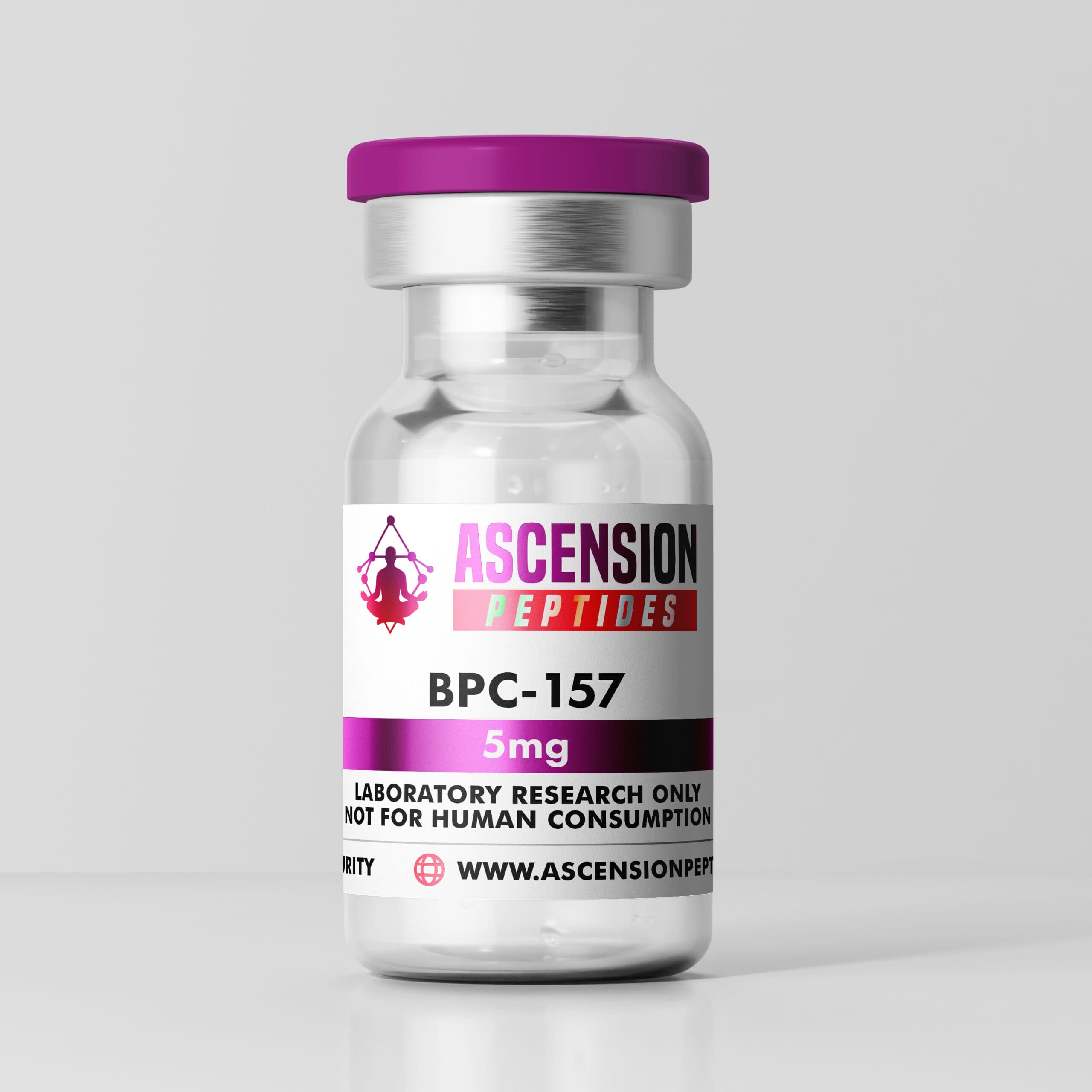
1. BPC-157: The Gastric Healing Powerhouse
BPC-157 (Body Protection Compound-157) stands alone as the most extensively researched healing peptide. This 15-amino acid sequence, derived from human gastric juice, has demonstrated remarkable tissue-protective and regenerative properties across virtually every tissue type studied.
Tendon & Ligament
Accelerated healing of transected Achilles tendons and MCL injuries in animal models.
Muscle Repair
Enhanced muscle fiber regeneration with reduced fibrosis following crush injuries.
Neuroprotection
Improved recovery after peripheral nerve transection and TBI models.
Gut Healing
Potent anti-ulcer effects and protection against NSAID-induced GI damage.
How BPC-157 Works
BPC-157's healing effects stem from multiple interconnected mechanisms:
- Growth Factor Upregulation: Increases VEGF expression, promoting angiogenesis (new blood vessel formation) critical for delivering nutrients to healing tissues.
- Nitric Oxide Modulation: Uniquely modulates the NO system bidirectionally, helping restore homeostasis rather than pushing levels in one direction.
- FAK-Paxillin Pathway: Enhances cell adhesion and migration, accelerating the cellular processes underlying tissue repair.
- GH Receptor Expression: Research shows BPC-157 increases growth hormone receptor expression in tendon fibroblasts.
Research Evidence
The research literature on BPC-157 is extensive, with over 100 published studies:
- Achilles Tendon: A 2011 study in the Journal of Orthopaedic Research showed BPC-157 accelerated healing of transected rat Achilles tendons with improved tensile strength.
- Ligament Healing: Research demonstrated significantly improved MCL biomechanics—higher ultimate load, stiffness, and energy at break compared to controls.
- Muscle Repair: 2018 research showed accelerated muscle fiber regeneration and reduced fibrosis following crush injuries.
- Oral Activity: Uniquely among peptides, BPC-157 retains biological activity when administered orally, thanks to its stability in gastric juice.
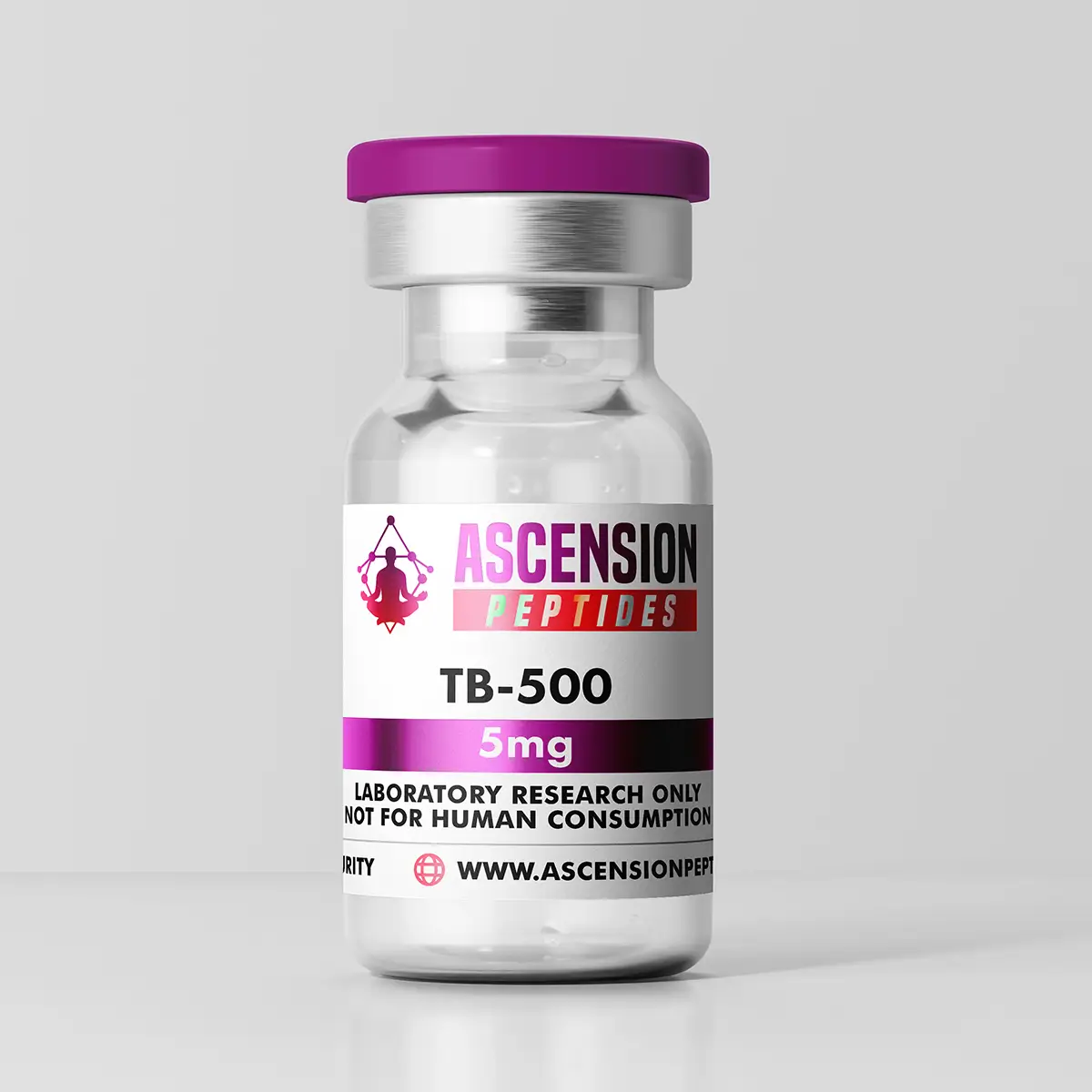
2. TB-500 (Thymosin Beta-4): The Systemic Healer
TB-500 is a synthetic fragment of Thymosin Beta-4, a naturally occurring 43-amino acid peptide found in virtually all human and animal cells. It plays a fundamental role in tissue repair, cell migration, and wound healing.
Cell Migration
Promotes movement of cells to injury sites through actin regulation.
Angiogenesis
Stimulates blood vessel growth for improved tissue oxygenation.
Anti-Inflammatory
Reduces inflammation while supporting proper immune function.
Mechanism of Action
TB-500 works primarily through regulation of actin, a protein that forms the structural scaffold of cells:
- Actin Sequestration: TB-500 binds to G-actin, preventing premature polymerization and allowing controlled cell structure reorganization during migration.
- Cell Migration: By modulating actin dynamics, TB-500 enhances the ability of cells (including stem cells and immune cells) to migrate to injury sites.
- Blood Vessel Formation: Promotes endothelial cell migration and tube formation for new blood vessel development.
- Stem Cell Mobilization: Research suggests TB-500 can mobilize cardiac progenitor cells and enhance stem cell differentiation.
Research Evidence
- Cardiac Repair: Studies in mouse models of myocardial infarction showed TB-500 reduced scar formation and improved cardiac function.
- Corneal Healing: Research demonstrated accelerated corneal wound healing through enhanced epithelial cell migration.
- Dermal Wounds: Animal studies show faster wound closure and improved tissue architecture.
- Musculoskeletal: Equine studies (veterinary use is approved in some regions) show improved tendon healing outcomes.
BPC-157 vs TB-500: Which to Choose?
BPC-157 works through growth factor and NO modulation with localized effects and oral bioavailability. TB-500 works through actin regulation with systemic distribution. Many research protocols combine both for complementary healing mechanisms—BPC-157 for targeted tissue repair and TB-500 for overall systemic recovery support. See our detailed BPC-157 vs TB-500 comparison guide for more.
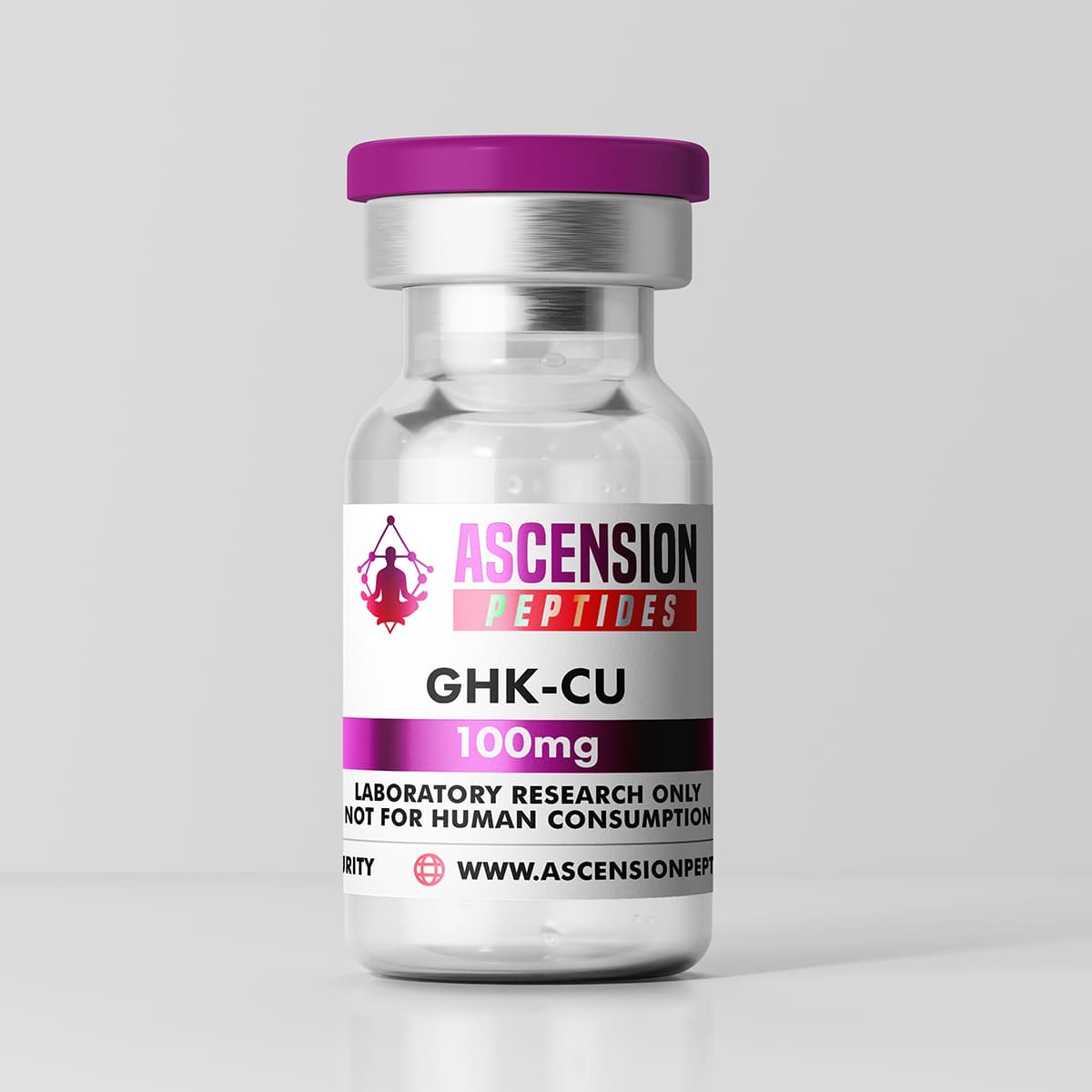
3. GHK-Cu: The Tissue Remodeling Signal
GHK-Cu (glycyl-L-histidyl-L-lysine copper complex) is a naturally occurring tripeptide that binds copper ions. Found in human plasma, saliva, and urine, it declines significantly with age—correlating with reduced healing capacity. This makes GHK-Cu a key compound in anti-aging peptide research.
Gene Expression
Modulates 4,000+ human genes, resetting cells to healthier patterns.
Collagen Synthesis
Stimulates collagen I and III production for tissue strength.
Antioxidant
Reduces oxidative damage and inflammatory markers in tissues.
How GHK-Cu Works
GHK-Cu's mechanisms involve both the peptide sequence and its copper ion:
- Massive Gene Modulation: Research by Pickart and colleagues showed GHK affects expression of 32% of human genes, particularly those involved in tissue remodeling.
- ECM Production: Increases synthesis of collagen, elastin, glycosaminoglycans, and other extracellular matrix components.
- Anti-Inflammatory: Reduces levels of TGF-beta (a fibrosis promoter) and inflammatory cytokines like IL-6.
- Antioxidant Activity: The copper component provides antioxidant protection, reducing oxidative stress at injury sites.
Research Applications
GHK-Cu research spans wound healing, tissue regeneration, and anti-aging:
- Wound Healing: Animal studies show accelerated wound closure and improved scar quality.
- Bone Regeneration: Research demonstrates enhanced osteoblast activity and bone repair.
- Skin Repair: Extensively studied for skin remodeling, with topical products commercially available.
- Hair Follicles: Some research suggests GHK-Cu may support hair follicle health.
4. KPV: The Master Anti-Inflammatory
KPV is a tripeptide (Lys-Pro-Val) derived from alpha-melanocyte-stimulating hormone (α-MSH). While the parent hormone has multiple effects, KPV retains specifically the powerful anti-inflammatory properties without the melanogenic (tanning) effects.
Mechanism of Action
KPV reduces inflammation through several pathways:
- NF-κB Inhibition: KPV suppresses the NF-κB signaling pathway, a master regulator of inflammatory gene expression.
- IL-1β Reduction: Decreases production of interleukin-1 beta, a key pro-inflammatory cytokine.
- TNF-α Modulation: Reduces tumor necrosis factor-alpha levels in inflammatory conditions.
- Gut-Specific Effects: Shows particular efficacy in gut inflammation models, making it relevant for IBD research.
Research Evidence
KPV research focuses on inflammatory conditions:
- Colitis Models: Studies show KPV significantly reduces inflammation in experimental colitis, even when administered orally.
- Skin Inflammation: Research demonstrates anti-inflammatory effects in skin inflammation models.
- Sepsis: Animal studies show protective effects against sepsis-induced organ damage.
- Arthritis: Some research explores KPV for joint inflammation reduction.
5. ARA-290: Tissue-Protective Helix B Peptide
ARA-290 is an 11-amino acid peptide derived from erythropoietin (EPO). Unlike EPO, ARA-290 specifically activates the tissue-protective receptor (EPOR/βcR heterodimer) without affecting red blood cell production.
Key Research Findings
- Neuroprotection: Human clinical trials have shown improvements in small fiber neuropathy symptoms.
- Cardiac Protection: Animal studies demonstrate reduced infarct size following cardiac ischemia.
- Anti-Inflammatory: Reduces inflammatory markers and promotes tissue repair.
- Diabetes Complications: Research explores applications for diabetic neuropathy and nephropathy.
6. LL-37: The Antimicrobial Healer
LL-37 is the only human cathelicidin—an antimicrobial peptide that also plays crucial roles in wound healing and immune modulation.
Dual Function
- Antimicrobial: Direct killing of bacteria, viruses, and fungi at wound sites.
- Wound Healing: Promotes re-epithelialization and angiogenesis.
- Immune Modulation: Chemotactic for immune cells, enhancing coordinated healing response.
- Anti-Biofilm: Disrupts bacterial biofilms that can impair wound healing.
LL-37 is particularly relevant for research into chronic wounds where infection risk is elevated.
Research Protocol Combinations
Many healing peptide studies examine combinations to leverage complementary mechanisms. Here are commonly researched stacks:
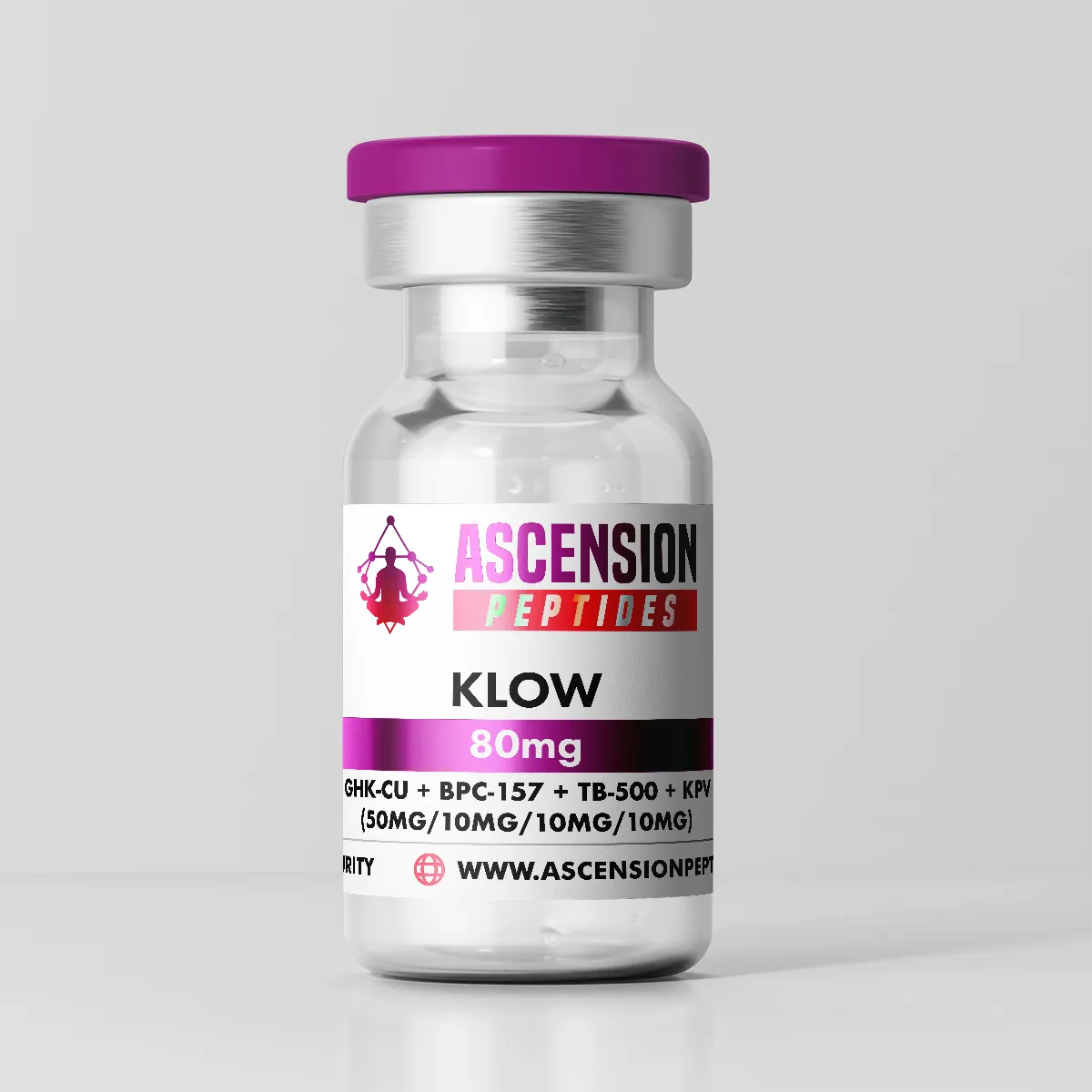
The Foundational Healing Stack
This combination is extensively studied because it addresses healing from two angles: BPC-157's local tissue repair effects and TB-500's systemic cell mobilization and migration enhancement.
Anti-Inflammatory Focus Stack
This stack targets inflammatory conditions where tissue damage and chronic inflammation coexist, such as gut injuries or inflammatory arthropathies.
Tissue Remodeling Stack
GHK-Cu's gene modulation and collagen stimulation complement BPC-157's healing effects, particularly for connective tissue injuries where collagen quality matters.
🔑 Key Takeaways: Peptide Selection
- Tendon/Ligament injuries: BPC-157 + TB-500 combination most researched
- Muscle strains: BPC-157 for local repair, TB-500 for systemic support
- Chronic inflammation: Add KPV to reduce inflammatory load
- Wound healing/scars: GHK-Cu for improved tissue quality
- Neuropathy: ARA-290 has clinical trial data; BPC-157 has preclinical evidence
Administration and Storage
Proper handling of healing peptides is essential for research validity. For detailed instructions, see our complete guide on how to reconstitute peptides:
Reconstitution
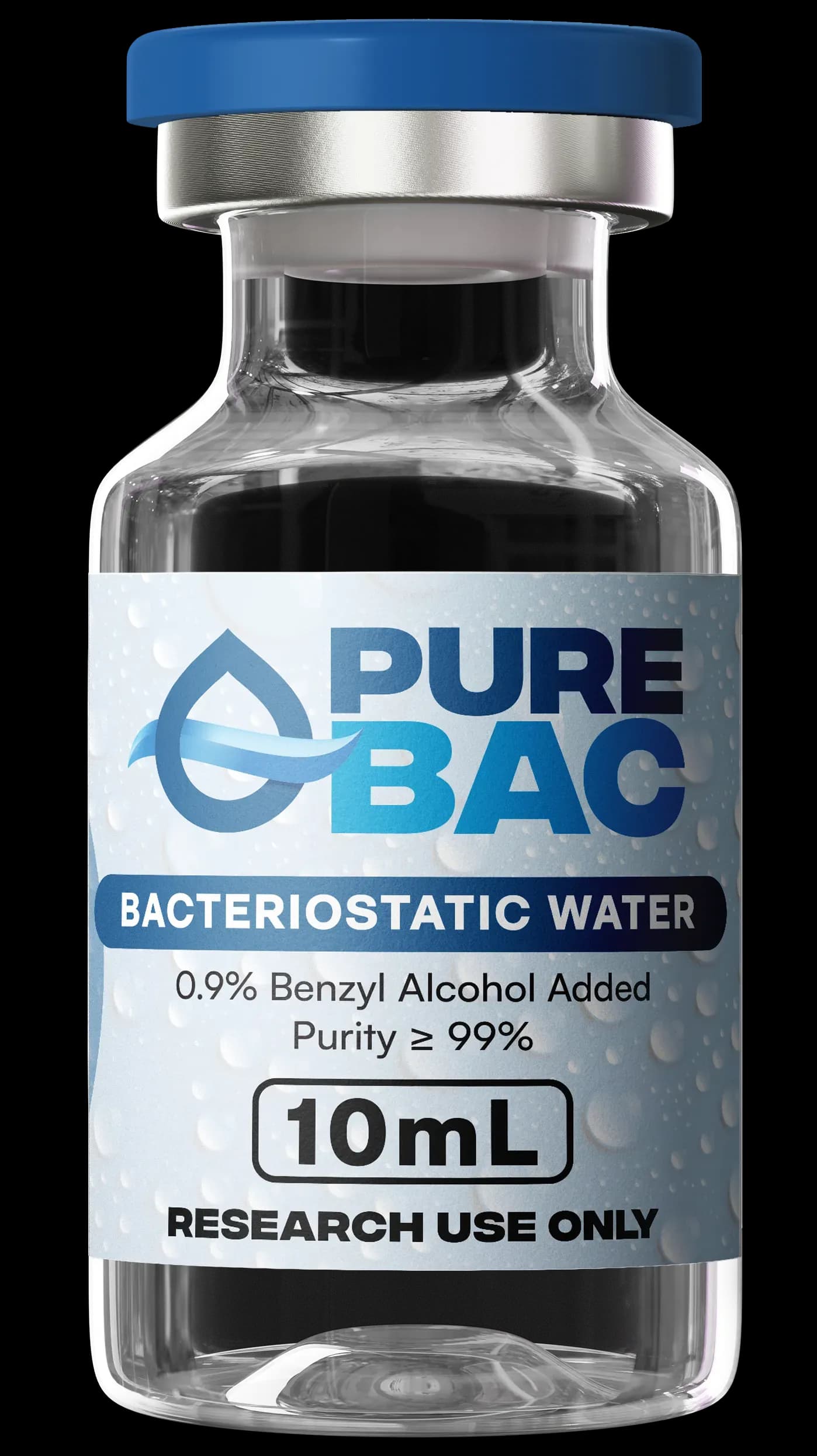
Use bacteriostatic water for multi-dose vials. Add water slowly along the vial wall—never shake. Most peptides reconstitute to clear solutions.
Storage
Lyophilized peptides: -20°C for long-term storage. Reconstituted solutions: 2-8°C (refrigerator), use within 2-4 weeks. Avoid freeze-thaw cycles.
Administration Timing
For injury recovery research, many protocols administer peptides near the injury site when possible. Systemic administration (subcutaneous in fat tissue) is also effective for most compounds.
Frequently Asked Questions
Summary: Building Your Healing Protocol
The healing peptide landscape offers powerful tools for injury recovery research. BPC-157 stands as the most versatile and extensively studied option, with effects across tendons, muscles, gut, and neural tissue. TB-500 provides complementary systemic effects through its unique actin-regulatory mechanism.
For specific applications:
- Acute musculoskeletal injuries: BPC-157 + TB-500 foundation
- Inflammatory conditions: Add KPV for anti-inflammatory support
- Tissue remodeling/scarring: Include GHK-Cu for collagen optimization
- Neuropathic conditions: Consider ARA-290 (clinical trial data available)
As peptide research continues to advance, we can expect more sophisticated understanding of optimal protocols, dosing, and combinations. For now, the evidence strongly supports healing peptides as valuable research tools for understanding and potentially accelerating the body's natural repair processes.
Always prioritize peptide quality, proper storage, and rigorous research methodology to generate meaningful data in this exciting field.