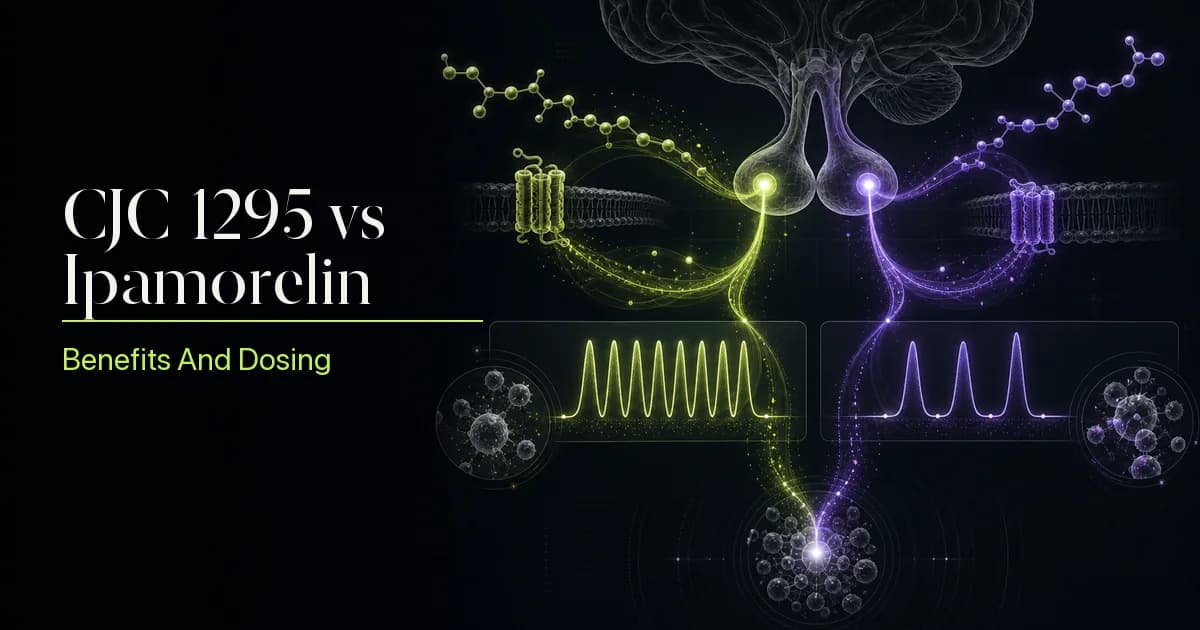
When it comes to growth hormone (GH) peptides, CJC-1295 and Ipamorelin stand out as two of the most widely researched compounds. Both stimulate natural GH release, but they work through entirely different mechanisms—which is precisely why many researchers combine them.
This guide breaks down everything you need to know about these two peptides: how they work, how they differ, their respective research profiles, and why the CJC-1295 + Ipamorelin stack has become so popular in peptide therapy research.
🔑 Key Takeaways
- CJC-1295 is a GHRH analog that extends growth hormone release; Ipamorelin is a GHRP that triggers GH pulses
- Ipamorelin is highly selective with minimal impact on cortisol and prolactin
- CJC-1295 comes in two forms: with DAC (long-acting) and without DAC (Mod GRF 1-29)
- The two peptides have synergistic effects when stacked together
- Both remain research compounds without regulatory approval for human therapeutic use
What Is CJC-1295?
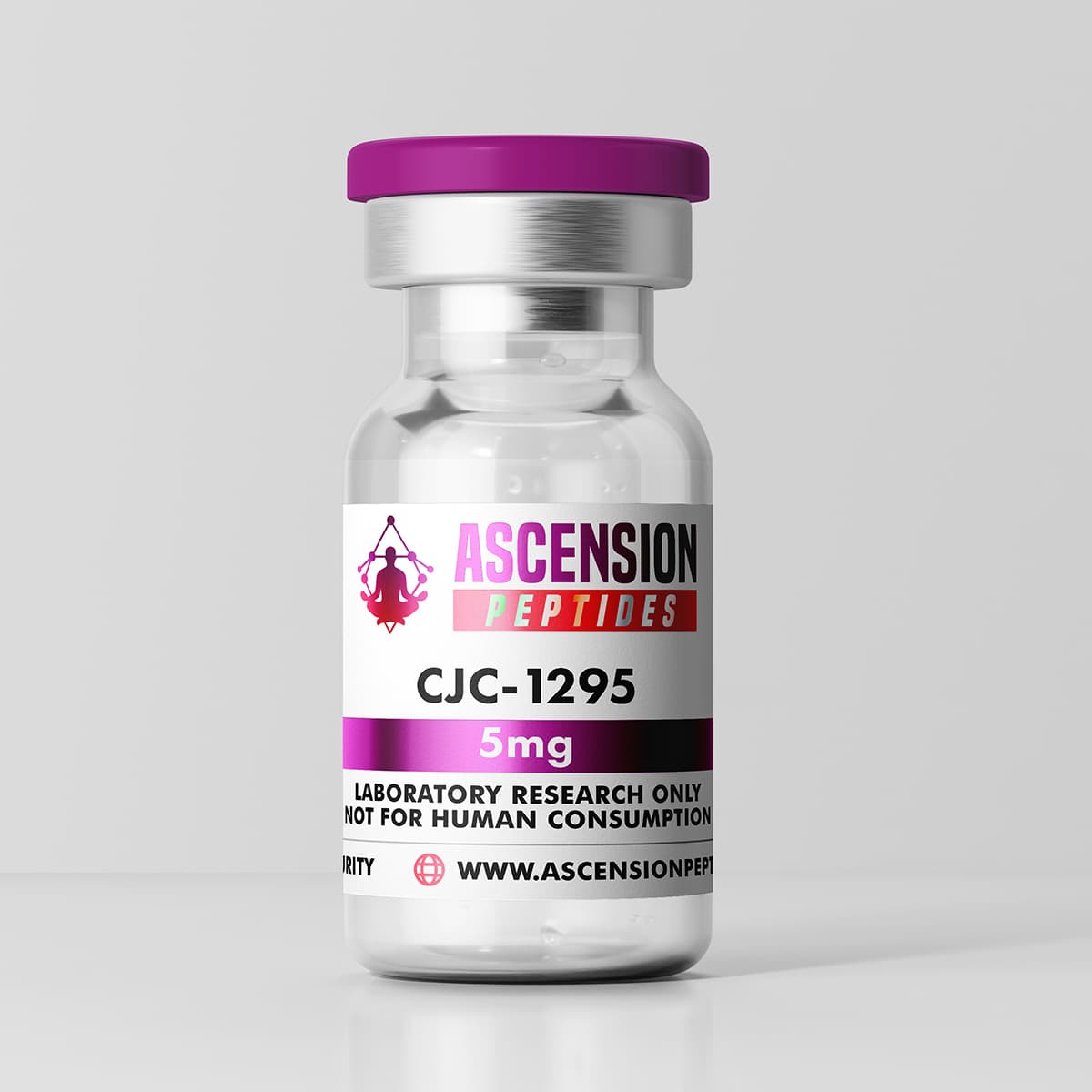
CJC-1295 is a synthetic analog of growth hormone-releasing hormone (GHRH), the natural hormone produced by the hypothalamus that signals the pituitary gland to release growth hormone. The peptide was developed by ConjuChem Biotechnologies and consists of 29 amino acids modified to resist enzymatic degradation.
What makes CJC-1295 particularly interesting is that it comes in two distinct forms:
CJC-1295 with DAC (Drug Affinity Complex)
The DAC modification allows CJC-1295 to bind to albumin in the bloodstream, dramatically extending its half-life to approximately 6-8 days. This creates a sustained elevation of GH levels rather than distinct pulses, which more closely mimics the continuous GHRH signaling that occurs naturally.
CJC-1295 without DAC (Mod GRF 1-29)
Without the DAC modification, this peptide (often called Mod GRF 1-29 or simply "CJC-1295 no DAC") has a much shorter half-life of approximately 30 minutes. This allows for more precise control over GH release timing and creates distinct GH pulses similar to natural secretion patterns. For detailed protocol information, see our CJC-1295 dosage guide.
What Is Ipamorelin?
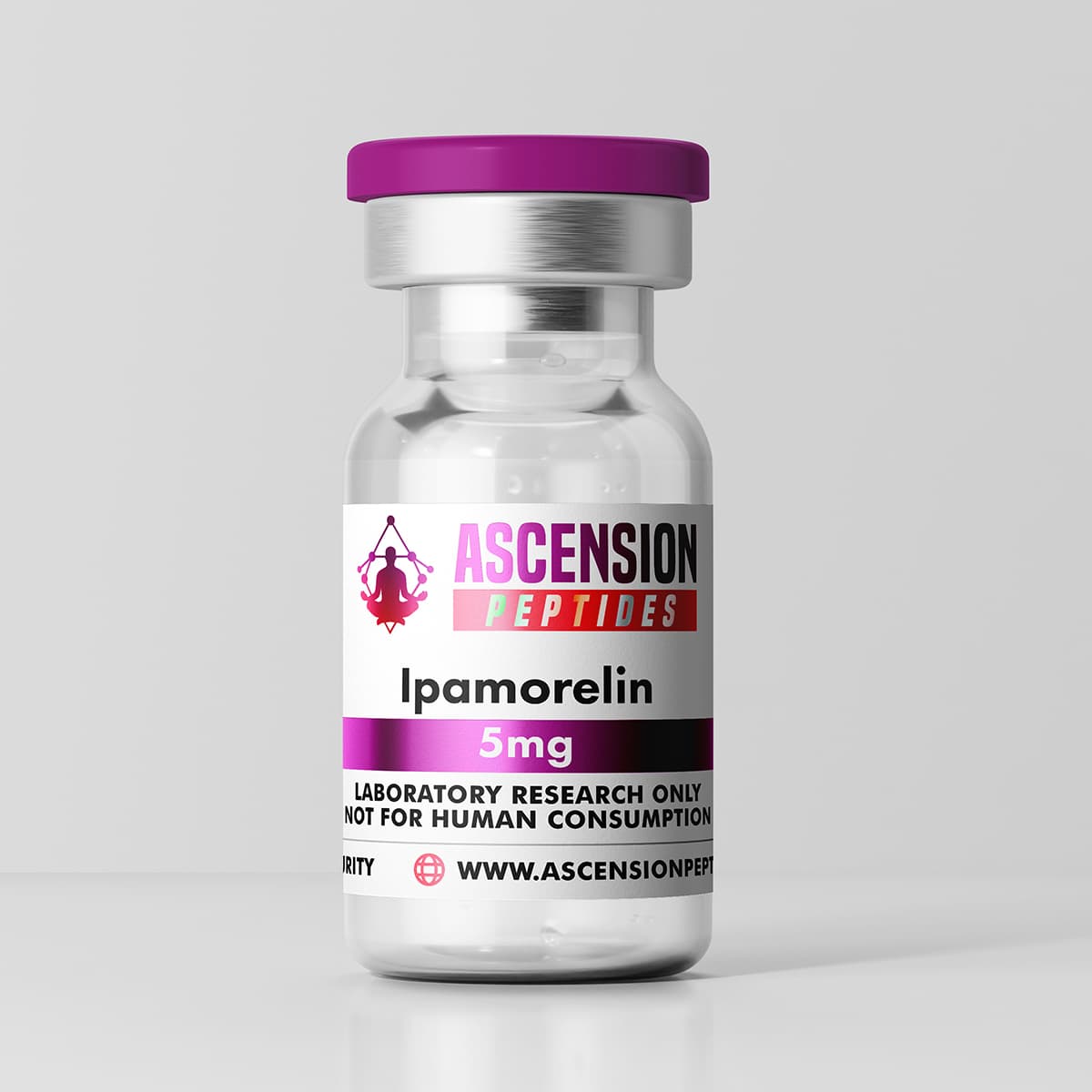
Ipamorelin is a growth hormone-releasing peptide (GHRP) that mimics the action of ghrelin—the "hunger hormone" that also stimulates GH release. It consists of just 5 amino acids and was developed as a more selective alternative to earlier GHRPs like GHRP-6 and GHRP-2.
What sets Ipamorelin apart from other GHRPs is its remarkable selectivity. It stimulates GH release from the pituitary without significantly affecting levels of cortisol, prolactin, or aldosterone—hormones that earlier GHRPs tended to elevate as unwanted side effects.
How They Work: Different Pathways, Same Goal
Understanding the distinct mechanisms of these peptides explains both their individual effects and why combining them produces synergistic results.
CJC-1295's Mechanism
CJC-1295 binds to GHRH receptors on pituitary somatotroph cells—the cells responsible for producing and releasing growth hormone. When activated, these receptors trigger a cascade of intracellular signaling that ultimately leads to GH synthesis and release.
The peptide essentially amplifies and extends the natural GHRH signal. With the DAC modification, this signal is sustained for days rather than minutes, creating a more stable elevation in GH and IGF-1 levels.
Ipamorelin's Mechanism
Ipamorelin acts through a completely different receptor system—the ghrelin receptor (GHS-R1a). This receptor has a distinct effect on pituitary cells, triggering rapid GH release in a pulsatile manner that mimics natural GH secretion patterns.
Importantly, Ipamorelin's selectivity means it activates the GH pathway without triggering the cortisol and prolactin release associated with ghrelin receptor activation by less selective compounds.
CJC-1295
GHRH receptor agonist → sustained GH elevation → increased IGF-1 production
Ipamorelin
Ghrelin receptor agonist → pulsatile GH release → preserved natural rhythm
CJC-1295 vs Ipamorelin: Side-by-Side Analysis
Let's break down the key differences between these two peptides across multiple factors.
GH Release Profiles
CJC-1295 with DAC creates a gradual, sustained increase in baseline GH and IGF-1 levels. Research shows IGF-1 levels can remain elevated for up to 2 weeks following a single dose. This mimics having consistently higher GHRH signaling around the clock.
CJC-1295 without DAC produces distinct GH pulses similar to natural secretion. The short half-life means each dose creates a spike that returns to baseline within hours, preserving the body's natural rhythm.
Ipamorelin also produces pulsatile GH release, but through the ghrelin pathway rather than GHRH. Each dose triggers a rapid GH spike that peaks within 30-40 minutes and returns to baseline over a few hours.
Research Findings: What the Studies Show
Both peptides have been studied in clinical and preclinical settings, though neither has received regulatory approval for therapeutic use.
CJC-1295 Research
Phase I and II clinical trials have examined CJC-1295 with DAC in healthy adults. Key findings include:
- Sustained IGF-1 elevation: A single 30-60 μg/kg dose produced IGF-1 increases of 1.5-3x baseline lasting 6-14 days
- GH increase: Mean GH levels increased 2-10 fold following administration
- Body composition effects: Some trials showed trends toward decreased fat mass and increased lean mass
- Well tolerated: Most common side effects were injection site reactions and transient flushing
Ipamorelin Research
Ipamorelin has been studied in various clinical contexts:
- Post-surgical recovery: Studies examined Ipamorelin for improving bowel function after surgery, with mixed results
- GH release: Research confirms potent, dose-dependent GH release without cortisol or prolactin elevation
- Selectivity: Studies consistently demonstrate Ipamorelin's selectivity compared to GHRP-6 and GHRP-2
- Safety profile: Generally well-tolerated in clinical trials with mild side effects
Combined Research
Preclinical studies examining the combination of GHRH analogs and ghrelin mimetics show synergistic effects—the GH release from the combination exceeds the sum of either peptide alone. This synergy forms the basis for the popular CJC-1295 + Ipamorelin stack.
Pro Tip
The synergy between GHRH and GHRP compounds is well-documented in research. When the two receptor pathways are activated simultaneously, pituitary somatotrophs produce significantly more GH than either pathway alone. This is the pharmacological rationale for stacking CJC-1295 with Ipamorelin.
CJC-1295 + Ipamorelin Stack: Why It's Popular
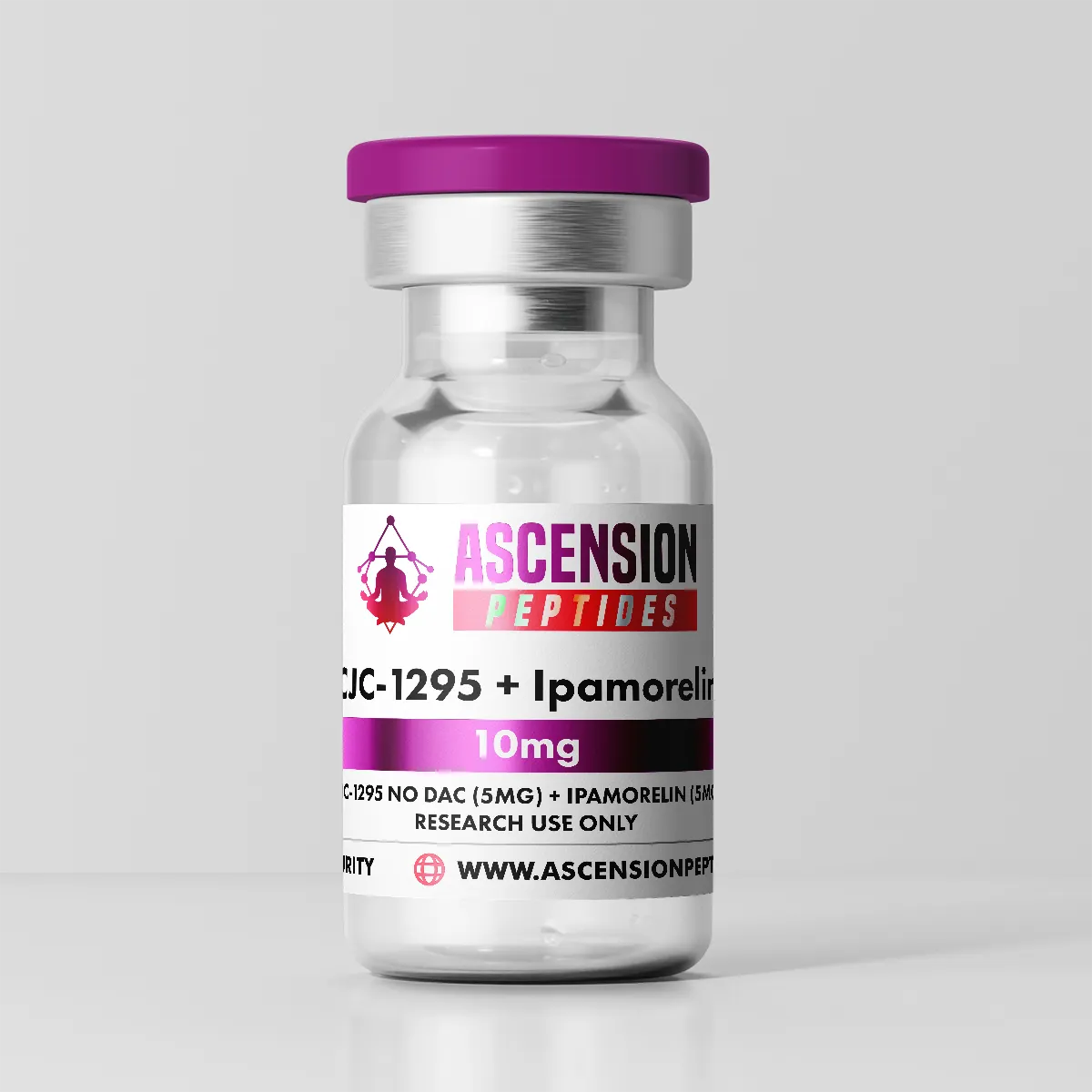
The combination of CJC-1295 (usually without DAC) and Ipamorelin has become one of the most widely used peptide stacks in research settings. For bodybuilding-specific protocols, see our CJC-1295 + Ipamorelin bodybuilding dosage guide.
Synergistic Release
Activating both GHRH and ghrelin pathways simultaneously produces GH release greater than either alone.
Clean Profile
Neither peptide significantly impacts cortisol, prolactin, or other hormones—a cleaner profile than older GHRPs.
Natural Pulsing
Using CJC-1295 no DAC maintains pulsatile GH release that mimics natural secretion patterns.
Flexible Dosing
The similar half-lives of both peptides (no DAC version) allow for convenient combined administration.
Typical Research Protocol
In research settings, CJC-1295 (no DAC) and Ipamorelin are often administered together, typically 2-3 times daily. Common timing includes morning, post-workout (if applicable), and before bed—aligning with natural GH secretion peaks. For optimal timing strategies, see when to take CJC-1295 + Ipamorelin.
Which Peptide Is Right for Your Research?
The choice between CJC-1295 and Ipamorelin—or using both together—depends on research objectives.
Consider CJC-1295 with DAC When:
- Studying sustained GH/IGF-1 elevation
- Convenience is important (less frequent dosing)
- Research focuses on long-term body composition effects
- Pulsatile release isn't critical to the study design
Consider CJC-1295 without DAC When:
- Preserving natural GH pulsatility is important
- Combining with Ipamorelin for synergistic effects
- More precise control over GH release timing is needed
- Shorter-term studies requiring washout periods
Consider Ipamorelin When:
- Selectivity is paramount (avoiding cortisol/prolactin changes)
- Studying ghrelin pathway-mediated GH release
- Clean GH pulses without other hormonal effects
- Combining with a GHRH analog for synergy
Consider the Stack When:
- Maximum GH release is the research goal
- Studying GHRH + GHRP synergy
- Body composition or recovery research
- Anti-aging or regenerative research applications
CJC-1295 and Ipamorelin for Muscle Growth
Both peptides have gained significant attention in muscle growth research due to their GH-elevating effects. Growth hormone plays a crucial role in protein synthesis, nitrogen retention, and overall muscle development.
When compared to other GH-releasing options like Sermorelin or Hexarelin, the CJC-1295 + Ipamorelin combination offers a favorable balance of efficacy and side effect profile. Some researchers also compare these peptides to the oral secretagogue MK-677, which offers convenience but with a different mechanism and longer duration of action.
For those interested in comprehensive muscle-building peptide options, our guide to best peptides for muscle growth provides additional context on how these compounds compare to alternatives.
Reconstitution and Storage
Both CJC-1295 and Ipamorelin are supplied as lyophilized powders requiring reconstitution before use.
Storage Before Reconstitution
Keep lyophilized peptides at -20°C for long-term storage. They can be stored at 2-8°C for several weeks if needed.
Reconstitution
Use bacteriostatic water (BAC water). Add slowly along the vial wall, allowing the powder to dissolve without agitation. Never shake.
Post-Reconstitution Storage
Store reconstituted peptides at 2-8°C. Use within 2-4 weeks for optimal stability. CJC-1295 with DAC has better solution stability than the no-DAC version.
For detailed reconstitution instructions, see our complete how to reconstitute peptides guide. For injection site guidance, see where to inject CJC-1295 + Ipamorelin.
Side Effects and Safety Considerations
Both peptides have demonstrated acceptable safety profiles in research, though neither is without potential side effects.
Common Side Effects
CJC-1295:
- Injection site reactions (redness, swelling)
- Flushing (particularly with DAC version)
- Headache
- Dizziness
- Water retention (with sustained use)
Ipamorelin:
- Injection site reactions
- Mild transient headache
- Slight increase in hunger (usually mild)
- Tiredness or lethargy (especially with bedtime dosing)
Contraindications and Cautions
- Active malignancy or history of certain cancers
- Diabetic retinopathy
- Pregnancy or breastfeeding
- Severe kidney or liver impairment
- Known hypersensitivity to either peptide
Frequently Asked Questions
Summary: Making the Right Choice
CJC-1295 and Ipamorelin represent two complementary approaches to growth hormone modulation. CJC-1295 works through GHRH receptors to extend growth hormone release, while Ipamorelin triggers potent GH pulses through the ghrelin pathway with exceptional selectivity.
For research requiring sustained GH/IGF-1 elevation, CJC-1295 with DAC offers convenience. For preserving natural pulsatility, CJC-1295 without DAC is preferred. For clean, selective GH release without cortisol or prolactin effects, Ipamorelin excels. And for maximum GH output with a favorable side effect profile, the combination of CJC-1295 (no DAC) + Ipamorelin has become the gold standard in peptide research.
Both peptides remain research compounds without regulatory approval for therapeutic use. As with all peptide research, proper protocols, quality sourcing, and appropriate oversight are essential.
🔑 Bottom Line
- CJC-1295 with DAC: Best for sustained GH elevation with convenient weekly dosing
- CJC-1295 without DAC: Best for pulsatile release and combining with Ipamorelin
- Ipamorelin: Best for selective GH release without hormonal side effects
- The Stack: Best for synergistic GH release and comprehensive research applications