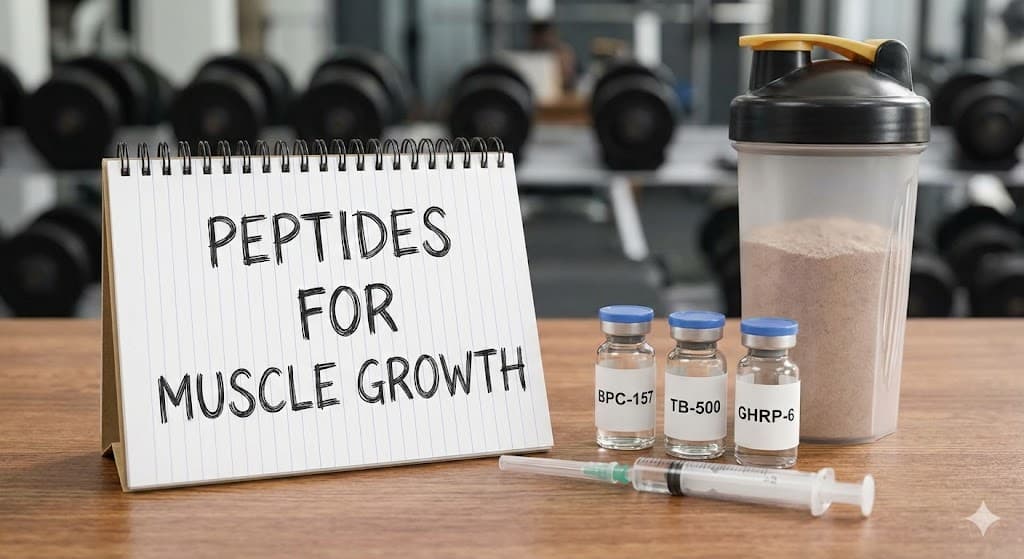
Peptides for Muscle Growth: Complete 2025 Guide to Building Lean Mass
If you're searching for peptides for muscle growth, you're likely looking for science-backed alternatives to help build lean muscle mass, enhance recovery, and optimize your physique. This comprehensive guide explores everything you need to know about muscle-building peptides, including the most effective options, how they work, safety considerations, and what research actually shows.
Medical Disclaimer: This article is for educational purposes only. Peptides for muscle growth are research compounds, and many are not FDA-approved for bodybuilding or athletic performance. Always consult a qualified healthcare provider before using any peptide therapy.
What Are Peptides for Muscle Growth?
Peptides are short chains of amino acids that act as signaling molecules in the body. When we talk about peptides for muscle growth, we're typically referring to growth hormone secretagogues (GHS) and recovery peptides that can:
- Stimulate natural growth hormone (GH) production
- Increase insulin-like growth factor 1 (IGF-1) levels
- Enhance protein synthesis and muscle recovery
- Reduce inflammation and speed healing
- Optimize body composition by promoting lean mass gains
Unlike anabolic steroids, peptides work by signaling your body to produce more of its own natural hormones rather than directly introducing synthetic hormones.
How Do Muscle-Building Peptides Work?
The mechanism behind peptides for muscle growth involves several pathways:
Growth Hormone Stimulation: GHS peptides bind to ghrelin receptors or GHRH receptors, triggering the pituitary gland to release more growth hormone.
IGF-1 Production: Increased GH leads to elevated IGF-1 levels in the liver and muscle tissue, directly promoting muscle protein synthesis.
Enhanced Recovery: Some peptides accelerate tissue repair at the cellular level, reducing downtime between training sessions.
Improved Body Composition: By optimizing hormone levels, these peptides can simultaneously promote muscle growth and fat loss.
7 Best Peptides for Muscle Growth in 2025
Based on current research and clinical evidence, here are the most effective peptides for building muscle mass:
1. CJC-1295 + Ipamorelin (The Gold Standard Combination)
CJC-1295 and Ipamorelin are consistently ranked as the best peptides for muscle growth when used together.
How They Work:
- CJC-1295: A GHRH analogue that stimulates sustained growth hormone release
- Ipamorelin: A selective ghrelin mimetic that creates additional GH pulses
- Combined: They work synergistically to maximize natural GH production
Benefits:
- Sustained 24/7 growth hormone elevation
- Increased lean muscle mass (2-5kg over 12 weeks)
- Enhanced fat loss, especially visceral fat
- Improved sleep quality and recovery
- Minimal side effects compared to direct GH
Typical Protocol:
- CJC-1295: 100-300mcg per injection
- Ipamorelin: 200-300mcg per injection
- Frequency: 1-2 times daily (before bed most common)
- Cycle: 8-12 weeks on, 4-8 weeks off
Source: Innerbody Research ranks CJC-1295 with Ipamorelin as the #1 combination for muscle growth in 2025.
2. IGF-1 LR3 (For Rapid Muscle Growth)
IGF-1 LR3 is a more potent, longer-lasting version of insulin-like growth factor 1.
Why It's Effective:
- Directly stimulates muscle protein synthesis
- Promotes muscle cell proliferation (hyperplasia)
- Increases nutrient uptake into muscle cells
- Faster results than GH secretagogues
Considerations:
- More aggressive approach with higher potential for side effects
- Requires precise dosing
- Often reserved for advanced users
- Typical dose: 20-80mcg per day for 4-6 weeks
Research Note: IGF-1 LR3 has shown significant muscle-building effects in studies, but long-term safety data is limited.
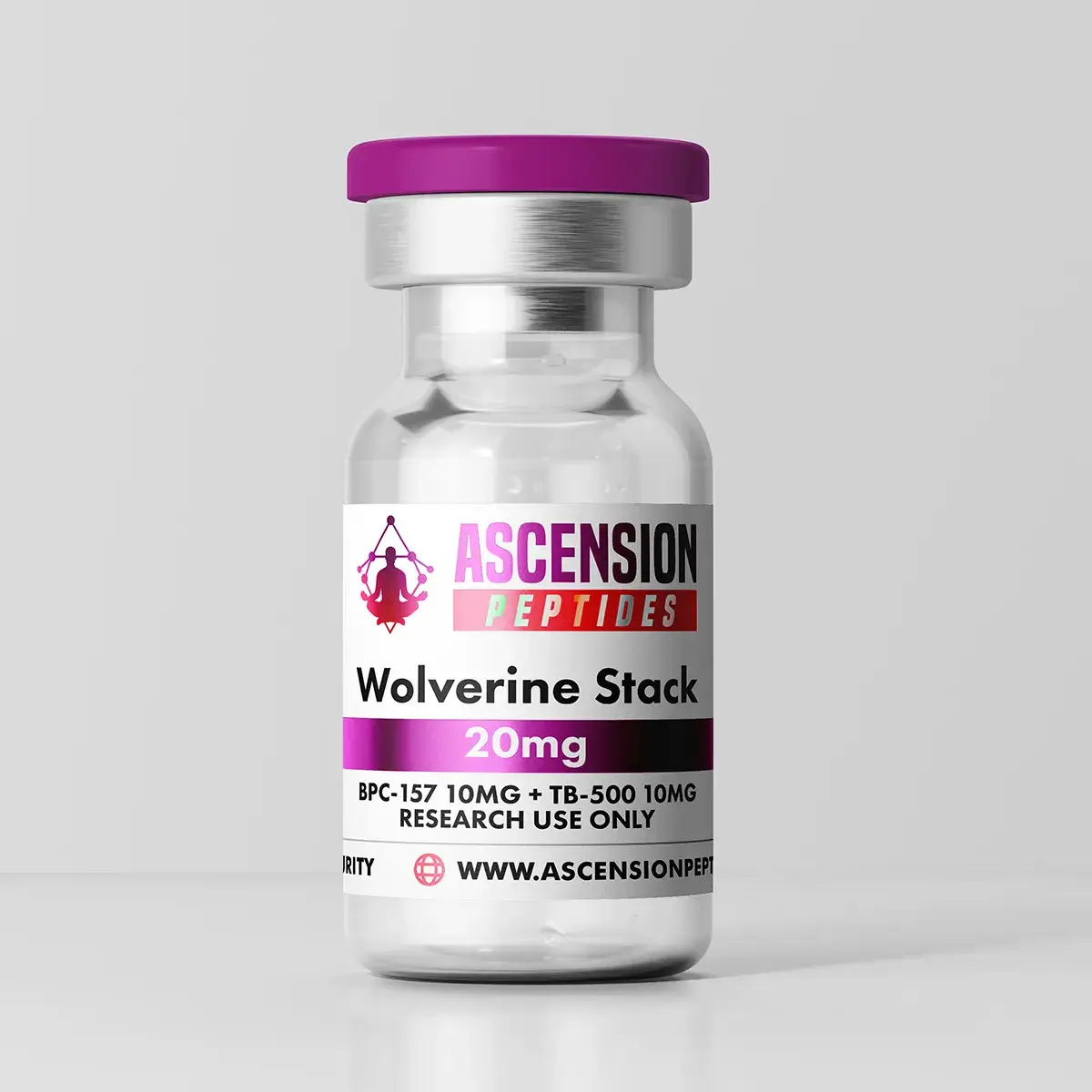
3. BPC-157 (Body Protection Compound)
BPC-157 is a recovery-focused peptide that indirectly supports muscle growth through enhanced healing.
Key Benefits:
- Accelerates muscle, tendon, and ligament repair
- Reduces inflammation and recovery time
- Protects against training-related injuries
- Supports gut health and nutrient absorption
Why It Matters for Muscle Growth:
- Faster recovery = more frequent, intense training
- Better nutrient absorption = improved muscle building
- Injury prevention = consistent long-term progress
Typical Dosing:
- 250-500mcg daily
- Administered via subcutaneous injection
- Can be used long-term with minimal side effects
Research: Healthline notes that BPC-157 has shown promise in animal studies for tissue repair and recovery.
4. TB-500 (Thymosin Beta-4)
TB-500 is another powerful recovery peptide often stacked with BPC-157.
Mechanism:
- Promotes new blood vessel formation (angiogenesis)
- Reduces inflammation throughout the body
- Enhances cellular migration to injury sites
- Improves flexibility and range of motion
Muscle Building Applications:
- Supports training volume through faster recovery
- Reduces delayed onset muscle soreness (DOMS)
- Helps maintain training intensity during cutting phases
- Excellent for aging athletes
Standard Protocol:
- Loading phase: 5-10mg twice weekly for 4-6 weeks
- Maintenance: 2-5mg weekly
- Often combined with BPC-157 for synergistic effects
5. Sermorelin (Budget-Friendly GH Booster)
Sermorelin is a GHRH analogue similar to CJC-1295 but with a shorter half-life.
Advantages:
- More affordable than other GH secretagogues
- Well-studied with established safety profile
- Mimics natural GH pulsatility
- FDA-approved for growth hormone deficiency
Muscle Growth Benefits:
- Increased lean muscle mass over time
- Improved recovery and sleep quality
- Enhanced fat metabolism
- Better overall body composition
Typical Use:
- 200-500mcg before bed
- Requires more frequent dosing than CJC-1295
- Best for those new to peptide therapy
Expert Opinion: Alpha Man Clinic recommends Sermorelin as an excellent entry point for peptide therapy due to its safety profile.
6. Tesamorelin (Targeted Fat Loss with Muscle Preservation)
Tesamorelin is a GHRH analogue FDA-approved for reducing visceral fat.
Unique Benefits:
- Specifically targets abdominal fat
- Preserves lean muscle during fat loss
- Improves metabolic markers
- No significant insulin resistance
Best For:
- Cutting phases while maintaining muscle
- Body recomposition goals
- Individuals with elevated visceral fat
Dosing:
- 2mg daily via subcutaneous injection
- Typically administered in the evening
- Cycles of 3-6 months common
7. GHRP-6 and GHRP-2 (Classic GH Secretagogues)
GHRP-6 and GHRP-2 are older generation growth hormone releasing peptides.
Characteristics:
- Powerful GH release (especially GHRP-6)
- GHRP-6 significantly increases appetite
- GHRP-2 has less appetite stimulation
- May increase cortisol and prolactin
Current Status:
- Less popular than newer, more selective peptides
- GHRP-6 useful during bulking phases (appetite boost)
- GHRP-2 better for cutting (less hunger)
Standard Protocol:
- 100-300mcg, 2-3 times daily
- Often stacked with GHRH analogues
- Cycles of 8-12 weeks
Peptides for Muscle Growth: What the Science Shows
Clinical Evidence
Research on peptides for muscle growth shows promising but limited results:
Growth Hormone Secretagogues:
- Studies show GHS peptides can increase GH levels by 200-700% depending on dose and individual response
- Research published on PubMed demonstrates effects on body composition in various populations
- Most studies are short-term (12-24 weeks), limiting our understanding of long-term effects
Recovery Peptides:
- Animal studies show significant acceleration in wound and tissue healing
- Human data is emerging but still limited to small trials
- Anecdotal reports from athletes are consistently positive
Body Composition Changes:
- Lean mass gains: Typically 2-5kg over 12 weeks
- Fat loss: 2-4kg concurrent with muscle gains
- Results vary significantly based on training, nutrition, and baseline hormone levels
Comparison: Peptides vs. Other Options
| Method | Muscle Growth | Safety Profile | Cost | Legality |
|---|---|---|---|---|
| Peptides (GHS) | Moderate-Good | Good | Moderate | Prescription required |
| HGH Injections | Excellent | Moderate | Very High | Prescription required |
| Anabolic Steroids | Excellent | Poor | Moderate | Illegal/Prescription |
| SARMs | Good | Unknown | Moderate | Grey area |
| Natural Training | Good | Excellent | Low | Legal |
Key Takeaway: Peptides offer a middle ground between natural methods and more aggressive pharmaceutical interventions.
How to Use Peptides for Muscle Growth Safely
Medical Supervision is Essential
Why You Need a Doctor:
- Proper diagnosis and baseline lab work
- Individualized dosing based on your physiology
- Regular monitoring of IGF-1, glucose, and other markers
- Management of side effects if they occur
- Legal access to pharmaceutical-grade peptides
Required Lab Work
Baseline Tests (Before Starting):
- IGF-1 levels
- Complete hormone panel
- Fasting glucose and HbA1c
- Lipid panel
- Liver and kidney function
- Thyroid function (TSH, T3, T4)
Follow-Up Testing (Every 4-8 weeks):
- IGF-1 monitoring (should increase 50-100%)
- Glucose and insulin sensitivity
- Blood pressure checks
- Symptom assessment
Maximizing Results: Diet and Training
Nutrition Requirements:
- High protein: 1.8-2.5g per kg body weight
- Adequate calories: At least maintenance, slight surplus for bulking
- Quality carbs: Time around workouts for optimal hormone response
- Healthy fats: Support hormone production
Training Approach:
- Progressive overload: Consistently increase weight/volume
- Adequate frequency: 4-6 training sessions per week
- Recovery focus: 7-9 hours sleep nightly
- Deload weeks: Every 4-6 weeks to prevent overtraining
Common Side Effects and How to Manage Them
Mild Side Effects:
- Water retention (especially hands and feet)
- Temporary fatigue or grogginess
- Injection site reactions
- Increased appetite (especially with GHRP-6)
Managing Side Effects:
- Start with lower doses and gradually increase
- Time injections strategically (before bed for water retention)
- Rotate injection sites
- Stay well hydrated
Red Flags (Seek Medical Attention):
- Persistent headaches or vision changes
- Significant blood sugar changes
- Severe joint pain or carpal tunnel symptoms
- Chest pain or shortness of breath
Peptide Stacks for Muscle Growth
Beginner Stack (Conservative Approach)
Protocol:
- Sermorelin: 300mcg before bed
- BPC-157: 250mcg daily
- Duration: 12 weeks
Expected Results:
- Improved sleep and recovery
- Gradual increase in lean mass (1-3kg)
- Enhanced workout performance
- Minimal side effects
Cost: ~$150-200/month
Intermediate Stack (Most Popular)
Protocol:
- CJC-1295 (no DAC): 100mcg
- Ipamorelin: 200mcg
- Frequency: 2x daily (morning and before bed)
- TB-500: 5mg twice weekly for first 4 weeks
- Duration: 12 weeks on, 8 weeks off
Expected Results:
- Significant muscle gains (3-5kg)
- Noticeable fat loss
- Excellent recovery
- Improved skin and sleep quality
Cost: ~$300-500/month
Advanced Stack (Maximum Results)
Protocol:
- CJC-1295: 200mcg + Ipamorelin: 300mcg (2-3x daily)
- IGF-1 LR3: 40-60mcg daily (first 6 weeks)
- BPC-157: 500mcg daily
- TB-500: 5mg twice weekly
- Duration: 12 weeks with careful monitoring
Expected Results:
- Dramatic muscle gains (5-8kg possible)
- Substantial fat loss
- Rapid recovery from intense training
- Higher risk of side effects
Cost: ~$600-900/month
Warning: Advanced stacks require experienced medical supervision and frequent lab monitoring.
Legal and Ethical Considerations

FDA Status and Legal Access
Current Regulations:
- Most muscle-building peptides are not FDA-approved for athletic performance
- Legal to possess with a valid prescription
- Buying from research chemical companies for personal use exists in a grey area
- Importing across borders may violate customs regulations
Prescription Access:
- Anti-aging clinics
- Hormone optimization specialists
- Functional medicine practitioners
- Sports medicine physicians
Anti-Doping Rules
WADA Prohibited List:
- All growth hormone secretagogues are banned in competitive sports
- Includes CJC-1295, Ipamorelin, GHRP-6, Sermorelin, and others
- Detection is improving with new testing methods
- Violations result in suspensions of 2-4 years
Exceptions:
- Collagen peptides are NOT prohibited
- Therapeutic Use Exemptions (TUEs) rarely granted for muscle-building purposes
Important: Healthline reports that GHS peptides are currently banned in professional sports with severe penalties for violations.
Cost Analysis: Peptides for Muscle Growth
Monthly Investment by Protocol
Conservative (Sermorelin + BPC-157):
- Peptides: $120-180
- Supplies (syringes, alcohol wipes, bac water): $20-30
- Lab work (quarterly): $50-100 average per month
- Total: $190-310/month
Standard (CJC-1295 + Ipamorelin):
- Peptides: $250-400
- Supplies: $25-40
- Lab work: $50-100
- Doctor visits (if not included): $50-150
- Total: $375-690/month
Advanced (Multi-peptide stack):
- Peptides: $500-800
- Supplies: $30-50
- Lab work: $75-150
- Medical oversight: $100-200
- Total: $705-1,200/month
Is It Worth the Cost?
Compare to Alternatives:
- Personal trainer: $200-600/month
- Premium supplements: $150-300/month
- HGH therapy: $1,500-3,000/month
- TRT + HGH: $800-1,500/month
Value Proposition:
- More cost-effective than HGH injections
- Results beyond what supplements can achieve
- Investment in long-term health and performance
- Can be cycled to reduce costs
Frequently Asked Questions
How long before I see results from peptides for muscle growth?
Most users notice initial effects within 2-4 weeks:
- Weeks 1-2: Improved sleep quality, faster recovery
- Weeks 3-4: Beginning of body composition changes
- Weeks 6-8: Noticeable muscle gains and fat loss
- Weeks 10-12: Peak results become apparent
Consistent training and nutrition are essential throughout.
Can women use peptides for muscle growth?
Yes, peptides like CJC-1295 and Ipamorelin work similarly in women. Dosing may be slightly lower due to body weight differences. Women should avoid peptides during pregnancy or breastfeeding. Benefits include:
- Lean muscle development
- Fat loss (especially stubborn areas)
- Improved skin quality
- Better recovery
Do I need to cycle peptides?
Yes, cycling is recommended for most growth hormone secretagogues:
- Typical cycle: 8-12 weeks on, 4-8 weeks off
- Reasoning: Prevents receptor desensitization and maintains sensitivity
- Exception: Recovery peptides (BPC-157, TB-500) can be used continuously when needed
Are peptides better than steroids for muscle growth?
Peptides and steroids work differently:
Peptides Advantages:
- Work with your natural hormone production
- Better long-term safety profile
- No testosterone suppression
- Legal with prescription
Steroids Advantages:
- More dramatic short-term results
- Well-established protocols
- Cheaper in some cases
Bottom Line: Peptides are safer but produce more moderate results compared to anabolic steroids.
What happens when I stop taking peptides?
Effects when discontinuing peptides:
- Growth hormone returns to natural baseline levels
- Muscle gains are maintainable with proper training
- Sleep and recovery benefits diminish gradually
- No withdrawal symptoms or hormonal crash
- Natural GH production rebounds (not suppressed like with exogenous HGH)
Can I stack peptides with TRT or other hormones?
Yes, many users successfully combine:
- TRT + Peptides: Common and synergistic
- Peptides + SARMs: Possible but compounds side effect risks
- Peptides + Steroids: Advanced users only, requires careful monitoring
Always disclose all medications/supplements to your physician.
Where can I buy legitimate peptides for muscle growth?
Safe Sources:
- Prescription from licensed medical provider (preferred)
- Compounding pharmacies with prescription
- Research peptide companies (quality varies significantly)
Red Flags:
- Extremely cheap prices
- No quality testing certificates
- Claims of "pharmaceutical grade" without documentation
- No sterility testing
Quality Matters: Third-party testing is essential for safety and efficacy.
Natural Alternatives to Peptides for Muscle Growth
Before considering peptides, maximize these natural approaches:
Optimize Your Training
- Progressive overload with compound movements
- 4-6 training sessions per week
- Adequate recovery between sessions
- Periodized programming for long-term gains
Nutrition Optimization
- Protein: 1.6-2.2g per kg body weight
- Slight caloric surplus for muscle gain
- Pre and post-workout nutrition timing
- Micronutrient-dense whole foods
Natural GH Boosters
- Quality sleep: 7-9 hours nightly (biggest factor)
- High-intensity training: Stimulates natural GH
- Intermittent fasting: Can boost GH by 300-1300%
- Supplements: Arginine, ornithine, glycine, GABA
Hormone Optimization
- Manage stress (cortisol negatively impacts muscle growth)
- Adequate vitamin D (25-50ng/mL optimal)
- Zinc and magnesium supplementation
- Minimize alcohol consumption
The Future of Peptides for Muscle Growth
Emerging Research Directions
New Peptide Development:
- More selective GH secretagogues with fewer side effects
- Oral delivery systems (currently injection-only)
- Tissue-specific targeting for precise effects
Clinical Applications:
- Sarcopenia (age-related muscle loss) treatment
- Cachexia in chronic illness
- Post-surgical recovery enhancement
- Sports medicine injury prevention
Regulatory Landscape
The FDA is increasing scrutiny of peptide compounding pharmacies, which may:
- Reduce availability in some markets
- Increase costs as regulations tighten
- Push more research toward FDA approval
- Create clearer legal frameworks
Conclusion: Are Peptides Right for Your Muscle Growth Goals?
Peptides for muscle growth offer a science-backed approach to enhancing physique development, especially for individuals who have plateaued with natural methods. The most effective options—particularly CJC-1295 combined with Ipamorelin—provide a middle ground between natural training and more aggressive interventions.
Key Takeaways:
✅ Effectiveness: Expect 2-5kg lean mass gains over 12 weeks with proper protocol
✅ Safety: Better profile than steroids when used under medical supervision
✅ Cost: $300-700/month for quality peptides and monitoring
✅ Requirements: Prescription access, lab work, and consistent training/nutrition
✅ Legality: Prescription required; banned in competitive sports
Who Should Consider Peptides:
- Natural athletes who have hit genetic plateaus
- Individuals over 35 experiencing declining GH levels
- Those prioritizing long-term health over rapid gains
- People willing to invest in medical supervision
Who Should Avoid Peptides:
- Those seeking quick fixes without training commitment
- Individuals unable to afford proper medical oversight
- Competitive athletes in tested sports
- Anyone with active cancer or uncontrolled diabetes
Final Recommendation: If you're serious about exploring peptides for muscle growth, work with an experienced hormone optimization physician who can provide proper testing, pharmaceutical-grade compounds, and ongoing monitoring to ensure both safety and results.
Sources
- Healthline: Peptides for Bodybuilding
- Innerbody Research: Best Peptides for Muscle Growth 2025
- Alpha Man Clinic: Complete 2025 Guide
- Pliability: Top 9 Peptides for Athletic Performance
- Elite Bioscience: Best Peptides for Muscle Growth
- Team Wellcore: 7 Best Peptides for Muscle Growth
- MDPI: Collagen Peptides Effects on Muscle Recovery