L-Carnosine
L-Carnosine (β-Alanyl-L-Histidine)
Get L-Carnosine
Sourced from Ascension Peptides. Verified ≥≥99% purity, third-party tested. COA included.
Off with code
PEPTIDEDECK
Table of Contents
What is L-Carnosine?
L-Carnosine is a naturally-occurring dipeptide—a simple molecule consisting of just two amino acids, β-alanine and L-histidine, linked together. Despite its simplicity, this tiny peptide possesses a remarkable array of biological activities that have made it one of the most studied compounds in anti-aging research.
First discovered in 1900 by Russian biochemist Vladimir Gulevich while studying meat extracts, carnosine's name derives from the Latin 'carnis' (meat), reflecting its high concentration in muscle tissue. It's found in abundance throughout the animal kingdom, with particularly high levels in the skeletal muscle, heart, and brain—tissues characterized by high metabolic activity and significant exposure to oxidative stress.
In humans, carnosine concentrations decline with age, correlating with decreases in muscle function and cognitive performance. This age-related decline, combined with carnosine's demonstrated ability to extend replicative capacity in cultured cells and lifespan in accelerated-aging mouse models, has positioned it as a compelling target for anti-aging intervention.
What makes carnosine particularly interesting from a longevity perspective is its multi-modal mechanism of action. Unlike single-target interventions, carnosine simultaneously acts as:
- An anti-glycation agent that prevents harmful sugar-protein cross-links
- A broad-spectrum antioxidant that neutralizes multiple types of reactive oxygen species
- A metal ion chelator that binds potentially toxic copper, zinc, and iron
- A pH buffer that maintains optimal acidity in muscle during exercise
- A membrane stabilizer that protects cell structures from damage
This multi-target approach addresses several hallmarks of aging simultaneously, making carnosine a uniquely comprehensive anti-aging compound.
Research Benefits
Inhibition of advanced glycation end-products (AGEs) formation
Potent antioxidant and free radical scavenger
Protection against oxidative stress in neurons
pH buffering in muscle tissue during exercise
Metal ion chelation (copper, zinc, iron)
Cellular senescence modulation in vitro
Protection against lipid peroxidation
Support for healthy blood sugar metabolism
How L-Carnosine Works
Anti-Glycation: The Carnosine Advantage
Glycation is one of the fundamental processes driving aging. It occurs when sugar molecules react non-enzymatically with proteins, lipids, and nucleic acids, eventually forming irreversible compounds called Advanced Glycation End-products (AGEs). AGEs cross-link proteins, impair tissue function, activate inflammatory pathways, and accumulate in virtually every tissue with age.
Carnosine is one of the most effective natural anti-glycation agents known. It works through several mechanisms:
Sacrificial Protection
Carnosine competes with proteins for reactive sugars and aldehydes, essentially sacrificing itself to protect more important biomolecules.
Transglycation
Carnosine can react with already-formed glycation intermediates, preventing their progression to harmful AGEs.
Carbonyl Scavenging
Carnosine neutralizes reactive carbonyl compounds like methylglyoxal that drive protein damage.
Antioxidant Activity
Carnosine exhibits broad-spectrum antioxidant properties, neutralizing multiple types of reactive oxygen species (ROS) including superoxide, hydroxyl radicals, and singlet oxygen. Unlike some antioxidants that become pro-oxidant under certain conditions, carnosine appears to maintain its protective effects across a wide range of physiological conditions.
Additionally, carnosine acts as a 'sacrificial' antioxidant, preferentially reacting with lipid peroxidation products to protect cell membranes and prevent the chain reactions that propagate oxidative damage.
Metal Ion Chelation
Transition metals like copper, iron, and zinc can catalyze harmful oxidative reactions when present in their free (unbound) forms. The histidine component of carnosine provides an excellent binding site for these metal ions, effectively chelating them and preventing their participation in damaging Fenton-type reactions.
pH Buffering in Muscle
During high-intensity exercise, lactic acid accumulates in muscle, lowering intracellular pH and contributing to fatigue. The histidine component of carnosine has a pKa of approximately 6.8, making it an ideal physiological buffer. Muscle carnosine helps maintain optimal pH during exercise, contributing to delayed fatigue and improved performance.
This buffering capacity explains why carnosine's precursor, β-alanine, has become popular among athletes—increasing muscle carnosine levels enhances buffering capacity and exercise performance.
Cellular Senescence Modulation
Perhaps carnosine's most intriguing property is its ability to influence cellular senescence. In landmark studies by McFarland and Holliday, human fibroblasts cultured in carnosine-supplemented media showed:
- Extended replicative lifespan (more population doublings before senescence)
- More youthful cellular morphology
- Reversal of the senescent phenotype when added to already-senescent cells
While the precise mechanisms remain under investigation, this remarkable rejuvenation effect has positioned carnosine as one of the few compounds with demonstrated anti-senescence activity in vitro.
Research Applications
Aging and longevity
Active research area with published studies
Glycation and AGE formation
Active research area with published studies
Neuroprotection and cognitive decline
Active research area with published studies
Diabetic complications
Active research area with published studies
Exercise performance and muscle fatigue
Active research area with published studies
Cataract prevention
Active research area with published studies
Wound healing
Active research area with published studies
Cardiovascular protection
Active research area with published studies
Research Findings
Longevity Studies
The most compelling longevity data for carnosine comes from studies in senescence-accelerated mice (SAM). These animals exhibit rapid aging and shortened lifespans, making them useful models for anti-aging interventions. In multiple studies, carnosine supplementation:
- Extended median and maximum lifespan
- Improved markers of tissue health
- Reduced age-related behavioral decline
- Decreased oxidative damage markers
🔑 Longevity Research Highlights
- Lifespan extension in accelerated-aging mouse models
- Rejuvenation of senescent human fibroblasts in culture
- Protection against multiple hallmarks of aging simultaneously
- Age-related decline in tissue carnosine correlates with functional decline
Glycation and Diabetes Research
Given carnosine's anti-glycation properties, considerable research has focused on diabetes complications where accelerated glycation is a major driver of pathology:
Diabetic Nephropathy: Animal studies show carnosine supplementation reduces kidney damage in diabetic models, improving markers of glomerular function and reducing AGE accumulation in renal tissue.
Diabetic Neuropathy: Research demonstrates carnosine can protect peripheral nerves from glycation damage, maintaining nerve conduction velocity and preventing structural nerve damage in diabetic animals.
Cardiovascular Protection: Carnosine has shown protective effects against diabetes-induced vascular damage, reducing endothelial dysfunction and arterial stiffening.
Neuroprotection Research
The brain is particularly vulnerable to oxidative stress and glycation damage, making carnosine's protective properties especially relevant for neurological applications:
Alzheimer's Disease: Laboratory studies show carnosine protects neurons against beta-amyloid toxicity, reduces oxidative damage markers, and inhibits the glycation of neural proteins. Some human studies have found reduced carnosine levels in Alzheimer's patients.
Parkinson's Disease: Carnosine has shown protective effects against dopaminergic neuron damage in cell culture and animal models, potentially through its antioxidant and metal-chelating properties.
Stroke and Ischemia: Animal research demonstrates carnosine can reduce infarct size and improve outcomes following cerebral ischemia, likely through protection against ischemia-reperfusion injury.
Eye Health and Cataracts
Age-related cataracts are driven in part by glycation and oxidation of lens crystallin proteins. Carnosine research in ophthalmology includes:
- Protection of lens proteins from sugar-induced cross-linking
- Preservation of crystallin transparency in laboratory studies
- Potential reversal of early cataract changes with topical N-acetylcarnosine (a prodrug form)
N-acetylcarnosine eye drops have shown promise in some clinical studies, though results remain controversial and more research is needed.
Exercise Performance
While β-alanine supplementation is more commonly studied for athletic applications, carnosine itself plays a key role:
| Outcome | Finding | Mechanism |
|---|---|---|
| Fatigue Resistance | Improved high-intensity exercise capacity | pH buffering |
| Power Output | Enhanced repeated sprint performance | Buffering + antioxidant |
| Recovery | Reduced muscle damage markers post-exercise | Antioxidant protection |
Dosage & Administration
L-Carnosine is widely available as an oral supplement in capsule, tablet, and powder form. Understanding its pharmacokinetics helps optimize supplementation strategies.
Oral Bioavailability Considerations
When taken orally, carnosine faces a significant hurdle: plasma carnosinase. This enzyme, present in blood plasma, rapidly breaks down carnosine into its constituent amino acids. This enzymatic degradation limits plasma half-life to approximately 20-30 minutes.
However, oral supplementation does effectively increase tissue carnosine levels over time through several mechanisms:
- Some intact carnosine reaches tissues before plasma degradation
- Absorbed amino acids provide substrate for tissue carnosine synthesis
- Repeated dosing maintains elevated tissue levels
Recommended Dosages
| Application | Daily Dose | Frequency | Notes |
|---|---|---|---|
| General Anti-Aging | 500-1,000mg | 1-2x daily | With meals |
| Anti-Glycation Focus | 1,000-2,000mg | 2x daily | Divided doses |
| Cognitive Support | 1,000-1,500mg | 1-2x daily | Morning + afternoon |
| Athletic Performance | 500-1,000mg | Pre-workout | 30-60 min before training |
Timing Considerations
With or Without Food: Carnosine can be taken with or without food. Some practitioners recommend taking it between meals to reduce competition with dietary amino acids for absorption, while others suggest taking it with food to slow transit time and potentially improve absorption.
Divided Dosing: Given the short plasma half-life, dividing the daily dose into 2-3 administrations may help maintain more consistent tissue levels.
Cycling: There is no established need to cycle carnosine supplementation. Most research uses continuous supplementation.
Enhanced Delivery Forms
Several modified forms of carnosine have been developed to address bioavailability challenges:
- N-Acetylcarnosine: A prodrug form that resists carnosinase and converts to carnosine in tissues. Used in eye drop formulations.
- Zinc-Carnosine (Polaprezinc): A chelated complex used for gastric protection in Japan. May have enhanced gastric tissue delivery.
- Sustained-Release Formulations: Designed to provide gradual absorption and prolonged elevation of tissue levels.
Pro Tip
For comprehensive anti-aging support, some protocols combine carnosine supplementation with β-alanine. The β-alanine supports muscle carnosine synthesis while oral carnosine provides the complete molecule for systemic anti-glycation effects.
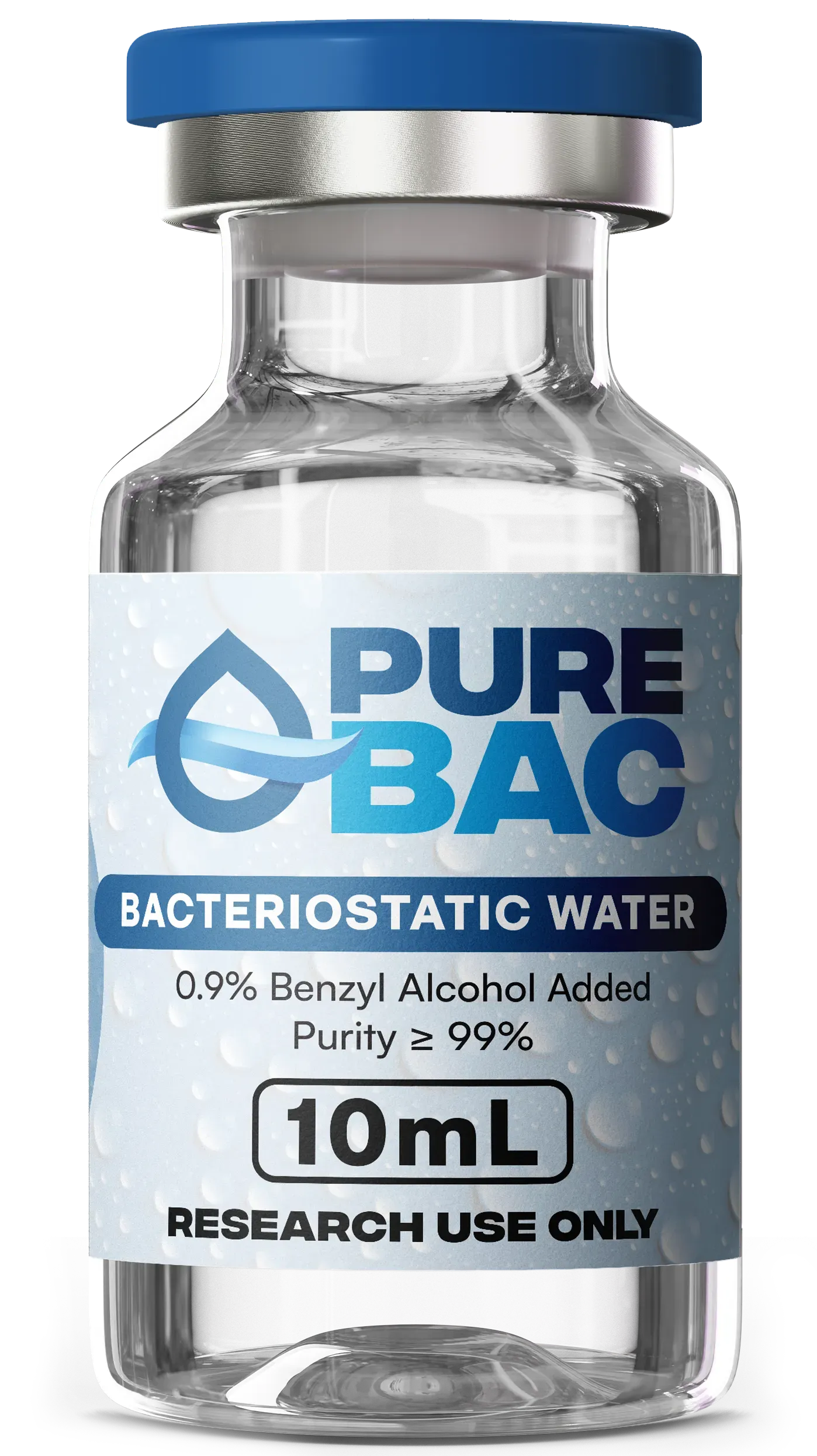
Work out your L-Carnosine draw in units
Enter the vial size, the bacteriostatic water you add and the dose you want, and the calculator gives the syringe units, how long the vial lasts and when to discard it.
Open the peptide calculatorSafety & Side Effects
L-Carnosine has an excellent safety profile, consistent with its nature as an endogenous compound found naturally in human tissues. Decades of supplementation use and research studies have not identified significant safety concerns at typical doses.
Safety Data
Clinical Trial Safety: Human studies using carnosine supplementation have consistently reported good tolerability. No serious adverse events have been attributed to carnosine in published research.
Theoretical Concerns: Early speculation that carnosine might affect histamine levels (since it releases histidine upon degradation) has not been borne out in practice. Similarly, concerns about carnosine potentially promoting tumor growth (based on in vitro studies showing it can support cell proliferation) have not been supported by animal or human evidence.
Potential Side Effects
While generally well-tolerated, some individuals may experience:
- Mild GI symptoms: Occasional reports of nausea or digestive discomfort, typically at higher doses
- Unusual taste sensations: Some users report a metallic or unusual taste
- Headache: Rare reports, usually mild and transient
- Skin tingling: Less common with carnosine than with β-alanine, but occasionally reported
Contraindications and Precautions
Pregnancy and Lactation: Insufficient safety data exists for pregnant or breastfeeding women. While carnosine is a natural compound, supplementation during pregnancy or nursing should be discussed with a healthcare provider.
Kidney Disease: Individuals with impaired kidney function may have reduced ability to process and excrete carnosine's metabolites. Consultation with a nephrologist is advisable.
Surgery: As with many supplements, discontinuation 1-2 weeks before scheduled surgery may be prudent, though no specific interactions with anesthesia or surgical procedures are documented.
Drug Interactions
No significant drug interactions have been documented for carnosine. However, theoretical considerations include:
- ACE Inhibitors: Some ACE inhibitors inhibit carnosinase, potentially increasing carnosine levels. This interaction is likely beneficial rather than problematic.
- Metal-Chelating Medications: Given carnosine's metal-chelating properties, spacing from other chelating agents may be advisable.
- Diabetes Medications: Carnosine may influence blood sugar metabolism. While likely beneficial, diabetics should monitor glucose levels when starting supplementation.