Glow Stack is three peptides, one routine.
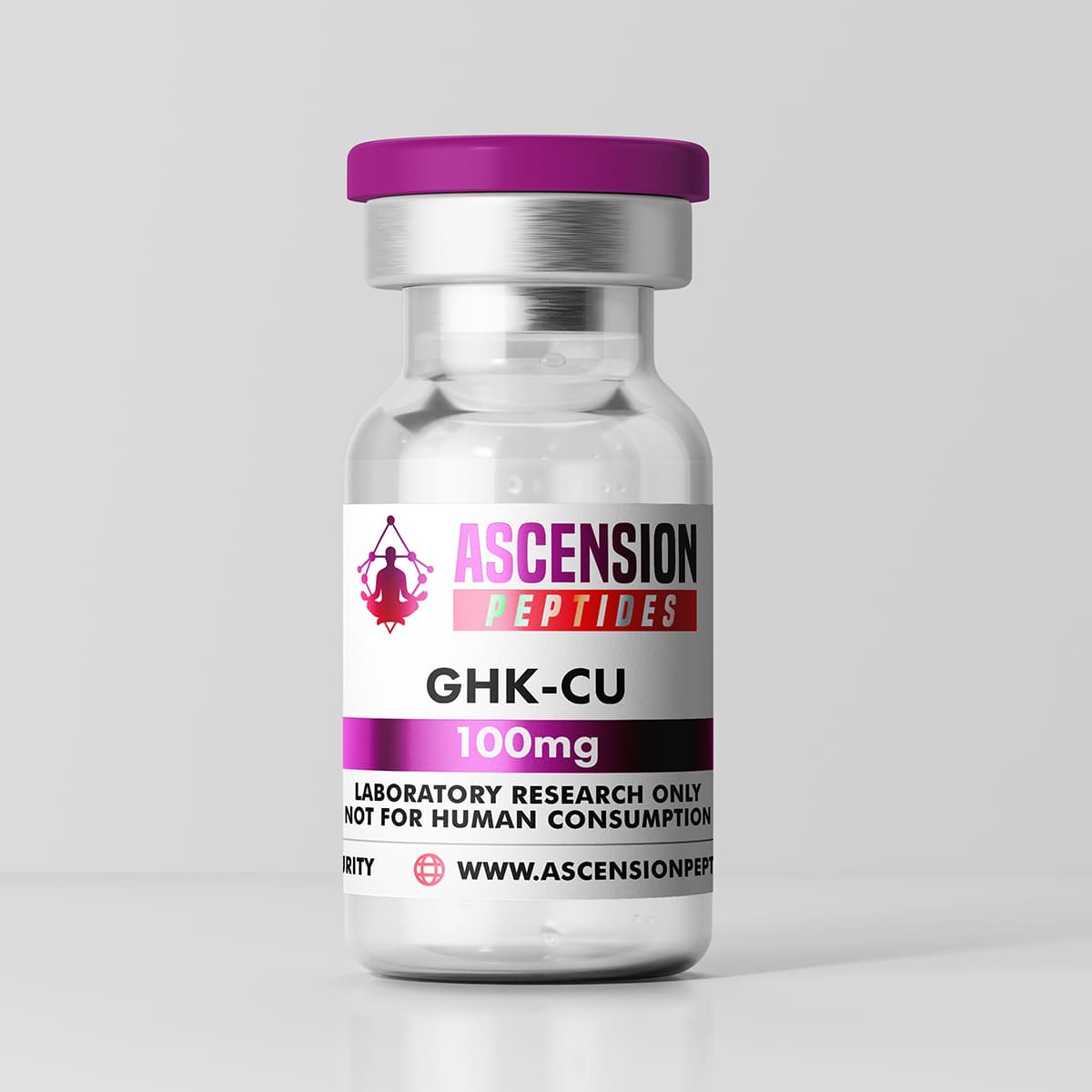
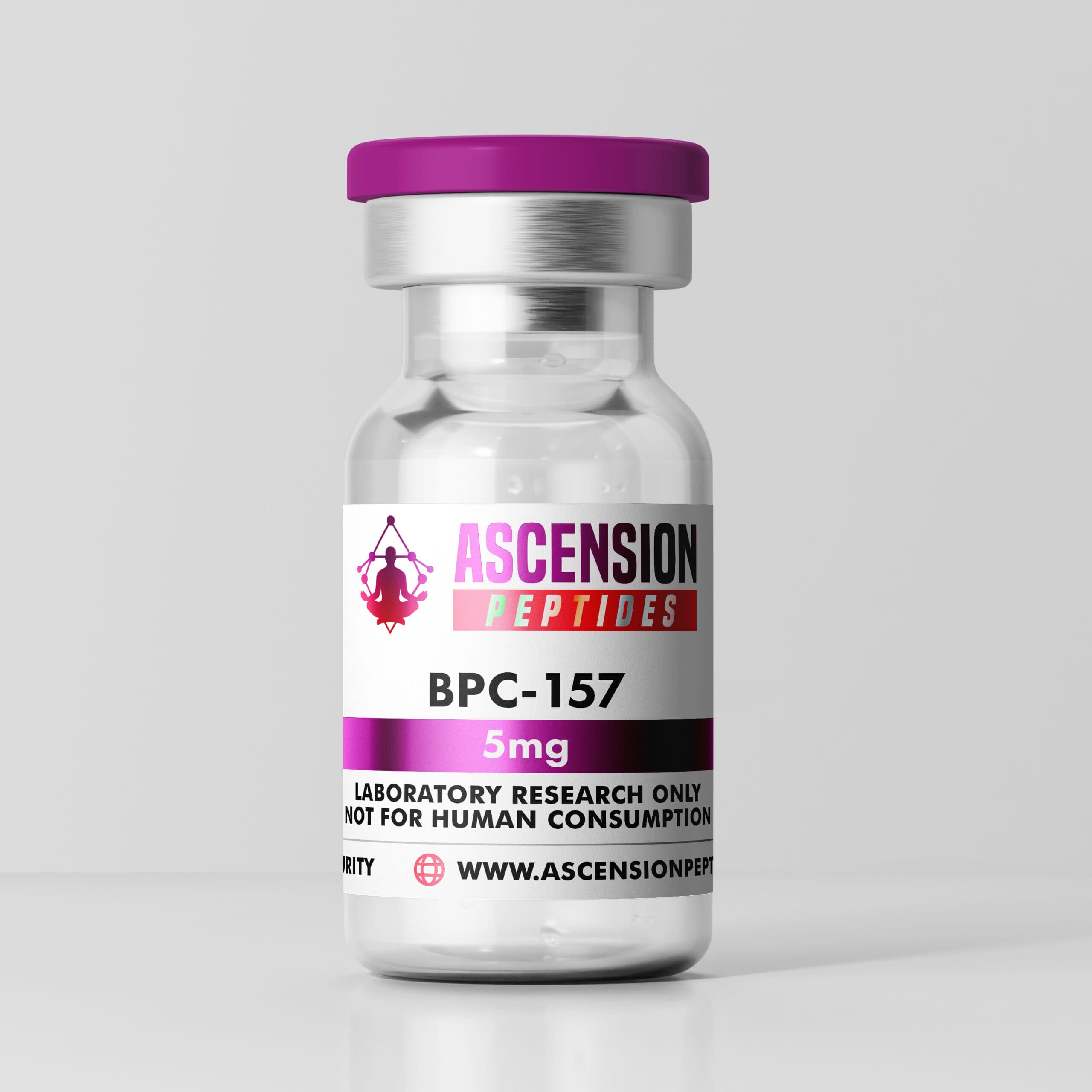
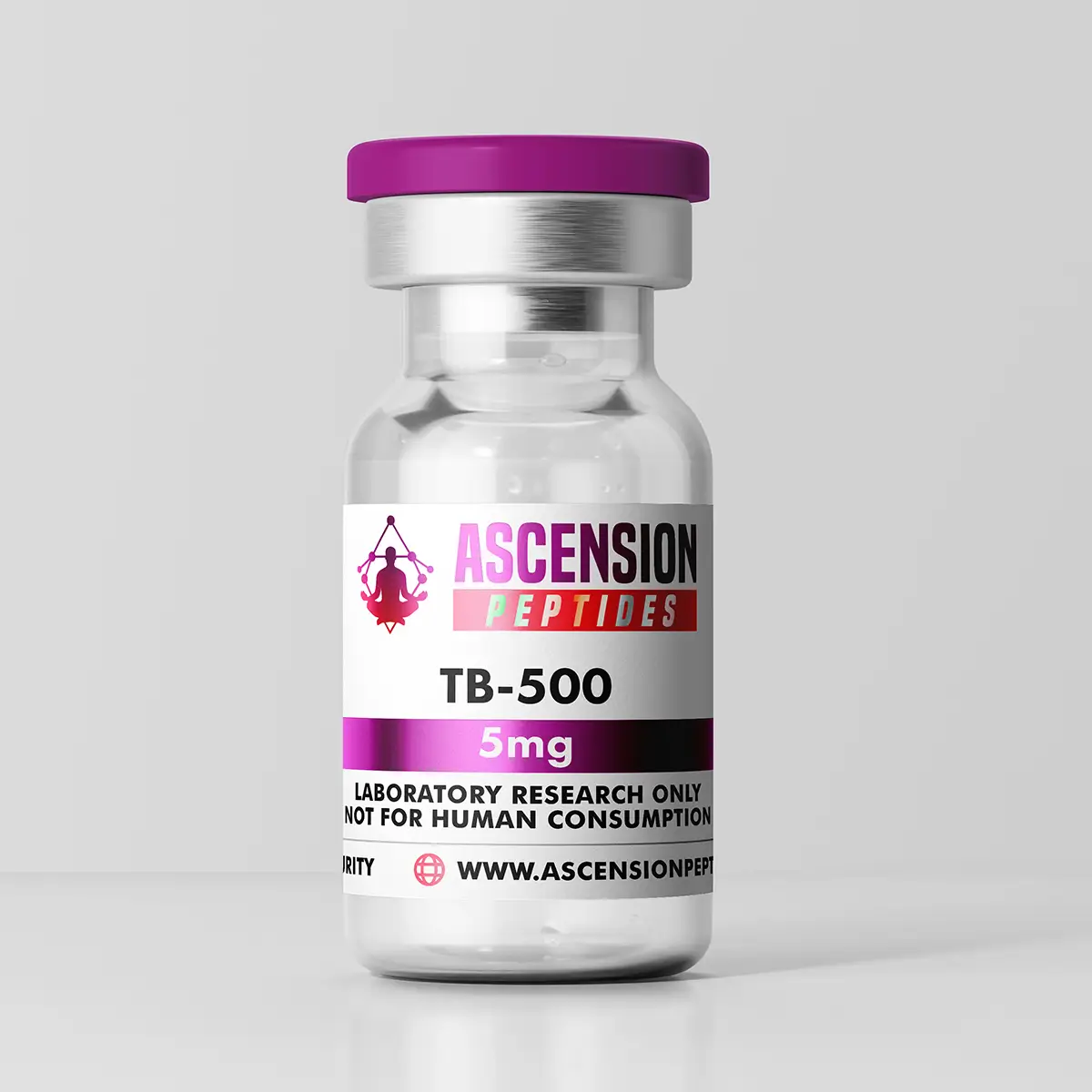
The Glow Stack combines GHK-Cu, BPC-157, and TB-500, a regenerative trio used for skin remodeling, faster soft-tissue healing, and visible anti-aging changes. You can run it as three separate vials for full dose control, or as a pre-blended 70 mg vial for one-injection convenience. Below is the full daily protocol, the cycle length most users stick to, what changes by week, and how Glow compares to the Wolverine Stack and KLOW.
🔑 Key Takeaways
- GHK-Cu drives the look. Roughly 70% of what people notice (firmness, glow, wound healing) traces back to GHK-Cu's collagen and matrix-remodeling effect.
- BPC-157 and TB-500 handle repair under the surface. They speed soft-tissue and gut healing while GHK-Cu remodels skin from the outside in.
- Pre-blend vs separate vials matters. A 70 mg pre-blend at 5:1:1 keeps GHK-Cu in range but delivers a low maintenance dose of TB-500, fine for skin, light for injury.
- You'll feel the gut change first. Most people notice BPC-157's gut and inflammation effects by week 2; skin changes appear week 3 to 4.
- It's a cycle, not a daily forever. 4-8 weeks on, then equal time off. GHK-Cu copper handling sets the ceiling.
What Is the Glow Stack?
The Glow Stack is a three-peptide combination of GHK-Cu, BPC-157, and TB-500 used together for skin rejuvenation, tissue repair, and anti-aging. Each peptide hits a different layer of the same biology: collagen and copper signaling, local repair, and cellular migration. Run together, they do more for skin and recovery than any of them alone.
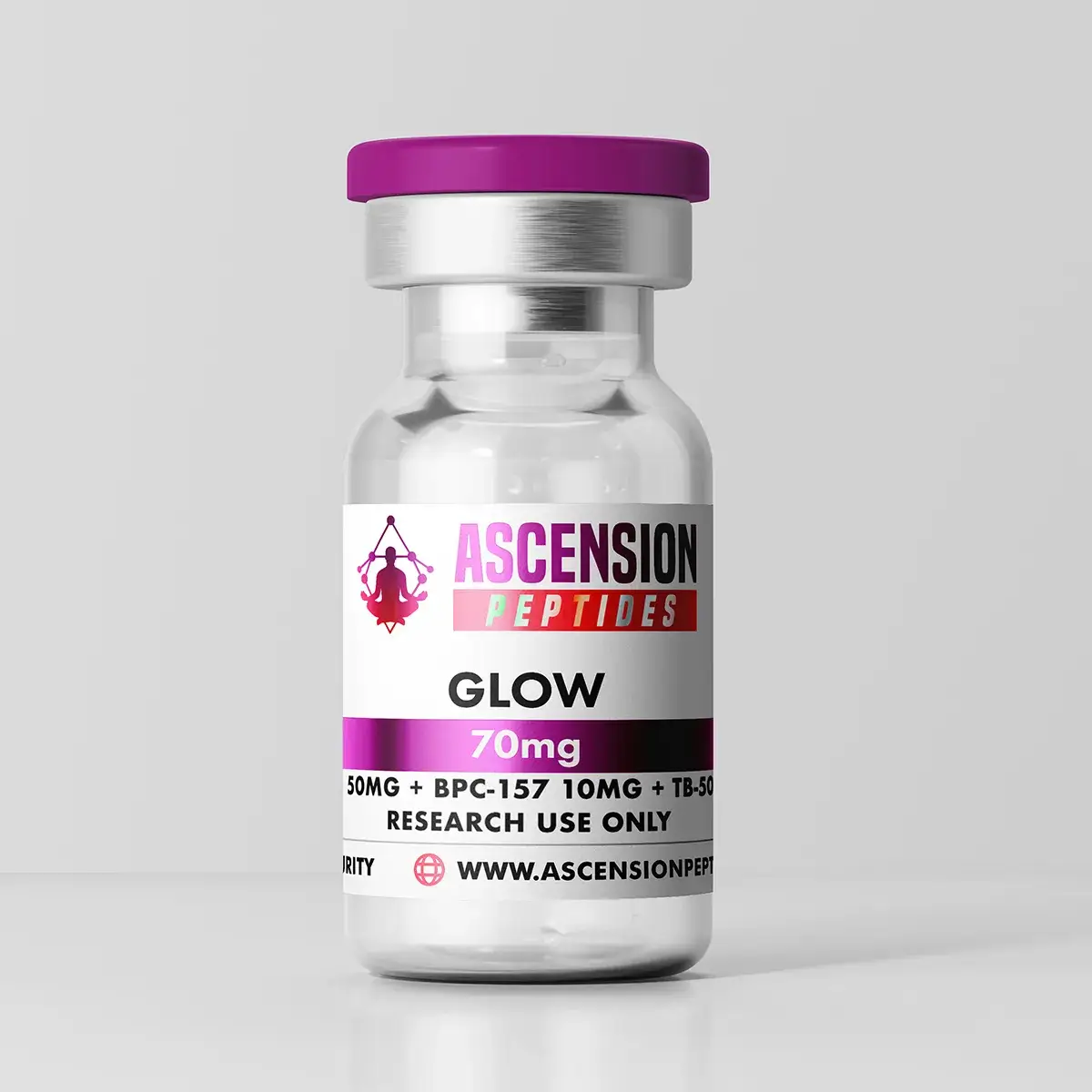
The same three peptides show up under three different names depending on who's selling them. "Glow Stack" is the DIY version: three separate vials, three reconstitutions, full control over each dose. "Glow Blend" or "Glow Peptide" usually means a pre-mixed 50 mg or 70 mg vial, one injection a day, fixed ratio. "Glow Protocol" is just another name for the same idea, more common in clinic contexts. The biology is identical; the buying and dosing logistics differ.
The Three Peptides and What Each One Does
Glow Stack Dosing Protocol (Separate Vials)
This is the protocol most people use when running the three peptides individually. It gives you the most control and matches standalone dose ranges for each compound.
Injection site rotates between abdomen, outer thigh, and (for BPC-157) the site closest to a specific injury or area of focus. GHK-Cu can also be added topically during the off-cycle to maintain skin gains without overloading copper.
If you're new to peptides, start with one vial at a time.
Run BPC-157 alone for two weeks to confirm tolerance, then add GHK-Cu, then add TB-500 in the third week. Stacking everything from day one makes it impossible to tell which peptide is causing any side effect or response. Use our peptide calculator for the dosing math.
Pre-Blended Glow (70 mg Vial)
The pre-blended Glow vial is what most vendors actually sell. It's a 70 mg total dose split in a 5:1:1 ratio, 50 mg GHK-Cu, 10 mg TB-500, 10 mg BPC-157, reconstituted with 3.0 mL of bacteriostatic water for a working concentration of 23.3 mg/mL total blend.
So the pre-blend is GHK-Cu-dominant. That makes it ideal for skin, mild recovery, and aging goals. If you're running it for a torn rotator cuff or a chronic tendon problem, the TB-500 fraction in the blend is too low, you'll want to either add a separate TB-500 vial on top, or run all three peptides as separate vials at full dose. Our full Glow blend dosage guide has the syringe math for every common vial size.
How the Three Peptides Actually Work Together
Most peptide stacks are guesswork. Glow isn't. The three compounds map cleanly onto three different stages of how skin and soft tissue rebuild themselves.
- TB-500 moves the cells. It upregulates actin, which lets stem cells, fibroblasts, and immune cells migrate to where repair is happening. Without that migration, healing stalls.
- BPC-157 stabilizes the site. It promotes angiogenesis (new blood vessel growth), modulates nitric oxide and growth factors, and reduces inflammation, keeping the local environment good for repair.
- GHK-Cu builds the matrix. Once cells are at the site and the inflammation is calm, GHK-Cu triggers fibroblasts to lay down collagen, decorin, and glycosaminoglycans, the structural scaffolding skin and tissue rebuild with.
That's why you don't really see the skin payoff from GHK-Cu alone if BPC-157 isn't quieting the inflammation underneath. And why TB-500 by itself heals injuries but doesn't make your face look different. Run together, they cover the full pipeline.
Glow Stack Timeline: What Changes and When
The single biggest mistake people make on Glow is quitting at week 3. The first visible skin changes show up after collagen turnover catches up to the dosing, usually 21 to 30 days in. Here's the realistic timeline most users report:
Side Effects and Honest Limits

Glow Stack is one of the better-tolerated peptide combinations, but it's not zero-risk. The most common side effects, in order of frequency:
- Injection site reactions. Mild redness or a small welt. Usually settles within 24 hours. Rotate sites to prevent build-up.
- Brief flush or warmth. Mostly GHK-Cu. Lasts a few minutes after injection.
- Lightheadedness in week 1. Some people report this with BPC-157 specifically. Splitting the dose AM/PM usually resolves it.
- Acne or breakouts. Skin can purge in the first 2 weeks before improving. Stay consistent.
- Copper sensitivity (rare). Headaches or nausea from GHK-Cu in users with copper-handling issues. Drop the GHK-Cu dose by half.
What Glow doesn't do: it doesn't tighten loose skin from major weight loss, it doesn't reverse deep static wrinkles, and it doesn't replace retinoids for sun damage. It improves what's there, it doesn't manufacture results that aren't biologically possible. Our breakdown of Glow side effects covers the rarer events to watch for.
Glow Stack Cost: DIY vs Pre-Blend vs Compounded
The price difference between the three buying routes is bigger than people expect, especially over a full cycle.
For pure skin and recovery goals, the pre-blend is the best value, it's GHK-Cu-dominant, and that's where most of the visible benefit comes from. For injury rehab or a more aggressive protocol, the DIY route wins because you can run TB-500 at the standalone 2-5 mg range. Our roundup of legit peptide vendors covers where to source either format with verified COAs.
Glow Stack vs Wolverine Stack vs KLOW
Three of the most popular peptide stacks share overlapping ingredients. Picking the right one comes down to what you're trying to fix.
If you don't care about skin and you're trying to heal a torn shoulder, run Wolverine, it has higher-dose TB-500 and BPC-157 without spreading the daily volume thin. If you have gut issues on top of skin and recovery goals, KLOW adds KPV, which targets inflammatory bowel pathways. For most people running Glow for the first time and chasing the skin and anti-aging benefits, plain Glow is the right starting point. The full Glow vs KLOW breakdown walks through the decision in more detail.
Who Should Run Glow and Who Should Skip It
Glow Stack fits you if:
- You're 30+ and starting to see fine lines, dullness, or thinning skin
- You have lingering soft-tissue stuff, old sprains, nagging tendon issues, that recovery alone hasn't fixed
- You're post-procedure (microneedling, laser, surgery) and want faster healing
- You're already on a good skincare routine and want injectables to compound the effect
- You have hair thinning early enough that GHK-Cu's follicle support actually matters
Glow doesn't make sense if:
- You're chasing a single acute injury, run Wolverine instead
- You have an active cancer history (BPC-157 angiogenesis is a question mark in oncology contexts)
- You expect a Botox-level visible change (not the right tool)
- You won't commit to 6+ weeks of daily injections
How to Reconstitute Glow Stack Peptides
Reconstitution is identical to any other peptide stack: bacteriostatic water, slow stream down the side of the vial, gentle swirl, refrigerate.
- Wash hands. Swab vial stoppers with isopropyl alcohol pads (BAC water vial and each peptide vial).
- Draw bacteriostatic water: 3 mL for a 70 mg pre-blend, 2 mL for each standalone vial (or per the vendor's instructions).
- Inject the water slowly down the inside wall of the vial. Don't blast the powder.
- Swirl gently, don't shake. Peptides are sensitive proteins; vigorous shaking can degrade them.
- Wait 2-3 minutes for full dissolution. Liquid should be clear, no clumps.
- Label each vial with the peptide, mg/mL concentration, and reconstitution date.
- Refrigerate at 36-46°F. Use within 30 days. Discard if cloudy or if anything floats.
For the math on any vial size, our peptide reconstitution calculator handles GHK-Cu, BPC-157, and TB-500 individually, plug in vial mg, water volume, and target dose to get the syringe units instantly.
Glow Stack FAQ
Frequently Asked Questions
Medical disclaimer: This article is for educational purposes only and is not medical advice. Glow Stack peptides are not FDA-approved as a single product, and individual peptide regulatory status varies by country. Talk to a qualified healthcare provider before starting any peptide protocol, especially if you're pregnant, breastfeeding, have a cancer history, or take prescription medications. Always source from verified vendors with third-party Certificates of Analysis.