
Healing & Recovery Peptides
BPC-157
with codePEPTIDEDECKat checkout· list $74.99
- Purity
- 99%+
- Vial
- 10mg
- Form
- Lyophilized powder in sealed borosilicate vial
- Half-life
- Not published (highly stable across in-vitro systems)
BPC-157 for sale at PeptideDeck: a synthetic 15-amino acid pentadecapeptide derived from human gastric juice, supplied as 99%+ pure lyophilized powder in a sealed 5mg vial. If you are searching for where to buy BPC-157 online with independently verified purity, this is the vetted US-sourced listing we recommend to research laboratories.
About BPC-157
Buy BPC-157 at PeptideDeck and receive a 5mg research vial of Body Protection Compound sourced from a vetted US peptide supplier with batch-level certificate of analysis on every production run. BPC-157 for sale here is supplied as 99%+ pure lyophilized powder, manufactured under controlled research-grade conditions and tested by independent third-party laboratories for identity, purity, and absence of common contaminants. Researchers looking for BPC-157 5mg at a competitive BPC-157 price with same-day US shipping will find this listing to be among the most consistently stocked and quality-verified sources currently available. Purchase BPC-157 with confidence knowing that every vial ships from a domestic US warehouse with full traceability back to a published lot number and COA. BPC-157 for sale on this page is intended exclusively for in-vitro laboratory research and is not for human or veterinary use.
Body Protection Compound 157 is among the most intensively studied synthetic peptides in current preclinical research literature. The BPC-157 5mg vial represents approximately 3.5 nanomoles of peptide, a mass that supports multiple reconstitution protocols depending on the target working concentration required by the research design. Whether you are evaluating buy BPC-157 options for a single experiment or sourcing bulk BPC-157 for a multi-arm preclinical study, this listing provides transparent pricing, published purity data, and US fulfillment that reduces transit risk.
Where to Buy BPC-157
Researchers looking for where to buy BPC-157 online encounter a wide range of vendors with highly variable quality controls. PeptideDeck lists BPC-157 for sale exclusively from suppliers that publish HPLC purity data and mass spectrometry identity confirmation at the batch level, not just nominal purity claims without documentation. When you purchase BPC-157 through this listing, you receive a 5mg vial traced to a specific production lot, with COA documentation available on request, shipped from a US domestic warehouse with tracked courier delivery.
BPC-157 price at this listing is $55.00 per 5mg vial, which positions it competitively relative to comparable quality sources currently active in the US research peptide market. The BPC-157 5mg price reflects a commitment to maintaining 99%+ HPLC purity as a floor, not a marketing claim. Bulk BPC-157 pricing may be available for research institutions requiring multiple vials; contact the vendor directly through the checkout link for institutional or volume inquiry.
Same-day shipping is available for orders placed before the daily warehouse cutoff. BPC-157 for sale through this listing ships in discreet packaging without external product identification, with a cold pack included for temperature-sensitive transit protection. US domestic delivery typically arrives in 2 to 5 business days via tracked service.
Payment options at the vendor include major credit cards and select alternative payment methods. All transactions are processed through encrypted checkout. Returns and replacement policies are handled directly by the vendor; contact customer support with your order number for any fulfillment issues.
Quality Assurance & COA
Every BPC-157 5mg vial available through this listing is manufactured under quality-controlled research peptide production standards and independently tested before release. The quality assurance process includes: HPLC-UV purity analysis confirming identity peak area at 99%+ versus the BPC-157 reference standard; electrospray ionization mass spectrometry (ESI-MS) confirming the expected molecular mass of 1,419.5 Da within instrument tolerance; residual solvent testing confirming absence of synthesis-grade solvents above research-safe thresholds; and endotoxin screening by LAL assay on selected production lots.
The certificate of analysis for each BPC-157 production lot is issued by the independent testing laboratory and references the specific lot number printed on the vial label. Researchers can request the COA for any lot before or after purchase through the vendor's customer support channel. Buying BPC-157 with access to a verifiable, lot-specific COA is a minimum quality standard that distinguishes research-grade supply from unverified grey-market alternatives.
Mechanism of Action
BPC-157 exerts its documented preclinical effects through several converging molecular pathways that have been characterized in cell culture and animal research models over the past three decades. The primary mechanism investigated in the literature involves modulation of the nitric oxide (NO) system: preclinical studies have documented that BPC-157 influences endothelial nitric oxide synthase (eNOS) expression and NO production in vascular endothelial cell research models, which is proposed to underlie observed effects on angiogenesis and tissue vascularization endpoints.
A second well-documented mechanism involves interaction with the growth hormone receptor (GHR) and downstream JAK2-STAT5 signaling. Research in rodent models has shown that BPC-157 can upregulate GHR expression in tissue compartments relevant to healing and remodeling, which is mechanistically distinct from classical growth-hormone secretagogue peptides and may explain why BPC-157 research effects are observed in tissues with low baseline GH sensitivity.
BPC-157 has also been studied for effects on the vascular endothelial growth factor (VEGF) pathway. Multiple preclinical publications have documented upregulation of VEGF receptor expression and downstream signaling markers following BPC-157 administration in rodent tissue models, consistent with the compound's proposed role in angiogenic remodeling research applications.
At the cytoskeletal level, BPC-157 has been investigated for modulation of tendon fibroblast behavior, including effects on collagen gene expression, fibroblast migration rate, and integrin signaling. These cytoskeletal findings form the mechanistic basis for the substantial body of tendon and connective tissue research that comprises a large fraction of the published BPC-157 preclinical literature.
Finally, BPC-157 has been studied for interactions with the dopaminergic and serotonergic neurotransmitter systems in rodent models, particularly in the context of cytoprotection of gastric mucosal cells. The compound was originally characterized as an anti-ulcer agent based on its isolation from gastric juice, and early mechanistic studies focused on prostaglandin and COX pathway modulation in gastric mucosa research models. This original anti-ulcer mechanistic characterization provides BPC-157 with one of the longer documented research histories of any synthetic peptide currently available for laboratory investigation.
Chemical Profile
BPC-157 (Body Protection Compound 157) is a synthetic pentadecapeptide consisting of 15 amino acid residues. The primary sequence is: Gly-Glu-Pro-Pro-Pro-Gly-Lys-Pro-Ala-Asp-Asp-Ala-Gly-Leu-Val, abbreviated GEPPPGKPADDAGLV. The compound has a molecular formula of C62H98N16O22 and a molecular weight of approximately 1,419.5 g/mol. The CAS registry number for BPC-157 is 137525-51-0.
BPC-157 is derived from a partial sequence of a naturally occurring protective protein found in human gastric juice, though the 15-residue synthetic form does not occur as a discrete natural product and is considered a novel synthetic entity for regulatory and research classification purposes.
A notable feature of the chemical profile is BPC-157's exceptional resistance to enzymatic degradation. The peptide is stable in gastric juice, plasma, and a wide range of in-vitro buffer systems, which distinguishes it from many other research peptides that require careful temperature control to maintain integrity in solution. Lyophilized BPC-157 stores stably at minus 20 degrees Celsius for extended periods. The compound is freely soluble in water and common research buffers at physiological pH, facilitating straightforward reconstitution without organic co-solvents.
Each 5mg vial supplied in this listing is independently verified by HPLC-UV for purity at 99%+ and by mass spectrometry for identity confirmation of the expected molecular mass. The lot-specific COA is available upon request and is referenced on the shipping documentation included with every BPC-157 5mg order.
Research Applications
BPC-157 has accumulated one of the most extensive preclinical research portfolios of any synthetic research peptide, spanning musculoskeletal biology, gastroenterology, neuroscience, and vascular biology in published animal and cell culture studies. The most frequently cited research application is tendon and ligament healing, where multiple rodent model studies have documented accelerated collagen organization, angiogenesis, and functional recovery endpoints following BPC-157 administration compared to vehicle controls. Published work has examined BPC-157 in Achilles tendon transection models, anterior cruciate ligament injury models, and rotator cuff research protocols, with consistent documentation of histological and biomechanical endpoint changes.
Gastrointestinal research represents the second major application cluster. BPC-157 was originally characterized in gastric ulcer models and has since been studied in research models of inflammatory bowel conditions, esophageal lesions, anastomosis healing, and intestinal fistula resolution in rodents. The compound's stability in gastric environments makes it a tractable research tool for oral administration studies in GI research designs.
Bone and joint research represents a growing application area: published preclinical studies have examined BPC-157 in models of fracture healing, osteoblast activity, and cartilage protection, with documented effects on bone mineral density endpoints and osteocalcin expression markers in rodent research models.
Neurological research applications include studies of spinal cord injury models, dopaminergic neuron protection in neurotoxin models, and modulation of the hypothalamic-pituitary axis in stress research protocols. Vascular research applications include studies of peripheral ischemia models and angiogenic response characterization.
All of the above applications are documented in preclinical animal research and in-vitro cell culture models only. BPC-157 is not approved for any therapeutic indication and is supplied strictly for research investigation.
Reconstitution & Dosing Reference
BPC-157 5mg vials are supplied as lyophilized powder and require reconstitution with sterile bacteriostatic water (BAC water, 0.9% benzyl alcohol preserved) before use in liquid-phase research protocols. The following reconstitution math is provided as a laboratory reference only and is not a human dosing protocol.
Standard 5mg reconstitution references used in preclinical literature:
- Add 1.0 mL BAC water to 5mg vial: yields 5,000 mcg/mL (5 mcg per 1 uL draw). - Add 2.0 mL BAC water to 5mg vial: yields 2,500 mcg/mL (2.5 mcg per 1 uL draw). - Add 5.0 mL BAC water to 5mg vial: yields 1,000 mcg/mL (1 mcg per 1 uL draw).
For U-100 insulin syringe reference: at the 2.0 mL reconstitution above (2,500 mcg/mL), each 10-unit mark on a U-100 syringe corresponds to 25 mcg. Researchers scaling to the commonly referenced preclinical dose of 10 mcg per kg bodyweight would draw 4 units on a U-100 syringe for a 100g rodent at that reconstitution volume.
Always inject BAC water into the lyophilized vial using a sterile syringe inserted at an angle against the vial wall, allowing the water to run slowly down the glass rather than directly impacting the peptide cake. Swirl gently; do not shake or vortex. Allow 2 to 5 minutes for complete dissolution before drawing.
Storage & Handling
Store unopened BPC-157 5mg lyophilized vials at minus 20 degrees Celsius for long-term stability. Short-term storage at standard refrigeration (2 to 8 degrees Celsius) for up to two weeks is acceptable for sealed vials. Avoid temperature cycling: do not move vials between freezer and refrigerator repeatedly before opening.
Once reconstituted with bacteriostatic water, refrigerate the BPC-157 solution at 2 to 8 degrees Celsius and use within 28 to 30 days. The benzyl alcohol preservative in BAC water suppresses microbial growth but does not prevent peptide degradation at room temperature or under UV light exposure. Keep reconstituted vials in the dark; foil wrap or opaque storage boxes are suitable.
Do not freeze reconstituted BPC-157 solution. Freeze-thaw cycling of the reconstituted peptide accelerates aggregation and degradation and reduces effective concentration. If a research protocol requires long-term storage of working solution, aliquot into single-use volumes before first use and store aliquots at minus 80 degrees Celsius.
On receipt of BPC-157 5mg vials, inspect for cake uniformity and seal integrity. Log the lot number, receipt date, and COA reference in your laboratory inventory. Store BPC-157 separately from other peptides to avoid cross-contamination.
Research Benefits
15-amino acid synthetic pentadecapeptide (GEPPPGKPADDAGLV), CAS 137525-51-0
99%+ purity by HPLC-UV, identity confirmed by ESI-MS, lot-specific COA
Exceptional resistance to enzymatic degradation in buffer and plasma research systems
Investigated in tendon, ligament, and connective tissue repair in preclinical rodent models
Studied in gastric mucosa cytoprotection and GI healing research applications
Documented effects on VEGF, eNOS, and GHR signaling pathways in cell culture models
Stable lyophilized powder, 5mg sealed vial, same-day US shipping
Researched in neurological, vascular, and bone biology preclinical models
Product Specifications
| Molecular Weight | 1,419.5 g/mol (C62H98N16O22) |
| Sequence | Gly-Glu-Pro-Pro-Pro-Gly-Lys-Pro-Ala-Asp-Asp-Ala-Gly-Leu-Val (15 aa, GEPPPGKPADDAGLV) |
| Half-Life | Not published (highly stable across in-vitro systems) |
| Purity | 99%+ |
| Form | Lyophilized powder in sealed borosilicate vial |
| Storage | Store lyophilized at -20°C long-term; reconstituted solution refrigerated at 2-8°C, use within 30 days. |
Frequently Asked Questions
Scientific References
Current Pharmaceutical Design · 2013
Journal of Applied Physiology · 2011
Inflammopharmacology · 2019
Cell and Tissue Research · 2019
References provided for informational research context only. PeptideDeck does not imply clinical application or endorse any human use.
You May Also Like
View all →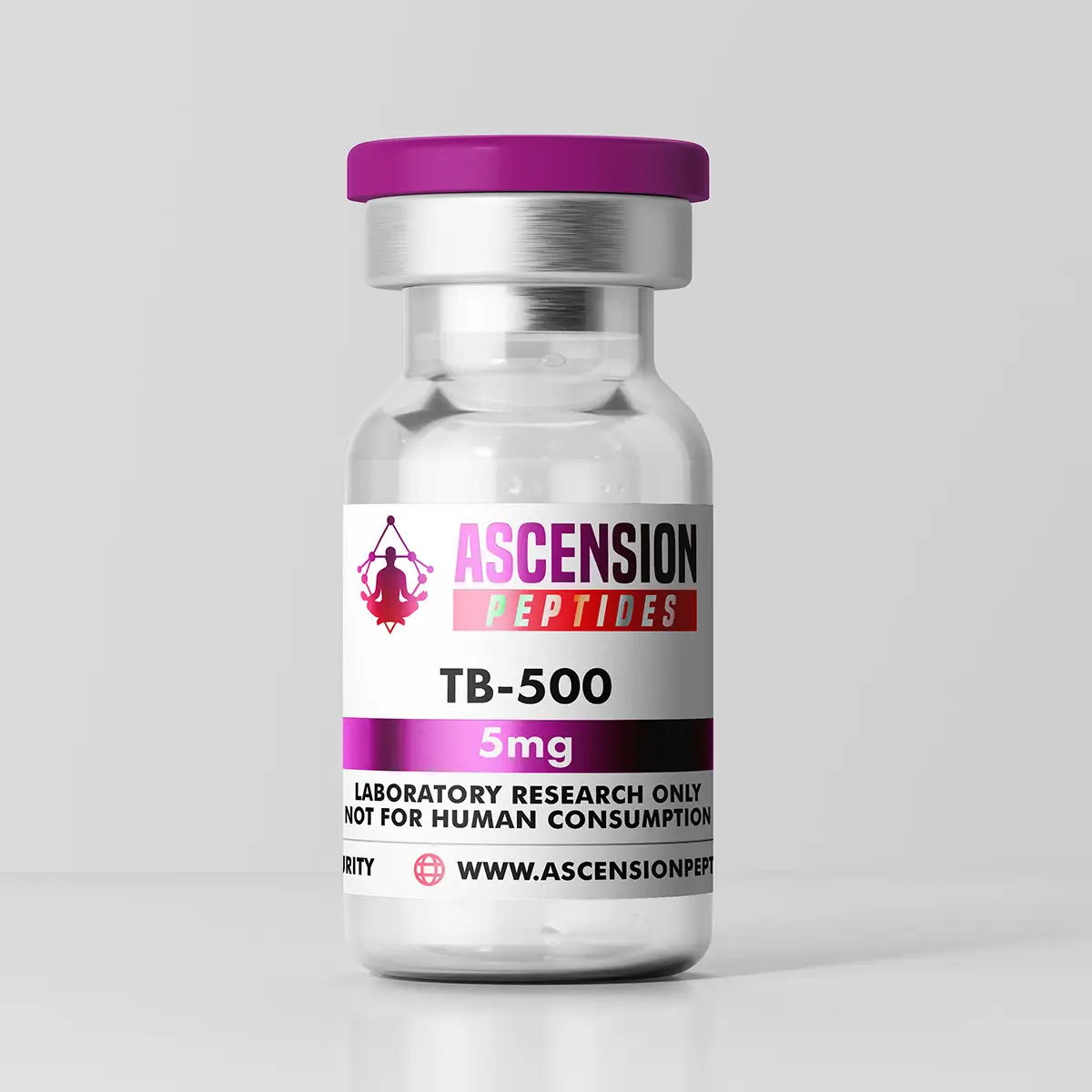
Healing & Recovery Peptides
TB-500
TB-500 For Sale: 5mg 99%+ Purity
Growth Factor Peptides
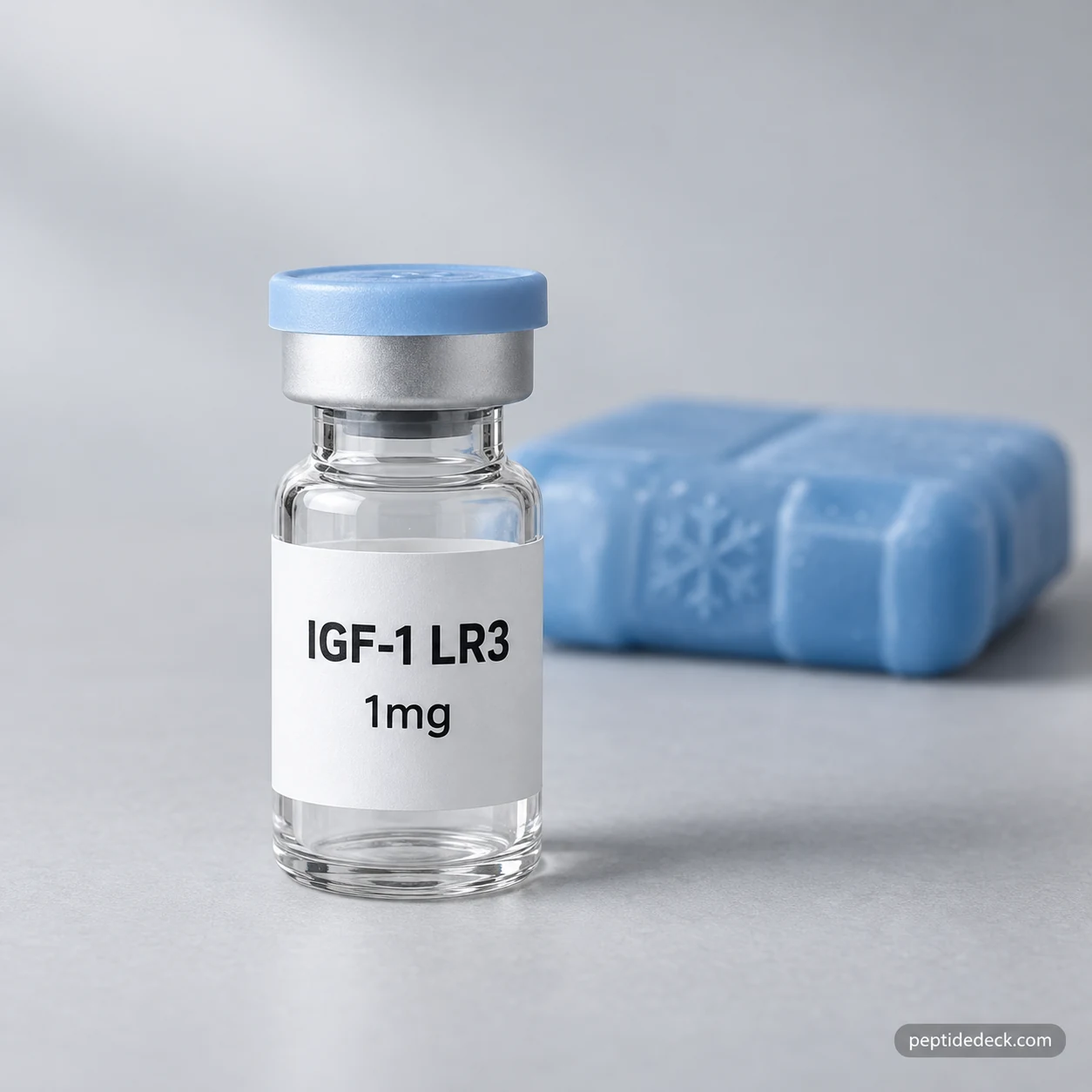
IGF-1 LR3
Long R3 Insulin-like Growth Factor-1, 1mg vial
Growth Hormone Releasing Hormone (GHRH) Analogues
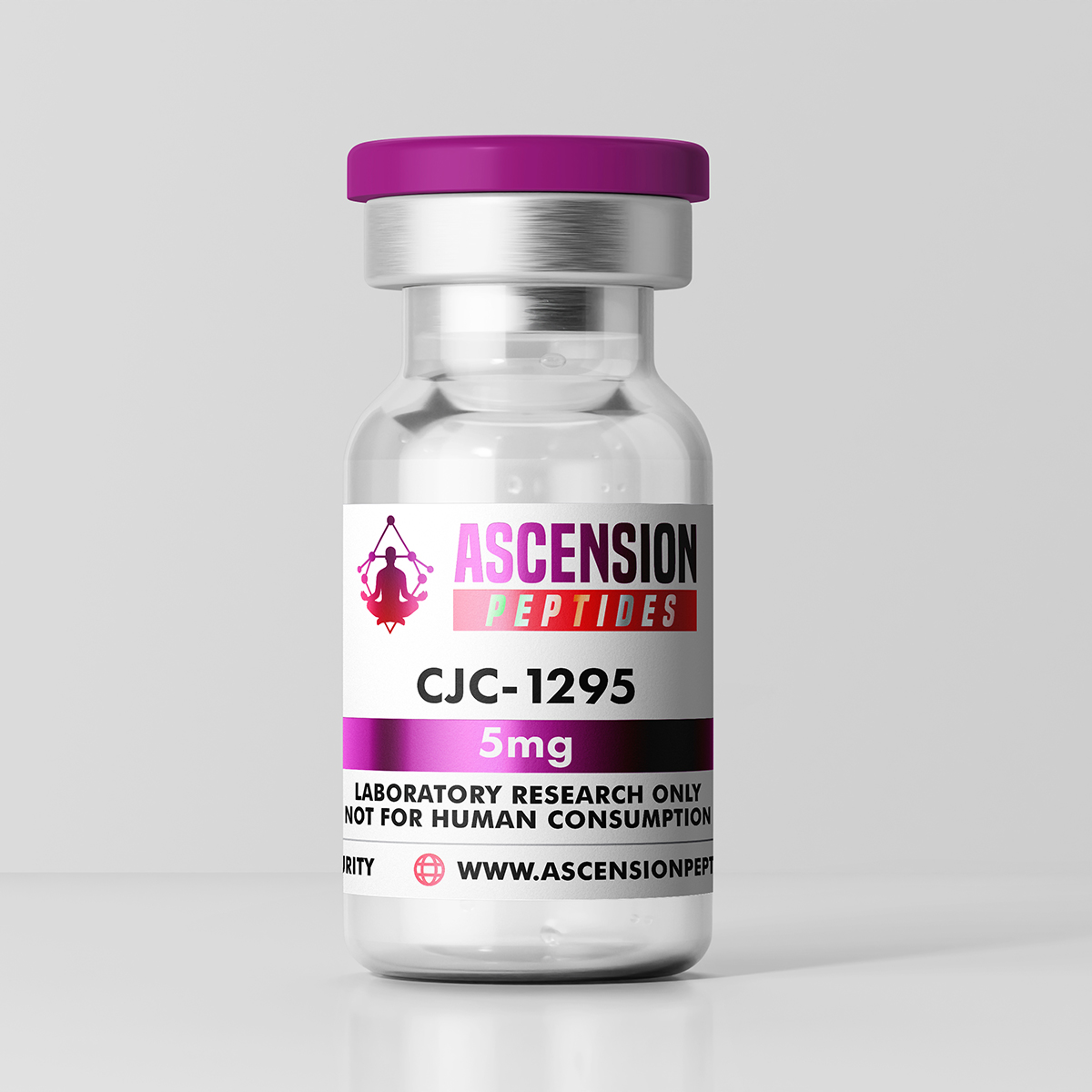
CJC-1295 (No DAC)
Modified GRF (1-29) GHRH Analogue, 5mg Lyophilized Vial
Copper Peptides
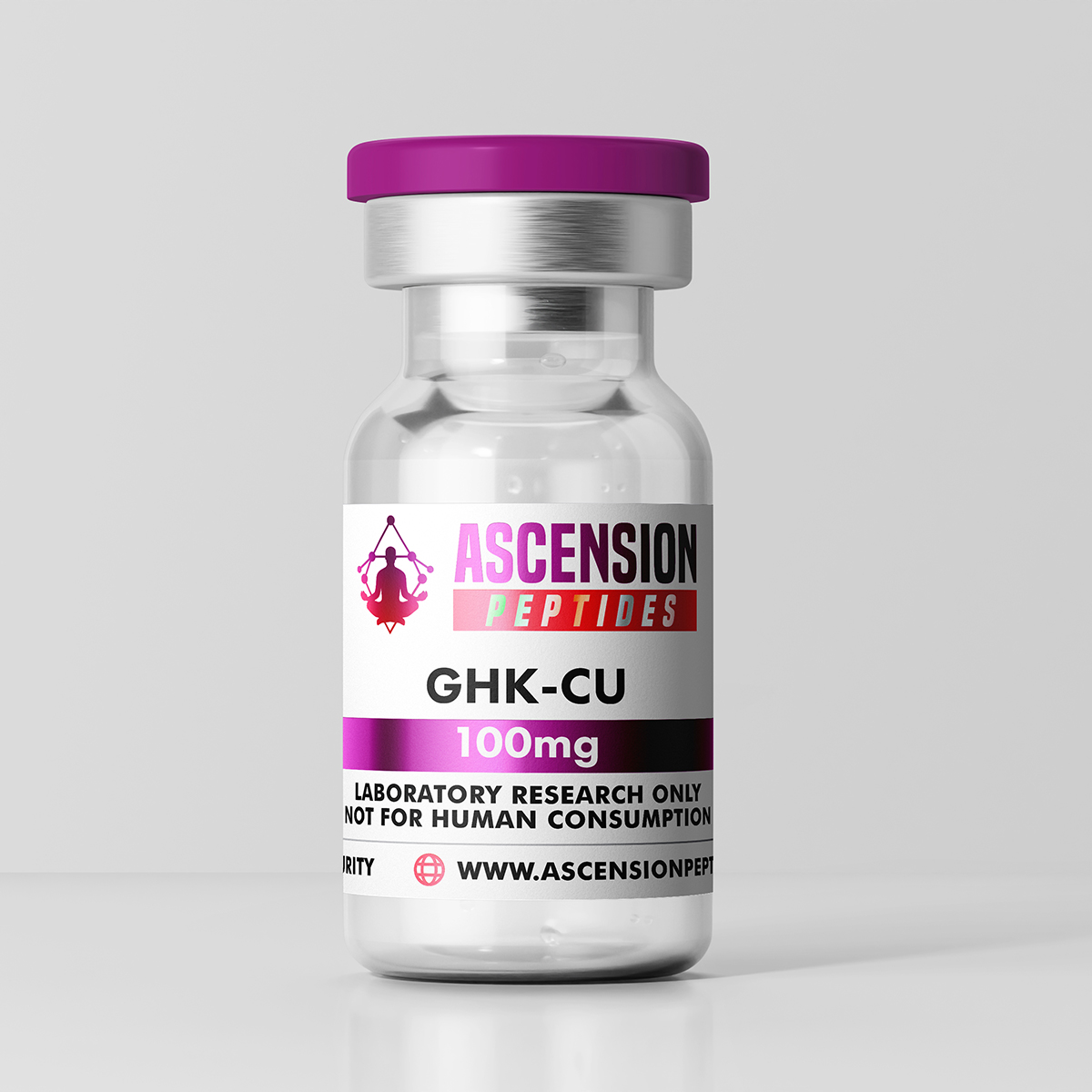
GHK-Cu
GHK-Cu For Sale: 50mg 99%+ Purity Copper Tripeptide
Research Use Only. All products sold by PeptideDeck are strictly for in-vitro laboratory research and are not intended for human or veterinary use, diagnosis, or treatment. Not for resale.