Copper Peptides
GHK-Cu
with codePEPTIDEDECKat checkout· list $84.99
- Purity
- 99%+
- Vial
- 100mg
- Form
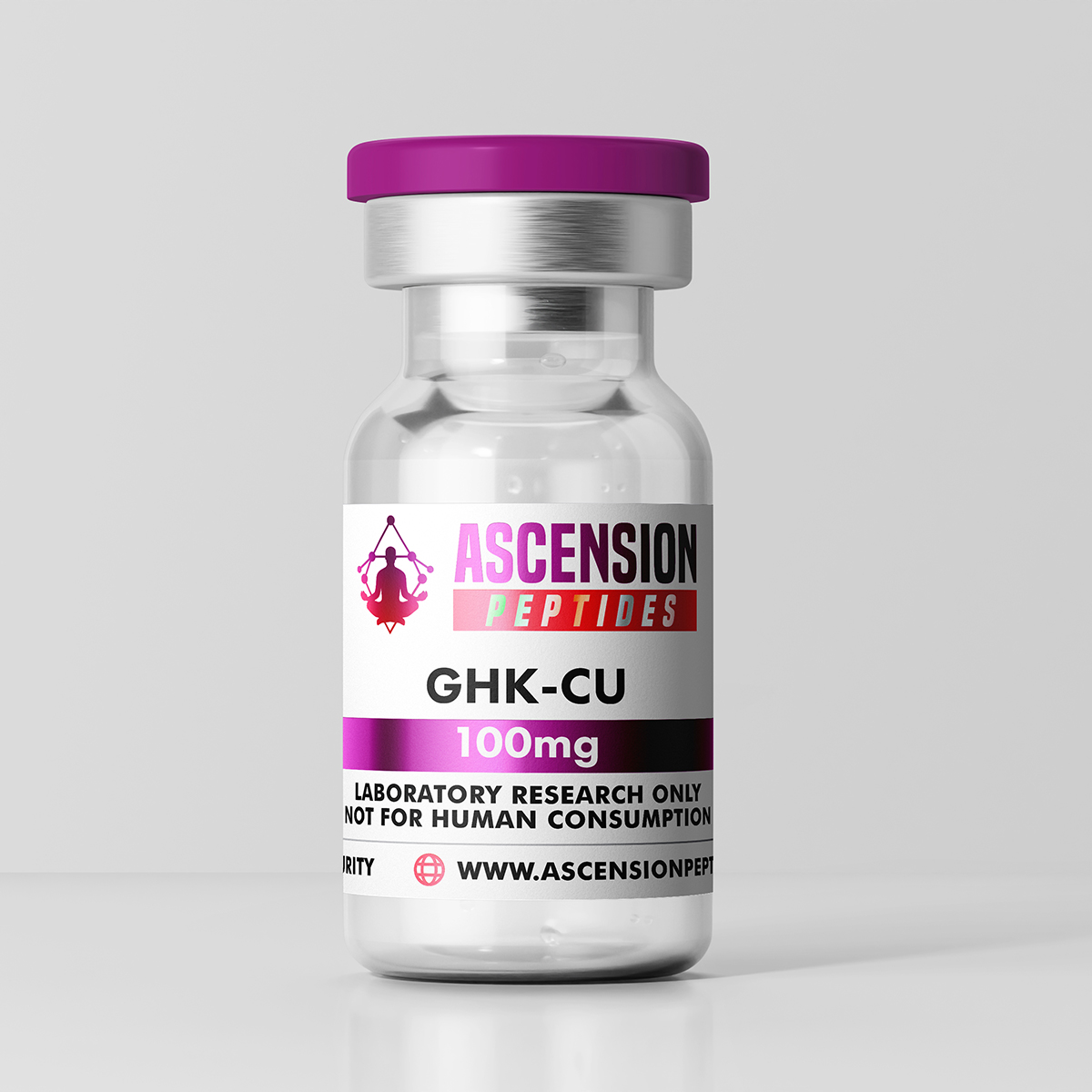
- Lyophilized powder in sealed borosilicate vial (pale blue appearance)
- Half-life
- Not published for isolated tripeptide
GHK-Cu for sale at PeptideDeck: a naturally occurring copper-binding tripeptide (Gly-His-Lys complexed with Cu2+) supplied as 99%+ pure lyophilized powder in a sealed 100mg research vial. If you are searching for where to buy GHK-Cu online with independently verified purity and US domestic shipping, this is the vetted copper peptide source we recommend.
About GHK-Cu
Buy GHK-Cu at PeptideDeck and receive a 100mg research vial of the copper-binding tripeptide Gly-His-Lys complexed with a Cu2+ ion, sourced from a vetted US peptide supplier with batch-level certificate of analysis documentation. GHK-Cu for sale here is manufactured under controlled research-grade conditions and independently tested for identity and purity before release. Researchers evaluating where to buy GHK-Cu for skin biology, extracellular matrix remodeling, or copper-dependent enzyme research will find this listing among the most purity-documented and consistently stocked US sources currently available. Purchase GHK-Cu knowing that each 100mg vial ships from a domestic US warehouse with full lot traceability to a published COA. GHK-Cu for sale on this page is supplied strictly for in-vitro laboratory research and is not intended for human or veterinary use.
The GHK-Cu price at this listing is $60.00 per 100mg vial, representing a competitive GHK-Cu price per mg of $0.60. For researchers comparing GHK-Cu for sale options, the 100mg vial format is particularly economical for cell culture and gene expression research programs that require multiple reconstituted working stocks or sustained multi-experiment supply. The GHK-Cu 100mg vial delivers approximately 143 nanomoles of the copper tripeptide complex, sufficient for extensive preclinical investigation at the working concentrations documented in the published extracellular matrix and wound healing research literature.
Where to Buy GHK-Cu
Researchers looking for where to buy GHK-Cu online for dermatological, skin biology, or extracellular matrix research need to verify three quality markers: published HPLC purity data, mass spectrometry identity confirmation showing the expected copper complex mass, and US domestic fulfillment that reduces shipping time and cold-chain risk. PeptideDeck lists GHK-Cu for sale exclusively from suppliers that satisfy all three criteria.
When you purchase GHK-Cu through this listing, you receive a 100mg vial from a specific named production lot with COA documentation, packed for thermal protection and shipped from a domestic US warehouse with a tracked courier. The GHK-Cu price at $60.00 for 100mg is competitive for 99%+ purity copper tripeptide from a COA-documented supplier. GHK-Cu for sale here ships in discreet packaging without external product identification.
Volume pricing for research institutions requiring multiple vials may be available through the vendor; contact support through the checkout link for institutional procurement inquiries. For researchers who also require BPC-157 or TB-500, PeptideDeck lists a Glow Blend stack (GHK-Cu 50mg + BPC-157 10mg + TB-500 10mg) as a pre-blended co-lyophilized option.
Quality Assurance & COA
Every GHK-Cu 100mg vial through this listing undergoes a multi-step QA process before release. HPLC-UV analysis confirms purity at 99%+ and the characteristic GHK-Cu retention time. Electrospray ionization mass spectrometry confirms the expected molecular mass of the copper tripeptide complex within instrument tolerance. The pale blue appearance of the lyophilized cake provides a visual confirmation of copper coordination integrity. Residual solvent screening confirms absence of synthesis-process solvents above safe thresholds.
The lot-specific COA is issued by the independent testing laboratory and available on request via the vendor's support channel. Buying GHK-Cu with access to a verifiable, lot-traceable COA is the quality standard that PeptideDeck requires of every supplier listed on this platform.
Mechanism of Action
GHK-Cu (glycyl-L-histidyl-L-lysine copper II complex) exerts its documented preclinical effects through a combination of copper-dependent enzymatic activation, direct gene expression modulation, and extracellular matrix remodeling pathway stimulation. The compound is one of the most comprehensively characterized naturally occurring tripeptide-metal complexes in current dermatological and regenerative research literature.
The primary mechanism involves the copper(II) ion carried by the GHK tripeptide backbone. GHK acts as a high-affinity copper transport vector with a dissociation constant in the femtomolar range, which enables delivery of Cu2+ to copper-dependent metalloenzymes including lysyl oxidase, superoxide dismutase, and ceruloplasmin. Lysyl oxidase activity is central to extracellular matrix crosslinking: the enzyme catalyzes oxidative deamination of lysine residues in collagen and elastin chains, which drives fibril formation and tissue tensile strength development in remodeling research models. Activation of lysyl oxidase by copper delivery is therefore a plausible mechanism for the documented effects of GHK-Cu on collagen and elastin expression in fibroblast research systems.
Beyond copper delivery, the GHK tripeptide backbone itself has been documented to activate specific signaling pathways. Research published by Pickart and collaborators documented that GHK-Cu at nanomolar concentrations modulates the expression of hundreds of genes in normal human fibroblasts, with pathway enrichment in extracellular matrix turnover, antioxidant response, inflammation modulation, and DNA repair. Specifically, GHK-Cu has been shown to activate TGF-beta1 expression and downstream Smad signaling in fibroblast culture research, which is the canonical collagen synthesis pathway and provides a receptor-level explanation for observed extracellular matrix effects.
Angiogenic signaling represents a third mechanistic research dimension: GHK-Cu has been investigated for stimulation of VEGF expression in endothelial cell and fibroblast culture research systems, connecting copper peptide activity to the vascular remodeling phase of tissue repair research models.
Matrix metalloproteinase (MMP) regulation is a fourth documented mechanistic axis: GHK-Cu has been studied for bidirectional regulation of MMP expression, with documented effects on MMP-1 (collagenase), MMP-2 (gelatinase A), and the tissue inhibitor TIMP-1 and TIMP-2, which together govern the balance of matrix deposition and breakdown in extracellular matrix remodeling research.
Chemical Profile
GHK-Cu is the copper(II) complex of the tripeptide glycyl-L-histidyl-L-lysine. The tripeptide sequence is Gly-His-Lys with the standard abbreviation GHK. The molecular formula of the free tripeptide is C14H23N6O4 with a molecular weight of approximately 340.4 g/mol. The copper complex (GHK-Cu2+) adds the Cu2+ ion, yielding a molecular weight of approximately 403.9 g/mol for the complex. The CAS number for the free GHK tripeptide is 72957-37-0; the CAS for the copper complex is 89030-95-5.
GHK was first identified in human plasma by Pickart in 1973, initially in the context of liver regeneration research, and was subsequently shown to be widely distributed in human tissues including skin, urine, and saliva. The copper affinity of the GHK backbone arises from the imidazole nitrogen of the histidine residue and the alpha-amino groups of glycine and histidine, which together form a coordination complex with Cu2+ in a square-planar geometry.
GHK-Cu is supplied as a lyophilized powder, typically appearing as a pale blue powder due to the copper chromophore. The compound is freely soluble in water and physiological saline, yielding a characteristic light blue solution. Each 100mg vial in this listing is verified by HPLC for purity at 99%+ and by mass spectrometry for identity confirmation of the expected molecular mass.
Research Applications
GHK-Cu has been investigated across a broad range of preclinical research applications, with the most extensive published literature in four areas: skin biology and dermal fibroblast research, wound healing models, hair follicle biology, and gene expression profiling.
In dermal fibroblast research, published studies have documented GHK-Cu effects on collagen type I and type III synthesis, elastin gene expression, glycosaminoglycan production, and MMP regulation in primary fibroblast culture systems. A landmark gene expression study demonstrated that GHK-Cu at 1 nanomolar concentration modulated the expression of over 4,000 genes in normal human fibroblasts, with the majority of regulated pathways enriched for extracellular matrix organization, antioxidant response, and DNA repair, which is an unusually broad transcriptional footprint for a tripeptide.
In wound healing research models, GHK-Cu has been documented in rodent full-thickness wound assays to accelerate wound closure, increase granulation tissue formation, and enhance angiogenic marker expression compared to vehicle controls. Published studies have also documented GHK-Cu effects on keratinocyte migration in scratch assay models.
Hair follicle research represents a third application cluster: published studies have investigated GHK-Cu for effects on dermal papilla cell proliferation, follicle size endpoints, and follicular angiogenesis in culture and rodent models.
Systemic gene expression research represents a more recently developed application area, with published analysis of GHK-Cu effects on aging-associated gene expression signatures in human tissue culture systems. All applications documented here are from preclinical animal research and cell culture models only.
Reconstitution & Dosing Reference
GHK-Cu 100mg vials are supplied as lyophilized powder and require reconstitution with sterile bacteriostatic water or physiological saline before use in liquid-phase research protocols. The following reconstitution math is provided as a laboratory reference only and is not a human dosing protocol.
Standard 100mg reconstitution references:
- Add 10.0 mL BAC water to 100mg vial: yields 10,000 mcg/mL (10 mcg per 1 uL draw). - Add 20.0 mL BAC water to 100mg vial: yields 5,000 mcg/mL (5 mcg per 1 uL draw). - Add 50.0 mL BAC water to 100mg vial: yields 2,000 mcg/mL (2 mcg per 1 uL draw).
For cell culture research at nanomolar concentrations (the range documented in gene expression studies): at a 10,000 mcg/mL stock, one microliter contains 10 mcg (approximately 24.8 nanomoles at 403.9 g/mol). Serial dilution of this stock into cell culture media allows researchers to achieve working concentrations across the picomolar to micromolar range documented in published GHK-Cu fibroblast and endothelial cell studies.
Dissolve GHK-Cu lyophilized powder by injecting reconstitution solvent slowly along the vial wall and swirling gently. The characteristic pale blue coloration of the GHK-Cu solution should develop uniformly. Do not shake or vortex. Filter through a 0.22 micron syringe filter before addition to cell culture systems.
Storage & Handling
Store unopened GHK-Cu lyophilized vials at minus 20 degrees Celsius for long-term stability. The copper chromophore in GHK-Cu makes the compound more susceptible to photodegradation than non-metalated peptides; keep vials in opaque storage containers or wrapped in foil even when refrigerated.
Once reconstituted, GHK-Cu solution should be refrigerated at 2 to 8 degrees Celsius in an opaque container and used within 28 to 30 days. The characteristic pale blue color should remain stable throughout this period; a significant color change or visible precipitation signals degradation and the solution should be discarded. Do not freeze reconstituted GHK-Cu solution as repeated freeze-thaw cycles can disrupt the Cu2+ coordination complex and alter bioactivity in downstream assays.
For long-duration working stock management, aliquot reconstituted GHK-Cu into single-use volumes in amber-colored microcentrifuge tubes and store at minus 80 degrees Celsius with a light-blocking outer sleeve. On receipt of a new 100mg vial, log the lot number, receipt date, and COA reference in laboratory inventory.
Research Benefits
Copper(II) tripeptide complex (Gly-His-Lys-Cu2+), CAS 89030-95-5, ~403.9 g/mol
99%+ purity by HPLC-UV, identity confirmed by ESI-MS, lot-specific COA
High-affinity copper delivery vector activating lysyl oxidase and SOD in research models
Modulates over 4,000 genes in fibroblast culture research, enriched for ECM and antioxidant pathways
Studied in collagen I/III synthesis, elastin expression, and MMP/TIMP regulation
Investigated in wound healing, angiogenesis, and dermal papilla biology in preclinical models
Freely water-soluble lyophilized powder, 100mg sealed vial, same-day US shipping
Economical price per mg for sustained multi-experiment research programs
Product Specifications
| Molecular Weight | ~403.9 g/mol (GHK-Cu2+ complex); free tripeptide ~340.4 g/mol |
| Sequence | Gly-His-Lys complexed with Cu2+ (tripeptide) |
| Half-Life | Not published for isolated tripeptide |
| Purity | 99%+ |
| Form | Lyophilized powder in sealed borosilicate vial (pale blue appearance) |
| Storage | Store lyophilized at -20°C in opaque container; reconstituted solution at 2-8°C in amber tube, use within 30 days. |
Frequently Asked Questions
Scientific References
International Journal of Molecular Sciences · 2018
International Journal of Cosmetic Science · 2008
Skin Pharmacology and Physiology · 2009
Journal of Investigative Dermatology Symposium Proceedings · 2005
References provided for informational research context only. PeptideDeck does not imply clinical application or endorse any human use.
You May Also Like
View all →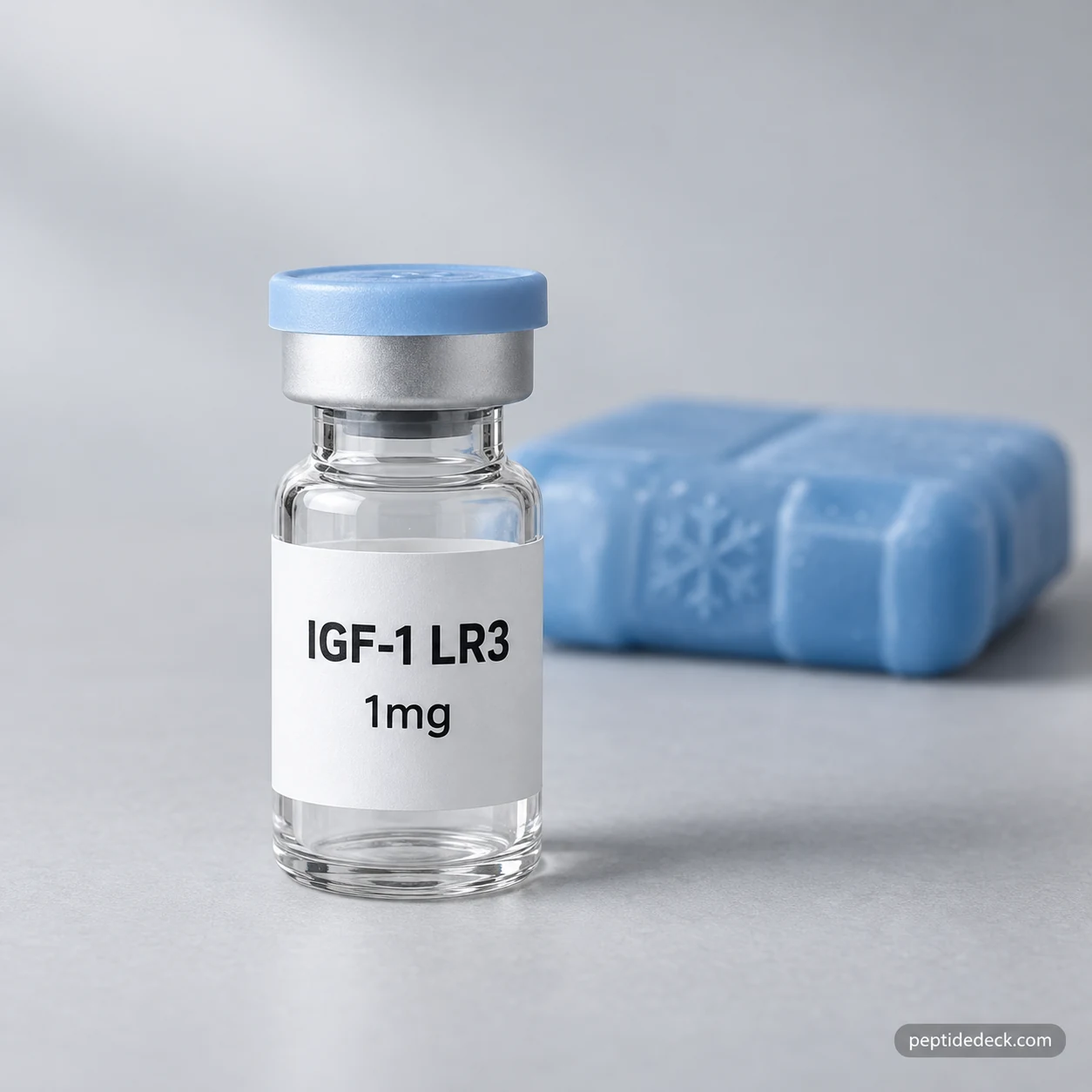
Growth Factor Peptides
IGF-1 LR3
Long R3 Insulin-like Growth Factor-1, 1mg vial
Growth Hormone Releasing Hormone (GHRH) Analogues
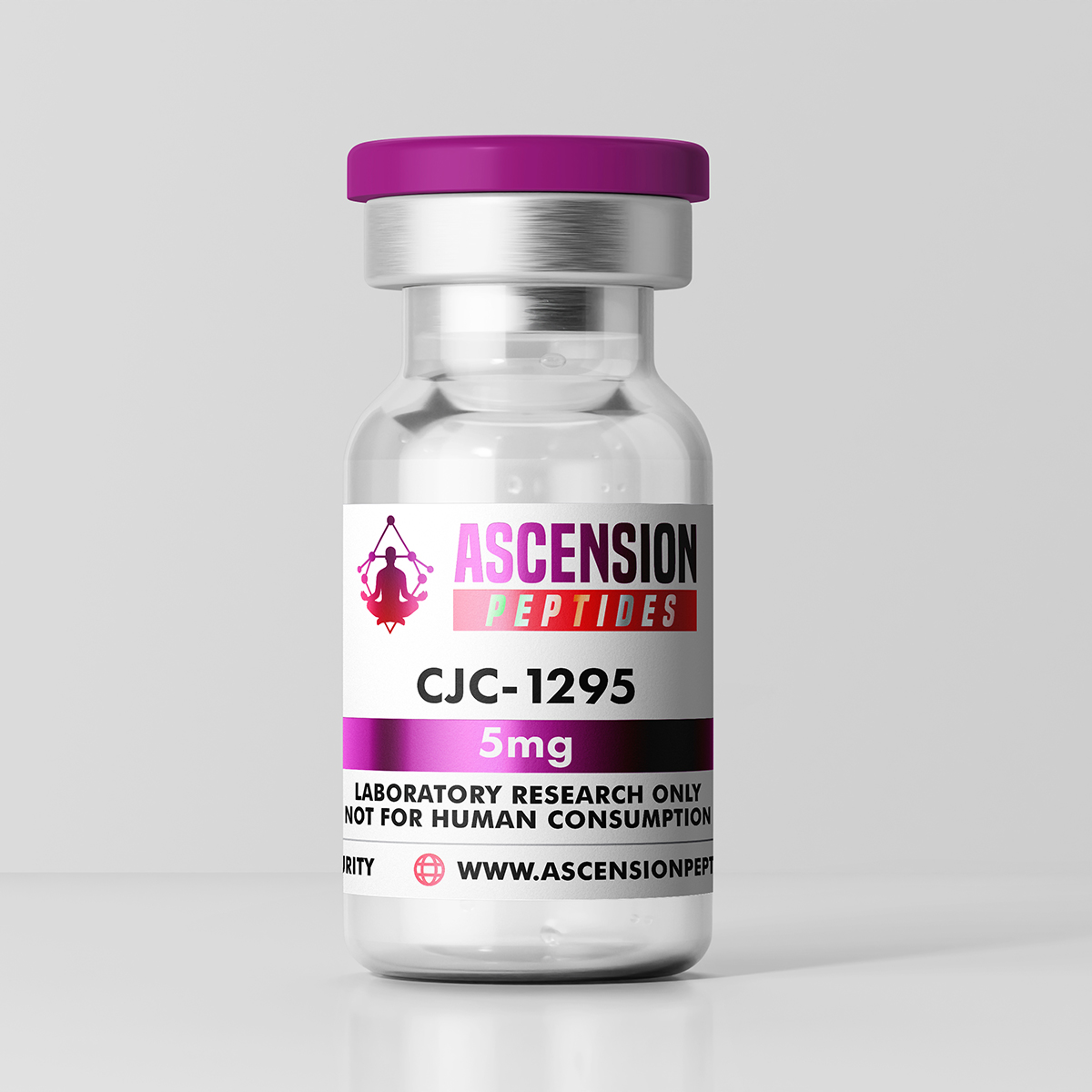
CJC-1295 (No DAC)
Modified GRF (1-29) GHRH Analogue, 5mg Lyophilized Vial

Healing & Recovery Peptides
BPC-157
Body Protection Compound 5mg: 99%+ Purity Research Vial

Mitochondrial Peptides
MOTS-c
Mitochondrial-Derived Peptide, 10mg Research Vial For Sale
Research Use Only. All products sold by PeptideDeck are strictly for in-vitro laboratory research and are not intended for human or veterinary use, diagnosis, or treatment. Not for resale.