
Mitochondrial Peptides
MOTS-c
with codePEPTIDEDECKat checkout· list $89.99
- Purity
- 99%+
- Vial
- 10mg
- Form
- Lyophilized powder in vial
- Half-life
- Not published
Buy MOTS-c 10mg at PeptideDeck -- a 16-amino acid mitochondrial-derived peptide (MDP) encoded within mitochondrial DNA and studied for AMPK activation, metabolic homeostasis, and aging-related biology. Research-grade, 99%+ HPLC-verified lyophilized powder. Ships same-day from a US warehouse with Certificate of Analysis on request.
About MOTS-c
Looking to buy MOTS-c for a mitochondrial biology or metabolic regulation study? PeptideDeck lists MOTS-c 10mg vials for sale from a vetted US research supplier at 99%+ HPLC-verified purity, with same-day US shipping and a Certificate of Analysis available on request. The MOTS-c price on this listing -- $48.00 per 10mg vial against a $79.99 MSRP -- reflects an active promotional rate through our partner, not a compromise on purity or identity. MOTS-c for sale in 10mg format is the standard working quantity for in-vitro metabolic assays, rodent AMPK activation studies, and cellular aging models where researchers need to purchase MOTS-c in a quantity sufficient for multi-arm dose-response protocols without excessive cost per experiment.
MOTS-c (Mitochondrial Open Reading Frame of the Twelve S rRNA type-c) is a 16-amino acid peptide encoded within the 12S rRNA region of mitochondrial DNA -- making it one of a small family of mitochondrial-derived peptides (MDPs) that are translated in the mitochondrion and then translocate to the cytoplasm and nucleus to regulate nuclear gene expression. First characterized in 2015 by Lee et al. in Cell Metabolism, MOTS-c immediately attracted research attention because it revealed a previously unrecognized layer of mitochondria-to-nucleus retrograde communication. Since that landmark paper, MOTS-c has been investigated in insulin sensitivity, exercise physiology, metabolic homeostasis, and longevity biology, establishing it as one of the most actively studied mitochondrial peptides currently available for purchase as a research reagent.
Where to Buy MOTS-c
PeptideDeck lists MOTS-c for sale from a vetted US research supplier that publishes batch-level HPLC and mass-spectrometry quality data. When research teams ask us where to buy MOTS-c with confidence in peptide identity, purity, and rapid US delivery, this is the listing we point them to. The MOTS-c price at this listing -- $48.00 per 10mg vial with a $79.99 MSRP -- is competitive against other US research peptide vendors and reflects volume procurement economics through our supplier partner rather than a reduction in manufacturing standards. Shipping is same-day from a US warehouse with tracked delivery and discreet packaging that does not identify the peptide contents externally. Checkout resolves directly through the partner vendor's live inventory system; the cart will indicate whether the MOTS-c 10mg SKU is in stock at the time of purchase.
Researchers evaluating MOTS-c price across multiple vendors should compare lot-level COA data, synthesis route (solid-phase peptide synthesis vs. alternative methods), and whether purity is reported as gross peptide (including counterion salts) or net peptide content. The 99%+ purity figure at this listing is reported by HPLC and reflects the quality standard applied to all vials from this supplier. For laboratories that require multiple vials across an extended study, contact the supplier directly for bulk pricing on MOTS-c 10mg orders above standard single-vial quantity. Buy MOTS-c for research use only.
Quality Assurance and COA
Every MOTS-c vial at this listing is manufactured under cGMP-aligned conditions and undergoes batch-level analytical testing before release. Identity is confirmed by electrospray ionization mass spectrometry (ESI-MS) against the expected molecular weight of MOTS-c (approximately 2174.6 g/mol). Purity is quantified by reverse-phase HPLC with UV detection at 214 nm to capture the full peptide bond absorbance profile. The resulting Certificate of Analysis documents the lot number, synthesis date, analytical method, purity result, and molecular weight confirmation. COA documents are available on request from the supplier -- email the vendor with your order number after purchase. Vials are sealed under inert gas in borosilicate glass with a butyl rubber stopper and an aluminum crimp seal to prevent moisture ingress and oxidative degradation during storage and transit. This analytical and packaging standard is the reason research teams that buy MOTS-c repeatedly return to this listing rather than switching to lower-cost vendors that omit lot-level mass-spec confirmation.
Mechanism of Action
MOTS-c exerts its metabolic effects primarily through activation of AMP-activated protein kinase (AMPK), the master cellular energy sensor. When intracellular energy status falls -- rising AMP:ATP ratio -- AMPK is phosphorylated at Thr172 and switches on catabolic programs while suppressing anabolic pathways. MOTS-c treatment in cell culture and in rodent models has been shown to increase AMPK phosphorylation independently of the classical LKB1/CAMKK2 upstream kinase pathway, suggesting that MOTS-c may feed into AMPK regulation through a distinct mitochondrial stress-sensing route.
The downstream consequences of MOTS-c-driven AMPK activation that have been documented in preclinical research include: inhibition of the folate cycle and de novo purine synthesis, which redirects one-carbon metabolic flux; suppression of glucose-6-phosphate dehydrogenase activity and the pentose phosphate pathway; increased glucose uptake via GLUT4 translocation in skeletal muscle cells; and suppression of lipogenic gene programs in adipocytes. Collectively these effects position MOTS-c as a metabolic regulator that biases cells toward fatty acid oxidation and glucose disposal rather than biosynthetic storage.
The nuclear translocation of MOTS-c adds another mechanistic dimension. In response to cellular stress, MOTS-c has been shown to translocate from the cytoplasm into the nucleus, where it interacts with the antioxidant response element (ARE) transcription factor Nrf2 and regulates a subset of stress-responsive genes. This mitochondrion-to-nucleus signaling axis -- a peptide produced by mitochondrial ribosomes dynamically reprogramming nuclear transcription -- is the property that makes MOTS-c scientifically interesting beyond any single metabolic pathway it touches.
Reynolds et al. 2021 in Nature Communications characterized plasma MOTS-c levels in the context of exercise, showing that circulating MOTS-c rises during aerobic exercise in humans and that exogenous MOTS-c administration in aged mice mimics some of the molecular signatures of exercise training, including AMPK activation and mitochondrial gene expression changes in skeletal muscle. This "exercise mimetic" framing has made MOTS-c one of the most discussed mitochondrial peptides in aging biology and metabolic research, and is the primary reason research teams continue to buy MOTS-c 10mg vials as a preclinical probe for exercise-mimetic and AMPK biology studies.
Chemical Profile
MOTS-c is a 16-amino acid peptide with the primary sequence Met-Arg-Trp-Gln-Glu-Met-Gly-Tyr-Ile-Phe-Tyr-Pro-Arg-Lys-Leu-Arg (MRWQEMGYIFYPRKLR). The molecular formula is C₁₀₂H₁₅₃N₂₇O₂₄S₂ and the molecular weight is approximately 2174.6 g/mol. The CAS registry number is 1452513-63-1. MOTS-c is a linear peptide with no disulfide bridges and no post-translational modifications in its canonical sequence, which simplifies chemical synthesis and contributes to batch-to-batch reproducibility.
This research-grade MOTS-c is supplied as a lyophilized white amorphous powder in a sealed borosilicate glass vial under sterile manufacturing conditions. The 10mg vial corresponds to approximately 4.6 micromoles of peptide at 100% net peptide content. The lyophilized form maintains stability during standard 2-to-4-business-day US transit at ambient temperature, after which the vial should be transferred to minus 20 degrees Celsius for long-term storage. Purity is 99%+ by HPLC, with molecular identity confirmed by mass spectrometry. Lot-level COA data is available on request from the supplier.
Research Applications
MOTS-c has been characterized across several distinct preclinical research domains since its 2015 discovery. The primary applications documented in peer-reviewed literature include:
Metabolic and insulin sensitivity research: Lee et al. 2015 (Cell Metabolism, PMID 25752942) demonstrated that MOTS-c treatment improved insulin sensitivity and reduced diet-induced obesity in mice, with the effect requiring AMPK activation. This remains the foundational metabolic phenotyping study and defines the most common research application for MOTS-c in metabolic biology labs.
Exercise physiology and aging: Reynolds et al. 2021 (Nature Communications) showed that circulating MOTS-c levels increase during acute exercise, that exogenous MOTS-c administration in old mice improves physical performance, and that the peptide modulates skeletal muscle gene expression in a pattern partially overlapping with exercise-induced changes. Research teams studying exercise mimetics, age-related sarcopenia, or mitochondrial decline purchase MOTS-c as a reference compound for these models.
Longevity genetics: Fuku et al. 2015 (Aging Cell) identified a naturally occurring K14Q variant of the MOTS-c coding sequence in the mitochondrial genome that is enriched in Japanese centenarians compared to younger controls, providing the first genetic association between MOTS-c sequence variation and extreme human longevity. This study established MOTS-c as a longevity-associated MDP and prompted research into MOTS-c's role in lifespan regulation.
Cellular stress response: Multiple research groups have investigated MOTS-c in models of oxidative stress, mitochondrial dysfunction, and nutrient deprivation, consistently finding that MOTS-c treatment modulates AMPK, Nrf2, and one-carbon metabolic flux under these conditions. All applications are documented in preclinical literature or in-vitro systems only. PeptideDeck supplies MOTS-c strictly for laboratory research.
Reconstitution and Dosing Reference
For a 10mg MOTS-c vial, a common research reconstitution is 2mL of bacteriostatic water (0.9% benzyl alcohol in sterile water for injection), yielding a final concentration of 5mg/mL or 5000 mcg/mL. Alternate dilutions: 1mL yields 10mg/mL (10,000 mcg/mL), 4mL yields 2.5mg/mL (2,500 mcg/mL), and 5mL yields 2mg/mL (2,000 mcg/mL). Add bacteriostatic water slowly down the inside wall of the vial to avoid direct impingement on the lyophilized cake; allow passive dissolution over 2 to 3 minutes and then gently swirl. Do not vortex or shake vigorously.
For in-vitro cell culture applications, MOTS-c is typically prepared as a stock in phosphate-buffered saline or sterile water, then diluted into media. Reported in-vitro working concentrations in published research range from 1 micromolar to 50 micromolar depending on the cell type and endpoint. For rodent in-vivo research, the Lee 2015 study used intraperitoneal injections; researchers should consult the primary literature for species-appropriate routes and dose levels. These figures are provided strictly as research reference. PeptideDeck does not publish human dosing guidance. The 10mg MOTS-c vial supports between 10 and 50 research preparations depending on the dilution scheme and study design.
Storage and Handling
Store unopened MOTS-c vials at minus 20 degrees Celsius for long-term stability. Short-term storage at standard refrigerator temperature (2 to 8 degrees Celsius) for up to two weeks is acceptable provided the vial remains sealed and protected from light. Once reconstituted with bacteriostatic water, refrigerate the solution at 2 to 8 degrees Celsius and use within 30 days. Protect reconstituted MOTS-c solutions from direct light exposure, which may accelerate oxidation of the methionine and tryptophan residues in the sequence. Avoid freeze-thaw cycling of the reconstituted solution; if multiple research sessions are anticipated, prepare aliquots at reconstitution and freeze single-use volumes separately. Keep vials upright during storage and wipe the stopper with 70% isopropyl alcohol before each draw. On receipt, inspect the vial for cake uniformity, intact crimp seal, and absence of discoloration. Document the lot number and receipt date in a laboratory logbook for traceability against the COA.
Research Benefits
16-amino acid mitochondrial-derived peptide encoded by mt-DNA
99%+ HPLC-verified purity, 10mg lyophilized vial
Activates AMPK -- the master cellular energy sensor
Investigated in glucose uptake and insulin sensitivity models
Studied in exercise-mimetic and skeletal muscle aging research
Used in mitochondria-to-nucleus retrograde signaling studies
Explored in longevity genetics following centenarian variant discovery
Characterized in one-carbon metabolic flux and Nrf2 stress response
Product Specifications
| Molecular Weight | 2174.6 g/mol (C₁₀₂H₁₅₃N₂₇O₂₄S₂) |
| Sequence | MRWQEMGYIFYPRKLR (16 aa) |
| Half-Life | Not published |
| Purity | 99%+ |
| Form | Lyophilized powder in vial |
| Storage | Store lyophilized at -20°C. Once reconstituted, refrigerate and use within 30 days. |
Frequently Asked Questions
Scientific References
Lee C, Zeng J, Drew BG, et al. · Cell Metabolism · 2015
Reynolds JC, Lai RW, Woodhead JST, et al. · Nature Communications · 2021
Fuku N, Liu X, Norrbom M, et al. · Aging Cell · 2015
References provided for informational research context only. PeptideDeck does not imply clinical application or endorse any human use.
You May Also Like
View all →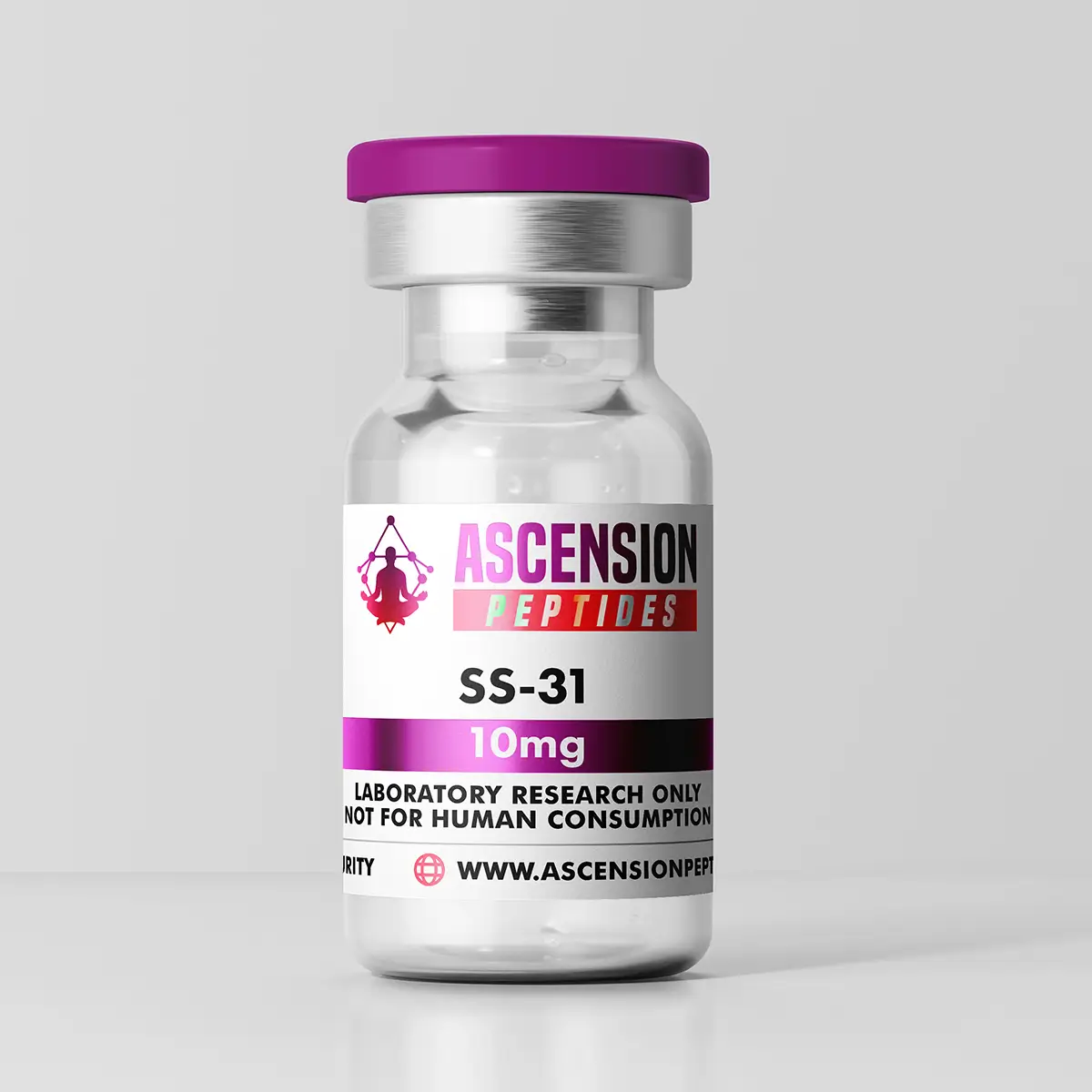
Mitochondrial Peptides
SS-31 (Elamipretide)
Elamipretide Mitochondria-Targeting Tetrapeptide, 10mg Research Vial For Sale
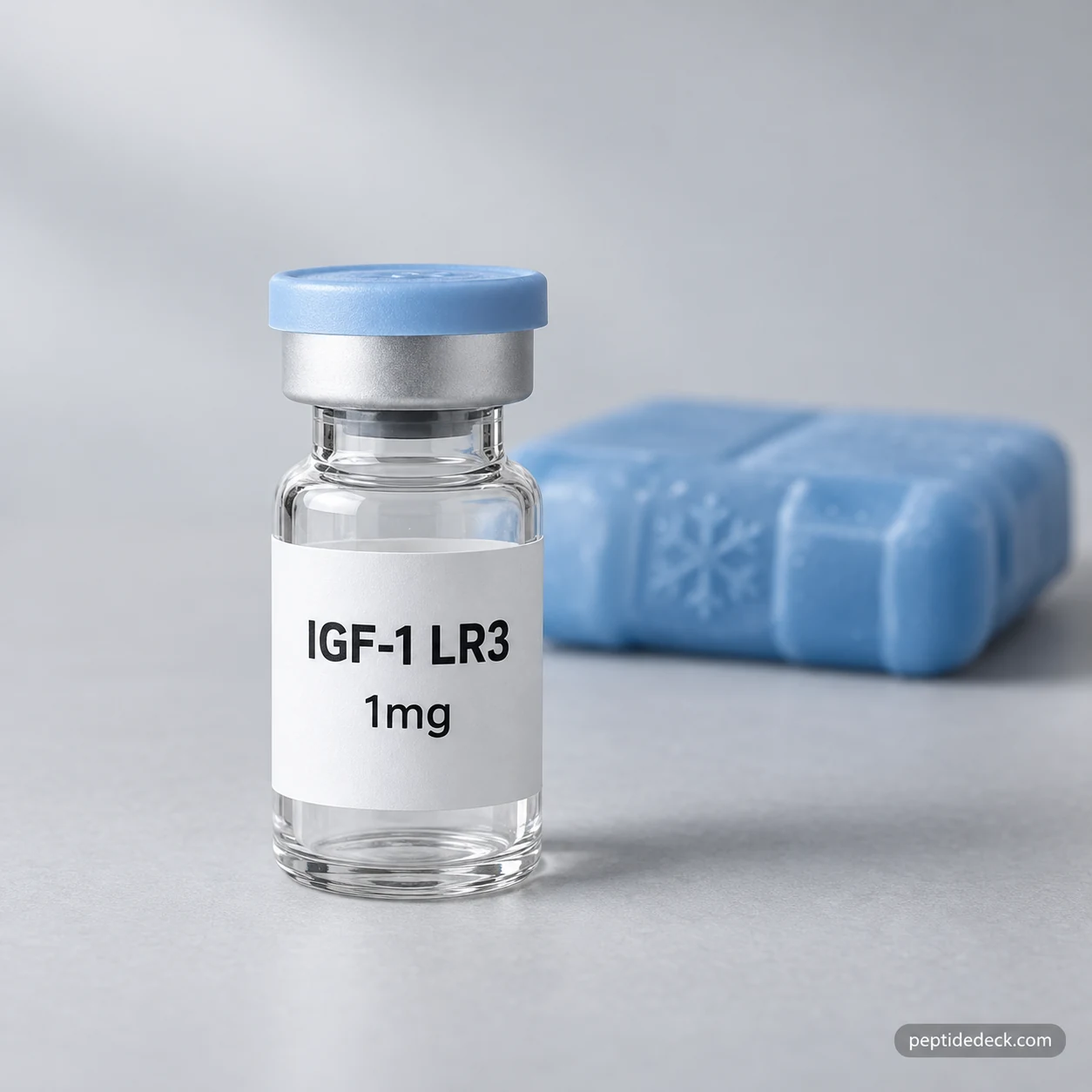
Growth Factor Peptides
IGF-1 LR3
Long R3 Insulin-like Growth Factor-1, 1mg vial
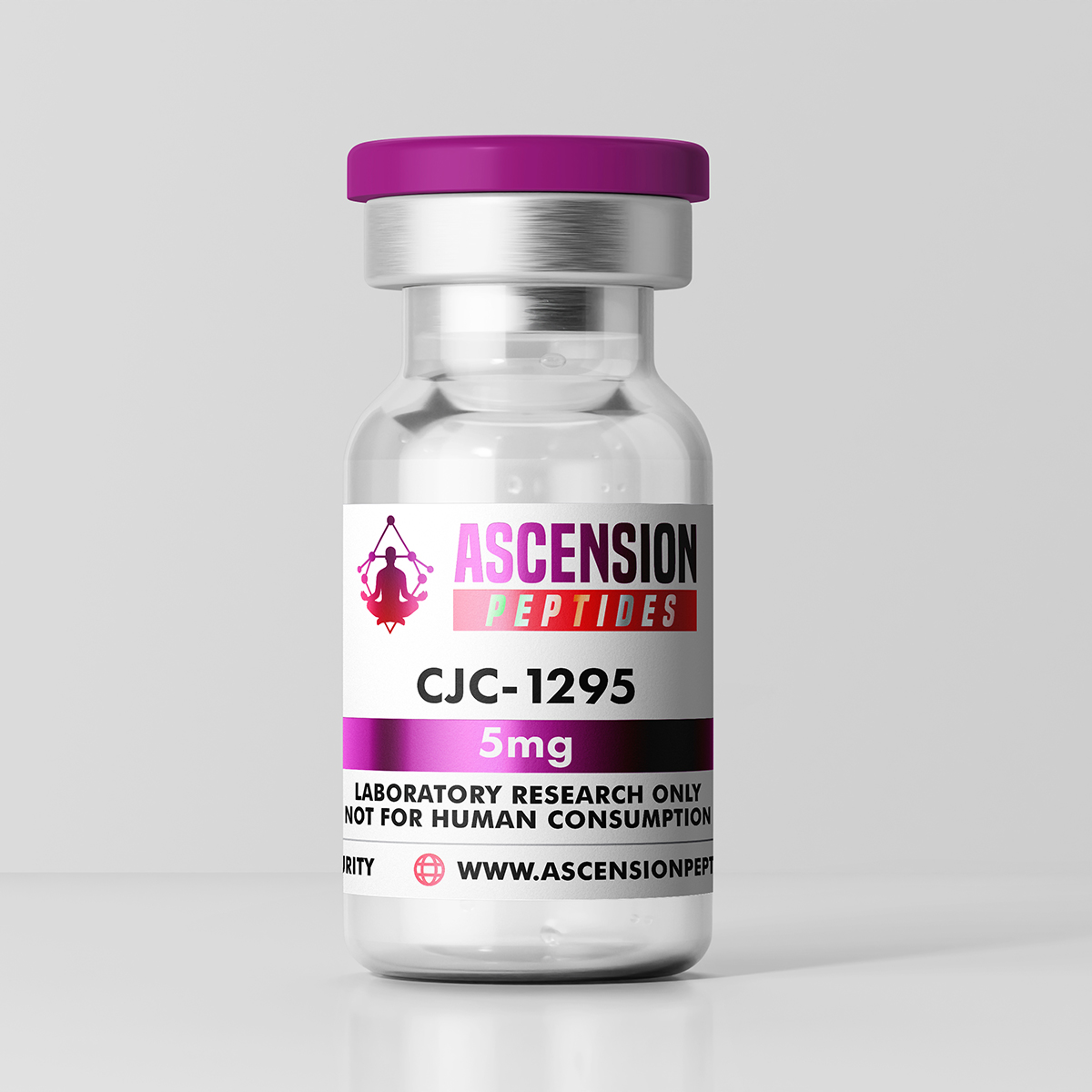
Growth Hormone Releasing Hormone (GHRH) Analogues
CJC-1295 (No DAC)
Modified GRF (1-29) GHRH Analogue, 5mg Lyophilized Vial
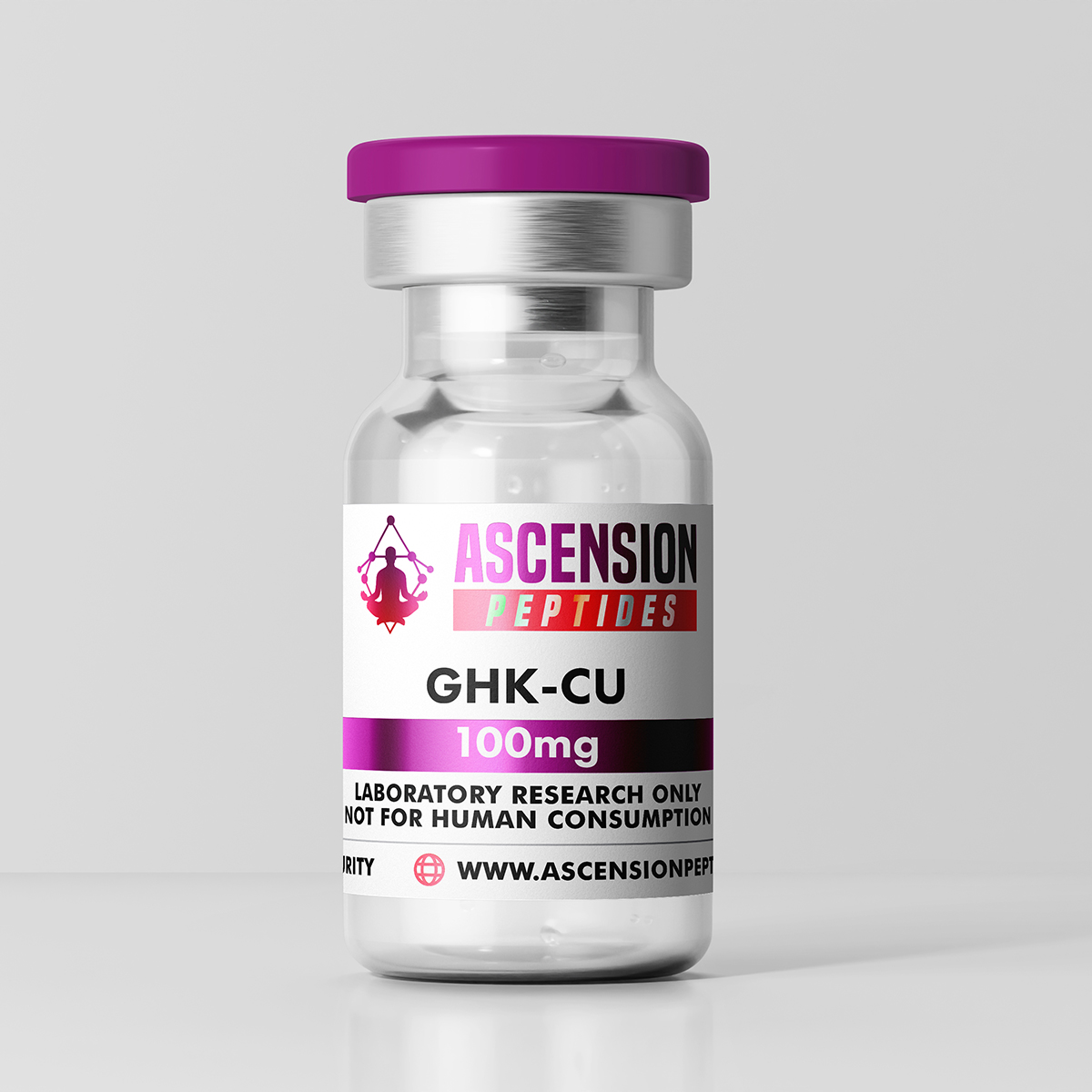
Copper Peptides
GHK-Cu
GHK-Cu For Sale: 50mg 99%+ Purity Copper Tripeptide
Research Use Only. All products sold by PeptideDeck are strictly for in-vitro laboratory research and are not intended for human or veterinary use, diagnosis, or treatment. Not for resale.