Healing & Recovery Peptides
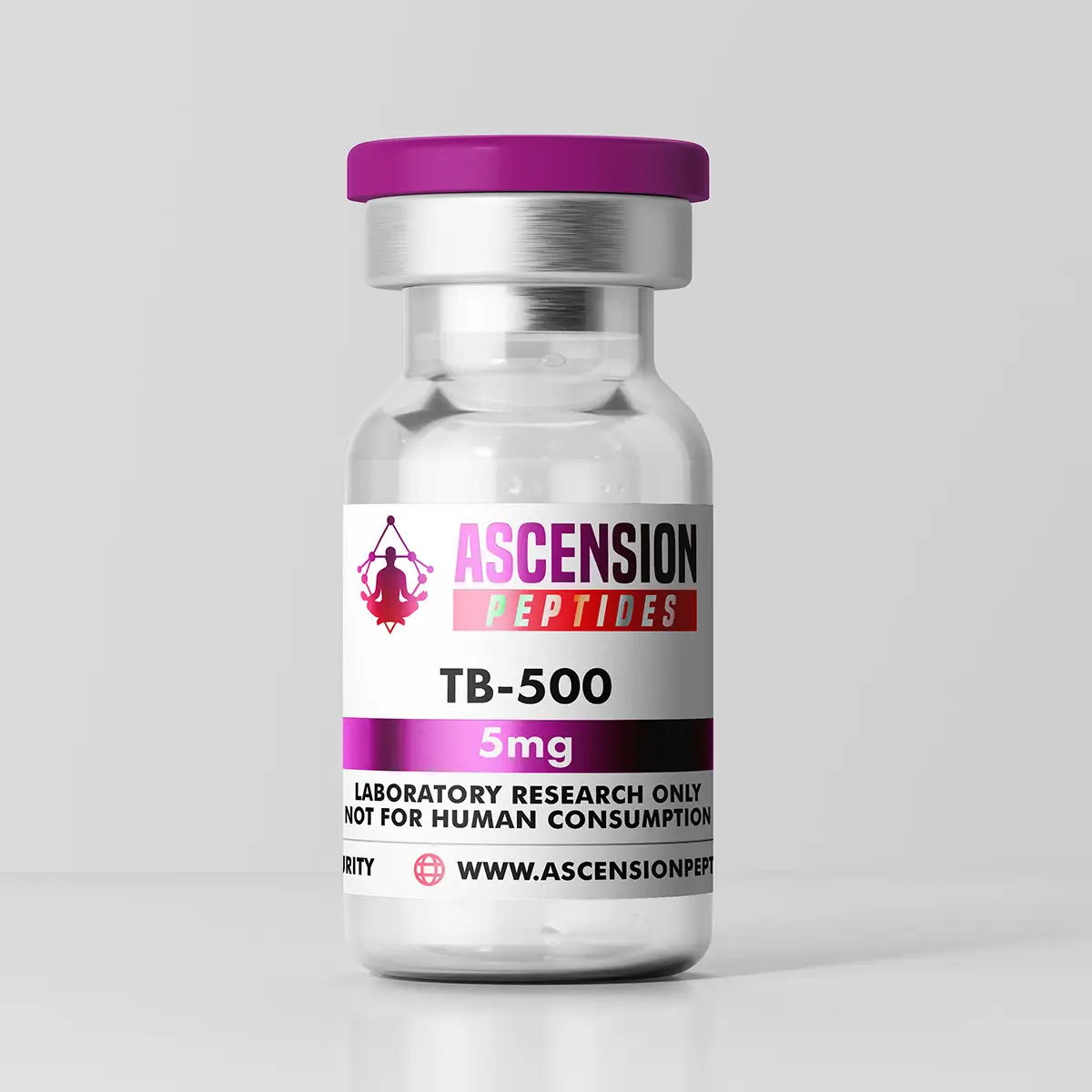
TB-500
with codePEPTIDEDECKat checkout· list $60.00
- Purity
- 99%+
- Vial
- 5mg
- Form
- Lyophilized powder in sealed borosilicate vial
- Half-life
- Not published for synthetic fragment
TB-500 for sale at PeptideDeck: a synthetic fragment of Thymosin Beta-4 corresponding to the active actin-binding region, supplied as 99%+ pure lyophilized powder in a sealed 5mg vial. If you are searching for where to buy TB-500 online with independently verified purity and US domestic shipping, this is the research-grade source we recommend.
About TB-500
Buy TB-500 at PeptideDeck and receive a 5mg research vial of the synthetic Thymosin Beta-4 actin-binding fragment, sourced from a vetted US peptide supplier with a published lot-specific certificate of analysis on every production run. TB-500 for sale here is manufactured under controlled research-grade conditions and independently tested for identity and purity before shipping. Researchers evaluating TB-500 5mg options for preclinical tissue biology studies will find this listing among the most consistently in-stock and quality-documented sources in the US research peptide market. Purchase TB-500 knowing that each vial ships from a domestic US warehouse with full traceability to a COA lot number. TB-500 for sale on this page is supplied strictly for in-vitro laboratory research and is not intended for human or veterinary use.
The TB-500 price at this listing is $50.00 per 5mg vial, representing one of the most competitive TB-500 price-per-mg ratios among COA-documented US suppliers. For researchers comparing TB-500 for sale options, the cost-per-experiment is directly tied to purity: a vial at 95% purity delivers only 4.75mg of active peptide despite the nominal 5mg label, whereas a 99%+ pure vial like this one delivers 4.95mg or better. At a TB-500 price of $10.00 per mg at 99%+ purity, this listing is positioned as a cost-effective option for active research programs.
Where to Buy TB-500
Finding where to buy TB-500 online that meets research-grade standards requires verifying three things: published purity data from a named independent laboratory, identity confirmation by mass spectrometry, and US domestic fulfillment that reduces cold-chain risk. PeptideDeck lists TB-500 for sale only from suppliers that satisfy all three criteria.
When you purchase TB-500 through this listing, you receive a 5mg vial from a specific named production lot, with COA documentation available on request, packed with a cold pack for thermal protection during transit, and shipped from a domestic US warehouse with a tracked courier. TB-500 for sale here ships in discreet packaging without external product identification.
The TB-500 price at this listing is $50.00 per 5mg vial. Volume pricing for research institutions requiring multiple vials may be available; contact the vendor directly through the checkout flow. For researchers building a tissue repair research protocol who also need BPC-157, PeptideDeck lists a pre-blended Wolverine Stack vial that co-lyophilizes both peptides at a bundled price.
Quality Assurance & COA
Every TB-500 5mg vial through this listing undergoes a multi-step quality process before release. HPLC-UV analysis confirms purity at 99%+ versus the TB-500 reference standard. Electrospray ionization mass spectrometry confirms the expected molecular mass within instrument tolerance. Residual solvent screening confirms absence of synthesis-process solvents above safe thresholds. Endotoxin testing by LAL assay is conducted on selected production lots.
The lot-specific COA is issued by the independent testing laboratory and can be provided to researchers on request via the vendor's support channel. Purchasing TB-500 with access to a verifiable, lot-traceable COA is the baseline quality standard that PeptideDeck requires of every supplier listed on this platform.
Mechanism of Action
TB-500 is the synthetic analogue of the central actin-binding region of Thymosin Beta-4 (Tbeta4), a 43-amino acid polypeptide that is the principal G-actin sequestering protein in mammalian cells. The native Thymosin Beta-4 molecule was first isolated in thymus tissue, but subsequent research has documented its expression across a wide range of cell types including platelets, endothelial cells, macrophages, and fibroblasts. TB-500 recapitulates the actin-binding activity of the parent molecule in a shorter, synthetically accessible fragment.
The primary documented mechanism of TB-500 at the molecular level is high-affinity binding to G-actin (monomeric actin), which regulates the ratio of G-actin to F-actin (filamentous actin) within the intracellular pool. Actin dynamics are central to cell motility, cytoskeletal remodeling, and the migratory responses that drive tissue repair cell recruitment. By modulating the available pool of monomeric actin, TB-500 and the parent Thymosin Beta-4 molecule influence lamellipodia formation, cell polarity, and directed cell migration in research models.
Beyond direct actin sequestration, TB-500 has been investigated for downstream effects on the PI3K-Akt signaling pathway. Published preclinical research has documented that Thymosin Beta-4 activates ILK (integrin-linked kinase) and downstream Akt phosphorylation, which connects cytoskeletal remodeling activity to cell survival and anti-apoptotic signaling cascades relevant to tissue repair research applications.
Endothelial cell biology represents a third mechanistic research dimension: TB-500 and the parent molecule have been studied for effects on endothelial cell migration, tube formation in Matrigel assays, and VE-cadherin expression, which positions the compound as a tool for angiogenesis and vascular biology research alongside its cytoskeletal mechanism. Research in cardiac models has examined Thymosin Beta-4 for effects on epicardial progenitor cell activation and cardiomyocyte protection, with documented upregulation of embryonic survival pathway markers.
Anti-fibrotic signaling represents a fourth research dimension: published studies have documented that Thymosin Beta-4 modulates TGF-beta signaling and collagen deposition markers in fibrotic tissue research models, supporting investigation of TB-500 as a tool in fibrosis biology research.
Chemical Profile
TB-500 is a synthetic peptide fragment corresponding to the actin-binding domain of Thymosin Beta-4. The active region is defined by the LKKTETQ motif within the parent 43-residue sequence. The full parent Thymosin Beta-4 sequence is: SDKPDMAEIEKFDKSKLKKTETQEKNPLPSKETIEQEKQAGES. TB-500 as a research reagent is commonly synthesized as a fragment spanning residues 17 to 23 of this parent sequence or as a longer fragment retaining the functional actin-binding motif, depending on the vendor's synthesis specification.
The molecular weight of TB-500 in the commonly supplied longer-fragment form is approximately 4,982 g/mol. The compound is supplied as the acetate salt of the lyophilized peptide. CAS registry information for the parent Thymosin Beta-4 molecule is CAS 77591-33-4.
TB-500 is freely soluble in water and standard research buffers at physiological pH, which simplifies reconstitution relative to hydrophobic peptides requiring organic co-solvents. Lyophilized TB-500 powder is white to off-white in appearance and stable at minus 20 degrees Celsius for extended storage periods when kept sealed and dry.
Each 5mg vial in this listing is independently verified by HPLC-UV for purity at 99%+ and by mass spectrometry for identity confirmation. The lot-specific COA documents the HPLC trace, MS data, and batch production date for the specific vial you receive.
Research Applications
TB-500 has been investigated across a broad range of preclinical tissue repair and biology research contexts, with the largest body of published work in four application areas: musculoskeletal soft tissue repair, cardiac biology, dermal wound healing, and fibrosis research.
In musculoskeletal research, published animal studies have examined TB-500 and the parent Thymosin Beta-4 molecule for effects on tendon and ligament healing, cartilage repair cell recruitment, and muscle fiber regeneration in rodent and equine injury models. The compound is among the most frequently studied actin-binding peptides in sports medicine research models.
Cardiac biology research has produced some of the most cited TB-500 preclinical literature: a landmark study published in Nature documented that Thymosin Beta-4 promotes cardiac repair by activating epicardial progenitor cells and supporting cardiomyocyte survival in ischemia-reperfusion rodent models. This line of research has spawned follow-up investigations into epicardial progenitor cell biology that represent an active area of cardiovascular basic science.
Wound healing and dermal repair research has documented TB-500 effects on keratinocyte migration, dermal fibroblast proliferation, and angiogenic marker expression in full-thickness wound models in rodents. These findings have positioned TB-500 as a useful research tool for laboratories studying the proliferative and remodeling phases of wound repair biology.
Fibrosis research applications include published preclinical studies in liver fibrosis models, renal fibrosis models, and pulmonary fibrosis models where Thymosin Beta-4 administration was associated with reduced fibrotic marker expression and modified TGF-beta signaling. All applications are documented in preclinical animal research and cell culture models only.
Reconstitution & Dosing Reference
TB-500 5mg vials are supplied as lyophilized powder and require reconstitution with sterile bacteriostatic water before use in liquid-phase research protocols. All reconstitution math below is provided as a laboratory reference only and is not a human dosing protocol.
Standard 5mg reconstitution references used in published preclinical protocols:
- Add 1.0 mL BAC water to 5mg vial: yields 5,000 mcg/mL (5 mcg per 1 uL draw). - Add 2.0 mL BAC water to 5mg vial: yields 2,500 mcg/mL (2.5 mcg per 1 uL draw). - Add 5.0 mL BAC water to 5mg vial: yields 1,000 mcg/mL (1 mcg per 1 uL draw).
For U-100 insulin syringe reference at 2.0 mL reconstitution (2,500 mcg/mL): each 10-unit mark on a U-100 syringe corresponds to 25 mcg. Rodent weight-based references in published preclinical literature commonly cite doses in the range of 200 to 500 mcg per kg per injection in rat models, though specific protocols vary by research design and tissue target.
Inject BAC water slowly into the lyophilized vial along the glass wall, not directly onto the peptide cake. Swirl gently after addition; do not shake or vortex. Allow 2 to 5 minutes for complete dissolution before drawing working aliquots.
Storage & Handling
Store unopened TB-500 lyophilized vials at minus 20 degrees Celsius for long-term stability. Sealed vials may be kept at standard refrigeration temperatures (2 to 8 degrees Celsius) for up to two weeks without significant loss of potency. Avoid repeated temperature cycling before opening.
Once reconstituted with bacteriostatic water, refrigerate TB-500 solution at 2 to 8 degrees Celsius and use within 28 to 30 days. Keep reconstituted vials protected from UV light exposure, which accelerates peptide oxidation and aggregation. Do not freeze reconstituted TB-500 solution; freeze-thaw cycles degrade the peptide and reduce effective concentration. For protocols requiring long-duration working stock, aliquot reconstituted TB-500 into single-use volumes before the first research draw and store at minus 80 degrees Celsius.
On receipt, inspect TB-500 vials for cake uniformity, crimp seal integrity, and absence of visible particulates. Log the lot number, receipt date, and COA reference in your laboratory inventory for traceability through the life of the research stock.
Research Benefits
Synthetic Thymosin Beta-4 actin-binding fragment, ~4,982 g/mol
99%+ purity by HPLC-UV, identity confirmed by ESI-MS, lot-specific COA
Regulates G-actin/F-actin equilibrium and cell migration in research models
Investigated in musculoskeletal soft tissue repair in preclinical rodent studies
Studied in cardiac epicardial progenitor cell activation and ischemia models
Documented effects on Akt/ILK pathway and anti-fibrotic TGF-beta signaling
Freely water-soluble lyophilized powder, 5mg sealed vial, same-day US shipping
Frequently co-investigated with BPC-157 in tissue repair research protocols
Product Specifications
| Molecular Weight | ~4,982 g/mol (active actin-binding fragment of Thymosin Beta-4) |
| Sequence | Active actin-binding region of Thymosin Beta-4 (parent Tβ4 = 43 aa; LKKTETQ motif) |
| Half-Life | Not published for synthetic fragment |
| Purity | 99%+ |
| Form | Lyophilized powder in sealed borosilicate vial |
| Storage | Store lyophilized at -20°C long-term; reconstituted solution at 2-8°C, use within 30 days. |
Frequently Asked Questions
Scientific References
Nature · 2004
Annals of the New York Academy of Sciences · 2005
Journal of Investigative Dermatology · 1999
Journal of Cell Science · 2004
References provided for informational research context only. PeptideDeck does not imply clinical application or endorse any human use.
You May Also Like
View all →
Healing & Recovery Peptides
BPC-157
Body Protection Compound 5mg: 99%+ Purity Research Vial
Growth Factor Peptides
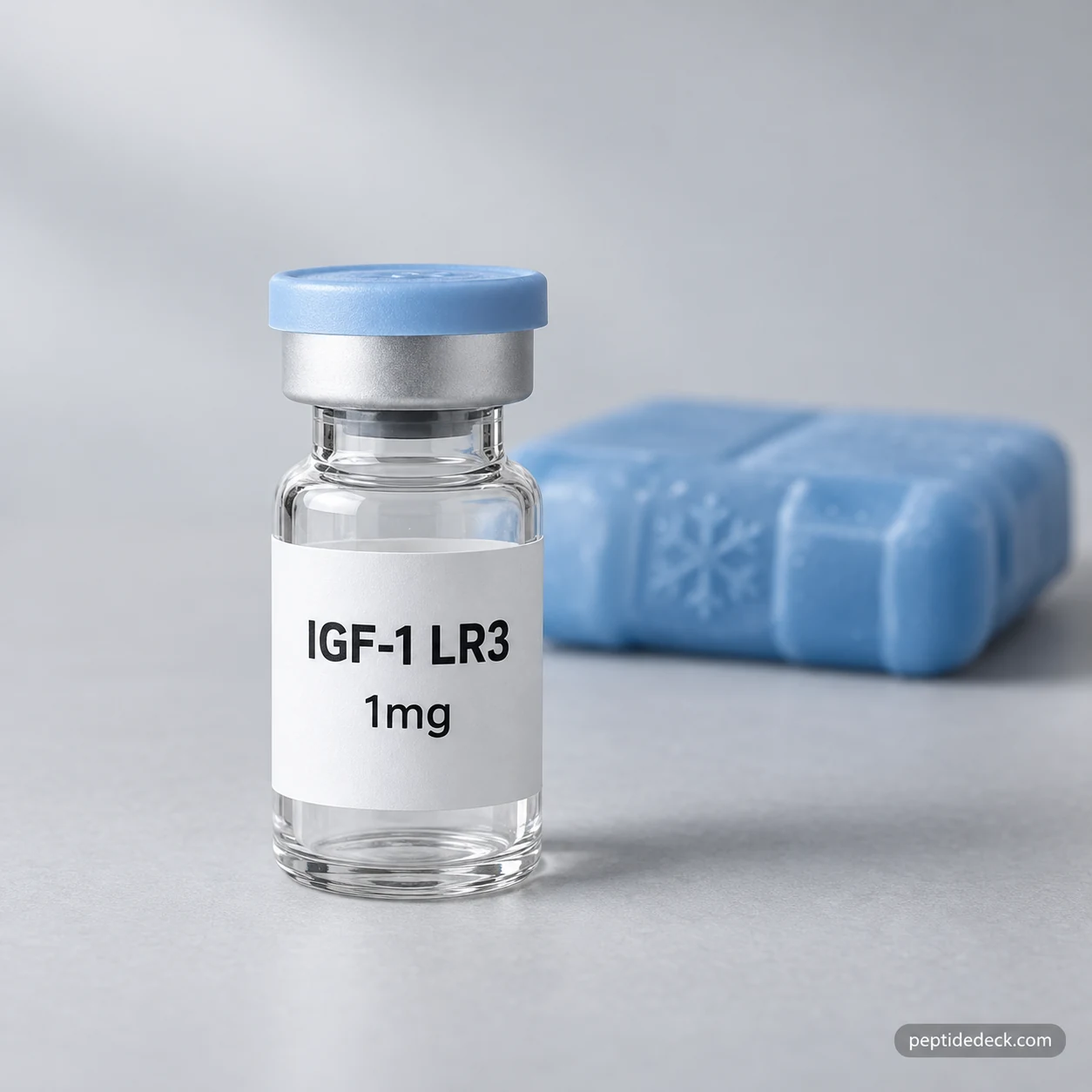
IGF-1 LR3
Long R3 Insulin-like Growth Factor-1, 1mg vial
Growth Hormone Releasing Hormone (GHRH) Analogues
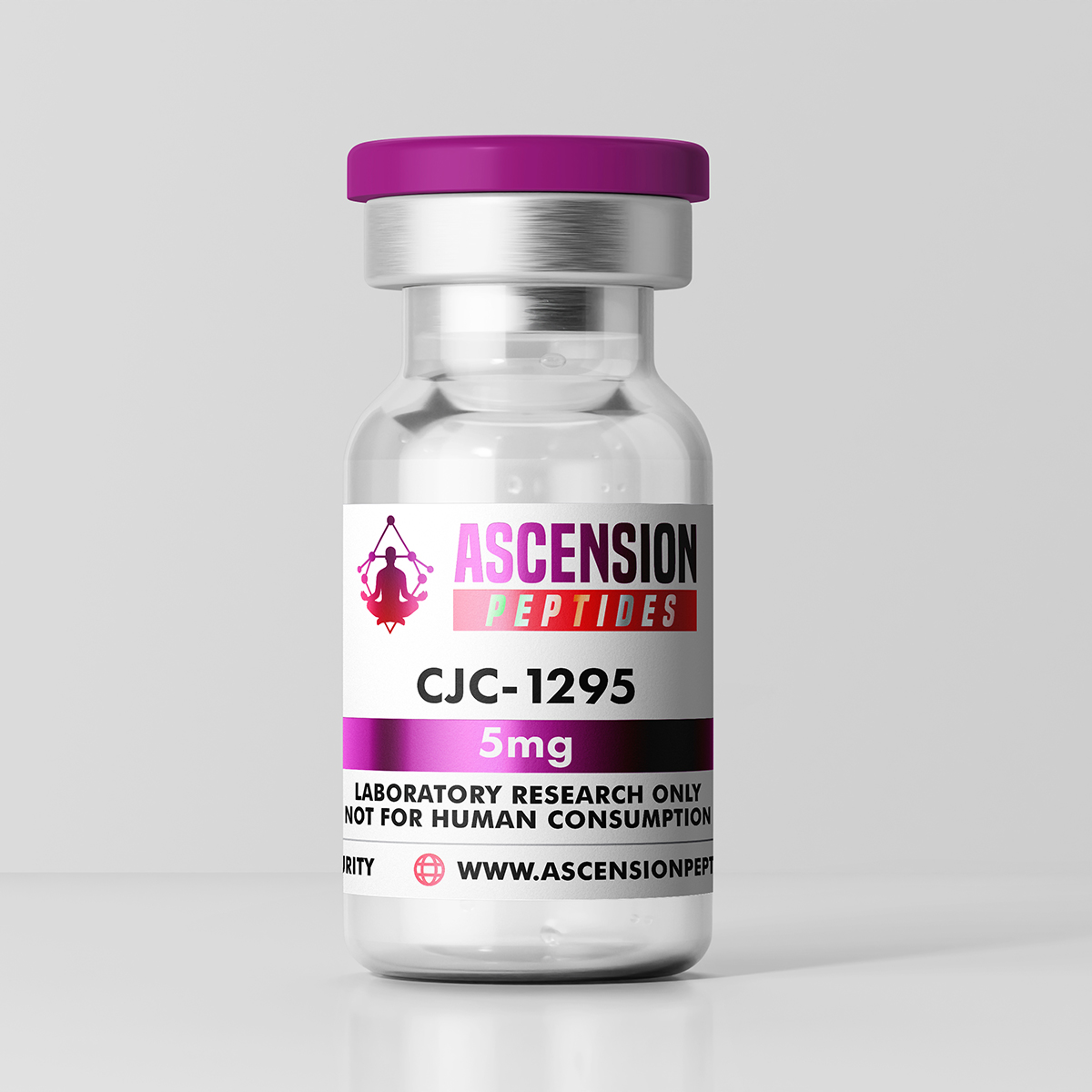
CJC-1295 (No DAC)
Modified GRF (1-29) GHRH Analogue, 5mg Lyophilized Vial
Copper Peptides
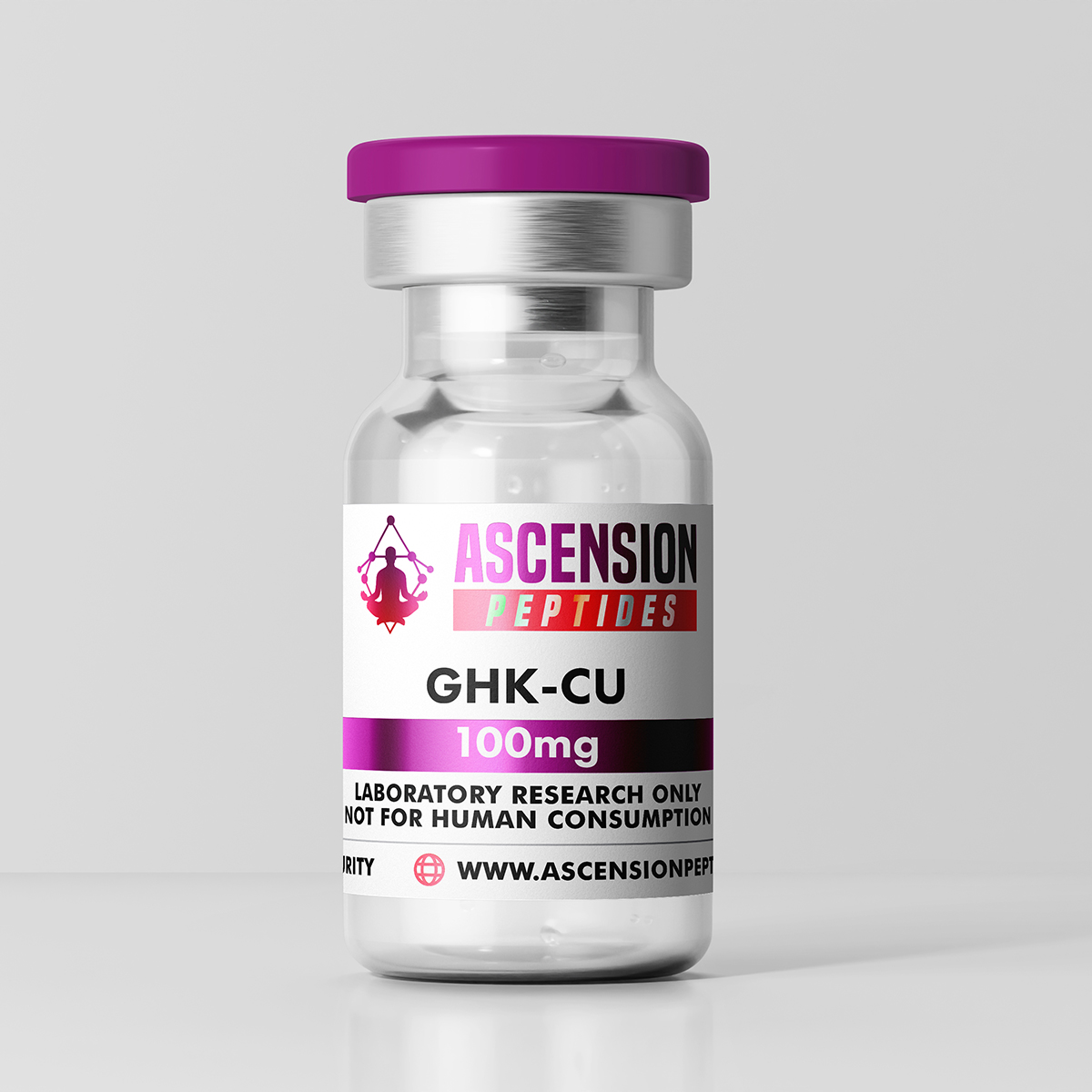
GHK-Cu
GHK-Cu For Sale: 50mg 99%+ Purity Copper Tripeptide
Research Use Only. All products sold by PeptideDeck are strictly for in-vitro laboratory research and are not intended for human or veterinary use, diagnosis, or treatment. Not for resale.