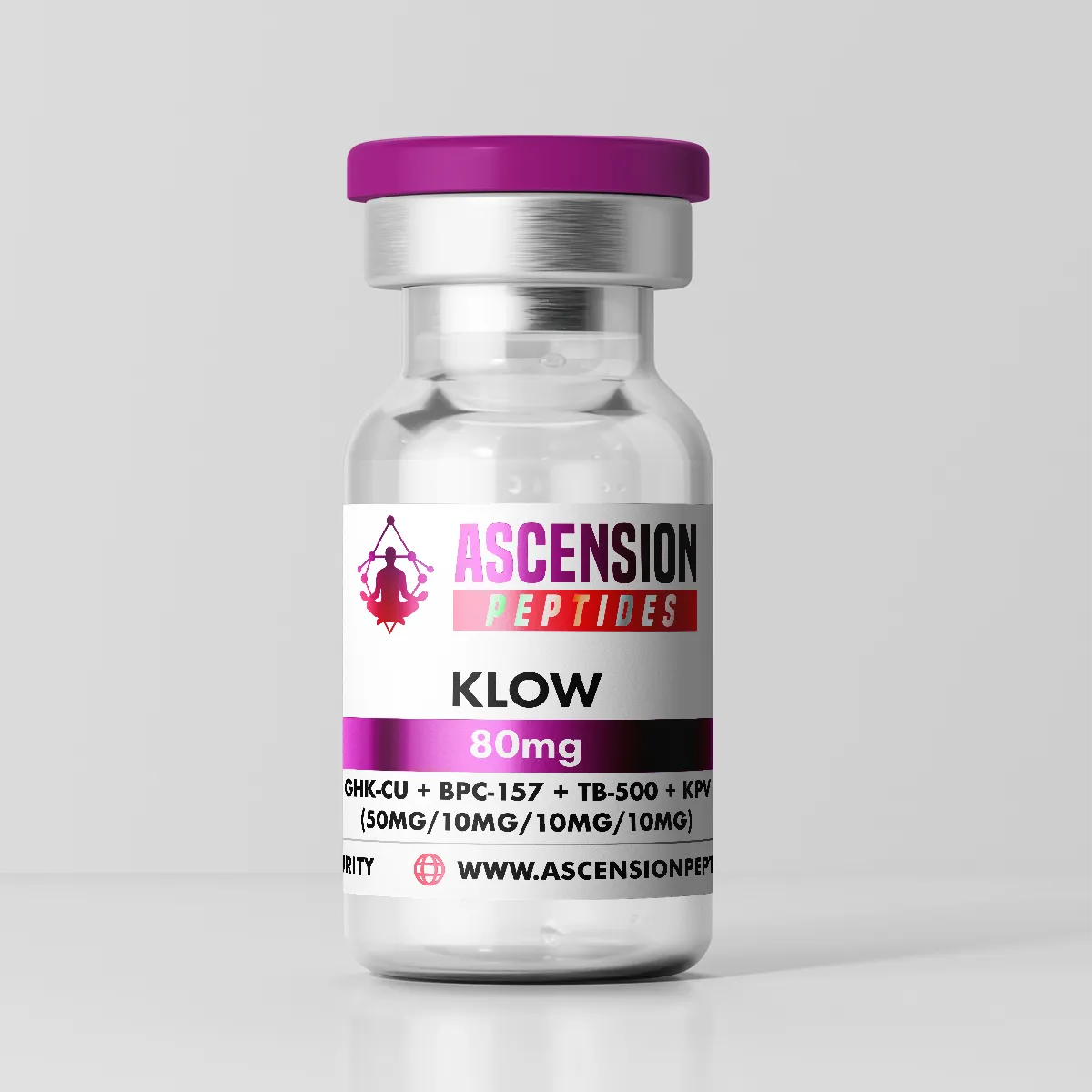
Peptide Blends
KLOW Blend
with codePEPTIDEDECKat checkout· list $199.99
- Purity
- 99%+ by HPLC
- Vial
- 80mg Blend Vial
- Form
- Lyophilized powder in sealed vial
- Half-life
- Not published (varies per component)
Buy the KLOW blend at PeptideDeck. This four-in-one research stack combines GHK-Cu (50mg), BPC-157 (10mg), TB-500 (10mg), and KPV (10mg) in a single 80mg vial at 99%+ purity, lyophilized, and shipped same-day from the USA. If you are searching for where to buy KLOW online with verified identity and bundled stack pricing, this is the listing we recommend.
About KLOW Blend
Buy the KLOW blend online at PeptideDeck, the multi-component research stack that bundles four of the most widely studied regenerative peptides into a single 80mg vial. The KLOW stack for sale on this page combines GHK-Cu, BPC-157, TB-500, and KPV in one lyophilized research unit, letting laboratories run synergy studies without purchasing four separate vials. The KLOW price at this listing reflects a bundled discount against the sum of the individual components, and every vial ships with batch QC data. If you have been searching for where to buy KLOW with verified identity, third-party testing, and fast US fulfillment, this is the research source we point peers to. KLOW for sale here is strictly a research-use-only compound, supplied as 99%+ pure powder in a sealed vial for in-vitro investigation.
Where to Buy KLOW
PeptideDeck lists the KLOW blend for sale from a vetted US research supplier with batch-level quality assurance on every lot. When researchers ask us where to buy KLOW with reliable identity, verified 99%+ purity, and a bundled four-component discount, this is the listing we recommend. The KLOW price at this vendor reflects the stack logic of the product: four research peptides, pre-blended, at a cost lower than buying a separate 50mg GHK-Cu vial plus three separate 10mg vials of BPC-157, TB-500, and KPV. Shipping is same-day from a US warehouse with tracked delivery and discreet packaging that does not disclose the KLOW research peptide contents on the outside of the parcel. Use the buy button to complete checkout directly through our vetted affiliate partner; the cart resolves against the partner vendor's live inventory and the KLOW vial ships only if the vendor has stock on hand when the order is placed. Because KLOW is a co-lyophilized research stack, the vendor ships the 80mg vial as a single unit and does not separate the GHK-Cu, BPC-157, TB-500, or KPV components on request. For laboratories that prefer single-peptide sourcing, PeptideDeck also lists GHK-Cu, BPC-157, TB-500, and KPV individually on their dedicated product pages; for laboratories that prefer the bundled KLOW price and a consistent co-lyophilized ratio, the stack listing on this page is the right purchase. Buy KLOW online for research use only; the listing is not a human-use product and is sold into laboratory research procurement channels with the research-use-only framing clearly attached to the product label and certificate of analysis.
Quality Assurance & COA
Every KLOW blend vial shipped through this listing is produced in a facility that performs HPLC identity and purity verification on the lyophilized stack and provides certificate of analysis documentation on request. Independent third-party testing confirms 99%+ purity of each peptide component in the blend and verifies that no detectable endotoxin or solvent residue is present above the vendor's published acceptance thresholds. Mass spectrometry is used to confirm the presence of all four individual peptide masses (GHK-Cu, BPC-157, TB-500, and KPV) in the pre-blended material, with retention times and mass-to-charge ratios cross-referenced against vendor reference standards. If a COA for a specific KLOW lot is required for a research record, request the lot number at checkout and the vendor will provide the matching certificate. All KLOW vials ship in tamper-evident, discreet packaging suitable for research laboratory fulfillment, with a cold-chain option available for longer transit windows on request. The KLOW blend vial label is printed with the lot number, the manufacture date, and the research-use-only designation; the label matches the COA record for each shipment, so research laboratories can trace every KLOW purchase back to the exact HPLC batch report on file with the vendor.
What's in the Stack
Each KLOW 80mg vial contains four precisely weighed research peptides pre-blended for stack-level reconstitution. The 50mg load of GHK-Cu (glycyl-L-histidyl-L-lysine complexed with copper) anchors the blend and drives the copper tripeptide research activity that GHK-Cu is known for in collagen and angiogenesis models. BPC-157 (Body Protective Compound 157) is present at 10mg as a 15 amino acid pentadecapeptide derived from a gastric protective protein fragment, widely studied for cellular protection pathways. TB-500 (Thymosin Beta-4 synthetic fragment) is also present at 10mg and represents the actin-regulating peptide that complements BPC-157 in regenerative co-administration studies. The final component is KPV (lysine-proline-valine), the C-terminal tripeptide of alpha-MSH, included at 10mg for anti-inflammatory pathway research. The combined 80mg of active material is lyophilized under identical conditions and sealed in a single borosilicate vial. Because all four KLOW components are pre-combined before lyophilization, researchers investigating synergy between the copper tripeptide, the regenerative pentadecapeptide, the Tβ4 fragment, and the tripeptide MSH metabolite avoid the pipetting variance of four-vial reconstitution.
How the Stack Works
The KLOW stack combines four mechanistically distinct research peptides whose research-model activity clusters around overlapping but non-redundant pathways. GHK-Cu contributes copper tripeptide activity, which is studied in collagen gene expression, fibroblast migration, and angiogenic signaling. BPC-157 contributes cytoprotective activity and is investigated for its role in VEGF expression, nitric oxide modulation, and granulation tissue formation in animal models. TB-500 contributes a separate angle: its parent molecule Thymosin Beta-4 is the principal actin-sequestering peptide in mammalian cells, and TB-500 research focuses on cell migration, actin monomer availability, and repair cell recruitment. KPV completes the stack with anti-inflammatory pathway research, specifically the NF-kB and melanocortin pathway activity downstream of the alpha-MSH C-terminal sequence. The synergy rationale of the KLOW blend is that a single stack can expose a research system to four parallel regenerative inputs at once: a copper-driven collagen signal, a gastric cytoprotective signal, an actin-driven migration signal, and a melanocortin-driven anti-inflammatory signal. Buying the KLOW blend rather than assembling the four peptides separately also controls for batch-to-batch identity drift because every KLOW vial at this listing originates from a single blending and lyophilization run. For researchers modeling multi-target tissue repair, the KLOW stack for sale here replaces what would otherwise be four separate research purchases and four separate reconstitution protocols.
Component Breakdown
### GHK-Cu (50mg) GHK-Cu is a naturally occurring copper-binding tripeptide sequence (glycyl-L-histidyl-L-lysine) that chelates a single copper(II) ion at the histidine side chain. In research it is studied for stimulation of collagen, elastin, and glycosaminoglycan synthesis in fibroblast models, modulation of genes associated with tissue remodeling, and support of angiogenic factor expression including VEGF. Preclinical literature has documented GHK-Cu effects on more than 4,000 genes in normal human fibroblasts, with pathway enrichment in tissue repair, anti-oxidant response, and copper-dependent enzyme regulation. The 50mg load in KLOW is the dominant component of the blend and is the reason the KLOW price is positioned between a single GHK-Cu vial and a full multi-peptide research protocol. Research laboratories running copper tripeptide protocols inside a multi-peptide stack use the GHK-Cu fraction of KLOW as the primary collagen and angiogenesis research input, with the other three peptides layered on as complementary research arms rather than replacements for the GHK-Cu signal.
### BPC-157 (10mg) BPC-157 is a 15 amino acid pentadecapeptide with sequence Gly-Glu-Pro-Pro-Pro-Gly-Lys-Pro-Ala-Asp-Asp-Ala-Gly-Leu-Val, derived from a sequence found in human gastric juice. Research has examined its effects on cytoprotection, nitric oxide system modulation, VEGF expression, and granulation tissue formation in a range of preclinical injury models. Published preclinical research has also investigated BPC-157 for effects on fibroblast and osteoblast proliferation, collagen production, and angiogenic marker expression in culture. The 10mg load in KLOW matches the standard single-vial BPC-157 research dose used in many regenerative research stacks, so a KLOW vial provides a full equivalent-weight BPC-157 allocation inside the blend. For laboratories that already buy BPC-157 separately, consolidating procurement into a KLOW blend preserves the BPC-157 research allocation while adding three companion peptides at a lower total KLOW price than sourcing the four components individually.
### TB-500 (10mg) TB-500 is a synthetic peptide fragment of Thymosin Beta-4, the main G-actin sequestering peptide in mammalian cells. Research applications center on actin monomer availability, cell migration, and repair cell recruitment to sites of tissue remodeling. Preclinical literature has examined TB-500 in models of angiogenesis, endothelial cell migration, and coordinated repair cell trafficking, with the parent Thymosin Beta-4 molecule implicated in upregulation of laminin-5 and VE-cadherin expression in vascular research systems. Because BPC-157 and TB-500 are the two most commonly co-administered regenerative peptides in research, their pairing inside KLOW mirrors the logic of the standalone Wolverine Stack while layering on the additional GHK-Cu and KPV components. The 10mg TB-500 load inside KLOW delivers the same standalone-vial-weight research allocation that a separate 10mg TB-500 purchase would provide.
### KPV (10mg) KPV is the C-terminal tripeptide of alpha-melanocyte-stimulating hormone (lysine-proline-valine) and is studied as a selective anti-inflammatory research peptide. Mechanistically it is investigated for inhibition of NF-kB signaling, modulation of inflammatory cytokine expression, and research activity at the melanocortin receptor pathway downstream of the parent alpha-MSH sequence. Published preclinical research has examined KPV effects in colitis, keratinocyte, and mast cell research models. Its inclusion in KLOW at 10mg adds a discrete anti-inflammatory research arm to the collagen, cytoprotective, and actin-regulation arms supplied by the other three components. KPV is the least common peptide across competing research stacks, which is part of what differentiates the KLOW blend from a three-peptide Glow Blend or a two-peptide Wolverine Stack.
Research Applications & Protocol Design
The KLOW stack is most commonly purchased by research laboratories modeling multi-pathway tissue repair in preclinical systems. Because the four KLOW components (GHK-Cu, BPC-157, TB-500, KPV) represent four non-redundant research arms, a single KLOW protocol can simultaneously probe collagen and angiogenesis signaling (GHK-Cu), cytoprotective and granulation-tissue research endpoints (BPC-157), actin-driven cell migration (TB-500), and melanocortin-linked anti-inflammatory research pathways (KPV). Laboratories that buy KLOW typically design research protocols around one of three angles: first, a comparative research arm where KLOW is compared against a single-peptide reference compound to isolate the additive effect of the three companion peptides; second, a single-arm KLOW protocol where the stack is used as a multi-target research input and downstream markers such as VEGF, collagen type I, and inflammatory cytokine expression are tracked in parallel; and third, a dose-response research arm where serial dilutions of the reconstituted KLOW solution are applied to map the boundary between effective and sub-threshold research concentrations. In every case, purchasing KLOW as a pre-blended stack rather than four separate vials simplifies the research workflow because the component ratio is fixed at the lyophilization step and does not drift across pipetting events. Laboratories comparing the KLOW price against the combined cost of a GHK-Cu 50mg vial, a BPC-157 10mg vial, a TB-500 10mg vial, and a KPV 10mg vial typically conclude that the KLOW stack is the more efficient procurement path when the research protocol specifies all four components. Buy KLOW for research use only; the stack is not supplied for human or veterinary applications.
Reconstitution & Dosing Reference
The KLOW blend is supplied as 80mg of combined lyophilized powder. For research protocols, the simplest reconstitution reference is to add 4mL of bacteriostatic water to the vial, which yields 20mg/mL of total peptide and a proportional per-component concentration of 12.5mg/mL GHK-Cu, 2.5mg/mL BPC-157, 2.5mg/mL TB-500, and 2.5mg/mL KPV. At that concentration, a 100uL research draw on a U-100 insulin-style research syringe (the 10 unit mark) corresponds to 2mg of total peptide, split as 1.25mg GHK-Cu, 0.25mg BPC-157, 0.25mg TB-500, and 0.25mg KPV. Researchers who prefer a more concentrated solution can use 2mL of bacteriostatic water instead, which doubles every per-component concentration. All dilution math for KLOW is reference only and does not constitute dosing guidance for human use. Because KLOW is pre-blended, researchers cannot split the components after reconstitution, so stack-level concentration is the only variable under laboratory control once bacteriostatic water has been introduced. Work only with a new sterile syringe for each research draw and do not re-use any reconstituted KLOW solution past the storage window described below.
Storage & Handling
Store unopened KLOW vials at minus 20 degrees Celsius for long-term stability. Short-term storage up to several weeks is acceptable at standard refrigeration temperatures (2 to 8 degrees Celsius) provided the vial remains sealed. Once the KLOW stack has been reconstituted with bacteriostatic water, refrigerate the solution at 2 to 8 degrees Celsius and use within 30 days to stay within the vendor-stated stability window. Protect reconstituted KLOW from prolonged light exposure. Avoid freeze-thaw cycling of the reconstituted solution, as repeated cycling degrades peptide integrity. Always handle with laboratory gloves and a clean working surface to prevent contamination of the vial stopper. When receiving a KLOW shipment, inspect the vial under room lighting for evidence of cake collapse, coloration change, or seal compromise; lyophilized KLOW should present as a uniform pale cake with no visible moisture on the inner vial wall. Document the receipt date and the lot number in a laboratory logbook at the time of unboxing so that the KLOW vial remains traceable to the matching certificate of analysis across the life of the research stock.
Research Benefits
Four-peptide research stack (GHK-Cu + BPC-157 + TB-500 + KPV)
80mg total active material pre-blended in one vial
99%+ purity HPLC-verified lyophilized powder
Bundled KLOW price under the cost of four separate vials
Single-batch blending for consistent component ratios
Ships same-day from a US research warehouse
Discreet packaging with tracked delivery
Research-use-only; sealed for in-vitro laboratory investigation
Product Specifications
| Molecular Weight | Multi-component blend (see individual peptides) |
| Sequence | GHK-Cu (Gly-His-Lys + Cu²⁺) · BPC-157 (15 aa pentadecapeptide) · TB-500 (Tβ4 fragment) · KPV (Lys-Pro-Val) |
| Half-Life | Not published (varies per component) |
| Purity | 99%+ by HPLC |
| Form | Lyophilized powder in sealed vial |
| Storage | Store lyophilized powder at minus 20°C. Once reconstituted, refrigerate at 2 to 8°C and use within 30 days. |
Frequently Asked Questions
You May Also Like
View all →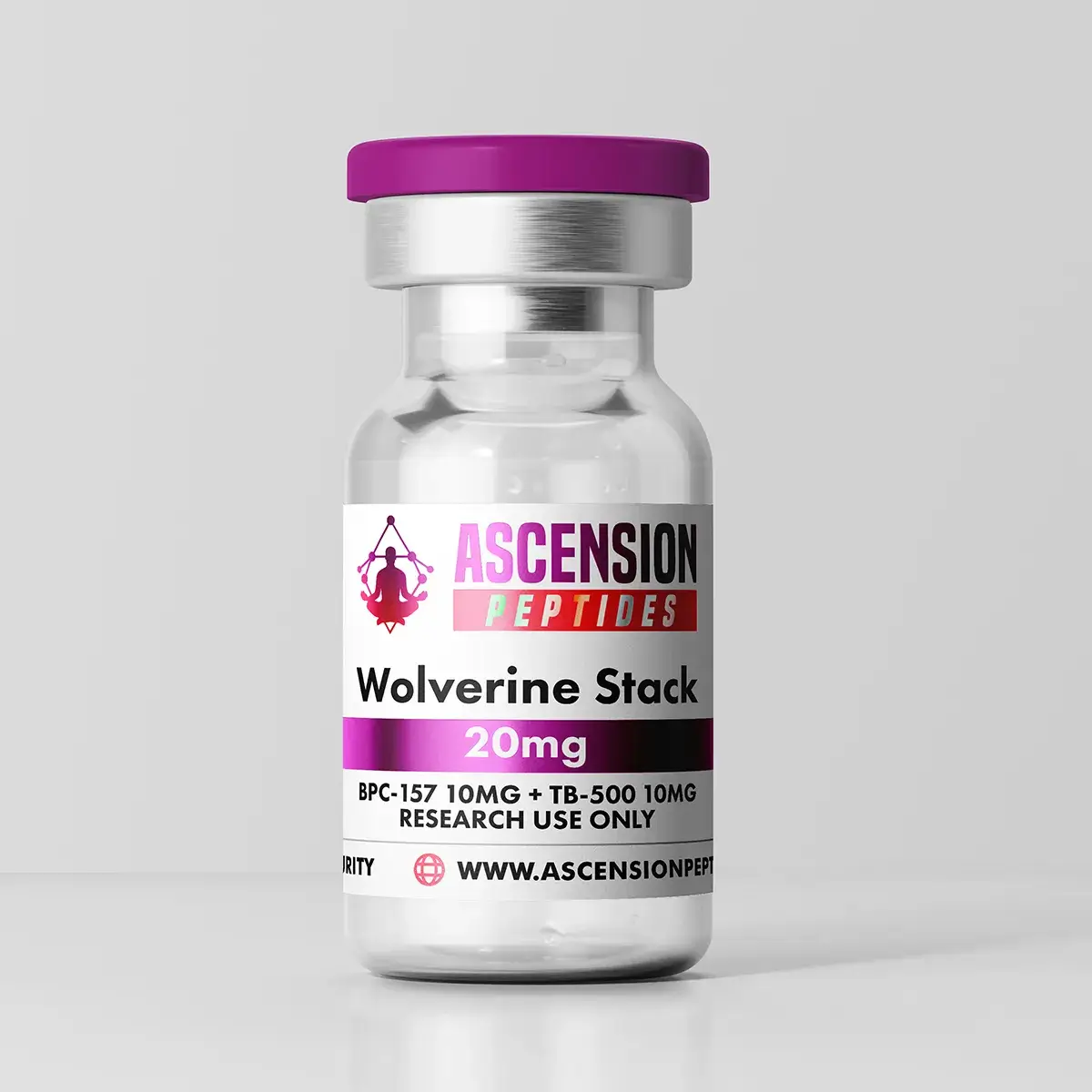
Peptide Blends
Wolverine Stack
BPC-157 + TB-500 Regenerative Research Blend For Sale
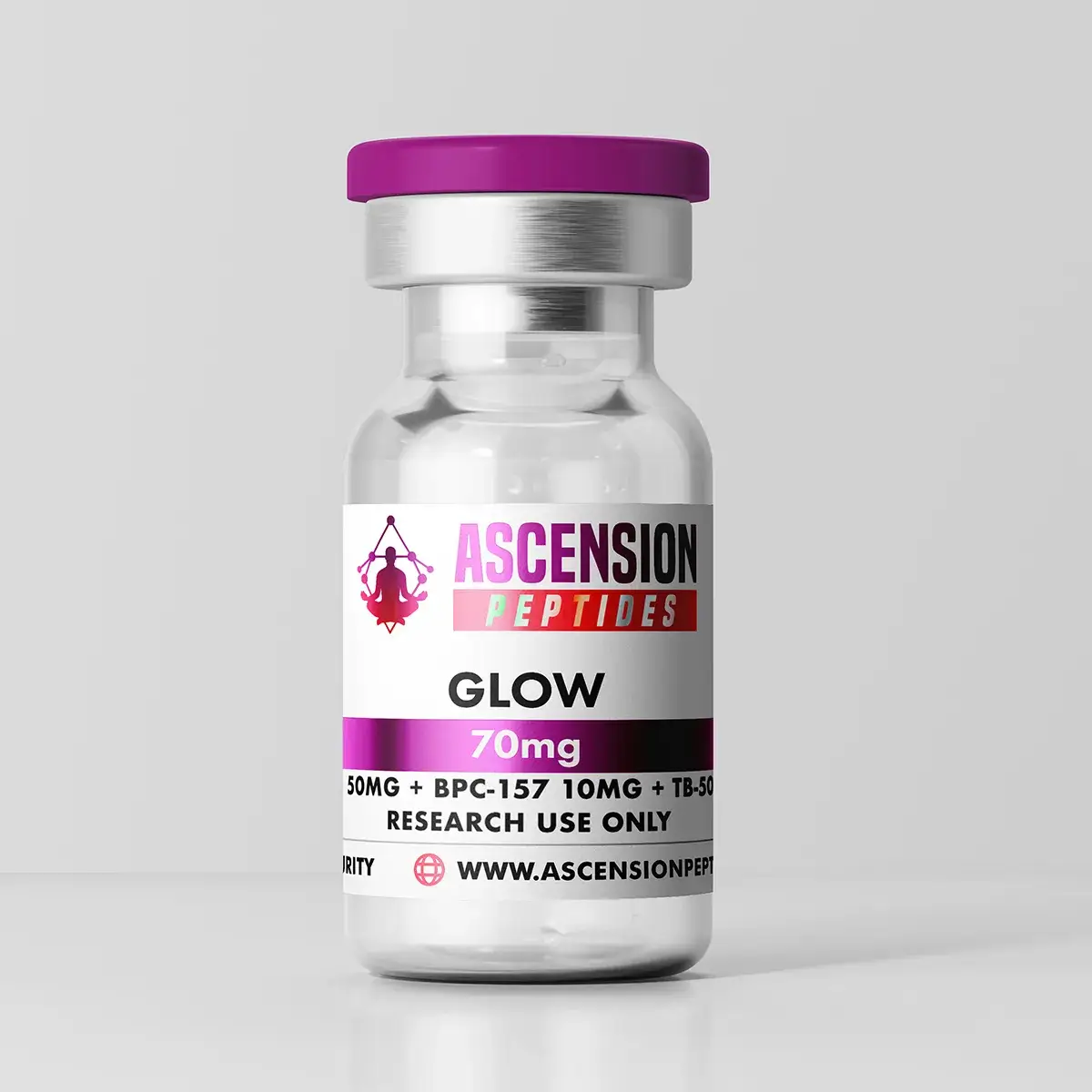
Peptide Blends
Glow Blend
GHK-Cu + BPC-157 + TB-500 Skin & Repair Research Stack For Sale
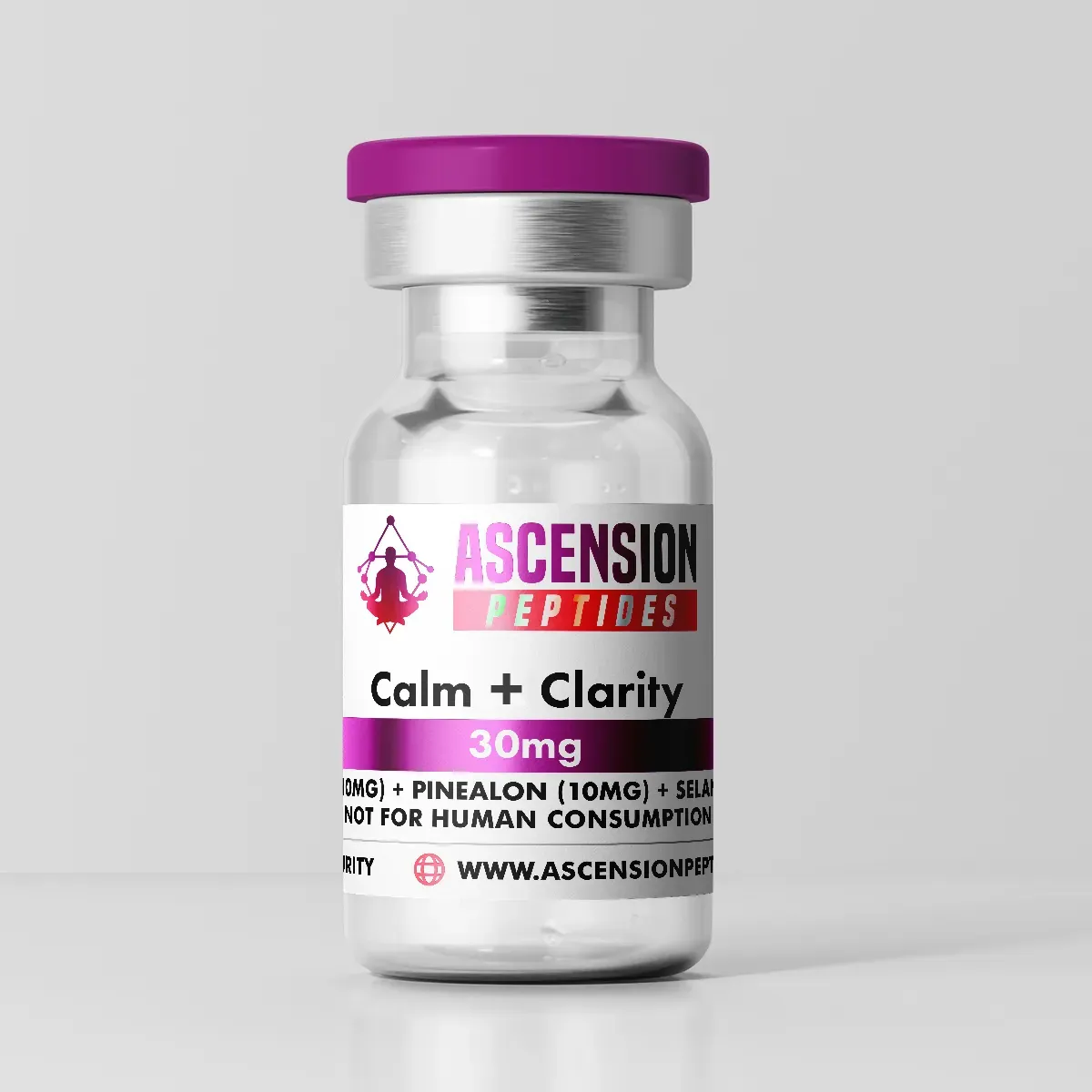
Peptide Blends
Calm + Clarity
PE 22-28 + Pinealon + Selank Nootropic Research Stack For Sale
Growth Factor Peptides
IGF-1 LR3
Long R3 Insulin-like Growth Factor-1, 1mg vial
Research Use Only. All products sold by PeptideDeck are strictly for in-vitro laboratory research and are not intended for human or veterinary use, diagnosis, or treatment. Not for resale.