There are tripeptides. There are copper peptides. And then there's GHK-Cu, the one molecule that influences more than 4,000 human genes and reverses expression patterns that aging quietly flips in the wrong direction.
🔑 Key Takeaways
- GHK-Cu is a naturally occurring copper-bound tripeptide (glycyl-L-histidyl-L-lysine + Cu²⁺) that declines roughly 60% between age 20 and 60, tracking with reduced skin elasticity, slower wound healing, and thinning hair
- A 2010 study found GHK-Cu modulates around 4,048 human genes (6% of the genome), shifting aging expression patterns toward younger baseline
- Topical studies show 55.7% wrinkle volume reduction at 12 weeks and 2.1-fold collagen stimulation, outperforming Matrixyl 3000 (1.4-fold) in head-to-head
- Topical serums (0.1-1%) deliver most of the cosmetic skin and hair benefits. Subcutaneous injections (1-3 mg, 2-4x weekly) extend the effect to systemic tissue repair
- Common side effects are mild topical redness, occasional "copper uglies" purge, and transient injection-site reactions. Serious adverse events are rare
- Do not use if you have Wilson's disease, active cancer (theoretical angiogenesis concern), or are pregnant or breastfeeding
- Visible skin changes typically start around 2-4 weeks, with peak collagen density and firmness improvements at 8-12 weeks. Hair regrowth is slower (3-6 months minimum)
This page covers everything about GHK-Cu copper peptide in 2026: the structure, discovery, mechanism, every documented benefit, side effects, dosage for topical and injectable, stacking protocols, how it compares to retinoids and other peptides, and how to tell a legitimate source from a sketchy one.
What Is GHK-Cu Copper Peptide?
Three amino acids and one copper ion.
GHK-Cu is a tripeptide made of glycine, histidine, and lysine, bound to a copper(II) ion. The "GHK" is the peptide sequence. The "Cu" is the copper. Its INCI name (the cosmetic-industry standard) is copper tripeptide-1. It is naturally produced in human plasma, saliva, and urine.
GHK-Cu Quick Chemistry
- Peptide sequence: Glycyl-L-histidyl-L-lysine
- Molecular formula: C14H24N6O4 (free peptide)
- Molar mass: 340.38 g/mol (peptide), ~401.93 g/mol (GHK-Cu complex)
- Water solubility: 130.98 g/L
- Copper binding constant: log K = 16.44 (very high affinity)
- INCI name: Copper tripeptide-1
GHK-Cu was first isolated in 1973 by Dr. Loren Pickart from human plasma albumin. He noticed aging liver tissue in the lab behaved younger when GHK-Cu was present. By 1977 the structure was confirmed, and by the late 1980s it had attracted broad interest as a wound healing agent. Forty years of follow-up research later, it is one of the most studied regenerative peptides in existence.
Your body makes GHK-Cu, but levels fall steeply with age. Plasma concentrations run about 200 ng/mL at age 20 and drop to around 80 ng/mL by age 60, a 60% decline that parallels every obvious sign of tissue aging: thinning skin, slower wound closure, reduced hair density, loss of firmness.
How GHK-Cu Actually Works
It does not do one thing. It does several, layered together.
GHK-Cu has three reinforcing mechanisms that explain why a single small molecule shows up across skin, hair, wound, gut, lung, and even neurological research.
Copper delivery without toxicity
Free copper is toxic. GHK-Cu binds copper at a binding constant of log K = 16.44, silencing its redox activity and delivering it safely into cells. Once inside, copper becomes a cofactor for more than 30 critical enzyme systems, including lysyl oxidase (collagen crosslinking), superoxide dismutase (antioxidant defense), and cytochrome c oxidase (cellular respiration). No other small peptide delivers copper as efficiently or as safely as GHK-Cu.
Gene expression reset
This is where it gets notable. A landmark 2010 analysis found GHK-Cu modulates approximately 4,048 human genes, around 6% of the entire genome. A later 2014 Gene journal analysis refined the count to about 4,699 genes. The pattern of modulation is not random: GHK-Cu shifts gene expression toward patterns associated with younger, healthier tissue. It upregulates DNA repair genes, suppresses pro-inflammatory cytokine production (TNF-alpha, IL-6, NF-κB), and down-regulates cancer metastasis-associated genes. The "reset" framing is not marketing copy, it is the consistent finding of the genomic work.
Extracellular matrix remodeling
GHK-Cu stimulates fibroblasts (the cells that build collagen and elastin), boosts glycosaminoglycan synthesis, and triggers controlled release of VEGF (for angiogenesis), BDNF (for nerve repair), and BMP-2 (for bone and tissue formation). At the same time it regulates metalloproteinases (MMP-1, MMP-2, MMP-9) that can otherwise cause excessive scarring. The result is remodeling that favors organized repair over fibrotic scarring.
GHK-Cu Benefits
Seven documented use cases, ranked by evidence strength.
Skin rejuvenation and anti-aging
This is the most studied and most visible effect.
- Wrinkle reduction: A 12-week topical trial reported 55.7% wrinkle volume reduction and 32.8% wrinkle depth reduction.
- Collagen stimulation: GHK-Cu stimulates Type I collagen production 2.1-fold, compared with 1.4-fold for Matrixyl 3000 in head-to-head.
- Elastin and glycosaminoglycans: Both rise, improving skin elasticity and hydration.
- Skin density and firmness: A 71-woman 12-week study showed measurable increases in both vs placebo.
- Photoaging reversal: Sun-damaged skin shows restored collagen organization and reduced pigmentation after sustained topical use.
- Barrier repair: Helpful for compromised skin (post-retinoid, post-laser, rosacea-prone).
Hair growth and follicle health
GHK-Cu does two things that matter for hair: it enlarges the hair follicle and extends the anagen (active growth) phase. A 2023 comparative study showed GHK-Cu initiated follicle growth at day 6 versus day 9 for 5% minoxidil.
- Follicle miniaturization reversal: The core driver of pattern hair loss.
- Anagen phase extension: Hair stays in the growth phase longer before shedding.
- Reduced inflammation: Scalp inflammation accelerates pattern hair loss, and GHK-Cu dampens it.
- Non-hormonal: Unlike finasteride, GHK-Cu does not touch androgen signaling.
- Stack potential: Pairs well with minoxidil (separate applications by 4 hours) and scalp microneedling.
Wound healing and tissue repair
GHK-Cu was originally noticed as a wound healing compound.
- Ischemic wound study (animal model): 64.5% size reduction with GHK-Cu treatment vs 45.6% vehicle vs 28.2% untreated control.
- Collagen deposition: Up to 9-fold elevation in dermal wound models.
- Angiogenesis: VEGF-driven new blood vessel formation, critical for healing.
- Diabetic wound healing: Faster contraction, stronger epithelialization, and higher local antioxidant enzyme levels.
- Scar remodeling: Organized collagen deposition rather than fibrotic scarring.
- Clinical use: Some dermatologists apply GHK-Cu topically after laser resurfacing, microneedling, or chemical peels.
Anti-inflammatory and antioxidant effects
GHK-Cu suppresses pro-inflammatory cytokines (TNF-alpha, IL-6) and upregulates antioxidant enzymes (superoxide dismutase, catalase, glutathione). This is part of why it helps chronic skin conditions, post-procedure irritation, and chronic wounds.
DNA repair and gene expression reset
GHK-Cu upregulates DNA repair genes, which may explain part of its anti-aging effect at the cellular level. The 2010 genomic analysis showed GHK-Cu shifts aging expression patterns toward younger baselines, an effect few other compounds reliably produce.
Gut health (emerging)
A 2025 Frontiers in Pharmacology study demonstrated that GHK-Cu reduced inflammation in a ulcerative colitis model through the SIRT1/STAT3 pathway. This is an early finding but opens a new category of potential use.
Neuroprotection and lung tissue (investigational)
Lung fibroblasts from COPD patients showed healthier gene expression patterns with GHK-Cu exposure in lab research. Animal research suggests anti-anxiety-like and pain-reducing effects. These applications are early-stage but notable.
Why GHK-Cu Levels Drop With Age
The 60% decline from age 20 to 60 is not a small thing.
Plasma GHK-Cu levels run around 200 ng/mL in young adults and fall to about 80 ng/mL by age 60. The decline correlates with every measurable marker of tissue aging: reduced fibroblast activity, slower wound closure, thinning skin, weakening hair follicles, reduced capacity to heal chronic wounds, and diminished response to repair stimuli.
Supplementation through topical or injectable GHK-Cu effectively replaces what the body is no longer producing at youthful levels. That framing, replacement rather than augmentation, is why the peptide has durable interest in regenerative medicine.
Injectable vs Topical GHK-Cu: Which Is Better?
They solve different problems. Most serious users do both.
Honest take: topical GHK-Cu is where the human clinical evidence is strongest. Injectable GHK-Cu is where the systemic and wound healing evidence is strongest. For skin-only goals, a well-formulated topical serum is the starting point. For systemic tissue repair, injury recovery, or full-body anti-aging, injectable adds a different layer.
GHK-Cu Dosage Guide
Three dose contexts: skin, hair, and injectable.
Topical GHK-Cu for skin
- Concentration: 0.1% to 1% in serum or cream. Cosmetic formulations typically 0.1 to 0.5%.
- Frequency: Once daily at night for sensitive skin. Twice daily (morning and evening) for normal tolerance.
- Application: Apply 3 to 5 drops to damp skin. Wait 10 to 15 minutes before layering other products.
- Avoid pairing with: Vitamin C (same routine), strong acids, or high-strength retinoids (alternate nights).
- Compatible with: Hyaluronic acid, niacinamide, sunscreen.
Topical GHK-Cu for hair
- Concentration: 0.5% to 1% in leave-in scalp treatment.
- Frequency: Daily application on dry scalp, or 3 to 5 minutes contact with a shampoo formulation.
- Microneedling protocol: 0.5 to 1.0 mm scalp microneedling once weekly, apply GHK-Cu serum immediately after.
- With minoxidil: Apply 4 hours apart to avoid formulation interactions. Sequence is personal preference.
- Expected timeline: 3 to 6 months for visible regrowth.
Injectable GHK-Cu
- Dose: 1 to 3 mg subcutaneously per injection.
- Frequency: 2 to 4 times weekly. Some protocols use daily low-dose, others cycle 8 to 12 weeks on with 4 weeks off.
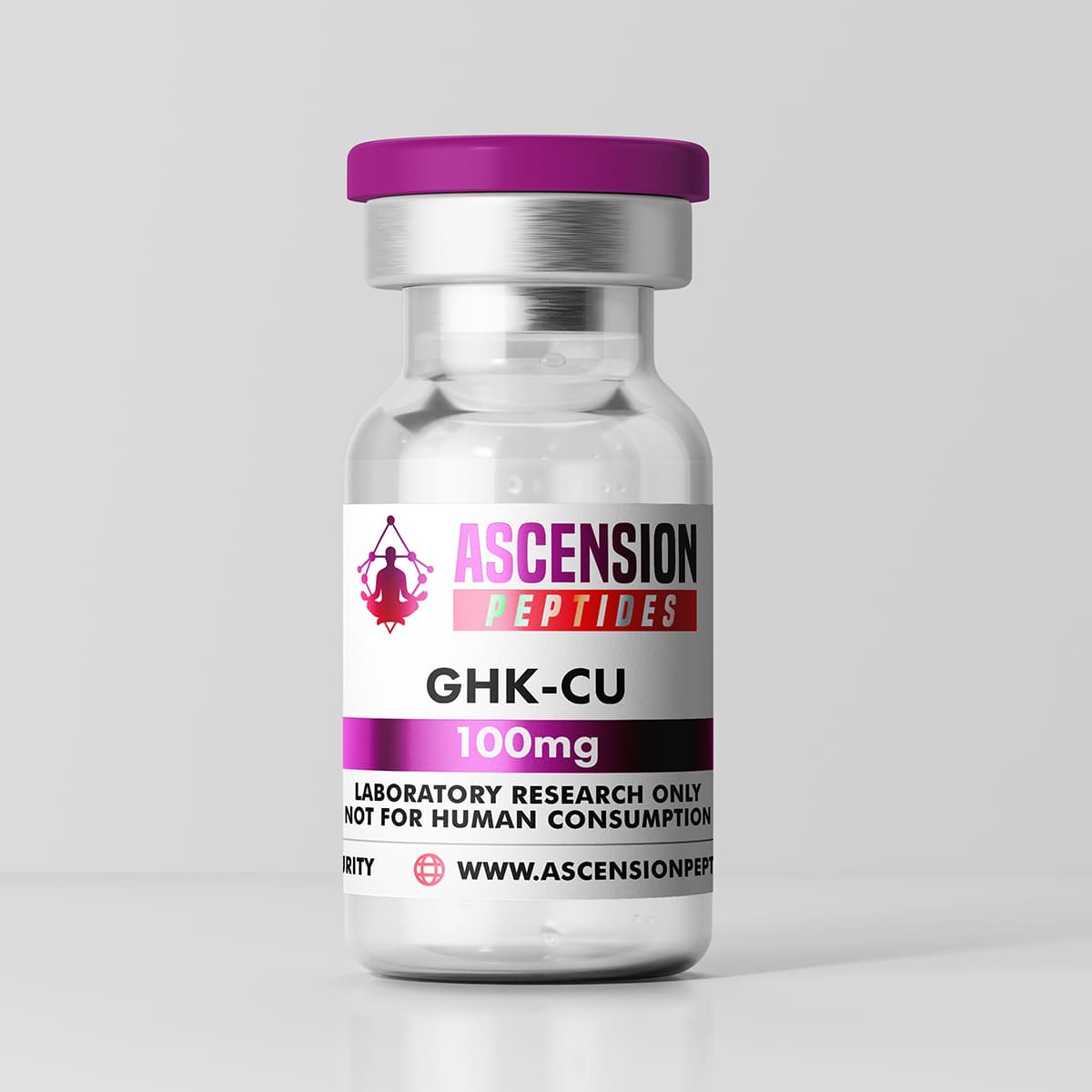
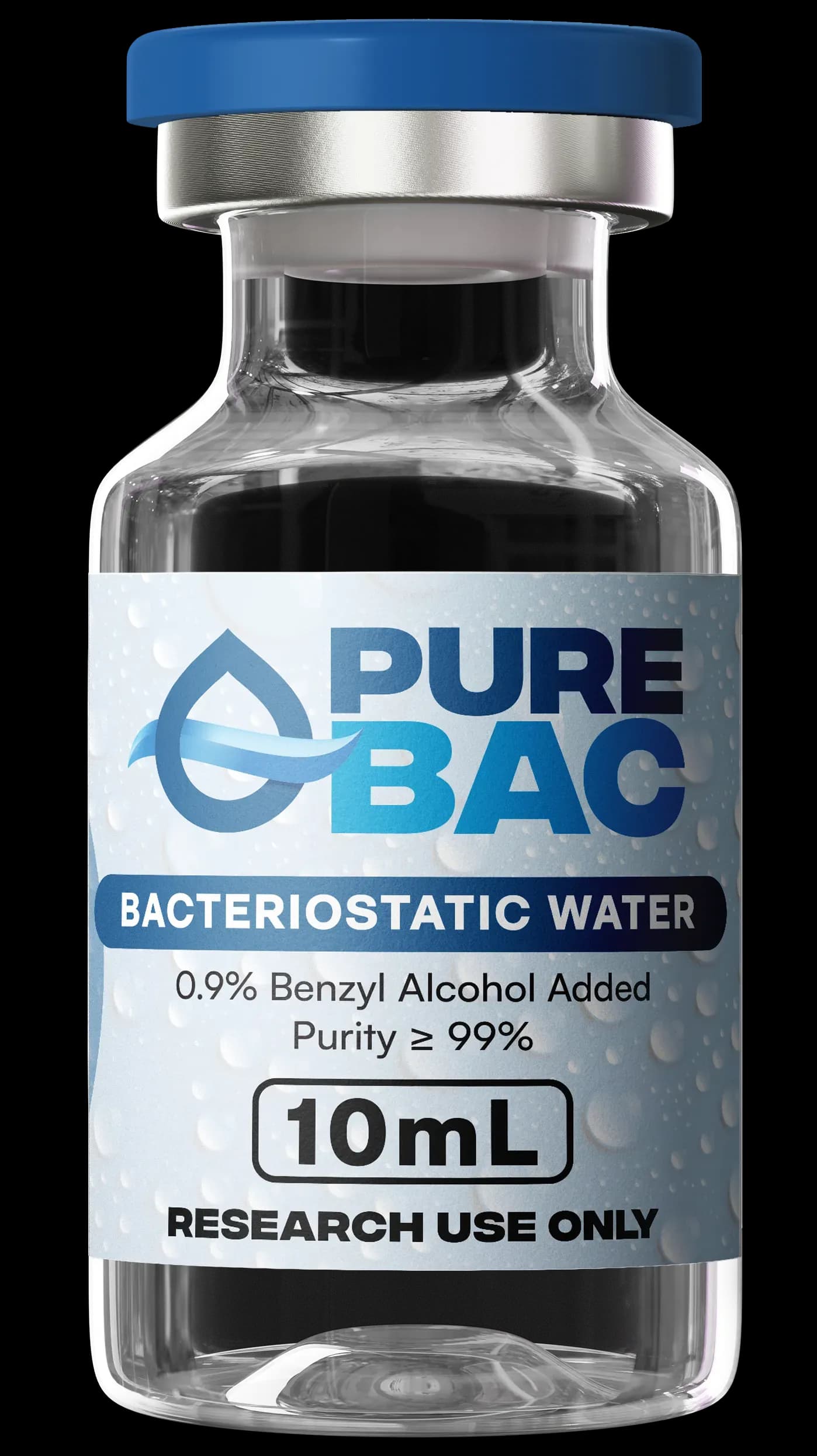
- Reconstitution: A 100 mg vial with 2 mL bacteriostatic water gives 50 mg/mL. A 2 mg dose = 40 units on a standard U-100 insulin syringe. Use our reconstitution calculator for other vial sizes.
- Injection sites: Abdomen, front of thigh, back of upper arm. Rotate sites to avoid localized irritation.
- Storage: Lyophilized vial: room temperature short-term, refrigerate for longer-term. Reconstituted: 2 to 8°C, use within 4 to 6 weeks. Do not freeze.
For a deeper dosing breakdown, see our GHK-Cu dosage guide and the injection protocol guide.
GHK-Cu Results Timeline
What to expect, week by week.
Skin timeline (topical)
- Weeks 1-2: Hydration and texture improvements, slight calming of redness.
- Weeks 3-4: Fine lines start to soften. Some people report a temporary purge or mild peeling as turnover increases.
- Weeks 6-8: Measurable increase in skin firmness. Density changes visible in photos.
- Weeks 8-12: Peak wrinkle reduction and collagen density improvements, matching trial outcomes.
- Beyond 12 weeks: Continued incremental improvement, plateau around 6 months for topical-only protocols.
Hair timeline (topical or topical+microneedling)
- Weeks 1-3: Reduced shedding. You will notice fewer hairs in the shower or on your pillow.
- Weeks 4-8: Peach fuzz appearance in previously thinning areas.
- Weeks 8-16: Visible thickening of existing hair. Some new terminal hair growth.
- Month 6+: Maximum benefit reached. Density stabilizes at a higher baseline.
GHK-Cu Side Effects and the "Copper Uglies"
Mostly mild, mostly topical.
GHK-Cu has a well-established safety record across more than 40 years of cosmetic and clinical use. The most common effects are limited to the skin or the injection site.
The "copper uglies" term comes from the skincare community and refers to a temporary breakout or visible skin purge that happens to a small percentage of people starting topical copper peptides. It generally resolves within 2 to 3 weeks of continued use. If it persists beyond that or worsens, switch to a lower concentration or discontinue.
Who Should Not Use GHK-Cu
Do NOT Use GHK-Cu If You Have:
- Wilson's disease or any copper metabolism disorder, copper toxicity is a real risk
- Active cancer, because GHK-Cu promotes angiogenesis (new blood vessel formation), a theoretical concern for tumor progression. Speak to your oncologist before use
- Pregnancy or breastfeeding, safety data is insufficient
- Age under 18, peptide use has not been adequately studied in adolescents
- Known hypersensitivity to GHK-Cu or any component of the formulation
- Active skin infection at the application or injection site
If you have a history of sensitive skin or allergic contact dermatitis, patch test any new topical GHK-Cu product for 48 hours on the inner forearm before applying to the face.
GHK-Cu Stacking and Combinations
GHK-Cu pairs well with both other peptides and common skincare actives.
Topical stacking
- With retinoids: Alternate nights. GHK-Cu can actually support barrier recovery from retinoid irritation, but simultaneous application reduces the stability of both.
- With Vitamin C: Not in the same routine. The low pH of most Vitamin C serums can destabilize the GHK-Cu complex. Apply AM and PM separately.
- With hyaluronic acid: Fully compatible, can layer.
- With niacinamide: Compatible, often synergistic.
- With sunscreen: Always, GHK-Cu repair is much more visible when you protect the skin from ongoing photodamage.
Peptide and systemic stacks
- GHK-Cu + BPC-157 + TB-500 (KLOW-style blend): Full tissue-repair stack for post-surgical recovery, injury healing, and aesthetic procedure support. See the KLOW dosage guide.
- GHK-Cu + CJC-1295/Ipamorelin: Complements growth hormone optimization for broader anti-aging effects.
- GHK-Cu + NAD+ precursors (NMN 250-500 mg or NR 300-600 mg daily): Cellular energy plus gene expression reset.
- GHK-Cu + collagen peptides 10-15 g daily: Raw material plus signal, though oral collagen benefits are independent of GHK-Cu.
- GHK-Cu + the Wolverine Stack: See the Wolverine Stack guide for a broader recovery protocol.
GHK-Cu vs Other Peptides and Actives
GHK-Cu is not a retinoid replacement. Retinoids are still the gold standard for deep wrinkle reduction. GHK-Cu is gentler, works through a different mechanism, and is safer to layer with compromised skin. Many dermatologists now suggest using both, on alternating nights, for best overall results.
Where to Buy GHK-Cu
Source quality matters more than price.
Several quality markers separate legitimate GHK-Cu from questionable sources:
- Purity ≥98% verified by independent HPLC (high-performance liquid chromatography) and mass spectrometry
- Third-party COA (Certificate of Analysis) available on request, ideally with batch number
- US-based manufacturing with USP 797 sterile compounding certification for injectable products
- Lyophilized vials for injectable, no loose powder or suspicious liquid formats
- No lab-only or "not for human use" disclaimers, which indicate a legally gray vendor
GHK-Cu is available from Ascension Peptides as a standalone vial and as part of the KLOW blend (GHK-Cu + BPC-157 + TB-500 + KPV), a popular recovery and skin-health stack. For a full vendor breakdown, see our best legit peptide vendors guide.