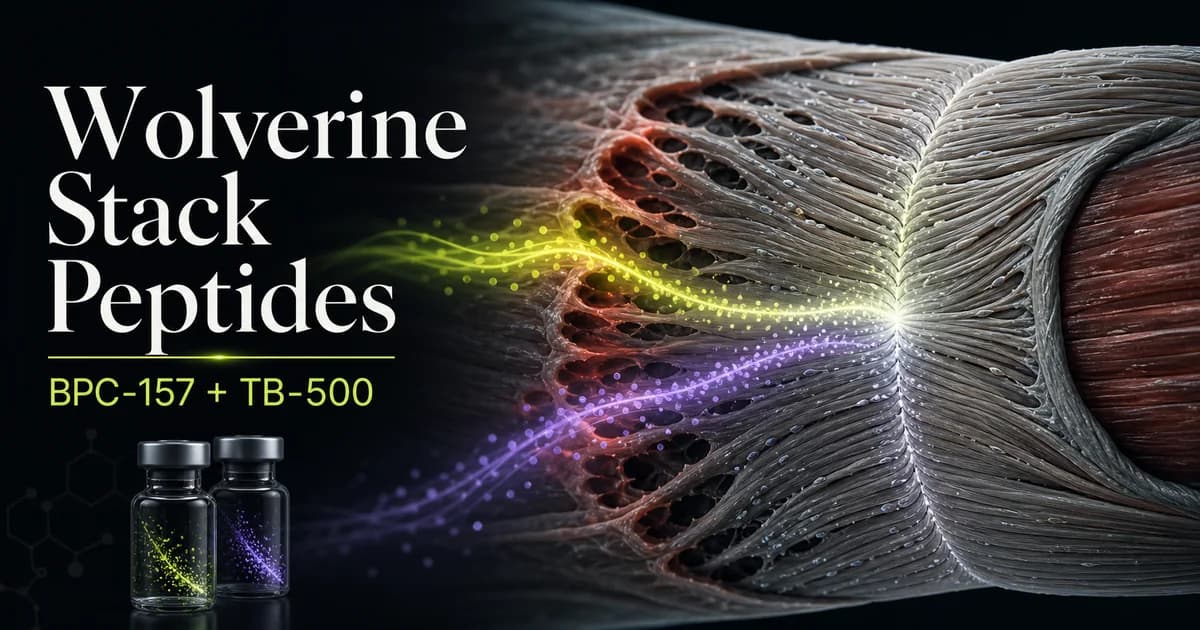
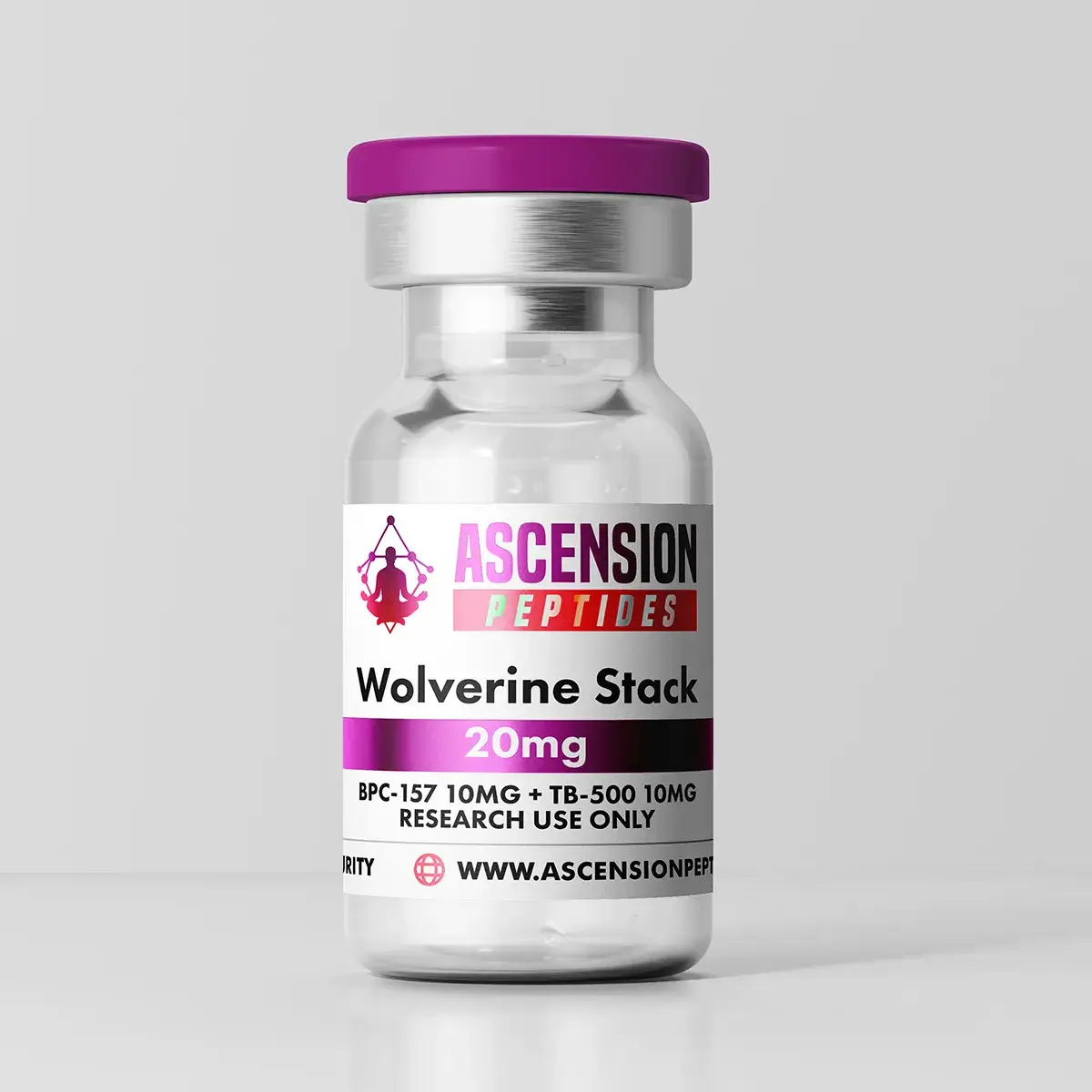

The Wolverine stack is one of the most talked-about peptide combinations in the research and recovery community. Named after Marvel's near-indestructible mutant, it pairs two of the most extensively studied healing peptides — BPC-157 and TB-500 — into a single protocol designed to accelerate tissue repair through complementary mechanisms.
The central logic behind the Wolverine stack is mechanistic complementarity . BPC-157 and TB-500 both promote tissue healing, but they do so through largely non-overlapping pathways.
The core appeal is simple: both peptides have meaningful current evidence for healing, but they operate through distinct biological pathways. Stack them together, and the theory is that you get broader, potentially synergistic tissue repair support — faster and more complete than either compound alone.
This guide breaks down exactly what the Wolverine stack is, what the science actually shows, how each component works, and what you need to know before evaluating it .
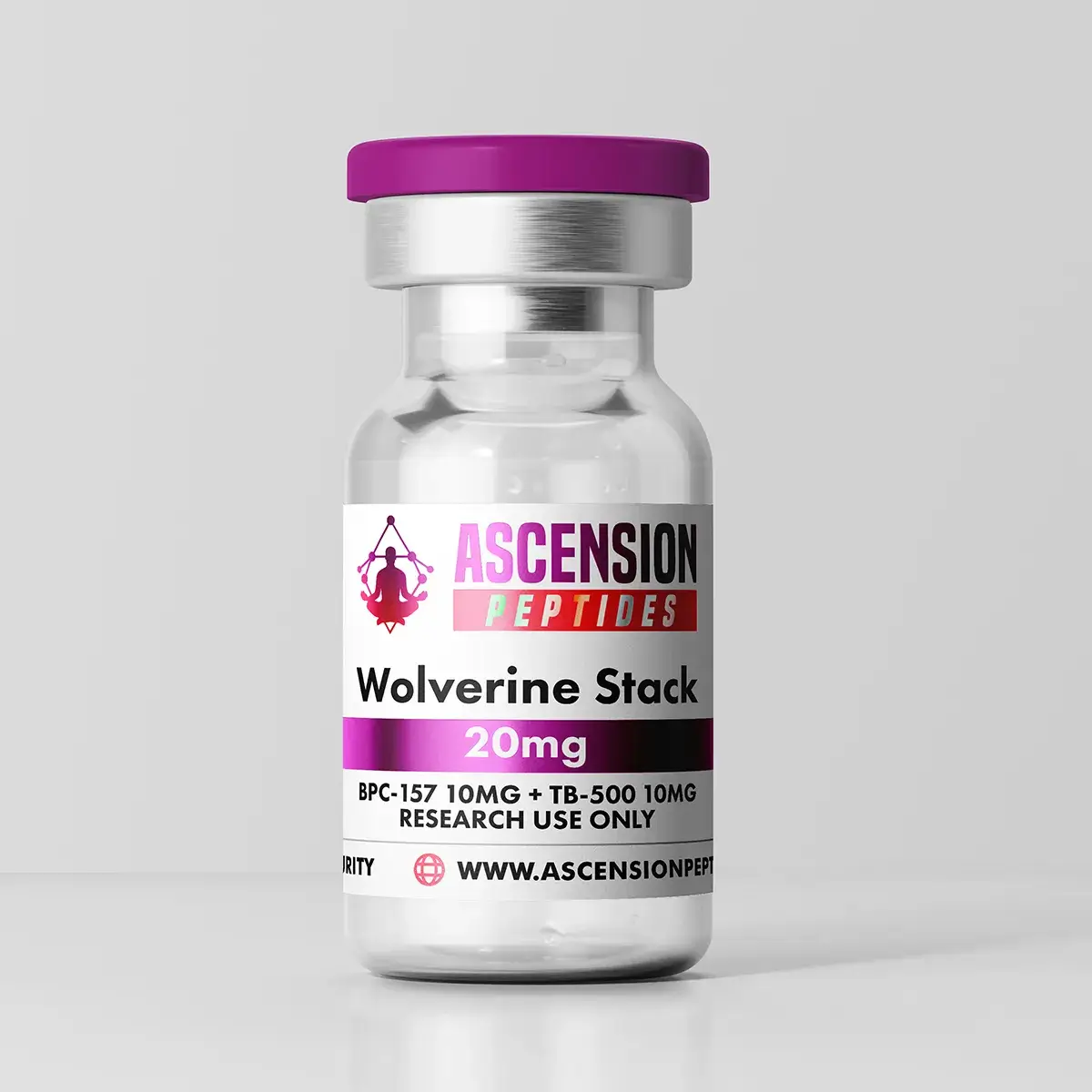
- BPC-157 — localized repair: tendon, ligament, gut, injury-site healing
- TB-500 — systemic: cell migration, inflammation, full-body repair
- Together — both pathways covered, faster and more complete recovery
- Protocol: BPC-157 250mcg + TB-500 2mg, 2x/week, 4-8 weeks
BPC-157: The Localized Repair Agent
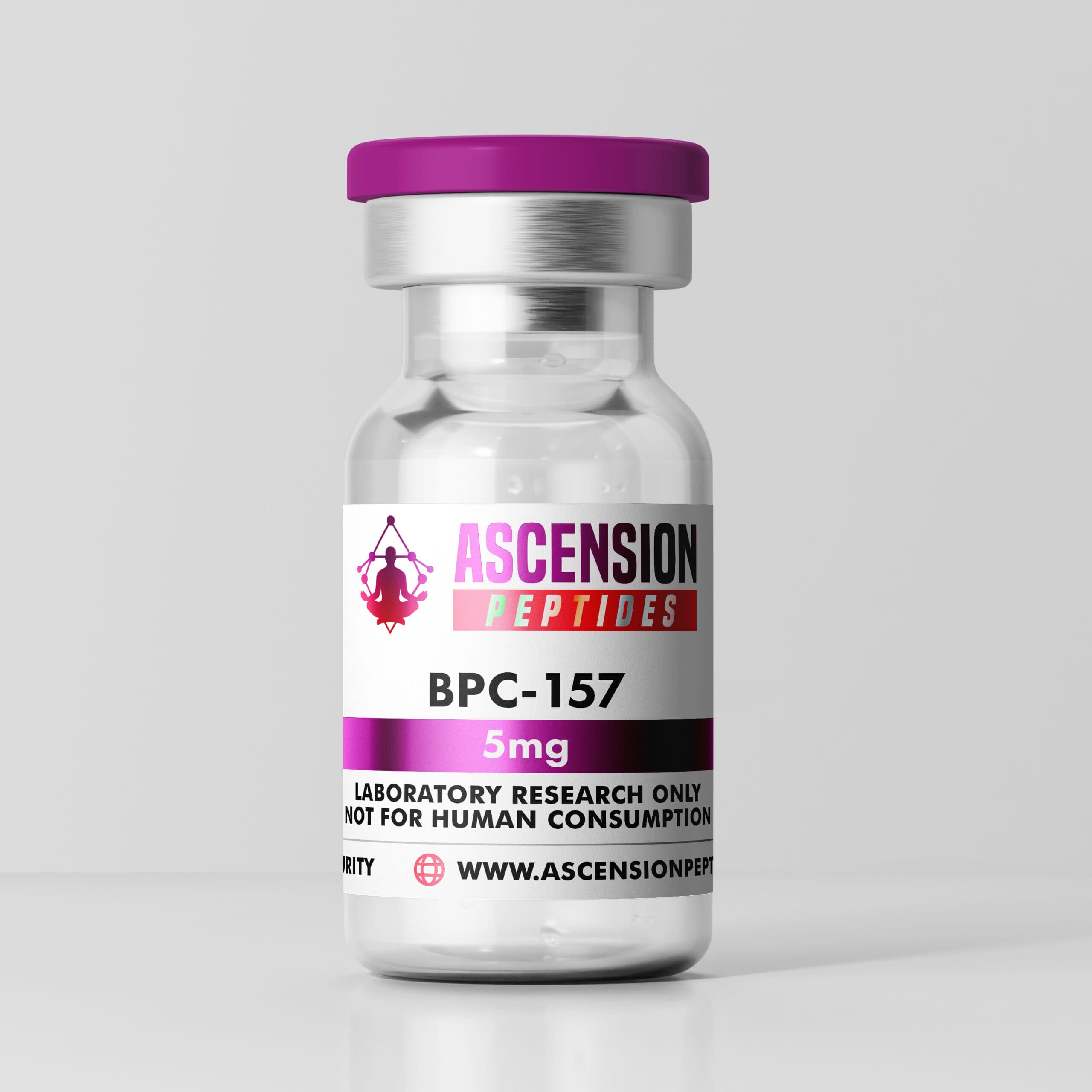
BPC-157 (Body Protection Compound-157) is a synthetic 15-amino-acid peptide derived from a protein sequence found in human gastric juice. Researchers at the University of Zagreb first isolated and characterized it, and the bulk of published current research originates from that group.
What makes BPC-157 stand out in the early-stage literature is the sheer breadth of tissue types it appears to affect. Over 100 studies have examined its effects across tendon, ligament, muscle, bone, gut, and nerve tissue — a remarkable range for a single compound.
Key Proposed Mechanisms
- Angiogenesis: BPC-157 upregulates VEGF and promotes new blood vessel formation at injury sites, improving nutrient and oxygen delivery to damaged tissue.
- Growth factor modulation: Shown to upregulate EGF, FGF, and other growth factors critical to cellular repair.
- Nitric oxide pathway: Modulates the NO system to support vascular tone and inflammation regulation.
- Tendon-to-bone healing: Demonstrated in study models to accelerate the healing of tendon-bone junctions — one of the slowest-healing tissue interfaces in the body.
- Gut protection: Exhibits gastroprotective effects and has been studied in colitis, ulcer, and gut fistula models.
In practical terms, BPC-157 is considered the local repair specialist — most effective when the target tissue can be reached via subcutaneous injection near the injury site, though systemic routes have also been studied.
TB-500: The Systemic Healing Amplifier
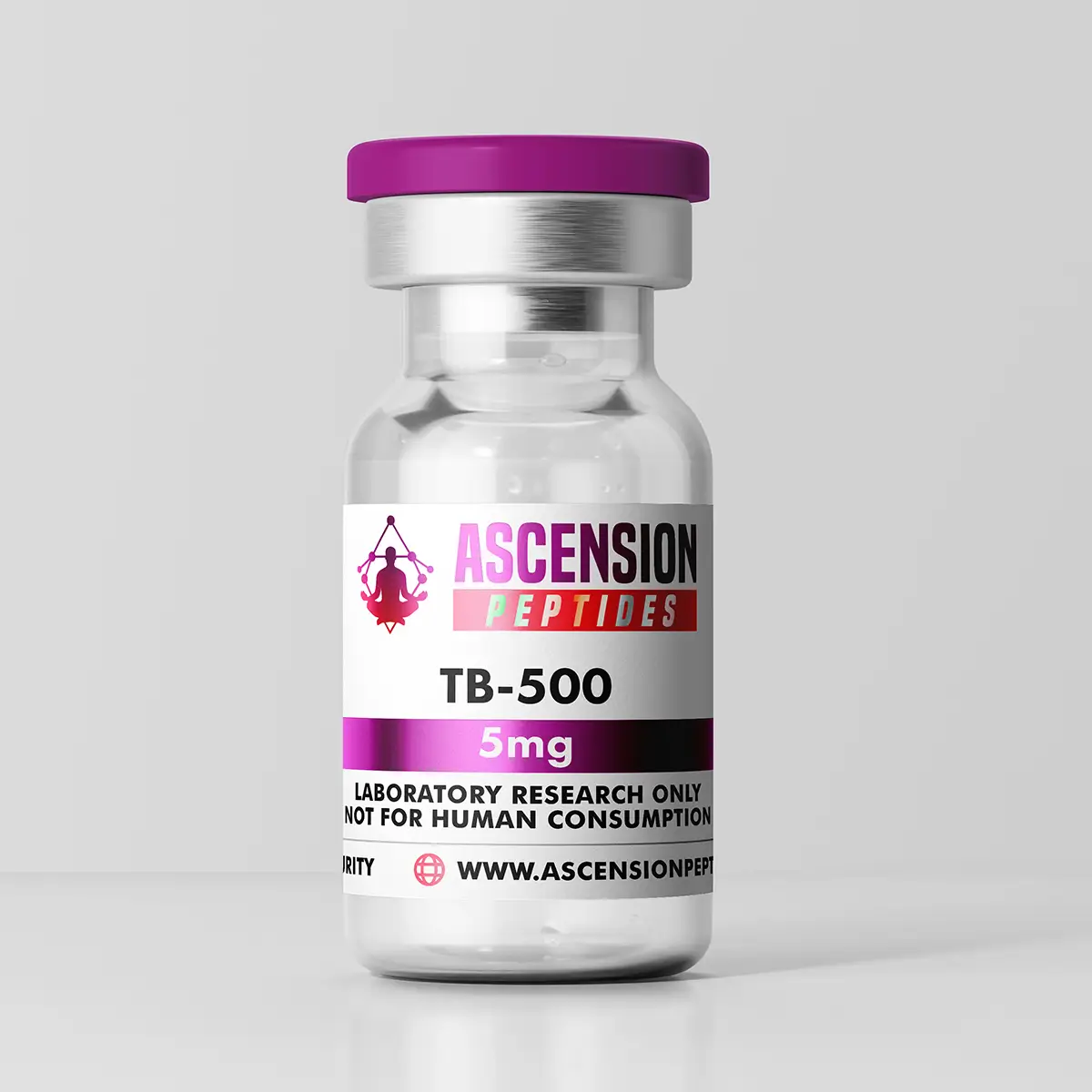
TB-500 is a synthetic peptide derived from Thymosin Beta-4, a naturally occurring protein found in virtually every cell in the human body. While Thymosin Beta-4 itself is a 43-amino-acid protein, TB-500 represents an active fragment responsible for much of its biological activity.
Where BPC-157 tends to act locally, TB-500's claim to fame is its systemic reach. It circulates widely through the body and has demonstrated effects in cardiovascular tissue, skeletal muscle, connective tissue, and even the central nervous system in study models.
Key Proposed Mechanisms
- Actin regulation: TB-500 binds to actin — the structural protein fundamental to cell shape and movement — and promotes cell migration to injury sites. This is central to wound healing and tissue remodeling.
- Anti-inflammatory action: Shown to reduce pro-inflammatory cytokines and modulate the inflammatory cascade following injury.
- Angiogenesis: Like BPC-157, also promotes new blood vessel formation, though through partially overlapping and partially distinct pathways.
- Stem cell activation: Evidence from cardiac injury models suggests TB-500 may activate progenitor cells and promote their migration to damaged tissue.
- Extracellular matrix remodeling: Influences collagen deposition and matrix metalloproteinase activity, important for scar-free healing.
Why Stack Them? The Synergy Argument
The central logic behind the Wolverine stack is mechanistic complementarity. BPC-157 and TB-500 both promote tissue healing, but they do so through largely non-overlapping pathways. Combining them is hypothesized to produce additive — or potentially synergistic — repair support.
Here's how the theoretical synergy plays out:
- Dual angiogenic support: Both compounds independently promote new blood vessel formation. Used together, they may drive more robust vascularization of injured tissue than either alone.
- Local + systemic coverage: BPC-157 handles site-specific repair while TB-500 recruits cells from distant sites and modulates systemic inflammation — the stack covers both fronts simultaneously.
- Complementary anti-inflammatory profiles: BPC-157 modulates the nitric oxide system while TB-500 targets cytokine signaling. Together, they may produce more complete inflammation resolution.
- Scaffold and cellular support: BPC-157 helps maintain the structural environment for repair (collagen, growth factors), while TB-500 ensures the right cells arrive to do the work (via actin-driven migration).
It's worth noting that direct head-to-head combination studies in animals are limited. The synergy rationale is largely extrapolated from individual compound research and mechanistic reasoning — not from controlled trials examining the stack itself.
What the Evidence Actually Shows
Understanding the Wolverine stack requires an honest assessment of where the evidence stands — and where it doesn't.
Strengths of the Evidence Base
- BPC-157 has one of the largest early-stage bodies of evidence of any research peptide — over 100 published studies across multiple injury models and tissue types.
- TB-500 has meaningful cardiac and musculoskeletal repair data in study models, with some early-phase human work on Thymosin Beta-4 (the parent molecule) conducted in clinical contexts.
- Both compounds have demonstrated low acute toxicity profiles in studies, with no significant adverse events reported in early-stage work.
Significant Limitations
- No human clinical trials for BPC-157 specifically. Virtually all evidence is subjects-derived, and translating subjects healing models to human physiology is non-trivial.
- No combination studies. The stack's synergy has not been tested in controlled research — it is a theoretical construct based on individual compound data.
- Dose extrapolation is uncertain. subjects doses do not translate directly to human doses due to differences in body surface area, metabolism, and tissue architecture.
- Publication bias risk. The majority of BPC-157 research comes from a single research group, which introduces potential bias concerns regardless of the positive findings.
Both BPC-157 and TB-500 are compounds. Their use in humans falls outside approved clinical applications. The Wolverine stack specifically has no controlled human trial data supporting its use. All claims about its effects are extrapolated from current research.
How the Wolverine Stack Is Discussed in Research Communities
Within research and biohacking communities, the Wolverine stack is typically discussed in the context of injury recovery — particularly for musculoskeletal injuries like tendon tears, ligament sprains, muscle strains, and joint damage that are slow to heal through conventional means.
The protocol framing commonly seen in research discussions involves a loading phase followed by a maintenance phase, with subcutaneous or intramuscular administration. Dosing parameters referenced in community settings are almost entirely extrapolated from published research, with no standardized human protocol established in the literature.
Those researching this stack should be aware that administration method, dosing, cycle length, and timing all remain undefined from a clinical evidence standpoint. Community-reported protocols vary considerably and should not be interpreted as established medical guidance.
For related protocol context, see our guide on stacking peptides for recovery.
Wolverine Stack FAQ
Bottom Line: Is the Wolverine Stack Scientifically Credible?
The Wolverine stack sits in a scientifically interesting but clinically unproven space. Both BPC-157 and TB-500 have substantial current evidence for tissue repair, and the mechanistic rationale for combining them is coherent and plausible. The concept of pairing a localized repair agent with a systemic healing modulator is logical from a pharmacological perspective.
However, honest evaluation requires acknowledging that the evidence base is entirely early-stage, the synergy has never been tested directly, and no established human dosing protocol exists. That said, BPC-157 and TB-500 remain the two most widely used recovery peptides in the space, and running them together is the standard approach.
For researchers evaluating this stack, the most important steps are understanding the individual mechanisms of each component, reviewing the primary literature rather than relying on community summaries, and approaching any self-experimentation with a thorough understanding of the current evidence gaps. (see: where to buy BPC-157) (see: IGF-1 LR3 stack)