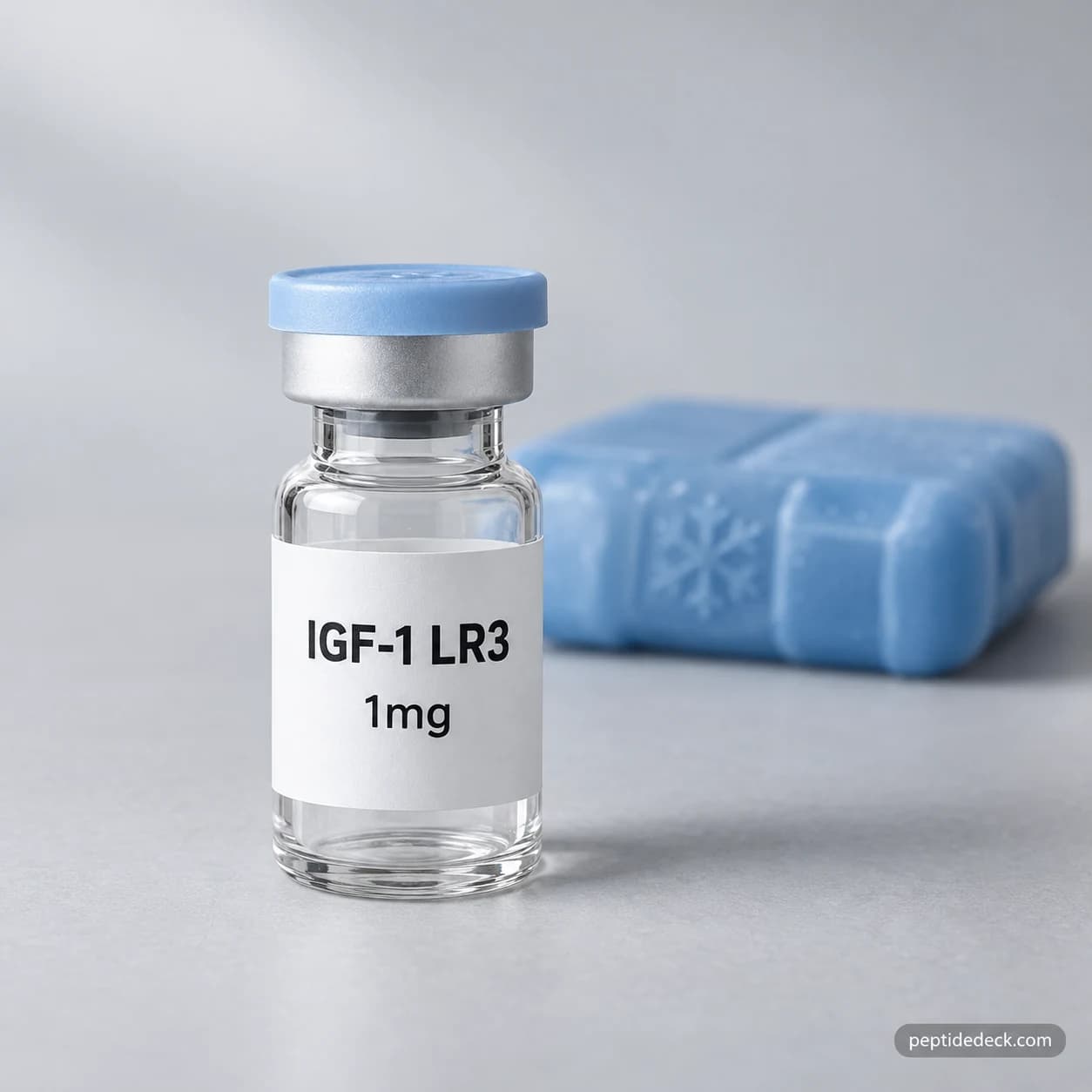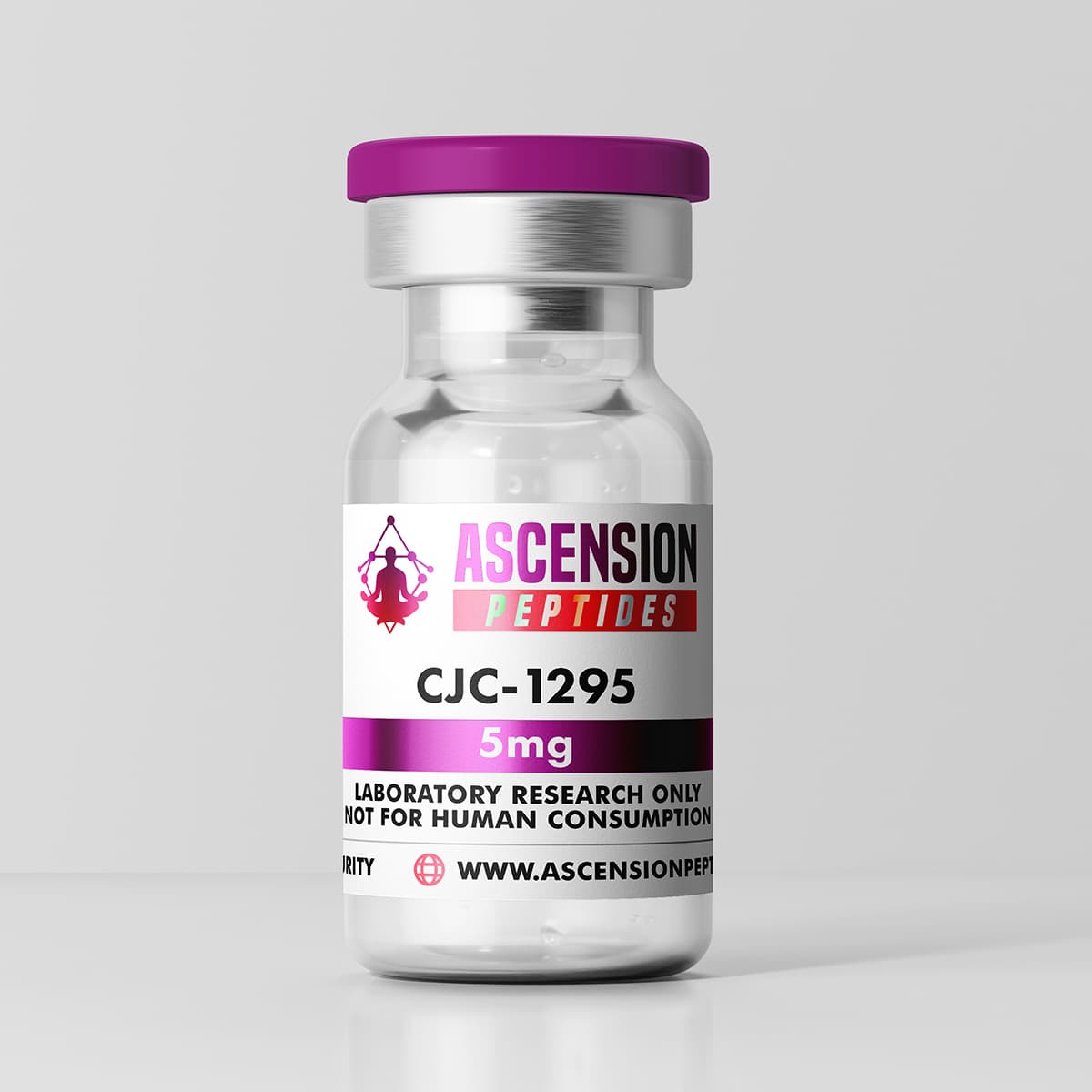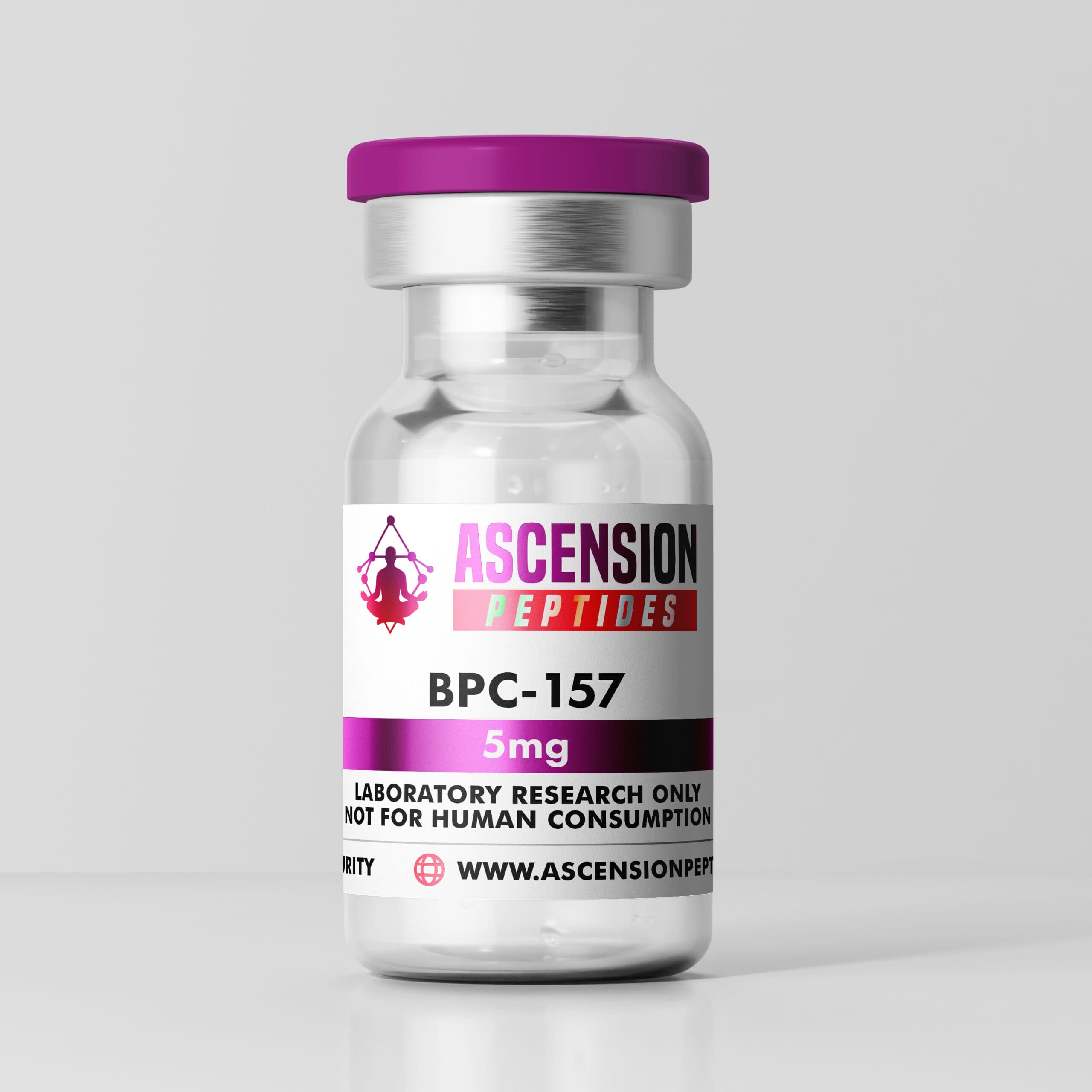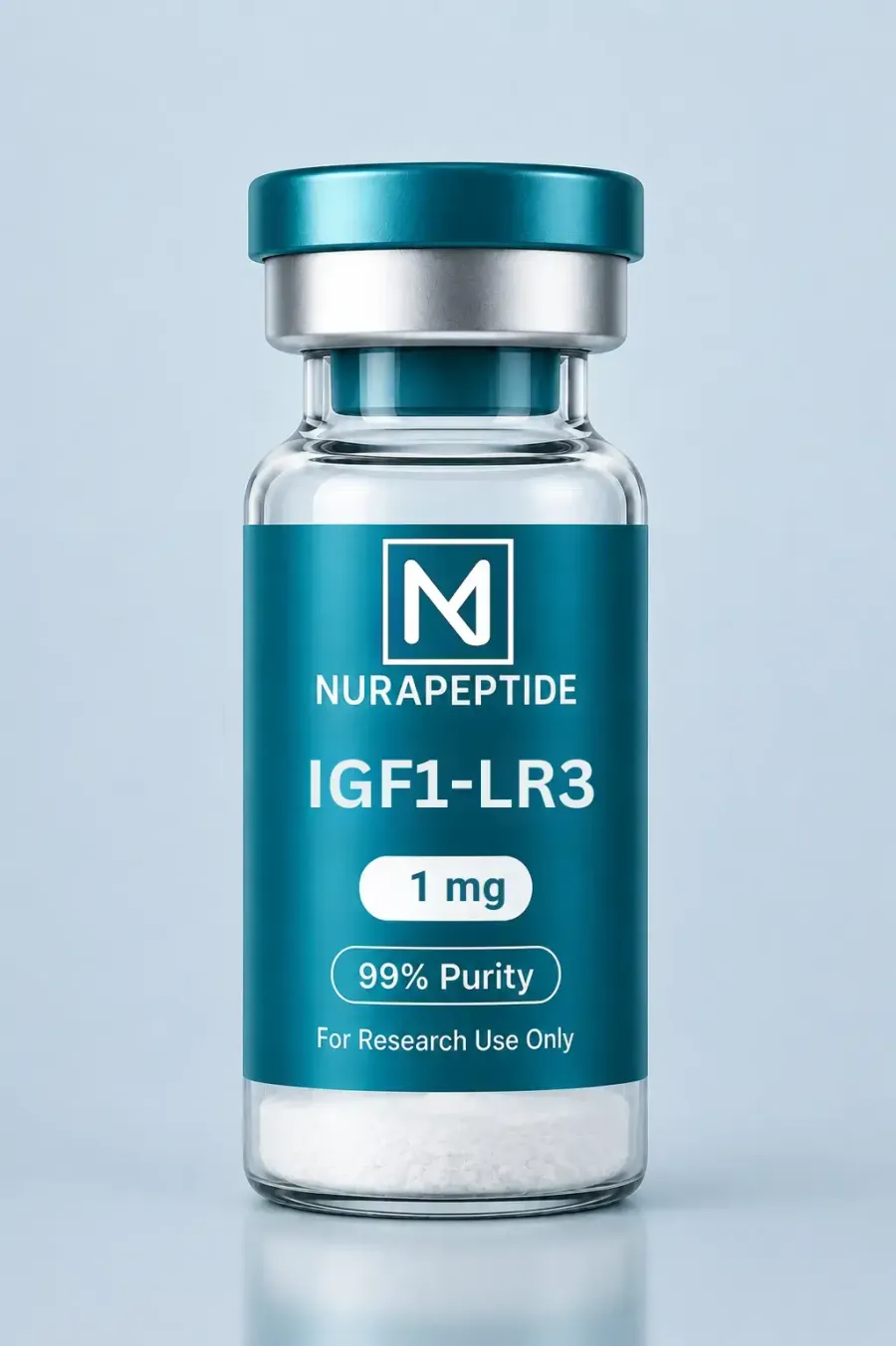
If you're researching IGF-1 LR3 as a research compound, you've likely noticed it rarely gets used in isolation. The real performance science community stacks it — pairing it with peptides, GH secretagogues, or other compounds to amplify its anabolic, lipolytic, and tissue-regenerative effects.
This guide breaks down exactly how to stack IGF-1 LR3 for three specific goals: muscle growth, fat loss, and recovery. We'll cover the mechanisms, timing, synergistic pairings, and what the research context tells us about intelligent cycling. Whether you're deep in peptide research or evaluating protocols, this is the most comprehensive stacking guide available.
- Muscle growth: Stack with CJC-1295 + Ipamorelin or MK-677
- Fat loss: Stack with Sermorelin or GH peptides + caloric deficit protocols
- Recovery: Stack with BPC-157 + TB-500 for connective tissue and muscle repair
- Cycle length: 4–6 weeks on, 4–6 weeks off to preserve receptor sensitivity
What Makes IGF-1 LR3 Different — and Why Stacking Matters
IGF-1 LR3 (Insulin-like Growth Factor-1 Long Arg3) is a modified analog of endogenous IGF-1. The structural change — substituting arginine at position 3 and adding a 13-amino-acid extension — reduces its affinity for IGF-binding proteins. This means it stays active in circulation significantly longer than native IGF-1, with a half-life of approximately 20–30 hours versus the 12–15 minutes of natural IGF-1.
That extended activity window is precisely why it's studied in research contexts for anabolism, body composition, and tissue repair. But it also means that stacking strategy matters more, not less. IGF-1 LR3 doesn't just passively sit in the bloodstream — it's actively signaling through the PI3K/Akt/mTOR pathway, driving satellite cell proliferation, promoting glucose uptake in muscle tissue, and inhibiting adipogenesis.
When stacked incorrectly, you risk receptor desensitization, hypoglycemia, and blunted returns. When stacked intelligently, you create a cascade of complementary signaling that amplifies each compound's individual effects.
- Activates mTOR pathway → muscle protein synthesis
- Stimulates satellite cell differentiation → new muscle fiber development
- Enhances glucose uptake in skeletal muscle → improved nutrient partitioning
- Inhibits adipocyte differentiation → reduced fat storage signaling
- Promotes IGF-1 receptor signaling in connective tissue → faster recovery
Stacking IGF-1 LR3 for Muscle Growth: Best Protocols in 2026
For pure hypertrophy, the research context suggests that IGF-1 LR3 works best when paired with compounds that elevate endogenous growth hormone. The logic: GH triggers IGF-1 production in the liver, while exogenous IGF-1 LR3 provides a direct, IGFBP-resistant signal at the tissue level. You're essentially hitting the GH/IGF-1 axis from two angles simultaneously.
Stack 1: IGF-1 LR3 + CJC-1295 + Ipamorelin (Classic GH Stack)
This is arguably the most studied peptide stacking combination in the research community. CJC-1295 (a GHRH analog) extends GH pulse duration, while Ipamorelin (a selective GHRP) triggers clean GH pulses without significantly raising cortisol or prolactin. Adding IGF-1 LR3 downstream amplifies the anabolic output.
- CJC-1295 (no DAC): 100–200 mcg subcutaneously, 2x daily (AM + pre-sleep)
- Ipamorelin: 100–200 mcg subcutaneously, 2x daily (paired with CJC-1295)
- IGF-1 LR3: 20–50 mcg subcutaneously, post-workout, 5 days on / 2 days off
- Cycle: 8–12 weeks for CJC/Ipamorelin; 4–6 weeks maximum for IGF-1 LR3
The reason IGF-1 LR3 is cycled shorter than the GH peptides is receptor downregulation. IGF-1 LR3's high potency and long half-life can desensitize IGF-1 receptors if run continuously. Four to six weeks on, followed by a four-to-six-week break, is the standard research protocol.
Stack 2: IGF-1 LR3 + MK-677 (Oral GH Secretagogue)
MK-677 (Ibutamoren) is a non-peptide ghrelin mimetic that orally stimulates GH secretion. It's increasingly used as a base layer in stacking protocols because of its oral bioavailability and sustained GH elevation over 24 hours. Pairing it with IGF-1 LR3 creates a similar upstream/downstream effect as the CJC/Ipamorelin approach.
- MK-677: 12.5–25 mg orally, taken before sleep (GH peaks nocturnally)
- IGF-1 LR3: 20–40 mcg subcutaneously, post-workout
- Cycle: MK-677 can run longer (16–20 weeks); IGF-1 LR3 capped at 4–6 weeks
Timing is critical: IGF-1 LR3 should be injected within 30–60 minutes post-workout, ideally followed by a high-protein, moderate-carbohydrate meal. The post-exercise window maximizes muscle glucose uptake and satellite cell signaling.
Stacking IGF-1 LR3 for Fat Loss: Lipolysis and Nutrient Partitioning
IGF-1 LR3's fat loss properties are often underappreciated. At the cellular level, it enhances insulin-like signaling in muscle — driving glucose into muscle cells rather than fat cells — while simultaneously inhibiting preadipocyte differentiation. In a caloric deficit, this combination of effects can accelerate lean mass preservation and fat oxidation.
Stack 3: IGF-1 LR3 + Sermorelin + Caloric Deficit Protocol
Sermorelin is a GHRH analog that stimulates natural GH secretion through the pituitary gland. Unlike synthetic GH, it works within physiological feedback loops — making it one of the more studied options for GH optimization without suppressing endogenous production. When combined with IGF-1 LR3, it creates an anabolic-sparing environment during a caloric deficit.
- Sermorelin: 200–300 mcg subcutaneously, pre-sleep
- IGF-1 LR3: 20–40 mcg subcutaneously, post-workout (fasted cardio days: morning)
- Diet context: Moderate protein (1.8–2.2g/kg bodyweight), 300–500 kcal deficit
- Cycle: 4–6 weeks IGF-1 LR3; Sermorelin 12–16 weeks
A key practical note: IGF-1 LR3 acutely lowers blood glucose. On fat-loss protocols with caloric restriction, this hypoglycemic potential is heightened. Researchers consistently note the importance of consuming carbohydrates within 15–30 minutes post-injection to blunt this effect. Ignoring this step is the most common mistake in fat-loss stacking protocols.
IGF-1 LR3 lowers blood glucose rapidly. Always follow injection with 20–40g fast-digesting carbohydrates (rice cakes, fruit, dextrose) + 25–40g protein within 30 minutes. Do not inject and fast. Hypoglycemia risk is real and must be managed proactively.

Stacking IGF-1 LR3 for Recovery: Tissue Repair and Regeneration
Perhaps the most compelling research application for IGF-1 LR3 stacking is recovery — particularly from musculoskeletal injuries, overtraining, and chronic tissue stress. IGF-1 plays a fundamental role in satellite cell activation and muscle fiber repair. When combined with peptides that target connective tissue directly, the synergy is well-documented in preclinical literature.
Stack 4: IGF-1 LR3 + BPC-157 + TB-500 (The Recovery Trinity)
BPC-157 (Body Protection Compound-157) promotes angiogenesis, tendon-to-bone healing, and gut integrity. TB-500 (Thymosin Beta-4) accelerates actin upregulation, promotes cell migration to injury sites, and has anti-inflammatory properties. Together with IGF-1 LR3's satellite cell stimulation, this stack covers every layer of tissue recovery.
- BPC-157: 250–500 mcg subcutaneously or intramuscularly (near injury site), 1–2x daily
- TB-500: 2–2.5 mg subcutaneously, 2x per week (loading phase); 1x per week (maintenance)
- IGF-1 LR3: 20–40 mcg subcutaneously, post-workout or post-physical therapy session
- Cycle: 4–6 weeks for the full stack; BPC-157 and TB-500 can extend to 8–12 weeks
This stack is particularly relevant in research contexts examining tendon injuries, muscle tears, and joint inflammation. The BPC-157 addresses the local inflammatory environment and blood vessel formation, TB-500 drives cellular migration and repair, and IGF-1 LR3 ensures the muscle tissue rebuilds with maximal anabolic signaling once the inflammatory phase resolves.
Universal IGF-1 LR3 Stacking Rules: What the Research Tells Us
Regardless of your primary goal — muscle, fat loss, or recovery — these principles apply across all IGF-1 LR3 stacking protocols and represent the consensus from research and advanced user documentation.
- Cycle length: 4–6 weeks maximum for IGF-1 LR3; always followed by an equal off period
- Post-injection nutrition: Mandatory. Protein + carbohydrates within 30 minutes every time
- Receptor sensitivity: The off period is not optional — it's when you maintain long-term efficacy
- Start doses low: 20 mcg is a reasonable research starting point; escalate only after tolerance is established
- Injection site: Bilateral injections (both sides of a muscle group) can promote localized hyperplasia in research contexts — target bilaterally post-workout for the muscle group trained
- Blood glucose monitoring: Recommended for any research protocol, especially during fat-loss stacks
- Do not stack with insulin: The combined hypoglycemic potential is dangerously additive
Where to Buy IGF-1 LR3 for Research Use
If you're evaluating vendors for IGF-1 LR3 research purposes, purity and third-party testing are non-negotiable. The market has significant variation in product quality. Look for vendors who provide a Certificate of Analysis (COA) from an independent laboratory, clearly state ≥99% purity, and ship from US-based facilities with transparent manufacturing practices.
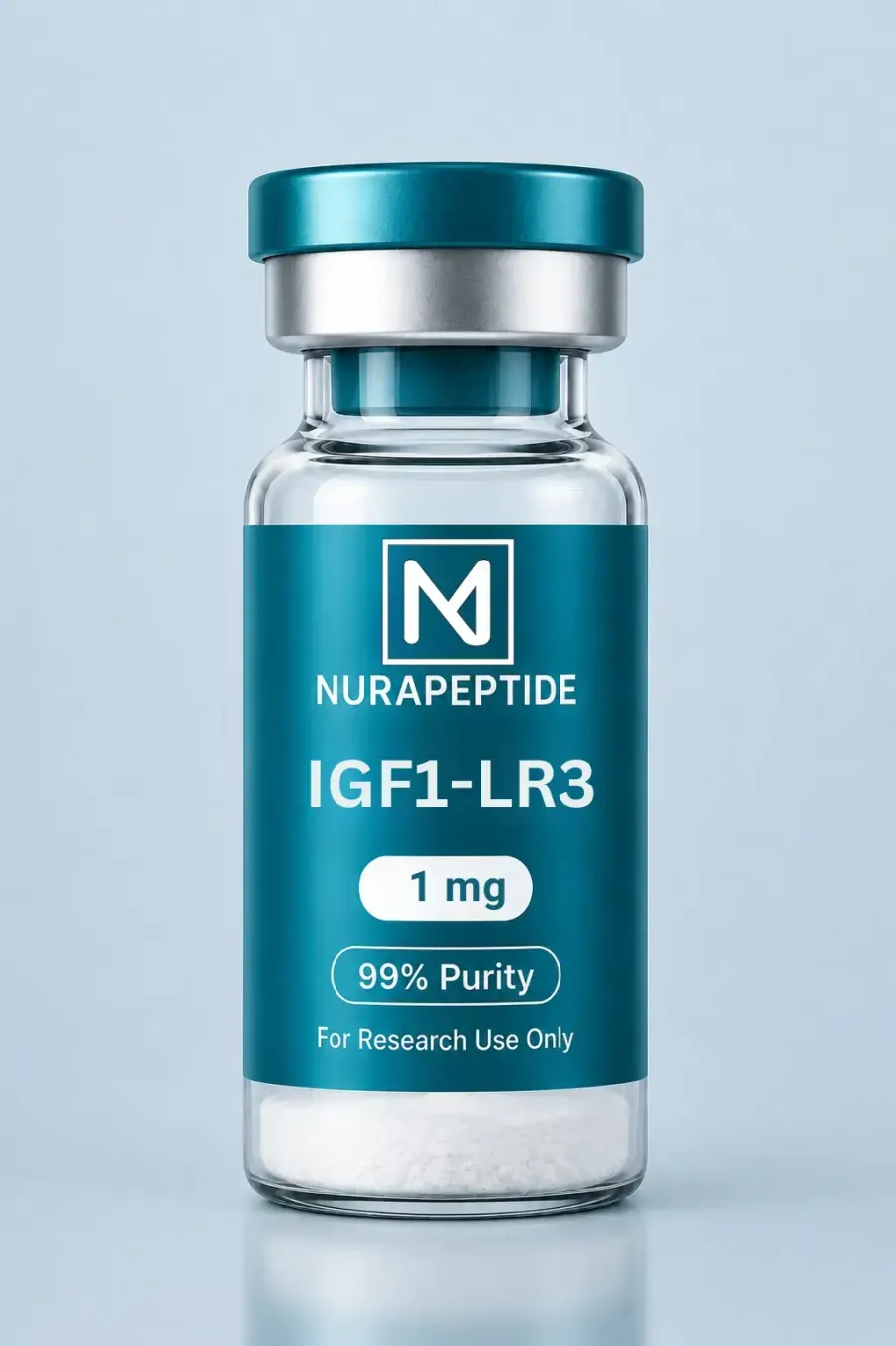
IGF-1 LR3 is the hard one to source. Most of the well-known vendors do not carry it at all, and several that appear to are selling 100mcg vials at a price that reads like a full milligram. Nurapeptide lists a full 1mg vial at ≥99% purity for $65, which is the cleanest exact match we have found. Their COA library page is not linked yet, so ask for the batch-matched certificate before you order. The companion peptides in these stacks — BPC-157, TB-500, CJC-1295, Ipamorelin — are easier to find and cheaper elsewhere (see: where to buy BPC-157).