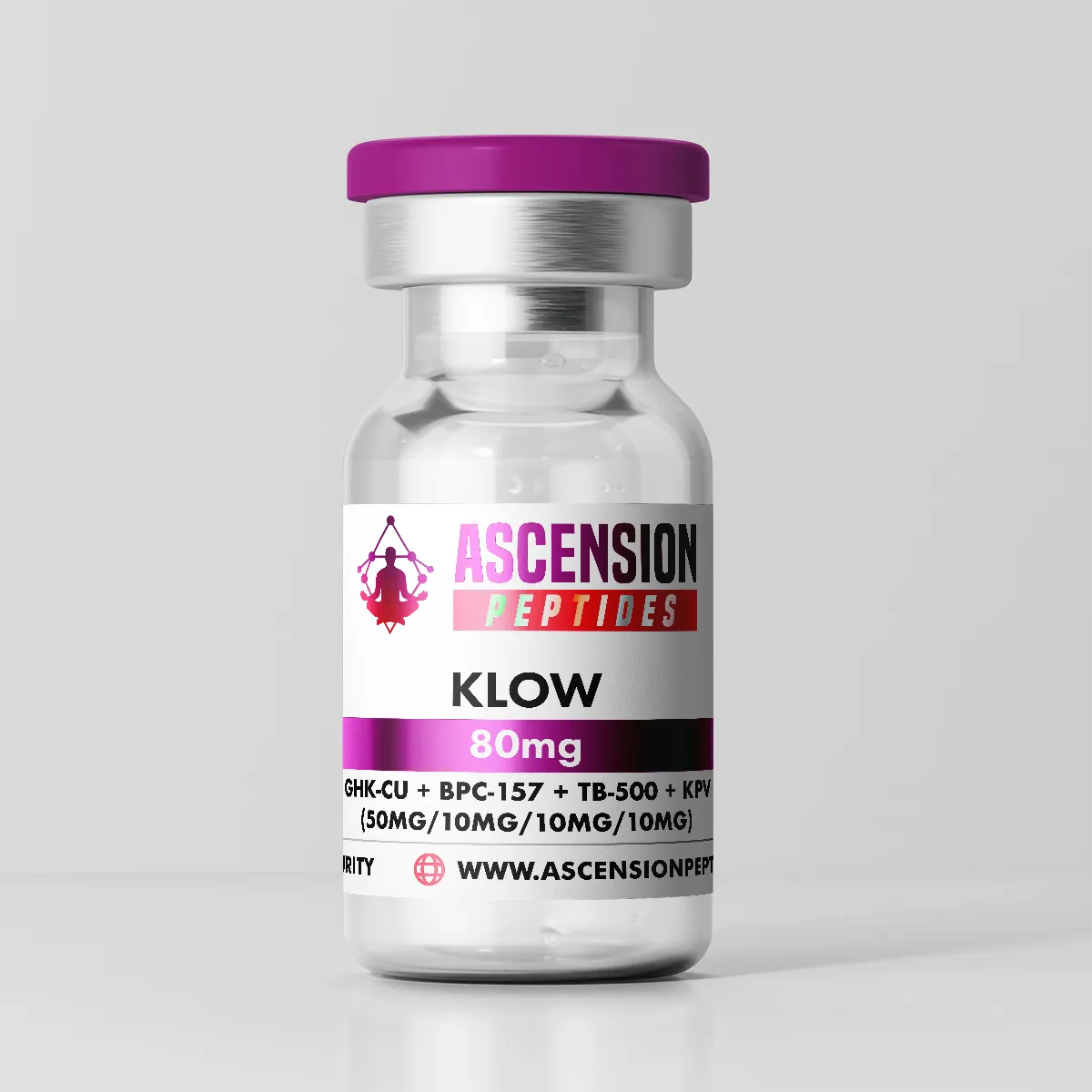
Quick summary: KLOW contains four peptides — GHK-Cu, BPC-157, TB-500 (Thymosin Beta-4), and KPV. Each has its own dosing logic. This guide covers how to dose each component, what injection schedule to use, and how to reconstitute the blend.
What's in KLOW?
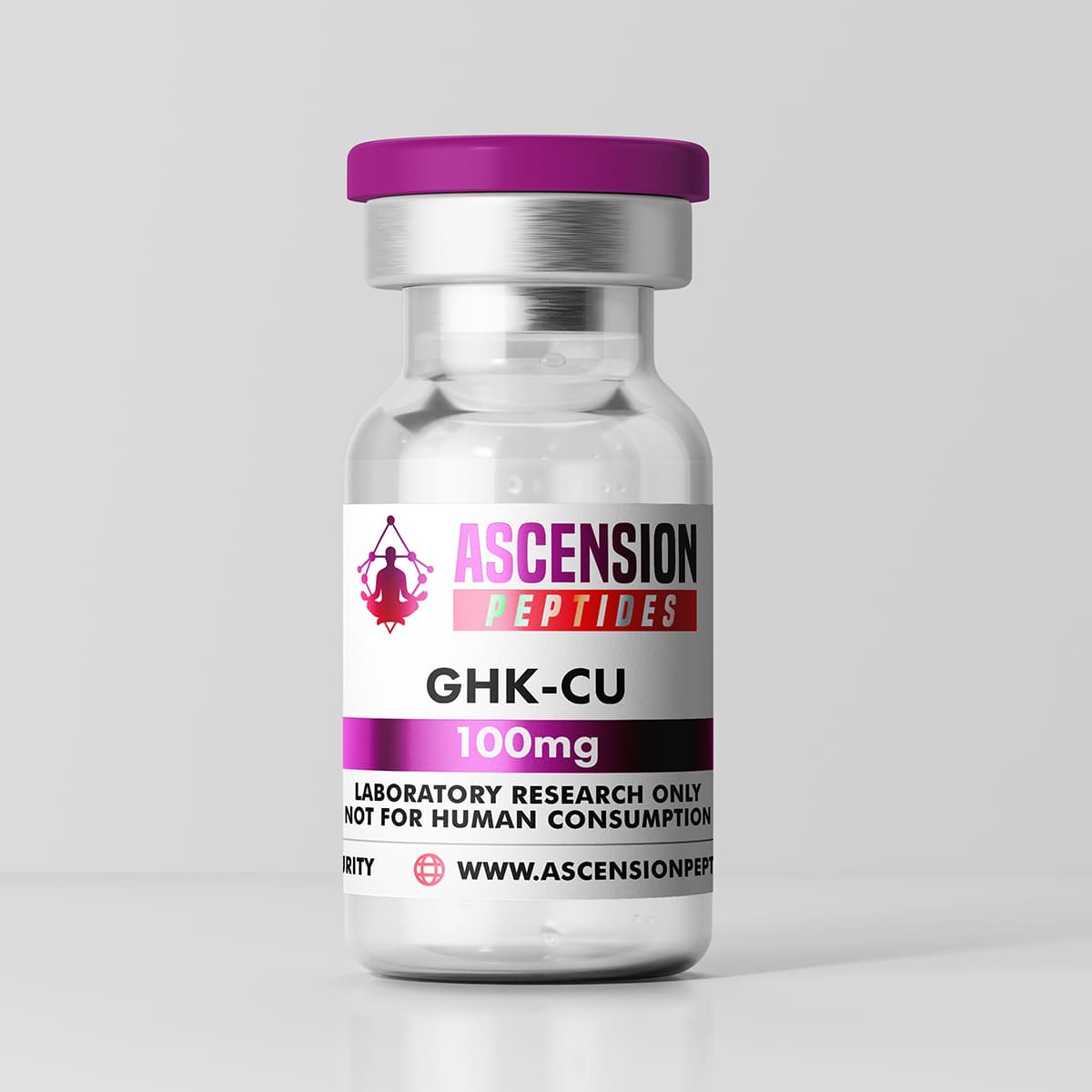
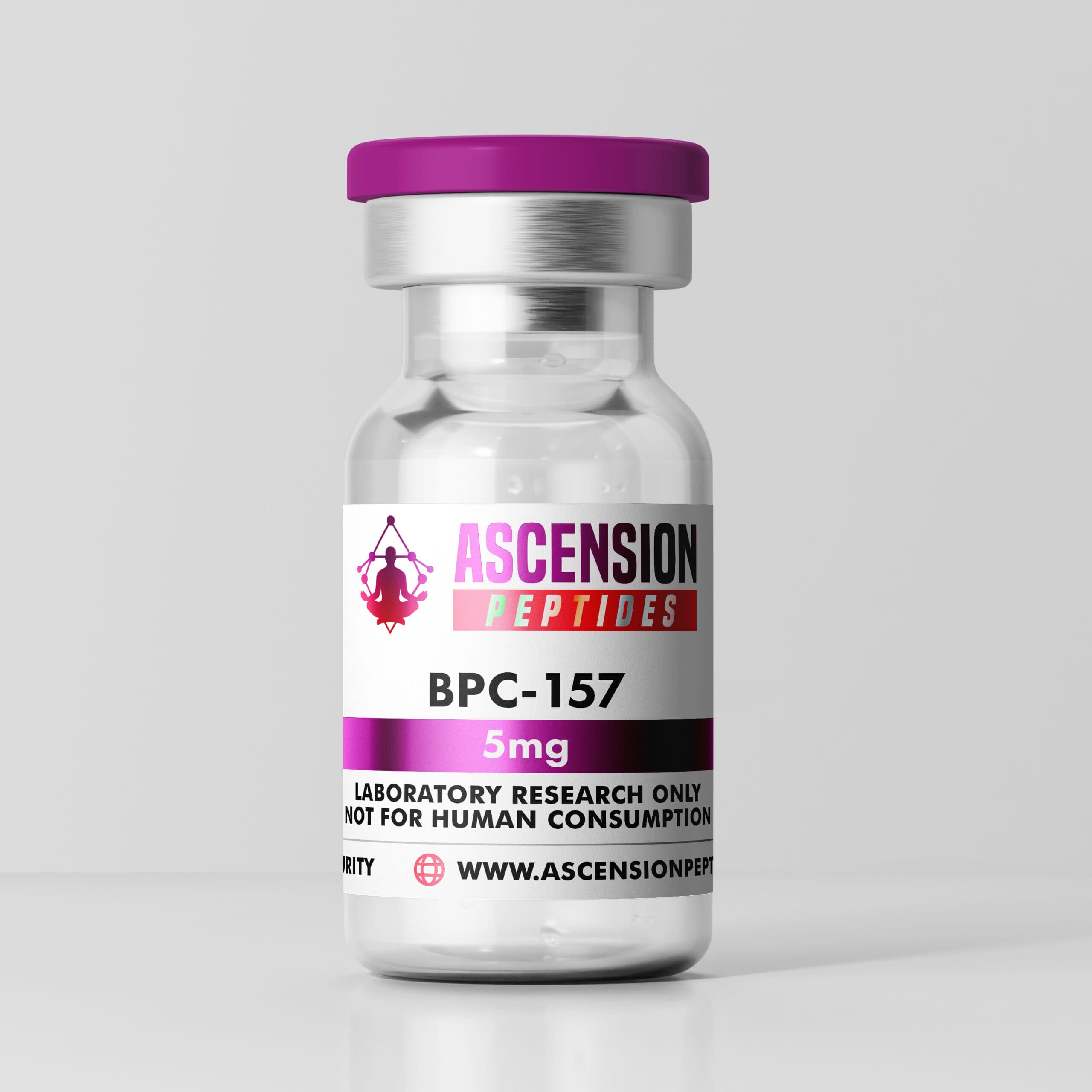
KLOW is a pre-blended stack of four well-studied regenerative peptides from Ascension Peptides:
- GHK-Cu — copper peptide for skin remodeling, collagen synthesis, anti-aging
- BPC-157 — tissue repair, gut healing, tendon and ligament recovery
- TB-500 (Thymosin Beta-4) — systemic healing, cell migration, muscle repair
- KPV — anti-inflammatory, gut barrier support, wound healing
KLOW Dosage Reference
The KLOW bundle from Ascension is 80mg total — GHK-Cu 50mg, BPC-157 10mg, TB-500 10mg and KPV 10mg in one vial. General dosing ranges for each component:
Peptide
Daily Dose Range
Injection Frequency
Route
BPC-157
300–500 mcg
Once daily
Subcutaneous
TB-500
2mg 2x/week (loading), 2mg/week (maintenance)
2x/week or weekly
Subcutaneous
GHK-Cu
1–2mg
Once daily
Subcutaneous or topical
KPV
300–500 mcg
Once daily
Subcutaneous
BPC-157
Daily Dose Range
300–500 mcg
Injection Frequency
Once daily
Route
Subcutaneous
TB-500
Daily Dose Range
2mg 2x/week (loading), 2mg/week (maintenance)
Injection Frequency
2x/week or weekly
Route
Subcutaneous
GHK-Cu
Daily Dose Range
1–2mg
Injection Frequency
Once daily
Route
Subcutaneous or topical
KPV
Daily Dose Range
300–500 mcg
Injection Frequency
Once daily
Route
Subcutaneous
Reconstitution Instructions
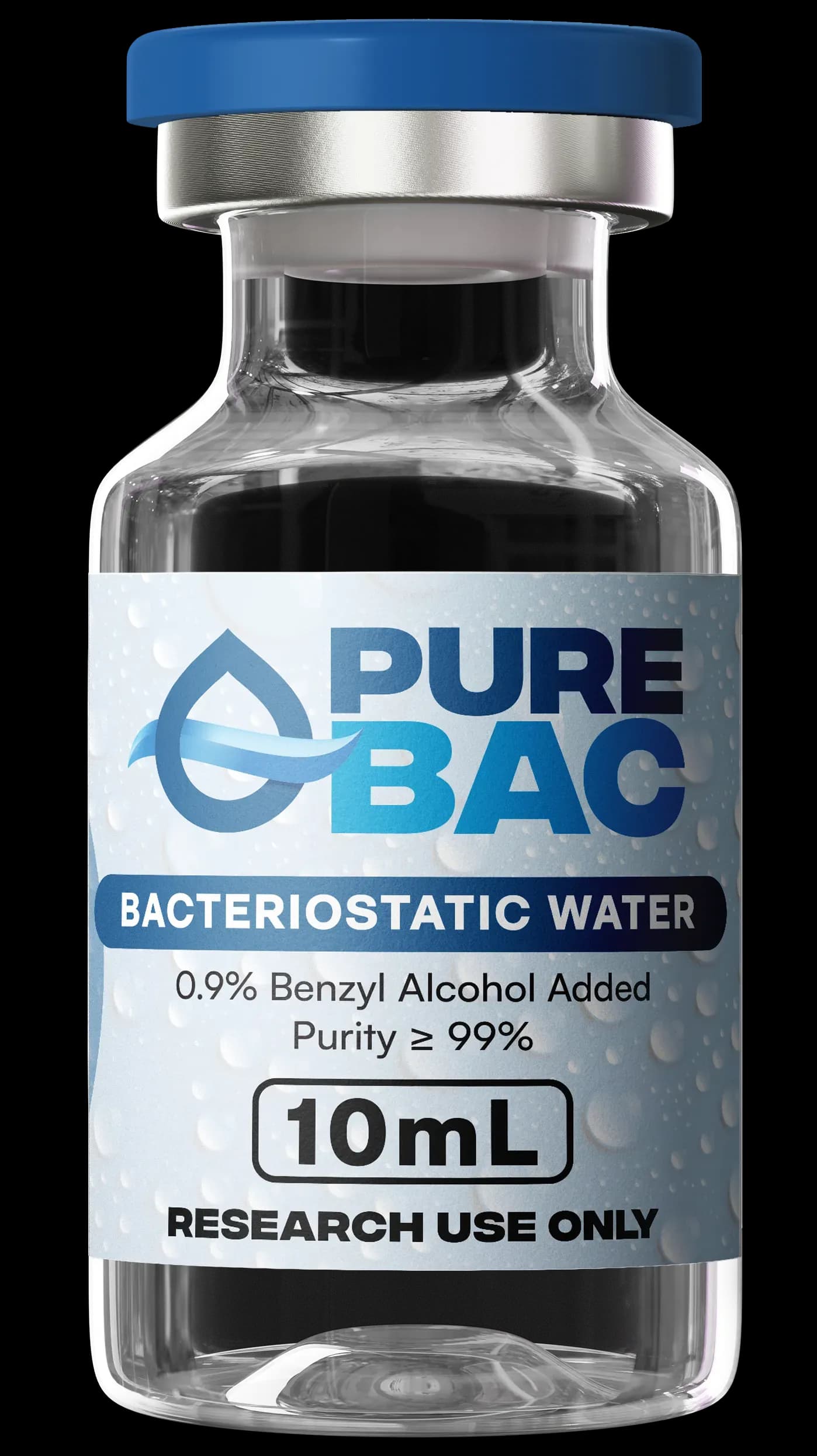
KLOW comes as lyophilized powder. Reconstitute with bacteriostatic water:
- Add 2mL bacteriostatic water to the KLOW vial
- Swirl gently — do not shake
- The solution should be clear after a few minutes
- Refrigerate immediately after reconstitution
- Use within 4 weeks of reconstitution
Injection Schedule (Sample 8-Week Protocol)
- Weeks 1–4 (Loading): Inject once daily subcutaneous. For TB-500's higher loading requirement, you may supplement with additional standalone TB-500.
- Weeks 5–8 (Maintenance): Continue once daily or reduce to 5x/week
- Cycle break: 4 weeks off after 8–12 weeks on
Storage
- Lyophilized (unreconstituted): Cool, dry place — room temperature acceptable for shipping and short-term storage. Refrigerator for longer-term storage.
- Reconstituted: Refrigerate, use within 4 weeks. Do not freeze.
Frequently Asked Questions
Can KPV and BPC-157 be injected in the same syringe?
Yes. Both are water-soluble and compatible in bacteriostatic water solution. Combining them reduces injections — a practical advantage of the KLOW blend.
Is KLOW better than buying the peptides separately?
For most users, yes. The bundle pricing is significantly cheaper than buying all four peptides individually, and the fixed ratios are optimized for synergistic use. Separate purchasing makes sense only if you need different quantities of specific components.
Can I use KLOW topically for skin?
GHK-Cu and KPV both have strong topical research profiles. Some users apply a small portion of the reconstituted KLOW solution topically for skin applications. Most of the research-grade protocols use subcutaneous injection.
What's the difference between KLOW and the Wolverine Stack?
Wolverine Stack is BPC-157 + TB-500 — focused purely on tissue repair. KLOW adds GHK-Cu (skin, collagen, anti-aging) and KPV (anti-inflammatory, gut barrier). KLOW is broader; Wolverine is more targeted for acute injury.
How much bacteriostatic water do I add to KLOW?
2mL is standard for most protocols. At 2mL, each 0.1mL draw delivers 2.5mg GHK-Cu, 0.5mg BPC-157, 0.5mg TB-500 and 0.5mg KPV.
Medical Disclaimer: This article is for informational purposes only and does not constitute medical advice. All peptides mentioned are compounds not yet FDA-approved for human use. Always consult a qualified healthcare provider before starting any peptide protocol. PeptideDeck may earn a commission from affiliate links at no additional cost to you.