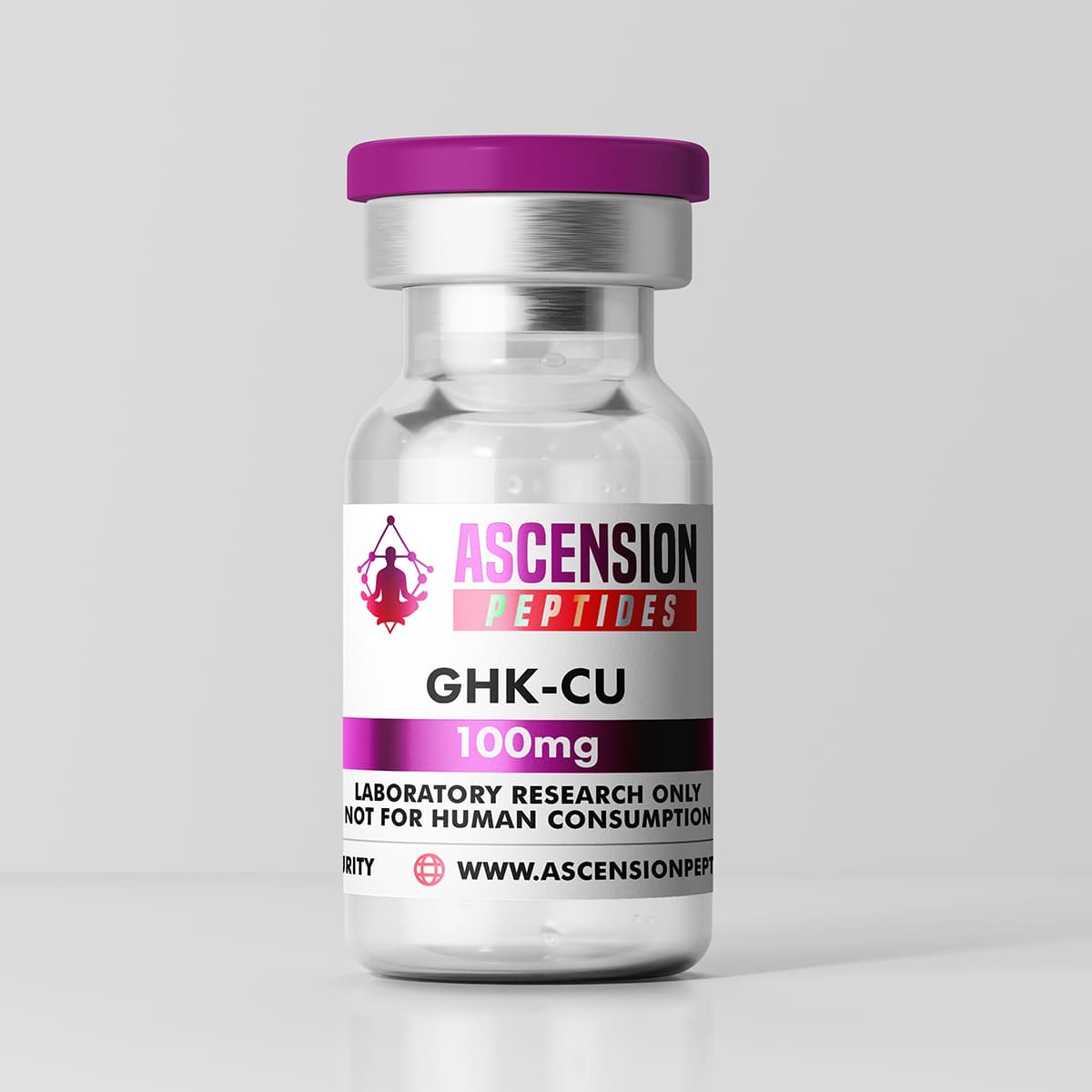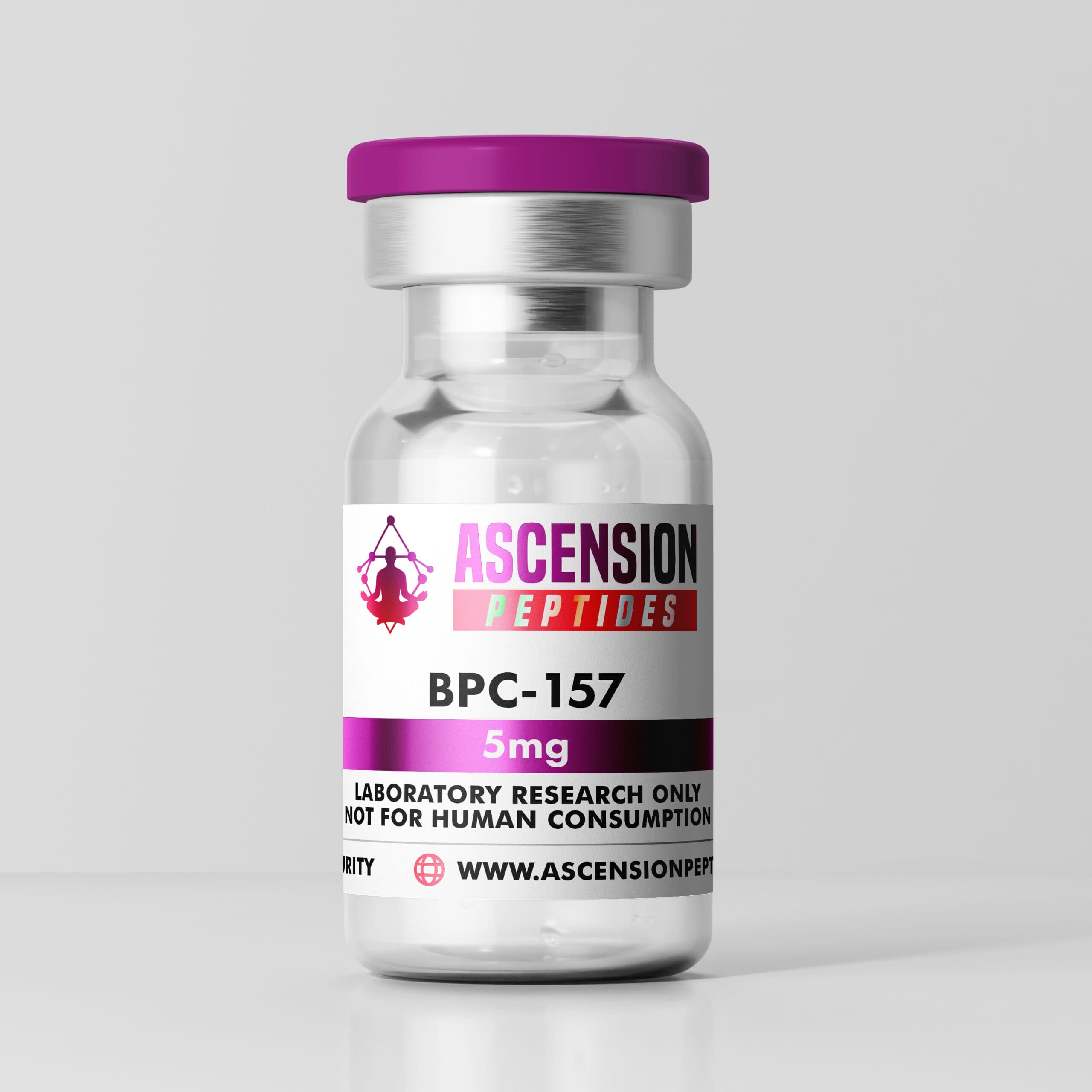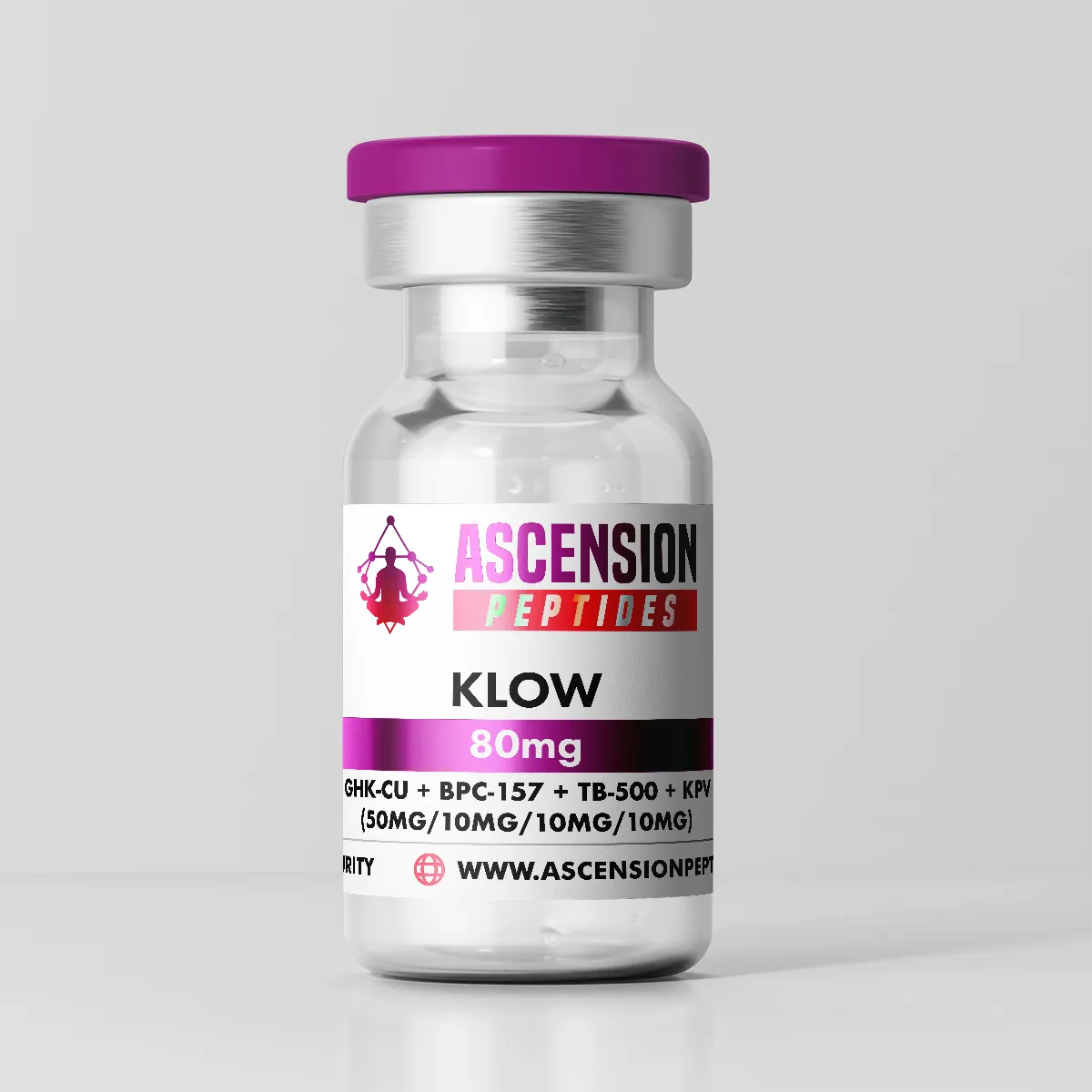
Same base peptides. Different fourth ingredient. That one difference changes what each blend is actually built for.
🔑 Key Takeaways
- GLOW and KLOW share the same three core peptides: GHK-Cu, BPC-157, and TB-500. KLOW adds a fourth: KPV, a potent anti-inflammatory tripeptide
- GLOW is skin-first: higher GHK-Cu concentration (50mg), optimized for collagen production, skin texture, anti-aging, and radiance. Think skin quality and appearance
- KLOW is healing-first: adds KPV for NF-kB anti-inflammatory signaling, making it stronger for gut repair, injury recovery, joint inflammation, and systemic healing. Think recovery and repair
- If your primary goal is skin, hair, and anti-aging, GLOW is the more targeted choice. If you're dealing with inflammation, gut issues, or recovering from injury, KLOW covers more ground
- Both are from Ascension Peptides, both are pre-blended single-vial formats, and both are injected subcutaneously. The convenience advantage of blends over sourcing each peptide separately is significant
- You can run both, but not at the same time. Cycling GLOW for skin phases and KLOW for recovery phases is a common approach
This page breaks down exactly what's in each blend, what each peptide does, where the two blends overlap, and how to decide which one fits what you're trying to accomplish.
What's in Each Blend
The ingredient list tells the story.
The overlap is significant. Three out of four peptides are shared. The divergence comes from KLOW's inclusion of KPV, and from the relative ratios of each component. GLOW puts more emphasis on GHK-Cu (50mg in a 70mg vial is 71% of the blend), making it a GHK-Cu-dominant formula. KLOW distributes the load more evenly across all four peptides, creating a broader recovery profile.
GLOW: The Skin and Anti-Aging Blend
Built around GHK-Cu.
GLOW is a three-peptide blend designed primarily for skin quality, anti-aging, and cosmetic recovery. The 50mg GHK-Cu dose is substantial, equivalent to half a standalone 100mg GHK-Cu vial, and it's the primary driver of the blend's effects.
What GHK-Cu does in GLOW
GHK-Cu (glycyl-L-histidyl-L-lysine copper) is a naturally occurring copper peptide. Your body produces it, but levels decline by more than 50% after age 60. At the 50mg dose in GLOW, it directly stimulates:
- Collagen type I and III production (the proteins that give skin firmness)
- Elastin synthesis (what keeps skin from sagging)
- Glycosaminoglycan production (what keeps skin hydrated and plump)
- Fibroblast proliferation (the cells that build new skin structure)
- Hair follicle support (increased follicle size and growth phase duration)
What BPC-157 and TB-500 add
The 10mg each of BPC-157 and TB-500 provide the healing infrastructure. BPC-157 drives angiogenesis (new blood vessel formation) and gut-skin axis repair. TB-500 promotes cell migration, moving repair cells to where they're needed. Together, they support the skin repair processes that GHK-Cu initiates.
The gut-skin connection is real: chronic gut inflammation frequently shows up as skin problems. BPC-157 addresses both sides. For more on what to expect from the blend, see the GLOW dosage page.
GLOW is best for
- Skin texture, firmness, and elasticity improvement
- Fine lines and wrinkle reduction
- Post-procedure recovery (microneedling, laser, chemical peels)
- Hair thinning and follicle support
- General anti-aging protocol
- Scar healing and skin remodeling
KLOW: The Healing and Recovery Blend
Same foundation, plus KPV.
KLOW takes the same three peptides as GLOW and adds KPV (Lys-Pro-Val), a tripeptide derived from alpha-melanocyte stimulating hormone. That addition shifts the blend's strength from cosmetic skin improvement toward systemic healing and anti-inflammatory recovery.
What KPV adds
KPV operates primarily through inhibition of NF-kB, the master regulator of inflammatory signaling in the body. When NF-kB is overactive, you get chronic inflammation, which shows up as joint pain, gut issues, slow wound healing, and skin barrier dysfunction. KPV dials it down.
- Gut mucosal healing: KPV has specific data on intestinal mucosa repair, making KLOW significantly stronger for gut-related issues than GLOW
- Systemic anti-inflammatory: NF-kB inhibition reduces inflammation across multiple systems simultaneously
- Skin barrier repair: KPV reduces UV-induced inflammation and supports keratinocyte function, complementing GHK-Cu's structural repair
How the four peptides work together
In KLOW, each peptide hits a different recovery pathway:
- GHK-Cu rebuilds structure (collagen, extracellular matrix)
- BPC-157 repairs specific tissue (tendons, ligaments, gut lining)
- TB-500 mobilizes repair cells to damage sites (cell migration, actin upregulation)
- KPV clears the inflammatory blockade so the other three can work unimpeded
The KLOW dosage page covers the full protocol, and the KLOW review has community experience data.
KLOW is best for
- Injury recovery (tendon, ligament, muscle, joint)
- Gut healing and inflammatory gut conditions
- Chronic inflammation and autoimmune-related symptoms
- Post-surgical recovery
- Joint pain and mobility issues
- Athletes in heavy training blocks needing faster recovery
GLOW vs KLOW: Side-by-Side Comparison
Everything in one table.
Which One Should You Choose?
Match the blend to your primary goal.
Choose GLOW if:
- Your main goal is better skin quality, firmness, or anti-aging
- You're recovering from a cosmetic procedure (microneedling, laser, peels)
- You want the highest GHK-Cu concentration per injection
- Hair thinning is a concern
- You don't have significant inflammation or injury issues
Choose KLOW if:
- You're recovering from an injury (tendon, ligament, joint, muscle)
- You have gut issues (IBS, leaky gut, post-antibiotic recovery)
- Chronic inflammation is a primary concern
- You're an athlete in a heavy training phase
- You want the broadest recovery coverage from a single vial
- Post-surgical healing is the goal
Choose both (cycled) if:
- You want skin benefits AND recovery benefits at different times
- Run GLOW for 4 to 8 weeks for a skin phase, then KLOW for 4 to 8 weeks for recovery, then cycle off
Can You Stack GLOW and KLOW Together?
You can, but there's overlap.
Since both blends share GHK-Cu, BPC-157, and TB-500, running them simultaneously means you're double-dosing those three peptides. This isn't necessarily dangerous, but it's not efficient either. You'd be paying for redundant peptide exposure when a single blend covers your needs.
The smarter approach is cycling. Run whichever blend matches your current priority, then switch when your goal shifts. If you need both skin and healing support simultaneously, KLOW is the better single choice because it includes everything GLOW has plus KPV.
For more context on how these blends compare to the Wolverine Stack (BPC-157 + TB-500 only), the Wolverine Stack vs KLOW comparison covers the healing side in detail.
Side Effects
Both blends are well-tolerated.
The side effect profiles are nearly identical because the core peptides are the same. Most people report:
- Injection site redness: Minor, resolves within hours. GHK-Cu can cause slightly more local reaction due to the copper component.
- Mild nausea: Occasionally reported at higher doses, particularly with BPC-157. Usually resolves by reducing dose.
- Flushing or warmth: Some users report brief facial flushing after injection, more common with GHK-Cu-heavy blends (GLOW).
- Fatigue: Uncommon, typically in the first few days as the body adjusts.
Serious adverse events are rare with both blends at standard doses. The KLOW side effects page and GHK-Cu side effects page cover the full profiles.
Frequently Asked Questions
Medical Disclaimer: This article is for informational purposes only and does not constitute medical advice. GLOW and KLOW are peptide blends that should be used under appropriate guidance. Individual results vary. Consult a licensed healthcare provider before starting any peptide protocol.