Key Takeaways
- GHK-Cu has one of the best safety profiles of any injectable peptide
- Most reported side effects are mild and injection-site related
- No major systemic side effects in clinical research at standard doses
- Rare: temporary skin discoloration (copper tint), mild headache in first week
- The biggest safety risk is injection technique, not the peptide itself
- Injectable GHK-Cu at 1-2mg/day has no documented systemic side effects in clinical research
GHK-Cu is considered one of the safest peptides available. Copper peptides occur naturally in your body and have been studied in cosmetics and clinical settings for decades. That said, any injectable compound can cause issues if used incorrectly. Here's what's actually reported, what's rare, and what warrants stopping.
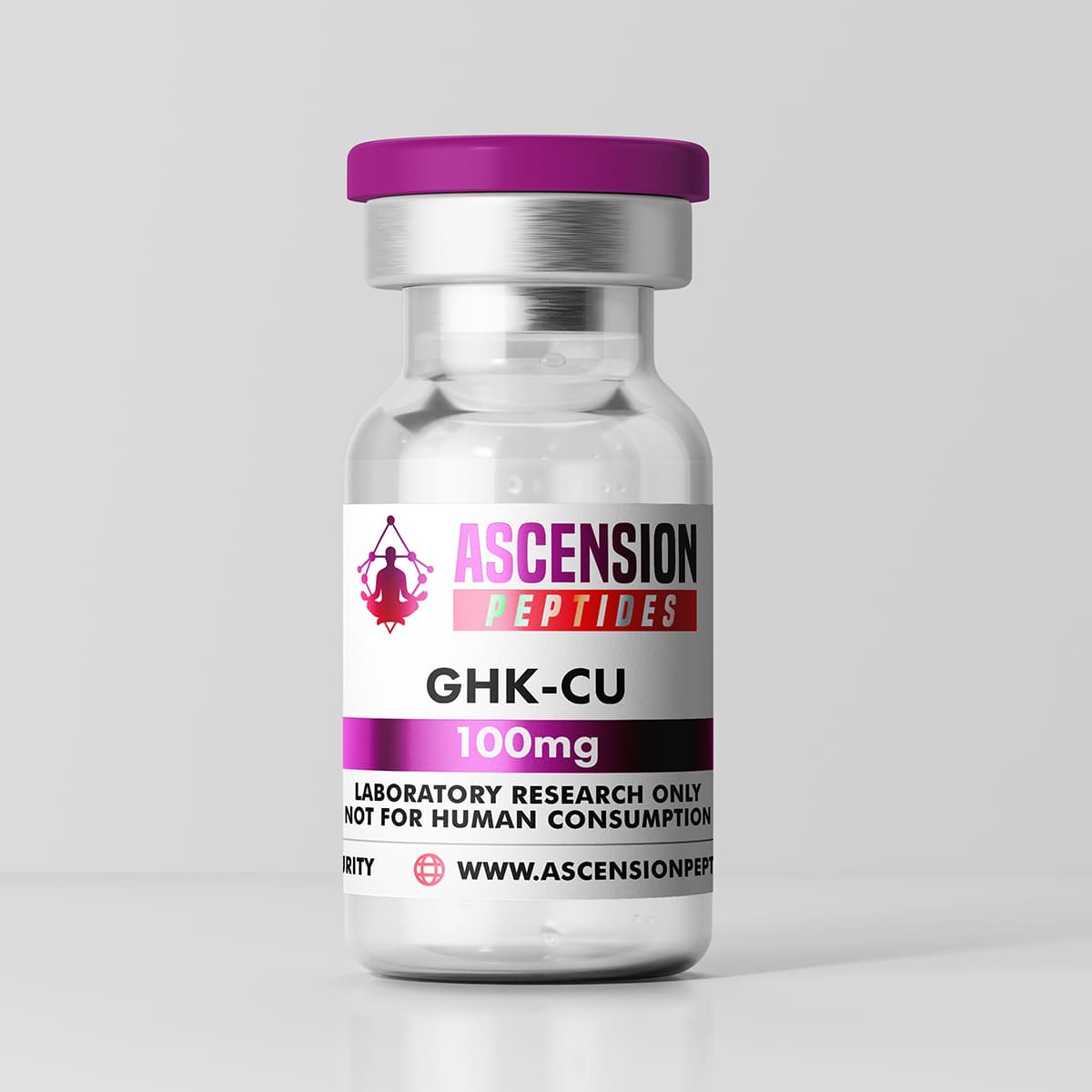
Worth saying up front: underdosed or poorly handled product causes more injection-site trouble than anything on this list, so a batch COA — like the one Ascension publishes per lot — removes most of the guesswork.
Common Side Effects (Most People Experience These)
These are expected, temporary, and not a reason to stop:
- Injection site redness — small pink area around the injection site, fades within 1-2 hours. Completely normal subcutaneous injection response.
- Minor swelling or bump at injection site — disappears within a few hours. More common if you inject the same spot repeatedly — rotate sites.
- Mild itching at injection site — brief, fades quickly. Normal immune response to the needle puncture.
- Skin feels warmer at injection site — normal vasodilation response, temporary.
Less Common Side Effects
These happen in a smaller subset of users, usually tied to dose or technique:
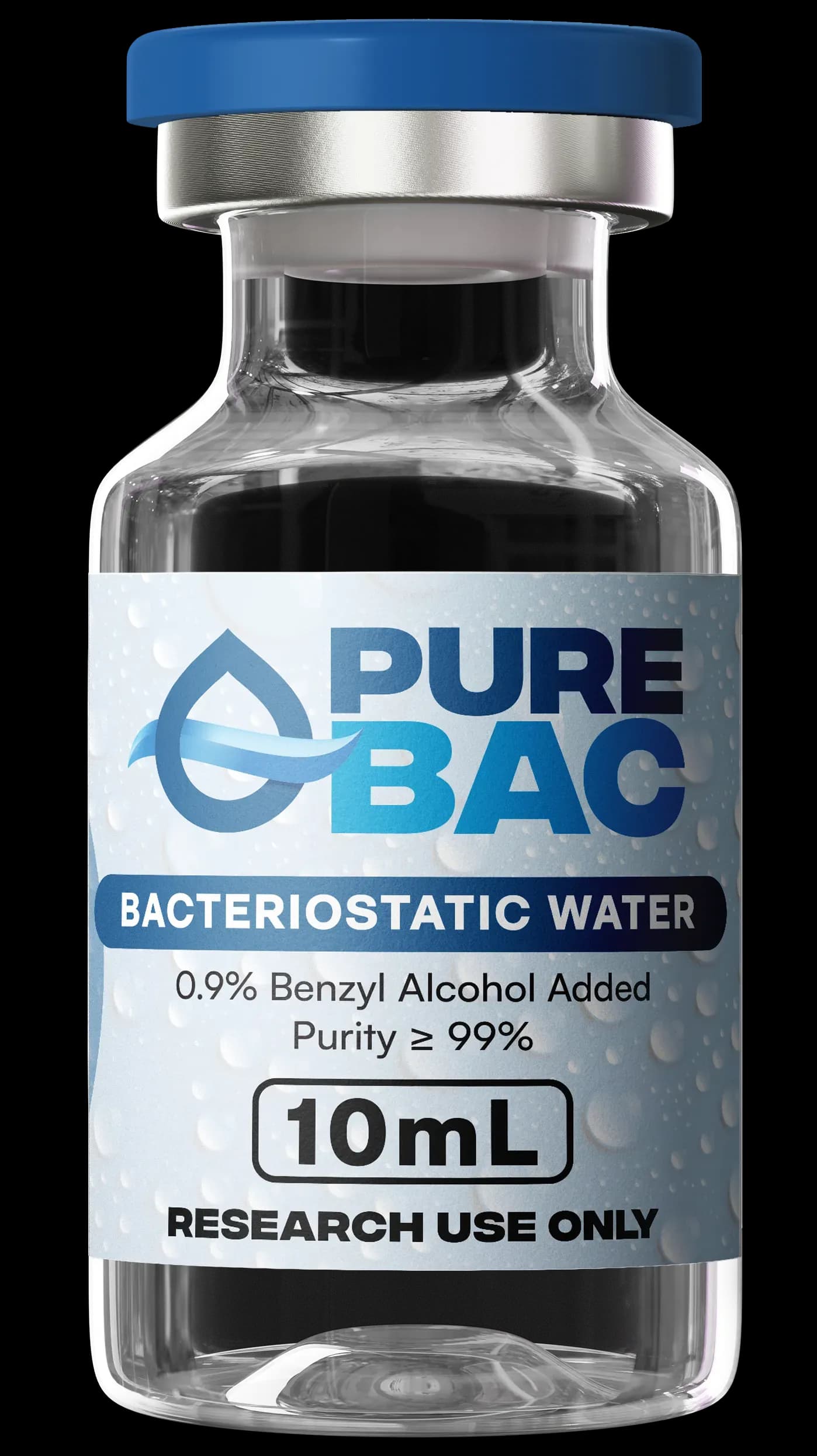
- Temporary skin tint (blue-green) — at very high concentrations or if injected directly into skin rather than subcutaneous fat. Copper has a distinct color. Resolves on its own. Prevented by proper dilution (2-3mL BAC water per 100mg vial).
- Mild headache in the first week — some people report this when first starting. Usually fades after the first 5-7 days as the body adjusts. Staying hydrated helps.
- Heightened skin sensitivity — some users notice their skin feels more reactive to other products in the first 2 weeks. Usually settles. Reduce other active skincare products temporarily if this happens.
- Slightly increased hair shedding (first 2-4 weeks) — this is actually a positive signal if you're using it for hair. GHK-Cu can push hairs from the resting phase into the growth phase, causing brief shedding of old hairs before new growth starts.
Rare Side Effects
These are uncommon but worth knowing about:
- Persistent redness or swelling beyond 48 hours — could indicate injection site infection (rare) or an allergic reaction. Stop and consult a doctor.
- Copper sensitivity reaction — true copper allergy is rare but exists. Symptoms: persistent itching, hives, or rash beyond injection site. Discontinue if this occurs.
- Nausea — occasionally reported, usually with very high doses. Not expected at standard 1-2mg dosing.
What's NOT a Side Effect of GHK-Cu
Common things people attribute to GHK-Cu that aren't related:
- Weight changes — GHK-Cu doesn't affect metabolism or appetite
- Hormonal changes — no androgenic or estrogenic activity
- Sleep disruption — not linked to GHK-Cu
- Mood changes — not a known mechanism of GHK-Cu
If you experience these, look at other factors — other peptides you're stacking, lifestyle changes, timing of injections.
Topical GHK-Cu Side Effects
Topical is even safer than injectable. What's reported:
- Skin irritation or redness on first use — usually resolves after a few applications as skin adapts
- Slight tingling on application — normal for copper peptide serums
- Very rarely: contact dermatitis in people with sensitive skin — patch test before applying to face
How to Minimize Side Effects
Most side effects from GHK-Cu come down to technique, not the peptide. These steps eliminate the majority of them:
- Rotate injection sites — same-site injections cause cumulative local irritation
- Use proper needle gauge — 29-31G insulin needle. Thicker needles = more trauma
- Inject slowly — 5-10 seconds to depress the plunger
- Let alcohol dry before injecting — wet alcohol can sting and cause brief irritation
- Don't inject cold peptide — let vial sit at room temp 5-10 min before drawing
- Use proper dilution — 2mL BAC water per 100mg = 50mg/mL. Don't use extremely concentrated solutions
When to Stop and Seek Help
Stop using and consult a doctor if you notice:
- Injection site pain that worsens after 24 hours (not fades)
- Significant swelling, warmth, and redness spreading beyond injection site (signs of infection)
- Systemic allergic reaction: hives, throat tightness, difficulty breathing — get emergency help
- Persistent color changes or skin lesions at injection site
These are rare. The vast majority of people using GHK-Cu at standard doses experience only mild, temporary injection site reactions.
GHK-Cu vs Other Peptide Safety Comparisons
For context, here's how GHK-Cu's tolerability stacks up against other commonly used peptides:
- vs BPC-157: Similar safety profile — both are very well tolerated
- vs GHRP-6: GHK-Cu has significantly fewer systemic effects (no appetite stimulation, no cortisol spike)
- vs retatrutide/semaglutide: GHK-Cu has far fewer GI side effects — it doesn't affect gastric motility
- vs TB-500: Comparable tolerability — both are well tolerated subcutaneously
Frequently Asked Questions
The information in this article is for educational purposes only and does not constitute medical advice. Always consult a healthcare professional before starting any new supplement or compound. Results vary by individual.