TB-500 Dosage Guide: Thymosin Beta-4 Protocol, Frequency & Cycle (2026)
TB-500 is the synthetic analog of Thymosin Beta-4 (Tβ4), a naturally occurring 43-amino-acid peptide involved in actin sequestration, cell migration, angiogenesis, and inflammation regulation. In preclinical research, TB-500 has been studied extensively in the context of tissue repair — including muscle, tendon, ligament, cardiac, and neuronal tissue. Its systemic mechanism of action (as opposed to purely local effects) makes dosing strategy particularly important: TB-500 needs to reach therapeutic concentrations throughout the body, which is why loading phases followed by maintenance are standard in research protocols. This guide covers everything researchers need to know about TB-500 dosage, frequency, cycle length, and administration.
- Loading phase dose: 4–6 mg per week (split 2× weekly) for 4–6 weeks
- Maintenance dose: 2–2.5 mg per week
- Route: Subcutaneous (SubQ) or intramuscular (IM)
- Cycle length: 4–6 week loading + ongoing maintenance or 12-week fixed
- Reconstitution: 2 mL BAC water per 5 mg vial = 2,500 mcg/mL
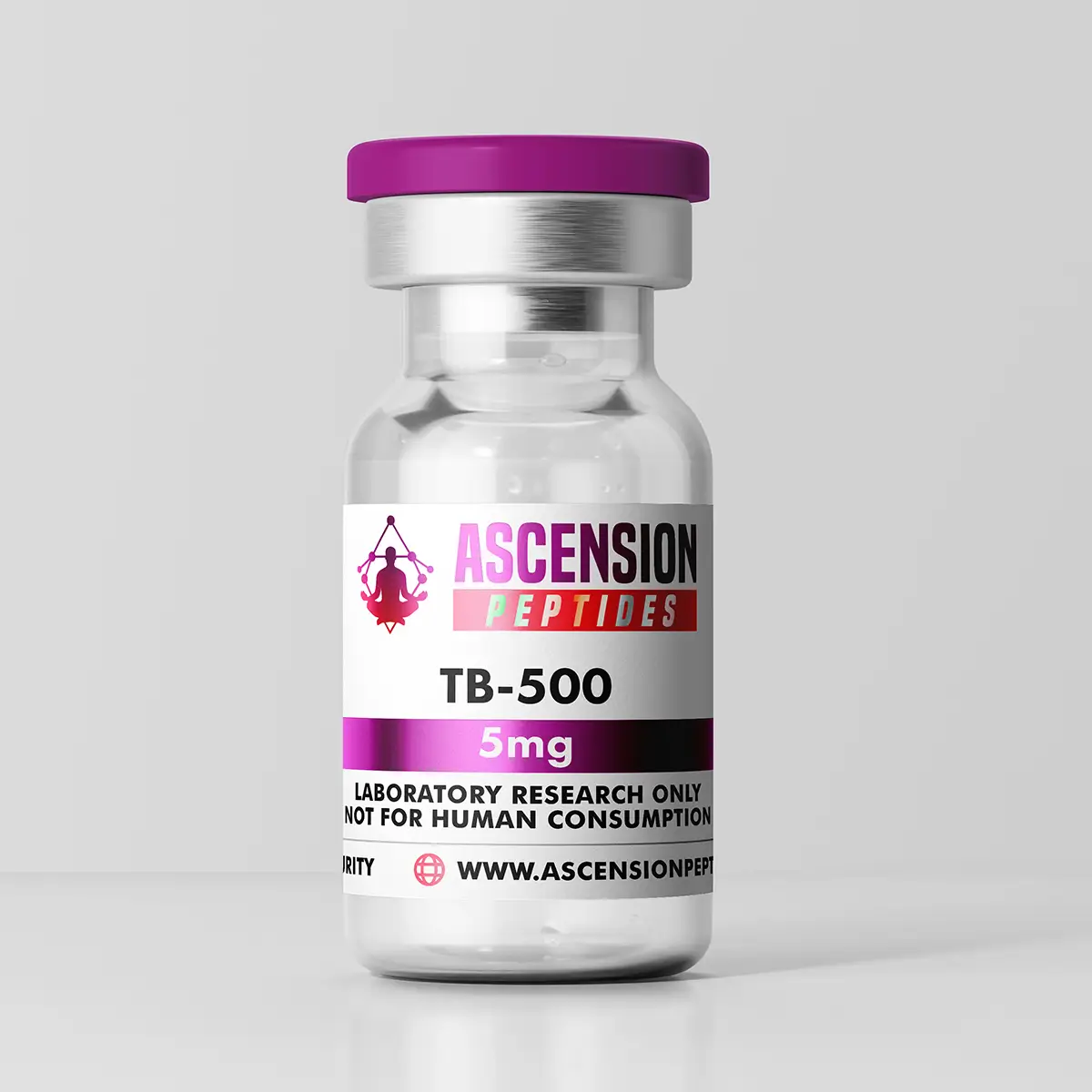
A standard loading phase runs through several vials, so it is worth buying the cycle in one order — Ascension stocks TB-500 in 5mg vials.
Standard TB-500 Dosage Protocols
TB-500 research protocols are almost universally structured in two phases: a loading phase to rapidly saturate tissue and achieve systemic distribution, followed by a maintenance phase to sustain those levels. This biphasic approach is consistent across the most commonly referenced research frameworks:
The rationale for the loading phase is rooted in TB-500's mechanism: Tβ4 promotes G-actin sequestration and cell migration — processes that benefit from a period of saturation before steady-state dosing can sustain the effect. Research models in rodents have used doses equivalent to approximately 2.5–7.5 mg/kg, though human-equivalent scaling is complex with larger peptides like TB-500.
Injection Frequency
TB-500 is typically dosed on a twice-weekly schedule during the loading phase and once weekly during maintenance. Unlike short-half-life peptides that require daily or twice-daily injection, TB-500 appears to maintain biologically relevant tissue levels with less frequent administration due to its longer effective half-life and high affinity for actin-binding sites throughout tissues.
- Loading phase (weeks 1–4 to 6): Administer on non-consecutive days (e.g., Monday and Thursday). This preserves a consistent minimum blood level while giving tissues time to respond between doses.
- Maintenance phase: Once weekly is sufficient in most protocols. Some researchers use a once-every-10-day schedule for longer-term studies to reduce cumulative dose while maintaining activity.
- Acute injury protocol: A short-term intensive approach — 2 mg every 3–4 days for 3 weeks — is sometimes used in acute soft tissue injury models before transitioning to a standard maintenance schedule.
Cycle Length
TB-500 research cycles follow two general patterns depending on research objectives:
Fixed-duration cycle (10–12 weeks total)
A 4–6 week loading phase followed by a 4–6 week maintenance phase constitutes a complete 10–12 week research cycle. A 4-week washout period is standard before re-initiation. This structure is most appropriate for injury repair and acute healing studies where a defined endpoint is required.
Chronic low-dose maintenance
In longevity and systemic health research models, some protocols maintain subjects on a continuous low dose (2 mg every 2 weeks) following a loading phase. The absence of documented receptor desensitization with TB-500 supports this approach in principle, though the long-term safety data in animal models remains sparse beyond 6–9 months.
Reconstitution Guide
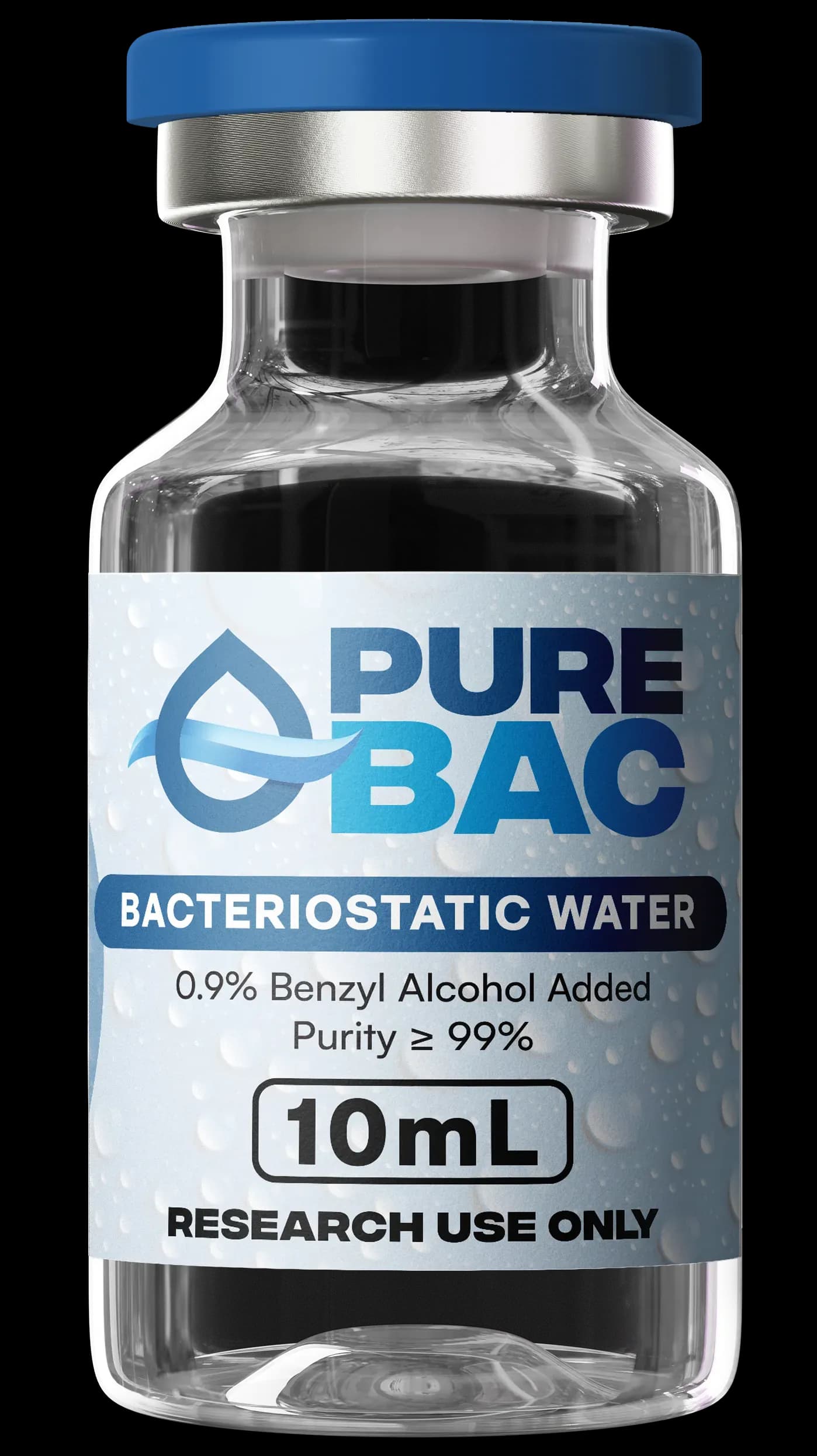
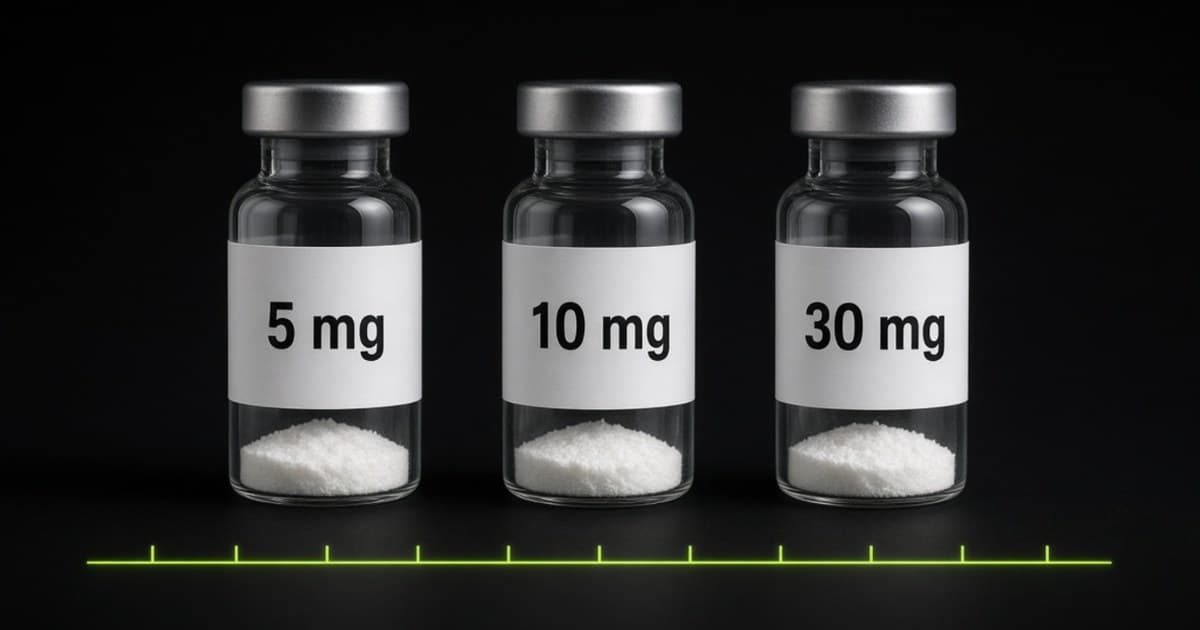
TB-500 is supplied as a lyophilized powder, typically in 5 mg vials. Bacteriostatic water (BAC water) is the standard reconstitution solvent for research use due to its extended shelf life after opening.
Step-by-step reconstitution
- Allow vial to reach room temperature (5–10 minutes out of refrigerator).
- Wipe the rubber stopper with a 70% isopropyl alcohol swab; allow to air dry.
- Draw the desired volume of BAC water into a syringe (see concentration guide below).
- Insert the needle at the edge of the stopper and inject the water slowly down the interior glass wall — never directly onto the powder.
- Gently rotate the vial between your palms until the powder is fully dissolved. Do not vortex or shake — TB-500 is sensitive to mechanical degradation.
- The resulting solution should be clear and colorless. Any particulate or cloudiness indicates degradation.
- Label with reconstitution date and store at 2–8°C.
Resulting concentrations (5 mg vial)
- 1 mL BAC water → 5,000 mcg/mL (2 mg dose = 0.4 mL)
- 2 mL BAC water → 2,500 mcg/mL (2 mg dose = 0.8 mL)
- 2.5 mL BAC water → 2,000 mcg/mL (2 mg dose = 1.0 mL)
For TB-500, a 1 mL dilution is often preferred to keep injection volumes small, particularly for IM administration. Reconstituted TB-500 in BAC water is stable for 28–30 days refrigerated.
Injection Guide: SubQ vs IM
Subcutaneous (SubQ) injection
SubQ is the standard route for most TB-500 research protocols. Pinch the skin at the abdomen, outer thigh, or flank and inject into the fatty subcutaneous layer using a 28–31 gauge, 0.5-inch insulin syringe. Due to the larger doses used with TB-500 (compared to peptides like BPC-157), injection volumes may be higher — up to 0.5–1.0 mL depending on dilution. If volume is uncomfortable, split the dose across two injection sites.
Intramuscular (IM) injection
IM delivery is preferred in some injury-specific protocols where rapid local tissue saturation is desired. Common IM sites include the vastus lateralis (outer quadricep) and the ventrogluteal muscle. Use a 25 gauge, 1-inch needle for IM injection. Note that IM injection of large volumes (>1 mL) can cause transient discomfort.
Timing
TB-500 has no established fasting requirement. In exercise-based research models, dosing immediately post-training is common on the assumption that exercise-induced microtrauma and inflammation may create an optimal environment for TB-500's reparative effects. However, timing relative to meals or training has not been rigorously studied for TB-500 specifically.
Stacking TB-500
TB-500's systemic, cell-migration-focused mechanisms complement the more localized angiogenic and growth factor effects of other peptides, making it a natural stacking candidate:
- TB-500 + BPC-157: The most researched healing combination. BPC-157 provides local tissue repair and GI protection; TB-500 handles systemic actin regulation and immune modulation. A typical research stack pairs BPC-157 at 250–500 mcg/day SubQ with TB-500 at the loading/maintenance doses described above. Full protocol details are available in the BPC-157 Stack Guide.
- TB-500 + GHK-Cu: GHK-Cu supports collagen synthesis and wound healing at the dermal level, providing a complementary mechanism to TB-500's systemic repair effects. See the GHK-Cu Dosage Guide.
- TB-500 + Ipamorelin/CJC-1295: In recovery-focused research contexts, adding a GH secretagogue stack provides anabolic and anti-catabolic signals that may synergize with TB-500's reparative effects. GH-axis peptides are typically dosed independently on their own schedule.
Side Effects & Safety Considerations
TB-500 has shown a generally favorable preclinical safety profile. Key considerations for research contexts include:
- Injection site reactions: The most common reported finding is mild local discomfort, redness, or bruising at the injection site, particularly with higher-volume IM injections. Site rotation and proper technique mitigate this.
- Fatigue or lethargy: Some research protocols have noted transient fatigue during the loading phase, possibly linked to systemic immune modulation. This typically resolves after the first 1–2 weeks.
- Nausea: Rare and typically mild; observed at higher loading doses (≥6 mg/week).
- Angiogenic considerations: TB-500 promotes angiogenesis via VEGF and integrin signaling. As with BPC-157, this mechanism requires caution in cancer-adjacent research models.
- No endocrine disruption: TB-500 does not interact with the hypothalamic-pituitary axis. No PCT considerations apply in research protocols.
- Immunomodulatory effects: Thymosin Beta-4 is involved in thymic function and immune regulation. Long-term immunological effects of synthetic TB-500 in research subjects are not fully characterized beyond 6-month study windows.
Frequently Asked Questions
This article is intended for informational and research purposes only. TB-500 (Thymosin Beta-4 fragment) is a research peptide and is not approved by the FDA or any equivalent regulatory body for human use, diagnosis, treatment, or prevention of any medical condition. All information presented here is based on preclinical research and should not be interpreted as medical advice. Consult a qualified healthcare professional before considering any peptide use.