GHK-Cu Peptide: Benefits, Dosage and Results (2026)
⚡ GHK-Cu at a Glance
GHK-Cu — widely known as the "glow peptide" — is a copper-binding peptide your body produces naturally, but levels drop by more than 50% after age 60. Supplementing it has shown real effects on skin quality, hair thickness, wound healing, and overall tissue repair. It's one of the few peptides where even dermatologists and plastic surgeons pay attention to the data — and in 2026, interest has accelerated significantly.
Below is everything you need: what it does, exact dosing protocols, injectable vs topical comparison, and where to get pharmaceutical-quality GHK-Cu.
What Is GHK-Cu Peptide?
GHK-Cu is a naturally occurring tripeptide complex made from glycine, histidine, and lysine bound to a copper ion. It was first isolated in 1973 by Dr. Loren Pickart, who noticed that factors in younger human plasma could push older tissue toward a more youthful repair response. That factor turned out to be GHK-Cu.
What makes it so interesting is that it is not some exotic foreign compound. Your body already makes it. It appears in plasma, saliva, and urine, and in younger years it is present at meaningfully higher levels. Researchers often point to that natural decline as part of the story behind slower healing, weaker collagen support, and more visible age-related tissue breakdown.
- Age 20: ~200 ng/mL
- Age 60: ~80 ng/mL (around a 60% decline)
That drop helps explain why GHK-Cu keeps getting framed as a restoration peptide. The interest is not just theoretical. People researching it are usually asking a very direct question: if this compound fades as we age, what happens when you bring levels back up in a meaningful way? For skin, hair, and healing, the answer looks promising enough that GHK-Cu has stayed relevant for decades instead of disappearing like most peptide trends do.
The copper side of the molecule matters too. Copper is involved in collagen cross-linking, antioxidant defense, and tissue repair, and GHK appears to act like a delivery vehicle that helps move copper where it is useful. So the peptide is not just “present” — it is active in processes people actually care about when they are trying to look better, heal better, or age a little less visibly.
How Does GHK-Cu Work? The Mechanisms Behind the Benefits
GHK-Cu gets attention because the effects do not seem limited to one narrow pathway. It touches several systems at once, which is probably why the feedback around it feels unusually broad — skin, scalp, wounds, inflammation, even nerve-related research. That wide reach can sound exaggerated at first, but the mechanism story is stronger than most people expect.
- Gene expression modulation: A widely cited 2014 Organogenesis paper found that GHK-Cu could influence thousands of human genes, shifting many toward patterns associated with younger, healthier tissue behavior.
- Collagen and elastin signaling: It activates fibroblasts, the cells that build much of the skin's structural framework, which helps explain why users often talk about improved firmness and texture rather than just superficial hydration.
- Copper delivery: GHK-Cu carries bioavailable copper into tissues where it can support enzymes involved in collagen cross-linking and repair.
- Anti-inflammatory activity: Researchers report suppression of inflammatory signaling like NF-κB, along with reductions in cytokines tied to redness, irritation, and tissue stress.
- Angiogenesis and repair: GHK-Cu may encourage new blood vessel formation, which matters when the goal is better nutrient delivery to healing tissue or hair follicles.
Put more simply: GHK-Cu seems to create conditions that make tissue behave younger, calmer, and more repair-ready. That's the appeal. Not hype — just a pretty clear alignment between what the research describes and what users say they are hoping to get out of it.
GHK-Cu Peptide Benefits: What the Research Shows
This is the section most people care about, and honestly, fair enough. GHK-Cu has a science-heavy backstory, but interest usually comes down to visible outcomes. What changes could someone reasonably hope researchers might see with this peptide? The strongest signals keep clustering around skin, healing, hair, inflammation, and broader anti-aging support.
1. Collagen Synthesis & Skin Anti-Aging
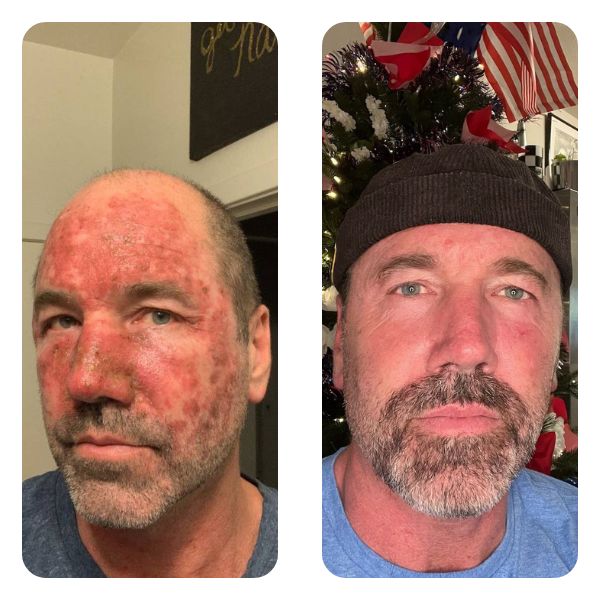
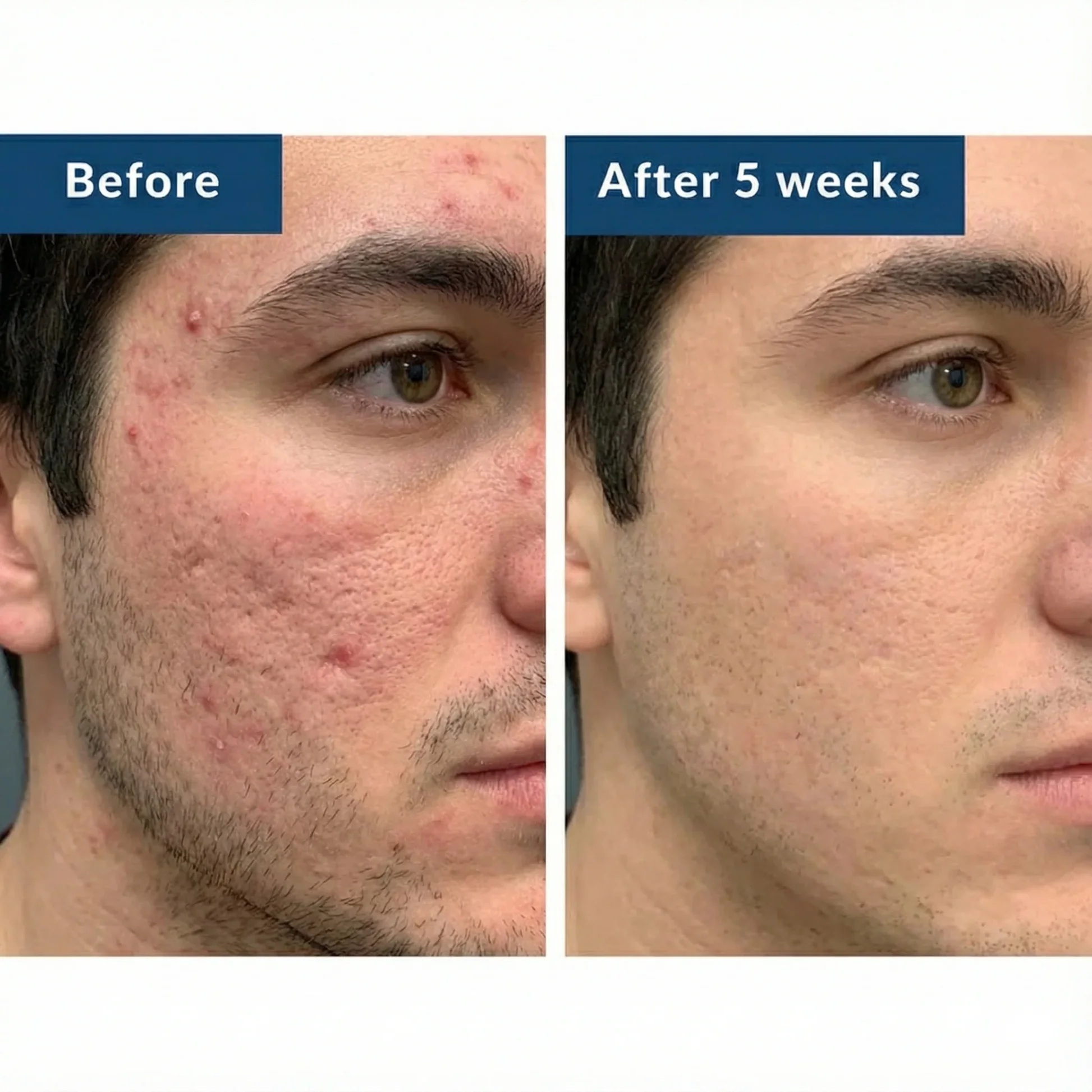
Skin is where GHK-Cu built its reputation. And not in a vague “supports appearance” way. Researchers report changes that map to what users actually want to see: skin that looks thicker, firmer, smoother, and less crinkled — ranking it among the best peptides for skin tightening. In practical terms, that can mean softened fine lines, less sagging, better tone, and a face that looks less stressed.
- A clinical trial of 71 women with mild to advanced photoaging found that daily application of a GHK-Cu facial cream for three months significantly increased skin density and thickness, reduced sagging, and improved the appearance of fine lines and wrinkles compared to placebo.
- A separate trial of 41 women with photodamage found that a GHK-Cu eye cream outperformed both placebo and vitamin K cream on measures of periorbital wrinkling and skin density.
- A 2018 systematic review in Biomolecules (Pickart et al.) confirmed that GHK-Cu can tighten loose skin, reverse age-related thinning, repair the skin's barrier proteins, and reduce the appearance of scars and hyperpigmentation.
That is why so many people researching subcutaneous GHK-Cu see skin benefits as the main prize — and why it appears on every serious peptides for skin list. The idea is simple: if topical use can improve surface-level markers, deeper systemic exposure may be worth exploring for people who want support that goes beyond what a serum can do on its own. Human injection data is still limited, so that part remains more inference than proof — but the interest makes sense.
GHK-Cu works at the gene expression level to upregulate collagen types I, III, and IV, as well as fibronectin and proteoglycans — the structural scaffolding of healthy skin.
2. Wound Healing & Tissue Repair
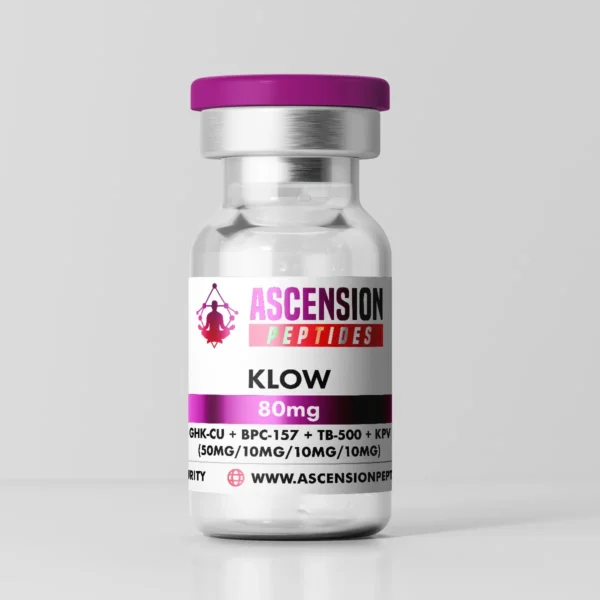
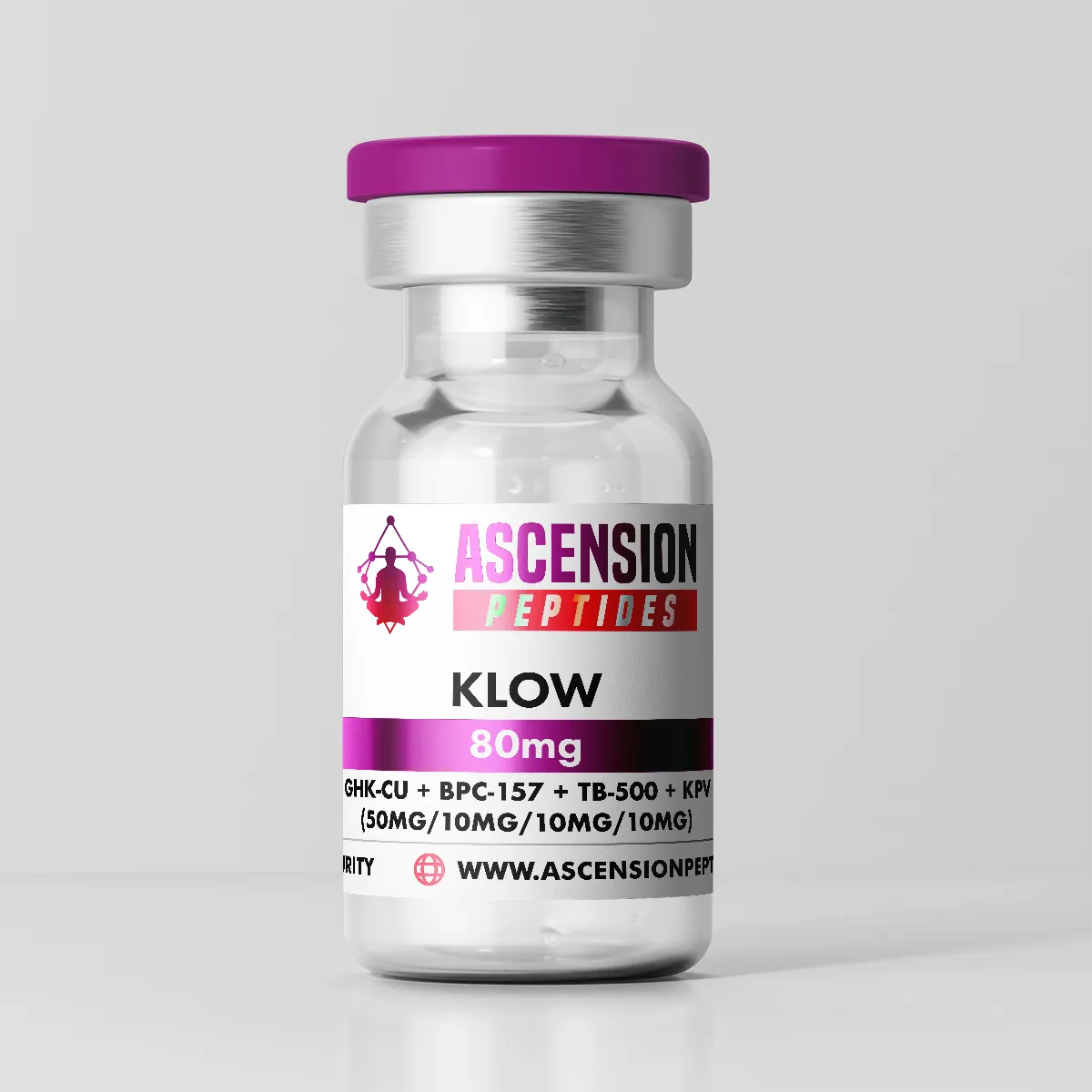
This is the other major reason injectable GHK-Cu gets so much attention. People dealing with slow-healing skin, post-procedure recovery, stubborn irritation — sometimes combining GHK-Cu with healing stacks like the Klow blend featuring BPC-157, or just a general feeling that their body does not bounce back like it used to often end up here. And the research is not subtle about why.
GHK-Cu has strong wound-healing properties backed by multiple studies. When applied topically, it improved wound contraction, formation of new tissue, and stimulated new blood vessel growth. A separate study using a GHK-Cu-embedded collagen dressing showed accelerated healing in both healthy and diabetic wound models.
For injectable applications, a 1993 study using implanted wound chambers compared GHK-Cu treatment against saline controls. The GHK-Cu group showed significantly greater total protein and collagen synthesis — demonstrating that the peptide's effects on extracellular matrix accumulation extend to systemic injection, not just topical application.
That point matters. A lot of the enthusiasm around subcutaneous use comes from the idea that healing support may not need to stay local. Users commonly describe this route as appealing when they want the benefits to feel more whole-body — less about putting something on one spot and more about supporting the repair environment everywhere.
One important caveat: wound serum from chronic wounds (such as diabetic ulcers) contains enzymes that break down GHK-Cu, which may limit topical efficacy on infected or chronic wounds. In these cases, injectable or nasal routes may offer better delivery.
3. Hair Growth Stimulation
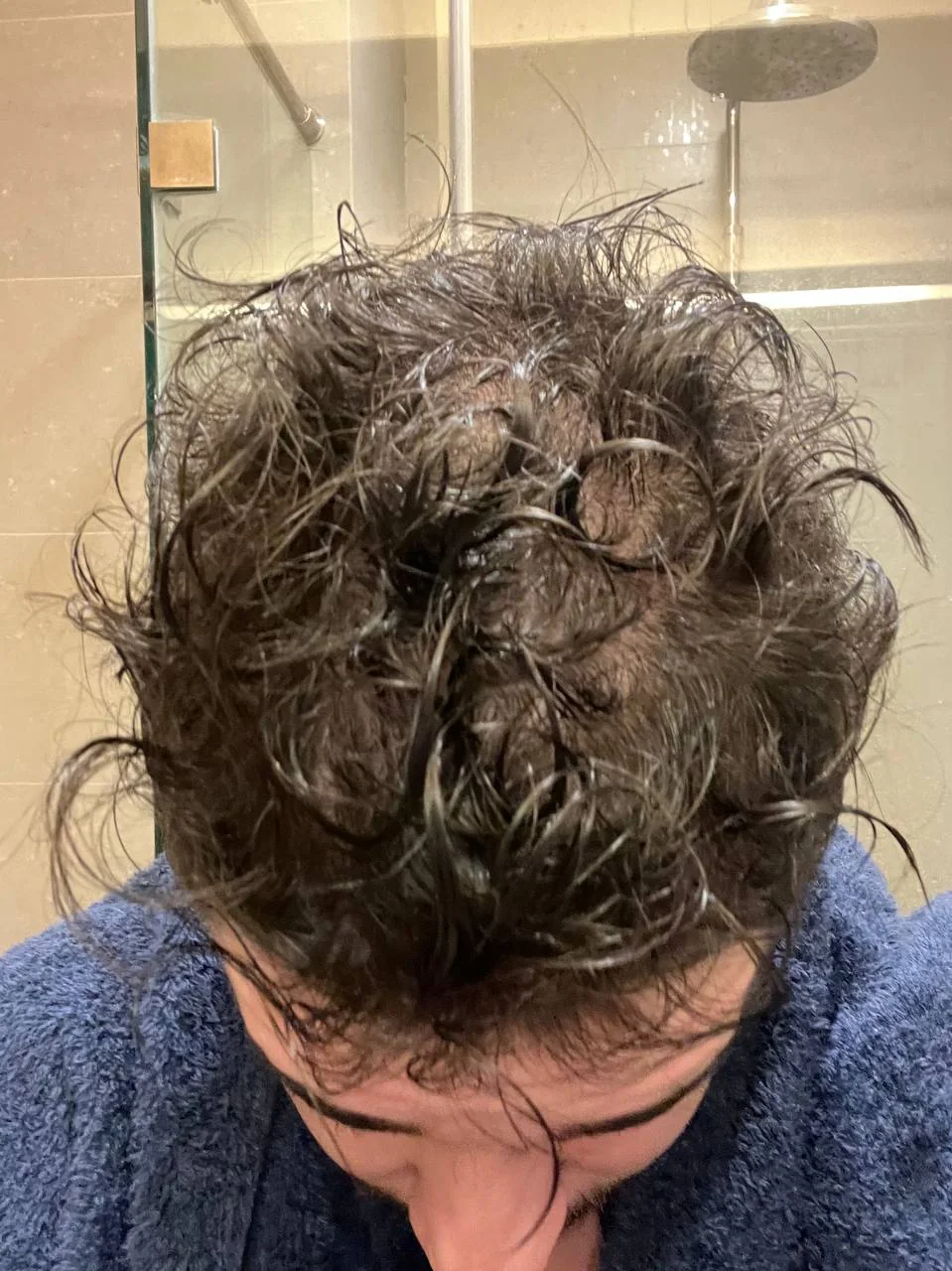
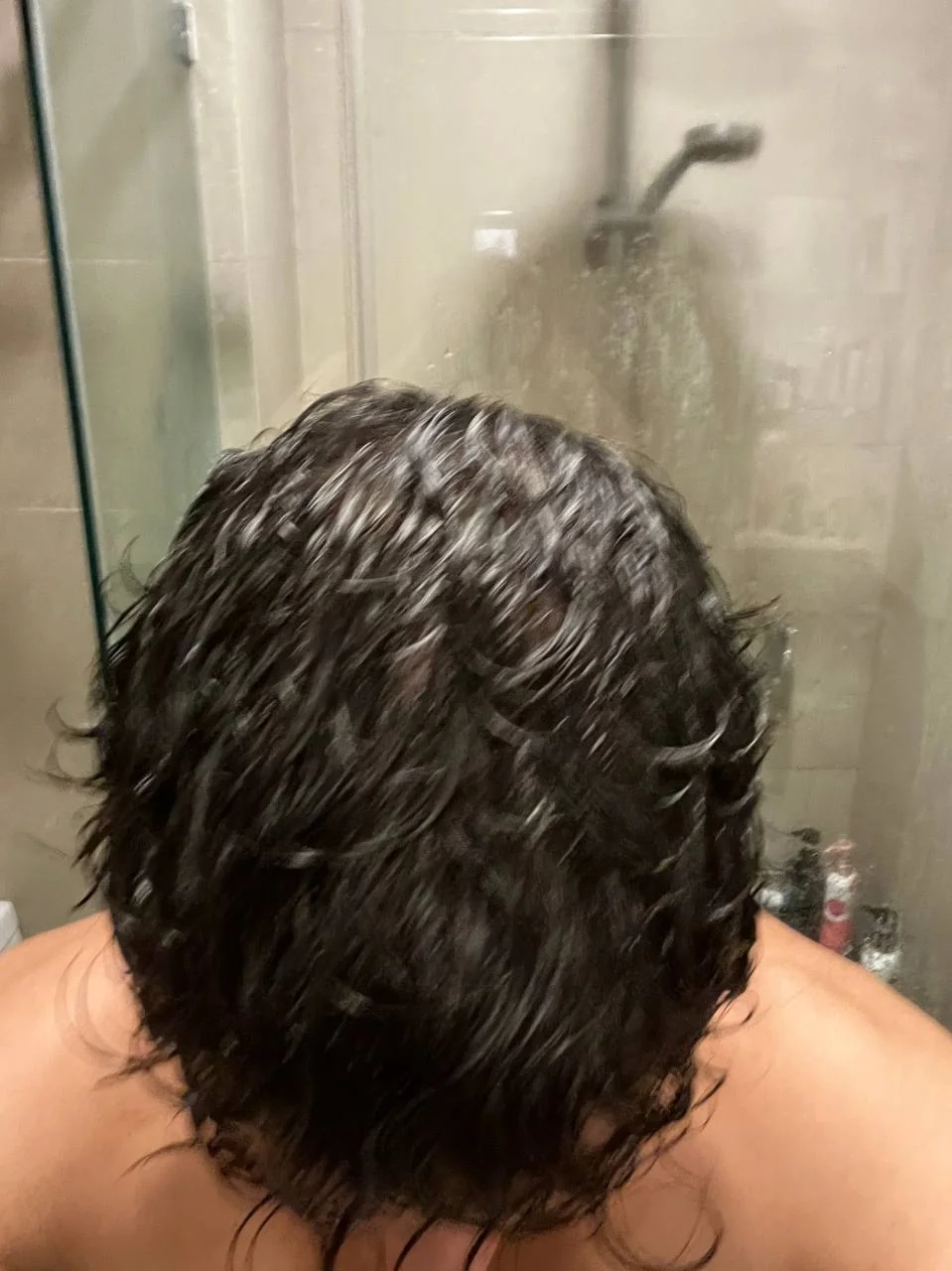
Hair is a huge part of the GHK-Cu conversation now, and not just because scalp serums are trendy. Researchers have identified several mechanisms that make this peptide relevant for thinning hair: support for dermal papilla cells, improved follicle environment, and inhibition of signals that push hairs out of the growth phase too soon.
A 2023 review in the International Journal of Molecular Sciences identified three primary mechanisms through which GHK-Cu promotes hair growth:
- Fibroblast activation: Stimulates fibroblasts in the dermal papilla to support follicle development and nutrient delivery.
- TGF-β inhibition: Inhibits transforming growth factor beta (TGF-β), a key signal that causes hair follicles to prematurely enter the regression (catagen) phase.
- Dermal papilla support: Supports the health and activity of dermal papilla cells — the root drivers of hair cycle regulation and new follicle formation.
In controlled studies, GHK-Cu has been shown to increase follicle size, extend the anagen (growth) phase, and improve overall hair density. These findings position GHK-Cu as a mechanistically distinct alternative to minoxidil, acting upstream on follicle biology rather than simply increasing scalp blood flow.
4. Cognitive & Neuroprotective Effects
This is an emerging — but genuinely interesting — area of GHK-Cu research. Several studies suggest significant neuroactive properties:
- Anxiolytic effects: In a 2015 study, GHK-Cu injections led to more exploratory behavior and fewer freeze responses — indicating reduced anxiety.
- Anti-aggression: A 2017 study found that GHK reduced aggression at doses as low as 0.5 mcg/kg.
- Nerve regeneration: GHK-Cu has been shown to increase the expression of integrins and growth factors associated with nerve repair, as well as Schwann cell proliferation — key players in peripheral nerve myelination.
- COPD & lung repair: Lab studies demonstrated that treating lung fibroblasts from COPD patients with GHK-Cu restored their normal function and may reverse gene expression patterns associated with emphysema — suggesting broader tissue-regenerative potential beyond the skin.
While human clinical data on GHK-Cu's cognitive effects is still sparse, the current evidence and the compound's known influence on gene expression networks involved in neuronal survival are noteworthy.
5. Anti-Inflammatory & Antioxidant Properties
GHK-Cu acts as an antioxidant by chelating free copper ions — preventing them from catalyzing harmful Fenton reactions that generate hydroxyl radicals. It also upregulates antioxidant enzymes including superoxide dismutase (SOD) and catalase. These properties make it particularly relevant in contexts where oxidative stress drives tissue damage: photoaging, COPD, post-injury inflammation, and metabolic disease.
GHK-Cu Dosage: How Much to Use
Dosing for GHK-Cu varies significantly depending on the delivery route. There is no universally approved clinical dosage — the following reflects observed research protocols and common practice in peptide therapy.
Topical Dosage
Topical GHK-Cu is the most accessible and extensively studied form:
- Face & neck: 2–4% concentration, applied once or twice daily. Research trials typically used cream-based formulations at this concentration range applied for 8–12 weeks before significant results were measured.
- Eye area: 2% concentration is standard for the periorbital area due to thinner, more sensitive skin.
- Scalp/hair growth: 2–4% concentration applied directly to the scalp, massaged in and left on. Can be combined with microneedling (dermarolling) to enhance penetration depth and follicle reach.
For topical peptide serums, roughly 2 mg/day of GHK-Cu is delivered in a 1–2 mL serum application at 0.1–0.2% concentration. Higher-concentration compounded preparations can deliver 10–20 mg per application.
Injectable Dosage
Injectable GHK-Cu is typically used for systemic effects or when topical delivery is insufficient:
- Standard range: 1–2 mg per injection, subcutaneous (SubQ) administration
- Common protocol: Daily or every-other-day injections, typically in 4–8 week cycles
- Concentration: Usually supplied as 10 mg/mL solution; draw 0.1–0.2 mL per dose
Published research used doses as low as 0.5 mcg/kg for behavioral effects — in a 70 kg human, that's approximately 35 mcg. However, standard clinical practice in peptide therapy uses milligram-range dosing (1–2 mg) to achieve meaningful systemic concentrations.
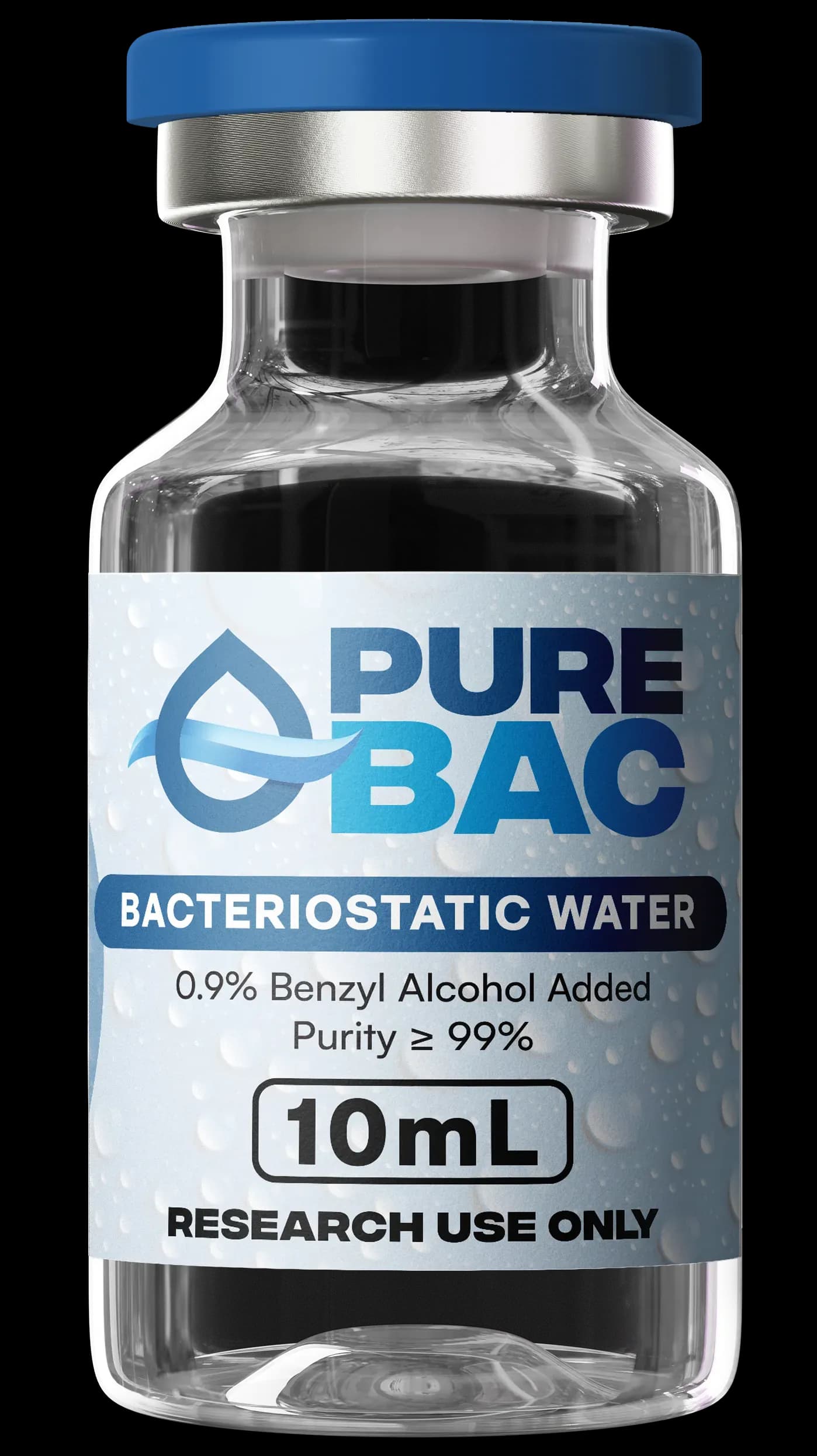
If you're working with a lyophilized (freeze-dried) powder, proper reconstitution is critical. Use our reconstitution calculator to determine the exact volume of bacteriostatic water needed for your target concentration.
Nasal Spray Dosage
Nasal administration of GHK-Cu is a newer delivery route that offers a middle ground between topical and injectable — faster systemic absorption than topical, without the need for needles. Typical nasal spray dosing:
- Concentration: 0.1–0.5% solution
- Dose per actuation: 100 mcg–500 mcg depending on formulation
- Frequency: 1–2 actuations per nostril, 1–2 times daily
Nasal administration may offer particular advantages for the cognitive and neuroprotective applications of GHK-Cu, as the nasal-olfactory pathway provides a direct route to the central nervous system.
Administration Routes: Topical vs Injectable vs Nasal
Choosing the right delivery method depends on your goals. Here's a comparison of the three primary routes:
For purely cosmetic goals (anti-aging, skin texture, hair density), topical application is the first-line choice and is backed by the most human clinical data. For systemic benefits — tissue repair after injury, neuroprotection, or anti-inflammatory effects — injectable GHK-Cu delivers superior bioavailability and more predictable plasma concentrations.
Combining routes is also practiced: for example, topical GHK-Cu applied to the face while simultaneously using injectable GHK-Cu for systemic benefits. There is no known interaction risk with this approach, though it increases total copper intake and should be monitored accordingly.
GHK-Cu Half-Life & Pharmacokinetics
Understanding how GHK-Cu behaves in the body is essential for optimizing dosing frequency. For a deeper dive into peptide pharmacokinetics principles, see our guide on understanding pharmacokinetics.
Key pharmacokinetic data for GHK-Cu:
- Plasma half-life: Approximately 0.5–1 hour after intravenous administration. SubQ injection produces a slower absorption curve with a functional activity window of several hours.
- Stability: GHK-Cu is enzymatically degraded by serum proteases relatively quickly, which is why topical formulations often include penetration enhancers (like DMSO or liposomes) to improve dermal delivery before breakdown occurs.
- Distribution: After injection, GHK-Cu distributes rapidly to well-perfused tissues including skin, liver, kidneys, and brain.
- Active at nanomolar concentrations: Unlike many peptides that require high systemic concentrations, GHK-Cu has been shown to exert meaningful biological effects at nanomolar (10⁻⁹ M) concentrations — making it effective even at low doses.
The short plasma half-life of GHK-Cu is one reason why twice-daily dosing schedules are sometimes used in injectable protocols, though the peptide's downstream gene expression effects appear to persist well beyond its plasma clearance. In practical terms: once-daily SubQ injection of 1–2 mg is the most common protocol, prioritizing consistency over peak concentration.
GHK-Cu vs Other Skin Peptides: How Does It Compare?
GHK-Cu benefits extend well beyond what most peptides offer. It is not the only peptide with skin-regenerating properties, but it competes favorably against the field. Here's how it compares to other commonly used compounds:
GHK-Cu's key differentiator is the depth of its gene expression modulation — it doesn't just stimulate one target (like collagen) but appears to reset aging gene expression patterns across thousands of genes. For someone specifically targeting skin quality and hair density, GHK-Cu has the strongest body of human clinical evidence among comparable peptides.
For musculoskeletal repair or gut health, compounds like BPC-157 or TB-500 may be more targeted. Many practitioners combine GHK-Cu with one of these for anti-aging and repair protocols.
Research Studies: The Science Behind GHK-Cu
GHK-Cu is unusual among peptide compounds in having an exceptionally strong body of peer-reviewed research. Key studies to be aware of:
- Pickart et al. (2015) — Organogenesis: Identified GHK-Cu's influence on 4,000+ human genes, demonstrating its ability to reset aging gene expression patterns.
- Pickart & Margolina (2018) — Biomolecules: Review documenting GHK-Cu's regenerative and protective actions across skin, wound healing, lungs, and nervous system.
- Gorouhi & Maibach (2009) — Skin Pharmacology and Physiology: Reviewed topical peptides including GHK-Cu for skin aging; confirmed clinical evidence for wrinkle reduction and skin thickening.
- Ahmed et al. (2022) — International Journal of Molecular Sciences: Detailed GHK peptide's potential as an anti-aging compound with evidence across skin, cognition, and systemic inflammation.
- Leyden et al. (multiple trials): Human clinical trials on copper tripeptide topicals showing measurable improvements in skin elasticity, thickness, and photoaging markers after 8–12 weeks.
The PMC (PubMed Central) database contains over 100 indexed papers on GHK-Cu — a level of research depth that few peptides in this space can match.
Side Effects & Safety Considerations
GHK-Cu has a well-established safety profile accumulated over decades of cosmetic use:
- Topical: Generally well-tolerated. The most common reactions are mild redness, itching, or irritation at the site of application, particularly at higher concentrations (>4%) or in sensitive individuals. The blue color of GHK-Cu solutions can temporarily tint skin.
- Injectable: Injection site redness, swelling, or discomfort are the most frequently reported effects. No serious adverse events have been documented in research literature.
- Copper toxicity: A theoretical concern given the copper content. The concentrations used in GHK-Cu applications are well below toxic thresholds, but individuals with Wilson's disease (a copper metabolism disorder) should avoid GHK-Cu without physician supervision.
- Angiogenesis concern: Because GHK-Cu promotes blood vessel formation, there is a theoretical concern that it could support tumor vascularization in individuals with active cancer. Anyone with a personal or family history of cancer should consult their oncologist before using GHK-Cu.
- Pregnancy & breastfeeding: Insufficient safety data exists; avoid during pregnancy and lactation unless under direct medical supervision.
Where to Get GHK-Cu
GHK-Cu is available through several channels depending on your intended use:
- OTC topicals: Many cosmetic serums and creams contain Copper Tripeptide-1 (the INCI name for GHK-Cu). Look for products that list the concentration and have third-party testing.
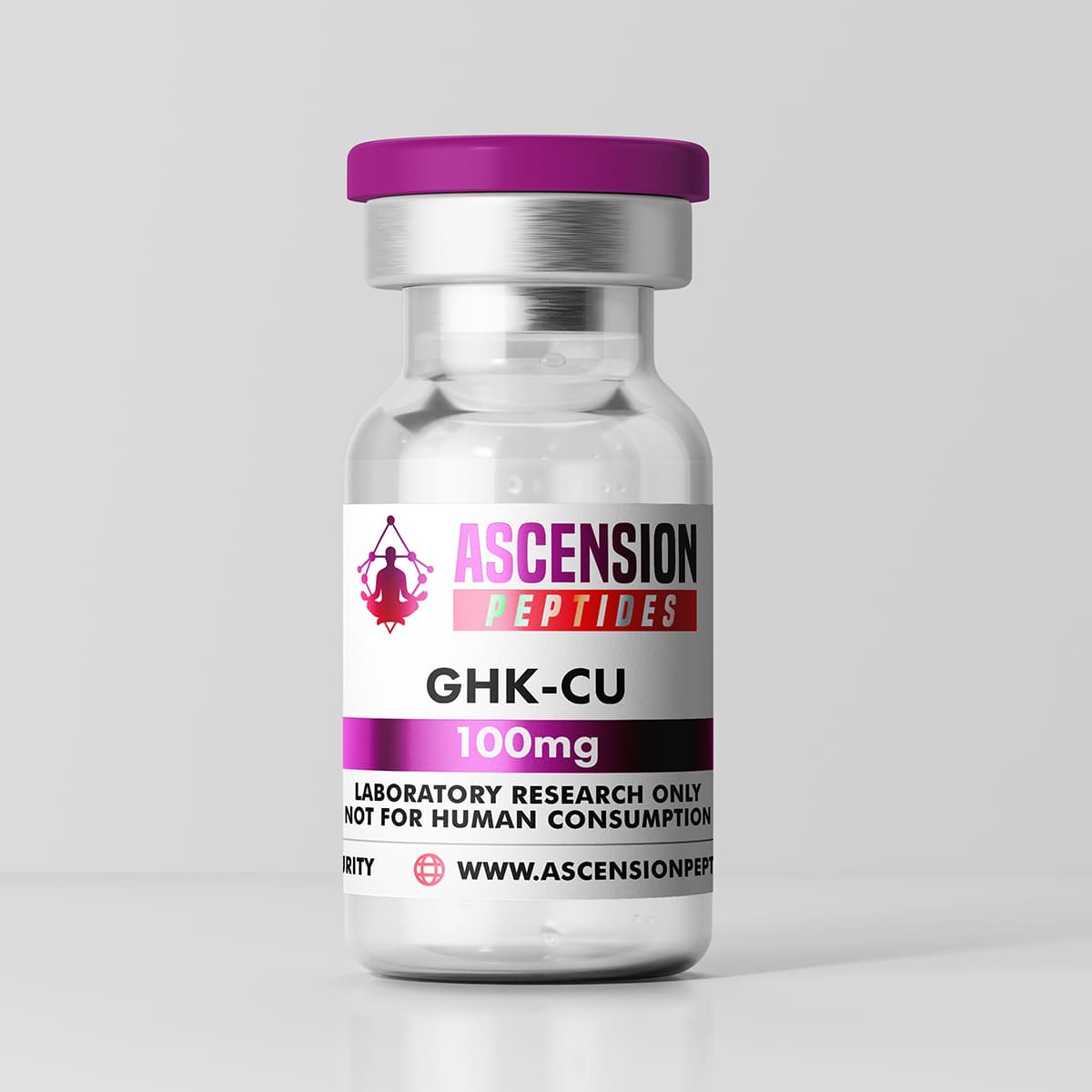
- Research peptide suppliers: Injectable GHK-Cu is available as a lyophilized powder from research peptide companies. For injection use, look for ≥99% purity with a Certificate of Analysis (COA) from an independent lab. Ascension Peptides is one vendor commonly cited for quality-tested research peptides.
- Compounding pharmacies / telehealth: In the US, prescription-grade GHK-Cu injectable can be obtained through peptide-prescribing telehealth providers who work with licensed compounding pharmacies.
Choose the route
Decide on your primary goal: cosmetic/topical vs systemic/injectable.
Verify quality
Source GHK-Cu from a supplier with verified COA and ≥98% purity.
Reconstitute correctly
If using injectable form, use the reconstitution calculator to mix your vial correctly.
Start lower
Start with lower doses (1 mg injectable; 2% topical) and titrate based on response.
Track changes
Run a 6–12 week cycle and photograph progress every 2 weeks for objective tracking.
Reassess
Cycle off for 4 weeks before repeating and reassess goals before the next cycle.
GHK-Cu Dosage by Goal
Understanding GHK-Cu benefits starts with matching the right dose to the right goal. GHK-cu dosage isn't one-size-fits-all — the optimal protocol shifts considerably depending on whether you're targeting skin, hair, wound healing, or systemic anti-aging.
One of the most common questions researchers ask is: what is the right GHK-Cu dosage for my specific goal? The answer depends heavily on what you're trying to achieve. Anti-aging skin support, wound healing, hair restoration, and systemic anti-aging each call for different dosing strategies. The table below summarizes the most commonly used GHK-Cu dosage protocols across these goals.
For most first-time users, a GHK-Cu dosage of 1 mg/day subcutaneously is a reasonable starting point for anti-aging or skin-focused goals. Those targeting wound healing or broader systemic tissue repair may work up toward 2–5 mg/day under research supervision. Hair-focused protocols typically stay topical, which avoids the systemic copper load of higher injectable dosing.
GHK-Cu Dosage for Women
Women represent a large portion of GHK-Cu researchers — particularly those focused on skin anti-aging and hair loss. Importantly, women appear to respond well at lower injectable doses, and the most common approach combines topical and injectable use simultaneously for maximum cosmetic effect.
Research on GHK-Cu for skin in women (including both clinical trials measuring skin density and dermatological studies on photoaging) consistently show meaningful results at the 1–2 mg/day injectable dose range — or equivalent topical coverage. Higher doses have not demonstrated proportionally greater benefits in female cohorts for cosmetic goals, making the lower range the standard starting point.
Typical Protocols for Women
- Injectable anti-aging: 1 mg/day subcutaneous, 5 days on / 2 days off, 8–12 week cycle
- Topical alongside injectable: Apply 2–4% GHK-Cu serum to face, neck, and décolletage in the morning; injectable dose in the evening
- Hair loss focus: Topical GHK-Cu serum applied to scalp daily, optionally supplemented with 1 mg/day SubQ for systemic follicle support
- Post-menopause skin support: 1.5–2 mg/day injectable is commonly used in this context, where estrogen-driven collagen decline accelerates skin thinning
Women with a history of copper sensitivity or who take high-dose zinc supplements (which compete with copper absorption) should track copper status if using injectable GHK-Cu for extended periods. At standard doses (1–2 mg/day), copper loading from GHK-Cu is minimal and unlikely to be clinically significant.
How to Reconstitute GHK-Cu: Step-by-Step Guide
If you're using injectable GHK-Cu, it typically arrives as a lyophilized (freeze-dried) white powder in a sealed vial. Before injecting, the powder must be reconstituted with bacteriostatic water (BAC water). This process must be done correctly to ensure sterility, accurate dosing, and peptide stability.
What You Need
- GHK-Cu lyophilized powder vial (commonly 5 mg, 10 mg, or 100 mg)
- Bacteriostatic water (BAC water) — not sterile water or saline
- Sterile insulin syringe (1 mL, 29–31 gauge)
- Alcohol swabs
- Sharps container for disposal
Reconstitution Steps
Wipe both vials
Use an alcohol swab to clean the rubber stopper on both the GHK-Cu vial and the BAC water vial. Let them air-dry for 30 seconds.
Draw BAC water
Insert the syringe into the BAC water vial and draw the required volume. For a 100 mg vial, adding 2 mL of BAC water gives a 50 mg/mL concentration. For a 10 mg vial, adding 2 mL gives 5 mg/mL.
Inject slowly into the peptide vial
Insert the syringe into the GHK-Cu vial and slowly push the BAC water down the side of the vial — do not aim the stream directly at the powder. This prevents denaturation from forceful impact.
Gently swirl
Gently swirl (do not shake) the vial until the powder is fully dissolved. GHK-Cu typically dissolves quickly and may have a faint blue tint from the copper.
Label and store
Label the vial with the date reconstituted and concentration. Store in the refrigerator (2–8°C / 36–46°F). Reconstituted GHK-Cu is typically stable for 4–6 weeks when refrigerated. Do not freeze reconstituted peptide.
Concentration Quick Reference (100 mg Vial)
GHK-Cu Injection Protocol
For researchers using subcutaneous GHK-Cu injection, following a consistent and sterile protocol is essential for both safety and optimal results. Subcutaneous (SubQ) injection delivers GHK-Cu into the fat layer just beneath the skin, from where it absorbs steadily into systemic circulation.
Injection Technique
- Needle: 29–31 gauge, 0.5-inch (12.7 mm) insulin syringe. Short, fine needles minimize discomfort and are standard for SubQ peptide injections.
- Angle: 45° to the skin surface (or 90° if pinching a larger fat fold). The goal is to deposit the peptide into subcutaneous fat, not muscle.
- Depth: 0.3–0.5 cm into the pinched fat layer.
- Injection sites: Rotate between sites to prevent lipodystrophy (fat pad changes). Preferred sites: lower abdomen (2 inches either side of the navel), outer thigh, love-handle area.
- Timing: Most GHK-Cu researchers inject in the evening, as the body's natural repair processes are more active during sleep. However, morning injection is equally acceptable — consistency matters more than timing.
Pre-Injection Checklist
- Wash hands thoroughly with soap and water
- Wipe the vial stopper and injection site with an alcohol swab; let dry
- Draw the calculated dose into a fresh, sterile syringe
- Remove air bubbles by flicking the syringe and gently pushing out
- Pinch a fold of skin at the injection site
- Insert needle at 45° and inject slowly over 5–10 seconds
- Withdraw needle, apply gentle pressure with swab (do not rub)
- Dispose of syringe in sharps container — never reuse needles
GHK-Cu Injectable vs Topical: Which Is Better?
One of the most common debates in the GHK-Cu community: should you use injectable or topical? The honest answer is that it depends entirely on your goals. Neither is objectively "better" — they serve different purposes with different delivery profiles.
Many researchers use both simultaneously — topical for localized cosmetic benefit and injectable for broader systemic support. This combined approach is the most common protocol reported among experienced GHK-Cu users and makes intuitive sense given the complementary delivery profiles.
💡 Quick Decision Guide
- Just want better skin texture and less wrinkles? → Topical is sufficient and has the most clinical evidence.
- Want anti-aging effects beyond skin (healing, energy, systemic repair)? → Injectable is worth exploring.
- Want maximum cosmetic results? → Combine topical on the face with SubQ GHK-Cu injection for full-spectrum support.
- Dealing with a specific wound or injury? → Injectable or topical directly to the area (depending on wound type).
GHK-Cu Dosage Frequency: Daily vs Every Other Day
How often should you inject GHK-Cu? This is one of the more nuanced aspects of GHK-Cu dosage planning, and the answer depends on your dose, goals, and how your body responds.
Daily Dosing
Daily GHK-Cu injection (typically 1–2 mg/day) is the most common protocol. Given the peptide's short plasma half-life (~0.5–1 hour), daily dosing maintains more consistent exposure to the peptide's gene-expression-modulating effects. For skin anti-aging, tissue repair, and hair support goals, daily dosing is generally preferred for the first 4–6 weeks of a cycle.
Every Other Day (EOD) Dosing
Every other day dosing at slightly higher per-session amounts (e.g., 2–3 mg EOD instead of 1 mg daily) is also used, particularly to reduce injection frequency or manage cost. EOD dosing appears sufficient for anti-aging goals where the downstream gene expression changes outlast the peptide's plasma clearance — GHK-Cu's impact on collagen and elastin gene expression persists for days after a single dose, meaning you don't necessarily need daily systemic presence.
Why Cycling Matters
Running GHK-Cu indefinitely without breaks is not standard practice. Most researchers cycle 8–12 weeks on followed by 4 weeks off. The reasons:
- Receptor sensitivity: While GHK-Cu doesn't appear to cause receptor downregulation the way some peptides do, cycling is a general precaution to maintain responsiveness and avoid adaptations that might blunt benefits.
- Copper balance: Extended daily injectable use accumulates copper over time. A cycling protocol naturally limits total copper loading and gives the body time to re-equilibrate.
- Assessment periods: Off-cycles allow you to measure what changed. Skin photos, hair density, recovery quality — these are easier to evaluate when you step back from active use and observe what persists.
- Practical sustainability: Research peptide use is expensive. Cycling makes longer-term research more financially viable without sacrificing meaningful outcomes.
GHK-Cu for Hair Loss: Dosing and Protocols
GHK-Cu for hair is one of the fastest-growing areas of interest in this peptide's research community — and for good reason. The mechanisms are genuinely compelling for androgenic alopecia (male and female pattern baldness), diffuse thinning, and post-shedding recovery.
Why GHK-Cu Is Relevant for Hair Loss
Unlike minoxidil, which primarily works by increasing scalp blood flow, GHK-Cu for hair loss acts deeper in the follicle biology:
- TGF-β inhibition: TGF-β (transforming growth factor-beta) is a major signal that pushes hair follicles into the catagen (regression) phase prematurely. GHK-Cu inhibits this signal, helping hair stay in the growth phase longer.
- Dermal papilla support: The dermal papilla cells at the base of each follicle are the growth regulators of hair. GHK-Cu stimulates fibroblast activity in these cells, supporting their ability to drive follicle development.
- Stem cell activation: GHK-Cu has been shown to activate stem cells in the hair follicle bulge region — the reservoir of follicle regeneration — which is particularly relevant in cases where follicles have miniaturized but not fully died.
- Scalp inflammation reduction: Scalp inflammation is increasingly recognized as a driver of hair loss. GHK-Cu's anti-inflammatory properties may help create a healthier scalp environment for follicle activity.
GHK-Cu Dosage for Hair: Topical Protocol
The most common GHK-Cu for hair protocol uses a topical serum applied directly to thinning areas of the scalp:
- Concentration: 2–5% GHK-Cu in a carrier serum (often with propylene glycol or liposomal delivery for penetration)
- Amount per application: 1–2 mL applied to affected scalp areas, massaged in for 60 seconds
- Frequency: Once or twice daily; leave-on (do not rinse)
- Microneedling enhancement: Many hair loss researchers combine topical GHK-Cu with dermaroller (0.5–1.0 mm) to increase penetration depth to the dermal papilla level. Apply GHK-Cu serum immediately after dermarolling — the micro-channels created allow deeper delivery.
GHK-Cu Dosage for Hair: Injectable SubQ Protocol
For more aggressive hair loss cases — particularly diffuse thinning or post-menopausal hair loss — some researchers supplement topical use with subcutaneous GHK-Cu injection. The idea is that systemic delivery supports follicle biology from the inside rather than relying entirely on surface penetration.
- Dose: 1–2 mg/day SubQ (standard dosing, not scalp-specific injections)
- Scalp injection variant: Some advanced protocols involve injecting very small amounts (0.1–0.2 mg per site) directly into the scalp near hair follicle clusters, similar to mesotherapy. This approach requires precise dilution and technique, and is typically only performed by experienced practitioners.
- Combination approach: 1 mg/day SubQ + daily topical scalp serum is the most reported "best of both worlds" protocol in hair loss research communities.
- 4–6 weeks: Reduced shedding, scalp feels less inflamed
- 8–12 weeks: Early vellus hair emergence in affected areas
- 3–6 months: Meaningful density improvement if follicles were still viable
GHK-Cu for hair is often stacked with other hair-supportive peptides like PTD-DBM (Wnt pathway activator) or combined with topical minoxidil. GHK-Cu's TGF-β inhibition and minoxidil's blood flow increase are complementary mechanisms, and users report additive effects when combining them.
Frequently Asked Questions About GHK-Cu Peptide
📚 References
- Pickart L et al. "GHK peptide as a natural modulator of multiple cellular pathways in skin regeneration." Biomed Res Int. 2015;2015:648108. PubMed
- Pickart L & Margolina A. "Regenerative and protective actions of the GHK-Cu peptide in the light of the new gene data." Int J Mol Sci. 2018;19(7):1987. PubMed
- Hussain M et al. "The effects of copper tripeptide and tretinoin on photodamaged skin." Cosmet Dermatol. 2002;15(6):13-19. PubMed
- Leyden J et al. "Skin care benefits of copper peptide containing facial cream." Cosmet Dermatol. 2002. PubMed
- Pickart L. "The human tri-peptide GHK and tissue remodeling." J Biomater Sci Polym Ed. 2008;19(8):969-988. PubMed
- Kang YA et al. "Copper-GHK increases integrin expression and p63 positivity by keratinocytes." Arch Dermatol Res. 2009;301(4):301-306. PubMed
- Park JR et al. "GHK-Cu peptide promotes human hair growth in vitro." Int J Mol Sci. 2023;24(3):2209. PubMed