Semaglutide has more user reviews than any GLP-1 in history, 3,042 on Drugs.com alone, with an aggregate 6.9 out of 10 across diabetes, weight loss, and cardiovascular use. For weight loss specifically the rating climbs to 7.4. The reviews split into three loud camps: people losing 30 to 128 pounds and calling it life-changing, people who quit inside the first month because of nausea, and people who lost nothing at all. This is what real patients are reporting in 2026, what the clinical trials actually showed, and which providers get the strongest reviews on Trustpilot.
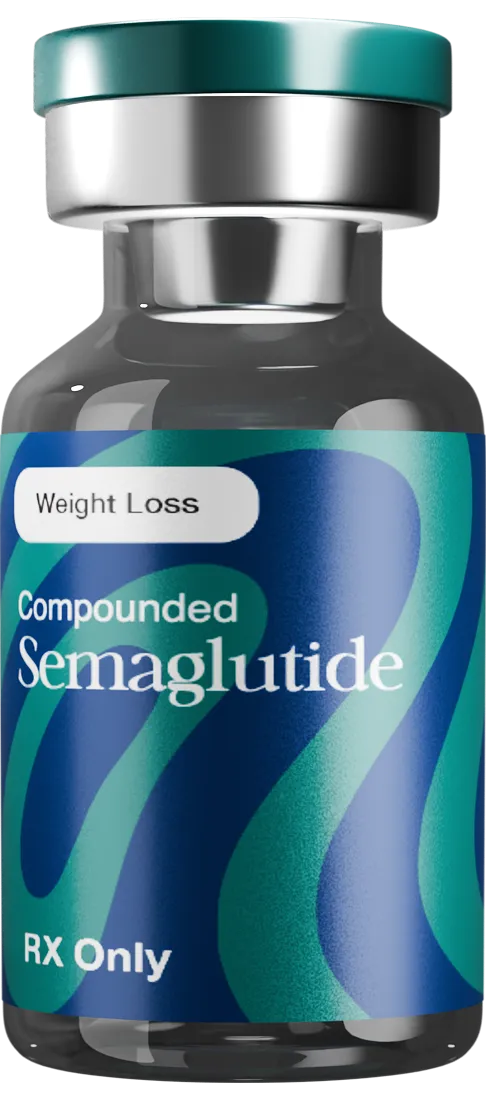
If you're trying to decide whether semaglutide is worth it, Embody offers compounded semaglutide at a flat $69 per month with no membership fee and free 1 to 2 day shipping, a fraction of the branded cash price. The full breakdown of who rates what, and why, sits below.
🔑 Key Takeaways
- The aggregate rating is solid but not stellar. 6.9 out of 10 on Drugs.com, 7.4 for weight loss specifically. 56 percent of users rate it positively, 20 percent negatively, the rest are mixed.
- The real-world results are bimodal. Most positive reviews report 30 to 80 pounds lost over six to twelve months. Most negative reviews report severe nausea, vomiting, or no weight loss at all.
- 52 percent of patients quit within 12 months per a 77,310-patient Danish national cohort. The ones who stop early lose only 8.4 percent of body weight before quitting, and most of it comes back.
- Compounded providers rate higher than branded telehealth. SkinnyRx (4.5/5 Trustpilot, 5,314 reviews) and MEDVi (4.4/5, 11,400+ reviews) both beat Henry Meds and Hims on patient satisfaction scores.
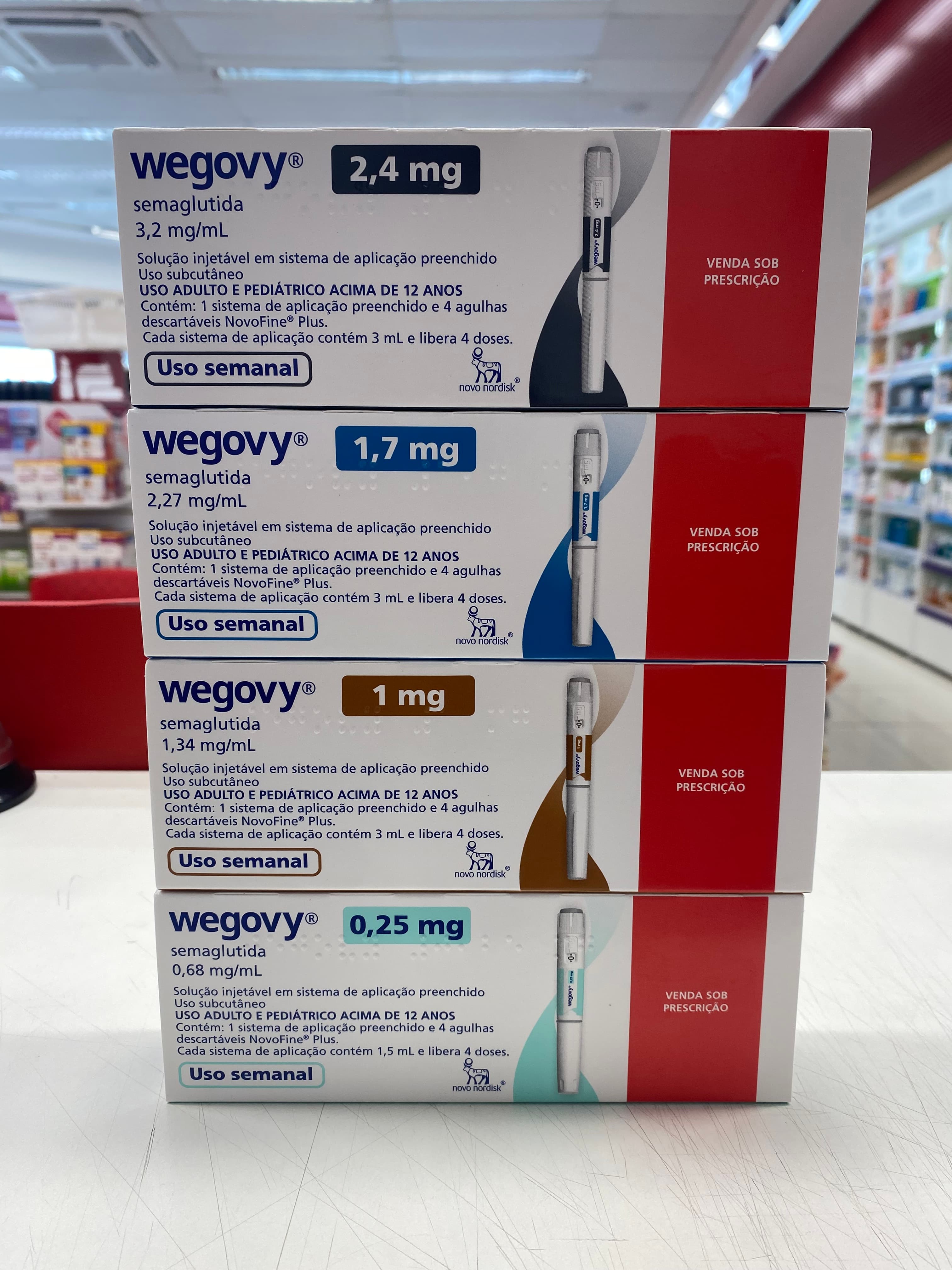
- The 2026 cost picture changed. NovoCare cut Wegovy cash price to $349 per month (or $199 for first-time low-dose patients). Compounded providers still undercut that, but only with documented medical necessity since the FDA shortage ended in February 2026.
Telehealth Comparison Table
If you'd rather skip the branded retail price, these are the two telehealth providers our readers use most for compounded semaglutide.


What Real Patients Are Saying About Semaglutide in 2026
The simplest way to read the semaglutide review landscape is to look at it from three angles: the people who hit massive numbers, the people who got bad side effects, and the people the drug didn't work for at all. Each camp is loud, each is real, and the proportions roughly match the trial data.
On WebMD's Wegovy review board, the long-term success stories are striking. Jeff, posting April 2025, reported losing 128 pounds from May 2024 to February 2025 on Wegovy. His one-sentence verdict: "I lost 128 lbs. Wegovy is a great tool along with a healthy diet." That's the upper end. DLO, posting in January 2026 after a full year on the drug, wrote: "I have lost a total of 66 lbs. I've been able to maintain my weight especially around the holidays." Josh, also January 2026, hit 35 pounds in six months without ever climbing past the starting dose.
The Ozempic side of WebMD looks similar but skewed slightly toward diabetes outcomes. Dean, a man in his late 50s, posted in July 2025: "Down 17 lbs, ZERO side effects. I inject into my thigh." Shane in October 2025 noted his A1C dropped to 7.1 along with blood pressure and cholesterol improvements. CJS, a woman in her late 50s, lost 15 pounds in three weeks. Her closing line was disarming: "My body is back to normal. I have energy and no more body stiffness issues at all."
The negative reviews are equally specific. T A on Wegovy gave the drug 1 out of 5 in September 2025 and described the experience this way: "The side effects, vomiting, nausea, and stomach pains were so vicious and constant." She lost no weight. JB on Ozempic in April 2025 stopped after severe acid reflux and trouble swallowing. Alison, the most worrying review, reported fatigue, depression, and suicidal thoughts on Ozempic alongside only 5 pounds lost in four weeks.
The published research on these reviews matches the pattern. A 2026 JMIR mixed-methods analysis of 60 thematically-saturated Drugs.com reviews captured the bimodal split exactly: one reviewer wrote "I've been taking Ozempic for almost 1 year and I have lost 55 lbs," while another simply said "It has done absolutely NOTHING for me for weight loss."
Aggregate Ratings: What 4,000+ Reviews Add Up To
Pull every public review platform together and the average lands in the "useful but not magical" zone.
The pattern that emerges is simple: telehealth providers that handle the prescription and shipping themselves tend to outperform branded review pages on patient satisfaction, mostly because the pain points users report on WebMD (cost, prior authorization fights, pharmacy stockouts) are removed from the experience.
Real Weight Loss Numbers: Five Patient Stories
The success stories below are pulled verbatim from review platforms with attribution. Names match the public posting handles.
Jeff, Wegovy, May 2024 to February 2025
Lost 128 pounds in 9 months on branded Wegovy. Posted to WebMD April 2025 with a 5/5 rating. His framing: "Wegovy is a great tool along with a healthy diet." This is the upper end of what's possible with the drug, and it required dietary commitment beyond the medication alone.
DLO, Wegovy, January 2025 to January 2026
Lost 66 pounds in a year, including holding through the holidays. WebMD rating 5/5. The maintenance angle here is the relevant piece, the STEP 4 trial showed roughly 7 percent of body weight comes back within a year if you stop. Staying on the drug, as DLO did, is what kept the loss locked in.
Dustin Gee, Wegovy, February 2023 onward
Featured by Healthline in 2024. Started at 225 pounds and 5'8" with borderline pre-diabetes, hit goal weight at 175 pounds, then plateaued at month 9 and added the Mayo Clinic Diet to push through. His quoted concern matches what most long-term users worry about: "Once I go off the medication, the biggest fear is that I'll gain it back."
Josh, Wegovy, six months on starting dose
Lost 35 pounds in just over six months without ever escalating past the lowest maintenance dose. WebMD 4/5 rating, mild constipation only. The story matters because it pushes back against the "you have to titrate to 2.4 mg or it won't work" assumption.
Anonymous Drugs.com reviewer (JMIR 2026 published analysis)
"I've been taking Ozempic for almost 1 year and I have lost 55 lbs." Another reviewer in the same analysis added: "My appetite was reduced by 90 percent. I used to overeat, but now I can only manage two small meals a day."
The thread that runs through all five stories: weight loss is real but not effortless. Every one of these patients changed their food behavior, not just their medication.
Mixed and Negative Reviews: When Semaglutide Stalls
The most useful negative reviews come from people who took the drug correctly and got little out of it.
Winning on WebMD reported 20 pounds lost from mid-January to early April 2026, a respectable pace, but capped her review at 5/5 with the caveat that mild nausea and gas were constant. The Drugs.com JMIR sample captured a more frustrated version: "It has done absolutely NOTHING for me for weight loss." This is the camp the STEP 1 trial captures too, roughly 13.6 percent of participants on semaglutide failed to hit the 5 percent weight loss threshold by week 68.
The reviews that warn other patients off are mostly about side effects:
- T A on Wegovy: "The side effects: vomiting, nausea, and stomach pains were so vicious and constant." She quit inside 30 days.
- JB on Ozempic: Severe bloating and acid reflux progressed to swallowing problems. He stopped at month two.
- Alison on Ozempic: Fatigue, depression, suicidal ideation. The FDA reviewed similar reports in January 2024 and did not find a causal link, but the symptoms remain in the review record.
For context, the FDA's adverse-event database has logged 23,104 semaglutide reports in 2025 alone and 66,000+ total cases through March 2026, with 35,157 of those classified as serious. The October 2025 label update specifically called out serious pancreas and stomach problems. None of this means the drug is unsafe at scale, the STEP and SUSTAIN trials placed the discontinuation-for-AE rate at 4.3 percent, but the individual stories above are the people who landed inside that 4.3 percent.
Ozempic vs Wegovy vs Rybelsus: Which Formulation Gets the Best Reviews?

All three contain the same active molecule. The differences in their review profiles come from formulation, dosing, and the patient population each attracts.
The Rybelsus rating gap is the most consistent finding. The 30-minute empty stomach protocol after dosing is the single most-complained-about aspect of oral semaglutide. It also has lower bioavailability than injection (about 1 percent vs roughly 89 percent), which is why doses run much higher.
Compounded Semaglutide Reviews: SkinnyRx, MEDVi, Hims, Henry Meds
Compounded telehealth is where the strongest patient-satisfaction scores live. The Trustpilot ratings tell a clearer story than the branded WebMD pages because patients are reviewing the whole experience: the prescribing visit, the price, the shipping, and the medication itself.
FDA shortage update for 2026
The FDA declared the semaglutide shortage resolved in February 2026. Compounded semaglutide is now legal only with documented medical necessity, things like an allergy to a branded excipient or a dose form that isn't commercially available. Cost convenience alone no longer qualifies, and the agency proposed excluding semaglutide from the 503B Bulks List in April 2026. Embody and MEDVi continue to operate under the documented-need exception. Many smaller providers have closed.
Side Effects: What 60% of Users Actually Report
The STEP 1 through STEP 3 pooled data captures the GI burden cleanly. Across roughly 3,400 patients on semaglutide 2.4 mg:
- Nausea hit 43.9 percent of semaglutide patients vs 16.1 percent on placebo
- Diarrhea hit 29.7 percent
- Vomiting hit 24.5 percent
- Constipation hit 24.2 percent
- Discontinuation for GI ran 4.3 percent
- 99.5 percent of all adverse events were non-serious
The 2025 FAERS pharmacovigilance signals worth flagging in user reviews include acute pancreatitis, acute kidney injury, gallbladder injury, and NAION (a form of optic neuropathy). The 2023 suicidal-ideation signal that surfaced in some reviews has been investigated by the FDA without confirmation of a causal link, though it remains in the patient record.
For more on managing nausea, GI distress, and the rest, see the dedicated guide on semaglutide side effect management in 2026.
The Clinical Reality Check: STEP 1, STEP 4, SELECT, and the 52% Dropout
Trial data and real-world data tell two different stories. Both matter when reading reviews.
STEP 1 (68 weeks, 2.4 mg, n=1,961). Mean body weight change of negative 14.9 percent for semaglutide vs negative 2.4 percent for placebo. 86.4 percent of the semaglutide arm hit at least 5 percent weight loss, and 50.5 percent crossed 15 percent. This is the trial that built the drug's reputation.
STEP 4 (maintenance, JAMA 2021). After a 20-week semaglutide lead-in, patients were randomized to continue or switch to placebo for 48 more weeks. The continuation group kept losing, net negative 17.4 percent from baseline. The placebo group regained 6.9 percent of body weight. The conclusion is what the long-term reviews keep echoing: stopping equals regain.
SELECT (cardiovascular, n=17,604, 208 weeks). Semaglutide reduced major adverse cardiovascular events by 20 percent in non-diabetic adults with obesity. This was the trial that turned semaglutide into a heart drug, not just a weight drug.
Real-world retention. A Danish national cohort of 77,310 patients found 52 percent discontinued semaglutide for weight loss within 12 months. Drop-off curve: 18 percent at three months, 31 percent at six months, 42 percent at nine months, 52 percent at year one. The patients who stopped lost only 8.4 percent of body weight before quitting. By contrast, Prime Therapeutics reported one-year persistence climbing from 33 percent in 2021 to 63 percent in 2024 as patient education improved. The retention story keeps shifting upward as patients get better at managing the early titration.
For a full breakdown of what stopping does to your body, see what happens when you stop semaglutide.
What Semaglutide Actually Costs in 2026

The big shift in 2026 was NovoCare cutting the standard cash price to $349 per month for Wegovy. That closed most of the gap with compounded providers. The remaining gap goes to Embody and a handful of others who can still operate under the documented-medical-need exception.
For a deeper breakdown of branded versus compounded across providers, see the full compounded semaglutide 2026 guide and the standalone Embody review.