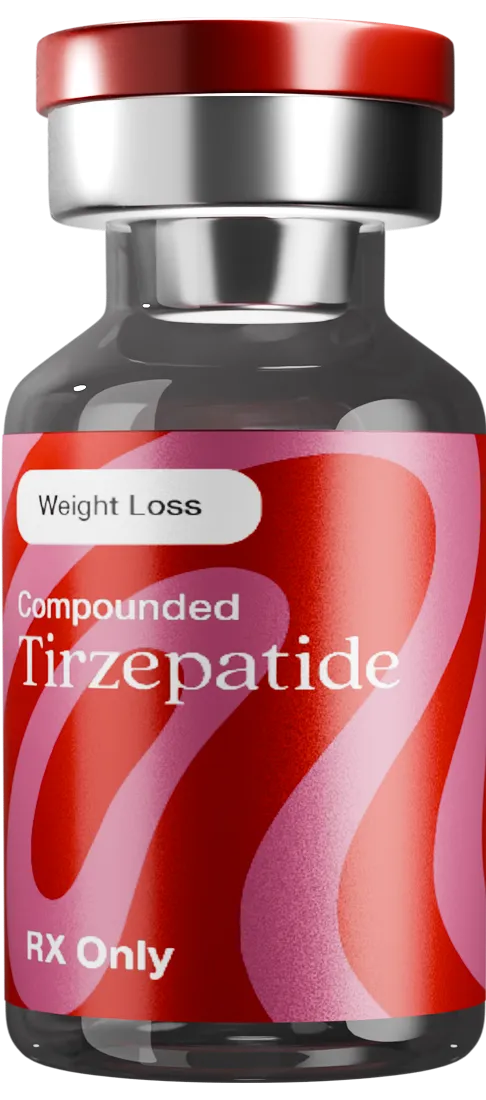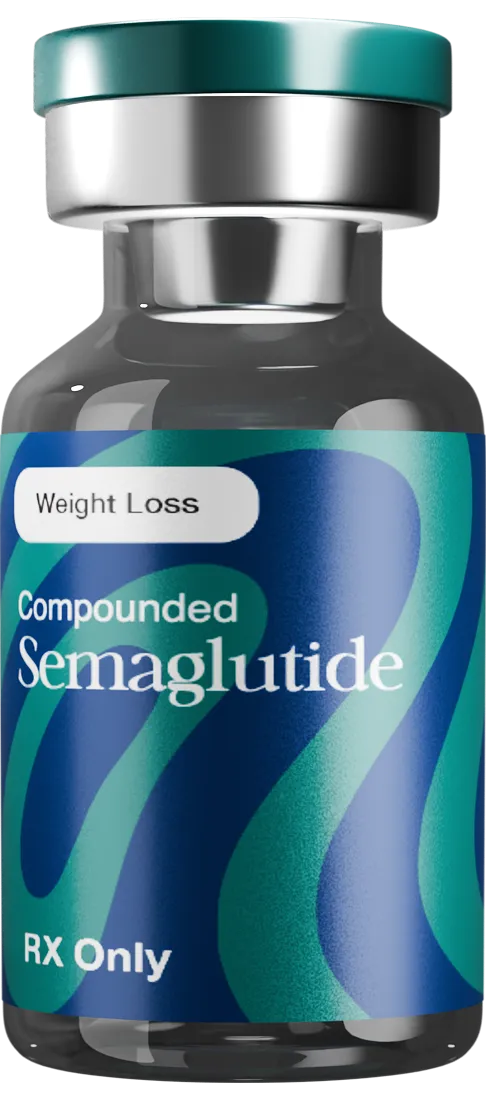
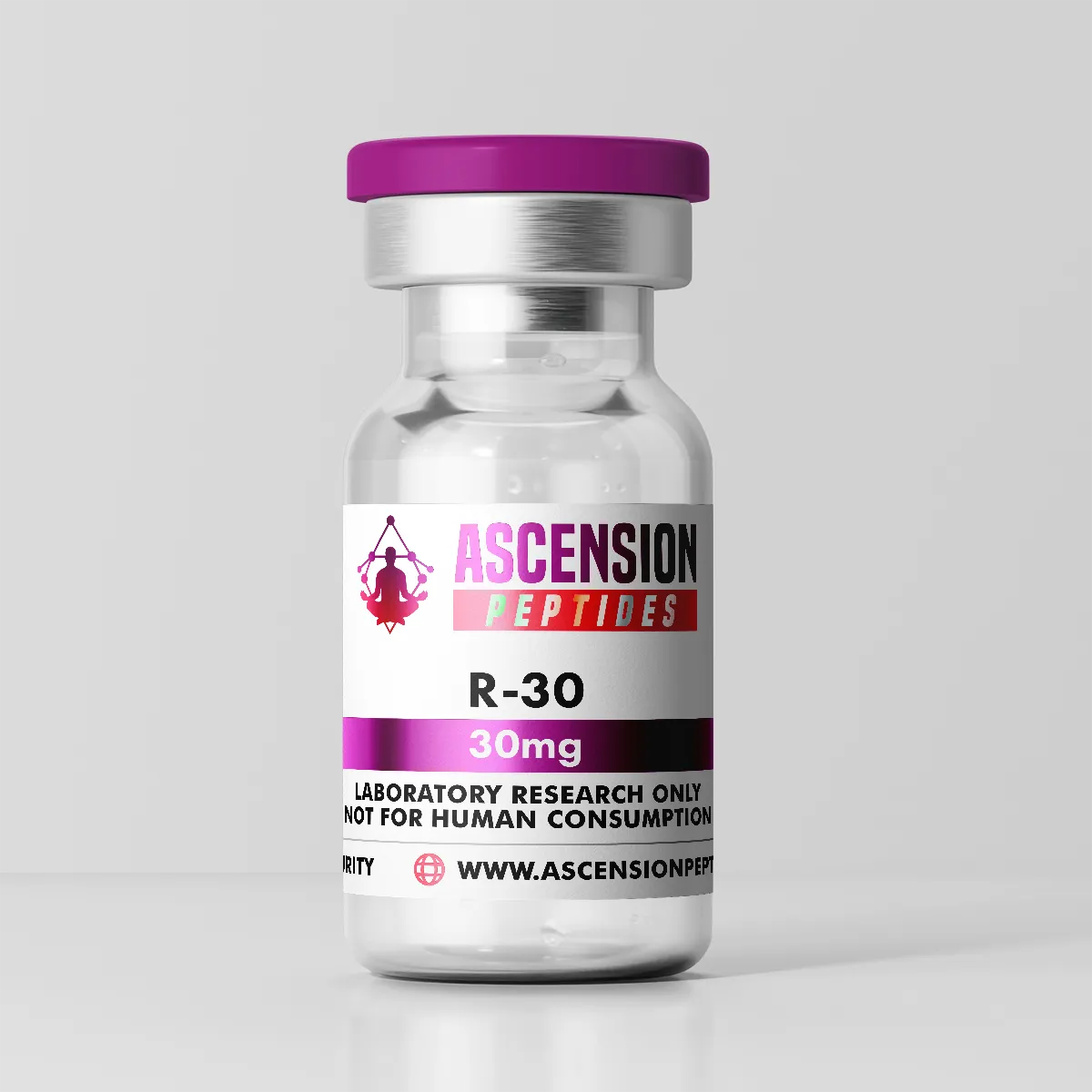
Compounded semaglutide is a custom-mixed version of the same active ingredient found in Ozempic and Wegovy, prepared by a licensed compounding pharmacy rather than by Novo Nordisk. In 2026 it is still legal to obtain, but only through a narrow 503A patient-specific pathway, because the FDA declared the national semaglutide shortage resolved on February 21, 2025 and is now moving to permanently bar large-scale 503B compounding of the drug.[1][3]
If you started on a compounded GLP-1 in 2023 or 2024, the route you used has likely closed. The drug has not been banned outright, but the wide-open access of the shortage years is gone, and the gap between a legitimate prescription and a gray-market copy now matters more than ever, both legally and for your safety.
🔑 Key Takeaways
- Compounded semaglutide is not banned, but the shortage exemption that made it widely available ended when the FDA declared the semaglutide shortage resolved on February 21, 2025.[1]
- In 2026 only 503A pharmacies can legally compound it, and generally only when a prescriber documents a clinical reason a standard commercial dose will not work.[2][4]
- The FDA has proposed permanently leaving semaglutide off the 503B bulks list, which would block large-scale outsourcing-facility production even during future shortages.[3]
- Legitimate compounded semaglutide through telehealth runs roughly $150 to $400 per month including the visit and shipping, versus about $1,350 for brand Wegovy at cash price.
- Anything sold without a prescription, labeled "research only," or shipped from overseas is not legally compounded semaglutide, and the FDA has linked unapproved salt forms to safety concerns.[2]
What compounded semaglutide actually is
Compounded semaglutide is a prescription medication made one batch at a time. A licensed compounding pharmacy starts with raw semaglutide active pharmaceutical ingredient and mixes it into an injectable solution, usually with bacteriostatic water and sometimes an additive such as vitamin B12. The result contains the same molecule, semaglutide, that powers Ozempic, Wegovy, and the oral pill Rybelsus.[4]
It is important to be clear about what it is not. Compounded semaglutide is not a generic, because there is no approved generic of semaglutide yet, and it is not manufactured or quality-tested by Novo Nordisk. The FDA does not review compounded products for safety, effectiveness, or quality before they reach a patient.[4] A compounded preparation is only as good as the pharmacy that makes it.
This product existed at scale from 2022 through early 2025 for one reason: demand outran Novo Nordisk's supply, the FDA placed semaglutide on its shortage list, and federal law lets pharmacies copy a drug while it sits on that list. Once the shortage ended, the legal cover ended with it.[1]
Is compounded semaglutide legal in 2026?
Yes, but only in narrow circumstances. The FDA published a declaratory order confirming the semaglutide shortage was resolved as of February 21, 2025.[1] It then set wind-down deadlines: 503A pharmacies had enforcement discretion through April 22, 2025, and 503B outsourcing facilities through May 22, 2025.[2] After those dates, compounding semaglutide simply because it is cheaper than the brand is no longer permitted.
In April 2026 the FDA went a step further and proposed leaving semaglutide, tirzepatide, and liraglutide off the 503B bulks list entirely, finding no clinical need for outsourcing facilities to compound them from bulk substance. The proposal opened a public comment period running into mid 2026.[3] If finalized, large-scale 503B compounding of these drugs would have no regulatory future, even if a new shortage were declared.
So in plain terms: a 503A pharmacy can still legally fill compounded semaglutide when the prescriber specifies a strength or formulation that is not commercially available and documents the clinical reason. Anyone selling "compounded semaglutide" with no prescription is selling something else.
503A vs 503B: the distinction that now decides access
Before 2025, both pathways supplied compounded semaglutide. After the shortage ended, only one survived in any meaningful way. Understanding which is which tells you whether a source is legitimate.
The "non-standard dose" allowance is doing most of the work in 2026. A 503A pharmacy can still produce compounded semaglutide if the prescription calls for a strength or formulation a patient needs but cannot buy off the shelf, with the reasoning in the chart. This is how careful telehealth clinics structure their protocols, using titration steps that land between the fixed brand strengths. We track the parallel rules in our guide to tirzepatide compounding pharmacy status and the broader shift in how GLP-1 access is tightening in 2026.
How to get compounded semaglutide online in 2026
The route most people use is telehealth. A clinician licensed in your state evaluates you over video, writes a prescription if you qualify, and a partnered 503A pharmacy compounds and ships the vial or pen. No retail pharmacy is involved, and the entire process runs online.
A legitimate online order has three non-negotiable features: a real prescription written after a medical evaluation, a named compounding pharmacy printed on the vial, and a Certificate of Analysis available on request. If any are missing, you are not buying compounded semaglutide online, you are buying something marketed as it. For the wider menu of legal access points, see our walkthrough of how to get a GLP-1 prescription online and our guide to where to buy semaglutide online. To avoid a clinic visit, read how semaglutide is obtained without a standard prescription.
What a legitimate online intake looks like
A real telehealth flow asks for your medical history, current medications, and often recent labs or weight, and connects you with a prescriber rather than just a checkout button. Expect a clinical evaluation, follow-up messaging for dose adjustments, and a pharmacy that will tell you its name and license number. If the entire transaction is "add to cart" with no medical step, it is not legal compounded semaglutide.
How much compounded semaglutide costs
The price gap is the entire reason this market exists. Brand semaglutide at cash price is out of reach for most uninsured patients, while compounded and manufacturer self-pay options sit far lower.
For an uninsured patient, compounded semaglutide through a 503A clinic remains the cheapest supervised path. For an insured patient who meets Wegovy's BMI criteria, the brand is usually cheaper after a copay. If insurance denies you, Novo Nordisk's self-pay program is the mid-tier option to know about, covered in our NovoCare Pharmacy Wegovy guide. The full ladder of cash and savings options lives in our breakdown of GLP-1 cost without insurance and the current Wegovy coupon details. If price is your only blocker, see the cheapest GLP-1 options in 2026.
Does compounded semaglutide work as well as Wegovy?
When the active ingredient is genuine semaglutide and the dose matches an approved regimen, the clinical effect should be comparable, because it is the same molecule acting on the same receptor. The efficacy data everyone cites comes from the brand. In the pivotal STEP 1 trial, adults with overweight or obesity who took semaglutide 2.4 mg weekly lost an average of about 14.9 percent of body weight over 68 weeks, versus roughly 2.4 percent on placebo.[5]
The catch is that no compounded formulation has its own randomized trial. You are relying on the molecule being identical and the pharmacy being competent. That is exactly why the source matters so much: the risk does not come from "compounded" as a category, it comes from preparations that are impure, mislabeled, under or over-dosed, or built on a salt form. For what the medication itself feels like week to week, see our guide to managing semaglutide side effects.
Safety and impurity concerns to take seriously
The FDA's central safety warning is about salt forms. Some compounders used semaglutide sodium or acetate rather than the semaglutide base in the approved products, and the agency has stated these salt forms are different active ingredients with no evidence they are safe or effective.[2] Genuine compounded semaglutide should use the base molecule, not a salt.
The second concern is dosing errors. Many compounded vials are multi-dose, and patients drawing up their own doses have measured incorrectly, sometimes by large margins. The FDA has logged hundreds of adverse-event reports tied to compounded GLP-1 products, some serious enough to require hospitalization.[2] A clinic that provides clear instructions, pre-filled pens, or careful titration support reduces that risk.
B12 and other additives: why they no longer make it legal
Many compounded semaglutide formulations include cyanocobalamin (vitamin B12), and some add pyridoxine (B6). Pharmacies originally added these partly to argue the combination was not "essentially a copy" of the brand. The FDA closed that argument: it now considers a semaglutide-plus-B12 product essentially a copy when the route of administration is the same and the amounts of each ingredient fall within 10 percent of the commercial strengths.[2]
There is also a narrow enforcement nuance: the FDA said it does not intend to act against a compounder who fills four or fewer prescriptions of an essentially-a-copy product in a calendar month.[2] That is a tight limit, not a loophole for mass production. B12 in your vial is fine for you as a patient, but it does not by itself make a compounded prescription legal.
Red flags: how to spot a fake or illegal source
- No prescription required. Real compounded semaglutide is a prescription product. "Just add to cart" is illegal.
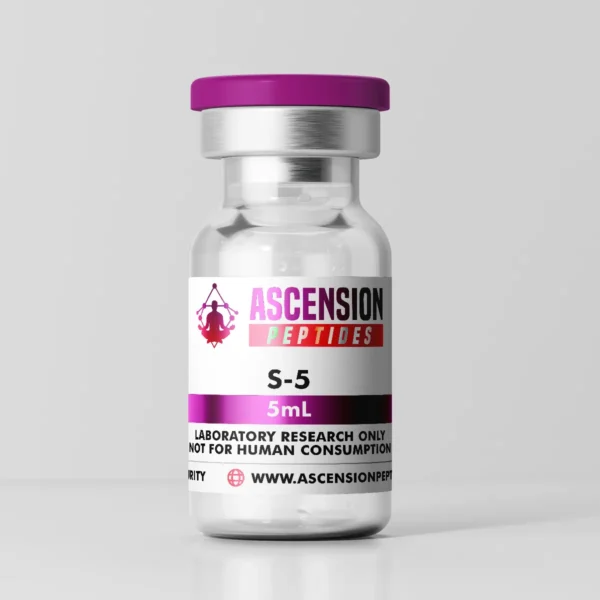
- Sold as research material. Anything labeled for non-human or research use is not the same product, even if the label reads "semaglutide."
- Shipped from outside the United States. Overseas "semaglutide" is frequently a salt form with no clinical data behind it.[2]
- No pharmacy name on the vial. A legitimate 503A vial lists the compounding pharmacy, a lot number, and a beyond-use date.
- No Certificate of Analysis available. Reputable pharmacies will share a COA showing identity, purity, and sterility testing on request.
- Prices far below $100 per month with no clinic visit. Legitimate telehealth includes a medical evaluation, which is why it starts around $150. Dramatically cheaper usually means gray-market.
- Marketplaces and social media DMs. These are a common source of the adverse events the FDA has tracked.[2]
How to verify a compounded semaglutide source is legitimate
- Confirm the pharmacy name, then look it up on the state board of pharmacy to confirm an active 503A license.
- Ask for the prescriber's name and license number. A real telehealth clinic will provide both.
- Request the Certificate of Analysis for your specific lot. It should show identity (semaglutide base, not a salt), assay percentage, and sterility results.
- Check the vial for a beyond-use date no more than about 90 days out. Compounded sterile injectables do not have multi-year shelf lives.
- If any label element is missing, vague, or inconsistent, do not inject it.
Compounded semaglutide vs other GLP-1 options
Semaglutide is not the only GLP-1 you can compound, and not always the best choice. Tirzepatide, the dual GIP/GLP-1 agonist in Mounjaro and Zepbound, has outperformed semaglutide in head-to-head data and is available through the same compounded routes under the same 2026 caveats. We compare them directly in tirzepatide vs semaglutide, and cover the access side in compounded tirzepatide and the cheapest tirzepatide sources.
If you are already on compounded semaglutide and the rules are pushing you toward the brand, switching is usually straightforward: most clinicians match your current effective dose to the closest brand step and continue. If you are instead thinking about stopping, read what happens when you stop semaglutide first, since weight regain is common without a maintenance plan.
Frequently Asked Questions
References
- U.S. FDA. Declaratory Order: Resolution of Shortages of Semaglutide Injection Products (February 21, 2025).
- U.S. FDA. FDA Clarifies Policies for Compounders as National GLP-1 Supply Begins to Stabilize.
- U.S. FDA. FDA Proposes to Exclude Semaglutide, Tirzepatide, and Liraglutide on 503B Bulks List (2026).
- U.S. FDA. Compounding and the FDA: Questions and Answers (503A and 503B definitions).
- Wilding JPH, et al. Once-Weekly Semaglutide in Adults with Overweight or Obesity (STEP 1). N Engl J Med. 2021. PMID 33567185.