🔑 Quick Answer
- Brand Ozempic and Wegovy require a prescription — there's no way around that.
- Compounded semaglutide from telehealth platforms still needs an online consultation (technically a prescription).
- Research peptide vendors sell GLP-1 agonists — including compounds stronger than semaglutide — without a prescription.
- Retatrutide (triple GLP-1/GIP/GCG agonist) showed 24.2% average weight loss in Phase 2 trials — outperforming semaglutide's 15%.
Let's cut through the noise. You've probably spent the last hour Googling "semaglutide without prescription" and found nothing but vague answers, fear-mongering about safety, and articles that ultimately tell you to go see a doctor. Helpful.
Here's what's actually going on in 2026: brand-name Ozempic and Wegovy are prescription-only drugs. That hasn't changed. But the landscape around GLP-1 receptor agonists has shifted dramatically — compounding pharmacies got squeezed by the FDA, telehealth platforms popped up everywhere, and research peptide vendors now carry compounds that make semaglutide look like yesterday's news. Whether you can get semaglutide specifically without a prescription depends on what you mean by "semaglutide" and how flexible you are about the compound itself.
Because honestly? If your goal is weight loss, there are now options available without a prescription that are pharmacologically superior to semaglutide. And they cost a fraction of what you'd pay for brand Ozempic.
Can You Get Semaglutide Without a Prescription?
The short answer is: it depends on which version you're talking about. Let me break down every form of semaglutide and whether you need a doctor's sign-off.
Brand Ozempic / Wegovy — Prescription Required, No Exceptions
Ozempic (for type 2 diabetes) and Wegovy (for weight management) are FDA-approved medications manufactured by Novo Nordisk. They are Schedule Rx drugs. You cannot buy them at a pharmacy without a valid prescription from a licensed prescriber. Period. No online loophole, no grey market workaround — if someone claims to sell you brand Ozempic without a prescription, that's either counterfeit product or outright fraud.
With insurance, Ozempic runs $25–50/month for most people with diabetes coverage. Without insurance? You're looking at $900–$1,100 per month. Wegovy is similarly priced. And good luck getting insurance to cover a weight loss indication if you don't meet specific BMI thresholds.
Compounded Semaglutide — Technically Requires a Prescription (But It's Easier)
Compounded semaglutide exploded in popularity between 2023 and 2025 when the FDA listed semaglutide on its drug shortage list. Compounding pharmacies were allowed to produce their own versions. That window has mostly closed. The FDA removed semaglutide from the shortage list in early 2025, and since then, compounding pharmacies have faced increasing restrictions.
Some telehealth platforms still prescribe compounded semaglutide through online consultations. You fill out a questionnaire, do a brief video call (sometimes it's just a form review), and a provider writes you a prescription. It's not truly "without a prescription" — but you never see a doctor in person. Monthly cost: $150–400 depending on the platform and dose.
Research Peptide Vendors — No Prescription Needed
This is where things get interesting. Research peptide vendors sell GLP-1 receptor agonists for research purposes. No prescription required. No doctor's visit. You order online, it ships to your door. The compounds are the same molecules — synthesized, tested for purity, and sold with Certificates of Analysis (COAs).
But here's the thing most people searching for "semaglutide without prescription" don't realize: you're not limited to semaglutide anymore. The peptide research space now includes tirzepatide (dual agonist, stronger than semaglutide) and retatrutide (triple agonist, strongest of all three). More on this below — it matters a lot.
Over-the-Counter Semaglutide — Doesn't Exist
Despite what some supplement companies imply with creative marketing, there is no OTC semaglutide product. Those "natural GLP-1 support" capsules you see on Amazon? They contain berberine, chromium, or other ingredients that have minimal GLP-1 activity compared to actual semaglutide. Don't waste your money.
The 4 Routes to Getting GLP-1 Agonists Without a Doctor Visit
If you want a GLP-1 receptor agonist and you don't want to sit in a doctor's office, here are your actual options — ranked from most to least practical.
Route 1: Telehealth Platforms (Online Prescription)
Platforms like Hims, Ro, Found, and Calibrate offer online consultations that result in a semaglutide or tirzepatide prescription. The process usually takes 24–72 hours. You answer health questions, sometimes upload photos, and a licensed provider reviews your case.
Pros: Legitimate prescription, pharmaceutical-grade product, medical oversight.
Cons: Still technically a prescription (just obtained online). Costs $199–399/month. Some platforms require ongoing subscriptions. You may get denied if you don't meet BMI criteria. And after the FDA compounding crackdown, several telehealth platforms have had to pivot away from semaglutide entirely.
It works. But it's not truly "without a prescription" — it's "without an in-person visit." Important distinction.
Route 2: Research Peptide Vendors (No Prescription)
This is the route that actually answers the question people are asking. Research peptide vendors operate legally by selling compounds labeled "for research use only." No prescription, no consultation, no medical gatekeeping. You place an order, provide a shipping address, and receive your product — typically within 3–5 business days.
The key advantage here isn't just accessibility. It's that research peptide vendors carry next-generation compounds that most telehealth platforms don't prescribe yet:
- Semaglutide — the same GLP-1 agonist as Ozempic. Single receptor target.
- Tirzepatide — dual GLP-1/GIP agonist (same as Mounjaro/Zepbound). Stronger than semaglutide.
- Retatrutide — triple GLP-1/GIP/glucagon agonist. The most potent weight loss compound in clinical development. 24.2% body weight reduction in Phase 2 trials (Jastreboff et al., NEJM 2023).
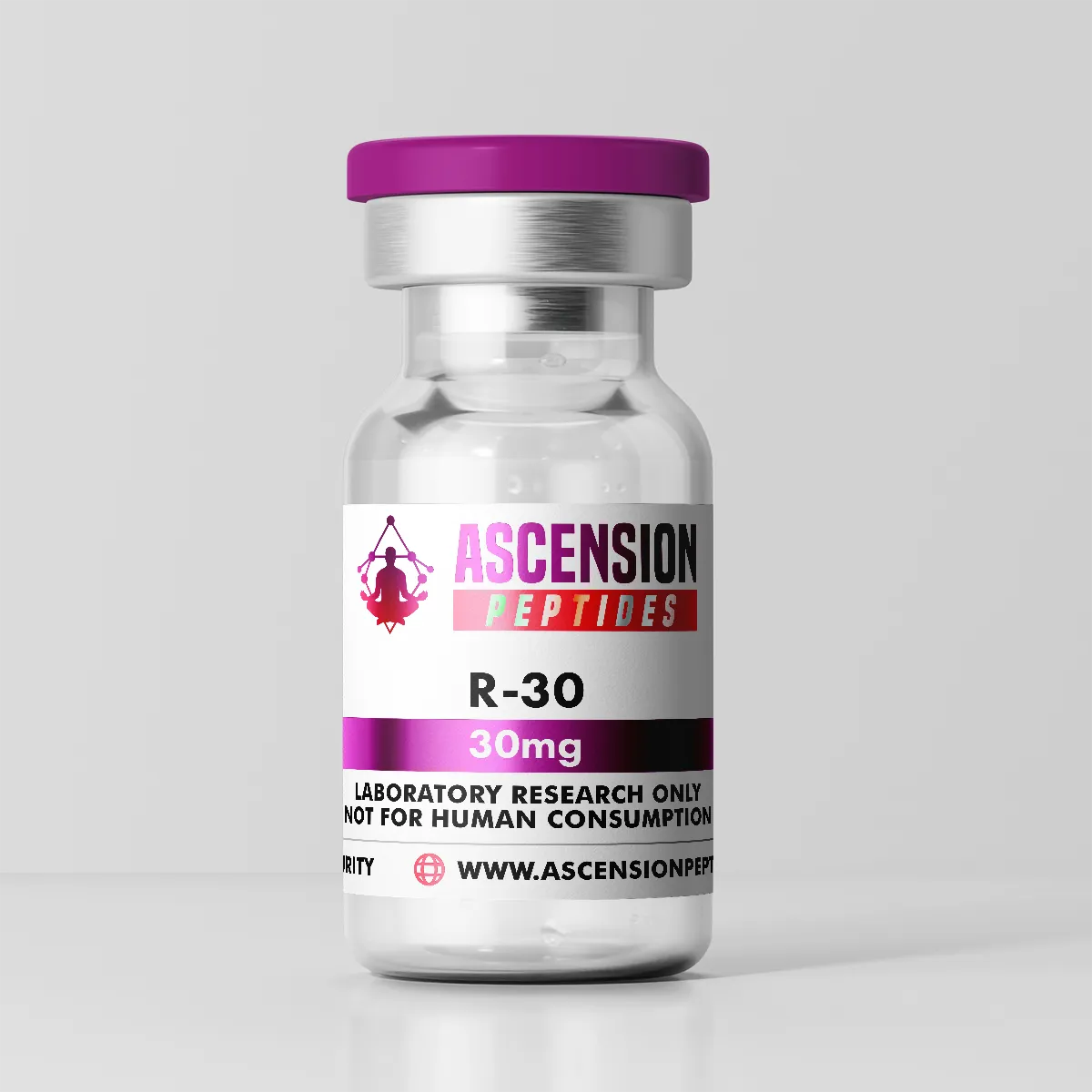
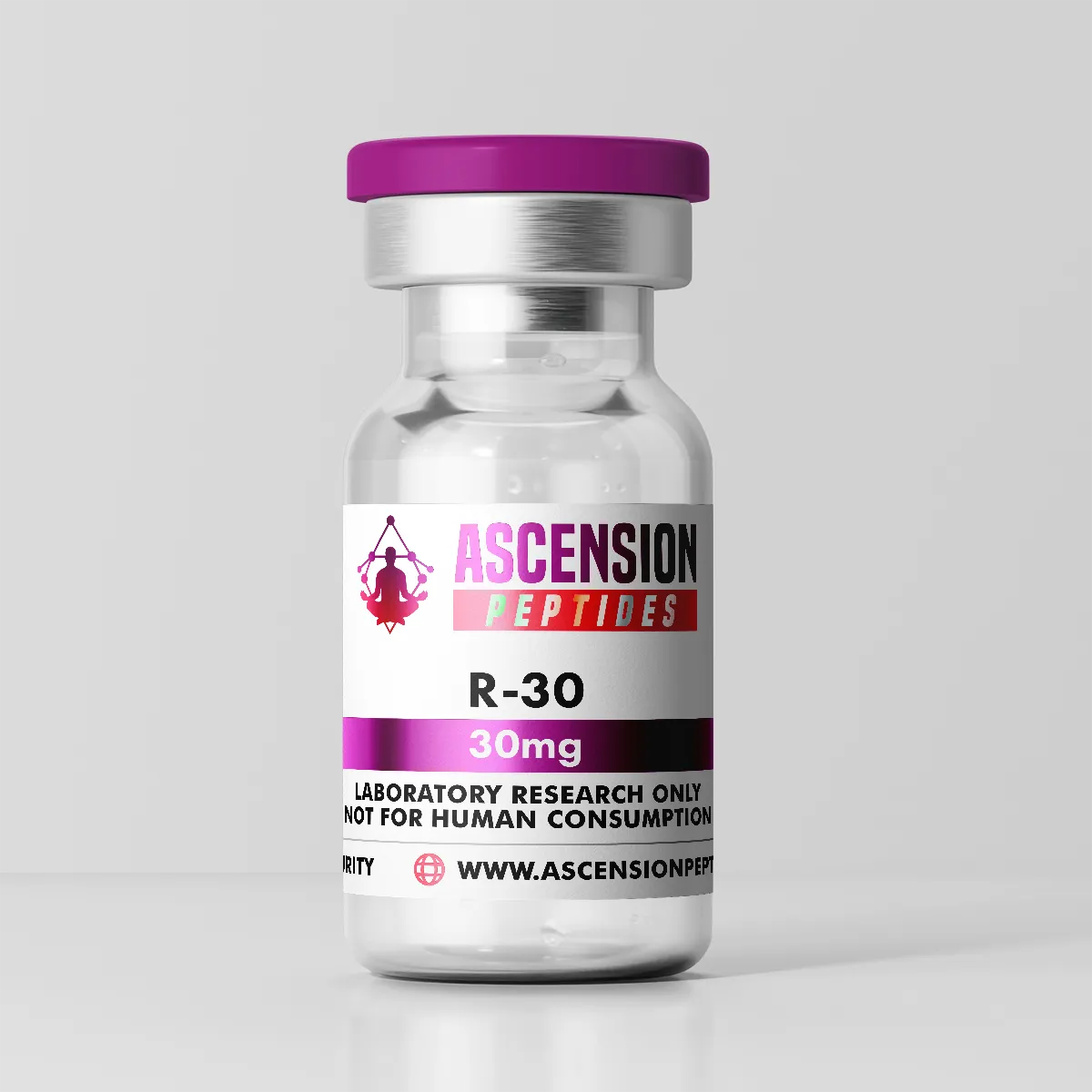
Ascension Peptides is a vendor we've tracked extensively. They carry R-30 (retatrutide 30mg, $200/vial) and T-30 (tirzepatide 30mg) — both with published COAs for purity verification. No prescription required. Their semaglutide product (S-5) runs $55/vial.
Route 3: International Pharmacies
Some people order semaglutide from pharmacies in Mexico, Turkey, India, or other countries where it may be available without a prescription or at significantly lower cost. This technically works, but the risks are substantial.
Customs seizures happen. Quality is unverifiable in most cases. Cold chain shipping is usually not maintained (semaglutide degrades without refrigeration). And you're rolling the dice on whether the product is what it claims to be. A few people have gotten legitimate product this way. Many others have gotten underdosed or degraded vials. I wouldn't recommend it when domestic options exist.
Route 4: Compounding Pharmacies (Post-FDA Crackdown)
Between 2023 and early 2025, compounding pharmacies were a goldmine for affordable semaglutide. The FDA's drug shortage designation allowed 503A and 503B compounding pharmacies to produce semaglutide legally. That era is largely over.
Since Novo Nordisk resolved the shortage and the FDA removed semaglutide from the shortage list, compounders have faced legal challenges. Some continue to operate, particularly those serving specific patient needs. But availability is spotty, you still need a prescription, and the regulatory landscape shifts month to month. Not a reliable long-term option.
Why Retatrutide (R-30) Is Better Than Semaglutide
This is the section most articles about "semaglutide without a prescription" completely miss. They fixate on how to get semaglutide specifically — without asking whether semaglutide is even the best option anymore. In 2026, it's not. Not even close.
Let me explain the pharmacology in plain English.
Semaglutide: Single GLP-1 Agonist
Semaglutide activates one receptor: GLP-1. This slows gastric emptying, reduces appetite, and improves insulin sensitivity. The STEP trials showed an average weight loss of about 15% of body weight over 68 weeks (Wilding et al., NEJM 2021). That's significant — it changed the obesity treatment paradigm. But it was just the beginning.
Tirzepatide: Dual GLP-1/GIP Agonist
Tirzepatide (Mounjaro, Zepbound) hits two receptors: GLP-1 and GIP. The GIP component enhances fat metabolism and improves the body's response to insulin in ways that GLP-1 alone doesn't. The SURMOUNT-1 trial demonstrated up to 22.5% weight loss at the highest dose (Jastreboff et al., NEJM 2022). That's roughly 50% more effective than semaglutide.
Retatrutide: Triple GLP-1/GIP/Glucagon Agonist
And then there's retatrutide. Three receptors. GLP-1 for appetite suppression and glucose control. GIP for enhanced fat metabolism. And glucagon — which directly increases energy expenditure and fat oxidation. Your body literally burns more calories at rest.
The Phase 2 trial (TRIUMPH-2) published in the New England Journal of Medicine showed participants on the 12mg dose losing an average of 24.2% of their body weight over 48 weeks — and the weight loss curve hadn't plateaued yet (Jastreboff et al., NEJM 2023). That's not a marginal improvement over semaglutide. It's a generational leap.
💡 Think About It This Way
Semaglutide was the iPhone 1. Tirzepatide was the iPhone 5. Retatrutide is the iPhone 15. Same category, same basic idea — but the performance gap is enormous. If you're going through the effort of sourcing a GLP-1 agonist without a prescription, why wouldn't you get the strongest one available?
Head-to-Head Comparison: Semaglutide vs Tirzepatide vs Retatrutide
Look at that table for a second. Retatrutide costs $200 per vial versus $900+ per month for brand Ozempic — and it produces 60% more weight loss. The math isn't complicated.
Cost Comparison: Semaglutide Without Insurance in 2026
Money matters. Especially when brand-name GLP-1 drugs are priced like luxury goods. Here's what each route actually costs when you don't have insurance covering it — which, let's be real, is most people looking for alternatives.
The Ascension R-30 vial contains 30mg of retatrutide. At a typical research dose of 4mg/week (after titration), that's roughly 7–8 weeks per vial — working out to about $25–28 per week. Compare that to $225+/week for brand Ozempic. You're getting a stronger compound for roughly one-eighth the price.
And unlike telehealth subscriptions, there's no monthly commitment, no consultation fee, no platform markup. You buy what you need, when you need it.
Is It Safe to Use Semaglutide (or Alternatives) Without a Doctor?
This is the part where most articles go full scare-mode. "Never use medications without medical supervision!" Sure. That's the safe, liability-free advice. But let's talk about what's actually happening and what the realistic risks are.
The Compound Is the Same Molecule
Semaglutide is semaglutide whether it comes from a Novo Nordisk factory or a peptide synthesis lab. The amino acid sequence is identical. The pharmacology is identical. A COA from a reputable vendor confirms purity and identity — often to 98%+ standards. The molecule doesn't know whether a doctor wrote your name on a prescription pad.
That said, quality matters enormously. Not all vendors are equal. Ascension publishes COAs for every batch, and third-party testing verification is available. This is non-negotiable — never buy from a vendor that doesn't provide purity documentation.
What You Should Actually Monitor
Even without a doctor, you can manage GLP-1 agonist use responsibly. Here's what to watch:
- Blood glucose — Especially critical if you have type 2 diabetes or pre-diabetes. GLP-1 agonists lower blood sugar. If you're on other diabetes medications, hypoglycemia is a real risk. A $20 glucometer from any pharmacy handles this.
- GI side effects — Nausea, vomiting, diarrhea, and constipation are the most common side effects across all GLP-1 agonists. They're dose-dependent and usually resolve with proper titration. Start low. Go slow. This is not a compound you want to jump into at full dose.
- Gallbladder issues — Rapid weight loss (from any cause) increases gallstone risk. The STEP trials reported gallbladder-related events in about 2.6% of participants (Wilding et al., 2021). If you get sudden, severe upper-right abdominal pain — see a doctor. That's not something you manage at home.
- Pancreatitis — Rare but serious. Persistent, severe abdominal pain radiating to the back is the hallmark. Incidence in trials was very low (~0.2%), but worth knowing about (Rubino et al., JAMA 2022).
- Thyroid concerns — GLP-1 agonists carry a boxed warning about medullary thyroid carcinoma based on rodent studies. This hasn't been confirmed in humans, but if you have a personal or family history of MTC or MEN2, these compounds are contraindicated.
The Titration Protocol Is Your Safety Net
The single most important safety practice with any GLP-1 agonist is proper dose escalation. You don't start at the target dose. You start at the lowest effective dose and increase every 4 weeks as tolerability allows.
For retatrutide specifically, the Phase 2 trial used this escalation: 2mg → 4mg → 8mg → 12mg, with 4-week intervals between each increase. Most side effects cluster in the first 1–2 weeks after each dose increase and then subside. If you follow this approach, the safety profile is manageable for most people.
How to Get Started: Step-by-Step
If you've read this far and decided the research peptide route makes sense for you, here's the practical walkthrough.
Order from a Reputable Vendor
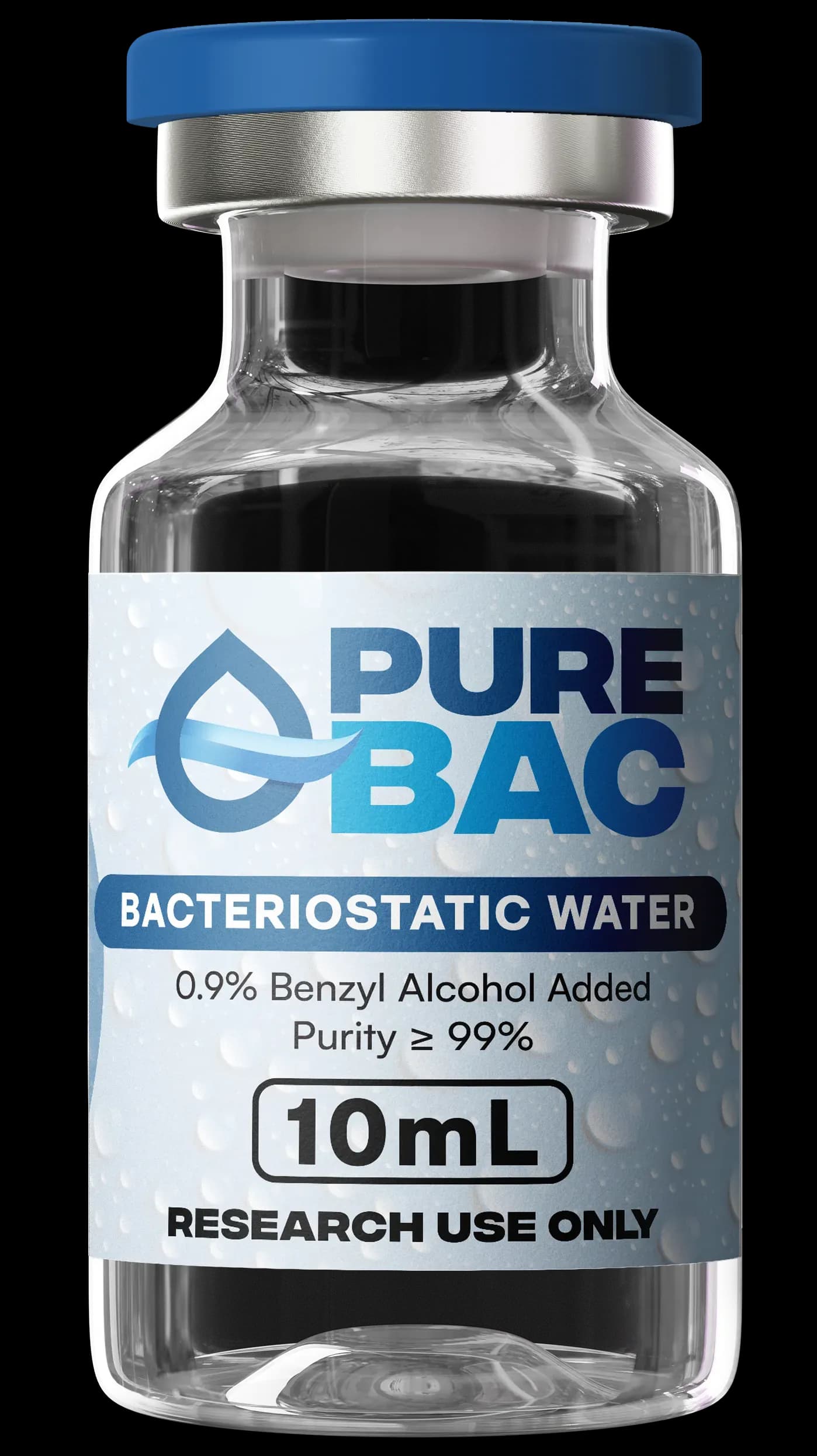
Order from Ascension Peptides or another vendor that provides batch-specific COAs. Also grab bacteriostatic water and insulin syringes if you don't already have them.
Reconstitute the Peptide
Add bacteriostatic water to the lyophilized powder. For R-30 (30mg vial), adding 3ml of bac water gives you 10mg/ml concentration — making dosing math straightforward. Swirl gently. Never shake. Store reconstituted product in the refrigerator.
Start at the Lowest Dose
For retatrutide: begin at 1–2mg per week via subcutaneous injection. For semaglutide: 0.25mg/week. For tirzepatide: 2.5mg/week. These starting doses are intentionally low to assess tolerability before escalating.
Titrate Up Every 4 Weeks
If you tolerate the current dose with manageable or no side effects, increase to the next tier. For retatrutide: 2mg → 4mg → 8mg → 12mg. Never jump multiple dose levels at once. Patience here is what separates a smooth experience from spending a weekend in the bathroom.
Track Your Progress
Weigh yourself weekly (same time, same conditions). Take progress photos monthly. Monitor how you feel — energy, appetite, sleep, digestion. A simple spreadsheet or notes app works fine. Bloodwork every 3–6 months is ideal but not mandatory for most people.
Legal Considerations: Is Buying Semaglutide Without a Prescription Legal?
This question comes up constantly, and the answer is more nuanced than a yes or no.
Semaglutide, tirzepatide, and retatrutide are not controlled substances in the United States. They're not scheduled by the DEA. Purchasing them is not a criminal act. What's restricted is the marketing and sale of these compounds as drugs for human use without FDA approval — that's a regulatory violation on the seller's side, not the buyer's.
Research peptide vendors operate under the framework of selling compounds for research, laboratory, or educational purposes. This is a legal distinction that has held up for years across the peptide industry. As a buyer, you're purchasing a research chemical. What you do with it is your own responsibility.
That said, this isn't the same as walking into CVS with a prescription. There's no FDA oversight of your specific use. No pharmacist checking for drug interactions. The trade-off for accessibility is accepting more personal responsibility for your decisions. For most informed adults, that's a trade-off worth making — especially when the alternative is paying $900+/month or being denied coverage entirely.
For a deeper look at how to source these compounds, see our guide on where to buy semaglutide online in 2026.
What About the FDA Compounding Crackdown?
You may have heard that compounded semaglutide is "banned" or "illegal" now. That's an oversimplification, but the regulatory reality has tightened significantly.
In October 2024, the FDA announced that semaglutide was no longer in shortage. This triggered a 60-day wind-down period for compounding pharmacies that had been producing semaglutide under the shortage exemption. Some compounders challenged this in court — and a few have won temporary injunctions — but the overall trend is clear: compounded semaglutide's availability through traditional pharmacy channels is shrinking.
This is actually one reason research peptide vendors have seen increased demand. When one door closes, people find another. The compounds themselves aren't going anywhere — the synthesis isn't proprietary to Novo Nordisk. What's changed is the regulatory pathway through which they reach end users.
For a broader look at alternatives, check out our Ozempic alternatives guide for 2026.
Frequently Asked Questions
The Bottom Line
Brand Ozempic and Wegovy require a prescription. That's not changing. But if your actual goal is accessing a GLP-1 agonist for weight management — the molecule, not the brand name — you have more options in 2026 than ever before.
Telehealth platforms offer the path of least resistance if you want a legitimate prescription without an office visit. Research peptide vendors offer the most accessible and cost-effective route, with the added advantage of carrying next-generation compounds like retatrutide (R-30) that outperform semaglutide by a wide margin.
The question isn't really "can you get semaglutide without a prescription" anymore. The better question is: why would you settle for semaglutide when something stronger, cheaper, and equally accessible exists?