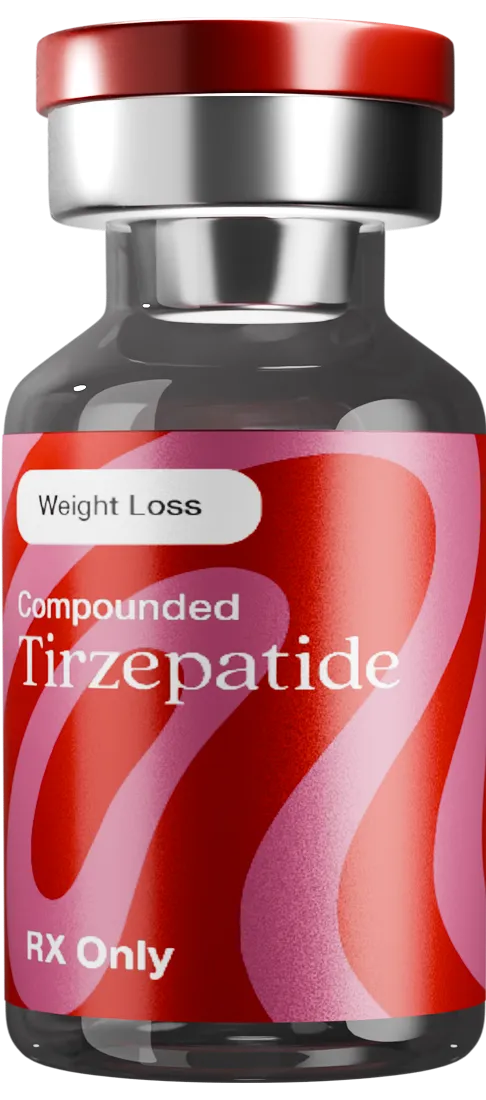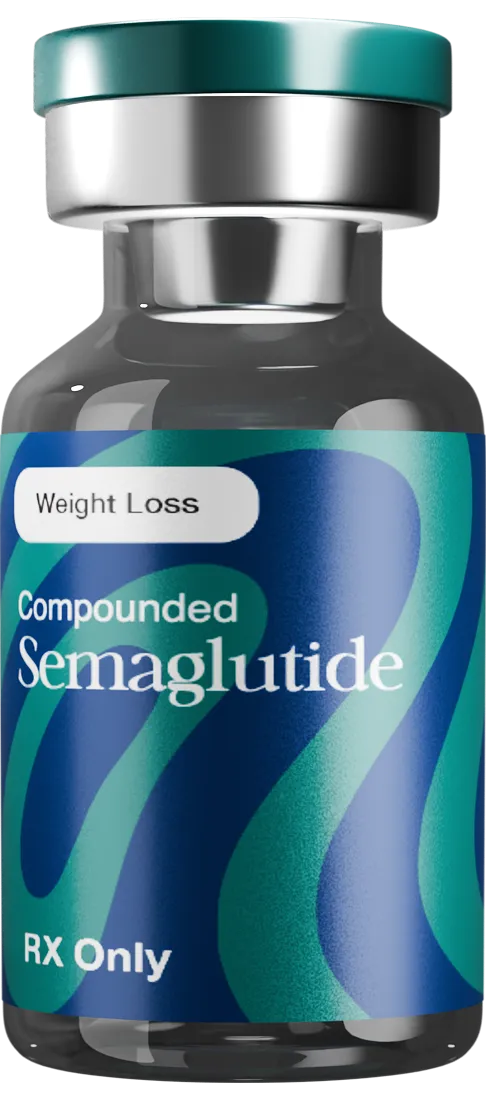
Real GLP-1 before and after results
Four real before-and-after photos from users online who shared their GLP-1 results. Identifiers blurred for privacy. Click any photo to expand.
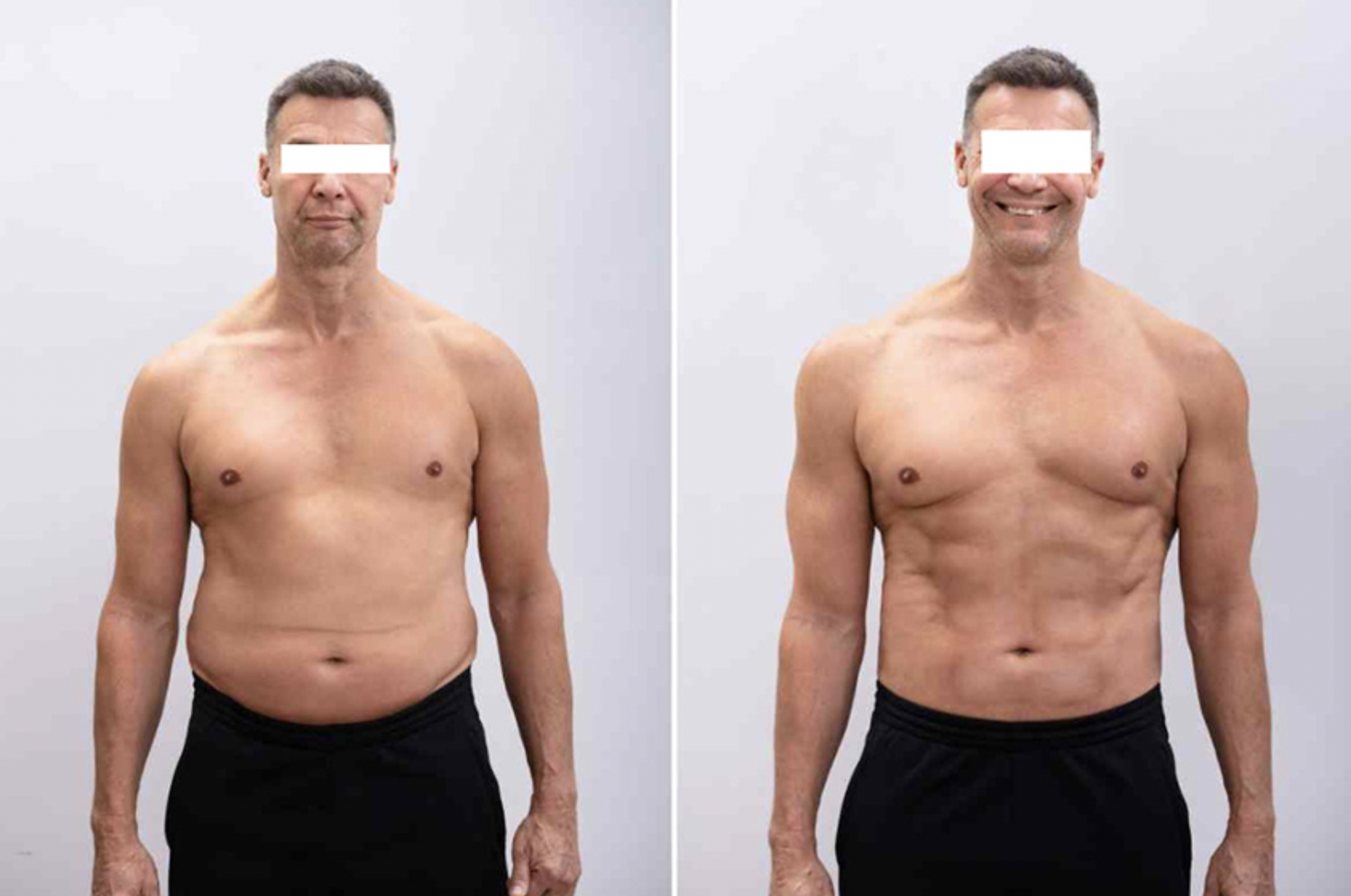
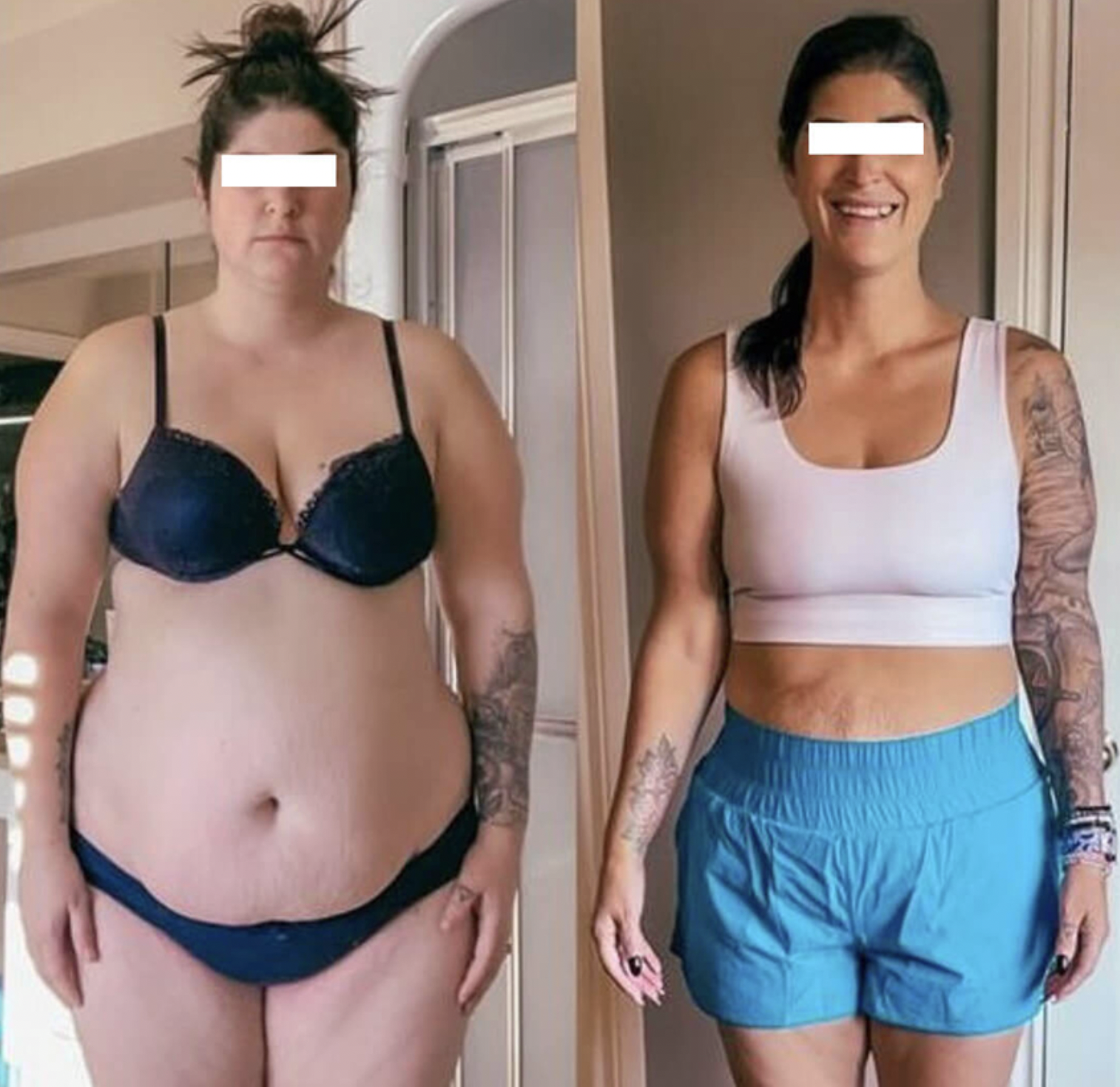
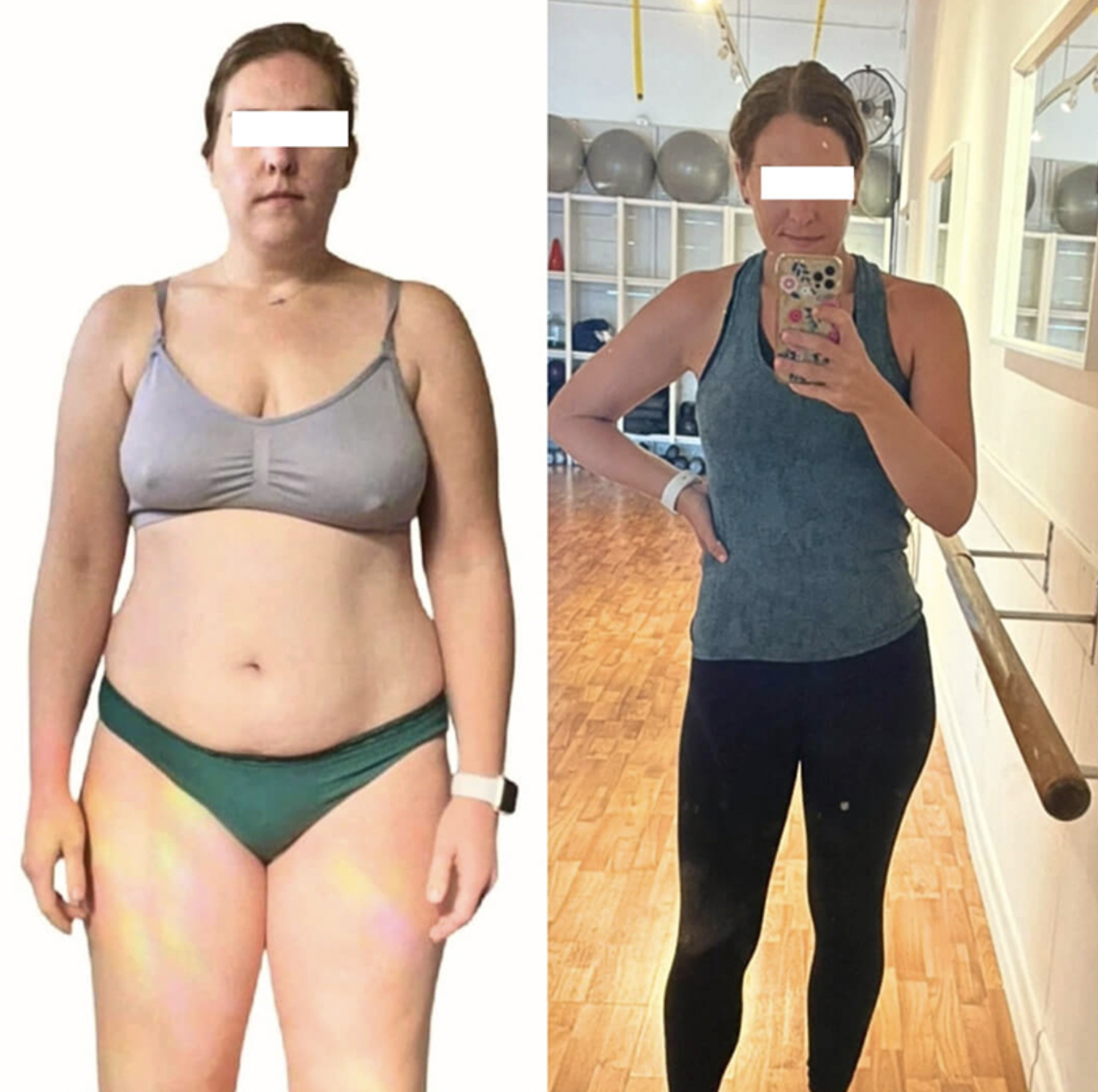
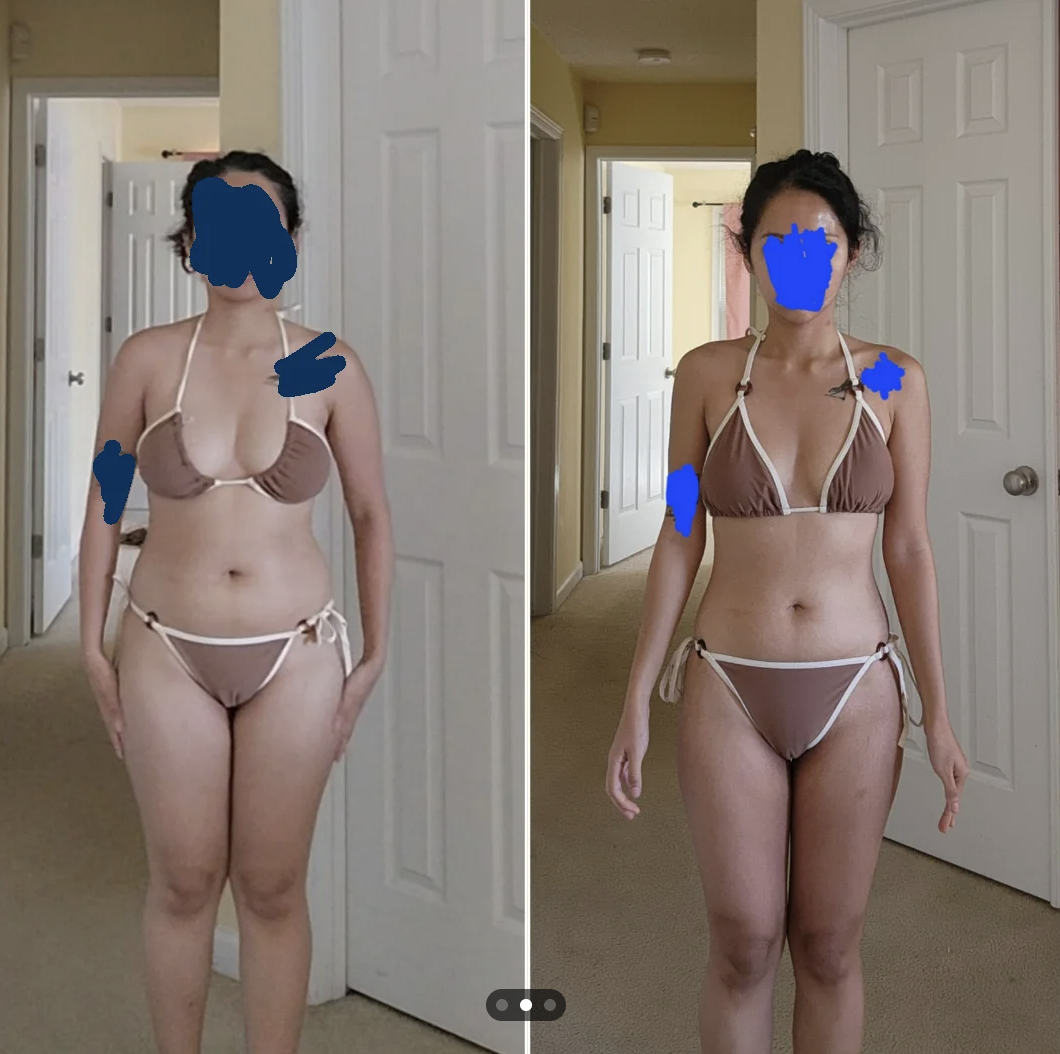
Photos sourced from users online who publicly shared their GLP-1 results. All four used compounded semaglutide or tirzepatide, the same medications available through MEDVi and Embody telehealth. Individual results vary; trial average is 15-20% body weight loss at 60+ weeks.
🔑 Key Takeaways
- The FDA removed tirzepatide from its drug shortage list in October 2024, triggering the end of legal compounding under Section 503A.
- As of March 2025, 503A compounding pharmacies can no longer produce tirzepatide — and 503B outsourcing facilities face ongoing legal uncertainty.
- Brand-name Mounjaro/Zepbound still costs ~$1,023/month without insurance.
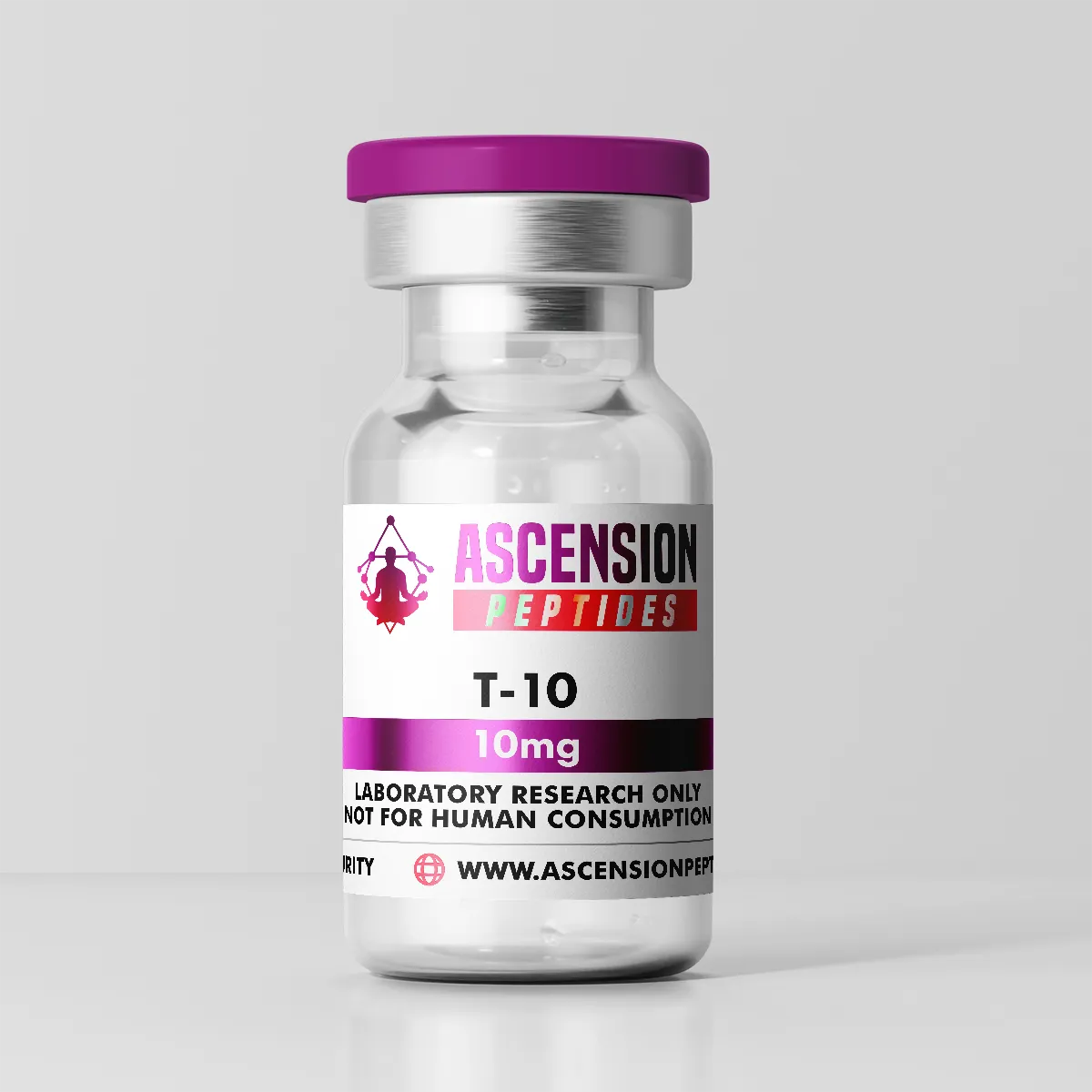
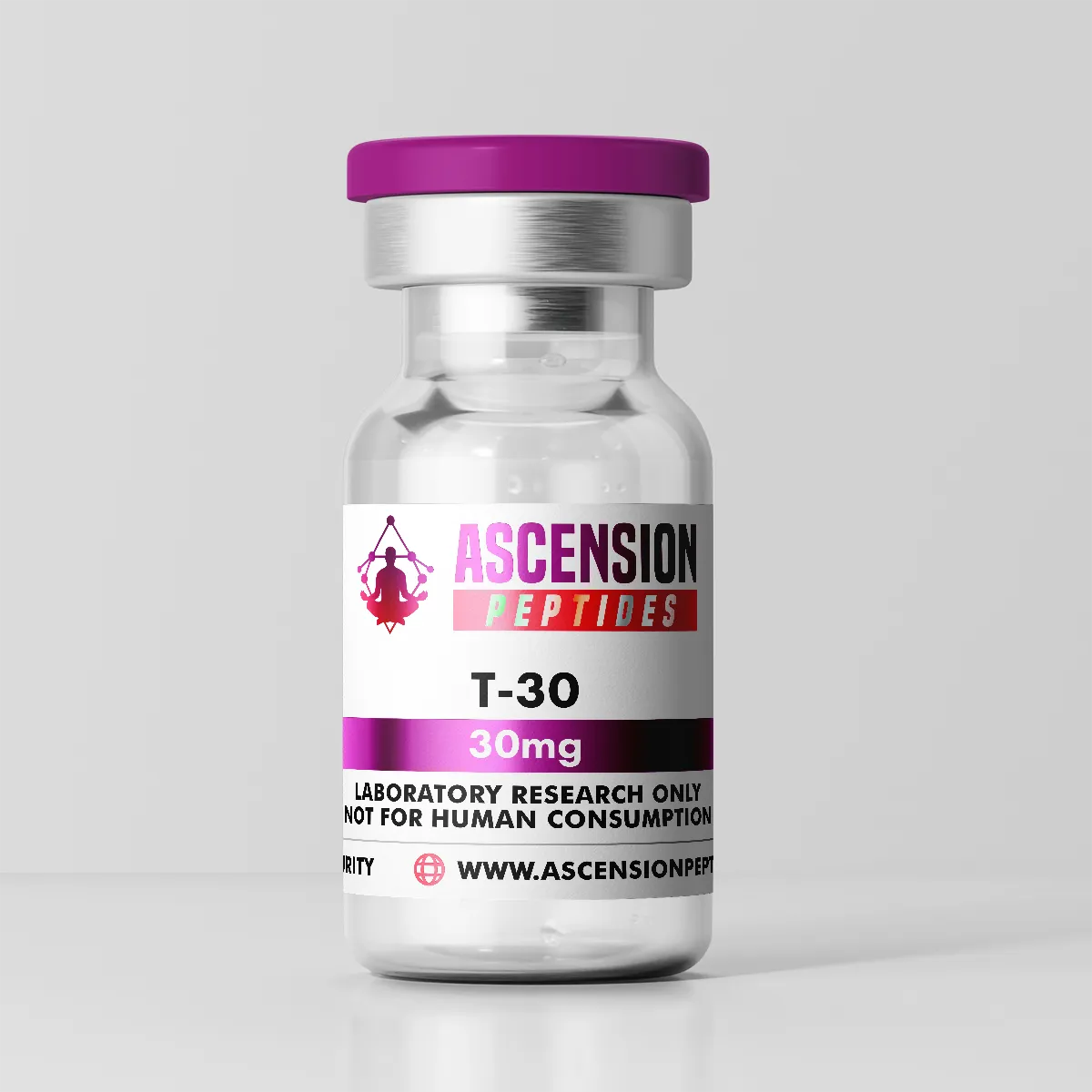
- Ascension Peptides sells T-10 (10mg, $90) and T-30 (30mg, $180) with third-party COAs — no prescription required for research use.
- Most telehealth platforms that previously offered compounded tirzepatide have pulled their listings entirely.
If you tried to refill a compounded tirzepatide prescription in early 2025 and got a "sorry, we can't fill this anymore" email — you're not alone. Tens of thousands of people who were using compounded tirzepatide through telehealth platforms or local pharmacies hit a wall almost overnight. The FDA's decision to remove tirzepatide from the shortage list didn't just change the regulatory landscape — it cut off access for a massive population of users who couldn't afford Eli Lilly's brand-name pricing. If cost is what is driving your search, our cheapest tirzepatide guide compares the lowest verified options.
So what actually happened? And more importantly, what are your options now?
This is the full breakdown: the FDA timeline, what 503A and 503B pharmacies can and can't do, the telehealth fallout, cost comparisons, and where people are actually sourcing tirzepatide in 2026. Including Ascension Peptides, which has become one of the most popular alternatives at a fraction of the cost.
What Is Tirzepatide and Why Was It Being Compounded?
Tirzepatide is a dual GIP/GLP-1 receptor agonist — meaning it activates two incretin pathways simultaneously, which is what separates it from semaglutide (Ozempic/Wegovy), which only hits GLP-1. Eli Lilly markets it as Mounjaro for type 2 diabetes and Zepbound for weight management.
The clinical results have been genuinely remarkable. In the SURMOUNT-1 trial, participants on the highest dose (15mg weekly) lost an average of 22.5% of their body weight over 72 weeks — that's roughly 50+ pounds for someone starting at 230 lbs (Jastreboff et al., 2022, NEJM). The SURPASS trials for diabetes showed HbA1c reductions that outperformed semaglutide head-to-head (Frías et al., 2021, NEJM).
But here's the problem: Mounjaro launched at roughly $1,023/month without insurance. And Zepbound isn't much different. For people without coverage — or with plans that specifically exclude weight loss drugs — that price is a dealbreaker.
So compounding pharmacies stepped in. During drug shortages, the FDA allows compounding pharmacies to produce copies of shortage-listed drugs under specific conditions. Tirzepatide was on that shortage list from late 2022 through most of 2024, and compounding pharmacies — particularly those working with telehealth platforms — filled the gap at $200–400/month. Still expensive, but a fraction of brand pricing.
That's the setup. Now here's what went wrong.
The FDA Timeline: How Compounded Tirzepatide Got Shut Down
Understanding what happened requires tracking a few specific dates, because the FDA didn't just flip a switch — they rolled it out in phases that confused a lot of people (and a lot of pharmacies).
October 2, 2024: Tirzepatide Removed from the Shortage List
The FDA officially determined that tirzepatide was no longer in shortage. This was the trigger event. Under the Federal Food, Drug, and Cosmetic Act, compounding pharmacies are only permitted to produce copies of commercially available drugs when those drugs are on the shortage list. Once tirzepatide came off? The legal basis for compounding evaporated.
But it didn't happen instantly. The FDA gave a discretionary wind-down period.
November–December 2024: The Grace Period
The FDA announced that it would exercise "enforcement discretion" — essentially allowing existing compounding operations to wind down rather than cease immediately. This was partly practical (patients mid-treatment can't just stop a GLP-1 cold turkey without rebound effects) and partly political (the backlash was intense).
During this period, most 503A pharmacies continued filling existing prescriptions but stopped taking new patients for compounded tirzepatide.
March 2025: Enforcement Discretion Ends for 503A Pharmacies
This is the hard cutoff. As of March 2025, 503A compounding pharmacies — the ones that fill individual prescriptions from licensed prescribers — can no longer legally compound tirzepatide. Period. If your local compounding pharmacy was making tirzepatide for you, that's done.
The situation for 503B outsourcing facilities is murkier, and I'll cover that below.
Eli Lilly's Legal Offensive
Lilly didn't wait for the FDA to do all the work. They filed lawsuits against multiple compounding pharmacies and telehealth platforms, arguing that compounded tirzepatide infringes on their patents and that some compounds contained salt forms (like tirzepatide sodium) that aren't bioequivalent to the branded product. Several of these cases resulted in injunctions that shut down compounding operations even before the FDA deadline (Lilly v. compounding pharmacies, various federal courts, 2024-2025).
503A vs 503B: What's the Difference and Does It Matter?
This distinction matters enormously right now, because the regulatory status is different for each type.
503A Pharmacies (Traditional Compounding)
These are your standard compounding pharmacies — the ones that fill individual prescriptions. A doctor writes a script, the pharmacy compounds the medication for that specific patient. They're regulated primarily by state boards of pharmacy.
Status as of 2026: Cannot compound tirzepatide. Full stop. The shortage is resolved, Lilly's products are commercially available, and there's no legal pathway for 503A compounding of tirzepatide anymore.
503B Outsourcing Facilities
These are larger-scale operations that can compound drugs without individual prescriptions, essentially producing "office use" batches for healthcare providers. They're FDA-registered and subject to cGMP (current Good Manufacturing Practice) standards. Think of them as somewhere between a traditional pharmacy and a drug manufacturer.
Status as of 2026: Complicated. The FDA has signaled that 503B facilities also need to stop compounding tirzepatide, but enforcement has been inconsistent. Some 503B facilities have received warning letters; others are still operating in a legal gray zone, arguing that their products are "essentially copies" under different statutory provisions. Lilly's lawsuits targeting 503B facilities are still working through courts.
The practical reality? Even if a 503B facility is technically still compounding tirzepatide, the supply is unreliable, the legal risk is high, and many have voluntarily stopped. It's not a viable long-term sourcing strategy.
The Telehealth Fallout
This is where things got really messy for everyday users.
Companies like Ro, Hims & Hers, Calibrate, and numerous smaller telehealth platforms had built entire business lines around prescribing compounded tirzepatide. Some of them were generating hundreds of millions in revenue from GLP-1 prescriptions alone. When the FDA pulled the rug, these companies had to pivot — fast.
Here's what happened at the major platforms:
- Hims & Hers: Pulled compounded tirzepatide listings. Pivoted to compounded semaglutide (which has a slightly different regulatory status) and their own branded weight loss programs. Their stock dropped ~30% in the weeks following the announcement.
- Ro: Stopped new tirzepatide prescriptions. Offered existing patients transition guidance to brand-name options or alternative treatments.
- Calibrate: Had already been struggling financially. The tirzepatide loss accelerated their downsizing.
- Smaller platforms: Many simply shut down their GLP-1 programs entirely. Some pivoted to "research peptide" referrals, which exists in a very different regulatory space.
If you were getting compounded tirzepatide through a telehealth platform, you almost certainly received an email in late 2024 or early 2025 telling you your prescription wouldn't be renewed. The transition for many patients was abrupt and — honestly — handled poorly by most of these companies.
Cost Comparison: Brand vs Compounded vs Research Peptides
Let's put actual numbers on this, because cost is the central issue driving people away from brand-name tirzepatide and toward alternatives.
*T-30 cost per month depends on dosage. At 2.5mg/week, a single 30mg vial lasts 12 weeks (~$15/week). At maintenance doses of 10–15mg/week, monthly cost is approximately $260–390.
The gap is staggering. Even at its cheapest, brand tirzepatide costs 5–10x more than research-grade alternatives. And compounded tirzepatide — when it was available — was still 2–4x more expensive than what Ascension sells their T-30 for.
For context on the broader cost picture, check out our full breakdown on tirzepatide cost without insurance — it covers manufacturer savings programs, insurance workarounds, and all the pricing angles.
Ascension Peptides: The Alternative That Took Over
When compounding pharmacies started shutting down, the research peptide market absorbed a massive influx of demand. And Ascension Peptides emerged as one of the most reliable options — not because of marketing hype, but because they got the fundamentals right.
What They Sell
Ascension carries tirzepatide under two catalog designations:
- T-10: 10mg per vial — $90. Good for early-dose escalation or people on lower maintenance doses.
- T-30: 30mg per vial — $180. Better value per milligram and what most experienced users end up buying.
Both come as lyophilized (freeze-dried) powder that you reconstitute with bacteriostatic water before injection. This is standard for research peptides and is actually how most compounding pharmacies were shipping it too — just in a different packaging format.
Why People Trust Them
Three things set Ascension apart:
- Third-party Certificates of Analysis (COAs): Every batch is tested by an independent lab. You can request the COA before buying. This is the single most important thing when sourcing any peptide — if a vendor won't show you a COA, walk away.
- Consistent stock: Unlike smaller vendors that frequently go out of stock on popular items, Ascension has maintained reliable availability of their tirzepatide products through the demand surge.
- Shipping and packaging: Proper cold chain handling, discreet packaging, fast delivery. The basics — but basics that a surprising number of peptide vendors get wrong.
💡 Cost Math
At the standard starting dose of 2.5mg/week, a single T-30 vial (30mg) lasts 12 weeks — that's nearly 3 months for $180. Compare that to $3,069 for three months of brand Mounjaro. Even at the maximum 15mg/week dose, you're looking at roughly $180 every 2 weeks, about $390/month vs $1,023+ for the brand.
How to Reconstitute Tirzepatide (T-10 or T-30)
If you've never handled a lyophilized peptide before, this might seem intimidating. It's not. The process takes about 2 minutes once you've done it once.
Gather Your Supplies
You'll need: the peptide vial, bacteriostatic water (BAC water), an insulin syringe (29–31 gauge), and alcohol swabs.
Calculate Your Water Volume
For a T-30 vial (30mg): adding 3mL of BAC water gives you a concentration of 10mg/mL. For a T-10 vial (10mg): adding 1mL gives the same 10mg/mL concentration. This makes dosing math simple — 0.25mL = 2.5mg.
Add Water Slowly
Swab the vial top with alcohol. Draw your calculated water volume into a syringe. Insert the needle into the vial and let the water run down the side of the glass — don't spray it directly onto the powder. Tirzepatide is relatively stable, but gentle reconstitution preserves peptide integrity.
Swirl Gently — Never Shake
Once the water is in, gently swirl the vial in your hand. Don't shake it — shaking can denature the peptide. The powder should dissolve within 30–60 seconds. The solution should be clear and colorless. If it's cloudy or has particles floating in it, don't use it.
Store Properly
Once reconstituted, store the vial in the refrigerator (36–46°F / 2–8°C). Use within 28 days. Never freeze a reconstituted peptide.
For detailed dosing protocols and escalation schedules, check our complete tirzepatide dosage guide.
Tirzepatide Dose Escalation: What Most People Follow
Whether you're coming from a compounding pharmacy background or starting fresh, the dose escalation for tirzepatide follows the same general pattern that Eli Lilly established in their clinical trials. You don't jump to a high dose — you build up slowly to manage GI side effects.
If you're transitioning from compounded tirzepatide to Ascension's T-30, keep your dose the same — don't restart the escalation. The compound is identical; only the source changed. For a deeper look at side effects during escalation, see our guide on tirzepatide side effects.
What About Compounded Semaglutide? Is That Still Available?
Sort of — and this is where the regulatory picture gets even more confusing.
Semaglutide has had its own shortage list drama, but as of early 2026, the situation is different from tirzepatide. Some forms of compounded semaglutide remain available through certain pharmacies, though the FDA has been tightening restrictions here too. The legal battles between Novo Nordisk (Ozempic/Wegovy maker) and compounding pharmacies mirror what Lilly did with tirzepatide.
If you're considering semaglutide as an alternative, we covered the full landscape in our Ozempic alternatives guide for 2026. Short version: the same pattern is playing out, just on a slightly delayed timeline.
For tirzepatide specifically though, the compounding window has closed. You're looking at brand-name or research-grade — there's really no middle option anymore.
The FDA's Broader Crackdown on GLP-1 Compounding
Tirzepatide wasn't an isolated case. The FDA has been systematically tightening enforcement around compounded GLP-1 receptor agonists across the board. Understanding this broader context helps explain why the compounding option probably isn't coming back.
In 2024-2025, the FDA:
- Issued warning letters to over 20 compounding pharmacies specifically about GLP-1 compounds
- Collaborated with Eli Lilly and Novo Nordisk on coordinated enforcement actions
- Published guidance clarifying that "essentially a copy" restrictions apply even during shortage periods in many cases
- Increased inspections of 503B outsourcing facilities producing GLP-1 agonists
- Referred several cases to the Department of Justice for criminal investigation
This isn't a temporary enforcement push. The FDA has made it clear that compounded versions of blockbuster GLP-1 drugs represent both a safety concern (quality control varies wildly between pharmacies) and a regulatory priority. We did a full analysis of this in our article on the FDA compound GLP-1 crackdown.
The pharmaceutical companies are also investing heavily in expanding manufacturing capacity, which eliminates the shortage argument that made compounding legally permissible in the first place. Lilly has committed over $9 billion to new manufacturing facilities, specifically to ensure supply meets demand and remove any future shortage-based compounding loopholes (Eli Lilly manufacturing expansion announcements, 2024).
Safety Considerations: Compounded vs Research-Grade vs Brand
Let's be honest about this, because safety is where a lot of the marketing noise tries to create fear.
Brand Tirzepatide (Mounjaro/Zepbound)
Obviously the gold standard. FDA-approved, manufactured under strict cGMP conditions, every batch tested extensively. If money isn't an issue and you have a prescription, brand is brand. The SURMOUNT and SURPASS trial data backs the safety profile with large sample sizes (Wadden et al., 2023).
Compounded Tirzepatide
Quality varied enormously. Some 503B facilities produced pharmacy-grade product with rigorous testing. Some 503A pharmacies... did not. The FDA documented cases of compounded tirzepatide with incorrect potency, contamination, and in some cases, completely different compounds than what was labeled. This quality variance was one of the FDA's stated justifications for ending the compounding allowance.
Research-Grade Tirzepatide (Ascension, etc.)
Here's the thing people don't always understand: research-grade peptides from reputable vendors like Ascension are often produced in the same types of facilities, using the same synthesis methods, as compounded pharmacy products. The difference is regulatory classification, not necessarily quality.
What matters is the COA. A legitimate Certificate of Analysis from an independent third-party lab tells you:
- Purity (should be ≥98%)
- Identity confirmation (mass spectrometry)
- Endotoxin levels
- Sterility testing results
Ascension provides COAs for their products. If you're buying from any vendor and they can't produce a COA — that's your signal to look elsewhere.
Who's Actually Using Research Tirzepatide?
The user base shifted dramatically after the compounding shutdown. Before October 2024, the tirzepatide research peptide market was relatively niche — mostly biohackers and people who'd been in the peptide community for years. After? It expanded to include:
- Former compounding pharmacy patients who couldn't afford brand-name pricing and needed to continue their weight loss journey
- People dropped by telehealth platforms who'd been getting compounded tirzepatide through Hims, Ro, or similar services
- Insurance denials — a huge category. Many insurance plans still don't cover GLP-1s for weight loss, or require extensive prior authorization that takes months
- Self-directed users who prefer managing their own dosing rather than dealing with the healthcare system's gatekeeping
The community around research tirzepatide has matured considerably. There are active forums, Reddit communities, and Discord servers where people share bloodwork, side effect management strategies, and sourcing experiences. The information ecosystem is — honestly — more transparent than what most telehealth platforms were providing.
How Does Tirzepatide Compare to Other GLP-1 Options?
Since you're probably weighing your options, here's a quick head-to-head:
Tirzepatide sits in the sweet spot: more effective than semaglutide alone, with more clinical data behind it than retatrutide (which is still in Phase 3 trials). The dual agonism provides both appetite suppression and improved insulin sensitivity in ways that GLP-1-only drugs don't match (Sattar et al., 2022).
If you're curious about the newer triple agonists, our Ozempic alternatives guide covers retatrutide and other emerging options in detail.
Insurance, Savings Programs, and Other Ways to Get Brand Tirzepatide Cheaper
Before diving fully into the research peptide route, it's worth knowing what brand-name options might be available to you — because some people can get Mounjaro or Zepbound at reduced cost.
Eli Lilly Savings Card
Lilly offers a manufacturer savings card for Zepbound that can bring the cost down to $550/month for eligible patients (those with commercial insurance that doesn't cover it). It's not cheap, but it's roughly half the list price. The catch: you need a prescription, you need commercial insurance (not Medicare/Medicaid), and the program can change or end at Lilly's discretion.
Insurance Prior Authorization
Some insurance plans will cover Mounjaro for type 2 diabetes (it's FDA-approved for that indication) but not Zepbound for weight loss. If you have a diabetes diagnosis — even pre-diabetes in some cases — your doctor may be able to get Mounjaro covered. This process typically involves submitting prior authorization paperwork and can take 2–6 weeks.
Patient Assistance Programs
Lilly has income-based assistance programs, but they're limited and have strict eligibility criteria. Worth exploring if your household income is below 400% of the federal poverty level.
For a complete rundown, check our guide on tirzepatide cost without insurance.
But here's the reality: for most people reading this article, brand-name tirzepatide is either unaffordable or inaccessible through insurance. That's why the research peptide market exists and why it's grown so dramatically.
What to Look for When Choosing a Peptide Vendor
If you've decided to go the research peptide route, vendor selection is everything. Here's what separates legitimate operations from the garbage:
- Third-party COAs: Non-negotiable. The COA should be from an independent lab (not the vendor's own testing), should show purity ≥98%, and should include HPLC and mass spec data. Ascension publishes theirs — check their T-30 page.
- Consistent stock history: Vendors that frequently go "out of stock" on popular items may be sourcing opportunistically rather than maintaining reliable supply chains.
- Community reputation: Check Reddit (r/peptides, r/tirzepatidecompound), peptide forums, and Discord communities. Long-standing positive reputation matters more than a fancy website.
- Proper packaging: Lyophilized peptides should arrive sealed under vacuum, stored cold during shipping (ice packs at minimum), with clear labeling.
- Responsive customer service: Can you actually reach someone if there's a problem? Do they answer questions about their products knowledgeably?
Is Compounded Tirzepatide Still Legal in 2026?
Compounded tirzepatide is legal in 2026 only in narrow circumstances. The FDA declared the tirzepatide shortage fully resolved on October 2, 2024 and confirmed that decision in early 2025, which means compounding pharmacies can no longer mass-produce tirzepatide as a stopgap during a shortage. The legal carveouts that remain are: a different dose than the FDA-approved product (custom strengths like 2.5 mg/mL preservative-free vials), an allergy to an inactive ingredient in the Lilly product, or a clinically justified compounding need documented by the prescriber.
Most large telehealth platforms that built their business on compounded tirzepatide stopped offering it between October 2024 and June 2025 once the FDA's grace period ended. A small number of 503A compounding pharmacies still ship custom-dose tirzepatide to patients with a valid prescription and a documented clinical reason, but the volume is a fraction of what was available in 2024. The 503B outsourcing facilities that previously supplied bulk compounded tirzepatide to clinics have largely shifted to other products.
The functional alternatives that remain legal in 2026 are: brand-name Zepbound or Mounjaro through manufacturer cash-pay programs (see Ozempic, Wegovy & Zepbound without insurance), brand-name tirzepatide through insurance with prior authorization, the LillyDirect Self-Pay vial program at $349 to $499 per month, or research-grade tirzepatide from peptide vendors. The last option is sold strictly for research, not human use, and operates in a regulatory gray zone. See our how to get tirzepatide guide for the complete decision framework.
503A vs 503B Compounded Tirzepatide: Why It Matters
The difference between a 503A pharmacy and a 503B outsourcing facility is the most important regulatory distinction for anyone considering compounded tirzepatide in 2026. A 503A pharmacy compounds for individual patients based on a specific prescription. A 503B facility compounds in larger quantities for clinic stock without a patient-specific prescription. The two operate under different FDA rules and produce very different products.
503A pharmacies are state-licensed and can compound tirzepatide for an individual patient only when the FDA exemptions apply (custom dose, ingredient allergy, etc.). They are not required to meet the same current good manufacturing practice (cGMP) standards as a brand-name manufacturer, and their potency and sterility testing can vary considerably across facilities. The best 503A pharmacies (Empower, Olympia, Strive) maintain rigorous in-house testing and third-party audits. The worst skip both.
503B outsourcing facilities are FDA-registered and inspected, and they must follow cGMP rules. They can compound in larger batches for clinic use, but with the shortage resolved, very few 503B facilities are still producing tirzepatide. The ones that do typically supply weight-loss clinics rather than direct-to-consumer telehealth.
For patients evaluating where to get tirzepatide, the practical hierarchy in 2026 is: brand-name Zepbound or Mounjaro (highest quality control), 503B compounded tirzepatide (FDA-inspected facility, but limited availability), 503A compounded tirzepatide (variable quality, requires legal justification), and research-grade tirzepatide (not for human use, no quality guarantees). For dose protocols and reconstitution math, see how to reconstitute tirzepatide and our tirzepatide dosage chart.
The B12 and Impurity Warning
This is the part most sources glossed over.
In 2024, Eli Lilly issued a formal public warning about compounded tirzepatide products that combine tirzepatide with additional substances, specifically B12 (cyanocobalamin) and niacinamide. Lilly described these combinations as "potentially dangerous," citing concerns about chemical compatibility and unknown interaction effects at therapeutic doses.
Some telehealth providers and compounding pharmacies began adding B12 to tirzepatide vials, marketing it as enhanced energy or reduced nausea. The FDA echoed Lilly's concern, noting that combinations like these haven't been evaluated for safety and shouldn't be assumed equivalent to the approved drug.
What this means practically: if a pharmacy is offering tirzepatide plus B12 or tirzepatide plus niacinamide as a package, that's a red flag, not a perk. Legitimate compounders generally stick to the active ingredient, a suitable vehicle, and possibly pH adjusters, not added vitamins or supplements.
Avoid these compounded formulations
- Tirzepatide + cyanocobalamin (B12): FDA-flagged as potentially dangerous
- Tirzepatide + niacinamide: flagged in same Lilly warning
- Any multi-ingredient blends marketed as "enhanced" or "optimized" tirzepatide
- Products sold without a prescription or physician oversight
Tirzepatide from China and Overseas: Real Risks
Searches for tirzepatide from China reflect the reality that many bulk peptide manufacturers are based in China and other overseas markets. Understanding the risks is essential.
What You're Actually Getting from Overseas Sources
- Chinese API manufacturers produce the raw tirzepatide peptide (as used in pharmaceutical manufacturing worldwide, including by Eli Lilly's supply chain). The raw material itself is not the problem, Chinese chemistry labs produce pharmaceutical-grade peptides.
- The risk is the final product: When you buy from a grey-market overseas vendor, you don't know the purity, sterility, excipient composition, or actual peptide content. Counterfeit GLP-1 products have been seized by the FDA and contain everything from zero active ingredient to dangerous contaminants.
Specific Risks of Overseas Sourcing
- Mislabeled or underdosed vials, multiple FDA warnings have been issued about counterfeit GLP-1 products with incorrect dosing
- Contamination, bacterial endotoxins, heavy metals, and other process impurities that wouldn't survive rigorous QC at a legitimate facility
- Legal risk at customs, importing unapproved pharmaceutical substances can result in package seizure; repeat offenses can escalate
- No recourse, if you receive a bad product from an overseas vendor, you have no legal protection or complaint pathway
- Cold chain failure, tirzepatide is temperature-sensitive; international shipping without verified cold chain handling degrades the peptide before you receive it
The FDA's MedWatch program has issued multiple alerts about counterfeit semaglutide and tirzepatide products. The advice is consistent: if it didn't come through a licensed US pharmacy with a valid prescription, the safety profile is unknown.
Finding a compounding pharmacy near you
“Compounding pharmacy near me” is a natural search, but for tirzepatide it is usually the wrong one. Most people who obtain compounded tirzepatide never set foot in the pharmacy that prepares it.
The normal path runs through a telehealth provider: you consult a licensed prescriber online, and if appropriate they send the prescription to a compounding pharmacy in their network, which ships to you. Your local independent pharmacy may compound, but very few community pharmacies handle sterile injectables — that requires USP <797> sterile compounding facilities, which is a different licence and a different physical setup from the compounding most local pharmacies do.
Buying compounded tirzepatide online
Buying compounded tirzepatide online is legal when a licensed prescriber issues the prescription and a licensed pharmacy dispenses it. It is not legal, and not safe, when a website ships vials with no prescriber involved. The distinction is not cosmetic: compounded sterile injectables carry genuine contamination risk if prepared outside a properly licensed facility.
Before paying, confirm three things: the pharmacy’s state licence number, whether it is a 503A compounding pharmacy or a 503B outsourcing facility, and whether the product is dispensed against a patient-specific prescription. Any provider unwilling to answer those in writing is one to leave. Our provider reviews record these details for the services we track.
Tirzepatide routes compared: cost, speed, and legitimacy
Which route should you actually pick?
Here is the decision most people land on once they map their own situation:
- If your insurance covers Zepbound or Mounjaro, use it. With a savings card you will likely pay $0 to $100 a month for pharmaceutical-grade product. Tolerate the prior authorization.
- If insurance does not cover it and you want the brand, LillyDirect self-pay vials are the cleanest manufacturer-direct option at roughly $300 to $500 a month.
- If you want the lowest cash price with real oversight, a telehealth clinic (compounded where legally available) is the standard 2026 path and the most popular choice. Compare options in our cheapest tirzepatide guide.
- If you have plateaued or want more potency, the next molecule up is retatrutide, a triple agonist that posted even higher weight-loss numbers in trials. See how to get retatrutide.
- If you are weighing tirzepatide against semaglutide (Ozempic, Wegovy) before deciding what to source, read our tirzepatide vs semaglutide comparison built on the SURMOUNT-5 head-to-head data.
The 10-Point Pharmacy Checklist
- Named pharmacy: The provider discloses the pharmacy before payment.
- Destination-state authority: The pharmacy can legally dispense to your location.
- Valid prescription: A licensed clinician reviews you before fulfillment.
- Patient-specific reason: The clinical difference is documented, not a generic sales line.
- Exact formulation: The label identifies tirzepatide, additives, strength, concentration, and volume.
- Clear directions: Instructions use both milligrams and the correct measured volume for that concentration.
- Lot traceability: The vial includes lot, beyond-use date, pharmacy contact, and patient information.
- Shipping control: The company explains insulation, coolant, expected transit, and what to do if warm.
- Pharmacist access: You can reach the dispensing pharmacy with label or measurement questions.
- Transparent total: Renewal, dose increases, supplies, labs, and shipping are disclosed in writing.
Accreditation can add a useful signal, but lack of a voluntary accreditation is not the same as lack of a license. The reverse also matters: a badge shown on a marketing site is not proof until you confirm it on the accreditor’s own directory.
Red Flags That Should Stop a Purchase
No prescription or guaranteed approval
Leave a site that says no prescription is needed, guarantees acceptance, allows anonymous checkout, or takes only cryptocurrency or person-to-person payment. A legitimate pharmacy does not hide who prescribed the drug or where it was prepared.
Brand-equivalence promises
Be wary of “generic Zepbound,” “the exact same as Mounjaro,” or claims that a pharmacy vial has passed the same review as the brand. There is no FDA-approved generic tirzepatide in the United States as of July 25, 2026. A compounded label also should not use a pharmacy name that you cannot verify.
Vague units and missing concentration
“Take 20 units” is incomplete unless the label and instructions state the concentration and the corresponding milligram dose. Different pharmacies can use different concentrations, so a unit amount from a friend, social post, or old vial may deliver a very different dose.
A product vendor is not a compounding pharmacy
A vial sold directly by a peptide vendor is not the same thing as a patient-specific medication dispensed by a licensed compounding pharmacy. Do not use a vendor’s product page, certificate, or discount code as a substitute for a prescription, pharmacy license, individualized label, and clinician supervision.
Questions to Ask Before Ordering
- What is the full name and license number of the clinician reviewing me?
- Which pharmacy will dispense my prescription, and is it licensed in my state?
- Why does my clinician believe the changed formulation creates a significant difference for me?
- What active ingredient, additives, concentration, volume, and total milligrams will be on the label?
- Is the price an introductory rate, a prepaid average, or the true month-to-month renewal?
- Does the price rise with dose, and are supplies, cold shipping, visits, and labs included?
- What testing supports identity, potency, sterility, endotoxin control, and stability?
- What should I do if the package arrives warm, late, damaged, or with a changed concentration?
- Can I speak directly with the pharmacist and prescribing clinician after delivery?
- What brand, insurance, or manufacturer cash-pay options were considered first?
Do You Need a Prescription for Tirzepatide?
Yes, in the US and most countries. Tirzepatide is a prescription medication in every legitimate sourcing route, including compounded versions. Three valid pathways:
- Telehealth clinic with peptide-friendly prescribers. Online consultation, prescription written to a compounding pharmacy or sent to your local pharmacy for brand-name. Most efficient and cheapest.
- Primary care or endocrinology in-person visit. Standard medical channel. Higher in-person cost but better continuity of care.
- Lilly Direct (Zepbound only). Direct-to-consumer through Lilly's own pharmacy. Requires a prescription from any provider; pricing is more accessible than insurance pathways for some patients.
"Tirzepatide for sale" without a prescription typically means gray-market peptide vendors selling unregulated product. Quality, dose accuracy, and sterility vary wildly; the legal status is murky; and you have no clinical oversight for side effects. Not recommended.
Frequently Asked Questions
References
- Jastreboff AM, et al. Tirzepatide Once Weekly for the Treatment of Obesity. N Engl J Med. 2022;387(3):205-216. PubMed
- Frías JP, et al. Tirzepatide versus Semaglutide Once Weekly in Patients with Type 2 Diabetes. N Engl J Med. 2021;385(6):503-515. PubMed
- Wadden TA, et al. Tirzepatide after intensive lifestyle intervention in adults with overweight or obesity: the SURMOUNT-3 randomized clinical trial. Nat Med. 2023. PubMed
- Sattar N, et al. Tirzepatide cardiovascular event risk assessment: a pre-specified meta-analysis. Nat Med. 2022;28(3):591-598. PubMed
- Rosenstock J, et al. Efficacy and safety of a novel dual GIP and GLP-1 receptor agonist tirzepatide in patients with type 2 diabetes (SURPASS-1). Lancet. 2021;398(10295):143-155. PubMed
- FDA Drug Shortages Database — Tirzepatide. FDA.gov
- Eli Lilly Investor Relations — Manufacturing Capacity Expansion Announcements, 2024.