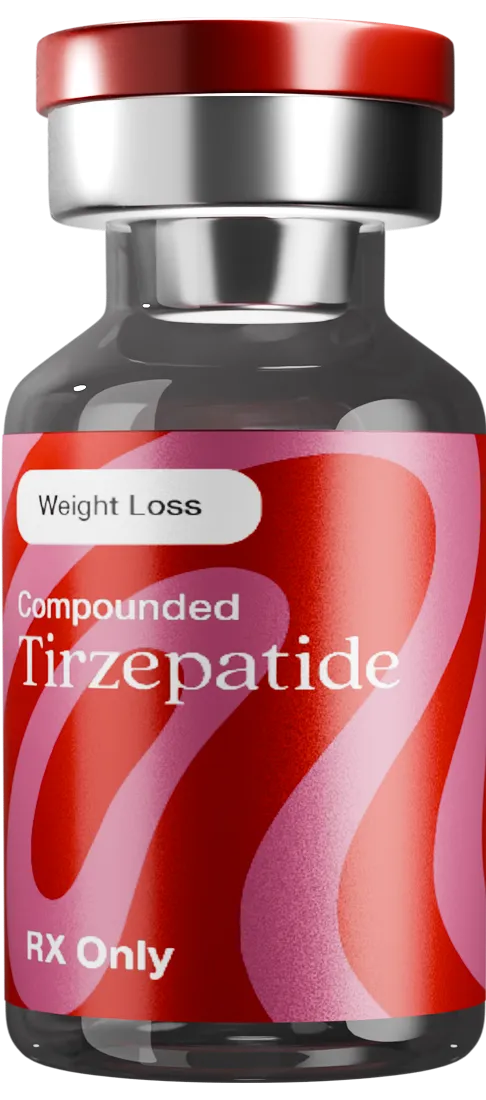
You can get tirzepatide legally in 2026 through five routes: a brand-name prescription for Zepbound or Mounjaro, Eli Lilly's own LillyDirect self-pay vials, a telehealth weight-loss clinic, a compounding pharmacy, or research-grade peptide vials sold for research use only. Which one fits you comes down to three things: whether your insurance covers it, how fast you need it, and how much medical oversight you want. The gap between the cheapest and most expensive path is roughly tenfold, so picking the right route matters more than picking the right brand.
🔑 Key Takeaways
- Tirzepatide is the active ingredient in both Mounjaro (type 2 diabetes) and Zepbound (chronic weight management). Both are FDA approved and both are made by Eli Lilly.[4]
- If your plan covers Zepbound or Mounjaro, an insured prescription is the cheapest legitimate route, often $0 to $100 a month after a savings card.
- Telehealth and LillyDirect are the fastest legal cash-pay routes, putting medication at your door in roughly 5 to 10 days without an in-person visit.
- The FDA declared the tirzepatide shortage resolved in late 2024, so mass-produced compounded copies are restricted. Personalized 503A compounding under an individual prescription still exists.[1]
- In SURMOUNT-1, adults on 15 mg lost about 21% of body weight over 72 weeks, and tirzepatide beat semaglutide head-to-head in SURMOUNT-5.[5][6]
First, do you qualify for tirzepatide?
Every legitimate route starts with eligibility, because tirzepatide is a prescription-only injectable. For weight management with Zepbound, the standard threshold is a body mass index (BMI) of 30 or higher, or 27 or higher with at least one weight-related condition such as type 2 diabetes, high blood pressure, sleep apnea, or high cholesterol. Mounjaro is prescribed for type 2 diabetes specifically.
A prescriber will also screen you out if you have a personal or family history of medullary thyroid carcinoma or multiple endocrine neoplasia type 2 (MEN 2), and will ask about pancreatitis, gallbladder disease, and pregnancy. If you clear that screen, all five routes below are open to you. For the full benefit and risk picture before you commit, see our breakdown of Zepbound vs Mounjaro, since the two brands are the same molecule with different labels.
Route 1: Insurance plus a brand-name prescription
If your insurance covers it, filling a brand prescription for Zepbound or Mounjaro at your regular pharmacy is the cheapest legitimate path by a wide margin. Talk to your primary care doctor or an obesity-medicine specialist, get the prescription, and fill it at CVS, Walgreens, or any retail pharmacy.
What it costs: With coverage, copays usually land between $0 and $100 a month. Eli Lilly's commercial savings cards can bring eligible insured patients down to as little as $25 a month for Zepbound, and a separate card exists for Mounjaro. Without any coverage, the cash list price is roughly $1,000 to $1,090 a month, which is why most people who lack coverage move to one of the cash-pay routes below.
The catch: Coverage is unpredictable. Many employer plans still exclude weight-loss drugs, prior authorization can take two to six weeks, and step therapy (try semaglutide first) is increasingly common. If your claim is denied, our guide to tirzepatide cost without insurance walks through the cash alternatives.
Route 2: LillyDirect self-pay vials
LillyDirect is Eli Lilly's own direct-to-patient platform. It sells single-dose Zepbound vials at flat self-pay pricing, skipping the traditional pharmacy retail markup. This is the cleanest way to get the genuine, FDA-approved product without fighting your insurer.
How it works: You complete a telehealth consultation through a partner provider, and if you are approved, authentic Zepbound vials ship to your door from Lilly's pharmacy network, usually within about 5 to 7 days.
What it costs: Roughly $300 to $500 a month depending on the dose, with the lower starter doses cheaper than the higher maintenance strengths. The vials require a separate syringe rather than the autoinjector pen, which is part of why the price is lower than pharmacy retail. See our LillyDirect cost breakdown for the current price per dose tier, and our guide to buying Zepbound online for how the self-pay vial route compares to insured pens.
Best for: People who want the brand-name product, do not have insurance coverage, and prefer dealing directly with the manufacturer rather than a third-party clinic.
Route 3: Telehealth weight-loss clinics
Telehealth clinics are the most popular cash-pay route in 2026. You complete an online intake, sometimes submit labs, and a licensed provider prescribes if you are eligible. Depending on the clinic, you receive either branded Zepbound or a compounded tirzepatide formulation, and the medication ships to your door.
How it works: Sign up, fill out a medical history, do a video or asynchronous consult, and get prescribed if you qualify. Most platforms bundle the consultation, prescription, and medication into one monthly fee.
What it costs: Branded telehealth programs typically run higher because you are paying near the brand price, while compounded programs often land between $199 and $449 a month all in. The trade-off is convenience and oversight in one package. Our telehealth GLP-1 guide and Zepbound online prescription guide compare the major platforms step by step, and GLP-1 prescription online covers the cheapest entry points.
Best for: The largest group of buyers. You get full physician oversight, a real prescription paper trail, and home delivery without an in-person appointment.
Route 4: Compounding pharmacies (and where the law stands in 2026)
Compounded tirzepatide is the same active molecule prepared by a licensed compounding pharmacy under an individual prescription. This route exploded during the 2022 to 2024 shortage, then the legal ground shifted, so the 2026 status is the part most articles get wrong.
The 2026 legal status: The FDA confirmed the national tirzepatide shortage was resolved, and it then clarified the rules for compounders as supply stabilized.[1] Under section 503B, outsourcing facilities generally cannot mass-produce compounded copies of an FDA-approved drug once it is off the shortage list. Under section 503A, a traditional pharmacy can still compound a personalized preparation for an individual patient based on a valid prescription, as long as it is not done regularly or in large amounts and is not essentially a copy of the commercial product.[2] In practice, this is why many clinics now add an ingredient such as B12 or niacinamide and frame the result as a patient-specific formulation.
What changed, and why it matters
Compounded tirzepatide is no longer a freely mass-produced commodity the way it was during the shortage. It now relies on individualized 503A prescriptions, so availability is tighter, pricing varies more, and the legitimacy of any given clinic depends entirely on whether it works through a properly licensed pharmacy. Verify the pharmacy before you pay.
What it costs: Compounded programs through telehealth generally fall in the same $199 to $449 a month range noted above. For the full status update and how to vet a compounder, see our tirzepatide compounding pharmacy guide. The same legal logic applies across the GLP-1 class, which we cover in how to get semaglutide legally.
Route 5: Research-grade peptide vials (research use only)
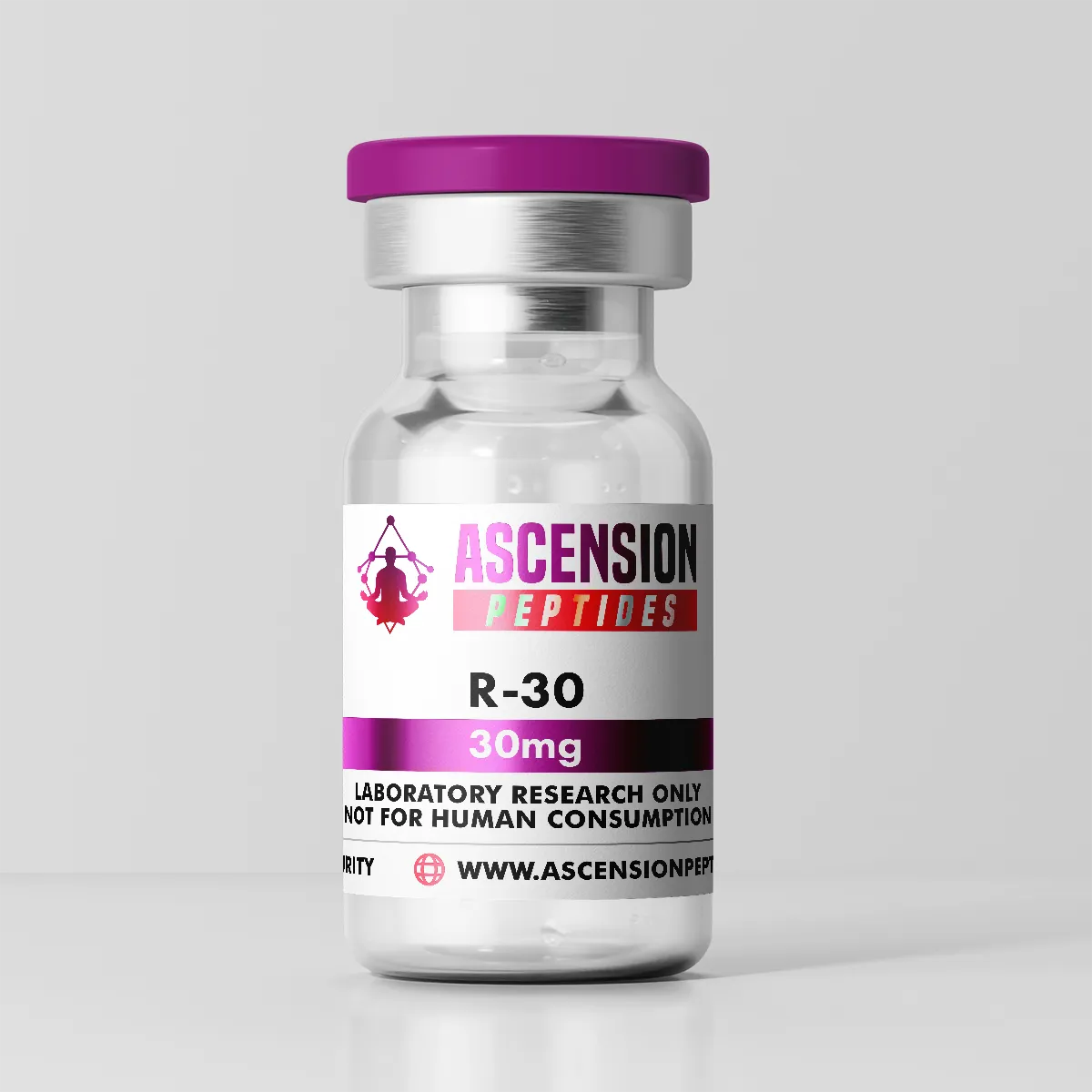
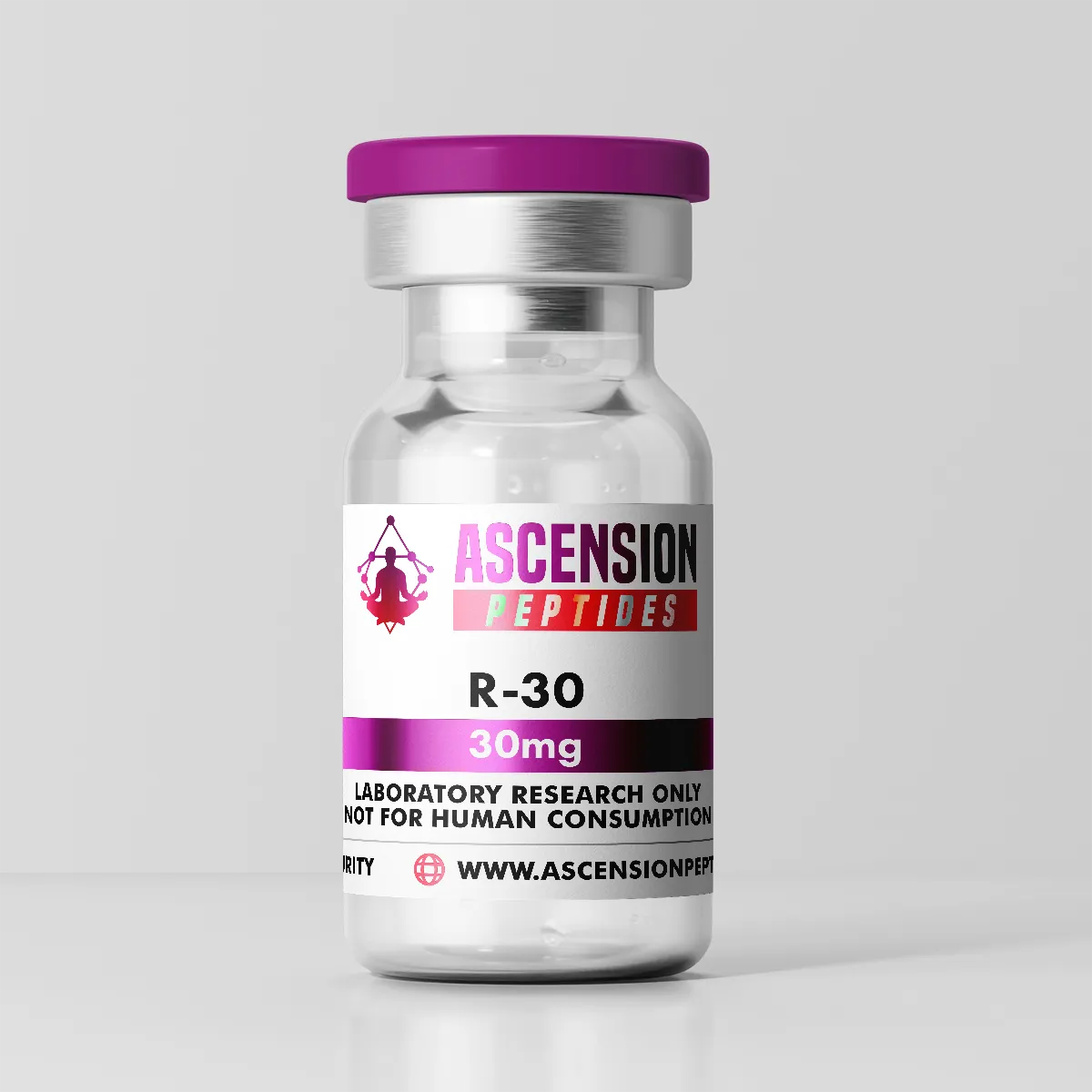
Tirzepatide is also sold as a raw peptide by research-chemical vendors, typically in 30 mg, 60 mg, or 100 mg vials labeled for laboratory research use only. This is the cheapest path and the one with the least protection, because these products are not FDA approved, not intended for human use, and carry no pharmacy quality assurance.
What the FDA says: The agency has warned specifically about unapproved and counterfeit GLP-1 products, citing risks from incorrect dosing, unverified ingredients, and contamination.[3] There is no medical oversight, no recourse if a vial is bad, and quality varies enormously between vendors.
What it costs: On a per-milligram basis this is the lowest-cost option, often working out to a fraction of branded pricing. If you go this direction, the only defensible version involves a vendor that publishes batch-specific third-party testing (HPLC purity and mass spec confirming the molecular weight), and you still need to understand reconstitution and dosing. Our tirzepatide reconstitution guide covers the math, and where to buy compounded tirzepatide covers what a real Certificate of Analysis should show.
Tirzepatide routes compared: cost, speed, and legitimacy
Which route should you actually pick?
Here is the decision most people land on once they map their own situation:
- If your insurance covers Zepbound or Mounjaro, use it. With a savings card you will likely pay $0 to $100 a month for pharmaceutical-grade product. Tolerate the prior authorization.
- If insurance does not cover it and you want the brand, LillyDirect self-pay vials are the cleanest manufacturer-direct option at roughly $300 to $500 a month.
- If you want the lowest cash price with real oversight, a telehealth clinic (compounded where legally available) is the standard 2026 path and the most popular choice. Compare options in our cheapest tirzepatide guide.
- If you have plateaued or want more potency, the next molecule up is retatrutide, a triple agonist that posted even higher weight-loss numbers in trials. See how to get retatrutide.
- If you are weighing tirzepatide against semaglutide (Ozempic, Wegovy) before deciding what to source, read our tirzepatide vs semaglutide comparison built on the SURMOUNT-5 head-to-head data.
How to verify a tirzepatide source before you pay
Whatever route you choose, three checks separate a safe purchase from a costly mistake:
- Telehealth and compounding: Confirm the prescribing clinician is licensed in your state and that the medication comes from a named, licensed pharmacy. Be wary of any platform that prescribes with no medical history and no questions at all.
- LillyDirect: Start at Lilly's own platform rather than a lookalike site, and confirm the partner provider before booking. The medication itself ships from Lilly's pharmacy network.
- Research vials: Treat anything sold this way as unverified by default. Demand batch-specific third-party lab testing, and remember the FDA's warning that unapproved GLP-1 products carry real dosing and contamination risk.[3]
Frequently Asked Questions
References
- U.S. FDA. FDA Clarifies Policies for Compounders as National GLP-1 Supply Begins to Stabilize.
- U.S. FDA. Compounding and the FDA: Questions and Answers (sections 503A and 503B).
- U.S. FDA. FDA's Concerns with Unapproved GLP-1 Drugs Used for Weight Loss.
- U.S. FDA. FDA Approves New Medication for Chronic Weight Management (Zepbound, tirzepatide).
- Jastreboff AM, et al. Tirzepatide Once Weekly for the Treatment of Obesity (SURMOUNT-1). N Engl J Med. 2022.
- Aronne LJ, et al. Tirzepatide as Compared with Semaglutide for the Treatment of Obesity (SURMOUNT-5). N Engl J Med. 2025.