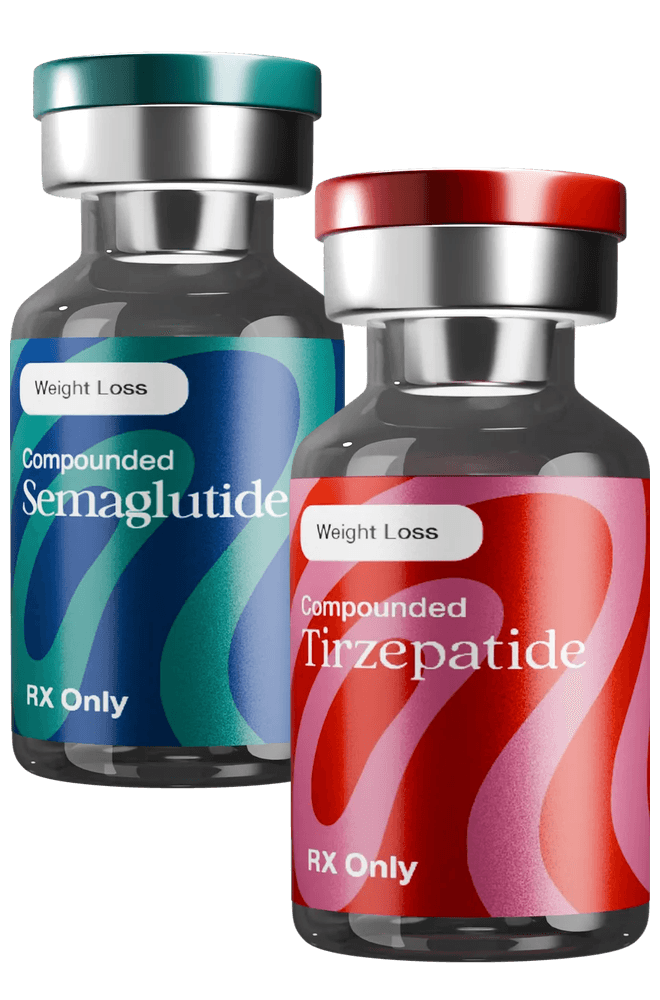
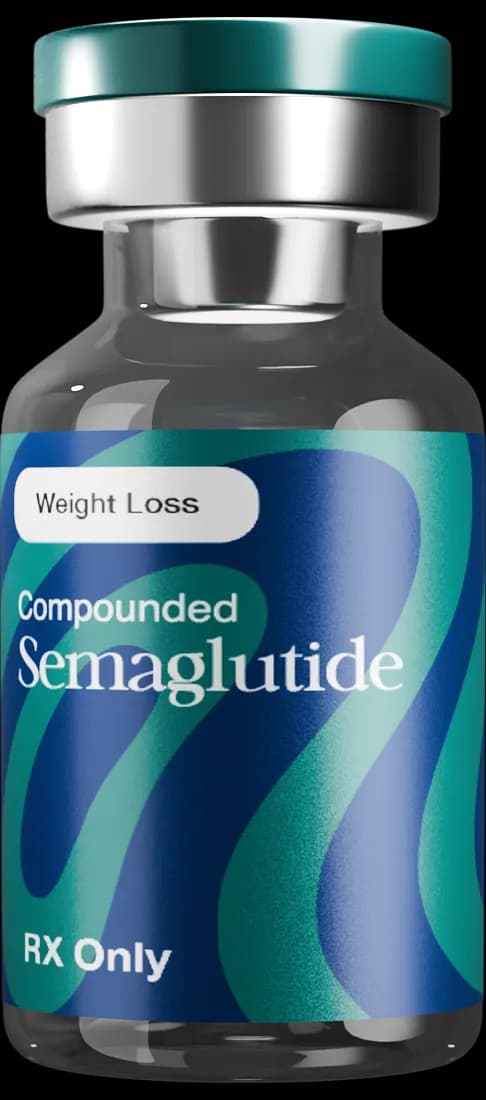
The headlines say GLP-1 access is expanding. The reality on the ground is more complicated. Compounded semaglutide availability is shrinking, telehealth platforms are raising prices, and patients who started treatment in 2024-2025 are finding it harder to continue at the same cost.
🔑 Key Takeaways
- The FDA has continued enforcement actions against compounding pharmacies producing semaglutide and tirzepatide, narrowing the number of available compounding sources throughout early 2026
- Novo Nordisk announced a Wegovy price reduction, but the practical impact for most patients is limited. Insurance coverage remains inconsistent, and many plans still exclude weight loss medications entirely
- Compounded semaglutide is still available through legitimate pharmacies but the window may be closing. The FDA's position on the semaglutide shortage status directly determines whether 503A compounders can continue production
- Tirzepatide compounding has been more heavily restricted than semaglutide since the FDA declared tirzepatide no longer in shortage in late 2025. Fewer sources remain
- Telehealth platforms (Hims, Hers, Ro, others) have adjusted pricing upward as their compounding supply chains face regulatory pressure
- For patients currently on compounded GLP-1s: secure your supply, establish a relationship with a verified compounder, and have a backup plan if your current source stops production
Here's what's actually changing, what it means for your access, and what options remain.
What's Happening with Compounded Semaglutide
The supply is narrowing.
Throughout 2024 and early 2025, compounded semaglutide was widely available through hundreds of 503A compounding pharmacies. The FDA's semaglutide shortage declaration gave these pharmacies legal standing to compound copies of the drug. Patients could access semaglutide for $99 to $269/month instead of $900+ for branded Ozempic.
That landscape has shifted in 2026. The FDA has been systematically reviewing and enforcing against compounders that don't meet its quality standards, or that continued compounding after shortage status changed for certain formulations. The number of pharmacies actively compounding semaglutide has decreased, though legitimate sources remain available.
The key regulatory question: whether the FDA maintains the semaglutide shortage declaration. As long as semaglutide remains on the FDA's shortage list, 503A pharmacies have a legal basis to compound it. If the shortage is resolved, the legal framework for compounding becomes much narrower.
Tirzepatide Compounding: Even Tighter
Harder to find than semaglutide.
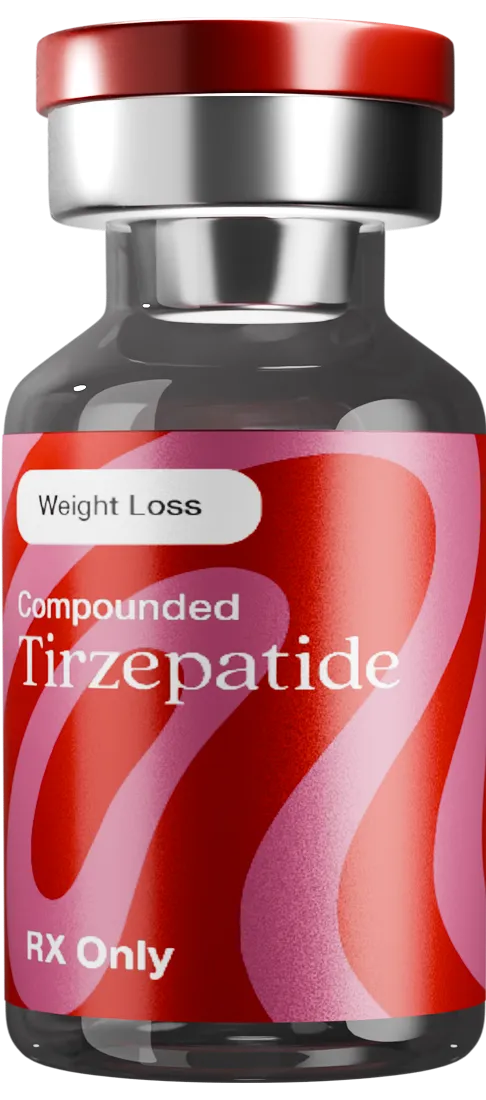
The FDA declared tirzepatide (Mounjaro/Zepbound) no longer in shortage in late 2025. This removed the primary legal basis for most 503A compounders to produce it. Since then, compounded tirzepatide sources have dropped significantly. Some compounders continue under different regulatory pathways, but availability is inconsistent and prices have risen.
For patients currently on compounded tirzepatide, the practical advice: if your current compounder is still operating, continue with them. If your supply is interrupted, the tirzepatide compounding pharmacy page tracks the current landscape.
The Wegovy Price Drop: Less Than It Seems
A headline that doesn't match reality for most patients.
Novo Nordisk announced a reduction in Wegovy's list price in early 2026. On paper, this looks like progress. In practice, the impact is limited:
- Insurance still matters most: The list price reduction doesn't change what insured patients pay at the pharmacy. Copays are determined by insurance formulary placement, not list price.
- Uninsured patients see some benefit: For cash-pay patients, the lower list price flows through to some discount programs. But Wegovy without insurance still costs significantly more than compounded semaglutide.
- Coverage exclusions remain: Many employer plans and state Medicaid programs still exclude weight loss medications entirely. A lower list price doesn't help if the drug isn't covered at all.
The price drop is more about Novo Nordisk's competitive positioning against tirzepatide (Zepbound) and orforglipron (Foundayo) than about making the drug accessible to uninsured patients.
Telehealth Platforms Are Adjusting
Prices are going up, not down.
Platforms like Hims, Hers, Ro, and others built massive businesses around compounded semaglutide in 2024-2025. As compounding supply chains face FDA pressure, these platforms are responding in several ways:
- Price increases: Monthly costs on some platforms have risen $50 to $150 as their pharmacy sourcing costs increase.
- Switching to branded: Some platforms are transitioning patients from compounded to branded Wegovy or Zepbound, which comes with significantly higher pricing.
- Adding services: To justify higher prices, platforms are adding nutritional counseling, lab monitoring, and other services that were previously not included.
- New compounds: Some platforms are expanding beyond semaglutide into other peptides (BPC-157, growth hormone peptides) to diversify their revenue.
What This Means for Your Current Access
Depends on which category you fall into.
If you're on branded Ozempic/Wegovy/Mounjaro/Zepbound with insurance:
Nothing changes for you immediately. Your coverage is between you and your insurer. The main risk is formulary changes at your next plan renewal. Check whether your employer or plan has signaled any changes to weight loss drug coverage.
If you're on compounded semaglutide:
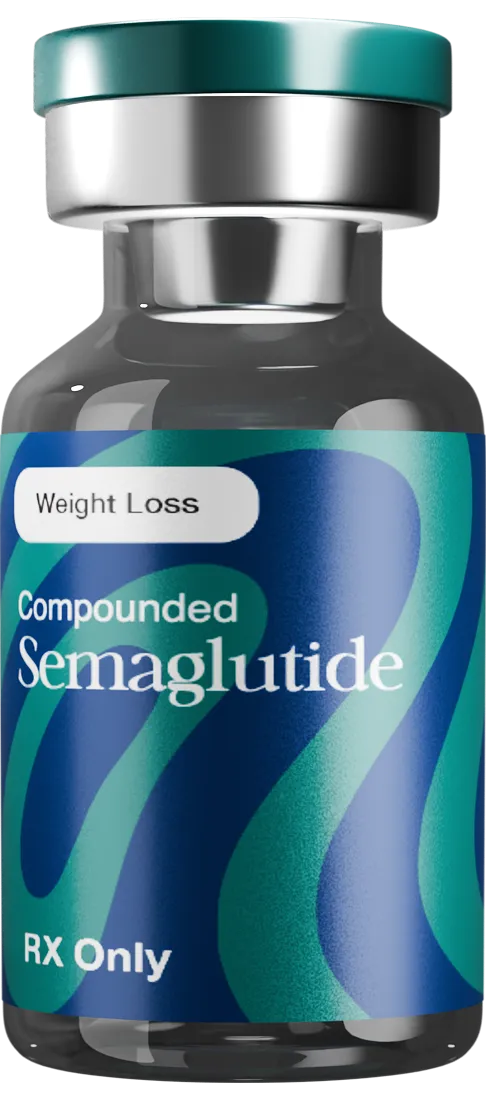
Your access depends on your compounder's regulatory standing and the FDA's shortage designation. Action items: verify your pharmacy has current 503A licensing, ask if they've received any FDA correspondence, and identify a backup source. The compounded semaglutide page lists what to verify.
If you're on compounded tirzepatide:
The supply is the most constrained of all three. Have a contingency plan. Options include switching to compounded semaglutide (still more widely available), transitioning to branded Zepbound if insurance covers it, or sourcing tirzepatide through a licensed peptide supplier. The tirzepatide compounding page covers current alternatives.
If you haven't started yet:
Compounded semaglutide remains the most affordable and accessible entry point at $99 to $269/month. Start there while it's available. If budget isn't a concern, branded Zepbound through insurance is the strongest option. See the GLP-1 without insurance page for the full access roadmap.
What to Watch Next
Three things will determine where access goes from here.
- FDA semaglutide shortage status: If the FDA resolves the semaglutide shortage, 503A compounding authority narrows significantly. This is the single biggest variable for compounded access.
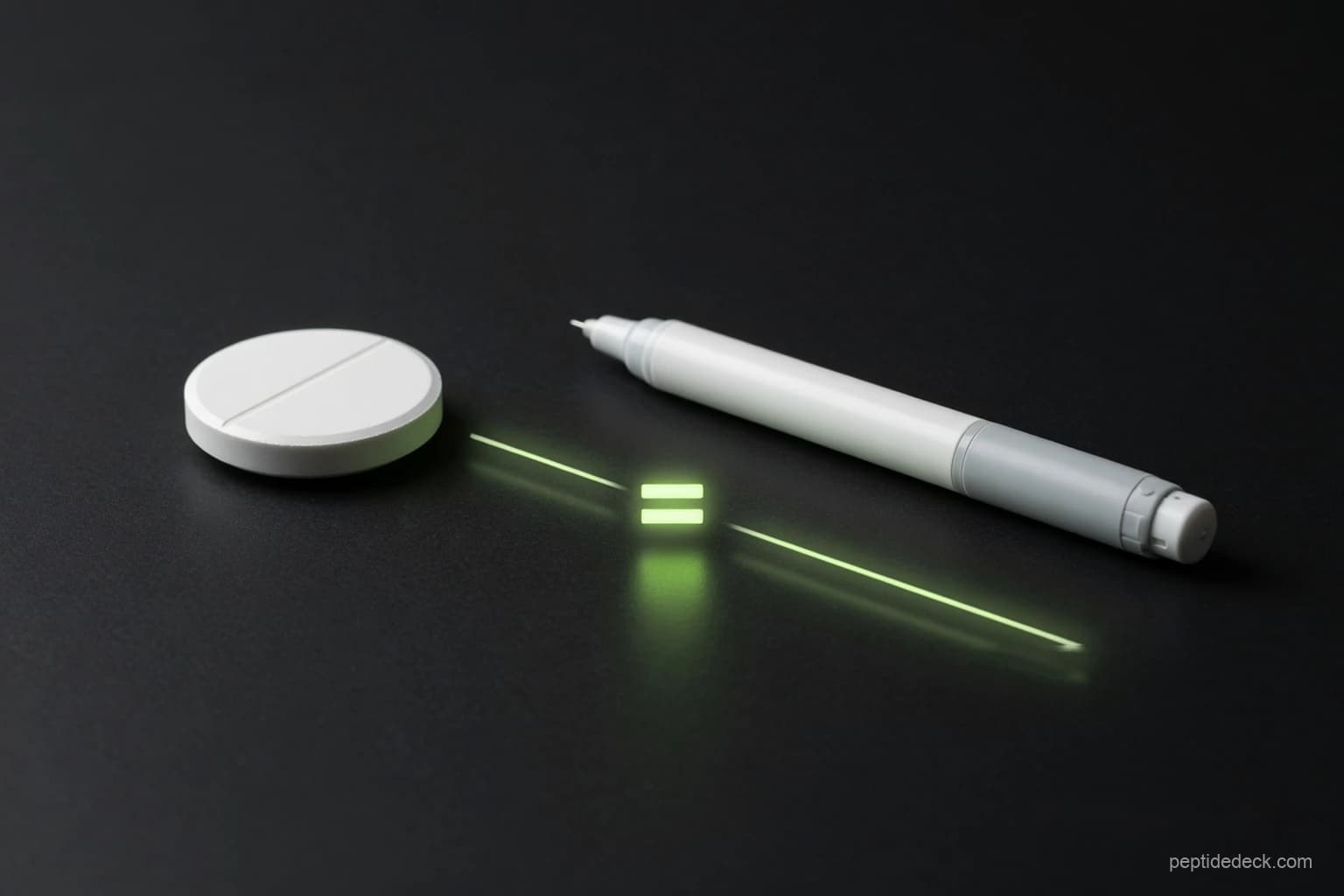
- Foundayo (orforglipron) availability: Eli Lilly's oral GLP-1 pill was recently approved, but the FDA has requested additional liver safety data. If Foundayo scales successfully, it creates a new affordable access route that doesn't depend on compounding.
- Employer coverage expansion: More employers are adding GLP-1 coverage for weight loss (not just diabetes). This trend directly determines how many people can access branded versions at manageable copays.
Frequently Asked Questions
Medical Disclaimer: This article is for informational purposes only and does not constitute medical or legal advice. Regulatory landscapes change rapidly. Consult your healthcare provider and pharmacist for current access options. Do not discontinue GLP-1 medication without physician guidance.