You don't need insurance to access GLP-1 medications. Brand-name Wegovy, Ozempic, Mounjaro, and Zepbound can still run $900 to $1,400 per month at the pharmacy counter, but in 2026 there are real cash-pay paths far below retail, including oral brand-name GLP-1 options from $149 per month, Wegovy pill maintenance at $299 per month, and Zepbound direct-pay options starting at $299 per month. This guide breaks down every legitimate option, with current prices.
Real GLP-1 before and after results
Four real before-and-after photos from users online who shared their GLP-1 results. Identifiers blurred for privacy. Click any photo to expand.
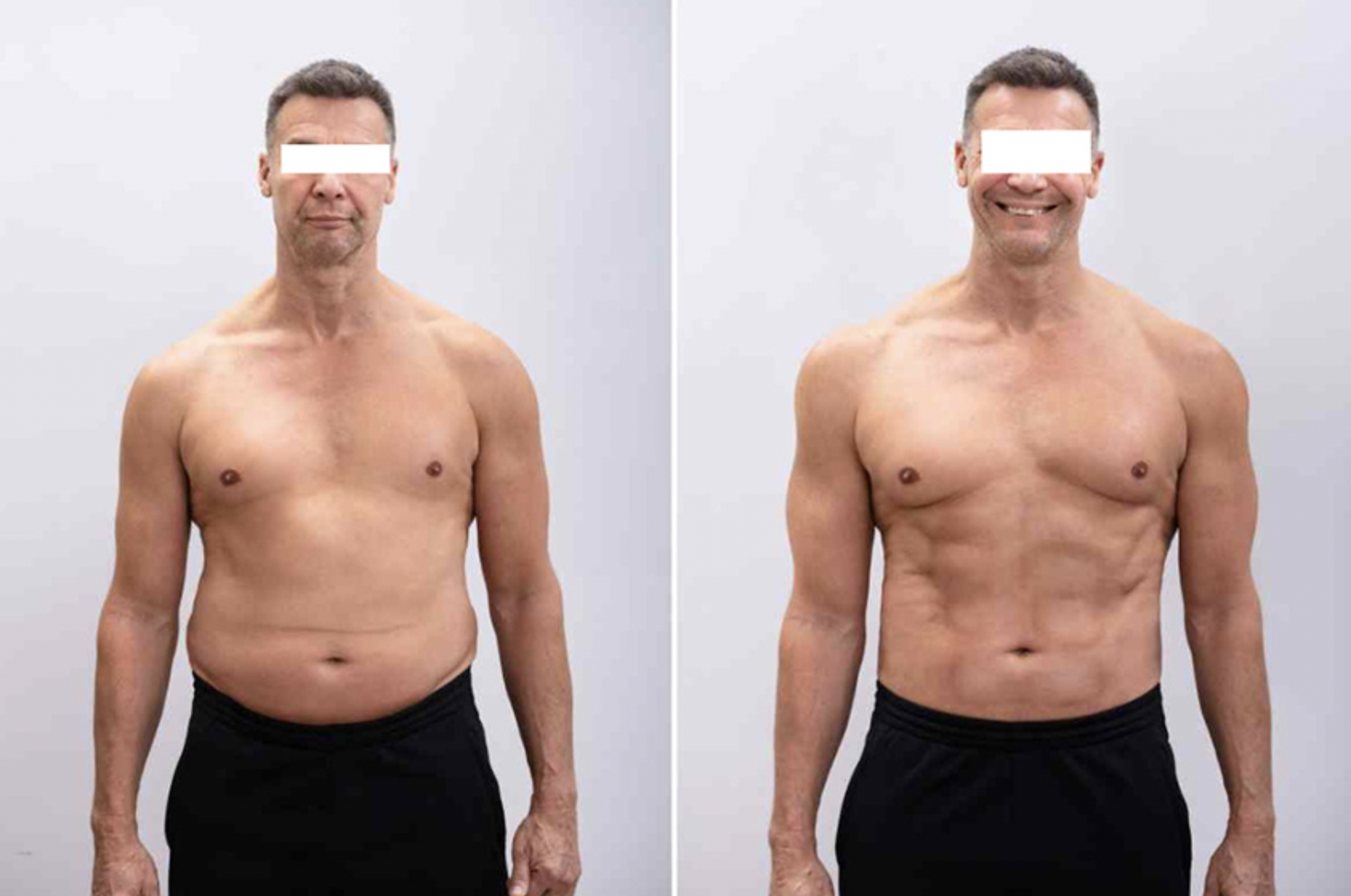
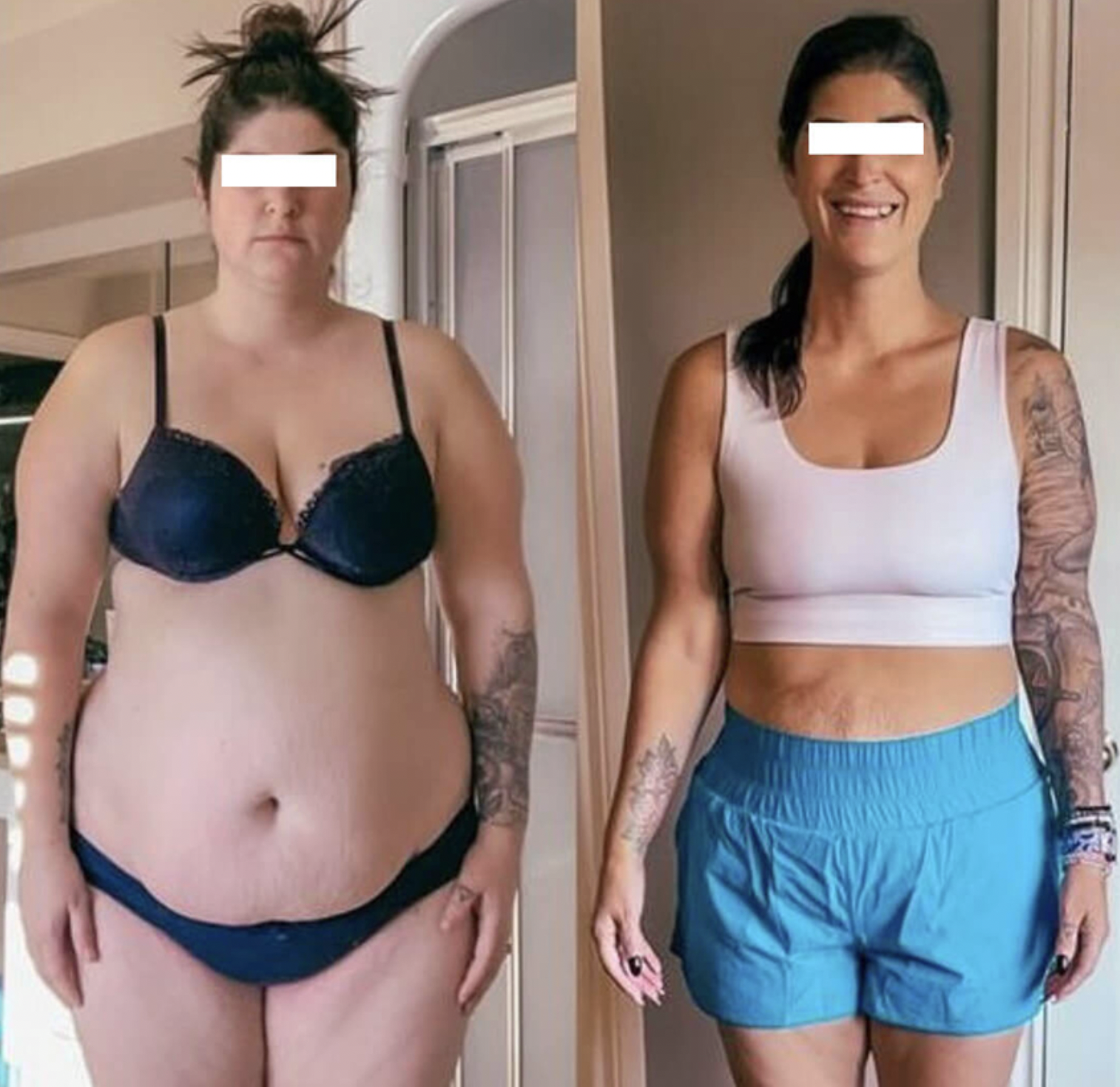
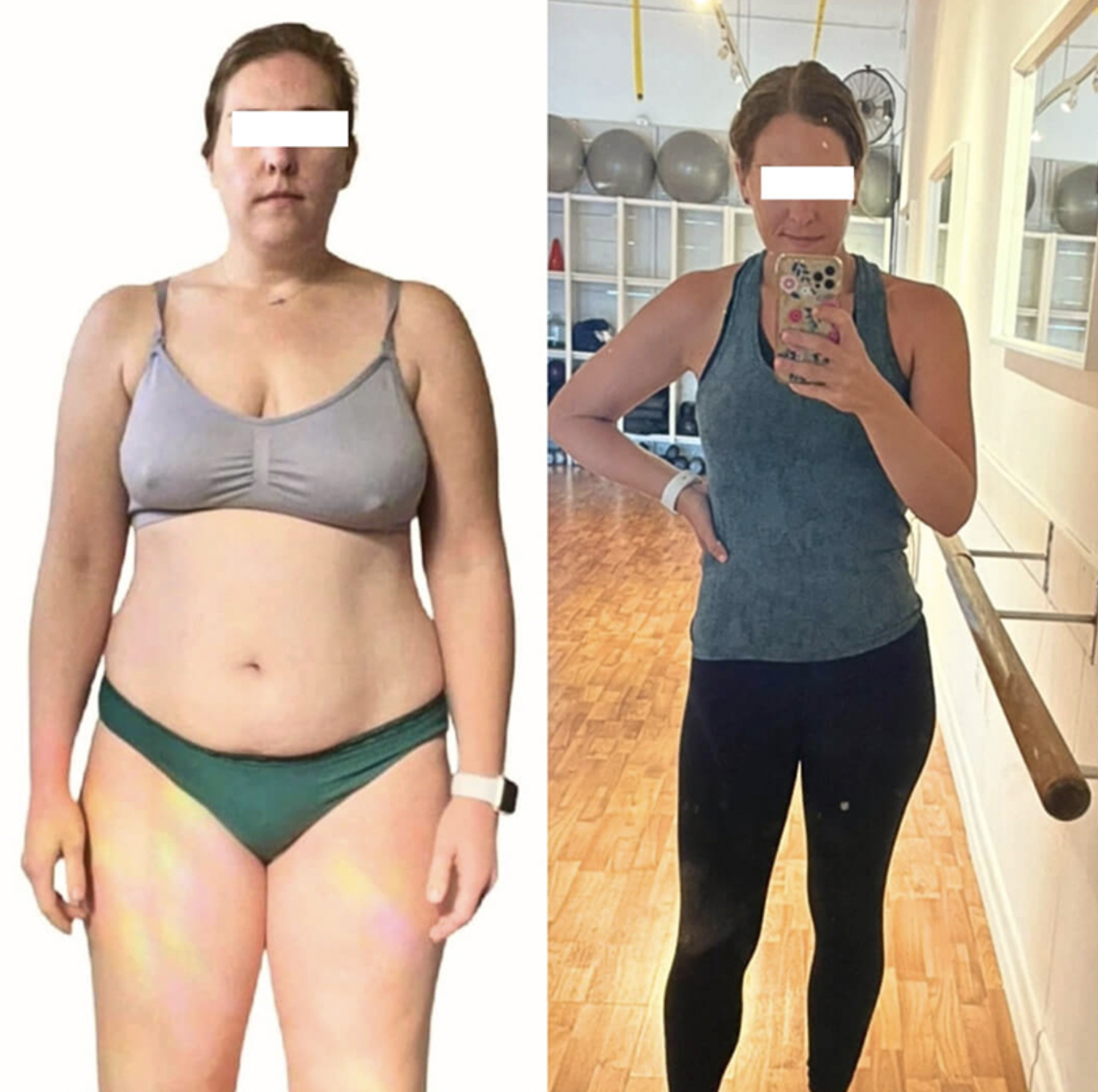
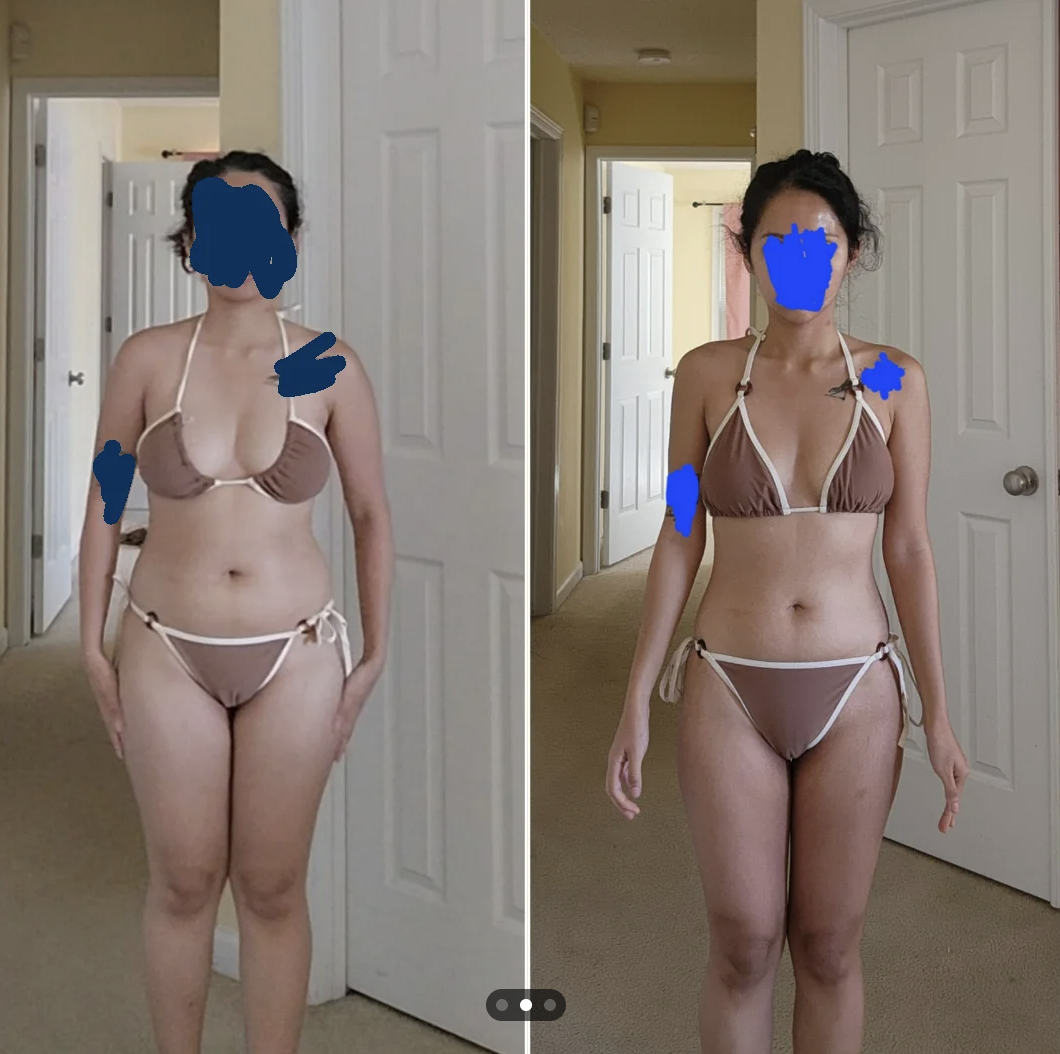
Photos sourced from users online who publicly shared their GLP-1 results. All four used compounded semaglutide or tirzepatide, the same medications available through MEDVi and Embody telehealth. Individual results vary; trial average is 15-20% body weight loss at 60+ weeks.
🔑 Key Takeaways
- Brand-name GLP-1s (Ozempic, Wegovy, Mounjaro, Zepbound) cost $900 to $1,400 per month at retail without insurance
- The cheapest brand-name GLP-1 entry point is now oral: Foundayo starts at $149 per month, and the Wegovy pill starts at $149 for lower doses through NovoCare and partner offers
- Zepbound direct-pay pricing starts around $299 per month for the 2.5 mg starter dose, with higher doses priced more
- Wegovy injection direct-pay pricing is commonly $349 per month for standard doses and $399 per month for Wegovy HD 7.2 mg
- GoodRx and SingleCare can drop brand-name prices by 10 to 25 percent at the counter
- Patient assistance programs from Novo Nordisk and Lilly provide free or near-free medication for households under 400 percent of the federal poverty level
- Retatrutide has no FDA-approved brand version yet, so the only access today is through peptide vendors at roughly $13 to $20 per week
Most people search this question after seeing a pharmacy quote of $1,000 plus and assuming there's no way around it. There is. The cash-pay landscape changed dramatically in late 2025 and early 2026, and the savings are real if you know where to look.
How Much GLP-1 Drugs Actually Cost Without Insurance
Here's the full retail picture for every major GLP-1 medication, before any program or discount.
Most insurance plans only cover GLP-1s for type 2 diabetes, where these drugs were originally approved. Weight-management indications (Wegovy, Zepbound, Saxenda) are still treated as elective by many insurers, which is exactly how patients end up paying the full retail price.
Cheapest GLP-1 Without Insurance in 2026
The cheapest option depends on what you mean.
If you mean the cheapest FDA-approved brand-name GLP-1 entry point, the answer is now oral: Foundayo and low-dose Wegovy pill offers can start at $149 per month. If you mean the cheapest high-efficacy injectable option, Zepbound direct-pay pricing starts around $299 per month for the 2.5 mg starter dose, while Wegovy injection direct-pay pricing commonly sits around $349 per month for standard doses.
Cheapest practical answer
For a brand-name GLP-1 without insurance, start by checking Foundayo and Wegovy pill pricing first if oral treatment is acceptable. If you want the strongest injectable weight-loss option per dollar, check Zepbound direct-pay pricing next.
The lowest monthly price is not always the best value. Foundayo can be cheaper, but Zepbound has stronger average weight-loss data. Wegovy pill can be cheaper than injections, but the administration routine is stricter. The right comparison is not just monthly price; it is price, expected results, side-effect tolerance, and whether you can stay on it long enough to benefit.
The 5 Real Ways to Get GLP-1s Without Insurance in 2026
If you're paying out of pocket, these are the only paths that actually move the price.
1. Manufacturer Direct Cash-Pay Programs
Both Novo Nordisk and Eli Lilly now sell their GLP-1s directly to cash-paying patients, and the prices dropped sharply in late 2025.
NovoCare Pharmacy and partner offers: Wegovy pill starts at $149 per month for lower doses and is commonly $299 per month for 9 mg and 25 mg maintenance doses. Wegovy injections are commonly $349 per month for standard doses, with Wegovy HD 7.2 mg around $399 per month. These prices require a valid prescription and may depend on dose, offer eligibility, and where the prescription is filled.
LillyDirect and GoodRx partner pricing: Foundayo starts at $149 per month and rises by dose. Zepbound direct-pay options start around $299 per month for the 2.5 mg starter dose, with higher doses priced more. Some Zepbound options are vials or KwikPen products rather than the classic auto-injector pen, so administration details matter.
This route is the most legitimate, lowest-friction option for brand-name medication. Same drug, same factory, same FDA oversight, just sold direct.
2. Telehealth Programs With Compounded GLP-1s
Telehealth platforms partner with licensed compounding pharmacies to make semaglutide and tirzepatide available at a fraction of brand pricing. The active ingredients are the same as Ozempic, Wegovy, and Mounjaro. The difference is the manufacturing pathway and the dosing customization.
What you get: a real prescription, a licensed pharmacy, and ongoing medical supervision. What you give up: predictability. The FDA shortage designation that made widespread compounding legal has been winding down through 2025 and 2026, and some providers may exit or pivot to brand-name programs. Confirm a platform's current compliance posture before locking into a long-term commitment.
503A vs 503B compounding
503B outsourcing facilities meet stricter FDA quality and sterility requirements than 503A pharmacies and are often the source for telehealth programs that emphasize quality. Ask the provider directly which type of facility produces their medication before paying.
3. Pharmacy Discount Cards (GoodRx, SingleCare, RxSaver)
These cards negotiate prices through pharmacy benefit managers and can shave 10 to 25 percent off the cash counter price for brand-name GLP-1s. Stack a card with shopping around between Costco, HEB, Sam's Club, and supermarket pharmacies, and the savings add up.
GoodRx specifically runs a Wegovy and Ozempic intro program at $199 for the first two fills (0.25mg or 0.5mg starter doses only), then $349 per month. That tracks closely with NovoCare direct, but you're using a regular retail pharmacy.
Manufacturer copay cards (Ozempic Savings Card, Wegovy Savings Card, Mounjaro Savings Card, Zepbound Savings Card) drop the price to $25 per month, but only if you have commercial insurance. Medicare, Medicaid, and uninsured patients are excluded from the copay cards. Read the eligibility fine print.
4. Patient Assistance Programs (PAPs)
If your household income is under 400 percent of the federal poverty level (roughly $58,000 for a single person, $120,000 for a family of four in 2026), the manufacturer patient assistance programs can provide medication for free or close to it.
- Novo Nordisk Patient Assistance Program: Covers Ozempic, Rybelsus, and Victoza for diabetes patients. Wegovy is generally not on the PAP list. Apply at novocare.com/pap.
- Lilly Cares Foundation: Covers Mounjaro and Trulicity at no cost for eligible uninsured patients. Apply at lillycares.com.
You'll need a doctor's prescription, proof of income, and proof of either no insurance or no coverage for the specific medication. The application takes 2 to 4 weeks. Most middle-income earners over $60,000 won't qualify.
5. Clinical Trials
If you're willing to be enrolled in a study, clinical trials provide GLP-1 medication, monitoring, and sometimes compensation at no cost. Eli Lilly currently has active Phase 3 trials on retatrutide and orforglipron, and Novo Nordisk continues to run obesity trials with semaglutide and amycretin. Search at clinicaltrials.gov using the drug name plus your zip code.
This isn't a fast or guaranteed path, but for the right candidate it can mean a year or more of free GLP-1 access with intensive medical supervision built in.
The Cost Comparison That Matters: Annual Spend
Monthly prices hide what these drugs actually cost over a year. Here's the real annual math, including a few options.
Sustained access is what drives results. The trial data behind these drugs (68 weeks for STEP-1 with semaglutide, 72 weeks for SURMOUNT-1 with tirzepatide) shows weight loss continues to build through the first year and a half of treatment. Stopping early because the budget gave out wipes out most of the progress within months.
What About Retatrutide?
Retatrutide doesn't have a brand name yet. It's still in Phase 3 trials at Eli Lilly under the name LY3437943, and the data so far is the most striking in the GLP-1 class: about 24 percent average body-weight reduction over 48 weeks in the Phase 2 trial, compared to roughly 15 percent for semaglutide and 21 percent for tirzepatide. It's a triple agonist (GLP-1, GIP, and glucagon receptors), which is why it's outperforming the dual agonists.
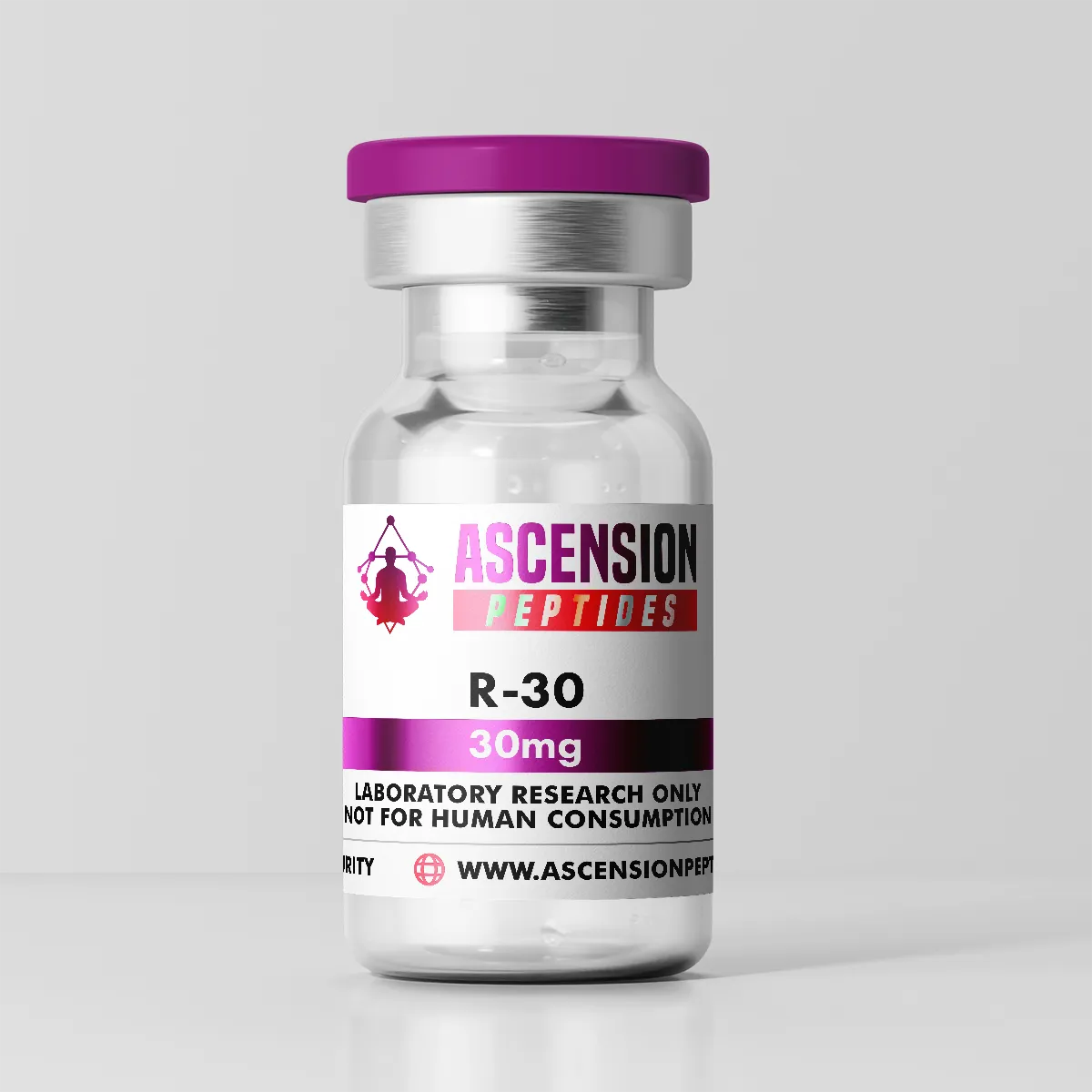
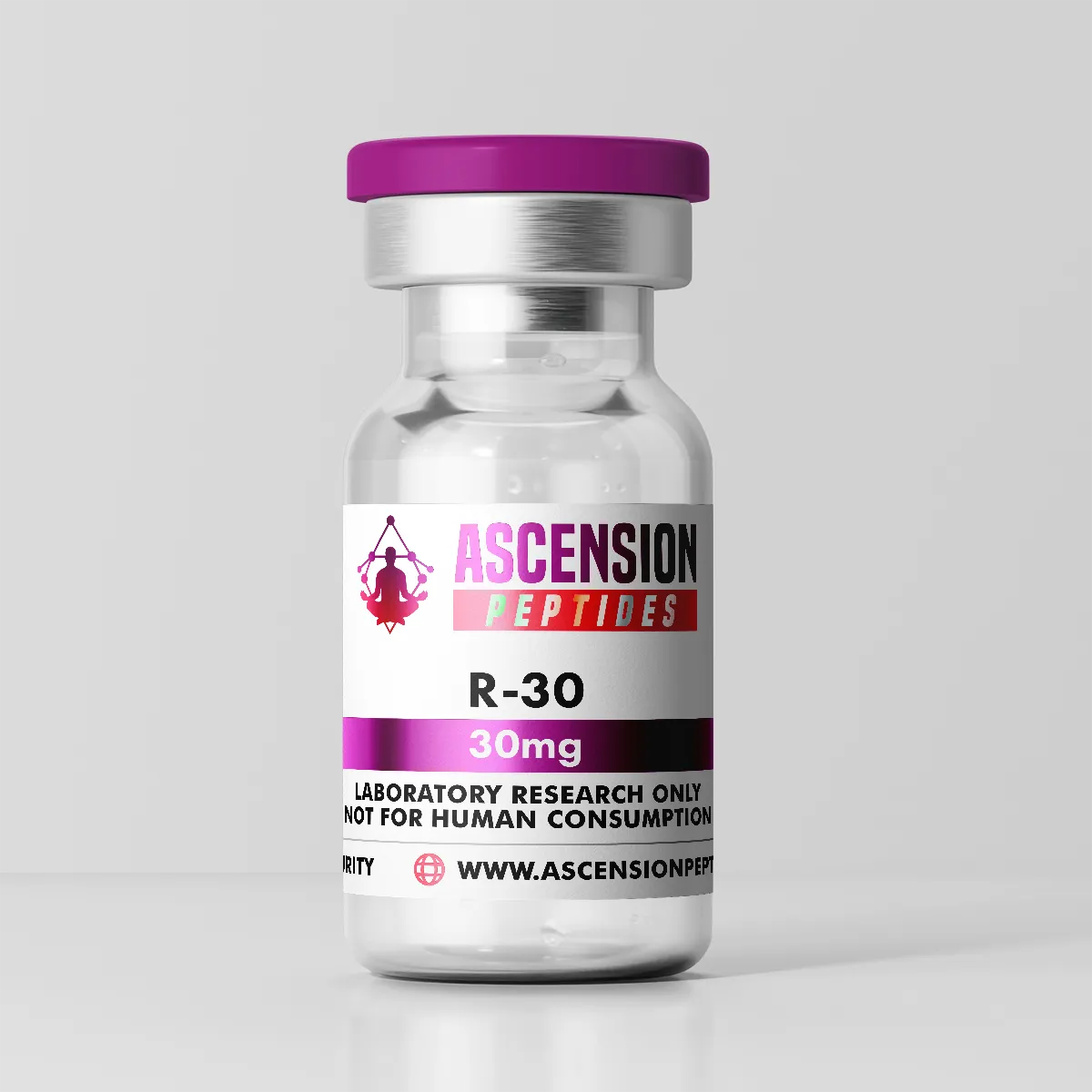
Because there's no FDA-approved version, the only access today is through specialty peptide vendors that sell it for self-pay use. Retatrutide pricing from Ascension currently runs $120 for a 10mg vial (R-10) and $269.99 for a 30mg vial (R-30). At standard 2mg-per-week microdosing, R-30 lasts 12 to 15 weeks, working out to roughly $13 to $20 per week.
For full dosing protocols, see the retatrutide dosage chart and the microdosing protocol.
Honest limitation
Retatrutide is not FDA-approved. Self-pay vendors sell lyophilized powder that requires reconstitution with bacteriostatic water before injection, and there is no built-in medical supervision. People who choose this route generally already understand subcutaneous injection or have a clinician monitoring labs. If you want medical oversight, the manufacturer-direct or telehealth options above are the better fit.
Mounjaro cost without insurance, and how it compares
Mounjaro is the route most people ask about by name, and it is one of the more expensive brand options to pay for outright. Here is where each major GLP-1 lands for a cash payer with no coverage at all.
Cheapest Mounjaro without insurance is a question with an uncomfortable answer: there is no cash programme for brand Mounjaro comparable to what Lilly offers on Zepbound through LillyDirect. The savings card requires commercial insurance, so an uninsured patient cannot use it at any price. What remains is a pharmacy discount card against a $1,112 list price, or switching molecule.
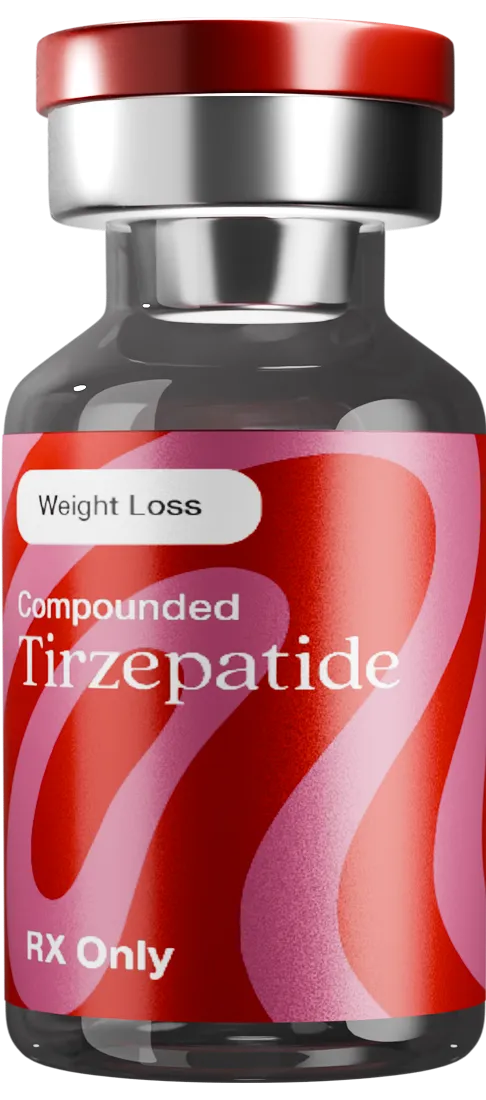
For most uninsured patients the practical route is compounded tirzepatide — the same active ingredient, prepared by a compounding pharmacy and prescribed through licensed telehealth from around $119 a month. That is roughly a tenth of the brand cash price, with the trade-off that it is not an FDA-approved product and does not carry Lilly’s manufacturing oversight or trial evidence.
Buying semaglutide without insurance
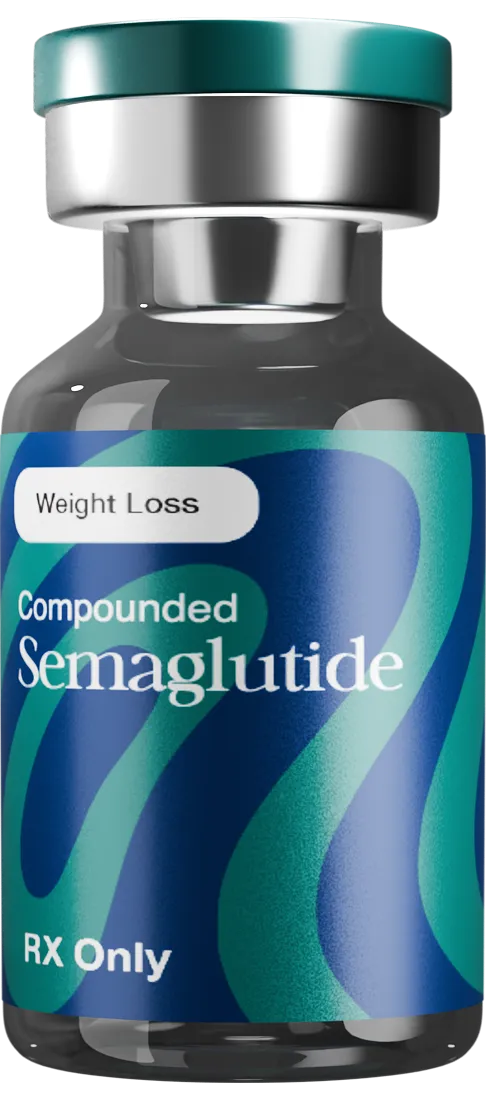
Semaglutide is the easier of the two molecules to obtain cheaply without coverage, because Novo Nordisk sells direct. NovoCare Pharmacy lists Ozempic and Wegovy self-pay well below retail, and oral Wegovy is cheaper still at $149 a month. Below that sits compounded semaglutide from roughly $69 a month.
“Without insurance” and “insurance that excludes it” are different problems
If you have commercial insurance that simply does not cover GLP-1s, you are not in the uninsured bucket — you can still use a manufacturer savings card, it just has far less to work against, and the resulting price is unpredictable rather than fixed. Ask your pharmacist to run the card anyway before assuming cash pricing. If you have no drug coverage at all, the card is closed to you entirely and the direct-purchase and compounded routes above are where to start.
Red Flags to Avoid
- Telehealth platforms with no medical evaluation. Any legitimate provider will require a health screening and a real prescription. Skip the ones that don't.
- "Oral GLP-1" supplements on Amazon or TikTok. These are not GLP-1 receptor agonists. They use the term as marketing language and don't contain semaglutide or tirzepatide.
- Overseas vendors with no US presence. Customs seizures, counterfeit risk, and zero recourse if something goes wrong.
- Prices below market floor. Tirzepatide vials at $25 or semaglutide at $15 almost always mean underdosed or counterfeit product.
- Vendors with no Certificate of Analysis. A real seller posts third-party lab purity testing for every batch. No COA, no purchase.
How to Choose the Right Path for You
The right answer depends on three things: how much you can spend, how much medical supervision you want, and whether you need a specific brand for diabetes coverage.
- Want brand-name medication, no compromise? Manufacturer direct (NovoCare or LillyDirect) is the cleanest play. $299 to $499 per month for the same drug your doctor would prescribe.
- Want the lowest sustainable price with medical oversight? A telehealth compounded program at $149 to $299 per month. Hims at $199 with a longer commitment is the floor for compounded semaglutide right now.
- Low income, no insurance? Apply for the Novo Nordisk PAP or Lilly Cares Foundation. If you qualify, the medication is free.
- Already comfortable with glp 1 shots and self-injection, want maximum potency at minimum cost? Self-pay peptide vendors with retatrutide are the most cost-efficient option per pound lost, but you're managing the protocol yourself.
Cash-Pay GLP-1 Programs: 2026 Pricing Side by Side
Manufacturer cash-pay programs are the biggest reason GLP-1 medications are accessible without insurance in 2026. The two big ones are NovoCare (Novo Nordisk) and LillyDirect (Eli Lilly). Here is what each program covers, who qualifies, and the actual monthly price.
The single cheapest pathway in 2026 is Wegovy at $199 per month through NovoCare's pen program. That price applies to every Wegovy dose strength, including the maintenance 2.4 mg dose. The catch is that you must use the NovoCare partner pharmacy (you cannot fill at a CVS or Walgreens at this price) and your insurance must not be covering Wegovy. People with denied prior authorizations qualify, which is most of the cash-pay audience.
For tirzepatide specifically, the cheapest path is the LillyDirect Self-Pay vial program at $349 to $499 depending on dose. The vials require manual draw with a syringe rather than an autoinjector, which trades convenience for price. See our Ozempic, Wegovy & Zepbound without insurance guide for the full mechanics of each program.
What "Without Insurance" Actually Means in 2026
Most people searching for GLP-1 cost without insurance are not actually uninsured. They have insurance, but their plan does not cover weight-management drugs. That distinction matters because some cash-pay programs accept patients with a denied prior authorization while others require true uninsured status. Here is how each common scenario maps to the available options.
- Truly uninsured (no plan at all): Every cash-pay program is open to you. NovoCare and LillyDirect are the cheapest legitimate routes. Telehealth platforms selling compounded GLP-1s are no longer broadly legal in 2026 after the FDA shortage resolution; treat any platform still selling compounded tirzepatide or semaglutide as a yellow flag.
- Commercial insurance, weight loss not covered: NovoCare ($199 Wegovy pen) and LillyDirect ($349-$499 Zepbound vial) both accept patients in this scenario. The Lilly savings card may also apply if you have commercial insurance, even when your plan denies Zepbound, dropping the copay to $25 for eligible patients.
- High-deductible health plan (HDHP) before deductible met: Your insurance technically covers the drug but you pay the negotiated price until the deductible. NovoCare and LillyDirect Self-Pay vials are often cheaper than the negotiated rate before deductible.
- Medicare (Part D): Wegovy is covered for adults with established cardiovascular disease; Zepbound is not covered for weight loss but will be available through the new GLP-1 Bridge Program for eligible beneficiaries starting July 1, 2026 at roughly $50 per month.
- Medicaid: Coverage varies by state. As of 2026, roughly 16 states cover GLP-1s for obesity through Medicaid; the rest cover only diabetes uses. If your state denies coverage, the manufacturer cash programs are usable.
For a broader cost framework that covers telehealth pricing and compounded GLP-1 status, see cheapest GLP-1, tirzepatide cost without insurance, and GLP-1 prescription online.
Frequently Asked Questions
Sources
- LillyDirect: Foundayo cash-pay access and pricing
- LillyDirect: Zepbound self-pay terms and monthly pricing
- NovoCare: Wegovy savings, self-pay, and home delivery pricing
- NovoCare Wegovy price guide
- GoodRx: Foundayo and Zepbound self-pay pricing expansion
The information in this article is for educational purposes only and does not constitute medical advice. GLP-1 medications can have meaningful side effects (nausea, vomiting, pancreatitis, gallbladder disease, hypoglycemia in patients on insulin or sulfonylureas) and require medical supervision for most patients. Always consult a healthcare professional before starting any new medication or compound. Pricing in this article reflects publicly available information as of the last updated date and may change.