Microdosing retatrutide means splitting your weekly dose into 2–3 smaller injections instead of one. Instead of taking 6mg on Monday, you take 2mg every two to three days. The idea is to flatten the drug concentration curve — reducing peak levels by 17–19%, which may cut down on nausea and GI side effects without sacrificing results. There are no clinical trials validating this approach. It's built on pharmacokinetic modeling and community experience, and that's worth being upfront about.
🔑 Key Takeaways
- Twice-weekly is the most popular starting point — split your weekly dose in half, inject Monday and Thursday
- P/T ratio drops from ~2.2 to ~1.5 with twice-weekly dosing, reducing peak concentrations by ~17%
- No clinical trials exist for GLP-1 microdosing — this is PK modeling + community data only
- Best candidates: people experiencing nausea or GI issues on standard weekly dosing
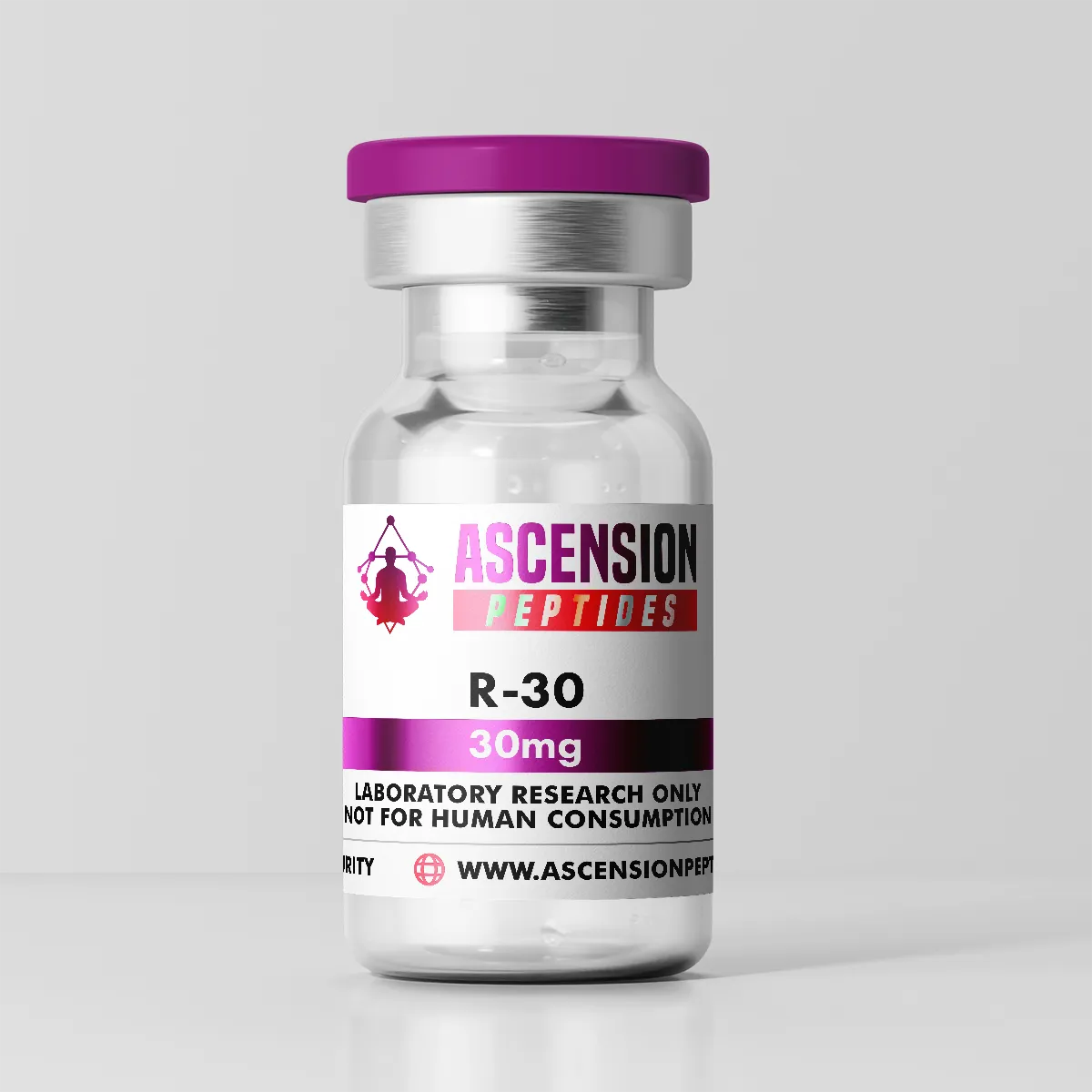
- R-10 (10mg vial) is ideal for microdosing — the smaller vial makes precise splitting easier and costs less upfront when you buy retatrutide for low weekly doses
- 55% of microdosers do it without medical supervision — consult a provider if possible
The 6 Microdosing Schedules Compared
All schedules below use a 6mg/week equivalent dose for comparison. Adjust proportionally for your actual weekly dose. The P/T (peak-to-trough) ratio measures how much drug concentration varies between doses — lower is more stable.
Understanding Peak-to-Trough Ratios
The peak-to-trough (P/T) ratio is the core concept behind microdosing. It measures how much drug concentration swings between doses. A P/T of 2.2 means your peak concentration is 2.2 times your trough — a wide swing that may drive GI side effects when the drug hits peak levels.
Here's how the math works with retatrutide's ~6-day half-life:
The trough increase is just as important as the peak reduction. When you split doses, your minimum drug concentration goes up — which theoretically maintains appetite suppression and metabolic effects even at lower individual injection amounts. This is the pharmacokinetic argument for why microdosing might preserve efficacy while reducing side effects.
Retatrutide's Half-Life and Why It Matters
Retatrutide has an approximate half-life of 6 days — between tirzepatide (~5 days) and semaglutide (~7 days). This extended half-life means the drug accumulates over multiple weeks until it reaches steady state (typically weeks 4–6 of treatment).
The long half-life has important implications for microdosing:
- Steady state matters more than single-dose peaks. Once you're at steady state, your trough is already elevated from previous doses. The "sawtooth" pattern of weekly dosing is less dramatic than it looks on paper.
- Splitting doses has diminishing returns. Because retatrutide lingers so long, the difference between once-weekly and twice-weekly is smaller than it would be for a short half-life drug.
- The first 4–8 weeks are when microdosing helps most. During titration, before steady state is reached, peak-to-trough swings are largest — which is exactly when GI side effects tend to be worst.
For detailed guidance on the standard dosing protocol, see the retatrutide dosing schedule and retatrutide dosage chart.
Why People Microdose — The Evidence
1. GI Side Effect Reduction
Nausea is the most commonly reported side effect of retatrutide, particularly during dose escalation. The pharmacokinetic argument is straightforward: lower peak concentrations mean the drug hits gut receptors less intensely. Peak GLP-1 receptor activation in the gut is closely linked to nausea and vomiting — reducing that peak by 17–19% could meaningfully reduce symptom severity.
Community reports support this. Users who switched to twice-weekly splits commonly report reduced nausea on injection day. This is anecdotal, but consistent enough to take seriously. For a full breakdown of what to expect, see our retatrutide side effects guide.
2. More Stable Appetite Suppression
Weekly dosing creates a pattern where appetite suppression is strongest in the day or two after injection, then gradually weakens toward the end of the week. Some users call this the "end-of-week hunger spike." Splitting doses flattens this pattern — appetite suppression becomes more consistent throughout the week.
3. Finer Dose Control
Microdosing allows adjustments that aren't possible with once-weekly dosing. If you're having a particularly rough week, you can temporarily reduce individual injection amounts without abandoning the protocol. You can also adjust timing around social events, travel, or stressful periods.
Lessons from Other Peptide Therapies
Insulin: The Original Microdosing Success
The strongest precedent for splitting peptide doses comes from insulin therapy. NPH insulin twice daily — the old standard — produced high P/T ratios, frequent hypoglycemia, and poor glycemic control. The shift to basal-bolus regimens (multiple daily injections or continuous pumps) dramatically improved outcomes: fewer lows, better A1C, fewer long-term complications.
The lesson: for peptides that act on meal-sensitive pathways, more frequent smaller doses often outperform infrequent large ones.
Growth Hormone: Daily Beats Weekly
GH replacement therapy is another example. Despite the availability of long-acting GH formulations, daily injections remain the clinical standard — because they better mimic the natural pulsatile pattern of GH secretion and produce more stable IGF-1 levels with fewer side effects (less edema, less joint pain).
Why GLP-1s Might Be Different
GLP-1 agonists were specifically engineered for weekly dosing. Their extended half-lives are intentional design features, not limitations. Clinical trials showing cardiovascular benefit, weight loss, and safety data were all conducted with once-weekly dosing — so we have no comparative data for split-dose safety or efficacy outcomes. This doesn't mean microdosing is dangerous, but it does mean the clinical evidence base doesn't apply to it.
Who Should Consider Microdosing?
Who should NOT start with microdosing: Beginners who haven't tried standard weekly dosing first. Start with the clinical protocol, see how you tolerate it, then switch to microdosing if you're having GI issues. Jumping straight to microdosing complicates troubleshooting and makes it harder to assess what's working.
How to Calculate Your Microdose
The math is simple. Take your weekly dose and divide by the number of injections per week:
- 4mg/week → twice-weekly: 2mg Monday + 2mg Thursday
- 6mg/week → three-times-weekly: 2mg Mon + 2mg Wed + 2mg Fri
- 8mg/week → twice-weekly: 4mg Monday + 4mg Thursday
Space injections as evenly as possible. For twice-weekly, Monday/Thursday (or Sunday/Wednesday) gives 3–4 day spacing. For three-times-weekly, Monday/Wednesday/Friday gives consistent 48-hour gaps.
For reconstitution and syringe measurement, use the reconstitution calculator to get exact volumes per injection. The retatrutide reconstitution guide walks through the full process.
Get R-10 (10mg) at Ascension Peptides →
Microdosing During Titration vs Maintenance
During Titration
The standard retatrutide titration runs: 2mg → 4mg → 8mg → 12mg weekly (roughly 4 weeks per step). Side effects are typically worst during this phase — especially going from 2mg to 4mg. If you're going to microdose, starting from the beginning of titration is more effective than switching mid-protocol.
Twice-weekly microdosing during titration: start at 1mg twice-weekly (equiv 2mg/week), step to 2mg twice-weekly (equiv 4mg/week), etc. The standard titration schedule can be adapted directly.
Maintenance Phase
Once you've hit your goal weight and want to maintain, the low-dose maintenance protocol becomes relevant. Research on GLP-1 maintenance suggests that doses as low as 30–50% of the peak treatment dose can preserve 75%+ of weight loss in compliant patients. A 1mg twice-weekly protocol (2mg/week equivalent) is a reasonable starting point for post-goal maintenance — significantly lower cost and injection burden than full-dose continuation. Here is how much retatrutide costs in 2026.
Drawbacks and Risks
- Injection fatigue — 3–7 injections weekly vs. one. Many people find this unsustainable long-term.
- No clinical validation — all evidence is pharmacokinetic modeling and community reports. We don't have trial data on efficacy or safety of split dosing.
- Dosing errors — more complex regimens increase the chance of mistakes, especially with small volumes.
- Contamination risk — multiple vial entries per week increase contamination exposure. Use proper aseptic technique every time.
- 22% of microdosers report the approach didn't work as expected.
- 55% self-medicate without medical supervision — consult a provider if possible.
Frequently Asked Questions
References
- Jastreboff AM, et al. Triple-Hormone-Receptor Agonist Retatrutide for Obesity — A Phase 2 Trial. New England Journal of Medicine. 2023;389(6):514-526.
- Drucker DJ. The biology of incretin hormones. Cell Metabolism. 2006;3(3):153-165.
- Nauck MA, et al. GLP-1 receptor agonists in the treatment of type 2 diabetes. Nature Reviews Drug Discovery. 2021;20(11):869-886.
- Christiansen JS, et al. Growth hormone dosing in adults: evidence-based recommendations. Growth Hormone & IGF Research. 2016;28:54-59.
- Rosenstock J, et al. Efficacy and safety of a new glucokinase activator in type 2 diabetes. Diabetes Care. 2019;42(12):2241-2248.
The information in this article is for educational purposes only and does not constitute medical advice. Always consult a healthcare professional before starting any new supplement or compound. Results vary by individual.