Key Takeaways
- Retatrutide comes as lyophilized powder — must be mixed with bacteriostatic water (BAC water) before injecting
- Most popular setup: 10mg vial + 2mL BAC water = 5mg/mL concentration
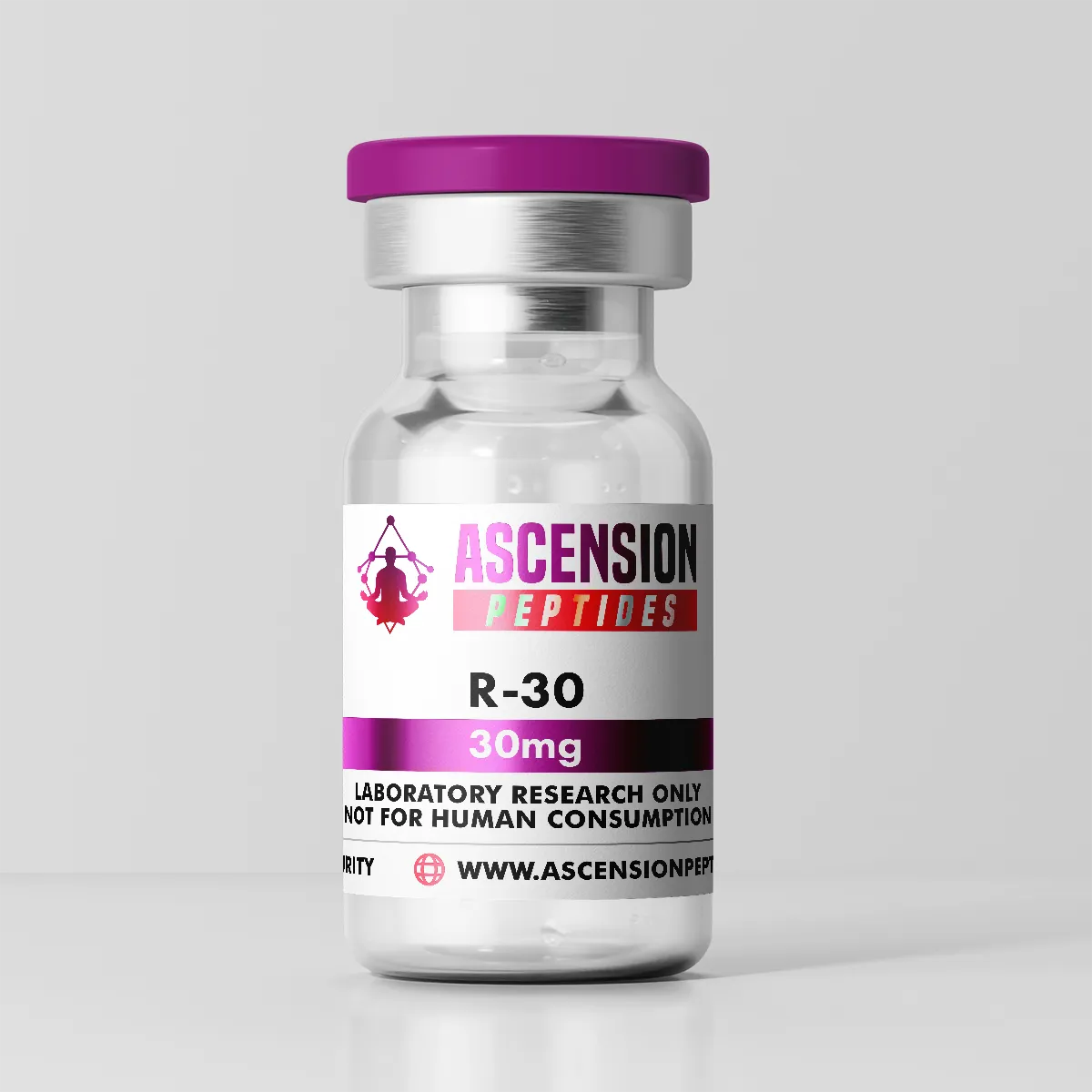
- R-30 (30mg vial): use 3mL BAC water for 10mg/mL
- Never shake — swirl gently until fully dissolved
- Use within 28 days when refrigerated; never freeze reconstituted solution
- Free reconstitution calculator →
⚡ Quick Reference: Most Common Retatrutide Concentrations
IU = insulin units on a U-100 syringe. Need a different vial size? Use the free calculator →
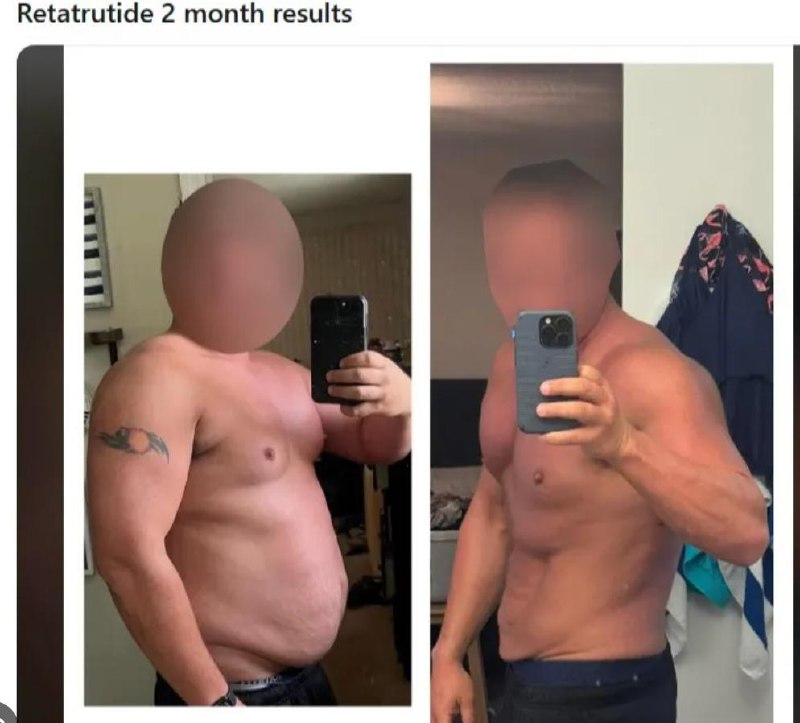
Real retatrutide results — what to expect at different dose stages:


That table covers 90% of use cases. If you need the full step-by-step walkthrough — what supplies to buy, how to mix without damaging the peptide, and common mistakes — keep reading below.
What Is Reconstitution?
Retatrutide — like most research peptides — is manufactured and shipped as a lyophilized powder. In this dry form, the compound is stable for months at room temperature and even longer when refrigerated. To make it injectable, you dissolve it in bacteriostatic water (BAC water) to create a solution at a specific concentration.
The concentration you choose determines how many microliters (or insulin units on a U-100 syringe) you draw for each dose. Getting this right is critical: a miscalculation of 2× means you're either dosing half or double what you intend. The good news is the math is simple once you understand it — and our free calculator handles it for you automatically.
What You'll Need
Gather everything before you start. Working with incomplete supplies mid-process increases contamination risk.
Required Supplies
- Retatrutide vial — your lyophilized peptide (5 mg, 10 mg, or 20 mg)
- Bacteriostatic water (BAC water) — 30 mL vial is standard; must be sterile, 0.9% benzyl alcohol preserved. Do not use sterile water for injections (SWI), saline, or tap water — BAC water's preservative gives your reconstituted vial a 28-day shelf life
- Insulin syringes (U-100, 1 mL) — for drawing your doses. 29–31 gauge, ½" needle is ideal for subcutaneous injection
- A separate drawing syringe — a 3 mL or 5 mL syringe with a larger needle (18–23 gauge) makes drawing the BAC water easier and reduces the number of punctures on the peptide vial stopper
- Alcohol swabs — wipe every rubber stopper before inserting a needle
- Clean, flat surface — a paper towel on a countertop works; an alcohol-wiped surface is better
- Vial label or marker — to record the reconstitution date, concentration, and expiry
- Sharps container — for safe needle disposal
Do NOT Use
- ❌ Tap water or distilled water (not sterile, no preservative)
- ❌ Sterile water for injection (SWI) — no preservative, solution only lasts 24 hours
- ❌ Saline — can cause the peptide to precipitate out of solution
- ❌ Vigorous shaking — this denatures (destroys) the peptide
Bacteriostatic Water: What It Is and Where to Get It
Bacteriostatic water (BAC water) is sterile water that contains 0.9% benzyl alcohol as a preservative. That preservative is the key difference between BAC water and all other water options — it inhibits the growth of bacteria, keeping your reconstituted peptide solution safe to use for up to 28 days after mixing.
Without benzyl alcohol, reconstituted peptide solution would need to be used within 24 hours (the standard for sterile water for injection). BAC water is what makes a monthly supply of retatrutide practical.
The "bacteriostatic" part doesn't mean the water actively kills bacteria — it means the benzyl alcohol prevents them from multiplying. This is an important distinction: if you contaminate the solution through improper technique (not swabbing stoppers, using unclean needles, etc.), benzyl alcohol alone won't save it. Sterile technique is still required.
BAC Water vs Sterile Water: Side-by-Side
Benzyl Alcohol Allergy Warning
A small percentage of people have a benzyl alcohol sensitivity. If you know you're allergic to benzyl alcohol, bacteriostatic water is not the right diluent for you. In that case, sterile water for injection (SWI) is the alternative — but you'd need to reconstitute fresh for each dose or within 24 hours.
Where to Buy BAC Water
BAC water is widely available without a prescription:
- Peptide vendors — most reputable peptide suppliers sell BAC water alongside their peptides, so it arrives in the same order as your vial
- Amazon — 30mL and 100mL vials available. Look for "bacteriostatic water for injection" — not just "sterile water"
- Pharmacies — available at some compounding pharmacies. Ask for "bacteriostatic water 0.9% benzyl alcohol"
- Medical supply stores — usually available in larger quantities (100mL+)
A 30mL vial is the standard size and costs $5–15. One vial typically covers several months of reconstitutions depending on your vial sizes. Once opened, use the BAC water within 28 days.
How to Store BAC Water
Before opening: room temperature is fine. After opening: refrigerate and use within 28 days. Inspect before use — if it's cloudy or has visible particles, discard it.
Common Concentrations: Quick Reference Table
The table below shows the resulting concentration for the most common retatrutide vial sizes (5 mg, 10 mg, 20 mg) with either 1 mL or 2 mL of BAC water. Most people find 2 mg/mL (from a 10 mg vial + 5 mL water) overly dilute and prefer 5–10 mg/mL for smaller injection volumes.
All doses are expressed in insulin units (IU) as marked on a standard U-100 insulin syringe, where 100 IU = 1 mL.
IU = insulin units on a U-100 syringe. For non-standard vial sizes or doses, use the reconstitution calculator.
R-10 vs R-30: Reconstitution Differences
Retatrutide comes in two common vial sizes: R-10 (10mg) and R-30 (30mg). Both reconstitute the same way, but the amount of BAC water and the number of doses you get per vial differ significantly. Choosing the right one upfront saves money and reduces how often you're reconstituting.
R-10 (10mg Vial) — Best for Beginners
R-10 is the standard entry-level vial at $99. If you're starting at 1–2mg/week and want to test the waters without committing to a larger quantity, this is the smart pick. Two common reconstitution setups:
- 2mL BAC water → 5mg/mL — most popular, comfortable 40 IU per 2mg dose
- 1mL BAC water → 10mg/mL — smaller injection volume, 20 IU per 2mg dose
R-30 (30mg Vial) — Best Value for Ongoing Use
R-30 at $250 is for people already on an established dose or looking for better value per milligram. Two common reconstitution setups:
- 3mL BAC water → 10mg/mL — smaller injection volume, 20 IU per 2mg dose
The R-30 works out to roughly $8.33/mg vs $9.90/mg for R-10 — a meaningful difference when you're dosing weekly for months. If you're past the testing phase and know you'll be using retatrutide ongoing, the R-30 is the better value.
Step-by-Step Reconstitution Instructions
Follow these steps in order. Skipping or rushing any step — especially Step 6 — is where most problems occur.
-
Calculate your target concentration first.
Before touching anything, decide how much BAC water you're adding. Use the table above or the reconstitution calculator to confirm the concentration and what volume you'll draw for your intended dose. Write it down. -
Wash your hands thoroughly.
Soap and water for at least 20 seconds. Dry with a clean paper towel. This is non-negotiable — your hands are the biggest contamination risk in this process. -
Prepare your workspace.
Lay out all supplies on a clean, flat surface. Allow refrigerated vials to come to room temperature for 15–20 minutes — cold peptide powder can be harder to dissolve and creates more risk of incomplete mixing. -
Wipe both vial stoppers with an alcohol swab.
Swab the rubber stopper on the retatrutide vial and the BAC water vial. Let the alcohol dry completely — roughly 10–15 seconds. Injecting through wet alcohol can push residue into your solution. -
Draw the calculated amount of BAC water.
Using your drawing syringe, insert the needle into the BAC water vial stopper. Draw back slightly on the plunger to inject a small air bubble first (this equalizes pressure and makes drawing easier), then slowly pull back the plunger to draw your desired BAC water volume. Double-check the volume against your calculation. -
⚠️ Inject the BAC water SLOWLY down the inside wall of the peptide vial.
This is the most critical step. Point the needle at a slight angle so the stream of water runs down the glass wall — not directly onto the peptide powder. Depress the plunger very slowly over 10–20 seconds. Forcing a jet of water directly onto lyophilized peptide can break the molecular structure, permanently reducing potency. -
Gently swirl — do not shake.
Once the water is in, remove the needle and gently roll the vial between your palms or swirl it in slow circles. The powder should dissolve within 1–3 minutes. A fully dissolved solution will be clear (or very slightly off-white) and free of visible particles. If cloudiness persists after 10 minutes, do not use the solution. -
Inspect the final solution.
Hold the vial up to a light source. Look for undissolved particles, cloudiness, or discoloration. A small amount of natural yellow tint is normal. Visible particles mean the peptide hasn't fully dissolved — keep swirling. Cloudiness that won't clear may indicate degradation or contamination. -
Label and refrigerate immediately.
Write the following on the vial label or a piece of tape:- Compound name and vial size (e.g., "Retatrutide 10 mg")
- Concentration (e.g., "5 mg/mL")
- Date reconstituted
- Use-by date (28 days from today)
How to Inject Retatrutide After Reconstitution
Once your vial is reconstituted and labeled, it's time to learn proper injection technique. Retatrutide is always administered subcutaneously — injected into the fat layer just under the skin. This is not an intramuscular (IM) injection.
Best Injection Sites
The three most common subcutaneous injection sites for retatrutide:
- Abdomen — the most popular choice. Inject at least 2 inches away from the navel, into the soft fatty tissue at the sides. Avoid the area directly around the belly button.
- Outer thigh — the middle third of the outer thigh, between hip and knee. Good alternative when the abdomen gets irritated.
- Back of upper arm — the fatty area on the back of the tricep. Requires a bit more flexibility (or a helper) to reach properly.
Rotate sites with every injection — don't inject the same spot twice in a row. Repeated injection at the same site can cause lipohypertrophy (small fatty lumps under the skin) that affect peptide absorption.
How to Draw Your Dose
- Let the vial warm to room temperature for 5–10 minutes (cold solution is more uncomfortable to inject)
- Wipe the vial stopper with an alcohol swab — let it dry
- Insert your insulin syringe needle at a 45° angle into the stopper
- Invert the vial, pull back the plunger slowly to draw slightly more than your target volume
- Remove any large air bubbles (see below), then adjust to your exact dose
Injection Technique
- Clean the injection site with an alcohol swab — let it dry completely
- Pinch a fold of skin with your non-dominant hand
- Insert the needle at a 45–90° angle in a smooth, confident motion
- Release the skin pinch, then push the plunger slowly and steadily
- Remove the needle at the same angle it entered
- Apply light pressure with a cotton swab — do not rub (rubbing can cause irritation and bruising)
Frequency: Retatrutide is injected once weekly — not daily. Pick a consistent day of the week (e.g., every Sunday morning) and stick to it. Injecting on the same day each week helps maintain stable levels and makes it easier to track your protocol.
Post-injection: It's normal to feel a slight bump or firmness at the injection site for a few hours — this is the solution dispersing into the subcutaneous tissue. Mild redness or a small bruise occasionally appears, especially if you nicked a small blood vessel. This is normal and resolves within a day or two. If you experience significant swelling, heat, or persistent redness, that could indicate irritation from poor injection technique or a rare site reaction — rotate away from that area and give it time to heal.
What to Do If You See Air Bubbles
Small air bubbles in a subcutaneous injection are harmless — unlike IV injections, they won't cause any issues. If you want to remove them anyway:
- Hold the syringe with the needle pointing up
- Tap the syringe gently with your finger to move bubbles toward the needle
- Push the plunger slightly until the bubbles are expelled
- Readjust to your exact dose volume before injecting
Proper Needle Disposal
- Use a sharps container — a rigid, puncture-proof container designed for used needles
- Never recap needles by hand — needle-stick injuries happen most often during recapping, not during injection
- Once your sharps container is ¾ full, seal it and dispose of it according to your local regulations (many pharmacies accept sharps containers for drop-off)
Storage After Reconstitution

Once reconstituted, retatrutide solution is significantly more fragile than the dry powder. Proper storage directly affects both safety and potency.
- Refrigerate at 2–8°C (36–46°F) — store in the main body of the fridge, not the door (temperature fluctuates more at the door). A dedicated drawer away from the light is ideal.
- Use within 28 days — bacteriostatic water preserves the solution for approximately four weeks when refrigerated. After that, discard and reconstitute a fresh vial if needed.
- Never freeze reconstituted peptide — freezing causes ice crystals to form, which physically destroys the peptide structure. The lyophilized powder can be frozen; the reconstituted solution cannot.
- Protect from light — UV exposure degrades peptides. Keep the vial in its original box, a dark drawer, or wrapped in foil.
- Minimize stopper punctures — every time you insert a needle, you introduce a small contamination risk. Draw your doses promptly and avoid unnecessary punctures.
- Let it warm slightly before injecting — leave the vial at room temperature for 5–10 minutes before drawing your dose (but don't leave it out for hours).
Common Reconstitution Mistakes
Most problems with reconstituted retatrutide trace back to a handful of recurring errors. Here's what to watch for:
- Shaking the vial. The instinct to shake something to dissolve it faster is wrong here. Vigorous agitation creates foam and mechanical stress that denatures the peptide. Always swirl gently.
- Injecting water directly onto the powder. Aiming the water stream at the powder bed rather than the glass wall causes turbulence that damages the peptide's structure. Redirect the needle toward the inside wall every time.
- Using the wrong diluent. Regular water, saline, and sterile water for injections (SWI) are all wrong choices. Only bacteriostatic water (BAC water) provides the preservative needed for a 28-day shelf life. SWI solutions must be used within 24 hours.
- Freezing reconstituted solution. If you accidentally freeze it, discard the vial and start fresh with dry powder.
- Miscalculating concentration. Adding 2 mL of BAC water to a 10 mg vial gives you 5 mg/mL — not 10 mg/mL. Always double-check your math or use the reconstitution calculator before measuring doses.
- Not labeling the vial. After a week in the fridge, unlabeled vials become mystery vials. Always label with compound, concentration, and expiry before refrigerating.
- Skipping the alcohol swab dry time. Alcohol residue on the stopper can be carried into your solution. Ten seconds of drying time is all it takes.
- Using an expired or previously opened BAC water vial. BAC water has its own shelf life. Once opened, use within 28 days. Inspect it for cloudiness or particles before drawing.
When to Discard Your Vial
Knowing when to throw out a vial is just as important as knowing how to reconstitute one. Discard your reconstituted retatrutide if any of the following apply:
- 28 days have passed since the reconstitution date — even if there's peptide left in the vial
- Cloudiness that won't clear after gentle swirling for several minutes
- Visible particles or flakes floating in the solution (not powder that will dissolve with more swirling)
- Unusual color change — a slight yellow tint is normal, but brown, orange, or dark discoloration is not
- Stopper damage — if the rubber stopper looks cored, cracked, or heavily pitted from multiple punctures
- Left at room temperature for more than a few hours — the benzyl alcohol preservative can't compensate for prolonged warmth
When in doubt, discard it. A $99–250 vial isn't worth the risk of injecting a degraded solution.
Free Retatrutide Reconstitution Calculator
The table above covers the most common setups, but if your vial size or desired dose doesn't fit neatly into those rows, our calculator handles any combination instantly.
Enter your vial size, BAC water volume, and target dose. Get the exact number of insulin units to draw — no math required.
→ Use the Free Calculator Now
Reading an Insulin Syringe: A Quick Visual Guide
If you're new to insulin syringes, the markings can be confusing at first. Here's a quick orientation so you can draw your doses accurately:
Understanding U-100 Markings
A standard U-100 insulin syringe holds 1 mL (100 units). The scale on the barrel is marked in "IU" or "units" — where 100 units = 1 mL. Each major line typically represents 10 units (0.1 mL), and the small lines between are usually 2 units (0.02 mL) each.
When your reconstituted retatrutide is at 5mg/mL and you want a 2mg dose:
- 2mg ÷ 5mg/mL = 0.4mL = 40 IU on the syringe
- Pull the plunger back until the black rubber tip aligns with the "40" mark
When you're at 10mg/mL and want a 2mg dose:
- 2mg ÷ 10mg/mL = 0.2mL = 20 IU on the syringe
- Pull the plunger back until the black rubber tip aligns with the "20" mark
Half-Unit Precision
For small doses (0.5mg or 1mg), you'll be drawing very small volumes — sometimes just 5–10 IU. This requires a steady hand and good lighting. If you struggle to see the markings clearly, consider a magnifying glass or switch to a slightly lower concentration (which means drawing a larger volume per dose).
Syringe Sizes for Retatrutide
Most people use a 0.5mL or 1mL U-100 insulin syringe for retatrutide injections. The 0.5mL syringe has finer markings and is easier to read for small doses. The 1mL syringe gives you more room for larger doses but the marks are slightly further apart.
For drawing BAC water during reconstitution, use a 3mL or 5mL syringe with an 18-23 gauge needle — this makes the process faster and reduces stopper wear.
Troubleshooting: When Reconstitution Doesn't Go Smoothly
Most reconstitutions are straightforward. But occasionally something looks wrong. Here's what to do:
Powder Won't Dissolve Completely
Some lyophilized peptides are stubborn, especially if the vial has been stored at low temperatures and the powder is densely compacted. Solutions:
- Let the vial sit at room temperature for 30+ minutes before reconstituting
- After adding BAC water, let it sit in the fridge for 1-2 hours and try swirling again — some powders need extended contact time with the water
- Try tilting the vial so the powder contacts the water directly, then gently swirl
- If after 30+ minutes of total swirling there are still visible undissolved clumps, contact your supplier
Solution Looks Foamy or Bubbly
This usually means the water was added too fast or the vial was agitated. Don't inject a foamy solution — set the vial upright in the fridge and check it in 15-30 minutes. Foam from gentle agitation almost always settles. If it doesn't clear after an hour, discard.
Solution Has a Strong Smell
A faint smell of benzyl alcohol (slightly medicinal) is normal — it's from the BAC water. A strong, off, or unusual smell suggests contamination. Discard and reconstitute fresh.
You Added Too Much or Too Little BAC Water
If you overshoot your target volume by a small amount (e.g., added 2.1mL instead of 2mL), your concentration will be very slightly lower than intended — this is negligible and not worth worrying about. If you dramatically overfill (e.g., 4mL in a 10mg vial when you wanted 2mL), recalculate your doses using the actual volume added. Never try to remove BAC water from the vial after adding it — this increases contamination risk. Use the calculator to recalculate based on what you actually added.
Dosing After Reconstitution
Once your vial is reconstituted and labeled, you're ready to dose. If you're new to retatrutide or still figuring out the right starting dose and titration schedule, see our detailed guides:
- Retatrutide Dosage Chart — quick-reference table for starting doses, titration steps, and maximum doses by week
- Retatrutide Dosing Guide — full protocol walkthrough including dose timing, injection sites, and managing side effects
The general approach for most people starts at a low dose (0.5–1 mg per week) and titrates up gradually over several weeks, allowing tolerance to GI side effects to develop. See the dosing guide for the full schedule.
Tracking Your Vial: A Simple System
Once you're injecting weekly from a reconstituted vial, it's easy to lose track of how many doses you've used, what's left, and when the vial expires. A quick tracking system prevents over-dosing errors and ensures you always know when to reconstitute a new vial.
What to Write on the Vial
At minimum, label every reconstituted vial with:
- Compound + vial size — e.g., "Reta 10mg"
- Concentration — e.g., "5mg/mL"
- Date reconstituted — e.g., "Recon: 15 Mar"
- Expiry — 28 days later — e.g., "Exp: 12 Apr"
- Dose volume — e.g., "2mg = 40IU"
A small piece of masking tape and a Sharpie is all you need. Pre-writing the dose volume saves you recalculating every week.
Tracking Remaining Doses
If your vial has 5 doses (10mg vial at 5mg/mL, dosing 2mg/week), write a quick tally on the label. Cross off one dash each time you draw a dose. When the tally runs out, it's time to reconstitute a new vial — don't wait for the vial to run dry and then realize you're out of BAC water or needles.
Planning Around the 28-Day Window
The 28-day shelf life means you need to think ahead. If you're on a 2mg weekly dose with an R-10 (10mg) vial at 5mg/mL, you get 5 doses — which is 5 weeks. That's fine: the vial lasts 28 days, and 5 weekly doses fit within that window. But if you're on a lower dose (say, 1mg/week), you'd only use 5 doses out of a possible 10 in the vial before the 28-day window closes. Plan your vial size and concentration to minimize waste.
An R-30 at 10mg/mL gives you 30 doses at 1mg/week — but you can only use 5 doses before the 28-day expiry. In that case, use a smaller vial to reduce waste.
When to Order Ahead
Don't wait until your last vial is almost empty to reorder. Shipping takes time. A practical rule: when you open your last vial, place a new order. That way you never have a gap in supply. Keep a small "buffer stock" of BAC water and insulin syringes on hand so you're never scrambling for supplies on injection day.
Not sure what your target dose should be before you reconstitute? Retatrutide doses explained covers what each strength means and where the tested range ends.
Frequently Asked Questions
This content is for informational and educational purposes only. Peptides discussed on this page are research compounds not approved by the FDA for human use. Always consult a licensed medical professional before using any peptide or supplement.