Buying retatrutide is confusing on purpose.
If you searched retatrutide where to buy, you are probably seeing the same mess everyone else sees: clinical trial pages, telehealth ads, peptide vendors, old forum posts, and prices that make no sense next to each other.
🔑 Key Takeaways
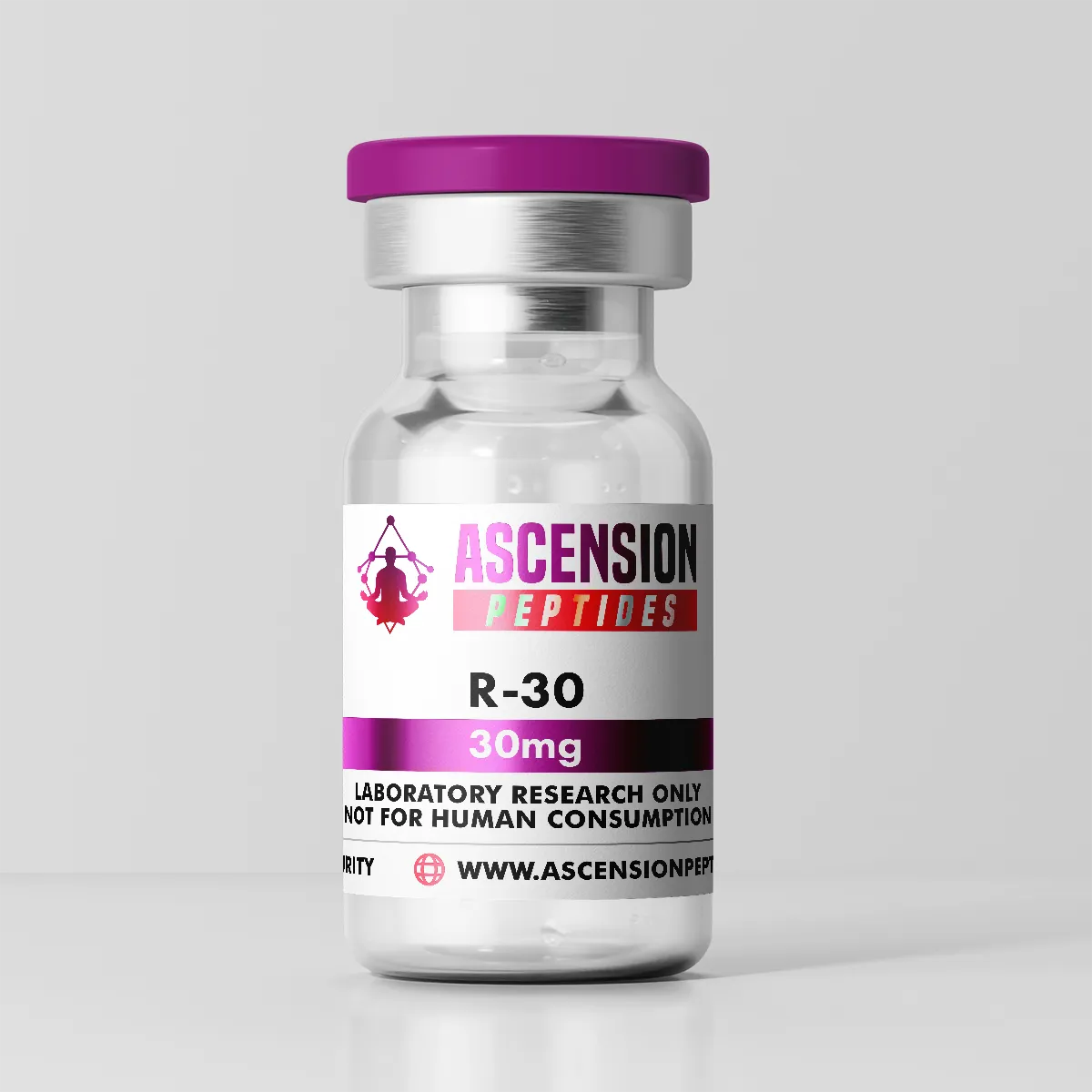
- Ascension Peptides R-30 is our top online pick: 30 mg per vial, $250 ($125 with PEPTIDEDECK code), US-shipped, and backed by a third-party COA.
- People talk about four access paths in 2026: online peptide vendors, clinical trials, telehealth clinics, and compounding pharmacies. Only trials (and Lilly's narrow early access program) are legal medical routes; telehealth clinics and compounding pharmacies can't legally supply retatrutide.
- R-30 is reliably in stock at $250/vial ($125 with the PEPTIDEDECK 50% code).
- Retatrutide is a triple-agonist (GLP-1/GIP/glucagon) that produced 24.2% body weight loss in Phase 2 trials.
- The biggest buying mistake is choosing the cheapest vial before checking the COA, batch number, shipping origin, and support trail.
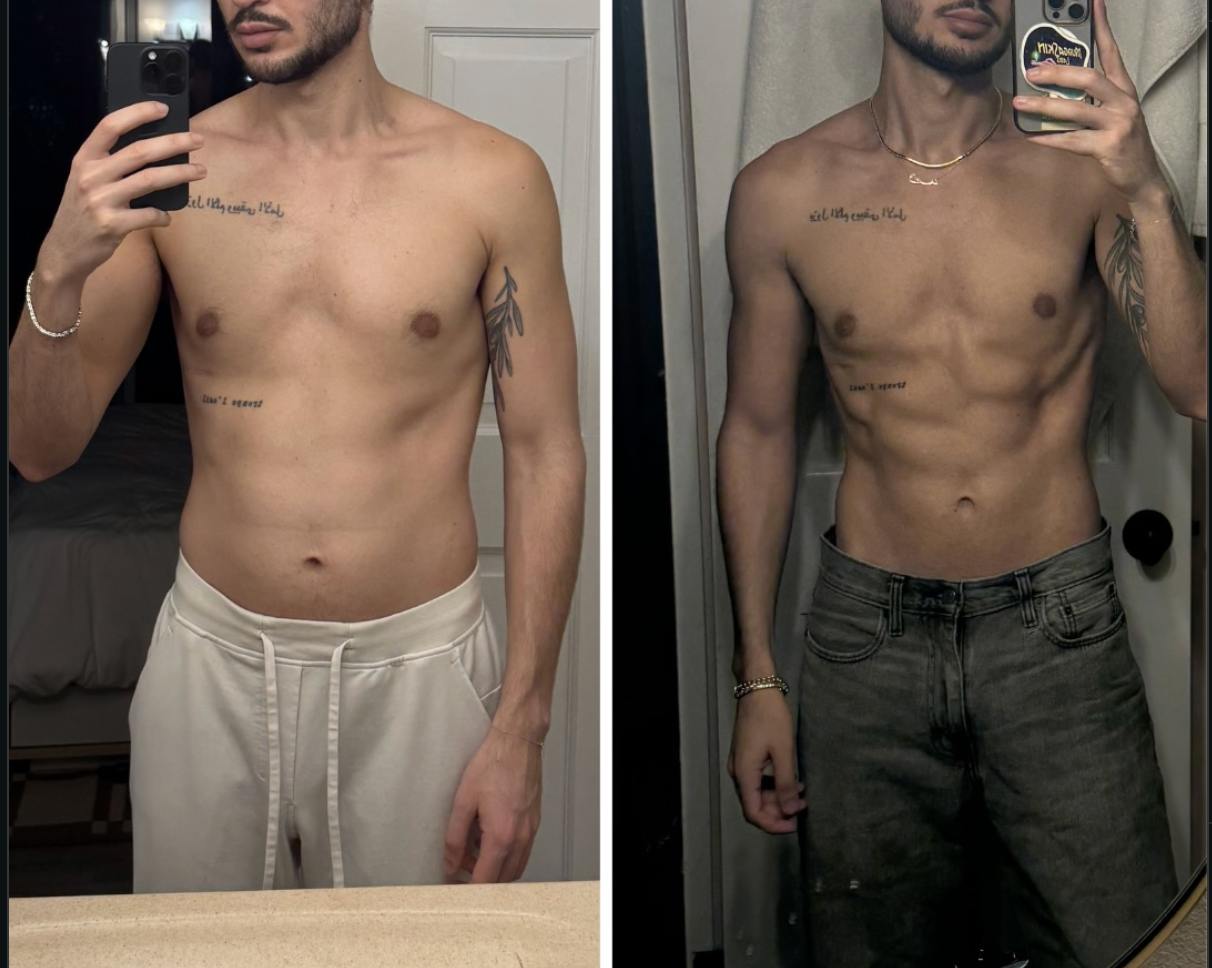
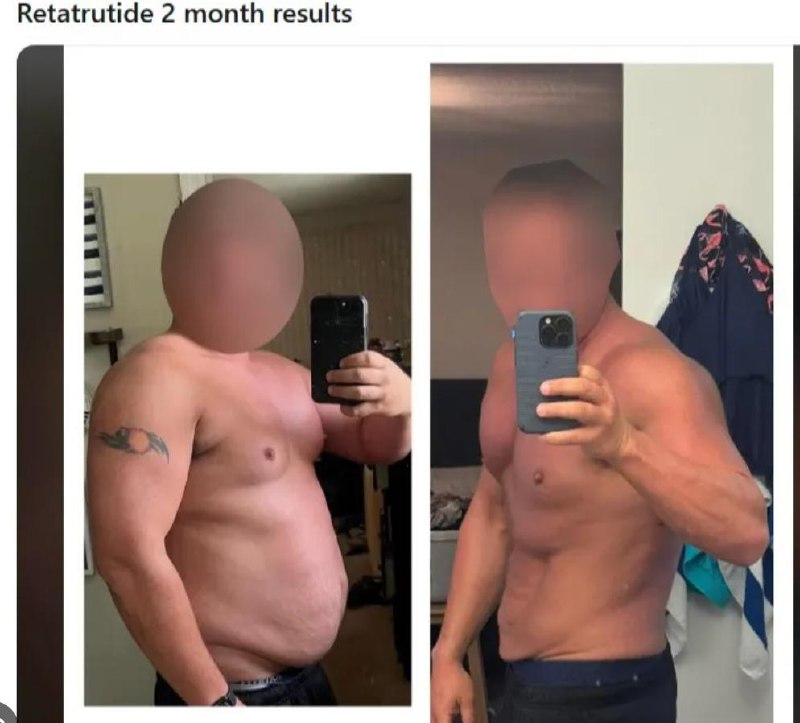

Real community transformations. See more in our retatrutide before and after gallery.
The short answer is simple: if you want the most practical online option right now, start with Ascension Peptides R-30. If you want the most medically supervised option, look at ClinicalTrials.gov or a licensed provider first.
This guide cuts through all of that. We've been tracking retatrutide vendors since mid-2024 — checking COAs, ordering test vials, comparing purity reports, and watching which suppliers actually stick around versus which ones vanish after three months. The result is this: the most thorough where to buy retatrutide guide you'll find in 2026, with honest pricing, vendor red flags, dosing references, and a clear recommendation.
Short version? Ascension Peptides R-30 is our #1 pick. But keep reading — there's a lot more to know before you place an order.
We'll cover every practical route to get retatrutide, walk through vendor vetting step by step, compare pricing across the market, and give you dosing and reconstitution references so you're not scrambling after your vial arrives. Whether you've been comparing sources for weeks or just learned about retatrutide today, this is the guide we wish existed when we first started looking into where to buy retatrutide.
What Is Retatrutide?
Retatrutide (LY3437943) is a triple-hormone receptor agonist developed by Eli Lilly. Unlike semaglutide (Ozempic/Wegovy), which only targets one receptor (GLP-1), and tirzepatide (Mounjaro/Zepbound), which targets two (GLP-1 + GIP), retatrutide hits three: GLP-1, GIP, and the glucagon receptor.
That third receptor — glucagon — is what makes it different. Glucagon directly increases energy expenditure and promotes fat oxidation. Your body doesn't just want less food; it actively burns more of what's stored. In the Phase 2 trial, participants on the highest dose (12 mg weekly) lost an average of 24.2% of their body weight over 48 weeks [1]. That's roughly 58 pounds for someone starting at 240.
The Phase 3 TRIUMPH program has now reported: TRIUMPH-4 in December 2025, TRIUMPH-1 (NEJM) and TRIUMPH-2 (The Lancet) in September 2026, with up to 28.3% average weight loss at 80 weeks on 12 mg in TRIUMPH-1 among people who stayed on treatment [2]. Lilly plans to file with the FDA in the first quarter of 2027. If cleared for retail pharmacy use, the brand-name version will likely carry a list price of $1,000+/month, similar to what Zepbound and Wegovy launched at, though Lilly sells Zepbound self-pay for $299–$449 a month today (October 2026), so the cash price could be lower. That's why so many people are looking for retatrutide where to buy it now, before those prices become the only option.
For the full clinical data breakdown, see our TRIUMPH trial results analysis.
Retatrutide Where to Buy: The 4 Real Options
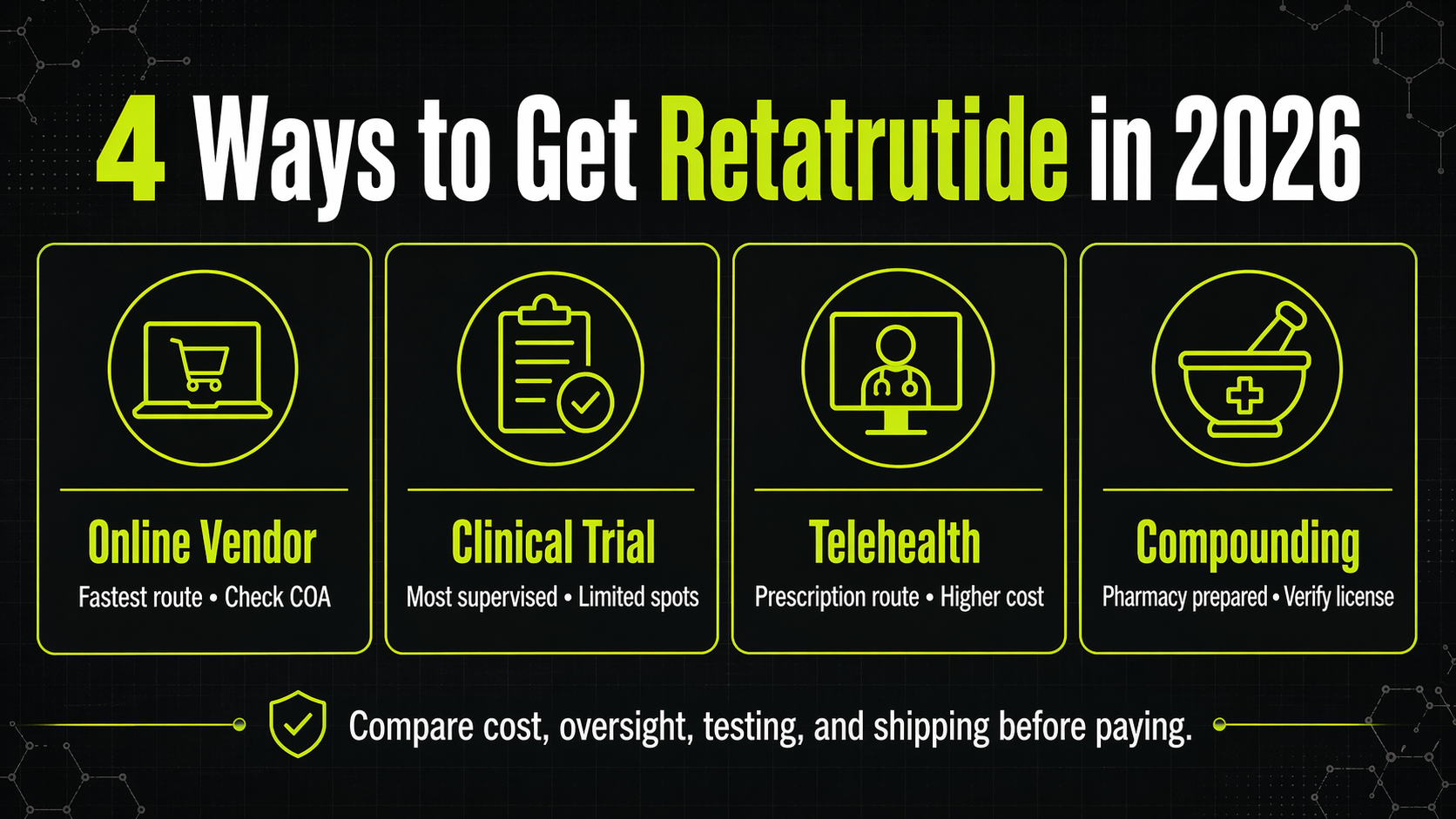
There's no single "right" way to get retatrutide. Your options depend on your budget, comfort level, and how soon you want to start. Here's what actually exists right now:
1. Online Peptide Vendors
This is how most people get retatrutide in 2026. You order from a vendor that sources the peptide, ships it to your door, and you handle reconstitution yourself. Prices range from $100–$300 for 10–30 mg depending on the vendor and quality. The big variable here is trust — some vendors provide third-party certificates of analysis (COAs) and maintain consistent stock, while others are glorified dropshippers.
Pros: Most affordable, no prescription, ships fast (usually 2–5 business days within the US)
Cons: You're responsible for reconstitution and dosing, quality varies by vendor
2. Clinical Trials
Eli Lilly's TRIUMPH and TRANSCEND phase 3 trials have finished enrolling; as of October 2026 the only retatrutide study taking new volunteers is SYNERGY-Outcomes, a liver (MASH) trial, so check our retatrutide clinical trials list for what is open near you. Lilly also runs a free, physician-led early access program (opened August 2026) for a small group of patients with severe obesity who can't join a trial. If you qualify for a trial, you get pharmaceutical-grade retatrutide for free under medical supervision. The catch? You might get randomized to placebo, enrollment criteria are strict, and you'll have regular clinic visits for monitoring [8].
Pros: Free, pharmaceutical-grade, medical oversight
Cons: Placebo risk, strict criteria, time commitment, limited locations
3. Telehealth / Online Clinics
A handful of telehealth platforms advertise retatrutide through compounding pharmacies with a prescription. This is not a gray area: FDA says retatrutide cannot be used in compounding under federal law, and it has warned telehealth companies for marketing it. Prices tend to be $300–$600/month, for a product no clinic can legally supply.
Pros: Doctor oversight, pre-mixed (no reconstitution), feels "more official"
Cons: Not legal for retatrutide, expensive, some platforms come and go
4. Compounding Pharmacies
Some compounding pharmacies will prepare retatrutide with a prescription, but they can't do it legally: retatrutide is not a component of any FDA-approved drug, so FDA says it cannot be compounded under federal law, and Lilly sued a compounding pharmacy over it in August 2026. A prescription doesn't change that.
Pros: Prescription-backed, pharmacy-grade preparation
Cons: Not legal for retatrutide, requires a prescription, higher cost ($250–$500/month)
Best Retatrutide Buying Route by Situation
Different buyers need different paths.
The current SERP is split between cautious medical pages and vendor pages. That split matters. The medical pages are right that trial or provider access gives better oversight. The vendor pages are right that most motivated buyers want a practical source today. Your job is to decide which tradeoff you actually accept before paying.
Clinical Trials, Telehealth, and Compounding: What Changes?
Oversight changes everything.
A clinical trial is the cleanest route if you qualify. You get structured monitoring, scheduled check-ins, and study-grade medication, but you may receive placebo and you have to live near an active trial location. Start at ClinicalTrials.gov and search for retatrutide or LY3437943.
Telehealth is not a real route for retatrutide. FDA says it cannot be used in compounding under federal law and has warned telehealth companies, API distributors and outsourcing facilities over it, so any clinic offering it is selling an unapproved product with a prescription attached.
Compounding pharmacies can look official, but for retatrutide that is the whole problem: no 503A or 503B pharmacy may legally compound it, and in August 2026 Lilly sued a compounding pharmacy and a med spa, along with four online sellers, for selling it.
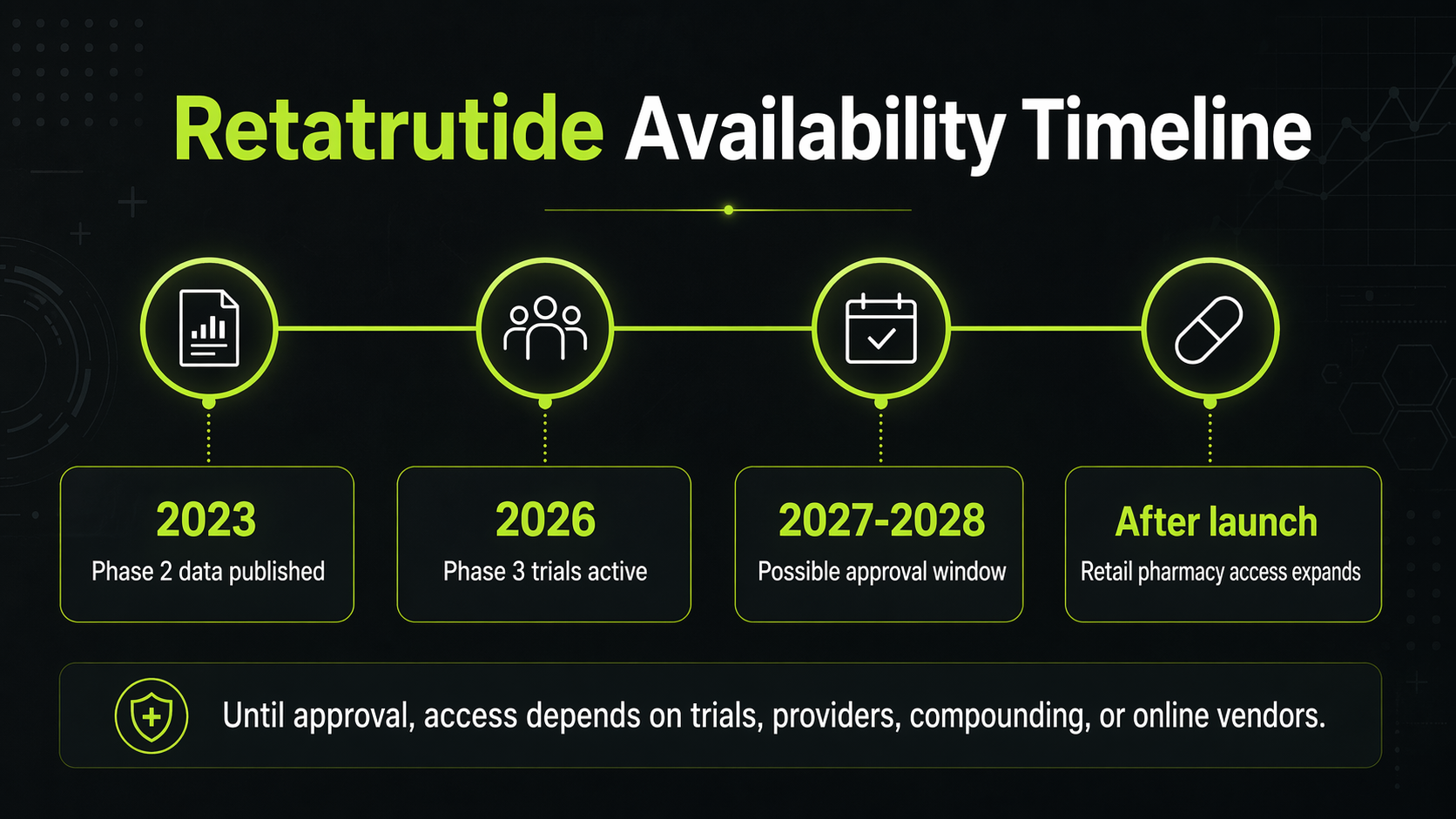
For most people reading this guide — the ones Googling where to buy retatrutide in 2026 — Option 1 is the practical choice. And that brings us to the most important question: which vendor?
Why Ascension Peptides Is Our #1 Pick
We've tested and tracked over a dozen retatrutide vendors since 2024. Some were fine. Some shipped late. A few disappeared entirely. Ascension Peptides is the one we keep coming back to, and here's why:
Third-Party COA on Every Batch
Every vial of retatrutide comes with a third-party certificate of analysis showing purity ≥98%. Not a self-issued PDF — an actual independent lab report you can verify.
US-Based, US-Shipped
Ascension ships from within the United States. No customs, no 3-week waits, no seized packages. Typical delivery is 2–4 business days.
Competitive Pricing
R-30 at $250 ($125 with the PEPTIDEDECK code) works out to about $4.17/mg with the code, the best value we've found for a full cycle.
Actual Customer Support
They have real customer service — email response within 24 hours, not a contact form that goes nowhere. If something goes wrong with your order, you can actually reach a human.
Consistent Stock
Retatrutide has been in stock continuously since we started tracking. No "out of stock" surprises mid-cycle, no substitute compounds. The R-30 (30 mg) vial has stayed reliably in stock.
Ascension sells retatrutide as R-30:
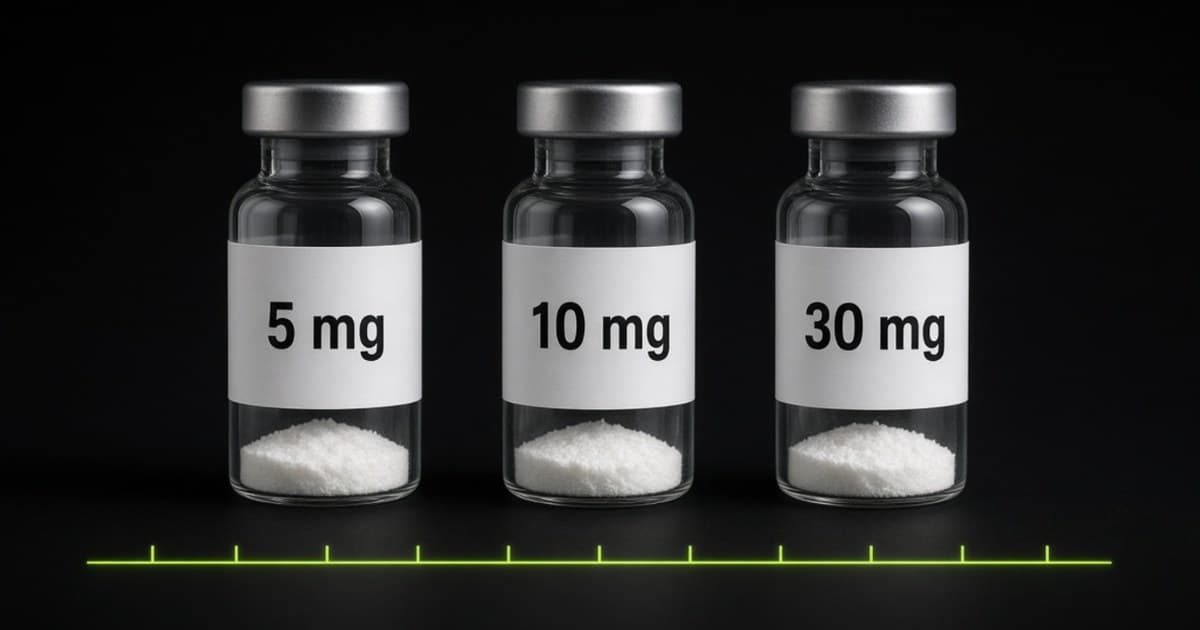
- R-30 — 30 mg per vial, $250 ($125 with PEPTIDEDECK code) — in stock, best value per milligram for a full cycle
The R-30 vial covers approximately 7.5 weeks at a 4 mg/week dose, or about 2.5 weeks at a full 12 mg/week dose. For a complete dose escalation from 2 mg up to 8-12 mg over 12 weeks, most people need fewer R-30 vials than smaller 10 mg vials.
For a deeper look at peptide vendors across the board, check our best peptide source 2026 roundup.
🏆 Our Pick: Ascension R-30
30 mg retatrutide, $250 ($125 with PEPTIDEDECK code), third-party COA, US-shipped in 2–4 days. Reliably in stock from a US warehouse. Get R-30 at Ascension Peptides →
Retatrutide R-30: What You Get
Ascension currently sells retatrutide as the R-30 vial: 30 mg of retatrutide powder per vial, $250 retail (or $125 with PeptideDeck code).
One R-30 vial covers approximately 7.5 weeks at a 4 mg/week dose, or about 2.5 weeks at 12 mg/week. For a full 12-week dose escalation from 2 mg up to 8-12 mg, plan around the total milligrams needed and reconstitute one vial at a time. Lyophilized (powder) vials tolerate room temperature for short spells such as shipping, but keep them in the fridge; once mixed, refrigerate at 2–8 °C and use within 28 days.
Retatrutide Pricing: What to Expect in 2026
Retatrutide pricing varies wildly depending on where you look. Here's a realistic snapshot of what things cost right now and what they'll cost once Lilly gets FDA approval:
| Source | Price (10 mg equiv.) | Price (30 mg equiv.) | Notes |
|---|---|---|---|
| Ascension Peptides R-30 | — | $250 ($125 with code) | COA included, US-shipped |
| Average US vendor | $100–$180 | $180–$350 | Quality varies significantly |
| Overseas vendors | $40–$80 | $90–$180 | Customs risk, slow shipping, questionable purity |
| Telehealth clinics | $300–$600/mo | — | Not a legal source of retatrutide |
| Brand-name (projected) | $900–$1,400/month list (self-pay likely lower) | Based on Zepbound/Wegovy list prices; Zepbound self-pay is $299–$449/month | |
Some context on that last row: Wegovy launched at a $1,349/month list price, Zepbound at $1,059. Few self-pay patients pay that now: NovoCare sells Wegovy for $349 a month and LillyDirect sells Zepbound for $299–$449 (October 2026). Retatrutide, as a next-generation compound with potentially superior results, will almost certainly carry a list price in that range or higher. Insurance coverage will take years to catch up, if it ever does.
That's the real calculus for anyone deciding retatrutide where to buy and how much to budget. At $125 with the PEPTIDEDECK code for an R-30 that lasts about 7.5 weeks at 4 mg/week, you're looking at roughly $70/month at that dose, and about $35–$220/month across the 2–12 mg range. Compare that to a likely $1,000+/month list price for the eventual brand-name version, or the $299–$449 Lilly charges self-pay patients for Zepbound today, and the math still favors vials on price alone.
For a full pricing breakdown and cost optimization strategies, see our retatrutide cost and pricing guide.
How to Verify Your Retatrutide Is Legit
This is where a lot of people get burned. You order what you think is retatrutide, and you get... something. Maybe it's underdosed. Maybe it's a completely different peptide. Maybe it's just bacteriostatic water. Without verification, you're guessing.
Here's how to protect yourself:
What a Real COA Looks Like
A legitimate certificate of analysis should include:
- HPLC purity data — should show ≥97% purity, ideally ≥98%. The chromatogram graph should have one dominant peak
- Mass spectrometry (MS) confirmation — verifies the molecular weight matches retatrutide (MW ~4,731 Da)
- Lab name and date — an actual third-party lab, not the vendor's own in-house testing
- Batch/lot number — should match what's on your vial
- Endotoxin testing — not always present but a good sign if it is
Independent Testing
If you want to go the extra mile, services like Janoshik Analytical or Valisure will test your sample independently. It costs $100–$200 per test, which obviously isn't practical for every order, but it's worth doing at least once with a new vendor to confirm what you're actually getting.
Visual and Physical Checks
Retatrutide should arrive as a white to off-white lyophilized powder (a dry "puck" or loose powder at the bottom of the vial). Red flags include:
- Yellow or brown discoloration
- Liquid instead of powder (it should be lyophilized/freeze-dried)
- No vacuum seal — a properly lyophilized vial should have negative pressure
- Damaged or missing labels
Red Flags: Vendors to Avoid
The peptide market has a low barrier to entry, which means there are a lot of bad actors. Here's what should make you close the tab immediately:
- No COA available — "Trust us" is not a quality assurance policy
- Crypto-only payment — Legitimate vendors accept credit cards. Crypto-only usually means they can't get (or keep) a payment processor, which tells you something
- Ships from China/India with no US presence — Customs seizures are common, purity is unverifiable, and you have zero recourse if something's wrong
- No contact information — No phone number, no physical address, no real email. Just a contact form and a prayer
- Prices that are too good to be true — If someone's selling "30 mg retatrutide" for $50, it's either heavily underdosed or not retatrutide at all
- Website is less than 6 months old — Check via Whois. Fly-by-night operations pop up, sell junk, and disappear
- No batch consistency — Some vendors source from different manufacturers each time. Your COA from batch A means nothing for batch B
We've seen all of these. One vendor we tested in late 2024 was selling "retatrutide" that turned out to be BPC-157 — a completely different peptide. Another shipped vials that tested at 62% purity. These aren't hypotheticals; they're things that actually happen in this space.
That's exactly why we recommend sticking with established, COA-verified vendors like Ascension Peptides. The price premium over the cheapest option is essentially insurance.
How to Order from Ascension — Step by Step
If you've never ordered peptides online, the process is straightforward. Here's exactly how it works with Ascension:
Go to the Product Page
Head to the R-30 product page.
Add to Cart and Check Out
Select your quantity and proceed to checkout. Ascension accepts major credit cards — Visa, Mastercard, and others. No crypto required.
Shipping
Orders typically ship within 1 business day. Standard shipping across the continental US takes 2–4 business days. Packages arrive in discreet packaging with no indication of contents.
Check Your COA
Your order should include (or link to) the certificate of analysis for your batch. Review the HPLC purity and mass spec data. If anything looks off, contact their support team.
Store Properly
Keep unreconstituted vials in the refrigerator (2–8°C / 36–46°F). Lyophilized peptides are stable for months when stored correctly. Once reconstituted, keep refrigerated at 2–8 °C and use within 28 days.
That's it. No consultations, no waiting rooms, no $200 "evaluation fee." You order, it ships, you receive it.
Retatrutide Reconstitution Quick Guide
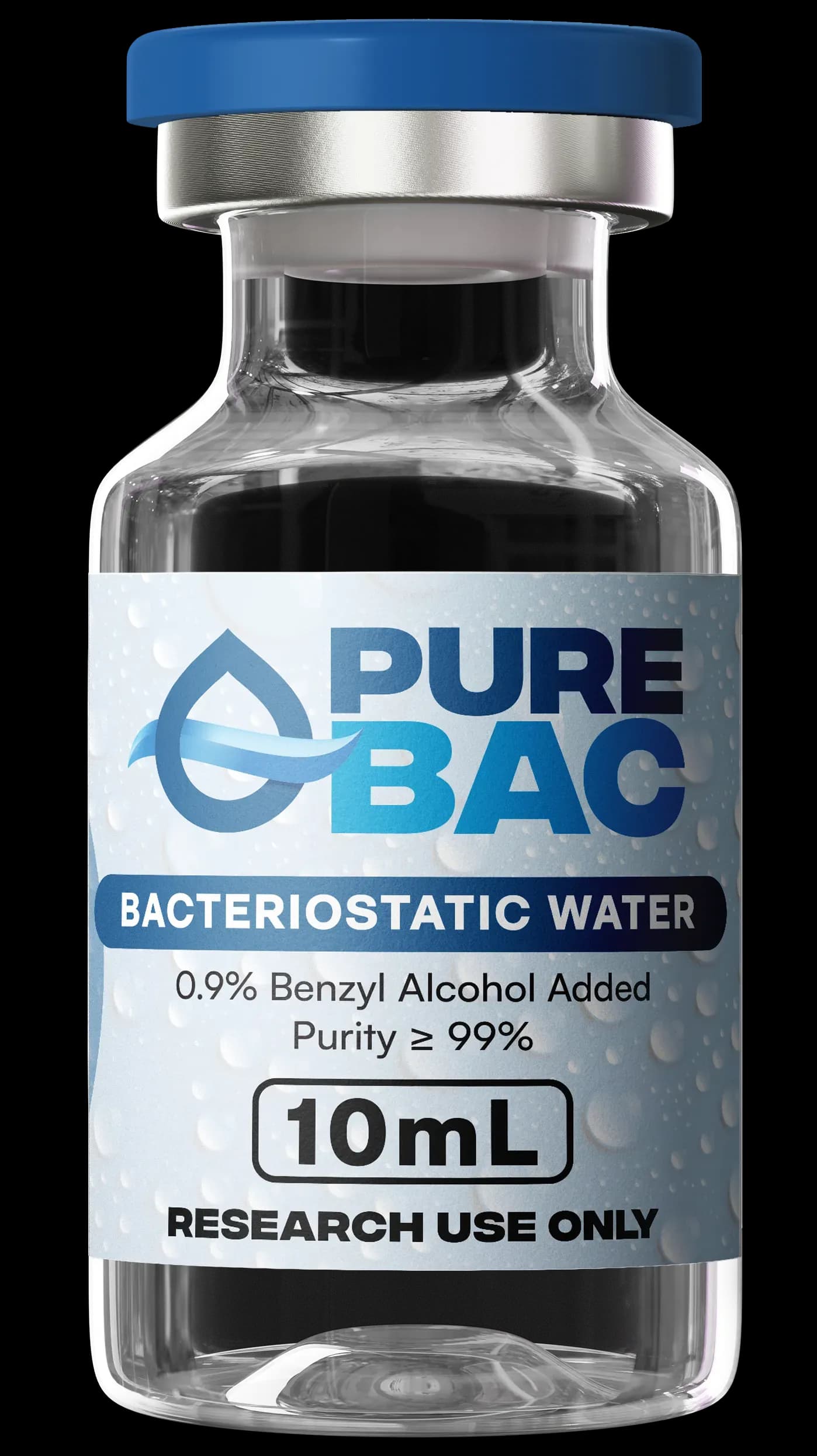
Your retatrutide arrives as a freeze-dried powder. Before you can use it, you need to reconstitute it with bacteriostatic water. Here's the quick version:
The basics: Draw your bacteriostatic water into an insulin syringe. Insert the needle through the vial's rubber stopper and let the water run slowly down the inside wall of the vial — don't squirt it directly onto the powder. Gently swirl (never shake) until the powder is fully dissolved. The solution should be clear and colorless.
You'll also need bacteriostatic water and insulin syringes if you don't already have them. Ascension sells bacteriostatic water as well, so you can grab it in the same order.
Retatrutide Dosage Quick Reference
Retatrutide uses a dose escalation protocol — you start low and increase gradually to minimize side effects (mostly GI-related). This mirrors the approach used in the clinical trials [1].
For detailed protocols including conservative vs. aggressive escalation schedules, see our retatrutide dosage chart and dosing guide.
One R-30 vial reconstituted with 3 mL bacteriostatic water gives you 10 mg/mL. At 2 mg/week, that is 15 weeks of supply. Even at the full 12 mg/week dose, you get about 2.5 weeks.
What Results to Expect
Based on clinical trial data and community reports, here's a realistic month-by-month timeline. Individual results vary — this is a general guide, not a guarantee.
Month 1 (Weeks 1–4, 2 mg/week)
Appetite drops noticeably within the first week for most people. You'll find yourself eating less without really trying — smaller portions feel satisfying, and the urge to snack between meals fades. Weight loss is typically 3–6 lbs, some of which is water. The main thing you'll notice is how different your relationship with food feels.
Month 2 (Weeks 5–8, 4 mg/week)
This is when visible changes start. Fat loss accelerates, particularly around the midsection. Most people report 6–12 lbs lost by the end of month 2. Energy levels often increase as your body shifts toward burning stored fat. Clothing starts fitting differently. If you're tracking measurements, waist circumference is usually the first thing that moves.
Month 3 (Weeks 9–12, 8 mg/week)
Now we're in the zone where the clinical trial data gets really impressive. The combination of strong appetite suppression, increased energy expenditure (from glucagon receptor activation), and improved metabolic markers creates a compounding effect. Weight loss of 12–20 lbs total is typical. People start commenting. Your face thins out. Old clothes fit again — or become too big.
Months 4–6 (Weeks 13–24, 8–12 mg/week)
Continuing at the full dose, the Phase 2 trial showed average weight loss reaching 22–24% of starting body weight by month 11 [1]. Real-world results vary, but the Phase 2 average at 6 months (24 weeks) was about 13–17.5% on 4–12 mg, which is a realistic target for most people who maintain the protocol and don't massively increase caloric intake to compensate.
For real-world before and after photos, check our retatrutide before and after gallery. For side effects, see the side effects guide.
Retatrutide vs Semaglutide vs Tirzepatide — Quick Comparison
If you're weighing retatrutide against the other big names in the GLP-1 space, here's how they stack up:
The short take: semaglutide is the most established and easiest to access. Tirzepatide is stronger and already cleared for prescription use. Retatrutide is the most powerful of the three but still in trials. If maximum fat loss is your priority and you're comfortable with a compound that has not reached retail pharmacy status yet, retatrutide is the clear frontrunner.
One thing worth noting: many people who start on semaglutide and plateau eventually move to tirzepatide, and a growing number of those are now looking at retatrutide as the next step. The triple agonist mechanism addresses a limitation of the other two — by adding glucagon receptor activation, retatrutide doesn't just suppress appetite, it actively increases how many calories your body burns at rest. That's a fundamentally different approach, and the clinical data reflects it.
If you're currently on semaglutide and considering the switch, the transition is relatively straightforward — but you should understand the dosing differences. Our retatrutide dosing guide covers transition protocols in detail.
For a full comparison of alternatives, see our Ozempic alternatives 2026 guide.
Common Mistakes When Buying Retatrutide
We've been watching the peptide community closely for two years now, and certain mistakes come up over and over. If you're figuring out retatrutide where to buy for the first time, avoid these pitfalls:
Buying the Cheapest Option
The absolute cheapest retatrutide you can find online is usually the worst value long-term. A $60 vial that's 70% pure means you're paying for 30% filler — and getting unpredictable dosing. When you factor in actual active compound per dollar, a $250 R-30 from a verified vendor like Ascension often works out cheaper than a $90 vial from an unknown source.
Not Buying Enough for a Full Escalation
The dose escalation protocol runs 12+ weeks. One R-30 vial (30 mg) lasts much longer than a 10 mg vial, but a full escalation can still require more than one vial depending on your schedule. Running out mid-escalation is frustrating and potentially counterproductive. Plan ahead around total milligrams needed.
Skipping the Dose Escalation
We touched on this above, but it bears repeating. Starting at 8 mg or 12 mg because you want faster results is a terrible idea. The nausea at full dose without titration is brutal — and we're not talking mild queasiness. People report being unable to eat for days, vomiting multiple times, and regretting their decision immediately. Start at 2 mg. Your body will thank you.
Storing Reconstituted Vials Too Long
Once you mix retatrutide with bacteriostatic water, the clock starts ticking. Using a reconstituted vial that's been sitting in the fridge for 8 weeks means you're injecting partially degraded compound. Reconstitute what you'll use in 28 days, and keep the rest as powder.
Ignoring the COA
A surprising number of people never actually look at the certificate of analysis. They see "COA available" and assume everything's fine. Take 60 seconds to check the purity percentage and confirm the molecular weight matches retatrutide. It's the single easiest quality check you can do.
Stacking Retatrutide: What Works
Some people run retatrutide alongside other compounds to enhance specific effects. The most common stack we see is retatrutide + MOTS-C, which pairs the appetite suppression and fat-burning of retatrutide with MOTS-C's effects on mitochondrial function and exercise performance [5].
The logic: retatrutide handles the fat loss and appetite side, while MOTS-C helps maintain (or even improve) metabolic flexibility and exercise capacity — something that can sometimes dip when you're in a large caloric deficit.
We have a full breakdown in our retatrutide + MOTS-C stack guide. If you're already seeing good results with retatrutide alone, there's no pressure to add anything — but for those who want to optimize, it's worth reading.
Who Should (and Shouldn't) Use Retatrutide
Retatrutide isn't for everyone. Based on the clinical trial enrollment criteria and what we know about the mechanism, here's an honest breakdown:
Good Candidates
- BMI 30+ (obese) — This is the primary population studied in TRIUMPH trials. The compound was designed for significant fat loss, and the risk-benefit ratio makes the most sense here.
- BMI 27+ with metabolic issues — High blood sugar, insulin resistance, high triglycerides. The trial data shows improvements across all metabolic markers, not just weight [1].
- People who've plateaued on semaglutide or tirzepatide — The additional glucagon receptor activation can break through stalls that single or dual agonists can't.
- Those committed to the full escalation timeline — If you're willing to do 12+ weeks of disciplined dose escalation, you'll get the best results with the fewest side effects.
Probably Not the Right Fit
- BMI under 25 with no metabolic issues — The compound is powerful. If you're trying to lose 5 vanity pounds, there are better (and simpler) options.
- People with a history of pancreatitis — GLP-1 agonists carry a theoretical risk, and this applies to retatrutide as well [1].
- Those who can't commit to proper storage and handling — If you don't have a refrigerator to store the vial, or won't follow sterile injection practices, this isn't the route for you.
- Anyone expecting a magic bullet — Retatrutide is powerful, but it works best alongside reasonable eating habits and some level of physical activity. It's not an excuse to eat 4,000 calories of fast food daily.
Legal Status: Is It Legal to Buy Retatrutide?
This comes up a lot, so let's be clear about it.
Retatrutide is still in clinical trials and has no FDA approval. It is not a controlled substance, but that doesn't make it a legal medicine to buy: FDA says it has not been found safe and effective, cannot be compounded, and advises consumers not to buy unapproved retatrutide products.
For anyone asking where to buy retatrutide legally, the only routes with FDA oversight are a clinical trial or Lilly's physician-led early access program. Domestic peptide vendors are the lowest-friction option, but they sell an unapproved product, and Lilly has been suing sellers since August 2026. Compounding pharmacies can't legally make it at all.
Here's the regulatory context:
- Federal law: Retatrutide is not listed under the Controlled Substances Act, but it is an unapproved drug: FDA says it can't be compounded and advises consumers not to buy it.
- State laws: No state has specifically restricted retatrutide as of early 2026. Some states have stricter regulations around peptide sales generally — check your state's rules.
- Import: Ordering from overseas vendors may trigger customs scrutiny. Domestic orders (like from Ascension) avoid this entirely.
- Enforcement: Lilly isn't waiting for launch. In August 2026 it sued six sellers (four online peptide sellers, a med spa and a compounding pharmacy) and in October it sued five more, 11 in total.
Storage and Handling Tips
Proper storage matters more than people think. A vial that's been mishandled can lose potency quickly, and you'd never know just by looking at it.
- Unreconstituted (powder): Store in the refrigerator at 2–8°C (36–46°F). Stable for 12+ months. Can tolerate brief periods at room temperature (shipping) but get it in the fridge promptly.
- Reconstituted (mixed with bac water): Refrigerate immediately at 2–8 °C. Use within 28 days. Don't freeze reconstituted peptides — the freeze-thaw cycle can degrade the compound.
- Light exposure: Keep vials in their box or wrap in foil. UV light degrades peptides over time.
- Handling: Always swab the vial stopper with an alcohol prep pad before each draw. Don't touch the needle to anything except the stopper and your injection site.
💡 Pro Tip: Buy in Bulk Wisely
If you're planning a 12+ week cycle, buy your R-30 vial supply upfront but only reconstitute one vial at a time. Lyophilized (powder) vials are far more stable than reconstituted solution. This way you maintain potency throughout your entire cycle.
Frequently Asked Questions
References
- Jastreboff AM, et al. Triple–Hormone-Receptor Agonist Retatrutide for Obesity — A Phase 2 Trial. N Engl J Med. 2023;389(6):514-526. PubMed
- Jastreboff AM, et al. Retatrutide, a Triple Hormone Receptor Agonist, for Treatment of Obesity (TRIUMPH-1). N Engl J Med. Published online September 29, 2026. doi:10.1056/NEJMoa2604169. PubMed
- Wilding JPH, et al. Once-Weekly Semaglutide in Adults with Overweight or Obesity. N Engl J Med. 2021;384(11):989-1002. PubMed
- Jastreboff AM, et al. Tirzepatide Once Weekly for the Treatment of Obesity. N Engl J Med. 2022;387(3):205-216. PubMed
- Lee C, et al. The mitochondrial-derived peptide MOTS-c promotes metabolic homeostasis and reduces obesity and insulin resistance. Cell Metab. 2015;21(3):443-454. PubMed
- Coskun T, et al. LY3437943, a novel triple glucagon, GIP, and GLP-1 receptor agonist for glycemic control and weight loss. Cell Metab. 2022;34(9):1234-1247.e9. PubMed
- Urva S, et al. LY3437943, a novel triple GIP, GLP-1, and glucagon receptor agonist in people with type 2 diabetes: a phase 1b, multicentre, double-blind, placebo-controlled, randomised, multiple-ascending-dose trial. Lancet. 2022;400(10366):1869-1881. PubMed
- Eli Lilly and Company. A Study of Retatrutide (LY3437943) in Participants Who Have Obesity or Overweight (TRIUMPH-1). ClinicalTrials.gov NCT05929066. ClinicalTrials.gov